
July 9, 2024
Resilience Expert Russell Harvey: Mastering Leadership in a VUCA World
Sound bites
My purpose and therefore the purpose of the organizations is one of the dimensions of being resilient.
In this episode
Russell Harvey talks about resilience in leadership, including how he built his coaching practice and the practical parts of his resilience wheel.
- A career path from teaching English in Hong Kong to learning, leadership, and organisational development.
- Resilience as a way to help leaders face uncertainty, stay adaptable, and lead with confidence.
- A resilience wheel built around attitude, purpose, confidence, adaptability, support networks, meaning, and energy.
- Small changes to build adaptability, such as taking a different route or using a different mug.
- The role of leaders and line managers in helping people do their best by getting to know them.
Transcript
ShowHide
Automatic captions of the conversation. They can contain errors and do not name who is speaking.
Thank you for joining us today Russell it's really great to have you with us I'm looking forward to speaking with you thank you Emy it's brilliant to be here I've loved that little um off camera pre-chat um so it's great looking forward to it thank you yeah well it's great to have you here so first of all Russell then first question can you tell us about what it is that you do please well yes absolutely so um f p your title yes uh managing director of
The resilience coach however that's me I am the resilience coach essentially it's what I do pretty much uh all of the time very nicely good mate of mine I just seen it the weekend Richard said a few years ago actually you're just you're just you all of the time actually uh which was a very nice compliment uh from a friend so I the resilience coach so I'm a coach and a facilitator and we'll talk more in a second about how it came about that and the
My purpose and therefore the purpose of the organizations is one of the dimensions of being resilient so by the year 2025 I want to positively affect 100,000 people and right now I'm up to 44,1 12ish essentially well it has to be an is how are you measuring that exactly and you know why it's brilliant when people start asking that question um so it's it's really thinking about over the last sort of so the resilience coach is eight years old uh n nine this year July yeah
So we when we got to seven years thinking about this idea of all seven year uh each it was just sat down and just thought right how many people have you sort of facilitated you do have got radio show you do blogs you know you uh podcasting and you've am of sessions that you've run because you facilitate around all sorts of different things coaching clients and someone's going right okay let's just have a bit of a guesstimate you know around it so it's like yes you
Might have add 15 20 or 150 people that you've seen and go a certain percent percentage and and the positively effect is my measure for it is actually uh when I work with a client or there's somebody in a room when somebody sort of says I get it right or that's finally light bulb moments realization moments I actually I get how I can now take this you know information in this training session and I can utilize it in real life in the workplace actually it can
Be better me lead or manager with it so those and some of those that you see just they just they don't say anything but you can see that they're walking away from the session and you can say that their minds are working they're talking to themselves they're nodding to themselves and I'll just sort of go yeah I think we'll put them in the pot as well um yeah that's how we measure it essentially yeah you can some sometimes you can see the cogs turning can't you
Totally yeah all of the time great feeling and and so why resilience then to talk us through your background because obviously it training coaching development it's been people the whole way through but I'm really interested to understand how that then went to resilience because there were lots of other streams where it could have gone yeah so um the very start of it uh was 1996 in Hong Kong uh essentially so around the world uh traveling you know took a year out and I was uh as
Many people did you were teaching in Hong Kong so I was teaching English Language Lessons 4H hour English language lessons to people off the street and and then actually whilst I was doing that I'm going there's some magic Happening Here don't quite know what it is but there something magical is happening and it was like you know a year or two later a bit of Reflections go you know what when people are having their light bulb moments that just absolutely just you know uh it was
Like Mana from Heaven you know gave me a nice warm fuzzy feeling in my gut so that then morphed into a whole career in learning leadership and organizational development when a very first came back from traveling at he like say I think I don't want to be teach in a school um I think I want to be a trainer I think that's what it's called training and then get asked like well what he qualified in and what do you know and at the time was like
Nothing and out um so then it was like took a sales job um because you say oh you're good with people but all of the time whilst doing that it was like no I'm going to do the training uh of the sales with the people uh that I work with went to ninth school and you know did a training qualification and then got trained jobs that went into learning development and then the resilience piece that came from my last permanent role was at the co-op group
In Manchester uh so not long after I joined and it's lovely organization a lot of its values still sort of connected with it um it was in a bit of a pickle essentially is a understatement of the decade uh it's just had a an enormous uh black hole in its finances nothing to do with me uh um and then all of my internal clients you know were the part of the leadership team so me and Al Lo of others top 250 people like leadership development sport
They just literally came to with their head in their hands and went Russ the worlds fallen on our Reds and I went yeah I said so there's this word resilience and there's this an acronym vuka vuca and I just went our Solutions our answers our approach to that are in there so we spent few years using those to support my internal clients to go this is how we're going to navigate this and I also knew that um with lots of changes our function was also going
To get restructured and there'll be redundancies and as a result of that in my whole working career um it was like um just that cost moment of this is like my sixth time being made redundant over my whole career but it's actually you know what the timing feels right for me to go independent H and so then did um another coaching qualification um a diploma um and did some Naval gazing on who am I and it's like you know what the only thing I've been talking
About for the last few word years is resilience and I am the resilience coach it's literally it's who I am it's what I do I believe in it I think it's you know um incredibly useful in so many ways so so that's the story essentially believe in it and it sounds like you're applying it at that point as well because sare through redundancy processes one of the toughest times I think for a lot of people yeah yeah and it was my sixth one so it was
Like you know the amount of times Yeah you sort of come home and have to talk to M and go so uh it's happened again you know um yes so the whole career finally um so it took me a while you know I'm 52 now so do the math what eight or nine years as of that it took me a while to for it to feel right for me to go independent you know it was like there were times in the past you could have tried
But it's actually to know the timing just feels right and sometimes that comes out of the naval gazing doesn't it it comes out of having the giving yourself the time and opportunity to reflect on is this right and what's it like give you Ed wobble as we say up north one better phrases sometimes you got give wobble yes totally it does and so talk us through I mean coming out of Co a lot of us know what vuka stands for but for clarity talk us through
That resilience and vuka piece please you went to so sort of the the whole gamut of what I do you know supporting leaders is is how to lead yourself and others well in this full-on crazy mad world that we live in you know and for me uh all of the information and tips tools techniques and resilience and all the information and tips tools and techniques around vuka they're intertwined there's so much that you can go out in there so uh to start with vuka is like
It's like buzzword but I say to people it's say I find it uh a much better way of facing into this sentence of change is constant so you know we say that a lot you know you can walk this a change workshop right change is is constant right we're done off you go um how yeah I'm pick the V piece there's a lot more to go so the world we live in is volatile uncertain complex and ambiguous and nicely there's vuka Prime which is the counteract
To that so to counteract that you need Vision understanding Clarity and Agility um and so when you look behind uh all of those eight words there's just ideas and hints and tips about what that actually means so the understanding one is that we need to it's heav link to emotional intelligence so leaders need to understand that at times they have to feel comfortable feeling uncomfortable you know um and so uh at the heart of resilience is our attitude and that goes to our beliefs so you
Know how are we about our beliefs about ourselves and that's linked to confidence so how confident do we feel you know uh in really difficult challenging situations so you can there's just linkages amongst them all about how you sort of play around uh with those and do you do you get the sense that within resilience there's almost an acceptance of not understanding what's going on sometimes I when I was speaking with leaders through through Co where that's coming from is the best leaders or the most
The people the people that were responded best to were those that held the hands up and said we have no idea what's going on but we're going to figure it out together and we're going to keep you safe in the meantime is is that an element of resilience knowing that actually everything is up in the air but we can figure this out yeah so there's there's two things there absolutely so I talk a lot about the word optimism um as a root to feeling positive and
Also it's about how people think about this Clarity piece in all the boota business ones so um what really helped in terms of so optimism is absolutely not about well it's all a bit crazy let's just be positive please don't do that okay because that just concerns me about toxic positivity so optimism is grounded in reality so you talking to a slight so how much are you so the reality of your situation is we haven't got a clue we just literally don't know yeah no idea
What's going on how it's going to unfold so that's our reality now the next bit then is being able to find a way to accept that with good Grace it's like you know it's the case of oh how do I so comfortable feeling uncomfortable it's like absolutely no idea what's going on but I it's like I'm how what do I need to do to feel okay saying that stating that feeling that and it's grounded in reality um but the reality as well is also uh about
The reality of what are my internal skills uh experiences capabilities behaviors strengths attitude levels of resilience and what are also the ones of the people around me their strength skills capabilities attitude so part of the reality is going let's let's see the size of the challenge let's accept it let's talk about it well so that we feel okay about it and then it's like let's also understand actually who we are what we've got and and our strengths and our skills and then you start to go
Oh you know what I'm getting some feelings of hope I I actually feel hopeful that we can face into this still haven't got all of the answers but I'm actually getting hope ah I'm now feeling more positive about it so I do like people you know listening now people I work with I I took a lot about I asked you know there a lot of the time might come to me and say so since we sple God and I and then I listen sometimes I go
So how optimistic do you feel right now and so they'll sort of go actually it's gone out the window so right yes we absolutely need to talk about that and then go ah yeah actually yeah even though I've just laid out all of these things oh yeah I'm feeling optimistic huh how come that's the case right let's explore that you know um and then finally the clarity piece around the vuka side is um when we're all at SC and we don't know a lot of things
It is actually what's the we need to get clarity on the bare minimum that we do know sometimes the clarity that we're going to get is that we know very little but that's what we're clear of it's so it's it's not about suddenly trying to find Clarity where it doesn't exist it's sometimes you have to turn around and go how Clarity today is that we have Clarity on one thing yeah yeah you just got to dig that a little bit deeper to find that one nugget
Then that's what it is yeah and so how much of how much of getting the leaders to get to that position involves this may be a Clum clumsy word in I apologize for it but sort of thinking on the spot to accept that you don't know what you want to know must take an element of calming the ego yeah it does especially in the leadership role where it's sort of everybody's looking to you for the answers and there must be an element of I'm just G
To tell them I don't know I'm gonna have to tell them I don't know but this is what we do now and there must be do you find that that becomes part of your work supporting them too yeah it all does so I um so I talk so I work with clients on their resilience wheel and it it's so it's on the website and it's like it's a build upon the resilience work from Robertson Cooper so it's literally it's their work and I've added a bit
To it you know and so to get to this thing around ego um it's h there there seven aspects to the wheel and we just talk about all those seven aspects and get the individual to self assess with themselves on about actually wh aspects of my wheel in a good place and I'm in such a good place and so you've got many different Avenues and routes to where they want to get to so you know one of the dimensions of the being resilient is confidence okay
So confident people uh should amazing word should be comfortable going haven't got a clue don't know I can stand in yes I know I'm the CEO but I'm quite comfortable standing in front of the room of 2,000 15 or you know 15,000 people on a on a on a virtual call and going yeah not got an idea on that one and they're okay with it um and the Heart resilience is our attitude so you know if you can actually you know support people about what's your
Underlying beliefs um and the thing with beliefs that fascinates me is the definition of it of something that we behold to be true without basis in fact that that just fascinates me you know I believe this you go okay how come let's explore what's that about um so there's so many different ways in that you can support people to you know you can call it show vulnerability or be okay with saying I don't know or understanding actually that their ego is getting in the way of
Them you know um being the best version of the leader that they can be essentially so yeah it's it's it would be that is it worth just doing a very quick um the seven aspects of the resilience wheel absolutely yeah go so the heart of it is your attitude and part of that an awful amount that value system your beliefs there's having a purpose so I've talked about my purpose so I also work with clients around you might have a life purpose and a leadership purpose
That'll be but there might be difference there's the word confidence there's the lovely word adaptability which is about openness to change but being mindful that openness to change isn't necessarily doing it I'm open to it but I'm not necessarily done it agile is doing change quickly so sometimes it's good to support people to understand uh there the Nuance between those and there's good research of that those individuals that spend a third of their time working upon their adaptability so have a personal development plan to work
Upon it openness curiosity then they get to themselves to thrive so even though it might be full on crazy they can go yeah but I'm thriving I'm I'm in a good place you know I'm feeling optimistic you know um so adaptability has got more to it there's your support network so the balance of people in your life that support you and may not yeah uh then there's uh meaning and what I mean by that is it's all about our internal storytelling so it's literally how we
Describe uh our life's events to others so it's how are you how's the meeting how's life how's work it's how we describe it it's noticing how you describing that and seeing how helpful that is because every time you ask that question you instill a memory it's an opportunity in still a me memory of like actually everything's gone to Hell in a h hand cut and I'm a bad person is it's a always like everything's gone absolutely crazy and I am finding ways to navigate through it
Is different so you know meaning and energy uh and in that one when I work with clients that's everything I do around a strength-based approach so what indidual energizers what you would natur enjoy doing and do more of those so that's a Whistle Stop T of the wheel and you can go at it from any direction that you want and they're all interconnected so when you get one of them into a better place it has positive impacts upon the others okay and and just going back
To that adaptability piece and spending a third of your time on adaptability what does that mean in Practical terms like what can what could I do tomorrow in terms of to become more adaptable and build that muscle are there practical steps yeah totally so it's it's it's about being open and curious so literally you might have a favorite mug uh but don't use that one use another one yeah it's literally anything and everything that you can think of doing differently if there was a particular route
That you always take to work take a different one yeah um these you can start small these these simple things um if there's certain item of clothing that you always wear wear something different you know uh then it is absolutely uh about um you know spend time with someone whom you know your value system is different yes that's yeah that's and that probably comes from your time in Hong Kong you will have learned loads being in a different culture and having to empathize and understand and
Learn again and relearn I been very lucky to do an awful lot of traveling and and it's true travel broadens the mind so it's it's any way shape or form that you can just challenge yourself to do something slight slly different start you know it's and it's it could be you're in a leadership you know meeting or in a meeting and and you've got your agenda and you so actually there's you might have noticed actually there's a normal way in which we always do things and
That is also it's good practice to you know standardize lots of ways in which you do things in business and at the same time you can turn around and say you know what we always approach this in the same way so let's find a different way to do this um and and it also be great opportunity to ask for feedback because um the team may not know it but um the leader could sort of say is there a particular way in which I approach things um
That actually we could shift and change and somebody might put and says well you actually you always ask Fred first and like so why don't you ask Mary or ask Asif or ask Bob you know and it's like so there has to be a degree of self-awareness around that but that that is just do anything differently that you normally do and ask an awful lot more questions because it's about openness and curiosity um so that's a third of your time working upon your adaptability and is
That is that almost like a rewiring exercise yeah in ter of that change it's it's like it's habitual and then it goes into your Reflections about what have you learned from it because I Define resilience from my years are working with it as springing forward with learning I'm not a fan of this term bounce back just because there's a risk that we'll face into a challenging situation and go right I'll go back now and I'm going you can't go back so I'll really Hammer home the
Rest you spring forward with learning so then there's an opportunity in there of like um when you're going to be working upon your adaptability your openness and curiosity then is also you need to habitualized uh how you're reflecting on actually what you're doing differently and what are you learning from it and and it's always about what are you going to keep doing because it works really well for you it's not about change for change sake we have to make sure that we also feel an internal
Sense of grounding so you absolutely all of the time you got to sort of say actually what am I doing that is working well for me in your Reflections and actually what am I doing that I could probably potentially stopped doing it didn't work well or actually what could I do differently so to be able to spring forward with learning from all of life's experiences good or not so good you need to pause need to reflect and you need to reenergize so everything that we do
Has an impact Upon Our energy levels so how do you reenergize um and sometimes working leaders I do notice that sometimes the thing that they do to re-energize often feels like another thing that drains their energy uh which is just sometimes it is it's like uh I think those that can sort of come Acro and fall over so you you know it's you're highly intelligent high powerered full-on it's like um I haven't done any specific work with uh surgeons I've done a lot of um speeches
For the transplantation society which is amazing um but surgeons that they have their job that they do but actually their form of relaxation is to go climb a mountain is to is to push themselves again a and just sometimes you just got go I I understand why you're doing I absolutely understand it's part pushing yourself as part of who you are however all I've heard is that you just seem to be pushing yourself in every aspect of your life all of the time in different ways
And I'm concerned that at some stage that's not going to work for you you know so yeah interesting I like the distinction you say spring forward with learning spring forward with learning yeah yeah because that's that's one of the things that I not that I'm issue with the word resilience but it almost like you say it conjures that that image of almost like a Weeble you know fall down you get back up you fall down get but you never actually go anywhere and I really like
The concept of antifragility so the more you get hit the stronger you get and that spring forward with learning is the same it's the same concept isn't it yeah it is and and so yeah I'm I'm want us to just avoid the or you just need to be resilient you just need to be positive or you've just got like yeah just yeah and that and that's the real challenge with a lot of organizations when they say and this is the world I mean so can we
Have a resilience Workshop it's um it's like so tell me a little bit more about your organization do they sometimes mean can you get them to just suck it up and crack on yeah of course they do that's what they mean the vast majority of the time yeah and and it's a real challenges in my own business to go you know positively affect 100,000 people it's like what do you say yes to what you say no to sometimes consciously go in and go I absolutely know
That this is um the request where this is coming from of like our culture is rubbish but could we just do a resilience workshop and then throw them back into The Fray there's some of those that still don't in just in the hope that um you just so enough seeds uh and sometimes it were sometimes people come back from the organization and went yeah you yeah you came along and we've not we're starting to notice that just coming along and doing that wasn't enough okay when
You go okay let's find out what other ways in which can do this keep digging yeah yeah totally totally keep digging yes yeah oh that's interesting that must be really rewarding from your perspective it is oh it is it really is um and and yeah it goes back to um that gorgeous feeling you know teaching in Hong Kong people light bul moments and yeah week you get the opportunity for somebody says to you ah I get it now or they might you just might see it
Body language that they're having one of those you know um yeah and really nicely um last week with a coach and client just difficult circumstances got an amazing job um and then we'll getting towards the end of our session and I'm thinking I think I've I have been at no use at all to this person today we've been talking for about 90 minutes coming to the end of the session and I'm like I'm going to always ask a question about you know so what you learned
What's your golden nuggets you know any feedback for me um and then and they just immediately justly stopped just as I was leading up to and went oh gosh I feel so much better which was you know it's not fishing not always wanting to do that the expectation of that won't always happen and then it's like okay I actually thought you were going to say the opposite of that so what on Earth was it you know that happened and it was you know it's those nice
Usual things of like it's a different perspective actually i' I've written all these things down we talked about this that was helpful talked about this that was helpful so yeah it's incredibly reward reing at me yes it really is I'm very lucky yeah absolutely we we work with organizations and go in and do cultural audits so we're probably either side of your your process and often the feedback that we get from people is it's just it's nice to be heard it's great that our organizations invested
In this because they want to understand what our challenges are and they want to understand what's working well with the culture and what's not working well and people even if you don't make an impact but they feel heard and they know that someone's listening to their their challenges and they got even one nugget I think it's it's incredibly powerful it is really is most definitely brilliant and and so what are you influenced by them Russell is there a book or a podcast or a documentary that
You've that you've watched that's impacted you but also that you might share that could help the leaders that might be listening um so there's one uh humankind by rutka bregman that's a great book it's a great book yes I've just spot it I was looking for it before I've literally just spotted it it's just yes really that one what was it about it for you so um when people talk about sort of spirituality and faith my faith is in is in human beings so I don't
Have any religious Faith so my version of a faith is like um generally speaking when human beings get human beings are given options and choices most of the time they'll make good ones it feels like that's been tested a lot y fair fair feels like it's my faith in humanity is getting battered on occasion and so I don't and I don't quite know why the humankind and it's one of those things you know Universe sends you stuff so what I loved about it was just a
Revisiting on this whole question of like you know human beings selfish and horrible or human beings are they all right they half nice you know and they're all right yeah they're all right literally just you know so hundreds of different examples and stories that Al so challenging our beliefs you know about actually the things that have happened so loads and loads of experiments that are you know out there are saying humans are like this you know Mr bregman go s all and went that's not actually
That didn't actually happen that's not true you know um so i' also got a bit of a thing at the minute around neurom myths because I yeah just I know that I've walked over the Decades of my career of learning development you learn something as a trainer and then find out years later go actually do you know what that wasn't really true uh for example you share an example with us you know left brain right brain yeah it's like you use your whole brain essentially um
That's that's uh you know uh one of the ones that's on there as well it's it's just um things like that of like just be careful be mindful um around actually how the brain works or just double check it or do some research around it so yeah yeah yeah definitely definitely so yeah the humankind book so you the reason why you would pick it up is it um it restored my faith in humanity and also there's lots of information around actually how we do work as
Human beings so as Leaders you need to know that you know so there's hundreds of Leadership Lessons in there as well about actually how am I going to support my people you know um to be the best that they can there's loads of things that are in there that is a really good tip thank you for sharing that one and and in terms of leaders then themselves are their leaders pedor present famous or otherwise that you particularly admire whether that's because they're resilient or they've had
A great message to share does anyone stand out for you yeah yes so they're actually sort of the leaders line managers that I've had um so there's uh no particular order there's uh Marshall there's Freya and there's Karen uh Marshall freeze um Freya went she's changed a surname she's got remarried oh Freya I'm sorry but Freya if you're out there and you're listening oh God H and Karen rushon um so there were different three different line managers I had and all three of them they absolutely
Um and Ian Mason as well uh must remember Ian Mason so they they did that what is like we we say dead simple they just did that that dead simple thing of um getting to know me and actually saying actually so this is this is how we enable you you to beat your best Russell it's just it's just such a no-brainer you know as well I've actually had quite a few Sue Johnston as well yes um at the co-op group she was brilliant there we go
Sounds like you've had a blessed career to be able to real now there been a few not nice ones but you know that's the way that works sometimes yeah well often they give you the greatest lessons as well don't they they do how how what not to do we want a better phrase really well I've really enjoyed speaking with you Russell thank you for for sharing your time and sharing your insights but before I let you go can you tell us a little bit about where
To find you if people want to because you've got your own podcast episodes and there's all sorts of resources on the website isn't there so where can they find absolutely so the website is all the ws. the resilience coach.co and yes series one of bodcast is on there about how to build your own personal resilience um and which talks all about the resilience we all Z are blogs on there and there's also series two of how to build a resilient organization from like a human leadership
Point of view that's about uh released as well so just go on the website I'm on LinkedIn um feel free to connect with us just reach out just you know have a virtual or physical coffee and let's just that essentially fantastic thank you for sharing that it's been really good speaking with you really appreciate you making your time thank you appreciate it thank you thanks for listening to the human CEO podcast if you enjoyed this conversation please help us share more leadership content by liking and
Subscribing if today's episode got you thinking about unleashing the full potential of your organization's culture we've got a great next step for you take our free assessment at human culture. score.com to see where your organization stands and discover actionable insights to elevate your workplace culture
About Russell Harvey
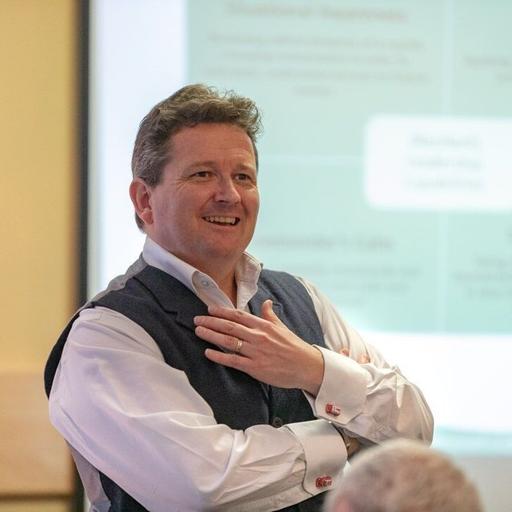
The Resilience Coach | Resilient Leadership Expert
100,000+ People positively affected6,000+ Executive coaching hours£12M+ ROI delivered by RWE npower leadership programme20+ years Learning, leadership and organisational development
Russell Harvey is The Resilience Coach - a resilient leadership expert, executive coach, facilitator and keynote speaker who helps leaders and organisations perform at their best when the world refuses to stand still.
With more than 20 years in Learning, Leadership and Organisational Development, 6,000+ hours of executive coaching and over 70 published podcast appearances, Russell is an experienced and engaging voice on resilience, leadership and navigating persistent change. He has worked with leaders across organisations including Novartis, the NHS, AB World Foods, Kerry Group and The Co-operative Group.
Russell’s work goes beyond helping people simply cope with pressure. He believes true resilience isn’t about “bouncing back”, being tougher or pretending everything is fine - it’s about springing forward with learning and becoming better equipped to lead because of the challenges you’ve faced.
His approach connects the human side of leadership directly to what matters to organisations: engaged people, stronger cultures, better decisions and improved performance. His work has delivered measurable results, including a leadership programme that returned £12 million to the business and a Resilient Leader Programme that achieved more than 1,100% ROI.
In August 2025, Russell achieved his long-held purpose of positively affecting 100,000 people.
More from Russell Harvey
All episodes → Living the Dream with CurveballSpringing Forward: Russell Harvey's Insights on Building Resilience and Embracing ChangeNov 2026Play episode →
 Transformation Station Leadership PodcastTSLP Season 5 Ep. 26- Thriving Is A VerbNov 2026Play episode →
 An Evolving Man PodcastReal Resilience: Why Pushing Through Isn’t Enough | Russell Harvey | AEM #172Oct 2026Play episode →
 Leadership From The Heart | Transformational Leadership InsightsResilience Without the Rebound | Leadership Mindset ShiftAug 2026Play episode →
 Burnout Proof Leadership: Identify Shift and Leadership Skills for Midlife Women EntrepreneursEssential Leadership Skills You Must Have If You Want to Build Resilience & Avoid Burnout When Your Business Gets Hard - with Russell HarveyJul 2026Play episode →
 Your Career JourneyHow to Build Resilience at Work: Leadership, Change & Thriving in Uncertain TimesJul 2026Play episode →
 The ThriveWell Journey | Entrepreneurship, Leadership & Life After DisruptionHow to Build Real Resilience Under Pressure | Russell HarveyJul 2026Play episode →
 Future Fit LeadershipThe 2030 Leader: Why Resilience is Your Most Vital Skill with Russell HarveyJun 2026Play episode →
 Different thinking for Different Time - Mindset Change and Thought LeadershipDifferent Thinking for Different Times - 7 Keys to Building Resilience with Russell Harvey How to Nurture a Resilient Mindset in Business and LifeMay 2026Play episode →