
March 31, 2025
Russell Harvey: Mastering Resilient Leadership in Uncertain Times
Sound bites
I describe resilience as springing forward with learning.
I want you to spend your time doing the things that energize you.
In this episode
Russell Harvey talks about resilient leadership, including how leaders build resilience, respond to uncertainty, and turn adversity into learning.
- Resilience is a skill built over time, not a quick fix or something you can simply take and have.
- A resilience wheel with seven elements helps leaders strengthen different parts of their resilience.
- Springing forward with learning, rather than just bouncing back, is central to his approach to resilience.
- Pausing to reflect on what is and is not serving you can help turn difficult experiences into growth.
- A strengths based approach matters because people build more resilience by doing more of what energizes them.
Transcript
ShowHide
Automatic captions of the conversation. They can contain errors and do not name who is speaking.
Welcome to talking with the experts this is where we discuss great ideas to take your business to the next level how do we know these ideas work well it's because we're talking with business owners who are using these ideas business owners who have years of experience and expertise all things business by business owners for business owners and now here is your host Rose Davidson hello welcome to talking with the experts I'm your host Rose Davidson from Rose davidson.com do Au and today it's my very great
Pleasure to introduce you to Russell Harvey and we're going to be discusting disgusting discussing resilient leadership building strength in the pageantry of power now Russell um Harvey is known as the resilience coach and and he's a dynamic leadership coach facilitate and public speaker with over 20 years of experience in Leadership Learning and organizational development he specializes in resilience and navigating volatility uncertainty complexity and amb amb ambiguity my goodness M it's getting late in the afternoon for the past 18 years Russell is a passion uh is
Passionate about empowering people to thrive into today's unpredict able World his mission is to positively impact 100,000 lives by 2025 and he has already made a difference to over 43,000 individuals my goodness gracious me welcome Russell to talking with the experts thank you Rose appreciate that sorry for putting all those words in there that are tongue twisters you know like ambiguity my goodness M I couldn't get my word my tongue around that word how are you I'm really good thank you I'm really good thank you
So much for having me on and actually I thought I keep asking um the relevant people to update it so it's not the 43,000 we're up to about 78,2 12 of the 100,000 at this moment in time so we we we're cooking on gas is what we're doing fingers crossed people more people today that listen to this though we can add them to the part hopefully okay so tell me a little bit about your background Russell yeah so simar to the introduction so a background I've
Just always been interested in human behavior how come humans do the things they do or don't do the things that we think that we should do um and pretty much most of my career in learning and leadership development and organizational development so I since I I'm a coach and I'm a facilitator it's who I am and that became uh it'll be oh 10 years uh in July uh that became the resilience coach uh just about 10 years ago and the last role that I had was
A a company called The Coop group in the UK there are cooperatives all around the all around the world and not long after I joined the co-op all um there was some serious challenges within the business and from there all of my centel which were senior leaders within the business literally came to with their head in their hands going what Earth do we do and well there's this word resilience and there's this anacronym vuka which you have just gone through and I went all our Solutions
Are in there so how to lead yourself and others well in a full-on mad Bonkers crazy world is my specialism um living leads in the UK gorgeous wife and uh love to travel and so yeah that that's me essentially I love talking about resilience as well so how do we Master resilience as a modern leader Russell yeah so so it does take some effort okay but we got to try and find a way for you to engage with the resilience in a way that's enjoyable so
Um it's not a pill that you can take unfortunately Rose to just sort of go right I can do this one thing and you know I'll Master my resilience so when everybody ever asks me exactly that question so Russell how do I build resilience I go well there's this resilience wheel it's got seven bits to it when you make the decision to engage with your own resilience wheel just forever more the rest of your life and get each aspect of that wheel into a good good
Place you will be building and growing your resilience so that when you face into life's challenges you're better equipped and actually a lot of the time what you view as a challenge shifts into something else because you're so better equipped prior to building your resilience you know you sort of certain situations would um have a negative impact upon you but after you've grown your resilience you go actually do you know what this thing happened but I didn't you know I didn't realize that it was a
It was challenge because I just faced into it really well essentially right so the resilience wheel as well is what you need to play around with okay I've never heard of the resilience wheel so I'll have to do a little bit of research on that yeah absolutely so it's just on my website it's it's a build upon all the research from Robertson Cooper okay they've got had um five aspects to this is what you do to buland and I've just added two more to it from
My own personal opinion essentially and that's what it is right so what are some practical tools that we use to build this resilience and and and confidently face leadership challenges I think um practical tools and there's loads of them where um I think as a leader it's actually um holding a conversation around optimism so what I'm really concerned about in the world the resilience world and this um word positive as well is that it can get a bit toxic okay so my intention around resilience is
I absolutely don't want anybody to think about it of finger pointing of you just need to be positive you just need to be resilient I I don't like that it's not where I'm coming from okay so optimism all right if you look up the dictionary definition of optimism it uses the word positive to describe it okay so um but what uh individuals and leaders need to be able to good at is actually holding an optimistic conversation so optimism is grounded in reality okay so it requires
Emotional intelligence and it requires empathy and it requires compassion to do so so grounded in reality is both the things that we uh know are not going well the things that we're not enjoying we can have conversations where we so say asle I'm a bit worried about this I'm a bit frightened about this or being able to say to your boss actually I think the decisions that we've made to face into this challenge they're not right you know can we talk about them so an optimistic
Conversation is being a to talk about the difficult things without it turning into like a downward negativity spiral but also what's grounded in reality is what's good about us what's right about us what our strengths are what our skills behaviors capabilities attitude experiences mindset that's the reality too you know what's good what's great about us how we'll face into the challenges and when you do that well then you actually talk about the challenging stuff and then also shift into the things that um you know that
You can do to face into it and as a result of that you get genuine hope real hope and as a result of that you feel positive about actually facing into your challenges so that that's one of the many ways that you know part of being um resilient I think I answer that question differently I L the time Rose about practical tips tools and techniques because there's hundreds of them but today it's literally let's talk about optimism just right now um and see what people think
About it but but there's loads more as well yeah I mean it is good to be optimistic of the future and your gr and your growth and your personal relationships and you know we all like to feel a little bit optimistic about you know how things are going but sometimes it can be challenging to lose that optimism because you there is that finger pointing and you're being told that you have to be optimistic and you're told that you have to be positive when you're not in
That frame of mind no you can't if you feel a particular way you can't just magically feel another way you know it's just because somebody's told you I think one of the other ones as well is um one of the dimensions of the resilience wheel is is the lovely word of adaptability um so it's good for people to understand the the Nuance between adaptability and Agility these are all words that get thrown around in the resilience world you know need to be this you need to
Be that need to be the other so there's some good research uh that shows that those people that spend a third of their time engaging with being adaptable which is open to change uh then they get themselves into this place that we call thriving rather than just coping and surviving they get themselves into a a different much better place but it's also interesting so uh um openness to change does not necessarily mean doing change so I'm open to it okay and yeah I'm absolutely I'm open
To ideas but it's like so you going to you're actually going to do it that's agility being quickly making the choice to actually do a behavior change that's agile and so when you uh engage with your adaptability just openness curiosity wh ifs exploring things then you also get better at your agility as well so you know tips tools and techniques is to just spend time doing things differently so if there's a particular route that you take to work take a different route if you're always drinking
For one particular coffee cup pick up a different one literally anything and everything that you can think of to go okay I'm just going to do something slightly different today and then you just keep opening yourself up to the possibility of like okay I'll try this I'll try that spend a little bit of time with individuals whom you know you have a different value system too you know and and even if it's uncomfortable for you just spend time listening and going okay I yeah I don't
Like what's being said but I'm going to sit with it and just allow it to permeate I'm not going to just reject it or rail against it I'm just going to sit with it and just go okay there's a different opinion to me so let's let it happen yes yes um you know we all have to be open to um differing opinions and just because it it you have a different opinion doesn't mean that I shouldn't not like you because you know your opinion is different
Than mine uh just means that we happily disagree to over agree to disagree on a certain topic absolutely and um the reason that I'm talking about all the things in the particular way is because of the way in which I Define resilience so I'm not a fan of the term bounce back okay so uh I describe resilience as springing forward with learning now I appreciate it a play on words but if people that are listening and watching now uh can actually wrap their heads and hearts
Around this uh definition then that will absolutely enable them to build and grow their resilience so this is about on you know a daily weekly monthly basis as you go through life it's finding a way that you find interesting and enjoyable to pause from all of life's events essentially and pause is listening to a podcast okay pause is going for a walk pause is watching telly pause is doing a hobby pause is actually just staring at the wall and you know with a blank mind essentially
Um and in those pauses it's about having the reflective conversation about what are the behaviors that I've been doing recently that are serving me well and what are the behaviors that I've been doing recently that haven't been serving me well and how do I find a way to do more of the behaviors that are serving me well essentially so springing forward with learning and that needs to be that learning needs to be aligned to your purpose which is one of the dimensions of being resilient henceforth
Why I've got the purpose of positively affect 100,000 people by the year 2025 because it's part of my Valley system who I am it what gets me out of bed each day and I'm reflecting on that all of the time so springing forward with learning is a doing actionable thing but it's in a way that you really got to findun interesting enjoyable it hasn't got to be a slog it needs to be something actually that you're willing to engage with essentially absolutely absolutely and how can
We turn adversity into a growth opportunity yeah what through exactly what I just talked about then that that springing forward with learning essentially it is about you know um part of resilience is recovering from Adverse Events recovering from challenges so it's in that recovery you've got to give yourself some time with your um existing levels of resilience um so when you face into a challenging event is it's it's it like the idea that your levels of resilience have been reduced you know there's some water analogies
You' got you know resilience bath or a resilience Reservoir essentially if you've got a challenging event then your levels of resilience are going to be reduced so you need to you know you need to recoup those losses by engaging with the resilience will to uh re-energize yourself and recuperate yourself and restore yourself all work beginning with r it seems Rose I'm I'm Russell it's resilience there's all these words with the letter r that are in the front of it you know they just seem to be
There all of the time and so uh you know exactly from that uh it is understanding this thing about what's the difference between a fixed and a growth you know mindset all of the great work from um Carol s d if people uh are aren't um familiar with her which is you know that growth mindset being about um I you know it's that simple sentence inside our heads of I don't know how to do that yet essentially so but I'm going to find a way to
Do something I'm going to find a way to learn I'm going to find a way to recover from this I'm going to find a way to see what my recent experience is something that I can learn from um yeah and a lot of the time is way way easier said than done we we don't um give necessarily give ourself enough time to recover from certain events because some of life's challenges are horrific you know and you absolutely do need to um um give yourself enough opportunity
To do so another sort of um resilience person and right now I've forgotten their name um one of the things that you know resilient people do is they do understand that life isn't fair they they know it they understand that life isn't fair and horri things happen to really nice people but they but they get that the other thing that they do is that they find the good in really unpleasant situations they're able to sort of take a step back and get some perspective and just
Sort of actually find the good and their role model optimism that we've already talked about essentially yeah so tell me about this bucka this volatility uncertainty complexity and ambiguity yeah so it's it's really interesting some people are sick and tired of hearing about it some people have never heard of it so yeah so the vuka so it's it's got um a military context to it essentially you got brought into the business World in about the 1990s the reason that I like it is um it's a
Much better way of talking about this sentence of change is constant okay so yeah we can walk into a room and say change is constant and go suck it up deal with it but that doesn't really help in any way shape or form so the vuka model is when you look behind it um so I'm going to do eight business buzzwords right now for we've talked about but vuka is the fact that the world is volatile uncertain complex and ambiguous and vuka Prime is the counteraction
To it to go we need Vision understanding Clarity and Agility so they're all buzzwords but when you look behind eight all eight of them there's definitions and then there's understanding and then there's specifics and Clarity around what they mean but it's literally is a I think it's still a really great um framework for understanding actually why change is constant how you face into it the leadership capabilities and the performance skills that you can build as a leader and as a human to face into it and
They all link to resilience skills as well so they're intertwined the resilience and the vuka piece but it's it's a really great way of looking at the fact that change is constant uh and some businesses really have uh embraced it um and uh I've understood literally how to grow their businesses and utilizing this framework yeah absolutely a lot of businesses unfortunately um you know just keep doing the same stuff every day they don't look at anything outside of the norm that they've been doing for 10
20 years I mean I've worked for organizations where I've made suggestions on how they could um perhaps improve their processes and and streamline them and you know I was just told off for being you know too forward so to me that organization is is you know not willing to change and not willing to adapt to the changing environment no and and and that's um conversations I have with individuals and businesses all of the time and so it's like when people do make suggestions um um it's
Actually understanding is it a cultural norm of the whole business that we don't like suggestions or is it actually that individual and the line management relationship or the relationship with who they actually they they said it to so you have businesses um that aren't necessarily great to do in change but then you've got pockets of teams who are brilliant at ideas and conversations and you know they actually they they're doing something brilliant over here in this bit of the business and other business is it's literally
It's the it's the general Norm for us to do um you know listen to and be open to and keep discussing how we can do things differently and but then there might be certain individuals in certain departments that them as a line manager they don't like it you know even though it's part of the cultural nor so it is it's just it's it's it's really fascinating and for me so carry on yes and I think you know if if you're going to move forward in your
Business you've got to be open to change and open to IDE IDE and open to suggestions because that's how your business grows it is completely and I'm reminded of the fact that um from the last sort of couple uh World happiness report surveys there's something ridiculous like that whenever we ask uh a human being you know how are you um their response 80% of the response um about how they are is down to their relationship with their line manager so you know if you've got a
Really fantastic quality relationship with your line manager then your answer to the question how are you is informed by that and if you've got a challenging difficult uh convers relationship with your line manager it informs the response to how are you so this is why when I talk about resilient leadership it's that's one of the many things that I sort of say so just think about the responsibility that you've got for you know all of the people that are under your your you know your remit
When we ask them how are you a massive chunk of their response to that question is down to you yeah absolutely it is yes it is it's um what you like to do about that it should be how you treat your you know the people on the floor is um you know how you'd like to be treated yourself that's what my belief anyway yeah and and and it's and it's just I do so much you know uh line management and leadership development and you know so
Much of the time when we sort of say okay let's just have this conversation about leadership management what is it you know all of that is informed by their previous uh relationships with their line managers people have either had unpleasant experience and realized that's not the way to do it you know people have had unpleasant experiences and have not realized that they've actually taken on some of those behaviors themselves and are doing them some people have literally just have happened to have woken up or been
Born with a good idea of isn't it about just treating people well and then just get it you know H and everybody else is sort of just learning along the way as well absolutely now if you want to um learn a bit more about Russell and what he has to offer you can find him on Facebook at the resilience coach he's on Linked In as Russell the resilience coach and on his website it's the resilience coach.co Russ would would you like to share anything else with
Our audience today um yeah just um one of the many tips and secrets about um being resilient dayto day is about playing to your strengths the things that energize you um so when you play to your strengths it builds natural resilience and natural confidence so if people can just be starting to think about dayto day in their job role or in life how much of their time on a weekly basis are they enjoying what they're doing uh then when you're that bit where enjoying it that's
More than likely where you're play to your strengths so spend some time just really understanding where on a particular week or in a month am I enjoying what I'm doing and the secret of that is to try and find more ways to do those things a strength-based approach is a massive part of actually what do in the resilience piece um and um it really often blows my clients Minds when I I do a psychometric with them and they their eyes go to the things that they
Um think they need to be better at and I go you're not energized by those you're not really ever going to want to spend loads of time doing them so to start with don't we don't want you to spend your time looking at the things that de-energize you I want you to spend your time doing the things that energize you and so my clients go huh mind blown I I absolutely thought I had to spend my time doing all these things that I've got a lower
Score on I go no we'll we'll come to those later but now these things that you got higher scores on that you love doing do more of them they're like oh god wow okay so you want to spend time doing the things that I love doing go yeah that's what we want you to do so uh that's yes final thing to share you know if you can just reflect upon the things that you're doing week by week discover the things that are really floating your boat
And you're enjoying and you need to harness those more often absolutely that is brilliant advice Russell thank you so much for sharing that now what can people find on your website yes so there's um podcast series um which uh takes you through all the aspects of the resilience wheel so there's an episode on each of those there's loads and loads of uh blogs okay it's just about all of the things that are are talked about and anything everything you can think of about uh leadership and
Management they're in there and just a fair bit of um information about who I am what resilience and what fuker is that's that's on the website um and just you know look out for also just all the social media I do because each of those are little videos or little descriptions of just ideas and tips so you know connect with us followers all those things and just see what you enjoy let me know what you know what's working for you and when we positively affect you
We can add you to the 100,000 that's what we can do absolutely absolutely Russell it's been an absolute pleasure thank you so much for sharing with us today I've really enjoyed our conversation thank you Rose appreciate you having me on you've been listening to talking with the experts hosted by Rose Davidson make sure you have a look at our back catalog over at talking withthe experts.com and be sure to subscribe to our podcast so you don't miss out on any episode we look forward to your
Company next time
About Russell Harvey
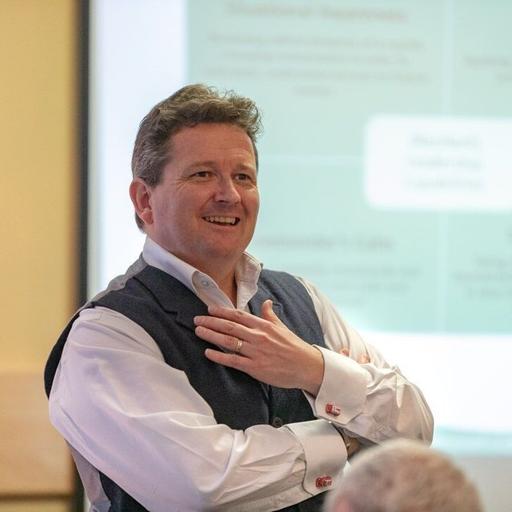
The Resilience Coach | Resilient Leadership Expert
100,000+ People positively affected6,000+ Executive coaching hours£12M+ ROI delivered by RWE npower leadership programme20+ years Learning, leadership and organisational development
Russell Harvey is The Resilience Coach - a resilient leadership expert, executive coach, facilitator and keynote speaker who helps leaders and organisations perform at their best when the world refuses to stand still.
With more than 20 years in Learning, Leadership and Organisational Development, 6,000+ hours of executive coaching and over 70 published podcast appearances, Russell is an experienced and engaging voice on resilience, leadership and navigating persistent change. He has worked with leaders across organisations including Novartis, the NHS, AB World Foods, Kerry Group and The Co-operative Group.
Russell’s work goes beyond helping people simply cope with pressure. He believes true resilience isn’t about “bouncing back”, being tougher or pretending everything is fine - it’s about springing forward with learning and becoming better equipped to lead because of the challenges you’ve faced.
His approach connects the human side of leadership directly to what matters to organisations: engaged people, stronger cultures, better decisions and improved performance. His work has delivered measurable results, including a leadership programme that returned £12 million to the business and a Resilient Leader Programme that achieved more than 1,100% ROI.
In August 2025, Russell achieved his long-held purpose of positively affecting 100,000 people.
More from Russell Harvey
All episodes → Living the Dream with CurveballSpringing Forward: Russell Harvey's Insights on Building Resilience and Embracing ChangeNov 2026Play episode →
 Transformation Station Leadership PodcastTSLP Season 5 Ep. 26- Thriving Is A VerbNov 2026Play episode →
 An Evolving Man PodcastReal Resilience: Why Pushing Through Isn’t Enough | Russell Harvey | AEM #172Oct 2026Play episode →
 Leadership From The Heart | Transformational Leadership InsightsResilience Without the Rebound | Leadership Mindset ShiftAug 2026Play episode →
 Burnout Proof Leadership: Identify Shift and Leadership Skills for Midlife Women EntrepreneursEssential Leadership Skills You Must Have If You Want to Build Resilience & Avoid Burnout When Your Business Gets Hard - with Russell HarveyJul 2026Play episode →
 Your Career JourneyHow to Build Resilience at Work: Leadership, Change & Thriving in Uncertain TimesJul 2026Play episode →
 The ThriveWell Journey | Entrepreneurship, Leadership & Life After DisruptionHow to Build Real Resilience Under Pressure | Russell HarveyJul 2026Play episode →
 Future Fit LeadershipThe 2030 Leader: Why Resilience is Your Most Vital Skill with Russell HarveyJun 2026Play episode →
 Different thinking for Different Time - Mindset Change and Thought LeadershipDifferent Thinking for Different Times - 7 Keys to Building Resilience with Russell Harvey How to Nurture a Resilient Mindset in Business and LifeMay 2026Play episode →