
May 26, 2025
The ONE THING Every High-Performing Man Is Afraid to Admit w/ Nick Jonsson | Ep. 289
Sound bites
We are more connected than ever before, but perhaps many of the connections are quite superficial.
In this episode
Nick Jonsson joins The Super Human Life to talk about why high-achieving men can feel isolated, and how vulnerability, brotherhood, and recovery helped him rebuild his life.
- Superficial connections and online habits can leave successful men without real community.
- Isolation often grows when men avoid clubs, service, and other spaces that create authentic belonging.
- A friend’s suicide helped shape the book Executive Loneliness and the need to address hidden struggle in high performers.
- One on one coaching, men’s groups, and peer groups can create space for financial worries, work stress, and emotional honesty.
- Vulnerability and being open can be the bravest path and the biggest reward.
Transcript
ShowHide
Automatic captions of the conversation. They can contain errors and do not name who is speaking.
Welcome to The Super Human Life. I'm your host, Frank Rich, and this is the only podcast in the world that is dedicated to helping men level up in the five key areas of life. Each week, we bring you real and raw conversations with the world's leading experts in faith, fitness, finance, family and freedom to provide you with real actionable tools to break limiting beliefs, take action and shatter the glass ceiling on your life's potential. So jump on board and join me on this journey as we dive into today's conversation and unlock the keys to becoming the man you were born to be and creating your own superhuman life.
What if the very success you've worked your whole life to build is actually making you feel more alone? Guys, welcome back to The Super Human Life. I am your host, Coach Frank Rich, and in this show, we help men break free from things that are holding them back, so they can level up and go on to create lives of true freedom and purpose. And today is a conversation I believe every man needs to hear. I'm joined on the show today by Nick Johnson, an elite executive coach, endurance athlete, and the best-selling author of Executive Loneliness.
Now there was a time that from the outside, Nick looked like he had it all, but behind closed doors, he was battling addiction, struggling with isolation, and the crushing loss of a friend to suicide. Nick gets vulnerable in this episode, and in this, he and I go deep into why high-achieving men often feel alone and isolated. We talk about the emotional weight of always being the strong one and how vulnerability and brotherhood can transform your life from the inside out. So whether you're silently struggling right now, or you just feel like something's missing, you're going to walk away from today's conversation with powerful insights and practical steps to reconnect yourself and with others.
Fellas, this is more about more than just mental health. It's about reclaiming your humanity. As always, guys, we ask you to help us in supporting the show in this mission. It could do that in two ways. First off, if you're finding value in these conversations, we ask you to take a moment and leave us that five-star rating and written review. It will do more for us than we could ever truly express to you. But most importantly, if there's somebody in your life that needs to hear this conversation, maybe you can see from the outside that they've been struggling.
I ask you to do us the favor and them the blessing by sharing today's conversation. But with that, guys, let's get into today's conversation and episode talking about the hidden epidemic of why successful men feel so alone with Nick Jonsson. We love you guys. We'll see you on the other side. Nick, why is it in a world that is more connected than ever? So many men, especially high-performing men, feel alone. Yeah, that's a fantastic question, Frank. And I really believe that indeed we are more connected than ever before, but perhaps many of the connections are quite superficial.
I think our society have dramatically changed where we used to belong to clubs and associations. Perhaps we are not as involved these days. Yeah, so you're saying it's lack of real social circles, that too much of our life is spent online? Yes, absolutely. Spent online, perhaps we spend time chatting, communicating online for social media and so on. We spend time watching Netflix. We increasingly perhaps are spending our time at home, rather than getting involved, getting memberships in clubs and associations, volunteering, being of service and belonging to this.
Of course, if we're looking back in history, it was typically held by belonging to some kind of religious organization, perhaps a church where we spent some time and we also were of service. We also were there to make real deep authentic connections. And it could be also that we belong to sports clubs and associations increasingly. And maybe that has also been replacing with other activities. What do you think is driving? You know, you brought up a very valid point there, that for the long time, so much of our community was found in our religious, spiritual communities.
And, you know, we've seen, I'm a man of faith. I know you've been on the spiritual journey with your recovery. But we've definitely seen in the last decades or so, going back to the 80s, a big atheist push and movement, people getting away from spirituality. What do you think has been the driver of this isolation, staying out of communities? Like, is there a source, a root cause of some of these things in your opinion? Yeah, I think it actually links back to us humans. We sort of follow the trend where it's more about standing on our own feet.
And if I'm just looking back at my own journey, going back to being raised in Sweden and grow up there, anything first, my parents would say as I was a teenager, I would revolt, I would go the opposite way. I would go far away as possible, what they said. And then it was the same coming into school, whatever the teacher said, I would basically revolt and find my own way. And show that I could stand on my own feet. So and spirituality and religion was a part of that, because it was proposed and pushed on me by the school and by my parents.
I sort of did the bare minimum to tick the boxes. But then I thought it was, here's another thing that is being pushed on to me. And I want to show that I'm strong and I can find my own way. And so that's, I think it's how we package things to human beings and how people are, you know, are not opting in to it. Because when something is pushed on you, especially teenagers, then maybe that's something we reject. So I rejected that for the longest times. And I've seen many men doing the same until we perhaps find ourselves at the spot in life when we're completely lost and we are looking for answers.
And then typically we perhaps find it then. And as part of spirituality is of course the community, which we're talking about, that we so much need. And a part of all these programs also comes to service. And then being of service, we naturally feel that we are more connected as well. Yeah. Have men been maybe sold a lie or taught the message that asking for help is a weakness and real strength is found in the lone wolf mentality? You know, you look at certain superheroes, right? Batman being a great example, vigilante, fighting crime, right?
But he lived alone. Like his, call it coping mechanism was putting on a mask and fighting crime. We all know the story of Bruce Rain, right? You know, traumatized from a young boy, watched his parents get murdered in front of him. And he bottled that up and he went on to have massive success in the career, financially, all of these things. But there's this lone wolf element. And I think it's portrayed so many times in movies and stories that the conqueror, the winner, the victor is the guy that climbs a mountain by himself.
And I think you and I both experienced that that's not the case. Like the people that get to the highest mountain and stay up there go with a group. So have a lot of guys been taught or sold a lie that asking for help or having a tribe is a source of weakness? Yeah, that's huge as well over in the part of the world where I'm Frank. I mean, I was born and raised in Europe, but I live in Southeast Asia now. And a lot of the men I meet here are Americans and Europeans working on expat contracts, perhaps being that lonely wolf.
You know, you represent the big American company out here in Asia. And then perhaps you don't have any other colleagues from who are Westerners in the company. And you might not even understand or speak the language. So you have all the reasons to withdraw here. But why do we do that then in the Western world where you're surrounded by others? Well, I think you're right. It is indeed that we have that fear of vulnerability. We have fear of being exposed. We have the fear of asking for help. And I agree with you also that it is rooted already from being a child, that we are scared of asking for help.
We're scared to ask for others. Also, I would like to add to this that it seems also that many men perhaps haven't grown up in a family. I know I didn't. Where we were trained and learned how to talk about feelings and expressing our feelings. So that was something I bolted up all the way from my teens. And it came out in aggression and anger and later on in various forms of addictions. That was my go-to to deal with all the emotions. Since I couldn't talk about it at home, I didn't talk about it at school and later on in the workplace where I couldn't act out in front of all of the staff because I also was very driven.
When I climbed the corporate ladder, I would say I elbowed my way to the top and I managed to buy together. But once I left that office, I needed some form of a release and typically that could be alcohol or some other form. Yeah. You see your story in so many men's lives, right? You know, lack of strength within the home, lack of emotional resiliency, you know, these kids get bottled up. Many of them like yourself use it for fuel though, right? They bottle this stuff inside and make the decision, I'm going to prove others wrong and I'm going to succeed.
So how do we balance this struggle or dichotomy of like, sometimes these issues that we have to overcome are the fuel to lead to our success. I mean, you wrote the book Executive Loneliness, right? It's like these guys have climbed the corporate ladder, have achieved the dream, the one percenter, right? That most people can't even wrap their head around, whether it's financially, status wise, corporate wise, like they have the shiny glass office, they have the BMW parked in the garage, they have the vacation home, they have the beautiful life, but they feel disconnected.
But they would also look back and say, it has been that pain that's fueled me. So how do you balance that and kind of the executive high performance world where sometimes the things that make us successful are actually going to be the things that make us feel alone? Yeah, that's a very clear statement that is so fresh for me at the moment, Frank, because like you, I'm also a coach and I'm working with men one on one. And why do I do that? Well, while you have all this beautiful recovery community, you have a 12 step program for every single addiction, basically also over here in Asia, especially in Singapore and so on.
But no one, I shouldn't say no one, but the vast majority of men are not ready to go there. When you propose this option to them that you can go to this place, there's other people who have been there before, they're too scared to be exposed. They want to remain anonymous. They're dead scared of someone finding out that they have this issue. And I would say that the more wealth they have, the higher up the corporate ladder, the more at stake, the bigger that sits. And I see that now because I'm coaching a few men who have acquired a lot of wealth recently.
And they are the ones who are the most scared and they're hiding. And it's only when it's beyond almost repair that they come to the table. And are willing to have any form of conversation. But then it is on a one on one level. And even though that I also have a men's group, where we meet once a week online for one hour to discuss. The ones who have the highest at stake, most money or highest career ladder success, they are even not able to find themselves in that meeting. They're dead scared that someone will see them in there.
So that is where I think the issue lies. Yeah, we've seen that in our work as well. I've had an opportunity to work with some high profile athletes, professional stars here in the states that struggle with this addiction, with pornography. And it's not culturally accepted. And oftentimes if you come out and say, I'm struggling with porn, it's kind of you're looked upon like weak or creep or pedophile. I had a client recently, very successful CPA, like his wife found out about his porn addiction. She immediately thought that he's a pedophile, right?
It's like, because that's kind of what you see online. So so many of these guys' image and persona, and oftentimes their livelihood is at stake, or at least that's the appearance for you as somebody that has been successful, but then opened up and wrote an entire book for the world. What were the lies that you believed about exposing yourself that maybe once you came out and kind of shared it like you were able to debunk them? Yeah, so I made a decision back then because I identified that one of the main issues was indeed in my case that I wasn't vulnerable.
The fact that I kept everything so closed and that almost brought me to my death. In 2018, I wrote my will, my testament, and I really started to plan for my own funeral. That was the amount of pain I was in at the time. And I had destroyed everything. I had gone through divorce. I had resigned from my well-paid job. And alcohol had become an addiction for me. While I managed to control it before, suddenly I lost the control. And I became a day drinker, a night drinker. And I needed that to medicate myself just to cope.
And with that, you know, I reached rock bottom. And it was only because I had no other choice but asking for help and to open up about it. And that I managed to turn this around. But that was also what saved my life. And that incident, the fact that I surrendered, the fact that I gave up, the fact that I stopped holding it all together and were willing to come forward and ask for help, that was the saver. And I will never forget the feeling of opening up for the first time, because it's that saying, a problem shared is a problem halved.
And that's literally how I felt. So if you can imagine that I bottled up my whole life, and especially the last two, three years leading up to this, I had just pushed so much inside me, there was so much tension that I even had developed a psychosomatic illness. My left foot was swollen like an elephant foot, and there was nothing wrong with it. I did MRIs, CT scans, all kinds of x-rays and things, and checking with doctors, they couldn't find anything wrong. It was just the fact that there was so much tension inside me, I was so mentally broken that it had to show up somewhere.
And just as I opened up, just as I started to have this conversation, I started that recovery, and it was a V-shaped recovery. I started to feel better. The swollen foot was gone in a week, and I started to feel the best I ever had. That is the power of opening up about our feelings. Yeah, the body keeps the score, man. I've had similar experiences. One I can recall very vividly back in 2015, finding a lot of suicidal ideation deep into struggles with addiction, toxic relationships, struggling with purpose and identity, succeeding financially, but not really feeling connected with the world, had a lot of knee issues, and it kind of popped out of nowhere.
I was in the middle of my bodybuilding career. Like I was a pillar of health, and I woke up one morning, I couldn't bend my right knee, and it carried on for six weeks, and I had to heal emotional wounds at the time. So I resonate a lot with that. You know, I've been coaching guys now for almost six years in the addiction mental health space. And one thing I've noticed, at least in our world, is oftentimes it does take a rock bottom. It takes something to truly shake and wake a guy up. For you, what were some signs that maybe you could have looked for or seen or now reflecting back in your life or maybe in a guy that's out there that is hearing this and is like passive and like, I'm not really struggling.
Like, what should the guy be looking for to help him understand that he needs to begin to open up, share these feelings before it gets to that moment where everything blows up, he loses a relationship, he loses the job, he gets caught drinking, he gets caught cheating on his wife because he struggled with porn, or he's beginning to experience some of these physical issues due to the emotional pain. Like, what are those earlier signs that a guy should be looking for? Yeah, if I'm looking at my case, it was almost the opposite.
I had just had the biggest success in my life. I was at the top of my career. I received big bonuses, promotions, having a huge job, having everything I dreamt of. I had the villa, the car, the drivers, the packages, everything that I worked so hard on. I reached what I thought was the peak. And physically, I was in the best shape of my life. I just competed my first full-distance Ironman event. I trained for that goal two, three years. So I really thought I had it all. And that was my blind spot. I was dilutional.
And when I then started to get some attention from other girls during this time, then I thought I deserved better. And I decided to file for a divorce. And that was without having any conversation. I basically just filed for divorce. And after 13 years marriage, my ex-wife asked me why. And I was not ready to have any conversation. It was done and dusted. And that's how I dealt with everything. I resigned from my job as well, because I thought, well, now I'm here, I should be able to get something better. The issue with all of these actions was that I just became lonely and isolated.
And I didn't discuss with anyone. I didn't consult with anyone. And that is what left me on that stool. So one thing for all the men to look for is perhaps, you know, success, because that can be an issue in itself. If you have all these success, then it sort of fluffers up, it builds the ego up and then we could act out of that. That's what happened in my case. But many of the men I speak with, and it is at least these days when many of the jobs are being automized and they laid off, a lot of them are coming forward when they've been let off, because many of them have defined themselves in the workplace and that's become an addiction for them.
And losing that is sort of losing a part of themselves. And therefore they're coming to the table. And to answer your question here then, Frank, what would the men do? I believe we need to practice our vulnerability. And I talk a lot about the vulnerability muscle. Just like we go to the gym and build muscles, we need to practice the vulnerability muscle. And we can do this in safe spaces. We can do this in men's group. We can do this with coaches. And we should do this in the good times. So we are ready for the bad times, because things will come, things will happen.
And if we can practice this in good times, we are more ready. What does that look like? What's an exercise of practicing your vulnerability muscle, right? You gave a great analogy of going to the gym. I want to build my biceps. I'm going to do some bicep curls. I'm going to do preacher curls. I'm going to do hammer curls. I'm going to do progressive overload. Over time, sets, rest. I'm going to eat nutrition. I'm going to develop endurance, race an Ironman. I'm going to practice cardiovascular training. I'm going to have recovery protocols.
I need to get on the bike. I need to get in the pool, swim. I need to run on the road. I can't practice on a treadmill. We understand exercising muscles in the gym. What is the vulnerability of muscle and what does it look like to exercise it? It means to have these conversations and to work on yourself, even though you don't attempt to fight some peaks or some really bad stuff in your life. It just means that you're actually looking out for community, you're looking out for safe spaces where you're looking at improving yourself.
And it can just be, to be honest with yourself, about some of the areas where you can improve. And if I'm looking at myself then 10 years ago, you're looking at the sport of triathlon, for example, I would train by myself, I would get a training plan by myself. I wouldn't believe in having a coach in the sport of triathlon. Why would I do that? You know, I know how to swim, cycle and run decently. So I did it all myself. But what I learned then in recovery was that ask for help, be open and belong to a community and have a coach.
So I apply the same as my recovery journey, also in my triathlon journey. Therefore, I signed up for swim squads, swim coaches, swim training. I even signed up for cycling clubs. And at that time, I lived in Singapore. I spent most of the time there. I looked up cycling clubs who went out every day of the week. And I signed up for all of them. And I mapped out and I had them in a calendar. I used to go with different clubs, different days where I then and then I asked them, what is it that make you a great cyclist?
And I learned from all of them and getting tips. And then on the run, I joined different run clubs. And now when I go around the world, I would look up different run clubs. I even belonged to a running club in Italy, Rome. I have them on WhatsApp. Whenever, if I'm ever there again, I will run with them again. So it was for community and being open and asking curious questions. I became a much better triathlete. I cut two hours of the Nireman. That's a race you'd go for 16, 17 hours at the longest. And that is by being curious.
So I didn't have to have a crisis in triathlon. I could learn to be curious and improve myself as an athlete in the good times. And that's how we can do it also with all areas of our lives, just by being curious and having that learning mindset. And if you have that, then you will practice your vulnerability muscle. If you belong to a men's group or a relevant group or community for you, where you are step by step, then having the braveness to be open. And we can practice this also one on one with the coach, of course, Frank.
Absolutely. And do you feel these vulnerability conversations, we're speaking to men today on the show, are best done male to male? And if not, can a woman be the vulnerability partner, the vulnerability conversational person? How do you decipher and determine the right type of person you're going to have these conversations outside of a coach that you hire? If you're looking in your personal life, is it always going to be one of your brothers? Is it going to be another man? Or can you have a woman in your life that kind of serves that role of vulnerability person?
For the most men, they are most comfortable one-on-one first. So if you can have it on a one-on-one conversation to build up that confidence before you go to a group, that's good. And most of the men are quite comfortable to do it with another man, especially someone who's been vulnerable first. And the way I do it, I do a bit of self-disclosure like I've done today on your show here, and how I also done it in my book here. And it's actually my publisher said, Nick, I know you're not trying to be a hero here, but we need your story first.
You need to go first. You need to set the scene. You need to be vulnerable first. And I play that card for anyone I interviewed for the book as well, to make sure that they see so that I also had my struggle, then they will be more comfortable to open up. So in that case, definitely one-on-one before you start to open up to a group. And as it happened in my case, it happened to be a woman I opened up to. I had met someone who we can call her a guardian angel. She is my second wife. We married for, happily married for seven years.
And it's just that I, at that time, I was in so much pain and I decided to ask her to, please, can I have a conversation with you? And I sat her down on the sofa and I started to spill my heart out for the first time in my life, talking about my feelings and so on. And I'm lucky that she listened with empathy. And that's not something we have to take for granted always, but she had that in her and that actually saved my life. So we have to just be a bit cautious and think carefully, perhaps, who we open up to, need to be someone who we believe have the right attitude to at least give us the time and space to hear us out.
And as I said, it's good, Charles, for permission. It's now a good time to speak, so we don't take them by surprise and perhaps set the scene. I have something challenging I need to discuss, just so that they are ready for it. That is something that I do when I train men to have this conversation. And in fact, I just did it three weeks ago with one man. I helped to prepare him to have this conversation with his wife and that went down very well. And he claims that this is keeping him alive as of now. Yeah, we've had so many men experience that freedom that comes with addressing those conversations in the right environments through the right lens.
Like even for me, I remember back six years ago, like first time I opened up about my struggles with porn. It's like I had so much guilt and weight and shame that I've been carrying for 20 years. It's like I became a bodybuilder because I was carrying so much around like metaphorically, like I was hiding so much. Like I'm like, I just got to build a shield to like protect myself from the world. And I realized like the truth is where the freedom sits, like the exposure, right? Take the mask off. And you've shared a little bit about your recovery story here.
You mentioned 12 steps when you talk about it in the book. And I heard you say something that really struck me is like, you went to one 12 step meeting and you were done. Like you, something happened to you in that meeting. I guess that changed your life forever. Can you kind of walk us through that experience? And I'm curious, Nick, like, because I've seen so many people stay stuck in 12 steps forever. I created Rebuilt Recovery because I see some gaps in the 12 steps. I'm not tearing it apart. I think it's a little old and outdated in some of its principles and understanding of human nature and science and neuroplasticity that I think a lot of it is good, but there's missing pieces.
And I see it keep a lot of people stuck where they have to, in essence, be a lifer in these and I don't think that's freedom. So for you, what was the experience that you had in 12 Steps? And what did it do to you that I think so many people don't get? Yeah. So what it did for me was that it actually gave me a bit of a community. I remember sitting in my first recovery meetings and I was still shaken. I was sitting in the corner trying to find a dark spot and I was not ready to speak. I just said my name basically.
But I listened and I did come back. And what it did, it created a bit of structure in my life. I remember walking. I had two, three miles walk each way to the meeting. And for me, just to get out of my bedroom, getting out of bed, going for a walk, having a purpose of walking to the meeting. And I arrived early, met a few people, exchanged a few phone numbers, sat there in the meeting, heard. And I heard a lot of the shares that resonated with me. And I felt that I wasn't alone. And I started to build a bit of confidence.
And then after that, I again stayed around, talked a little bit with some people, and then I walked back. And just having that routine a few hours a day was something that I was lacking. And eventually after about a month or so, I got a sponsor, someone who could help me through the steps. And I also then started to share in the meetings. And that is the journey I had. But as you're right to say, Frank, we could be stuck in that. And the only thing that saves the 12-step program, that is the last step, that it is about the gift of giving back.
So the reason if you do come back, I believe it is because you're there to help others. And that's very meaningful. And I do that. But in my journey, there's a lot more than a 12-step program. And I also saw the gaps. And I also was wondering, why do we have to box ourselves in this addiction or in this addiction? What about if we have a bit of everything? What about if we have a bit of porn addiction, drugs, alcohol, sex addiction and food addiction? I think I had a bit of everything rather than just that. And therefore, I believe it is coming to the table on a one-on-one basis.
With a one-on-one coach has helped me remarkably. I have a coach and I'm now a coach for others. And also I created this general community because just for this reason, we just call it the men's group. And it can talk about any issues, also financial insecurities, which is a huge one for the men. Because carrying the burden of the family and paying for everything is one of the biggest issues. And there's perhaps no direct 12-step program for that. So there's a lot of gaps which we can fill. Yeah, I agree. I agree with that.
Let's talk about your book, Executive Loneliness. Like what was, you know, obviously you shared a little bit about, you saw some gaps out there. You felt compelled to share your story. I think you found freedom in opening up and talking about it. You found more freedom and breakthrough in the service. I'm sure some of those pieces played into your desire to write the book. But what was the story kind of behind it? Who did you write it for? Obviously, Executive Loneliness is written for executives, but like dial in specifically, like who is it for?
And what does it provide that like you saw that wasn't needed? So like what's its secret sauce? Yeah, so in 2018, I started my recovery journey then and I was doing well. Then in 2019, I sadly lost a friend of mine, a colleague and a friend of mine to suicide. A man who I thought had it all. He had just been to Mount Everest. He climbed up to the base camp, which was one of his dreams. He had a girlfriend he loved and he shared all these great stories. And I remember following on Facebook, and it was so inspirational, his journey to Mount Everest and so on.
When I lost him to this, I just couldn't understand why. In fact, I had met him just before for a coffee. We were planning an event together, and he seemed to have it all going for him. Then I called up his brother and I asked him if he knew what was happening and he had also no idea. That was basically the starting point of this. Then I thought, well, if I have now changed my life by being open, being vulnerable, found myself spaces and done this sort of change in one year, from planning my own funeral to being fully alive and already starting to feel in the best form of my life, I started to think how close was I to go in the way that Simon was.
And then I was also thinking, what would it have taken to change his mindset? What would it have taken for me to have opened up during the coffee with him, for him to be willing to share to me? And as I was filled with all these questions, I thought this is a big issue. And it is about the isolation as executives or in the workplace overall. We can say, I wrote the book for executive because I interviewed executives, but it can be in the workplace overall. And with that, I went out to start interviewing others and both men and women for the book to see how they felt.
And with that, then I start to write the book. So the book is actually in memory of my friend Simon, who I lost to suicide. And I said, if I put out this book with my story, if it can just save one life, then my life is worth living. Yeah, that's powerful and so needed. And I appreciate you sharing that. You know, you mentioned to me before we started the conversation here, some of the work you're doing these days around, risk assessment, suicide, prevention. Is that where that kind of desire, passion came from? And what has that experience been like for you?
Yes, and because that's where I see it all goes. It doesn't matter what addiction we have or financial insecurities. At the end spectrum, if we don't ask for help, and if we don't deal with it, then suicide is the last resort, which it seems like what most are finding themselves at. And if I'm just looking at my men's group now, we are about 21, 22 men. There's always two or three men who are sort of flirting with suicide, and at least they can express themselves in the group. And we know when someone is doing that, we give them some extra check-ins and we are there for them, and let's give them a room to speak and listen to the one reason to live, or more reasons to live.
So just having these conversations does save lives. And that is something that since I wrote the book also, I'm going deeper and deeper and deeper in this. I'm studying now psychology and I'm studying counseling. I will be a licensed psychotherapist. And also, yes, learned more about suicide prevention. And I'm even a fundraiser and volunteer for a suicide prevention agency. Of course, we never know, or most often we don't know when someone is in this space. So how do we actually make conversation safe enough for people to speak about this in a manner that they feel safe?
You mentioned Simon, you know, you had met with him very, very prior or recent prior to his taking of his life. And you had coffee with him and climbed the mountain, looked like everything was going great. And, you know, anybody that has experienced or had suicide impact their life, I think they're always taken back like him, like really like he had it, he had it all. I think we're always flabbergasted and confused. But I'm sure looking back now with what you know, you could have maybe seen something in Simon that could have helped.
Do you think that's the case? How much time have you thought on that? What was it that just maybe Saul didn't recognize then, but now you have the awareness to see it? And how can a guy listening to this conversation, now maybe he's not struggling with some of this loneliness, but he's got that buddy and he's seen him slowly disconnected. Like how do you start a conversation with somebody that you may fear is like wrestling with the thoughts? Like I don't even know how to properly phrase this, but it's like if you have a person in your life and you're like, he's fighting some demons.
Like how can a person set a conversation up with their buddy? Because he may not be the one that's going to reach out. So it's like on us as their friend to set that environment right. Yeah, the only way I found that really works is by self-disclosure. I typically do self-disclosure and I talk about other men. I don't disclose the name or the identity, just like I did today when I spoke about the group, but in general. And then I can go deeper and share some stories, including Simon's story. And the reason I can mention Simon's name is because I have the permission from his family to use his name, both in writing in the book and also talking about this.
And as Simon's brother said, Nick spread a message, shouted out loud. That's what Simon would have wanted. So I took that as my mission for life to keep talking about it. And as I keep talking about it and being on your show today, this will be shared with listeners. So if any listeners hear this, then this is a call for you to take your chance and think about who can you speak to, who can you reach out to and share what's on your mind. And do it with people first, if you can, who have been there before like myself and like others, because we will have our story to share and it will be, everyone feels a lot safer to share when someone has done a self-disclosure.
That's what I found. So finding us a story that can relate and resonate and brings it a little bit closer to home to create an environment of safeness and security where he can open up and be vulnerable. Yeah, and we can take this also to our organizations, families and so on. And I keep saying we have to become comfortable discussing the uncomfortability. And I do this in company trainings. And even when I go out and train the big corporates and leadership teams, including I insist that the CEO is there, of course, and is part of the team.
And when we do these trainings, I start the session with my story, my self-disclosure is there. Then I go in to share stories about other executives, men and women who have died from suicide. And I will share their story, their path. And then I also include as in my book, the story of others who have been saved. And in fact, just by interviewing for the book of this and disclosing my story, reaching out to CEOs and executives, there were multiple whose life was saved just by that act, because they took this chance to come and see me and by opening up about their own journey.
And I can particularly remember one woman who I was sitting down with who said, Nick, I rehearsed my own suicide twice. And that was her exposure and starting to recovery. And most of the stories in the book are men. And because men typically feel safer to come to me to open up about it. And therefore, as soon as you have opened up about it, then it's onwards and onwards, right? Because then it's sort of the cat is out of the bag. And then then the worst is in the past. How many years were you into your own recovery when you wrote the book?
And was there any fear in sharing so much of your personal story, essentially, with the world? Like you have no idea the book could sell one copy or it could sell 10 million. Like we don't know until we publish it. And I think your book has done very well. I think you've had you've caught some virality socially and kind of in the media space. So at what point did you feel, I guess confident that you could be a voice to speak into others? Because I don't think that's something right out of the gate when you're in the first week of recovery, you should really try to do.
Maybe you did. I don't know. But like where were you in your recovery? And was there any fear in like and sharing this? And if so, how did you overcome that? Yeah, I had a lot of self doubt around this indeed. And because I knew once the book is out there, especially me writing about, you know, hitting my rock bottom, there will be no return coming back to anything from the big corporate worlds or maybe problems even with medical insurance because I'm talking about my health and so on. So I was full of all these doubts and fears.
But then I asked myself, what is most important, that I can hold a big corporate job and having an insurance or saving one life? And that the answer was clear to me. I have a mission here. And I have promised Simon's brother that I'm going to shout out this message. This has to be raw. There has to be a real and it has to be 100% honest and the truth. And the way I then took this was to actually challenge my new wife who was by my side at this time. She was by my side the day I hit rock bottom. And I asked her to read it and challenge me to write it more raw, more real.
And this went on for a few weeks where she helped me to remember and challenge me, Nick, no, this is how bad it was when we ended up in hospital with you. And so it's quite raw the way it's written beyond what I would be comfortable doing. But I was on a journey to be vulnerable and open and honest. So it had to be there. Many people who read the part of the book where I'm explaining rock bottom say that it has perhaps the rawest and most real they have ever read. Yeah, it's powerful. And guys, we'll have Executive Loneliness.
Nick's book plugged down there in the show notes. Highly recommended to everybody. Grab a copy, support him. Grab a copy, grab multiple copies. Grab one for your friends. Grab one for the guys in your men's group if you're plugged in to a group of guys. Let's get this message out there because I think it's something truly unique. Nick, one of the things I talk a lot about in this transformational space is the need for an identity change. Like real freedom, I believe, is found in crafting a new identity and stepping into this, which requires a death of the old self under that kind of frame.
Like what parts of the old Nick had to die and be let go in order to allow you to step into this new identity purpose and calling for your life that you're living out now. Yeah, we all need some identity and we need perhaps also tribe to belong to. And I can go back already to the teenage years. I was looking desperately for that and I defined myself perhaps as someone who loved heavy metal at the time. I remember buying the t-shirts of the ACDC that I made and then going to the concert as a teenager and so on. And, you know, that was how I defined myself.
Some other others defined themselves with punk music or something else. You know, we still see that I was actually at the Lady Gaga concert earlier this week in Singapore. And I see that, yeah, the youngsters, that's what they define themselves and wearing the gear, you know. So we're desperately looking for something. And we got to make sure that what we define ourselves in and what we're looking for is something that is healthy so that we spend some time there. And that goes back to what I said, what I did with my triathlon, doubling down on what we love.
So if someone loves hiking, then join a group or club who goes out hiking on the weekends and go on holidays where you can do that. And there's so many clubs and associations in every single form of hobby and interest that you can double down on and be with like-minded where we then feel that this becomes my tribe, this is my community where we speak the same language. And if you love fishing, then double down on that. Join the fishing clubs and associations, go into the local shops and they will have trips. They will probably have overseas trips.
They will have all kinds of journeys together where you can get to know people. And it's easier when we belong to clubs and associations of the places where we have an interest. And that's what I'm doing after this. I'm going out with my tribe here for a bike ride. And I will feel like a little kid again, you know, reconnecting with my youth. And so everyone is unique. And this is great for coaching conversations. Otherwise, when you listen, I ask yourself, what is it that you love to do as a child, as a teenager, what sport, what hobbies did you have?
And maybe see if you can open up those doors again, and there you will find a part of your identity. Yeah, I love that so much, man. You know, all mammals, we have circuits in our brain that are associated to play, recreational play, community play, like the act of playing competitively or engaging in something that is playful, right, is wired into us. There are circuits in our brain that when we do these types of activities, whether it's riding a bike in a tribe or competing in an Iron Man or going out fishing or playing with your kids, right, like your brain is wired for that and areas of it light up.
But what happens when you have these circuits and you don't use them, those parts begin to atrophy, right? And I think for a lot of executives, a lot of high performing, high successful men, it's like they're so driven on financial corporate success that they shut themselves into this box and say, I can't do anything if it doesn't move me financially forward, if it doesn't move my career forward. You know, the athlete that played Division One sports then gets into medical sales and starts running an organization. By the time he's 40, he's flat, you know, he's fat, overweight, beer belly.
He's disconnected and his wife will say, you're not the man that I used to be because he shut that part of himself off. So for you, you know, you've obviously competed Ironman, you're top 2% in the world. What parallels do you see kind of in the training there, in the recovery or freedom side of things? And just how has play, connection, community and sport played a role in this new life you've built for yourself? Yeah, and that has played a huge role in my life. And it's by priority. We all have 24 hours a day and it is what we make out of those hours that matters.
And if we look at the statistics, how much time do we spend watching TV and surfing social media a day, it depends on which country you look at and the statistics that most of us perhaps spend two to four hours a day doing that. So what I've done since March 2020, is switch all of that off. And what I do instead with those two to four hours a day is to plug into communities, to plug into sport, but also to give back in services. So that gives me enough time every day. And I said, I'm heading out for about a two hour bike ride after this.
It's morning now in Southeast Asia. And that will be the start of my day. I will meet people, I will socialize, and I will also get some exercise. What a great start to the day. And I know that once I've done that, the day will fall to place, and it will be a wonderful day. So it's about being selective with our time, and really also going to bed in decent time at night. So we're up for the morning, so we can have the morning for ourselves. I love the book, The 5 a.m. Club by Robin Sharma. It gives everyone some great tools on that.
And I agree with you also, Frank, the 12-step program is not everything. We need to grow beyond that. For me, it's such a good foundation. It can be a start of something. But then it's about having that learning mindset. And I keep challenged myself to learn what more I can do. And that 5 a.m. Club book was giving me a little bit of inspiration this year, even to fine tune and to give myself more time to do what is meaningful. Yeah, I want to ask you a question here. You know, I think a lot of younger men mid to late 20s, even in their early 30s, that are just in the early stages of their career struggle with this loneliness, they move to a new city, right?
They attend university, they graduate, they get the corporate job, they're kind of, you know, shipped across the country, they find themselves in a new town, southern boy, grown, you know, now moved into the city, feels disconnected, right? These people are different than the people I remember back home or the vice versa. West Coast kid moves East Coast, and now I'm in a different environment. There's a different culture. Here you are, white male, born in Sweden, right? You know, but you're living in an Asian country.
You look around probably most of the people, like, don't look like you, yet you've been able to get plugged into multiple communities. Having been able to do that in an environment that is so radically different than the place where you grew up. Yeah, and that's a fantastic question because I think, you know, it's so important that we do feel a belongingness, and I didn't used to do that, but that's what I've done now. I reconnected with the friends from my high school and so on back in Sweden, and some of my best friends from around the world, and I handpicked them to form this men's group.
And some of them now can come in and join also the men I'm coaching. I also invite to join this men's group if they want to. But then I'm reconnecting with people from around the world, and that's a smart use of social media, and we go on Zoom for one hour per week, plus we have a WhatsApp group. In the WhatsApp group, the first thing we do each morning, and I've been keeping up with this every day since January 1, 2024, is to first sit down in the morning, do a prayer meditation, and then journal what I'm grateful for today, and then I'm sharing my gratitude list in that group, and all the other men do the same.
So that's just the, it's the discipline, then the accountability for me to sit down and have that moment for myself, to reflect what am I grateful for today, and to share that. That builds community, we're staying in touch, and that is my tribe, my like-minded tribe, and I feel wonderful belonging to that group, and so do the other men. So we can actually reconnect with others despite moving across the country, and keeping the door open there, so we can use the technology for those matters, and that could be one way.
Otherwise, open new doors when you move across to another side of the country, then again, think back about what are the clubs and associations that you can dive in to get to make new friends there. And I've done them, I've seen it work both ways. I have moved to one country where all is new, and the first thing I did was to stay in a hotel next to a bar, and I would go in to the bar after work every day. I would then belong to the Darts team, I belonged to the Billiard team, and I would belong to everything in the bar.
And then for the next three years, I'd be drinking alcohol every day because that's my community. And what I learned then is, okay Nick, you're going to move to this city now, look up what are healthy activities there. And I studied this before I moved there. And I actually even met up the first morning, that morning with a guy at the swim squad and we went for a swim. And then we had a coffee after. What do you think the difference would be? Had it to a completely different experience because that guy with the swim squad, he also linked me to cycling and then I had a healthy lifestyle.
So we can be quite proactive about farming a healthy life and a good tribe for us. Yeah, find these activities that you truly enjoy, that are physical, that are about development and every city, every town, every area is going to have clubs built around that. I was an athlete growing up, I competed in bodybuilding, but I always had a passion for baseball. I'm 41 years old now, my chances of playing MLB are a long behind me, but I played recreational softball on Wednesday nights for the last four or five years. It's competitive, we fellowship, it's through our church, so there's a spiritual faith component to it, but allows me to once a week connect with guys and just have fun and do things.
One thing I also do is when I'm traveling, I look where the gyms are before I even book my hotel. Am I going to be able to get something that's within walking distance and I'll immediately get in the gym. If I'm going to be there for a week, I start making little relationships. I also like to smoke cigars, so I can go into any town, any cigar bar in the country and the world and feel at home. A cigar and a drink, if you can manage it, is a great conversational starting after somebody that's struggling with alcoholism.
Maybe that's not the right environment, but there's something for everybody to feel connected, to feel tribes, no matter where you are, who you are, what you look like. Yeah, absolutely. And I fully agree with you being proactive about it. I remember in my early recovery, wherever I would travel, I would look up one of those AA programs and I would try to book a hotel in the same building or next door and then going in there going early. And there will always be people who I would meet there, who I would exchange phone number, they will give me tips and it will be, you know, I will have the local's view of a tour guide as well.
Are you 100% sober now? Like since you've been on this journey? Yeah, for seven years. Yeah. Amazing. Congrats. How has coaching men changed you? It has helped me first by having a coach. A coach also needs a coach. And then coaching men 101 is where I get a lot of my energy, my motivation, my drive, just knowing that they need it so desperately. And many times it's starting from rock bottom or starting perhaps at the suicidal thought. And because I'm quite vocal on my social media, it tend to be that that's where it breaks.
Someone has followed my post for a while, and then they get the courage to send me a message. And I have to say that in this instance AI and ChatGPT have helped them. Many times these men have the feelings internally. And just one man about three weeks ago said he finally got the courage to ask ChatGPT what to make of these feelings. ChatGPT asked him to find someone who he could talk to and share it. And I came to the top of his mind because he had seen my post for quite some time. And he sent me a message. Hello, I'm this and I want to share something with you.
Is it okay? And I said, go ahead and share it. And he wrote a long list of his feelings and so on. We had a quick call and now we're working together and he's on the path of recovery. He's by now also helped to prepare him to have a conversation with his wife about this and also one of his friends in his hometown. So now he feels that he has AI, he has me, he has his wife and he has his friend while a month ago he had no one. So being a coach is in that sense wonderful just to see that it's coming alive again and having a meaningful conversations.
Yeah, that's powerful, man. And I appreciate the work that you're doing. It's so needed. And these are some of my favorite conversations are getting other coaches out there that are working with men all across the world on this. Because I think the more that we can link up in bands together, the broader our messages is going to be. I have a personal question. I had this conversation a few weeks back with another coach who goes into the darkness every day with men. That's been my journey for the last five years, is daily looking into the darkness in men's lives.
I've realized I've had to build outlets in my life because I carry so much emotional weight of other men. They're sharing all this shit with me. If I didn't have places where I can go to let out, I would feel like I'm carrying everybody's darkness around. So I put things in place for me that assist in allowing me to not carry so much emotional weight from everybody that I'm working with. What's that experience been like with you? Do you feel the same thing carrying the emotional weight of all these men that you work with?
How do you live up to the integrity and standard that you need to be at with these men? And what outlets do you have? You mentioned coaching. Anything else you have in place that kind of helps you regulate and kind of work through the issues that you're carrying with other men? Yeah, what I do is sport community and so on. Like I'm going for a bike ride now and I really, really move every day. I get out there and I have meaningful, healthy conversations and so on as well. And then I think it's important also to vary our lives.
I don't only do this. I don't have back to back coaching the whole days with men on these dark topics. I typically have two or maximum four sessions, one on one in a day. And then I do other work. I also do speaking workshops, facilitation and I'm running also the men's group is one, but we're also running confidential peer groups for senior executives also as a forum for them to discuss their work related challenges, to have a place to vent and to be vulnerable. So I'm very passionate about the many of these conversations.
And I think it would be taking a toll on me if I did nothing else. If all I did was sitting in those conversations all days, that'd be hard on me. But now the fact that I balance it is better. And also I have my places to go to. I have my supervisors, my mentors who I can turn to if it's too challenging. Yeah, no, so needed, man. And so important to have. Nick, tell the guys where they can connect with you. Obviously, we mentioned the book, Executive Loneliness. Why the plug down there? We have the socials, the website, anything exciting you're working on at the time that you can share here.
And we'll bring this conversation to a close with our last and final question. Yeah, thank you, Frank, for having me on your show. And thanks to all the listeners as well. Indeed, you can look up my book, Executive Loneliness, it's on Amazon, but it's also on Audible. So for anyone who likes to do exercise in German song, it's an Audible book on Audible. And I'm quite active on LinkedIn, otherwise. And my name is spelled N-I-C-K-J-O-N-S-S-O-N. And looking forward to connecting with everybody. Incredible. Guys, we'll have all of Nick's LinkedIn profiles, the website, the book, the Audible, all that stuff will be plugged down.
They're in the show notes. Nick, we'd like to end every question. I'm sorry, every conversation with the same question here. So the title of this show is called The Super Human Life. And I'm curious for you in this journey that you've been on in your own professional life and this road to recovery and the work you're doing with coaching men, how would you define living a superhuman life? How would you define it as being vulnerable because that is what is the bravest, but that's where the biggest reward is to be open, to be vulnerable.
Amen. All transformation is rooted in truth, guys. Vulnerability is going to be a pathway to those breakthroughs, guys. So make sure to connect with Nick, grab his book, share this conversation. There's somebody in your life that needs to hear this. All we ask is get them plugged in to what we're building. And you never know, today's conversation could save somebody's life. So without you guys, we appreciate you. We love you. Make sure to rate, review. Nick, my brother, I appreciate you, man. Keep doing incredible things out in the world and leading men.
And I look forward to staying connected with you guys. We love you. See you in the next one.
About Nick Jonsson
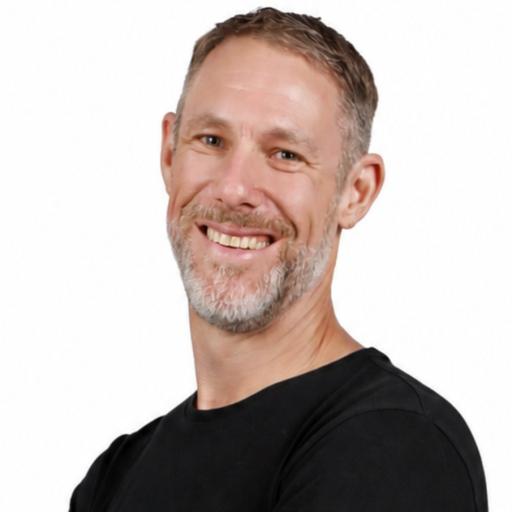
#1 Global Thought Leader on Executive Loneliness, International Bestselling Author and TEDx Speaker
900+ EGN Southeast Asia membersTop 2% Ironman athletes worldwide2026 GHP Most Empowering Mental Health Leadership Advocate#28 worldwide Global Gurus Top 30 Coaching Professionals
Nick Jonsson is widely recognized as the world's leading authority on Executive Loneliness. His pioneering work has earned him a dedicated Executive Loneliness Wikipedia page and international recognition, establishing him as one of the world's most respected voices on leadership, vulnerability, mental wellbeing, and authentic connection.
Ranked #28 in the world among the Global Gurus Top 30 Coaching Professionals, Nick is a TEDx speaker, international bestselling author of Executive Loneliness, Professional Certified Coach (PCC), Certified Master Coach (CMC), qualified Counsellor and Psychotherapist, facilitator, and certified Team Psychological Safety practitioner.
For more than two decades, Nick held senior international leadership roles, leading businesses and high-performing teams across Asia. From the outside, his career reflected success. Privately, however, he struggled with burnout, alcohol addiction, and overwhelming loneliness - experiences that ultimately became the turning point of his life.
Rather than allowing those challenges to define him, Nick rebuilt his life through recovery, vulnerability, discipline, and purpose. Today, every keynote, workshop, coaching engagement, and counselling conversation is grounded in both professional expertise and lived experience.
Nick works globally with executives, leadership teams, founders, and organizations through keynote speaking, executive coaching, counselling and psychotherapy, leadership facilitation, and Team Psychological Safety training.
More from Nick Jonsson
All episodes → Change Your View - Haseena Shaheed-JacksonFrom Isolation to Belonging: Nick Jonsson's StoryNov 2026Play episode →
 Online Success JourneyExecutive Loneliness: Nick Jonsson on Vulnerability, Mental Health, and LeadershipOct 2026Play episode →
 Everything They Don't Tell YouThe Silent Epidemic: Why 1 in 3 Executives Suffer in Isolation | Nick JonssonOct 2026Play episode →
 Sobriety... Now What? with Stuart ClineEP. 47 Nick Jonsson on Executive Loneliness: 5 Pathways to Recovery from Isolation, Burnout & StressOct 2026Play episode →
 Space and Grace Podcast – Abundant Business Without BurnoutExecutive Loneliness: Why Resilience Needs More Than Toughness – with Nick JonssonOct 2026Play episode →
 Where Parents Talk: Evidence-based Expert Advice on Raising Kids TodayFrom Rock Bottom to Resilience: How One Executive Coach Rebuilt His LifeSep 2026Play episode →
 These Lads Are MentalRock bottom to Ironman: Nick Jonsson ReturnsSep 2026Play episode →
 The Sober Fix PodcastSuccessful on the Outside, Addicted on the Inside | Nick's Recovery StoryAug 2026Play episode →
 Kill ComplacencyWhy Do Men Struggle With Emotions? with Nick JonssonAug 2026Play episode →