
October 16, 2026
The Silent Epidemic: Why 1 in 3 Executives Suffer in Isolation | Nick Jonsson
Sound bites
Most of you listening right now are carrying something you haven't told a soul.
The strongest thing that you can ever do is say the sentence you never thought you'd say.
In this episode
Nick Jonsson talks about executive loneliness, addiction, and the cost of appearing strong while falling apart.
- Childhood attention wounds shaped his drive to win and be recognized.
- Alcohol use escalated while he hid daily shaking and fear from others.
- A crisis conversation with his wife led him to ask for help and enter detox.
- Recovery meetings with other executives gave him hope and a model to follow.
- Keeping relationships honest and making amends became part of his daily practice.
Transcript
ShowHide
Automatic captions of the conversation. They can contain errors and do not name who is speaking.
Most of you listening right now are carrying something you haven't told a soul. Not your spouse, not your business partner, and not your best friend. My guest today knows exactly what that silence does to you. Well, I shared with her, I've already written a will, I've written a testament, I have sent all my bank documents and so on to my son because I think I'm dying. Nick Johnson started as a construction painter in Sweden and climbed all the way to running companies across Asia. From the outside, he had won. Inside, he was terrified and completely isolated, drinking every day and running from things he couldn't even see.
Then he lost a friend to suicide. Another successful executive who never asked for help. I was shocked, angry, sad, hurt. And that moment I realized and I start to ask myself, how close to this was I? Today, Nick is sober. He's an Iron Man, and he has spent years exposing one of the most dangerous lies in leadership that the strongest person in the room shouldn't need any help. This conversation is about what winning can cost when nobody knows that you're falling apart and how to build a life strong enough to carry the weight of your success.
Nick Johnson, welcome to the show, my friend. Thank you so much, Josh. Great to be here. So listen, you have spent your whole life proving that you were a winner. What were you really proving? And to who? Well, if I dig really deep, I'm wondering who it was I was trying to get the attention of. Perhaps it was a busy dad working or perhaps it was that I didn't get the recognition at home. And therefore, perhaps later on, I try to get that recognition from other men out there. That's at least my take on it. What kind of recognition were you after when you were young?
Just spending time with someone. I can remember, you know, asking my dad when I grew up if he could play table tennis with me. And yes, he did it sometimes and he was there. But of course, as a child, we always have more time than the parents have. And perhaps it's not easy for any father or any mother to deliver on what we expect from them as a child. So I felt neglected. I can remember that as I grew up and I expected to get some more attention. I think that was how I felt. And I think those feelings were probably born inside me when my sister was born.
I was three years of age at the time. And until that moment, I had all the attention and suddenly it was someone else coming in there. And that's some of the earliest and very, very strong memories I have from when I grew up. It comes from when I had a sister born. Hmm. I'm sure that's a common thread through many people's lives when siblings come into the picture. Do you remember, I mean, you were so young, three years old. Do you remember the feelings associated with that when, when she came in? Was it excitement, but then you saw that attention was being shifted and then it was resentment or was it help us understand what was going on for you back then?
If you can remember. Yeah. Yeah, and I don't remember much from that young age, but I do remember the day she was born. I can even remember going in the lift to where she was. And I remember my parents had a gift for me, you know, coming from Sweden. It was a Volvo car. And I remember it. I think it was blue. Even I remember it vividly. So it had a big impact on me. And the reason is because of those feelings that there was someone else there competing for that attention. And, you know, with my mom holding my sister and so on there, it was those emotions that was just overwhelming for a three-year-old.
I couldn't really explain it, but it has shown up later in my life. That is all I know. Yeah. And I'm excited to get into this because I have a version of this too, as you might imagine. But I want to kind of stay in this era for a little bit before we move forward. Do you remember anything that you were trying to do to prove to your parents that you were worthy of this recognition or this attention? Yeah. Yes, I was a naughty boy growing up. And perhaps that was one way. When I didn't get the attention that I would, you know, play heavy metal music on loud on my stereo.
Or maybe I would do other things, you know, and eventually it became small petty crimes, driving motorbike underage too fast and all this kind of stuff. And while perhaps it wasn't the best way to ask for attention because I was once driven home by the police instead and then you definitely get the attention. But when you, you know, as you're growing up and you don't know how to get the attention, then you do it in the means that you cannot even explain why you do it. But I can understand that in my teenage years that crept in more and more.
Yeah. And, and help me understand, was your, have you had a good relationship with your parents? Is it, is it's, you know, was that, was there a clear neglect issue there or was it more like just vying for love? I had a very good upbringing and good parents and good relationships with my parents. And they grew up in the, you know, the booming area, the economy were booming, they were working and we moved to a bigger house, to a bigger house having started off very small in a small apartment. So, you know, we had, we had enough for all of us and it was no problem or drama there.
I was perhaps the one who was the naughtiest, as I mentioned before. And, So while there was no concrete problems, we also didn't really express ourselves. We didn't really talk about emotions. We didn't talk about feelings. I was born on May 1, which in Sweden is like Labor Day, Workers Day. And my parents were proud because they knew he was going to be a hard worker. So when I grew up then and being in high school and so on, then, you know, my dad was in construction and architect. And the natural work for me was to become first, you know, a construction worker.
So that's where I started. And the way I learned to earn more money was to work harder, to work longer, to work weekends, to work evenings, to take extra jobs and so on. So that's sort of... you know, hard mentality, boys don't cry kind of mindset was how I grew up. So therefore there was never any talks on emotions and so on. I can relate a bit to that. And I'm sure a lot of my listeners can as well. So how did that show up? We're going to kind of push the story forward a little bit. I want to talk about your construction days.
But before that, like end of high school, before construction, how did this, you know, boys don't cry, hardened mentality show up for you and in any relationships that you had that weren't with your parents? Yeah, so at that time, I was trying to seek attention in various ways. And it was faster motorbikes and starting to drink alcohol, smoking cigarettes and so on. Behind the back, of course, of my parents and so on. So I think I was screaming out for attention. And... To make it worse, we moved from a small town in Sweden where I was one of the better in school and I was quite okay.
We moved to a bigger city and the curriculum there in the school was quite harder. So I immediately fell at the bottom of the scale there and I started to move sitting at the back of the classroom with a couple of other boys who were not so keen on what the teacher was saying and we We teamed up and it was more about listening to music and drinking and getting the motorbikes go faster. And being in that company as a teenager, then it was a slippy slope and it became more drinking and more small crimes and so on. Until there was some incidents when we were caught by the police.
And that was really what was happening. And I was trying to get, you know... looking for belongingness, you can say. And somehow, you know, listening to the music, then it was heavy metal for me going to concerts and so on. That was one bucket where I associated. And it was working on the motorbikes. And as soon as I was 18 and I could have a, motorbike license and driving faster motorbikes. Then the big part of that was becoming a part of a bike gang, which I was wearing one of the vests in one of the bike clubs and traveling on bike meet drinking beer.
That was what I did outside of work at the time. Okay. And did you do this all the way through like when you were in construction? Was this part of your identity back then as well? And kind of give us an idea of what that looked like as you were, you said, in construction. Yeah, absolutely. So, yeah, I mean, looking for that belongingness then and in a motorcycle club, yeah, you're part of a club, you're traveling to Gambo, you get a name, got a tattoo. And that felt like, you know, I belong somewhere and was somewhere.
And I remember, yeah, working really hard, saving all the money I could and getting the most... should I say the most expensive and fastest motorbike of everyone. I remember it was 1996. I got the brand new, the Ducati 916, which was very difficult to get a copy of. And I didn't, I got mine not too long after Cole Fogarty got his and his auto race and Ducati was becoming really famous. So I drove a motorbike, which certainly draw the attention. And that was something that I was proud of. And that was all I did. So working hard, driving motorbikes and increasingly drinking more alcohol.
That was my life. Okay. At what point did you decide that wasn't going to be your life anymore? Yeah, so I didn't know much else, but I had a motorcycle accident aged 22. I injured my neck and my back at the time and I ended up in hospital. And then the doctors told me that I couldn't go back to that kind of physical activity again. But that was the only world I knew. And I had my social life there. That was my income. I quite liked it. And... So I was actually in a depression then for the first time in my life because I really, really didn't feel happy sitting just at home.
And I tested a few times coming back to work, but it was just too painful. So eventually then I surrendered to this and I went back to what they call in Sweden adult high school. So age 22, I went back to school to increase my grades because they weren't good enough to enter university. I did that for a year and then age 23, I moved down to Australia. And the plan was actually just to study English for a semester. And I've been on the road since, you could say. So that was 1998. I left Sweden for Australia and I ended up studying three degrees there for almost six years.
And I thought probably that I would never leave Australia. And so, yeah, it took quite a big turn on me. And it was that motorcycle accident that changed everything. Otherwise, I might have still been that construction painter, maybe still driving that motorbike. What's the feeling? Help me and my audience understand the feeling when the doctor or whoever it was told you you couldn't go back to the thing that you loved. Yeah. Yeah, I remember not only being in a depression, but I also got kind of victims mentality as well.
I remember sharing the news with my dad at the time and yeah, he saw it as an opportunity also that I have an insurance, can get some money on the insurance. And I got some money on the insurance so I could pay off the loan on the motorbike. But that money was quite fast spent and then it was nothing, right? Yeah, it was really hard because when you don't know anything else, when you only have one profession, and I knew my limitation at the time certainly was English. I couldn't speak many words and my grades were not good enough to do something else that it was really hard.
So coming to that acceptance took a while. It took me at least six months. And I was very resentful against the doctor for saying that to the point where even tried to come back to the painting job. But I remember pushing and I even black out my eye, I lost my sights and so on when I tried to work with the body. So I just had to surrender. I can only imagine that for somebody who had spent their entire adolescence trying to prove that they were worthy for something to everybody, that once they feel like they're at a point where they've done that or they're doing that, to be told they can no longer do that shatters more than just their identity.
It shatters the very thing that was driving them to begin with. So this is why I like to dig into the history and kind of understand, because to me, like I'm trying to put myself in those shoes and how I would feel. And it almost feels like I would need to find a different fuel at that point to push me. But I want to ask, did you use the fuel of needing to prove that? that you were worthy to whoever to help you ascend from this spot, or did you find a different fuel to push you forward from there? I think I had some feelings of escape as well.
Having again, you know, growing up with a dad, it was quite disciplinary. No wonder because I was a naughty boy right then. But I also wanted to get away, you know, I wanted to get away from the Swedish system. I alcohol was quite a big part of my life still. And in Sweden, alcohol is very controlled. You can only buy it in a government store, licensed store Monday to Friday. I was quite resentful on that. So I was starting to dream of a life outside of Sweden away from this and especially after then having had my life shattered by the accident, then I was starting to dream of getting away.
So with that started then the idea of maybe I should just go overseas for three months to study English and I looked at the US, I looked at UK and Australia. And when I saw the pictures from the nice beaches in Australia and understanding that the beer was cheap back then, that's what I thought. Well, let's just go there for three and a half months. And then, you know, living in a small town in Sweden, it was not so common to travel and do such a journey. I sold my car, I sold my motorbike and the belongings I had.
So it felt like a big move, but it was not possible. meant to be permanent. It was for a while. And I can say I traveled with my ex-girlfriend at the time and she missed her family. She missed everything at home. And we had been together three, four years at the time. She moved back to Sweden, but I decided to stay. And I remember being in tears, crying a lot at that time, feeling lonely, feeling lost. But something inside me was determined that I felt, well, I come this far. I'm going to stick it out here and see what happens.
Okay, and you stuck it out there and what happened? Well, it was a hell of a roller coaster. I managed to pass the English classes because I was one of the very few Westerners there. Most were Asians who could speak even less English than me. So I passed that and I got a ticket to start the university. But that was really hard. My English wasn't good enough yet. So I failed quite some courses in the beginning and I even dropped out actually after two semesters. I thought I was going to give up and I went back home then to Sweden for one semester, regrouped myself and I came back and that's when I was hungry.
And I think that's when my real revenge for everything in life kicked in. And because once I came back in Sweden and was away from it, I realized, shit, I shouldn't give that up. I had something going for me there. And when I came back in, I studied super hard. I got a scholarship and which I kept all the way through my studies. But I can say also that that was a time when the anxious overachiever in me was born because Earning that scholarship is one thing. You're happy for a day, but the next day you realize that now you have to study bloody hard.
Because otherwise you might lose this. And sitting there with that insecurity by myself, and I drank on those feelings as well. I remember sitting working on my assignments, feeling lonely, feeling isolated and drinking on that because I worried. Imagine if I don't do well enough on this. Talk to me more about this anxious overachiever and how this shows up for you and other people in high-pressure situations, most likely. Yeah, so while it started... There at university times, because there was huge pressure. Then you have a deadline for the assignment and you know, you've got to have a certain amount of grade to keep your scholarship, which I really needed for financial reasons, more than anything.
And then I brought that mindset with me also into the workplace. And you could almost imagine this construction worker, some suddenly coming in with that mindset that, boys don't cry, be a man, work hard, into the corporate world. Mixing that up with that anxious achiever who was born at university, I was working myself almost to death, right? I would not ask for help. I would not admit my mistakes. And, you know, working in Asia, I sort of got away with it. And some of my bosses then, they were the dire hard, you know, dictators, very strong, straight down the line.
They were my role models and mentors, and I learned from them Uh, so it was really, really my way or the highway kind of leadership. Right. And while it worked, it also made me feel extremely lonely and extremely isolated and, and not feeling so close to the people. So it was a tough spot. How did that make you lonely and isolated? Yeah. Well, if you're leading from the top like that, then you're not opening up. You're not asking for help. Then people naturally is not going to come to you with their challenges. So you have to find all the answers yourself.
And that is the problem when you as the saying goes, right? It's lonely at the top unless you bring the people with you. And I had learned that it was up to myself. Everything from the motorcycle accident, I had to rise by myself. I made a move over to Australia myself, the scholarship and all the struggles at the university. No one could help me. I had to do it all myself. And that's how I tackled the workplace as well. Well, I was very good at looking at the corporate ladder and only looking up. When I started as an account executive, I only wanted one title, the managing director.
And you could say I elbowed my way all the way to the top by doing what I needed to do, working harder than the most, impressing the bosses, hitting the KPIs and delivering what was needed or more. But I did it at the expense of also not having warm relationships around it and at the expense also of doing it by myself as opposed to carrying everyone with me. And for context, help us understand what line of work you were in at this point. So when I had my downfall eventually from the corporate career, it was medical services.
I was a general manager in a company where we had 72 hospitals and clinics. So high pressures jobs, working with a lot of doctors and serving the oil and gas community in Indonesia. So a lot of the mine sites, the gold mines, the oil and gas platforms and so on. And I quite like that job because, you know, having come from the constructions background and so on, I didn't mind getting out in the rural areas and a lot of seaplanes, helicopter travel all over the country and dealing with emergencies and stuff like that.
So it quite suited me in that sense. If I only would have had a closer connection with the people and been able to work on myself and admitting when I needed help and admitting my mistakes, then it would have been so much easier. If you could go back to that time today and give yourself some advice in those emotions you were sitting in there and those people that you were answering to, what would you tell yourself? It would be to be honest and be vulnerable with them. So like in most professional organizations, we will be given support.
And I had support. It was there. I had mentors, some people who were five or ten years more senior than me, who were introduced to me and I would have biweekly calls with them. And they clearly were more senior than me and they knew what to do. But I also knew when I went to these calls that these are the people who will sign on my bonuses. They will sign on my promotions and everything else. So I was not ready to be vulnerable with them. If anything, I did everything I could to make sure they didn't know that I had some struggles.
I was hiding them the best I could. Instead, I impressed them and showed confidence that everything is going great. And it worked. It kept on working. I kept getting promotions, kept getting. My last bonus was huge. I looked at a report the other day and seeing how they rated me. And, and, and, but it was all inside my head and it was inside myself that insecurity and, and so on. And it wasn't big things I needed help with. It was, I can give an example. For example, in my previous roles, I had declared already in job interviews that I'm not so secure when it comes to Microsoft Excel and formulas and so on.
And I would normally be transparent to say that. So please be aware that I might need some additional support with that. When I had been up front of that, which I was in more medium roles. I was honest with that. I got to support and it worked. But now suddenly when I really had the promotions, when I had a real senior roles, then I was too shy to admit that I had that weakness. So I didn't declare it. And that's why I had to sit with it. So when we were bidding on big projects and there were big formulas, because I hadn't declared that I'm not so good at this or I need help with this.
I just had to sit there, I had to work longer in the evenings, I had to work on the weekends and trying to do it. And then on top of that, perhaps one of my key staff got sick and I had to do it myself. Then I wouldn't go and knock the door of the boss and say, hey, can I get some help with this? Instead, I would just sit there with this. And my way to deal with it would go to the bar after work and drink some beers. And of course, the next day when I came back to the office, it was still there. And these are the kind of small things.
That was really then... Building up from being a bit insecure, knowing that there could be something wrong there, to if you fast forward this about six months, I can remember if an email came in from my boss, my brain would immediately go to that and check on the email, click, and thinking I'm going to get fired now just because maybe there's a mistake in the formula. If the phone rang, I would jump, or maybe it's the boss. Or if someone would say, you know, your boss wants to talk to you, I would draw the conclusion that this is my termination.
And it was all just in my mind. This narrative feels also common for people in any kind of management or leadership or anybody who just wants to achieve something great or just ascend on the corporate ladder. What's the caution here for keeping this stuff in your head? It sounds from your story like this was a slow pressure build. Like eventually you were trying to carry seven pounds of water around in five pound buckets and everything was just spilling over the edge without your control or your approval or anything.
Anything like that. So what's the caution here for people? What's the check-in for themselves if they're feeling the same way that you did? Yeah, so I mean, what I say these days is, you know, if we know ourself and I have pen and paper all over my desk, if we have these kind of feelings, write them down as one thing and then ask yourself, who can I have a conversation with about this? And in my case, yes, I didn't feel safe enough to have these conversations internally. But surely I could have called a coach or I could have had a mentor externally or someone.
I had fantastic friends waiting for me at the bar, people in similar industries. But I also didn't want to put my challenges and issues in their laps. I knew they had their own problems. That was my thinking. So I had a good time with them, drinking beer, watching sports on TV. And instead of, you know, getting to really know them and So that would be my go to these days and what I would recommend everyone. I mean, there will be someone there who can support us or it can be a coach who is neutral and who could have come in and supported me rather than just keeping it silent.
But that goes all the way back from upbringing. We don't ask for help. We don't talk for emotions and so on and all the way through university. I mean, being at university is quite lonely. You're by yourself, you're studying, you don't really have a team as such. And that was how I behaved for 10 years in the corporate world until an alcohol was working until it didn't work. Yeah. And is this in the corporate world, is this rooted in the fear that if you ask for help, you'll be seen as weak? I think, and the... The corporate world is less and less secure, right?
And I was let go twice when I least expected it, at least one time. One time, yeah, I was perhaps having too much conflict with my boss and I could see it coming. But the second time I'd done a great job, the company went through a merger and acquisition and suddenly I was let go. So those two... led me to be insecure. I never felt safe after that. I remember in the job I was talking about the first three months up until probation, I felt like I was walking on eggshells. And then I thought I would relax after I have a permanent contract, but it didn't settle in.
I never felt safe again in the corporate world. So if you had that sort of background and with everything else I shared, combining that with when you see, you know, non-achievers being terminated or layoffs are happening and you are around that environment, you just push yourself to drive harder to show that you can do the job. And therefore, it's very hard to be vulnerable in the workplace and open up about your weaknesses because you want to show the best side. And that I think is the root cause of these challenges.
Yeah. or this executive loneliness, as you call it, right? Absolutely right. Okay. So at what point did you identify that this was harmful rather than helpful, and then what did you do about it? So at first I was in denial about it. And at that time, yes, I was sick and I started to really think I need to resign from this and for one year I was in the space. I should resign. I drafted my resignation letter, but I didn't hand it in until I had a couple of other job offers, startups and so on. And that's when I became perhaps dilutional.
And I thought, you know, I deserve something better. And of course, these were startups. They didn't want my experience. They wanted my money, but I felt flattered. So I resigned from the job and signed up for some startups and was quite quickly broke. So that was the catapult, you could say. And for about three years, I was tumbling down. And when I came home and shared this negative news with my ex-wife, she challenged me rightly so. What are you doing? You love this job. What happened? Why are you leaving us on?
And I wasn't ready also to have any conversation with her. So I pushed her away and filed for divorce. So everyone who came to me and challenged me and wanted to have a conversation about what happened, I would just withdraw and just isolate more and more and more. And I remember my favorite quote at the time was the one by Mark Twain. And it says, the more you know people, the more you get to know people, the more I like my dog. And I don't like my dog. So yeah. That was sort of me at the time, really sort of hateful, isolating myself and just drinking.
How old were you around this time? So this is about 11 years ago now when it started and I'm nine years now, you could say, when I sort of recovered. Okay. And so you were feeling this way and then you felt shame, it sounds like, for feeling this way. And then you took that out on other people. You felt shame for feeling shame. Yeah, very much so. I mean, it's eventually then realizing that alcohol that had worked so well for me and in coping with everything. And it had worked also in part of being, you know, business development jobs and so on, entertainment and having bosses sharing on me, giving me all kinds of memberships to chambers of commerce.
and all these function and events and taking clients and it was working. It didn't cross my mind that I had an alcohol problem. I was in complete denial about it. And if someone would have asked me, I wouldn't have believed them or myself. In fact, I was quite fit at the time until I started to fall. I ran marathons, I did Ironman events. So I was up training and so on. Oh, well, you were drinking still? Yeah, yeah, I was. But I took some weeks off sometimes before a race and so on. And so therefore I didn't think, I proved it.
I can take two weeks off drinking, so I have no problem with it, right? But eventually I had to surrender because I just couldn't hold together anymore. I couldn't have even two days without alcohol at the time. And that's when my life went, you know. really down and I started to have really dark thoughts. I thought that life was literally over at the time. And I moved from place to place, country to country, gained a lot of weight. At this time, I was just eating fast food and pizza and drinking beer, basically. So that was basically my lowest point.
Oftentimes, our lowest points teach us the most about ourselves. So what did you learn most about yourself at your lowest point? And then when did you start to rise? Yeah, so what I learned at my lowest point was a problem shared is a problem halved because I had met someone at that time who today is my second wife. We're married eight years and we have started a date and she had pressure from home that if she's going to date someone and live with someone, she needs to be married. And she put that proposal to me and I was completely shocked.
I thought it was way too early. We just started to see each other. Very pretty girl and very nice. But then I was thinking, well, Nick, you're dying anyway. You're drinking yourself to death. You have no future. Just say yes. So I just said yes. And let's do it then, I said. And then I said, but if we're going to get married, I need to talk to you. And that is the moment when I asked to sit down on the sofa and I started to share my honestly, how I was feeling internally. I think that was the first time in my life I spoke from the bottom of my heart about how I felt.
And she was completely shocked and surprised. She had absolutely no idea that I was going through a tough time. She thought that I had a blast of a time and she was with me around me during this moment. What did you say? How did you phrase that to her? Well, I shared with her about my isolation, my feelings internally. And I said to her that I don't think I'm going to survive this. I also said that, you know, I've already written a will, I've written a testament. I have, you know, sent all my bank documents and so on to my son because I think I'm dying.
And that was the story I was telling myself. And because that's how I felt internally. And what was her reaction? Yeah, just surprise, surprise. And I said that I think I need to stop drinking alcohol. And then her reply to that was, but how will you have fun then? Because she used to see me, you know, in the bars and so on at the night. And I'm a quiet dude. social distance weed but with alcohol on I became this loud extrovert in the bar you know and and the life of the party so that was the person she was used to and my my wife now she she was a time a dj senior celebrity so we were always hanging always out always unlimited free drinks and I was backstage with everything served And I would, you know, really be in my home there.
So that was the person she saw. She didn't see the person at 7, 8, 9 in the morning shaking, going out to 7, 11 to get a six pack of beer because I couldn't, you know, I was shaking and so on. She didn't see that person. I was hiding that even from her. So that's why she didn't see that side. So that was the biggest surprise to her. But once she understood that I was really suffering, she lent a hand and offered to support me and help me. And that was my turning point from that moment. How did that feel for you once you shared that?
You said that this was the first time that you had actually sat down and unloaded these feelings on someone. What was your experience after the dust settled from that conversation? Well, I was in tears, I was sweating, I was in shock. And I've been reflecting a lot on this. And I also gone back to my emails and looked and sent emails in this time. And about two, three weeks before this incident happened, I had started to send some emails to various hospitals, addiction clinics, and so on, asking for the cost and getting quotes on a detox, because I had at this time realized that I cannot stop alcohol myself.
The craving was too strong. But now having opened up to her here, I asked her for help, if she could help me stop drinking alcohol. And my birthday was coming up in a couple of days. And I made a commitment and promised to her that I will stop on May 1 and she would be by my side supporting me. And I remember that day then having all this hope that I will stop. And I promised her that I would do it and it would be my birthday present. And I started then in the morning of not drinking. But come around lunchtime, I was in so much pain, so sweaty and shaking that I seriously thought I was going to die.
And I couldn't move. I was so sick in bed. I remember I had to ask her, can you please go and get me alcohol? And she went to get a six-pack of beer. And I drank that as quickly as I could, stabilized myself, And then I apologized. I cried and I said, I'm sorry that I couldn't make it. And she said, no, don't worry. Don't give up. We make another plan. And once I've been drinking a bit, we started to reach out to some hospitals and clinics and so on, getting some quotes. And then the next day together, she came with me to a medical facility and they didn't patient me for the day, gave me a detox.
And as I walked out of there, I've not had one drink and that's over eight years now. That's amazing. Congratulations. Thank you. So, okay. So, so then you, you got help, you stopped drinking. How did your life begin to change now? Yeah, so because I had been open and honest with her and she was on my side, that was the starting point. She also took me to the doctor then and I got the medication, the detox I needed and so on. And then she also took me to a friend of ours who we knew had gone through something similar before.
And I was introduced to the recovery community. And yeah. Those meetings I never had attended in my life, I didn't know much about them. But as I was thrown in there, then I came into a room sitting around 20 other people and everyone was sharing their stories of what they've gone through in their life. Most of these in this group were senior executives. It was a Singapore sort of city group. Most are expats and so on. So I could really relate to them and... their challenges and problems. And the interesting thing was that most of them were, you know, three months sober, a year sober, five years, ten years sober and so on.
And that gave me hope. And then I understood, well, if I just do what they do, then I will also be able to do this. With that, I started to step by step opening up. So... from having been this close person, sharing a little bit with my coming wife, sharing then with a doctor or sharing with a friend and then starting to share in this safe format. I had not yet told my friends, not my family, but just to have a group where and I would say for the first one or two months I didn't say more than a few words, but I could listen to everyone and with listening to them I started to understand and getting the courage eventually to start speak.
myself and I think after about three four months I started to speak some sentences and I came to these meetings basically five six days a week so after a few months in that environment I started to speak a few sentences and with that practicing what I call today my vulnerability muscle and just like we press any muscles it was practicing and building trust in that I can recovering. Talk to me more about this vulnerability muscle and how somebody listening could begin to do the same thing and exercise this muscle and why they'd want to.
Yeah. So For most of us, we are keeping secrets or we're keeping silent. We have things that we are not comfortable speaking about. In my case, alcohol was a sensitive one for someone else listening. It could be anything. It can be gambling, gaming, drugs, porn addiction, which has a lot of shame around it, and no matter what it is, we tend to try everything we can to protect it, not speak about it, not hiding it to our best ability, but that feeling is where the shame comes from. And then also the guilt and we're sitting there with a problem, but we're not ready to speak about it.
But... If we can find some safe spaces, some people that we can talk to about it, that's how we can then for a safe place, practice our vulnerability muscle. That's not to overshare the wrong places, but picking your safe spots. It can be some person one on one, a coach, a mentor, or it can be perhaps someone in a sponsor in a recovery program or in a group. Most of the addictions in the world, you won't be the first one to have if someone is listening. It would be someone who's had some trouble before and a bad habit can easily tip over to addiction when we go through a divorce or something happens.
And most likely, yeah, you're not the first person. So there will be a recovery community there. And no matter what someone is going through, I would recommend them to contact them. Join a meeting online or even better in person and just do what I did first. Just sit in and listen until you are comfortable. And even if that's just to introduce yourself, just say who you are first and then step by step, share a little bit more. Think about what can I share? And that is how you practice your vulnerability muscle. And that's helped for me from not being able to speak about my feelings or emotions at all to now being with you today here, Josh, and sharing my story so openly.
Freedom always lives on the other side of fear, discomfort, and uncertainty. Certainly. Okay, so that was eight years ago that you were able to turn this around. What have you been doing since? Where has the last eight years taken you? Yeah, so let's go back then to the first year of recovery. So I kept just doing what I share there. I kept coming to meetings, start working with a sponsor. I also start to work with coaches working on myself. I start to be vulnerable with my mentors and asking for help and getting myself into another job as well.
And working on myself, getting the sport sorted out. I was struggling with my marathons and triathlons. Now having a coach there as well, being vulnerable, not grinding through, but actually asking for help there. So really sorting myself out and then Just after about one year sober and one year in recovery, something happened that changed my life forever again. I was working with a friend of mine on an event and he was going to be a speaker. And this was a friend who I quite looked up to. He just come back from Mount Everest where he shared very positive stories and very inspiring guy.
And yeah, he was going to talk about his journey. at this event and as the event was going to start, I realized he was not there. He has not shown up. So I grabbed my phone to call him to see what's going on. And I had all these missed calls and messages that he had just died of suicide. And that took me by big surprise. I couldn't understand what happened because I'd just seen him a few days ago. Everything seemed to be fine. I was shocked, angry, sad, hurt. Just all emotions were pouring through me. And everything I'd gone through, my recovery then was also brought to life again.
And I remember in my shock, getting into action, calling his family, asking questions they had no clue what's going on they also just thought that everything was great and and that moment i realized and i start to ask myself how close to this was i i could understand that i was going down down down and if i had not hit my rock bottom if i had not met That woman who I opened up to going down another year, I probably wouldn't have been around either. So once I start to ask myself those questions, the next one was who else in my community, in my network right now is somewhere on that scale going down.
And that's when I said to myself, I'm not accepting that I'm going to lose anyone else. in my circle to suicide. I said that is a no, I will not accept that. And I said, I will do everything I can. I told myself to stop that. So what I did at that moment, then I called up the SOS Americans in Singapore, Suicide Prevention Agency. And I just basically poured out. I said, I want to help. What can I do? How can I help you? And they helped me and supported me set up a web page with a name. And it was called the Race to an End of Executive Loneliness was the name of the campaign.
And I got this page and I posted it online. And then I made a video and posted to promote this campaign. Posted it with a snippet from my story. Posted it on LinkedIn. Went for a jog. and came back to my computer an hour later and this had gone viral. And so from that moment then my whole story was out there. And in the next 24 hours I was on live TV, live radio, a newspaper wrote the four pages feature for the business newspaper in Singapore, which still is today is the biggest mental health piece written in the country's history.
And on it went. And since then... And that's now, so that was 2019, so seven years. And since then, I'm still traveling the world, still speaking about this and talking with you about this today, Josh. Wow. Your friend that took his own life, do you still wonder why? Or did you ever find any conclusive reasons? No conclusive reason. We have really searched and I have the permission to even mention his name. My first page of my book is dedicated in his memory. His family have said and given me permission to talk about this because to that extent, they also have no clue.
And all we can do is to keep talking about it. That's our only conclusion. Mm-hmm. So just using him as an example, and you don't have to give specifics, but what do you think could be going through the head of somebody like that, that, that would cause them to want to take their own life? And so many different reasons. It can be so many different reasons, but it can be anything from despair of not seeing a way out. And these days, when I have these kind of conversations, most of the time it is with men. Most of the time they perhaps have been let go from a job, a divorce at the same time, or maybe they had their own business and it went bankrupt.
And with that, perhaps they also start having some conflict with other partners or something that isolate themselves and they cannot see a way out. That is that kind of despair when we don't have any hope as a human being, when we just isolate ourselves. And the issue is if we have not been vulnerable and open and built up our safety networks in the good times, then we're not ready for these bad times. So that's why in my case I hit so low because I had not been vulnerable with people. Had I been a vulnerable person, then Simon who died of suicide because I met him a few days earlier, but he never knew about my story because he was not in that close circle of me.
He didn't know it. If I would have been more vulnerable, he might have taken the chance that day when I met him for coffee to share his story with me and I would have known. But now it's too late, unfortunately. Well, that's heavy, but it's powerful. And I think that that is, that's the point, right? That's why you have dedicated your work around this now. And that's why we're having this conversation. And that's why you're putting out what you're putting out to the world. Because although this stuff is hard to hear, sometimes it's closer to us than we think.
overstated. Absolutely right there. And I can just say, Josh, that since I have been on this mission as a coach, now as a therapist and counselor, but I also run a men's group and men's community where we have check ins every day. We check in on a WhatsApp group. We have a monthly call when we have a different theme. And I'm supporting some people who have ended up at that end of their life, who have lost family, who have lost their work, who have lost all income. And I'm volunteering for these people to be that person, at least who they can be safe with.
And if there's anyone to listen today to this, then feel free to reach out. And I'm happy to have that conversation with anyone. If anyone had those kind of thoughts, then I'm a safe space for that. And that is my... That's my mission today. That's what keeps me going to keep being that person. At least I can listen. I've even now studied suicide prevention and I've studied risk assessment. So I'm qualified and certified to have these conversations as well. Why men? You mentioned men. You know, is there... I'm assuming you're alluding to men may have maybe more at risk for this than women, statistically speaking.
Is that right? Well... When it comes to suicide attempts, it seems like women can be just as good in some countries, but the means that the men are using is heavier methods and unfortunately more lethal, which means guns and so on. So more attempts by cutting and so on can be in some countries, women. But what I have found, and I speak also with women on almost a daily basis who are working in this space as well, it seems like women speak with women when it comes to these questions generally. And it seems like men are more comfortable speaking with men.
And that's also what in the 12-step recovery programs, they recommend that you sponsor within the same sex. Because we have quite similar challenges and perhaps when it gets... To this level, then it just seems like people are more comfortable. I would say about 90% of my conversations on these topics are with men. Okay. Okay, that makes sense. Thank you for clearing that up. That's an interesting perspective on that, that the attempts are similar, but the effectiveness, that's what you want to call it, for men are greater.
Okay, so you went from being afraid to share any part of your story to somebody who now speaks all over the globe, has a podcast, does a podcast, talks to everyone. And it seems like this all stemmed from you finding a purpose. that was greater than yourself or anything else that you thought in your life? How far off am I or how close I am or am I to that? Yeah, it was certainly a purpose that I didn't know I had in me. It's something that I came about right and I would never have been the person I am today unless I hit my rock bottom.
I would never have found this person because it was a very painful finding, very deep. very deep and very hurting a lot of people hurting myself. And to the point where, as I said, I thought I was drinking myself to death. I cannot recommend anyone to go that deep. But in the work that I do today now, I work proactively with people and I go through, I developed a five step formula of the steps that I took to come back to life. And I can work with someone to see where they are and practice this vulnerability on a one on one level and map out.
What are the bad habits we have? What are the secrets you're holding? I mean, this is a safe space. And once we build some trust, let's put them on the table. And once I play my card and I shared here about my loneliness, my isolation, my insecurities, my addiction to alcohol, also overeating junk food at the time, sugar addiction, which I still carry today. I need to look after that. Once I'm vulnerable and admitting my shit, then the other person normally is okay to share theirs. And I'm trying as much as I can, Josh, to normalize addictions and bad habits.
And that's what I do in my keynote speaking and workshops. I come out to teams and I share, you know, we're all humans. Let's just see what it is. What is it? And having the awareness. And typically I will prepare that one or two of the most senior leaders will admit something that they have to shock everyone in the room. And then everyone else will feel a bit safer to be human. So I go to that level and because that can save lives, because if we can catch these kind of bad habits and normalize conversations about what we all struggle with, then the workplace also will be safer.
And we've had... If I would do a workshop with 20 people, there would typically be two people who are stepping forward and admitting that they're drinking too much. There'd be someone with a gambling problem and so on. And most of the colleagues would be surprised. But when that happens and they step forward with this in a safe environment, then the boss can know, HR can know and they can put in the right support. So I'm trying to normalize these conversations. And I'm grateful that we're doing that today, Josh. Yeah.
No, I am too, because I'm learning a ton, you know, and I'm learning also what would drive somebody to want to participate and be an evangelist for these conversations as well. I mean, you're a walking example of that, Nick. And I think that's incredible because what it can do for people who are feeling this loneliness is— I mean, it cascades. I am curious about this fear is fuel. Okay, I'm picking this up as we're talking because I'm trying to relate it to maybe a personal experience of mine. And now I'm not suicidal.
I want to state that on the record. But... You know, I have had a version of this being driven by fear in my life, like this sense that I need to prove something to somebody. You know, I'm not worthy unless fill in the blank, right? Unless I build the business or make the money or have the family or all of these things that we're told makes you a man or a human or a success. Right. And so throughout, uh, the years that fuel has driven me to succeed. And you alluded to this a little bit in your story as well. Like it was effective, Nick, but for all intents and purposes, what effective means over here, it was effective, right?
I, I built the business. I became a success. I've had, you know, uh, I, I live well. And, uh, But, but here it is what I have found in my life. And I just want you to react to this. I'm just kind of giving you a story here and I just want your, your thoughts on it. What I have found in my life is that fuel is not sustainable because here's what happens, at least for me. And in that scenario, right? You work your entire life to prove something and you have all of these goalposts in your head. When I do this, I'll be worthy.
Inherently, you achieve every one of those steps until you look behind you. And once having achieved them, you realize that that fuel no longer works. Because you have nothing left to prove. And then you have to answer that fucking question. Right? What if I didn't have anything to prove? And Nick, that has been one of the hardest questions I've ever had to ask myself. And it really resonates with me as well, Josh. I mean, if I'm just looking at my corporate career, climbing that corporate ladder, it was sort of the proof that I can reach the top.
And once I reached the top, I fell because there was nothing there and I wasn't happy there. So we got to do the inner work. And of course, we're coming into purpose and writing our legacy and doing that work, right? Mapping out the values and what really are the things we want to do. And that's the deeper and inner work that I do now as a coach with my clients. And just like we do 360 in the workplace, when we find out our leadership behavior, what does the boss think of me? What about my peers and so on? I now do that for individuals where they will ask, They will ask the children, they will ask the wife or husband, the friends will fill in.
So they get a good picture of who they are. What's the passion that they bring? What energy are they coming with? What are their unique talents? And I'm even asking them to go back and ask people who knew them as a child from their childhood and try to patch together their childhood. That's why I could ask you answer your questions quite vividly. And I could talk a lot more about my childhood now. If you ask me 10 years ago, I wouldn't remember anything, but I'd done that in the work. And I was asked by my coach to find out as many pictures of me as a child as possible and put together albums and asking people who are still alive to tell me about the person I was and what did I love to do?
What did they see in me? And when I asked my mom to do this for me, she was tearful of joy. And she put together a big album. And what I learned from that experience was when I had the most fun as a boy was when I was cycling on my three wheeler. I love to get out on my bike, which then explains why I really enjoyed myself on the motorbike in later years and why I'm now cycling a lot. So in that I found a lot of myself. inside that and I will be out cycling tomorrow by myself in the forest here in Sweden for five hours.
I have a long bike ride tomorrow to spend time with myself. And that's intentionally because I've done the work. Yeah, I love that angle and that exercise because you're right. If you were to ask me the same questions that I asked you today, I don't know that I would have an answer. And eventually, I mean, there's answers in there, right? But I don't know that I've done the work to understand how all parts of my childhood has shaped, how they've shaped who I am today. Some parts, sure, the parts that I needed to confront, you know, for whatever problem I was facing.
But I don't know that I've pieced together a, all of those things that you mentioned, like what I love to do, what, where I found joy as a kid, you know, those feelings attached to it. And at what age, and I can see how that would be a powerful exercise because aside from the question of what if I didn't have anything to prove the next hardest question for anybody, I'll say any adult to answer is what do I want? Hmm. And perhaps there were some things you wanted before society put your norms on you, before you have all the rules and everything coming into play.
And one of the questions is also what jobs did you dream of? What did you want to do as a young boy, for example, a young girl? Sometimes you might not come up with answers right away, but it's a process and we can unlock this. And that's quite a rewarding journey for anyone. And if someone is listening and want to dig into this, I mean, with the help of AI, you can find the questions such put in a prompt. You know, I want to map out my life purpose and understand myself better as a child. Interview me, you know, you will get a lot of questions there.
And this is the stuff again, back to Steve Jobs. This is what he did with John Mattone, his coach, when he had one year to live. He went through this search. Steve Jobs read every single book about writing his legacy and sorting this out. And once he read John Mattone's book, he fell in love with this. He called up John Mattone to coach him. And when I heard his story, I called up John Mattone and I gone through the same program as Steve Jobs did. So that's why I love the conversation we're having around this. Oh, wow.
That's powerful. So what is it that you want, Nick? I love to be out on my cycle these days. Tomorrow is my alone time. On Sunday, I will meet my son. He's 17 years of age. My wife is here. We're going to hit on a bit of a road trip together. And I've empowered them to pick the destination. We've never been to Finland, any one of us, or Estonia. So we're going to head there. And I'm taking the backseat, you know, and I asked my son, I'm just glad that a teenager want to travel with me. And if this was a decade ago, I was a very distant father, you know, and I repaired all those relationships and putting him in the driving seat.
I even asked him, we spent an afternoon in Stockholm, what do you want to do? And of course, he can go and chat GPT himself, come up. I want to see this, this, that. And we mapped out, we're going to go for a walk. Then you want to in Finland, go to the IMAX theater and stuff. That is the stuff I want to do. I want to be, you know, around the people I love doing stuff that they want to do. And then when I'm alone, cycling is a big thing for me. I have a place in Sweden. I have a place in Phuket. I have bicycles at both places and just getting out in nature.
That's how I unwind. I love that. You know, that's one thing I didn't ask you, knowing now that your son is 17 years old and you having gone through this journey eight years ago, nine years ago. Did you, before you had this transformation, did you see the cycle repeating between with you and your son that you and your father had? No, I did it the opposite instead, you know, because it was tough. I remember that being, you know, 10, 11 years of age, I remember I so badly wanted a bicycle. It wasn't a mountain bikes at the time, but the models before that, that I was just dreaming of getting a bike, but I never got one.
All my friends had those bikes, but I didn't get one. But I remember... As soon as I could start to earn some money, 12, 13 years of age, I started to work as a paper boy and earning money. And I took any job I could as a 12 year old, 13 year old. Age 14, I opened my first computer shop selling secondhand computers at home. So while other kids were selling candy during the summer break, I sold computers. And that was when the Commodore 64 was out. And I sold it and I earned a lot of money as a 14 year old. So before I turned 15, I bought my own motorbike with my own money because I never got anything from my dad.
So I'm sharing this story because my son then, I haven't always spoiled him, but certainly if it's something he wants, I'm there pretty quickly to try to give him that one. because I never got anything when I grew up. I had to work extremely hard for everything. And so in that sense, no, I didn't pass that trait on. Okay. All right. So if we're talking to our audience now, what is the first thing that you would recommend that they do if they're feeling this executive loneliness, this sense to prove themselves, this anxious overachiever?
What's the first step? What's the next step? Well, the first is the awareness, right? So if someone sitting here listening to this and what we're talking about, resonate with them. And by the way, all the statistics I have, the research I've done, it's somewhere between 30 to 33 percent of all executives who suffer from executive loneliness or probably one in three who's listening have these kind of feelings. So if someone is there, note it down, note it down. And I have these post-it notes everywhere I go, always.
Write it down. What is the feeling? What is happening? Write it down if you can try to describe it. That's the first step, having that awareness. And then the second is... Who can I have a conversation with about this? Is there someone in the whole universe I trust? Is there a husband, a wife? Is there a friend? Is there a partner? And if so, share that with someone. Just talk about it and open up step by step. If there's no one you know in the whole world, then is there a coach you can call a therapist, a counselor?
Is there some 12 step program, a hotline? If someone has suicidal thoughts, there are suicide hotlines of people who are trying to have those calls. I myself had a hotline for Alcoholics Anonymous in my recovery multiple times. Over two, three weeks periods, I would take the calls when people are calling. Most often it would be the partner of someone who's calling and we would take the calls, hear them out, listen to them and give the advice we can. And it's a gift for anyone in recovery to take these calls and talk.
When it comes to loneliness, there's not a 12-step program per se just for loneliness, which is one of the problems. But I identified that, so I created a men's group for every man. You don't have to be an alcoholic or have a drug problem, a gambling problem to join a men's group, for example. And these are booming all over the world now. There's men's groups there. And then join one of those and practice what we said earlier, your vulnerability muscle. So that would be some of the steps that I would recommend. Okay.
And then how about if somebody knows or suspects that somebody close to them is feeling something like this, but that person hasn't said it out loud, right? So if somebody knows like their, their son or their coworker or their, their, their wife or their husband, you know, are, are showing signs of some of this stuff and maybe they haven't realized it for themselves, what would you recommend to that person? It probably says something that we haven't taken those relationships deep enough. And here is what I believe.
And I'm on a mission to encourage any leader, a leader of a family, a leader of a company, a leader of a community to lead by example with vulnerability. And I can share one story here. So as I interviewed for the Executive Loneliness book. everything we discussed sort of today I was serving for also interviewing these topics and talking about loneliness and isolation and suicidal thoughts and so on as I interviewed one lady she was at the time a managing director of a big international bank in Singapore so very prestigious role high package and on the outside everything was looking great as I interviewed her Already when we sat down, she just looked at me and she grabbed my arm very hard.
And then she started crying. She said, Nick, I rehearsed my own suicide twice. And I was quite shocked as I heard that. And I gave her time and space to compose herself. And then she started talking, talking, talking, talking. And she explained to me very vividly the exact location, how she would go up, the building, it was the time, everything else very, very vividly. She had clearly put in her mind to this. What happened then was that she took the chance because... I had done a self disclosure. She knew the topic, the theme of the discussion.
And she knew what I shared with you and the listeners today. So she felt safe. She had not shared this with anyone else, but she took the chance. And here's the thing. We give someone an opportunity to feel safe. Then they will take it. No one wants to end their life. And this was her lifeline. And with that... I asked for permission to call a specialist. We called in the therapist. We also called her husband who came. He was shocked and surprised. The pattern was broken here and she was coming back to recovery. And now we come to why I'm mentioning this to answer your question.
What can we do if we can change the culture because I have her story in my book, and she also then took some sabbatical leave at that time. But as she came back to the bank a few months later in an all hands meeting on a Friday, she stood up in front of everyone and shared this story to everyone. And people were completely shocked. They didn't believe it. Here was this superwoman sharing this story. But what happened then was from that day, the culture changed overnight. Boom. From a close culture to everyone feeling safe, sharing about their challenges.
Immediately as she shared her story, the next days people would come and share other stories, including her boss and other people who were very senior in the bank. Yeah. Open door policy. And that is how I lead my family and my organization now. That is why my son is coming with me on a road trip as a teenager. That is the conversations that I like to have. So my encouragement is to everyone, take the conversation a bit deeper, be more human, share what are your challenges. We all have our secrets and so on. Just make it a bit more human and talk about it.
The strongest thing that you can ever do is say the sentence you never thought you'd say. There you go. Nick, this has been amazing. What is the most important thing that we haven't discussed today? You certainly have touched a lot of important topics here. And I think the key one, just to reinforce it, is if someone has something on their mind, write it down and think of who can I call right now to have a conversation. And what I do these days is that I never ever go to bed with any pain like this. If there's something, I will address it.
And that also means if there's an amend to make, In the 12 step programs, we learn to clean up all our past to go back and make amends for the past so that we can walk forward sober and without any guilt and shame. And I try to do that every day now. So if I can. Before I go to bed, I think through the day. Did I say something today that wasn't nice to someone? Did I send an email that wasn't a nice tone? Is it something I did today which could have hurt another person? Then before I go to bed, I will take that opportunity to make an apology on them and I can send a WhatsApp message to say sorry.
I can recall the email and be replaced. Sorry, I rushed when I sent that email. It didn't come out right. If there's someone in my family, I can go and say, sorry, when you came to me before, I said something that I didn't mean. I'm sorry about that. I was stressed. I was busy. And I want you to know that I'm really sorry. And just doing that before we go to bed set us up for a good night's sleep because... And if we have some tension in us, if we have something, we know that we've done something wrong, then it's just going to it's going to have negative effect on our sleep, but our health in general.
And all we can do is keeping our side of the street clean and do that on a day to day basis. Harder than it sounds. Nick, where can people find your work? Where can they find you? So I'm quite active on LinkedIn and it's Nick Johnson, N-I-C-K-J-O-N-S-S-O-N or on my website, which is nickjohnson.com. Awesome. Well, thank you so much for spending your time with me today with our audience. I know that you're on the other side of the world as me right now. So you're winding down, I'm winding up, but I do appreciate it.
Your insight has been incredible and hopefully this episode can help a lot of people. Thank you very much. All right, Nick, until next time.
About Nick Jonsson
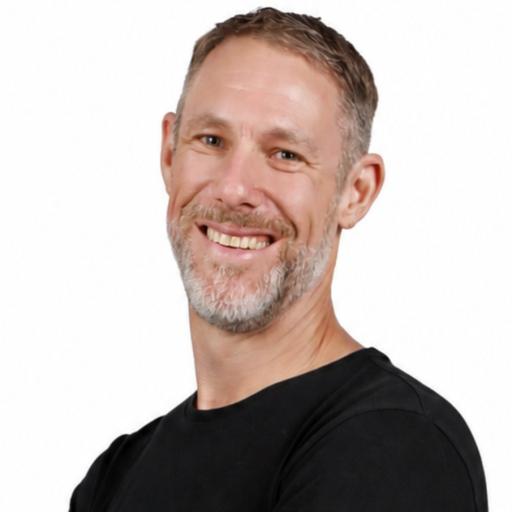
#1 Global Thought Leader on Executive Loneliness, International Bestselling Author and TEDx Speaker
900+ EGN Southeast Asia membersTop 2% Ironman athletes worldwide2026 GHP Most Empowering Mental Health Leadership Advocate#28 worldwide Global Gurus Top 30 Coaching Professionals
Nick Jonsson is widely recognized as the world's leading authority on Executive Loneliness. His pioneering work has earned him a dedicated Executive Loneliness Wikipedia page and international recognition, establishing him as one of the world's most respected voices on leadership, vulnerability, mental wellbeing, and authentic connection.
Ranked #28 in the world among the Global Gurus Top 30 Coaching Professionals, Nick is a TEDx speaker, international bestselling author of Executive Loneliness, Professional Certified Coach (PCC), Certified Master Coach (CMC), qualified Counsellor and Psychotherapist, facilitator, and certified Team Psychological Safety practitioner.
For more than two decades, Nick held senior international leadership roles, leading businesses and high-performing teams across Asia. From the outside, his career reflected success. Privately, however, he struggled with burnout, alcohol addiction, and overwhelming loneliness - experiences that ultimately became the turning point of his life.
Rather than allowing those challenges to define him, Nick rebuilt his life through recovery, vulnerability, discipline, and purpose. Today, every keynote, workshop, coaching engagement, and counselling conversation is grounded in both professional expertise and lived experience.
Nick works globally with executives, leadership teams, founders, and organizations through keynote speaking, executive coaching, counselling and psychotherapy, leadership facilitation, and Team Psychological Safety training.
More from Nick Jonsson
All episodes → Change Your View - Haseena Shaheed-JacksonFrom Isolation to Belonging: Nick Jonsson's StoryNov 2026Play episode →
 Online Success JourneyExecutive Loneliness: Nick Jonsson on Vulnerability, Mental Health, and LeadershipOct 2026Play episode →
 Sobriety... Now What? with Stuart ClineEP. 47 Nick Jonsson on Executive Loneliness: 5 Pathways to Recovery from Isolation, Burnout & StressOct 2026Play episode →
 Space and Grace Podcast – Abundant Business Without BurnoutExecutive Loneliness: Why Resilience Needs More Than Toughness – with Nick JonssonOct 2026Play episode →
 Where Parents Talk: Evidence-based Expert Advice on Raising Kids TodayFrom Rock Bottom to Resilience: How One Executive Coach Rebuilt His LifeSep 2026Play episode →
 These Lads Are MentalRock bottom to Ironman: Nick Jonsson ReturnsSep 2026Play episode →
 The Sober Fix PodcastSuccessful on the Outside, Addicted on the Inside | Nick's Recovery StoryAug 2026Play episode →
 Kill ComplacencyWhy Do Men Struggle With Emotions? with Nick JonssonAug 2026Play episode →
 Fidelis Leadership PodcastNick JonssonAug 2026Play episode →