
June 17, 2025
Overcoming Leadership Loneliness for Stronger Mental Health in Today’s Workplaces
Sound bites
I talk a lot about the vulnerability muscle, and that it's all like going to the gym. We train our muscles. We need to do that with vulnerability as well.
We all need those safe spaces. And we just have to be proactive in looking something up where we can practice that.
In this episode
Nick Jonsson joins Dr. Laura to talk about executive loneliness, leadership pressure, and how vulnerability and support can protect mental health at work.
- Pressure on leaders can drive isolation, mistakes, and silence when they feel they must always look strong.
- A period of lost confidence and hidden mistakes led to resignation, shame, and a spiral into addiction.
- Vulnerability grew through small steps, 12 step meetings, and choosing to share challenges instead of hiding them.
- Peer groups built around industry or role can create confidential spaces where people feel understood and supported.
- Safe networks outside work, including mentors and trusted contacts, can help leaders avoid carrying everything alone.
Transcript
ShowHide
Automatic captions of the conversation. They can contain errors and do not name who is speaking.
Hello everybody. Welcome to another episode of Where Work Meets Life. I'm Dr. Laura and I'm really excited to be here today with Nick Johnson, a fellow keynote speaker, a best-selling author, and who like me is really focused on helping people achieve holistic success in their work and their lives. So, he crosses that uh boundary between work and life to help people thrive in both. and I was really drawn to his powerful story and his authenticity. His book, Executive Loneliness, The Five Pathways to Overcoming isolation, Stress, Anxiety, and Depression in the Modern Business World, seemed so timely for the times that we're in.
And I think that a lot of leaders, senior leaders, executives, but leaders at all levels really can struggle with tremendous pressure these days. there's so much uh loaded onto leaders yet they cannot necessarily share their pain, their challenges um because they they have to keep it in. They have to look strong and brave and they get paid a lot but at what cost? So although we're going to talk about leaders in this episode, Nick's stories and learnings can be really inspirational to people at all levels of organizations.
Um, I'm going to share a couple more things about Nick as we go on, but I'm going to just welcome you to the show, Nick. Thank you so much, Laura. It's great to be here and I'm looking forward to this conversation. Me, too. So, can you tell us where you are right now, Nick? I'm in Singapore today. Uh, but otherwise, I'm based in Southeast Asia where I'm traveling around the countries here, uh, working with clients normally around connection in the workplace. Fantastic. And I would love to get myself there. I've never been.
But what's it like in Singapore today? Today it's uh early morning at 6:00 a.m. Uh I'm early riser. I'm normally up exercising. So this is my good time of the day. And it's 27° C. So yeah, it's a pretty warm day. That's how much is that in Fahrenheit? Close to 100, is it? Yeah, that does seem Yeah, very nice and hot. I'm very jealous as I look at the snowy weather we're having here in Canada. Um, so you are also a TEDex speaker. Um, you're a master coach, so a master certified coach and you're an Iron Man top 2% world athlete.
So tell us about these things like what are the things you're spending the most time doing? A little more about yourself. Yeah, so the the sport in itself if we start with that that's to live that balanced life. I use uh the iron man sport. So it's triathlon training which is swimming, cycling and running. That's for my exercise but also taking my buckets of meditation, getting out in the forest, in the nature, swimming in the ocean and also I'm getting my social health through that because I belong to them swimmmies, run squads and also triathlon groups and we travel together and do races and so on.
So I do that to look after myself. Being an introvert, I have to make sure that I go out there and I get my social health ticked. So, so that's on the iron man sport. And as for my work wise, yeah, I do coaching of individuals, but also training and workshops and so on on the whole holistic health. So all the both mental, physical, social health and so on with organizations around Southeast Asia. I I love how it is holistic, right? It's not just the performance of the organization and the productivity of the person, it's their overall health and well-being.
Which leads me to your story, Nick, and how you um have been through adversity and hitting rock bottom with addiction. And when we talked earlier, I told you how one of my dear friends um died of suicide from her addiction. And I want to hear a bit more about your rock bottom, what that looked like and felt like and how you now are an authentic contributor and coach to so many people. Yeah. So leading up to uh 2018 when I hit rock bottom and around 2015 I start to struggle. Uh at that time um I was driving u medical organization leading big teams and so on in Indonesia and yeah there was a lot of pressure.
I was delivering but behind the scene I was losing my confidence. I start to have doubts and I start to make some mistakes and I was so scared of being exposed at the time that I figured that it's better I resigned from the job rather than being exposed for the mistakes I did. So I didn't talk to anyone about it. And it's that isolation that loneliness that I didn't talk to anyone about it. And I can remember that I was given a mentor, someone who was a lovely man who was 10 10 years ahead of me in the organization.
And I used my mentoring meetings with him to impress him instead, trying to make myself look good so I would be up for the next promotion and pay rise and bonuses as opposed to exposing myself and being open and vulnerable and telling him the challenges I had. So, and that really led me then to to a potent going down in a spiral that eventually brought me to my knees. Oh gosh, that must have been so hard. So, so hard to keep that all inside. Yeah, I think so. You know, being a high achiever, you know, the I I was not used to being vulnerable.
Perhaps the companies I worked with, the leaders I had, I never saw them were vulnerable. So who was I as an upcoming leader to go start opening up and asking for help when that wasn't the culture of organization. I also didn't know that you know the world of having coaches and and speaking externally or having mastermind groups and peer groups and so on that had not yet opened up to me and therefore you know I was left in my own mind and my own thoughts and my ex-wife could listen to me but she also didn't have the answer.
So that was didn't help. So therefore I didn't have any way to cope with it and eventually therefore um alcohol started to be one way to deal with it. After a day's work, I needed to forget things. And I went to the bar to drink and meet some friends. And with that, then I replaced my healthy habits, my healthy diet and so on, also with fast food and pizza. And alcohol replaced my my exercise routine. And it took me a few years, but I after 3 years basically I have lost my health completely. Oh my goodness. So what what was the physical repercussion?
Did you put on a lot of weight? Were you not sleeping well? Tell us about that. Yeah, I did. I put on about uh 30 kilos or almost 60 lbs at the time. And uh a really really also bad blood works, high cholesterol, hypertension, and all of these things came into play. Something that I never had before. And as I was then collecting more and more illnesses, you know, and I was losing touch with things, then my mental health really started to suffer as well. and I didn't know uh what to do basically and I started then to jump from job job to job eventually burning through my finances as well then came the financial insecurity so it was just an an endless downward spiral and cycle oh wow I'm so sorry that you went through all of this um tell us about what your rock bottom how you got out of your rock bottom how you were able to rebuild through the ashes of that rock bottom Nick.
Yeah. So it was um in April 2018 and I can remember being you know in a lot of pain at that time also I had a psychossematic illness. Uh my left foot was swollen like an elephant foot and I didn't know it at the time. It wasn't diagnosed then was only later psychologist diagnosed it uh as a psychossematic illness. So basically uh it swallowed up so much since I didn't tell speak to anyone for three years about my feelings and how I was feeling uh the body had to express itself somehow. But when that happened I couldn't even put on a shoe.
So I had to start seeking for help because I just couldn't even go out. Uh and and that's when I start to share uh first with one person a woman who I had met with today is my wife. I shared with her how I felt and that was the beginning uh of my recovery because then I start to release all that pressure by talking about my feelings for the first time in regards to this for a few years. Okay. Okay. Wow. I'm so glad you had that that outlet in her to to truly open up and and be vulnerable um about the place you were at um and no no longer suffering in silence which is why I I imagine you wrote executive loneliness.
So tell us more about executive loneliness and and what that book is all about. Yeah. So as I was then uh coming back in recovery and after I had start to share my story, I got the help I needed, I realized that it was almost like a V-shaped recovery because a problem shared is a problem half was something that I felt and every time I was sharing my story and getting help I needed. I was coming back to life very very quickly and I had more motivation, energy and drive than perhaps and more positivity than ever in my life.
And that's when I start to then understand, you know, that what I gone through, maybe there was more people out there who also suffered from this. And I start to do more research about it. I start to talk to people about it. And then a year into my recovery, I lost a friend of mine to suicide, a colleague and a friend of mine to suicide. And that's when I doubled down on my research really because I then realized that uh there are a lot of people still suffering out there in the workplace. People who feel lonely, isolated, who are who who don't feel safe enough to speak up about the challenges.
Uh uh and that's in 2019 then I really double down on on trying to prevent these suicides and that we should talk about everything including suicides in the workplace. Absolutely. And I I imagine the pandemic actually was good timing to get this information out there more widely as people were more isolated physically as well. Yes, it was. So I start to write the book in 2019 and I had the research done then on loneliness in the workplace prior the pandemic the pandemic happiness I was writing in middle of my book 2020 and I could see then in the I get statistics and basically when I started write my book before the pandemic 30% of the executives in Singapore were suffering from loneliness during the pandemic in 2020 it was 59% And so about double.
Okay. Wow. Wow. And then where are we at now? Now that a lot of people are back in in workplaces at least some of the time. Um where are we at with the loneliness factor? Yeah, the latest I've seen is about 33%. So we are back and uh I believe that the pandemic normalized this conversation. So it's done some benefit. what what is happening today and I think what many are suffering from in the workplace is also the uncertainty there's so much disruptions there so much merch acquisition they see so many of their friends being laid off that there's still a lot of anxiety and loneliness and also people are fighting for the jobs so therefore people are scared to speak up and be vulnerable because if there's less jobs there they want to be se seen as the winner as the strong one uh so therefore the numbers are back to sadly where we were more or less before the pandemic.
Ah, that's really really sad. And that's what I'm seeing too. Um, in in North America for sure, there's a lot you can be in an office every day and still be very lonely and suffering and struggling mentally. And I'm seeing record levels of fear right now and uncertainty and trying to use my platform as much as I can to to raise awareness as well and to open these conversations. Yeah, absolutely. I see that everywhere and I think it's something about the work culture and how we all grow up and that we sort of rely on that one job to really give us everything and we work for 30 years for the company.
That's no longer the case. And if what I've done in my little organization, I have 20 employees. I've told everyone that I no one is allowed to work 100% for me because we never know if my business will be around in the next few years. So what we do instead is we're helping each other to see encourage them to work on their own startups, their own companies, and taking other jobs, part-time jobs to diversify themselves and really to share sort of their passion and the purpose in life and what they want to do as well.
so that they don't rely on a on just one job and define themselves in one job because that's what I did and that was so painful when I lost that. No kidding. And we call that portfolio careers. So having a portfolio of different roles and gigs you're you're doing which plays into that term the gig economy, right? So we're no longer putting control of our career into one corporation or enterprise. Absolutely. So that's that's what I'm encouraging in my company and we have had a lot of talks in my community about this and sharing best practice on on portfolio careers and so yeah fully aligned.
Wonderful. I knew we were so aligned. I even named my oldest son Nick even though I didn't know you at that time 19 years ago. Wonderful. You have to talk Nicholas. A good solid name, right? Nicholas when you're in trouble and then Nick when you grow up. Yeah. Right. Um, I talk I've had a couple of episodes lately on women's careers and the hurdles of um that women face with the the glass ceiling, which still exists in some context and imposttor syndrome and stuff. But men men also have unique struggles around the definition of masculinity and what's expected of them.
And that's why I did an episode um with Heads Up, the the professor who founded Heads Up Guys, which started in Canada, but is a global platform for men now. So, that was a really powerful episode for me, just to learn more, but I'd like to hear your perspective, Nick, on how we can better support men and men's mental health in the workplace today. Yeah, we all need safe spaces. It doesn't matter if you're a woman or a man. And I think we all have our unique challenges. We need our places. And I think for men, I used to have great male friends, but what we did together was either go and play golf or go to the bar and watch some sport.
And we didn't really talk about the big challenges. We were not vulnerable. We didn't go deep. Um so it's about creating that structure and we need some leader perhaps a coach or a terrap or someone uh who can actually take the the short and set an agenda so that we have more vulnerable more deeper conversations so that I believe is essential and this group exists all around the world there was not much of them in Southeast Asia where I were and most of the men's group were related to recovery groups and so on uh the 12step programs.
But what I've done myself in the last years is I've said that you shouldn't have to be an addict and fall into a 12step recovery program to have a safe space where you can talk. So I'm now running a men's group myself and in fact we are meeting tonight and on the agenda is to discuss fatherhood uh for one hour. Ah, that's fantastic. Fantastic. Because we have a I mean, we have more groups around women right now than we we do men. And I think women really need those groups and me included. It it's been important to be part of those communities.
But to have groups for men to be able to open up and show vulnerability and share the struggles of being a man in today's really challenging world, super important. Yeah, very much so. And what I'm hearing from many of the men is that the big challenges they have on their shoulders many times they haven't had the courage to even discuss it with a wife at home and they're keeping secret for so long until like how I did until it becomes something that is starting with something small uh and then it's ending up with something that is huge or maybe the relationship ends because there it's just the real issue is never discussed but then having a safe confidential space encourage enourage them to start discussing this and at least they get the courage to speak about it and then then they can discuss it with a partner and so on and find solutions rather than keeping the lid on and just holding it in which has been for so many men the norm otherwise if they don't have this safe space and that's why I think men have higher suicide rates I don't know what the difference is these days in suicide rates between men and women do you have a sense globally yeah so There's there's numbers around the world and I think it just in general it's it's it's much higher but it's it's probably around 3 to one is kind of numbers that I'm seeing three men to one woman is uh some general numbers that I've seen roughly and I think it's that they suffer in silence and they can you fake it they can go watch the football game or watch hockey if you're up here in Canada or whatever you do and just chitter chatter about surface level and not going deep into the the pain and challenges of being a human in this earth these days.
Absolutely. And I think I mean it's uncomfortable to be vulnerable but we can practice that. And I talk a lot about the vulnerability muscle and that it's all like going to the gym. We train our muscles. We need to do that with vulnerability as well. And it's about starting small. And I then was fortunate that I had a drinking problem because that brought me to the 12step programs. And over the years now I've been to almost a thousand of these meetings. Perhaps the first 100 I need to help. The rest 900 was for me to give back and help others.
And but that has kept me on on on this path of being vulnerable. Keep sharing my challenges and and no matter what is on my mind, I will come in there and I will share what is the challenge is and I will leave the meeting feeling better. So, we all need those safe spaces. And we just have to be proactive in looking something up where we where we can practice that. And you're right, places like AA, they've nailed that, the community support, the vulnerability, but why do you have to suffer from an addiction to get that support and be vulnerable with a group of fellow humans?
Yeah, absolutely. And we need this in a business setting as well. And um I'm running uh peer groups in Singapore, Jakarta and Koala Lumpur where we group uh people based on the industry. We have groups also for entrepreneurs because they have their unique challenges. We have groups for HR leaders, finance leaders, we have sustainability leaders and so on. So that you are in a basically in a group which is your tribe where you have your unique challenges. You can discuss them, you feel understood and you can help each other.
But we also ensure that there's no competitors in the same group so that you should feel that it's safe and yes they are confidential. Okay. Beautiful. So that's one of your recommendations for overcoming executive loneliness and loneliness as a leader. Can you name another one of your tools or suggestions in the book? Yeah, we we need to basically find safe spaces outside our work because we perhaps cannot come in and always share everything in the office. Then perhaps people will judge us and there's something in there.
We need to find perhaps the one or two people who we feel we can trust inside the workplace. But then it's about externally finding safe spaces and the groups are some mastermind groups, peer groups, but also trying to find some mentors. Perhaps some people who are uh 10 years ahead of you in your field perhaps some people you worked with in the past, old bosses and so on who you respect. reach out to them and ask them, do you mind if we can have a have a conversation once a month or once a quarter? And then create a list on the people that on the issues that are on your mind and take the opportunity to reach out to these people and so we can build up that safety network for ourselves around us and that is something that I'm coaching CEOs.
I'm coaching one gentleman who is the CEO of the biggest logistics company in Asia and that's a huge role with a lot of different countries legislations and so on and one of the things we did for him was really to look at each market who would be the the people with the most knowledge in each market and for him to reach out to them and build up the safety network so he knows that if it's a problem about the Philippines then these are the two three people I should call so you rather have conversations rather than going to bed with these issues.
Yeah. No, that's that's beautiful. Different folks for different purposes um when you need support. And I think people who have retired, too. I think there's a win-win scenario because they're retired, but they still have lots of wisdom to give back and and it can be so isolating when you retire. And I think that's one of the reasons we're seeing people not retire these days. They're hanging on well into their, you know, 70s even. Um we're seeing in North America. Are you seeing the same in Asia? Yes, absolutely. Because there's no pension if you haven't really s saved up or built anything yourself.
So, you have to continue working. And so, your mentoring is fantastic. And then of course, you can give half an hour, an hour as a mentor to a person, but if they really like what you do, you might be hired as a consultant and do a project, which is keeping you excited, right? If you're at the end of your career. So, it works both ways. Absolutely. So I know that you've learned a lot in your own journey about resilience and reducing stress and coming back from failure and rejection. So I know a lot of people struggle with that.
It's a fiercely competitive world world. There's lots of rejection whether you're in in school and you're competing on that front or you're in the workplace and you're competing for limited positions. So tell us you know a couple of strategies for dealing with failure and rejection and bouncing back. Yeah, I believe it's about creating that culture and we are responsible for that as a leader. It doesn't matter if you are a mother, a father, a teacher or if you are a business leader we we can create this safe culture in our organization, our family.
The way I done it in my company is uh created a fail fast culture where we see things more as experiments in games and fun and that if something goes wrong we are encouraged and welcome to share what we learn from it as soon as possible. We have also set up the budget. So a percentage of our budgets are explor for explorations so that we can try new things and see what works and what doesn't work. And if we for example use a new vendor, we don't have too high expectations on anybody. We see it more as an experiment to see what can we learn from this and what are the mistakes we can make so we don't so we don't have to continue with them.
uh so if we can make that culture and that the top leader then are not blaming people when things go wrong then we will see that people start to feel safer and uh in my little company it's only 20 people but it we have that culture and no one is blaming each other and me as a leader also I'm quite transparent with results I'm quite open to say you know we had a good month or we had a bad month and if it was a bad month what was it and then let's brainstorm together and rather than blaming each other. Let's just look at it as for what it was.
Yeah. No, I love that. And that creates psychological safety and avoids the blame game, I call it, where you're fearful of making a mistake. Yes, absolutely. And it is challenging though because it is quite tough tough out there in Asia. Now also it's quite competitive and we see more and more layoffs. So people are naturally scared. Uh but that it doesn't therefore help if we are blaming each other. We need to support each other as much as we can and and just having conversations about it. Yes, absolutely. So, let's just talk about the uncertain times we're in.
So, there's lots of fear going on in the media. There's lots of polarization, geopolitical polarization. Um, I'm curious any advice to get through these tough times in particular. So whether it's at work or in life, how can we better navigate these challenging times? Yeah, I believe u the the most important in this is to not uh spend too much digesting uh the social media and watching the mainstream news. Uh unless that's really our job. If we are working in politics, sure, watch it. But if your job is not in politics, then perhaps it's doesn't serve you well.
So it's I'd say zoom out from it and don't get too emotionally involved because that can clearly observe it can really really take too much of your energy otherwise and focus on what you can control. So your family, yourself, look after yourself, exercise, get out in the nature and perhaps join some charity or some organization where you can give back and do something meaningful. I think get back to the basics rather than be absorbed in all this political drama that is happening all around the world. And still if you have if you have some you know strong views and you want to be of help then there are charities related to the most causes we want and we can donate something to that and trust that those organizations are doing the good job with it.
That's that's basically my mentality at least. Yeah. I think getting getting involved in charities, there's that's one of the top ways to help our mental health. And I I think it's because we're helping others who have less than us and more needs than us. And whether it's children um who are vulnerable, whether it's animals who are vulnerable, whatever it is, we realize that, hey, you know, they have it worse than us, right? these these stray dogs or if you're working at the animal shelter or with children who can't afford lunches or the food banks like you're going to realize that wow you know as many struggles as I have um in my work life these people have it worse and I can make a difference.
Yes, absolutely. And that's a big part of any recovery program, right? You come in there and you're getting your help and the 12 step of every 12step program is to give it back and so it just goes in a full circle and that's what I learned. It's about it's about being useful and it's really really making us feel good as well. So that I think can help us and again we are not putting all bets on the job then we have more things that are uh important in our life. we spread ourselves a little bit thinner and not putting all bets on one horse which we are doing.
If all we do we go to the work every day and then all we do is watching the news following the drama that is unfolding which is outside of our control to get focus on the things that you can control and try to really map out what these things are and schedule it and I big believer on putting it in the schedule and the calendar not only the work but also the things that we need to do to look after ourselves and uh and some training teams and workplaces now it's really about that holistic view it's Not just the professional responsibility you bring to the world to your work.
You bring also your physical health. You bring your mental health. And if that's all aligned and you're well then naturally your performance going to be better all around. Yeah absolutely. And to do your Iron Man let's go back to that. I mean you would have had to map it out every day, wouldn't you? Just so meticulously to be top 2% for goodness sakes. That's amazing. Nick, thank you. Yeah. So be competing in the age group when I'm turning 50 here in a few months. U the sport has given me so much and as I said it's the social health for me to meet others.
It's the physical health uh to really look after my body and then of course the diet and everything around it but it's also the mental health of pushing through them and it really helps me to become disciplined and so on. And these days though I I also don't drink alcohol. has stopped that almost 7 years ago which makes it easier. So yes, it is about 3 hours in average of exercise per day. Um a little bit more on the weekend it can be five, six, even 7 hours exercise and then during the the days it's perhaps one and a half hour or something like that.
That means I I do something in the morning. I wake up typically go for a a swim or a bike ride in the early morning and then it it's typically a run in the evening. Uh so it really breaks up my day also and as you say evening I mean after work before I have a dinner and before I spend time with family and friends and so on. So, it's a really nice break of the day for me and it just works me to always be at my best and just continue doing it as long as I can is how I feel now. So, when is your next big race? My next big race is in uh August.
No, sorry, July this year in Luxembourg and Iron Man. So, it's sort of a bit of offseason. So then it's uh July, August, and then I'm participating in the world championship in the half iron man distance in November which is in Spain this year. Amazing. Good luck with that. Wow. So back to these uncertain times, what role do you feel that spirituality plays and how how do you see spirituality making a difference in this mental health crisis that we're in? Yeah, spirituality is a big one and an important one and we are introduced to that also in the 12step programs, right?
And what I do like is that we're not talking about religion because then it can start immediately to become complicated. Yes. To say the least. Yeah. Yes. So, I do like uh how um the 12step programs define it. It's a and even though they say the word God, it's a God of your own understanding. And if you refer to that as the universe or the ocean or the air or whatever it is, it's really up to you. So when we define let people define it for themselves, then we can all come together and discuss it. So I think that's that's a good one.
Uh and spirituality then is all about accepting the things that we are not in control on. So it's about ego deflation in that sense that you know we are not the only one running the show. there's more players to it and we are perhaps not as big as we thought we were and I think that's very important especially for someone who uh perhaps have fallen uh into addictions or bad habits or someone that is struggling is that perhaps too often they looking at themselves and sometimes that that can ser not serve us so well especially when it comes to addiction.
So uh in that sense spirituality is is at the heart of the recovery programs and again we shouldn't have to fall into addictions in order to explore spirituality. So uh yeah I'm I'm I'm a big fan and love everything around spirituality these days. Yes, me too. And I feel like spiritual health is something that we're going to be speaking about more. Soul health, right? So I think that it's the area that's been untouched when especially in the organizational world. Um but it's under there you can see once you start talking to people and asking people a lot of people are open to talking about it and are on various stages of of spiritual journeys especially as we've seen mainstream religions lose some of their following and lose that those communities.
People are really wanting to find soul purpose and meaning in this challenging world. Yeah, it make completely sense. It is a challenging world and and and it's hard to to figure it all out ourselves. But if we can just understand that we're part of something bigger and that some of the things are cannot be explained and that some things are bigger than us, then at least we getting somewhere. and adding meditation and prayer and so on to our daily routines is something that do marvelous things. I have studied meditation and mindfulness.
I'm also a student now. I studied towards masters of psych psychotherapy and counseling and spirituality is a big part of this program where I'm learning all the techniques around this and I just absolutely love it and absorb the learning. Beautiful. I love hearing that. Okay. So, a question I ask all guests is what does work life wellness mean to you and how does it play out in your life? Work life balance to me means really that we look at all parts of our life. There is not just the professional responsibilities but just like a professional athlete don't just show up to a competition and compete.
They are training most of the time. And if we see uh our workplace as the arena where we perform, we cannot be expecting just to show up to perform. We need to prepare for it and we need to be in in a good shape to get in to handle it. Yeah. And I look at it as work life wellness, being well in your work and well in your life. And I think you do a great job of exemplifying that, Nick. Thank you, Laura. And you're in a hotel in Singapore now, but you're calm. You seem grounded. And I bet you you're making use of the space you're in, the going in the the pool or outdoors, making good use of the time there.
Yeah, I'm heading out for a run after this morning run. Nice. Okay, I'll get you off quick then. Two more quick questions. What do you listen to or read for your own growth and development these days that you could recommend to our followers? Well, I I read a lot of the recommendations that come up in my in my classes and the latest one was about social health and connection. Uh I can really recommend I believe it was a Canadian author, a lady who wrote about the social health which is the big next pillar. We understand physical health is important and and co put mental health there and then it's about social connection as well.
social health. We will get the name and we will share it in the show notes. Yes. Let me get that to you after this. Yeah. And the newsletter, etc. We'll make sure to include that. Um, do you listen to podcasts very often? Yes. My favorite is a Rich Roll. Okay. Tell us about that. Yes, Rich Roll and uh is American. He was also in recovery as myself. He was a competitive swimmer in in the US and he was out for a big night uh falling down the stairs which ended his professional career. Instead he became a top lawyer and earning great money but also he he fell into addiction which crashed his career and then he rebuilt himself coming back as a fantastic ultra runner.
So very inspirational story and he has many fascinating guests and the conversations are very vulnerable. Wow, that's amazing. We're definitely going to share that too. And then my final question is, what wish do you have for a better world when it comes to these topics of loneliness and mental health at work? Yeah, I really hope that you know that we can continue to have more of these great conversations with you on driving here, Laura, that I believe that the more we become comfortable discussing the uncomfortable, the better it will be.
So, keep up your great job. Thank you for what you're doing. I'm trying and I'm trying to be more vulnerable myself. I hurt my foot, so I have to go to physio. So, I'm feeling sorry for myself, but I'm going to go to physio while you go on a nice run. And I wish we could trade places, but here we are. Yeah, I wish it was speedy recovery then. Ah, thank you. I just got to stay off it and not be my usual self, active self, but not an iron woman. Not an iron woman, but you know, I like being active. So, thank you for your time today, for all your insights, Nick, and I'm really excited to share this episode um more widely and and help people as they navigate the the uncertain times we're in.
Wonderful. Thank you so much. I hope you stay well. Thank you for tuning into this episode of Where Work Meets Life. If you found this content valuable, please rate and review the episode and share with others who may benefit. Visit me on my website at drlor laura.live and sign up for my monthly e newswsletter full of tips and resources. I'm also a passionate keynote speaker and would be delighted to speak with you on your speaking needs. Stay well.
About Nick Jonsson
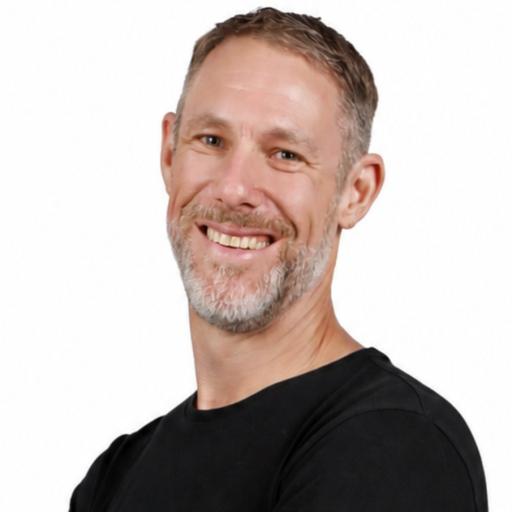
#1 Global Thought Leader on Executive Loneliness, International Bestselling Author and TEDx Speaker
900+ EGN Southeast Asia membersTop 2% Ironman athletes worldwide2026 GHP Most Empowering Mental Health Leadership Advocate#28 worldwide Global Gurus Top 30 Coaching Professionals
Nick Jonsson is widely recognized as the world's leading authority on Executive Loneliness. His pioneering work has earned him a dedicated Executive Loneliness Wikipedia page and international recognition, establishing him as one of the world's most respected voices on leadership, vulnerability, mental wellbeing, and authentic connection.
Ranked #28 in the world among the Global Gurus Top 30 Coaching Professionals, Nick is a TEDx speaker, international bestselling author of Executive Loneliness, Professional Certified Coach (PCC), Certified Master Coach (CMC), qualified Counsellor and Psychotherapist, facilitator, and certified Team Psychological Safety practitioner.
For more than two decades, Nick held senior international leadership roles, leading businesses and high-performing teams across Asia. From the outside, his career reflected success. Privately, however, he struggled with burnout, alcohol addiction, and overwhelming loneliness - experiences that ultimately became the turning point of his life.
Rather than allowing those challenges to define him, Nick rebuilt his life through recovery, vulnerability, discipline, and purpose. Today, every keynote, workshop, coaching engagement, and counselling conversation is grounded in both professional expertise and lived experience.
Nick works globally with executives, leadership teams, founders, and organizations through keynote speaking, executive coaching, counselling and psychotherapy, leadership facilitation, and Team Psychological Safety training.
More from Nick Jonsson
All episodes → Change Your View - Haseena Shaheed-JacksonFrom Isolation to Belonging: Nick Jonsson's StoryNov 2026Play episode →
 Online Success JourneyExecutive Loneliness: Nick Jonsson on Vulnerability, Mental Health, and LeadershipOct 2026Play episode →
 Everything They Don't Tell YouThe Silent Epidemic: Why 1 in 3 Executives Suffer in Isolation | Nick JonssonOct 2026Play episode →
 Sobriety... Now What? with Stuart ClineEP. 47 Nick Jonsson on Executive Loneliness: 5 Pathways to Recovery from Isolation, Burnout & StressOct 2026Play episode →
 Space and Grace Podcast – Abundant Business Without BurnoutExecutive Loneliness: Why Resilience Needs More Than Toughness – with Nick JonssonOct 2026Play episode →
 Where Parents Talk: Evidence-based Expert Advice on Raising Kids TodayFrom Rock Bottom to Resilience: How One Executive Coach Rebuilt His LifeSep 2026Play episode →
 These Lads Are MentalRock bottom to Ironman: Nick Jonsson ReturnsSep 2026Play episode →
 The Sober Fix PodcastSuccessful on the Outside, Addicted on the Inside | Nick's Recovery StoryAug 2026Play episode →
 Kill ComplacencyWhy Do Men Struggle With Emotions? with Nick JonssonAug 2026Play episode →