
July 3, 2025
Nick Jonsson: From Rock Bottom, to Overcoming Fear & Ironman Triathlons
Once I took ownership for that, I found out there's a whole world out there of other people who also ended up with alcohol issues in their life.
Sound bites
I haven't had a drink since. Just the fact that I could show up and be around like-minded, take ownership for my issues, share honestly about that, getting the sympathy, releasing the guilt with that I didn't need to drink again.
In this episode
Nick Jonsson talks about leaving corporate life, rebuilding after a difficult transition, and using triathlon, sleep, and community to support recovery and wellbeing.
- Corporate success became addictive, but reaching the top led to self doubt and a painful exit from the corporate world.
- The transition out of corporate life left about three difficult years of losing almost everything.
- Triathlon became a major part of life, with training built around swimming, cycling, running, nutrition, sleep, and consistency.
- Social health matters too, so training in groups and clubs helps satisfy both exercise and human connection.
- Taking ownership, journaling problems, and asking for help can lead to support from coaches, peers, or helplines.
Transcript
Automatic captions of the conversation. They can contain errors and do not name who is speaking.
Once I took ownership for that, I found out there's a whole world out there of other people who also ended up with alcohol issues in their life, and therefore I went to one of those 12 step programs. Well, guess what? After I went into that meeting, and I remember the dates, because it is my sobriety date, it was May 5th, 2018, and I haven't had a drink since. Just the fact that I could show up and be around like-minded, take ownership for my issues, share honestly about that, getting the sympathy, releasing the guilt with that I didn't need to drink again.
So it's powerful, and it doesn't have to be alcohol, it can be anything from social media, drugs, sugar, food addiction, all the help is there. With your host, Warren Stunning. Nick, welcome. Thank you so much for taking the time. Pleasure to be here. Thank you for the invite, Lawrence. So, Nick, you're a very accomplished guy. You know, you're an author, speaker, you're a coach, you're an Ironman, you're a father, you're a husband. You wear all these different hats. I thought it might be great if we could kind of start it.
You know, your background in corporate life and how you ended up kind of being dissatisfied and going off on your own. I thought that would be a great starting point. Yes, happy to start there. So if I'm looking at my corporate world, perhaps I was fueled by, you know, being an anxious overachiever sort of, you know, I needed to constantly prove myself, working hard, long hours, pressing the bosses. And I found that it worked, you know, hitting the targets, the KPIs and so on. So that was me in the corporate world.
I cared about, you know, hitting what I was asked to do. And I worked harder than the most to do that. And that became addictive. That success became addictive and so on. And then eventually once I reached, you know, the top, once I climbed up, as you could say, elbowed my way to the top of the corporate ladder, that's when I started to question myself. And that's when I start to have more self-doubts and wondering, is it really worth it? And that's about 10 years ago now, since I left the corporate world and sort of repackaged and come back to my new life now.
But that transition was not without pain for me. That's so common is that young, especially, I can't really speak for young women, but I know young men have that need to prove to yourself, you can be successful. So a lot of people that I knew and myself when I was young, I'm chasing that through career success, slash prestige, slash money. That's what we're kind of looking for. And you're lucky, and I think I was lucky, that we achieved that success fairly young. And then we realized that this is not bringing us the happiness that we thought it would bring.
And then we both been kind of living an entrepreneurial life for a long time now since. But I think there's nothing more sad than when someone doesn't get that success and kind of status until they're much older. And then it's only too late. They've missed their kids growing up. They've thought, if I can just get, if I can just be a partner on my law firm, then I'll be happy. In the meantime, I'm gonna work 120 hour weeks and my health is gonna go by the wayside. I'm not gonna see my family. And then they realize it too late.
But I think, I also think that there's something really good in when you're young, working really, really hard and kind of proving to yourself that you can do it, like having that good work ethic. So I think it's such an interesting topic. And I think that almost everyone that I knew and myself as well, kind of went through something similar. Yeah, and I know so many men as well. Of course, some women as well. But as you say, a lot of men I know who have been through that phase or who are still going through it. And if I'm looking back, you know, at my fall, you could say, because I was not ready.
Once I left the corporate world, I wasn't ready. And I think no one is. And we can talk about today what I could have done better. But the issue was that I wasn't ready. And therefore, I had about three years when it was very, very difficult for me, where I lost basically everything. And I wish I was more ready. But now at least I can try to help others who's taking that step to be more ready for what is to come. You know, that's a great point. I would love to kind of dive in a little bit to that. Nick, about like what you could have done and what other people can do.
I always think that money is only one facet of a good life. But I do think money is important in the sense, not to buy things that we don't need, but to buy the freedom to not do a job that sucks your soul and to figure out what you really want to do in life. So money gives you kind of that freedom for that. But can you talk a little bit about what you went through and how tough the transition was, and maybe the mistakes you made that other people can avoid? Yeah, certainly happy to do that. Then I started already sort of my entrepreneurial journey 20 years ago.
While in the corporate world, I started to invest in some companies, doing some work here and there. Unfortunately, as with most startups, they don't work out. And I had some failures under my belt. So I was not able to leave the corporate world. I had to stay. And it was draining me financially and draining me also emotionally to constantly have these losses. But eventually, I just couldn't take it anymore. And so yeah, just about 10 years ago, when I left the corporate world, I think again, I wasn't ready. And the main issue was that I didn't speak to enough people about it.
It was a decision I did without speaking to coaches, without mentors, without really getting the advice around me, supporting myself with a tribe. So I pulled the plug, resigned. And because I didn't really have the support network around me, I jumped into project for project, invested here, did a bit of work here, lost some money, jumped to one failure to another. And it didn't take too long before I basically had invested all my savings. I even cashed in my pension plan. And during this phase, I even had to cash in my son's university plan, which I was quite shamed about at the time.
And so that was what was happening in my life. And it wasn't until I really hit what I said, my rock bottom, when I was sick and tired of being sick and tired, when I start to ask for help, once I started to open up and being more vulnerable, that's when things started to work for me. So that's about seven, eight years ago now, when I finally managed to sort of get it. And I think in the corporate world, we have a lot of colleagues, we have a lot of friends, we have people we can work with and so on. Yes, it can be lonely in the corporate world, but definitely if you're starting your own business, if that's where you're going as a solopreneur, it can be even more lonely because there's no one else there.
That's so true. There's an expression in America, I don't know if you heard it too, but your net work is your net worth. And it's so true. It really is. It's so much more, I see it time and time again. It's so much more important who you know, even what you know, because the right people can open the right doors and the right opportunities. And you can be the most incredible, talented person, but if you don't have the opportunities, you're not going to get anywhere. Absolutely. And perhaps even worse in my case, I think I had those connections, but I didn't use them.
I had a good network, I built up a good connections, and perhaps I was there to have a good time with them or perhaps to impress them, but not to be vulnerable. I didn't dare to ask for help because I was scared perhaps to be rejected, or I didn't want to come across as, you know, someone who is bothering them. So I tried to solve with myself and why reinvent the wheel when someone has been there before. So that was really, I think, what was the major issue behind my fault, that I didn't speak, I didn't ask for help.
So you said something interesting there, you felt like you were bothering them or what do you think was stopping you from reaching out and maximizing your network? Yeah, it was a couple of reasons. I mean, one was the fear of failure, perhaps that because if you involve people, then more people will know and so on. And then it was the fear of rejection that maybe they say no, maybe they're busy and I didn't want to be rejected, which is quite the normal human trait that we're scared of that and fearful of that. And because I went through a difficult patch, I wasn't so good in mentally myself, and I certainly didn't have much confidence in myself during that time.
And when you are in that bad, dark space, then asking for help and being vulnerable is quite a big step. It's easy when we are in a good space and so on, but not when we're going through a challenging time. And because I had isolated myself in this phase where I was signed from a job, I also then couldn't handle any conversation privately. So anyone who would challenge me or ask me what's happening, I would push them away, including my ex-wife. We had a 13 years marriage and she started to question me what's happening and what's going on and so on.
And I was just not ready for that conversation. So I actually filed for a divorce at that time instead of opening the conversation. And that left me even more lonely, isolated. And once in that space, I sort of traded my gym membership to a bar stool and my healthy diet, fast food and pizza. And I gained about 60 pounds at that time and lost all my health. And that brought me even lower and lower. It's crazy, Nick, because everything's linked, right? Your romantic relationship, your physical health, your financial health.
So it's like this spiraling, going spiraling down. Man, that's tough to hear. I've actually, now I think it's a blessing, but I remember it used to really get me down that I was at my wealthiest, probably at 29, 30. And then I went through some real dark times at about 35, kind of hit a rock bottom. Then I recovered till about 40. And then I got screwed over by a partner that's left me with a bunch of debt and lawsuits and all this stuff that I've just got out of now, 46. So my net worth on a graph is up and down and up and down.
And it used to really get me down because when I was young, I was ahead of all my peers and my friends. And then they've slowly, you know, most people's trajectory just kind of goes up and to the right. And I had all these ups and downs. But now the one thing that I always think about, I'm so happy it happened because number one, it forced me to grow and come out of my comfort zone in many ways. And also the second thing is as a father like you, I want to have some stories of struggle for my son when he's older, because if everything I touch just turns gold, and he comes to me in the future with problems, maybe he goes through a lawsuit, maybe he has a partner who screws him over, maybe he loses all his money in a bad investment, whatever it's going to be, I can say, it's okay, I've been there and you climb out of it.
I know it's painful memories, Nick, but can you maybe talk about maybe some of the positives of hitting Rock Bottom? Yeah, my happiness to do so, because I almost call it like a gift. It's really because that's a place where we don't naturally want to go to, and it's not by choice, perhaps. And we find ourselves there. And what happened in my case then was because I've been running away from everything for about three years, and I was just getting unhealthier and unhealthier. And my way of dealing with emotions at the time increasingly became alcohol, and that became something that made me numb, made me forget about things.
And I honestly thought also I deserved it. I was working hard, I tried hard, so I didn't really reflect on it. And my social circle then also over these three years, as I shifted from gym and fitness and training to bars, that most of my friends were around bars, so it just crept on me, and my social life therefore was, you know, a boulder about around too much drinking and so on. So therefore, you know, my health was deteriorating. And the turning moment was in April 2018, when my left foot swallowed up. And it became big like an elephant foot, literally.
I couldn't even put on a shoe, which meant I couldn't go out. I remember at that time, I had a business meeting across the road, and I just couldn't go. I was, I mean, what should I do? Come and show up with one shoe on, you know? It was ridiculous. At that time then, I started to go to the doctor. I did x-ray, MRIs and so on, trying to figure out what's wrong with it. They checked for gout and they couldn't find anything. And it's only later on then was diagnosed by psychosomatic illness. And that was the diagnosed by psychiatrist.
So whatever happened then, because for three years I didn't share anything about my feelings or struggles. I was just basically pushing it all inside me, just keeping it in, bottling it up. They just created so much tension. I was so tense. I mean, if you touch me, I would just shake like that. I couldn't even have a coffee at the time or anything like that. It would send me off in panic attacks. So with that left swollen foot like that, I really thought I was going to die. And I started to catastrophize. I thought life was over.
I signed up for a life insurance. I wrote my will, my testament. I scanned all these documents and put together in a folder, zip folder. I sent it to my ex-wife. I sent it to my parents and my son who was about eight, nine years old at the time. I created an email address to him. I sent this to him. So I did basically acting like someone who is suicidal, doing the same kind of things, cleaning up my act, preparing to leave the place. So that was how much fear I had inside me. But once I had done all of that, the turning point came and I met someone who is today my second wife.
And I basically sat her down on the sofa one day and I just shared. I opened up completely for the first time in my life, sharing about feelings. And that was my turning point. Nick, can I ask you, as a father as well, I've had all these thoughts that I've never had before. Basically, let's just use the example you just said about, you really struggled to open up until that time. And I'm assuming that was something to do with your youth. So many of the problems, not problems, but the issues that we're trying to work on with ourselves, whether it's fear of failure, fear of success.
You know, some people have fear of failure, but fear of success, fear, you know, difficulty like you in opening up. Some people are incredibly shy and scared to put themselves out there. A lot of those issues come, they can be traced back to childhood. And so then I'm always trying to think, as a parent, what can I do now so my son doesn't have some of these issues? So just talking about that on yourself, the difficulty for you to open up, can you trace what that's from? Absolutely, I can. Being Swedish, already as a culture, we are quite distant, quite cold, not really open, not really vulnerable.
So that's as a nation. In my family, we certainly didn't talk about feelings as I grow up. It was about toughen up and so on. It didn't help that I was born on May 1, which is Labor Day. So in a working class family, a dad working in construction. So naturally, my first job was a construction painter. So it was about working hard, working long hours and grind it through, you know? And that was how I grew up, and that was all I knew. So then at university, later on, it was about studying hard, and it was just putting yourself together.
And the same in the workplace. But once you're in a big job, like I was managing 72 hospitals and clinics with 1,400 medical staff in Indonesia, which was my last big corporate job, then if you're just trying to grind it through and pushing on, having that mentality doesn't really work when the scope is so high, right? And that's why I had so much pain inside me. And I also want to say here, it relates to your question. Even my boss at that time and my previous bosses also had quite a closed mindset in terms of they were not vulnerable.
They didn't really share. They had a similar kind of thinking. So all through my life, I had people like that. There was no one who really came to me and tried to open me up. I was given mentors in that big job, but I tried to impress them because I knew they also had the signature on my next promotion. So rather than ask them for help before I better impress these people. Yeah, that's so common, isn't it? One of my big regrets, my background in finance, I had a couple of guys who I became close to and I looked at them as mentors.
And then when I left careers, I just, my personality is very much like, I go all in on some things. So when I left the finance career, I kind of lost contact with these two wonderful people who would have been incredible mentors for the other aspects of my life. And I don't have many regrets, but that's actually one of my big regrets is I just wish I'd kept them in my life. I think one of them is passed away now, he was all older, but the benefits and gifts we can get from a good mentor are just priceless. So, I'd love to ask you, Nick, if with all the things you've worked through now, and obviously you're much happier now and you've completely transformed your life, you're in a good relationship, you're doing well professionally, you're doing Ironman, you're incredibly physically healthy, which often leads to mentally healthy.
Do you think with your mindset now, if you could put your mindset back in your younger self when you were in the corporate world, do you think you could have been happy living that life with your mindset today or you just think, no, the job is too stressful? I think it would be a completely different experience. And actually I had this conversation the other day, I would love to have a second go at that. Wouldn't that be amazing, you know, come in there and instead of seeing that something that is about winning, to really be that more vulnerable, more open person.
And I can just pinpoint what it was that brought me to my knees in my corporate career, because it was a very small thing. I was very good on business relationship, business development and so on, and driving the business. I brought in some huge contracts. I renewed the major clients. I did all the big wins. I got paid out the biggest bonuses and my record was perfect. But what happened at the time of my resignation was that we were bidding for a big project. And I remember there was a lot of pressure. There was a big Excel sheet, lots of formulas, and I'm not so comfortable with numbers.
So, but I thought, you know, this should be part of the job. If I want the next role up, if I want to stay here and I want to play the game, I cannot tell someone that I don't understand everything here and that I feel a bit insecure about it. So I was just biting it together. But then the issue with that was that I sort of had a feeling, a gut feeling that something was perhaps wrong in these formulas. Maybe we made some mistakes and so on. And that's where it all started. So that little small thought that something might not be right here and I couldn't check it.
And the fact that I didn't ask for help, that compounded in my brain. And I start to think about that day and night to the point where, when I suddenly received an email from my boss, I thought, shit, they must have caught me. They must have found out that I've done something wrong. Even when the phone rang, I was bouncing and jumping, worried that it was the boss calling me to the office to fire me because something went wrong. So what I did then was, I thought, I better take charge of this situation. I don't want to be fired.
So instead I resigned. And that's the kind of stupid mentality that was going through my head at that time. Listening to you talk, Nick, it really is, when I was young, I thought, if I can achieve what I want, I'll be happy. And now I'm older, I realized that, of course, I still have goals and I strive for things. That stoic philosophy of just, you know that life's gonna be gonna have problems and challenges, but you're just gonna be, you're gonna choose to be happy regardless of the outside circumstances. I think about that all the time, because I have a background, I spent some time fighting professionally.
And I used to get so nervous before, just I knew how tough it would be the last couple of weeks, cutting weight and then the fight itself. I would always think, like, if I could just click my fingers and fast forward the next few weeks, that would be so great. And I could just be done with it and I could relax. And I had that every single time. And I knew it was the last one, I was going to retire after this one. And I said, this is the last time I'm going to do this. I'm going to really try to enjoy the process, every single part of it.
And it ended up being such a wonderful experience. And I thought, wow, if I had only had this mindset, the last, when I was competing, amateur as an amateur and then as a professional, I could have just been so much more happy. I could have had the same experiences and it probably would have been more successful because I would have taken a lot of the pressure off. And it really is, it's just, it's such a, that's just such a great lesson because it applies to every single aspect of your life is not trying to change the world to meet your demands.
It's just, you do your best, of course, but you really try to enjoy the journey. I love what you said about, I wish I could have a redo because it's a great thing to realize now, not when we're 80 years old and we realize that it's way too late, because now we still have time to make changes. So I just think that's such a good message. It's just, we only get one shot and the most important currency we have is our time. And we're never going to get these years back. So regardless of how it's going, we should try to find things to enjoy along the way, as opposed to when I was young, it was only about if I can get the big things, then I'll be happy.
Whereas now I try and do all these little tiny things, from enjoying the morning coffee to, you know, right now, I turn my phone off, I was having all this work stress. And I was like, no, I'm going to focus on you. I turn my phone off for an hour, we get to connect. If I take real pleasure in that, it's these little things. And I think that's something that I didn't appreciate when I was younger. Yeah. And that resonates very well with me as well, Lawrence. And in about turning back the clock and having a second go at things, there are things that I can do that to, even though the corporate world doesn't interest me and I need to go back and have a second shot on it, I can reflect on my career, perhaps, or whatever you should call it, in a triathlon then.
So I was still doing triathlons also before my collapse and burnout and so on. And I was very mediocre. And likewise, same as in the workplace, I did it all myself. I was not open, I was not vulnerable. I did the trainings, but I was grinding it through. But then, after my collapse and as I was rebuilding myself and getting my fitness and health back, the first I did was to reach out to coaches and signing up for a training plan, not only for the training, but also for nutrition and mental and all the kinds of things they're coaching around the sport.
And that's been a path that I've been on the whole time, joining swim academies, running coaches, cycling coaches, bike fitting, and everything, and get really, really curious about everything around the sport, including nutrition, which I'm still passionate about today. Playing on sleep, for example, to see how that affects my racing and so on. And the result just get better and better. For the last three years, I just keep getting a new personal best record every year. I'm older, I'm faster now than I was 11 years ago, which is completely amazing.
Wow, that's incredible, Nick, because normally, as you get older, you get slow. I've noticed my runtimes have got slower. It's depressing, but I've got to work on that. I think that's one of my personal goals is I, it's so hard when you're juggling everything. The easiest thing to not do is not get enough sleep. And sleep is just so, it's so easy to work an extra hour or you have a hard day and you just want an extra hour of being lazy at the end of the day when you should just go to sleep. And that's something that I've noticed.
Just recently, I've been much better with my diet and my sleep and it makes all the difference. It's so easy, but it's so simple, but it's also not that easy. It's like a lot of the time I work in real estate and the things you need to be successful in real estate is very simple, but it's not easy because you have to just be so consistent. Consistency is difficult. So I think that's incredible that you've dialed that in and you're peaking now at an older age. I always think it's so sad when I had friends that were in terrible shape when I was working in finance and they would talk about their glory days when I was in college, I was in the best shape.
It's like, you don't want to peak at 20 years old. You want to try to spread out your health and peak later in life. So I think that's a really incredible thing you're doing. Thank you. So with Triathlon, is that something that... I guess when you look at your life now, because so many things we do, Nic, we do because we think if we get success, it'll make us happy. And I think right now, it seems like you and I are both, we're trying to figure out what we're doing in our daily schedule and the goals we have. And I think we're matching closer to them actually making us happy.
So the Ironman is such a big commitment in terms of just time. I mean, your weekly schedule, training schedule must be huge. It is basically another job. You have your entrepreneurial life where you make money, but then your triathlon work is another job in terms of time, volume, energy, effort. Is that something that you think is so important to you for your happiness? It's just finding something that's physical, that's challenging, that's personal to you. Because obviously, it's not your primary breadwinner, but it is a huge part of your weekend schedule.
Yeah, definitely. It is about, in average, about three hours per day or three and a half hours per day. Weekdays a bit less, weekend a bit more. I mix it up so much. And the fact that it is a triathlon, that means it's swimming, cycling and running. And I also mix it up. About half of it I do solo by myself, about half in different squads and groups and tribes. So if you think of half of it, let's just say 10 hours is with different tribes. That means one and a half hour per day in average, joining some swim academy with a run club, or out for a bike ride.
That's to look after my social health. And I think that's a bare minimum we need as human beings, especially if you're an entrepreneur, spending a lot of time working solo online and so on. Then we need to meet other people. And so I actually see it as hitting two birds with one stone. I'm getting some exercise and I'm meeting other people. And it's also a bit of fun and recreation because it's a bit gamified. You're swimming, there's a coach there who's doing stuff. So I think it's very important. And I think if it's 24 hours a day, well, we need probably two hours a day for social health.
So that's the first one. So I see it more on the social side when I do sports with others. Then the 10 hours a week, let's say, for myself, we also need that white space time. We need that time for ourselves, away from the digital devices. Most of the training when you train for a triathlon is low intensity. So that means, you know, jogging, or even more so than cycling, slowly, so on too, so the heart rate is not too high, and also swimming. So it's quite light on the body. That means you're getting that break. When I run, I also run with a headset.
So I listen to audio books. It's my educational, personal growth stage as well. And it's almost like meditation, because I'm coming out a lot in the nature and outdoor, getting the fresh air. So in that sense, you know, those, let's just say 2025 virus a week, I also see it as my time to be the strategic CEO and the big leader. Because once I'm on the computer, we're doing work and admin and so on, then I'm like an administrator and a manager of the business. And I think we need both sides here. So that's just a few things.
And I just want to add also, I think when we exercise, we talked about sleep earlier, and I would say we sleep much better. And what I learned is if I haven't had exercise, I actually sleep less and I wake up fresher. So if I'm exercising one hour, I can sleep half an hour less. So I'm actually winning back half of the time I invested. That's just some of the things that I learned. Nick, I'm so glad you said that. I think there's a lot of problems with many in modern society. Every negative metric in the US is up, and I think it's the same in Western Europe and a lot of Asia.
And I think so much of it, you captured so much there. You could look at what you're doing and just say, oh, it's cool. Nick has the personal goal of, I want to do some other Ironman and I want to train for it. But there's so many other things that people who don't do sports, like I do Jiu-Jitsu and it's exactly the same as what you're just saying. When I used to do it, it used to be because one day I wanted to compete professionally and I had to learn it as a combat sport. Whereas now I'm 46. When I go there, I'm seeing friends that I've known for 20 years and we get a workout in.
You get the social component. Some of my favorite part of the day is when we're changing and showering at the end of the session, you just have a couple of minutes of conversation with people, but it really enriches me. So you get the whole social component. And I always say to people, it's great if you exercise. If you go and run a couple of times a week, you go to the gym a couple of times a week, that's great. But if you can go to the gym and workout with a friend, or you can join a running club, like you said, and you can get some kind of social aspect of the fitness, that's even better.
And then you said even to another level, I love to run outside when the sun comes out and I can take my shirt off, I can get a bit of vitamin D, I can listen to an audio book, I can learn. I can, like you said, you can just take a step back from all the incoming calls and texts and emails that we deal with all day. And you can just think about the bigger picture things. Like you said, you can be more of a CEO as opposed to an administrator. I never thought of that like that, but that's absolutely true. It's fascinating.
So I'm so glad that you kind of hit on all these things because people hear like, oh, most people would probably say, yeah, I need to exercise a little bit more. But all they're thinking about is exercise for my physical health. And I know you like to talk a lot about mental health. I just think that they're so in strictly linked, the physical and the mental. Yes, absolutely. Actually, I don't think much about the physical health. It's the social health, I think, for me in this is the most important followed by the mental because my rest heart rate is lower and I'm calm.
Even if things get stressful, they don't really bother you when you're fit and you have a rest heart rate that is really low. It makes a huge impact. And again, my rest heart rate now is at the professional athlete level and it's just by being consistent. I don't say that I train very hard. Again, it's more about moving the body. And it doesn't matter what form of exercise, if it's your, as you said, or my son who does kickboxing now, if it's going for hikes or walking or bush walking or tracking or whatever it is, it is about moving the body.
And I don't think doing that two hours a day is to ask too much of ourselves. In average, maybe we cannot do it every day. But also even when I'm being invited for meetings and lunches and so on, my preference would always be, even the first time I meet someone, I would send an email and I just sent one to one guy I never met, we're gonna catch up in two weeks. I said, first I mentioned, would you like to catch up for a walk or would you prefer a coffee? So at least you throw in the idea there, why don't we catch up and go for a walk?
That's incredible. And Nic, I noticed as I get older, and the demands on your life get busier as you get older, that the friends that I tend to meet, it is, I've got a good friend, and often one of the times we meet is like, he's a runner. And like, hey, let's meet and let's go for a run, and we'll run for an hour, and we'll just catch up as we're running. And you're doing things like that because I don't have time to hang out with him for an hour and then go run for an hour. That's two hours, maybe only have one hour to stay.
So you get them both down at the same time. Things like that, where you can just sack the health on top of the friendship. So absolutely love that. Nick, can we talk a little bit about your book? I know you wrote a book, Executive Loneliness. When did you write it? And I know we've been touching on some of the topics, but can we talk a little bit about the pandemic of loneliness in the corporate world? Absolutely. So I came out of my crisis, and let's say that I had a V-shape recovery in 2018. I was bouncing back really quickly, losing the excessive weight, and already after a few days of sharing my story, talking to my new wife, a doctor, and some friends about what I was going through, their swollen foot was gone, and I was coming back to life.
So I was really doing well. But about one year into my recovery, something happened that changed my life forever, and the reason for writing the book and why I'm here talking to you today, Lawrence, I had a good friend of mine who I was working with, someone who was from the UK, working in Singapore at the time. We were working on some projects together. He was going to give a presentation about the future of work. I remember we worked on that project. And he suddenly died of suicide. And that was a moment that really shook me.
And I then start to think how close was I to this? Could this has been around the corner if I didn't decide to speak up and so on? And with that then, I was very angry. I was bitter. I was in shock. But the way I wanted to deal with this was into action. And I remember then setting up a fund to raise awareness and money for suicide prevention in the workplace. And it just happened that I called it, basically the call for ending of Executive Loneliness. That was the name of the campaign. I made a quick, simple video with my handphone, put it on LinkedIn, went for a jog and came back.
And that had gone viral. It had gone all around the world with the hundreds and hundreds of shares and executives writing, cheering on me for what I was doing. Money was pouring in. And because it went viral, radio to newspapers and TV stations and so on called me. So within 24 hours, I was all over the news around the world, but mainly in Southeast Asia, where people were interviewing me about this story that had happened and what had happened to my friend and also the course I was on. And they all said the same thing.
They wanted to run this story for years, these journalists. But there was no one who was willing to be ready to step forward in sharing their story with a real name. And they said it doesn't make a story if it's not the person there. So that's what I found myself in. And with all this media exposure, everyone just asked, Nick, you have to put this in a book. And that was basically the start of me writing the book in 2019. And then I released it in 2021, being packed not only with my story and also written in memory of my friend Simon, who died of suicide, but also full of interviews by other executives and their stories and journeys on loneliness in the workplace and how to overcome it.
I'm sorry to hear that by your friend. Recently, he wasn't a close friend. He was more like a close friend of some of my close friends. He lived in California. We met a few times. Now, wonderful, wonderful man. He was incredibly successful as a real estate developer. And when he realized that I did real estate, he just took the time. He would call me occasionally and he would just kind of, you know, he's in California. I'm doing my thing in the Midwest. And he would kind of ask me what I'm doing. And he would give me tips to grow.
And he just, just a wonderful, wonderful man. And he recently committed suicide as well. And it was to do with he had, you know, very successful, but he had huge projects going on. And then when the interest rates started going up about 18 months ago in the US., he just got kind of stuck with some loans. And the way it works when you're an aggressive developer is a lot of these banks ask for personal guarantees and everything. And he realized that not only would he lose all his, I mean, he had, I think his net worth was over $10 million.
You know, a very successful guy financially. He realized not only would he lose all his money, but he would also get tied up in lawsuits and everything, and then he had a younger wife who he thought expected a certain lifestyle because he had given her that lifestyle. And it was just too much for him. And I remember we spoke a couple of weeks before he committed suicide. And now looking back, I guess there were signs that at the time I didn't see it, but the one thing that he just had this sense of hopelessness. And I know one of the hallmarks of depression is, even if intellectually you know that these bad times might not last forever, you can't imagine a future through them.
And when we talked a little bit about, right now in today, all these negative metrics are up, like depression, addiction to SSRIs, and all these different metrics. And one of them is male suicide. Male suicide is just, it's going up, and it's outnumbered female suicide by a huge, huge amount. But people don't talk about it, especially in the West, like you said, the culture of, you know, shut your emotions down, and you're expected to work hard and be successful, and you have all these different pressures. So that's why I think what you said is everyone wanted to talk to you because they knew it was a thing, but they just didn't have the right story to write out.
But I guess what I'd love to know is what is the solution? Because obviously when you get too far and you're in that hopeless state, it's very difficult to come back from. The easiest solution I would imagine is trying not to get that far down that deep path. So I guess what are some of the things that you could talk about, about how people who are kind of suffering and struggling can get out of it? Because like you talked about earlier, when you went through your rock bottom, it wasn't just you were struggling financially because you had some startups that didn't work and you were sucking out all your savings and your son's college fund.
It was that, combined with the fact that you put on weight because you were so stressed and you were drinking, combined with the fact that you broke up with your ex-wife. And that's normal, right? It's thought negative things always compound on each other. Because it's not that we're drinking and we've got to stop drinking. A lot of time we're drinking or doing drugs to mask the pain of the other things we're dealing with in our life. Yeah, absolutely. It's so true. They tend to compound. And what should we do then?
Well, I believe, and I keep saying this, we need to be building our social health and our connections and practice our vulnerability muscles in our conversations, go deeper with our friends so that we have these connections ready for the bad times. So we must work this on in the good times. Women does this better than men. Women tend to have a few friends who they are more close with, who they are vulnerable with. And men just seems to be that we don't open up so much. I had great friends when I went through my challenging times, but we went out to play golf together.
We went to the bar and watched sports. And I didn't want to bother them with my challenges. Neither did they talk to me about their challenges and their personal problems. Yes, there might be gossip and talking about some problems, but typically it was global problems or national wide problems or gossip about what we've seen on news. It was those kinds of conversations, not looking at ourselves and talking about the problems we were going through. That wasn't on our agenda. So now these days, what I do is making sure that those things are on the agenda.
And I do this in two ways. One, I have the franchise rights for Singapore, Indonesia, Malaysia, where we run confidential peer groups for executives and entrepreneurs where they can be like-minded at their seniority level, where we have facilitated groups for them to discuss the work related challenges. So they practice the vulnerability muscle, they get some help and support with it so that they shouldn't feel lonely and isolated. Then I'm also running a men's group, where we meet and discuss, and this one is online, where we meet and discuss what's happening in our lives.
And we talk about these issues, we talk about these topics. Typically, I open and I set the scene by being vulnerable first, and then I pass it around to everyone else. And so we also practice a daily gratitude list every morning. We share what we're grateful for. So again, practicing vulnerability, surrendering to the process and sharing something. So it's about having all these connections and setting up these, you know, the infrastructure, the discipline and the accountability around us, so that we constantly every day are vulnerable.
So if something is really going bad, because every day I'm sending a list in the morning on what I'm grateful for, but it's also a group there who I can ask for help when needed. So therefore, we will never fall too low. Nick, that was incredible. There's so much wisdom there. You mentioned about the social wealth and investing in social wealth during the good times. And there's so many studies about how, like you said, women are so much better about maintaining relationships. A lot of the time with men, it's just the relationships that the people that are around at work, their friends, and then maybe if they change careers or they retire, they kind of lose those relationships and they didn't spend the years investing, putting the time in to maintain these friendships.
And that's a big issue with older men in particular, is they just don't have many close friends. And yeah, that idea of social wealth being one of the things that... It's so easy. We always focus, so many people focus on the monetary wealth, because that's the easiest thing to measure. And with it comes status, and humans are a status-seeking creature, right? We're always looking for status. But there's so many other types of wealth, you know, that the wealth of good health, for me, is the number one most important thing.
But the social health, that's easy to forget about, but that's actually a huge component to happiness. There's a wonderful book. I'm forgetting the name. I think it's Outlived by Dr. Peter Atiyah, who's a longevity doctor. And he talked about all these different things for your health. But then the best chapter for me is the last chapter, because he talks about how he was always focused on his physical health, and then he had these mental health issues, and he had to go into, he nearly stood up with his wife, and he had to go into a depression clinic, and dealing with all this stuff.
And he said, you can have all the money in the world, you can have the healthiest body in the world, but if you don't have mental health, what's the point of any of it? Yeah, well said indeed. And to look after the mental health, I mean, we talked about the social health and the connection, which is very important. It might be some of the listeners who think, well, I'm not ready to go in and be vulnerable in a peer network or a mastermind group or a men's group. I don't feel comfortable with that. And then I think it's very important to also understand and know that there's a lot of personal help there.
And that's what I do these days. As a coach, I'm there. And most of my clients now are men, either CEOs of big companies who can perhaps find themselves a bit lonely at the top, as it's called in the corporate world, or CEOs who simply are the entrepreneurs who built up the business. And they also need someone to talk to. They need someone and they need a safe space where they can be themselves, where they can vent, where they can share what's on their mind without being judged and without breaking confidentiality.
So another important part for everyone is of course to look for coaches, mentors, and having these professional safe spaces. And if something is really bad, then there are a lot of therapists and counselors there who you can talk things through and work through them. It's because just doing what I did for those three years, when I went down, just holding it all inside, that didn't work. But as soon as I started to open up, then recovery was there very quickly. Yeah, I heard something the other day, and it's so true.
It was saying something like, if you get a group of men together and you ask them to talk about their feelings, no one wants to open up. But if you get a group of men, say on a physical project, helping build something or fix something, within 10 minutes, they'll be chatting away and they'll open up because they're engaged in this task and they're together. But what you said is so true. You have to practice the vulnerability muscle like you have to practice anything else. And another point, I married to a therapist, Nick.
So before I met her, I thought therapy, I'm a former professional fighter. I thought therapy was for weak people. I don't need therapy, no one needs therapy. You can call it what you want. You know, that I've had dozens of coaches teaching me Jiu-Jitsu and kickboxing and wrestling and physical conditioning and all these different coaches for physical things. Doesn't it make sense to have a couple of coaches for the most important thing that we have? And that's our mind, you know? So I really, I've really come to change my mind on that.
Like a lot of people, and I know men that are very successful, that could really benefit from therapy. And I've taught them about it sometimes. And they say things like, oh, you know, there's so many, it's so hard to find a good therapist. Well, just keep looking at it, you know? Like you can easily make excuses, right? But you've got to find someone who's a good fit. And just cause you haven't found them yet, you know, keep going. So I think if there's one lesson that I want to kind of, you know, really summarize for this conversation, it's number one, you've got a beautiful story because you are living proof of, you know, if you never went through hardships, your message would have less resonance, right?
Cause you're not just talking it, you're living it too. But the fact that, you know, like you said, if you just had some, you've reached out to these mentors when you were in your corporate life, you know, it could have been easier for you. But also, you know, spend the time to invest your time and your money in groups and coaches or whatever you need, therapists to be your best self, because we only get one shot at life. So there's nothing better we can do than invest our time and energy in ourselves. Yeah, you captured it really well there.
And Lawrence, I think you really asked a lot of good questions today. I think we have some important messages here. And I think, you know, one core message that perhaps goes for everything is, you know, being a little bit consciously aware about what's happening in our lives. And just like a business will make an audit of the stock take of what they have, we need to do that to ourselves as well. You know, sit down with a pen and paper and be honest to ourselves. You know, am I carrying 20 pounds too much? Am I lacking sleep?
Do I have any broken relationships in my life? And no matter what it is, journal it and then think, okay, now who can I have a conversation about this? And then put a name next to it. And then the next issue, who can I talk to that about? And it could be all the kind of tools and resources we spoke about today. Everything from coaches, mentors, friends, mastermind groups, peer groups, clubs, associations. There's also free hotlines, helplines for every single thing. And just also to touch on the alcohol issue that I was facing.
Once I took ownership for that, I found out there's a whole world out there of other people who also ended up with alcohol issues in their life. And therefore I went to one of those 12 step programs. Well, guess what? After I went into that meeting, and I remember the date, because it is my sobriety date, it was May 5th, 2018, and I haven't had a drink since. Just the fact that I could show up and be around like-minded, take ownership for my issues, share honestly about that, getting the sympathy, releasing the guilt with that, I didn't need to drink again.
So it's powerful, and it doesn't have to be alcohol. It can be anything from social media, drugs, sugar, food addiction, or anything else that people need help with. All the help is there. Nick, that was beautiful. Well, thank you so much. I really appreciate taking the time. And with Kindred Spirits, I met my wife eight years ago and I gave up alcohol, too. I think we just have to, I realized there's a cost to everything. So, you know, I just realized that for me, the cost wasn't worth paying for alcohol. So one of the best decisions I made to give it up.
So congratulations with all the things you've overcome. And we really appreciate you sharing your wisdom. I'll put links if people want to get in touch with you. I'll put them in the show notes, and I'll give you the last word. But I just really appreciate meeting you, connecting with you. And yeah, your story is amazing. Oh, thank you so much, Lawrence. And thanks to all the listeners as well. And looking forward to stay connected. I'm quite active on LinkedIn. So look me up for anyone who want to connect. And they find me under Nick Jonsson, N-I-C-K-J-O-N-S-S-O-N.
Awesome, thank you so much, Nick.
About Nick Jonsson
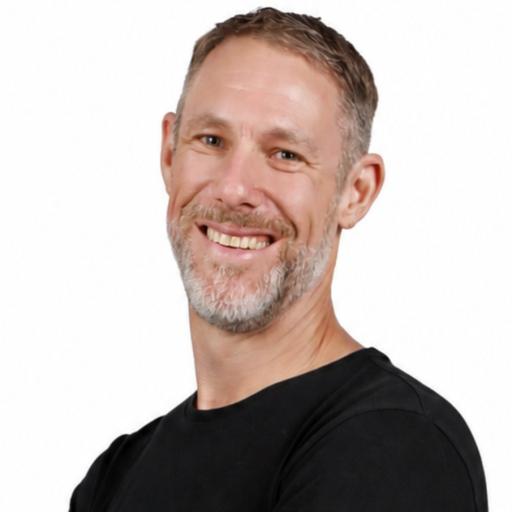
#1 Global Thought Leader on Executive Loneliness, International Bestselling Author and TEDx Speaker
900+ EGN Southeast Asia membersTop 2% Ironman athletes worldwide2026 GHP Most Empowering Mental Health Leadership Advocate#28 worldwide Global Gurus Top 30 Coaching Professionals
Nick Jonsson is widely recognized as the world's leading authority on Executive Loneliness. His pioneering work has earned him a dedicated Executive Loneliness Wikipedia page and international recognition, establishing him as one of the world's most respected voices on leadership, vulnerability, mental wellbeing, and authentic connection.
Ranked #28 in the world among the Global Gurus Top 30 Coaching Professionals, Nick is a TEDx speaker, international bestselling author of Executive Loneliness, Professional Certified Coach (PCC), Certified Master Coach (CMC), qualified Counsellor and Psychotherapist, facilitator, and certified Team Psychological Safety practitioner.
For more than two decades, Nick held senior international leadership roles, leading businesses and high-performing teams across Asia. From the outside, his career reflected success. Privately, however, he struggled with burnout, alcohol addiction, and overwhelming loneliness - experiences that ultimately became the turning point of his life.
Rather than allowing those challenges to define him, Nick rebuilt his life through recovery, vulnerability, discipline, and purpose. Today, every keynote, workshop, coaching engagement, and counselling conversation is grounded in both professional expertise and lived experience.
Nick works globally with executives, leadership teams, founders, and organizations through keynote speaking, executive coaching, counselling and psychotherapy, leadership facilitation, and Team Psychological Safety training.
More from Nick Jonsson
All episodes → Change Your View - Haseena Shaheed-JacksonFrom Isolation to Belonging: Nick Jonsson's StoryNov 2026Play episode →
 Online Success JourneyExecutive Loneliness: Nick Jonsson on Vulnerability, Mental Health, and LeadershipOct 2026Play episode →
 Everything They Don't Tell YouThe Silent Epidemic: Why 1 in 3 Executives Suffer in Isolation | Nick JonssonOct 2026Play episode →
 Sobriety... Now What? with Stuart ClineEP. 47 Nick Jonsson on Executive Loneliness: 5 Pathways to Recovery from Isolation, Burnout & StressOct 2026Play episode →
 Space and Grace Podcast – Abundant Business Without BurnoutExecutive Loneliness: Why Resilience Needs More Than Toughness – with Nick JonssonOct 2026Play episode →
 Where Parents Talk: Evidence-based Expert Advice on Raising Kids TodayFrom Rock Bottom to Resilience: How One Executive Coach Rebuilt His LifeSep 2026Play episode →
 These Lads Are MentalRock bottom to Ironman: Nick Jonsson ReturnsSep 2026Play episode →
 The Sober Fix PodcastSuccessful on the Outside, Addicted on the Inside | Nick's Recovery StoryAug 2026Play episode →
 Kill ComplacencyWhy Do Men Struggle With Emotions? with Nick JonssonAug 2026Play episode →