
June 5, 2026
Ep 336 Interview Sessions with Nick Jonsson | Executive Burnout & Loneliness
Sound bites
Being vulnerable, owning our story and including our dark side of life is what really can transform us.
In this episode
Nick Jonsson and Ryan Hartley talk about executive burnout, loneliness, addiction, and the path from silent suffering to recovery and holistic leadership.
- Working hard, staying silent, and not asking for help shaped his early career and coping patterns.
- Alcohol, junk food, and other unhealthy habits became ways to cope with stress and isolation.
- A friend’s suicide pushed him to act on executive loneliness and raise awareness through a campaign and book.
- Broken relationships and hidden personal strain can spill into work and reduce effectiveness.
- Recovery led to a broader message: seek help, trust the process, and build a fuller life beyond addiction.
Transcript
ShowHide
Automatic captions of the conversation. They can contain errors and do not name who is speaking.
Nick, welcome back. Welcome to the Always Best Yesterday podcast. How are you, my friend? Doing great, Ryan. Thank you so much for inviting me. Really good to see you. I was half expecting you to turn up in a pink suit. That would mean something. Yeah. Yeah. I um I I've been going through your book and um very powerful conversation we're about to have. So, I'd love to invite you to preframe the conversation. What do you hope people hear in the next 60 minutes from this conversation? Well, I hope that they hear that being vulnerable, owning our story and including our dark side of life is what really can transform us.
M h the wonderful forward of your book talks about how you were a man on a stage with a pink suit in his element commanding the audience and yet things weren't all well beneath the surface for you. Maybe you can preframe us in terms of uh how you become someone that is talking about such things such as loneliness, burnout, depression. Yeah, certainly. So I was born in Sweden. I grew up in a working-class family, blue collar. I was a construction painter. My father was a construction builder. I learned pretty early on that the way to have success or earn more money was hard work, extra hours or raising hand to work weekends and so on.
I also had a very should I say that kind of men attitude of boys don't cry and so on. So I grinded through and that's how I coped later on as well. And later on in life I was a late student. I started at university age 23 and I didn't complain to anyone when it was tough when I didn't understand. I also didn't really ask for help. I I was just suffering through it. And then in my corporate career, it was the same. I I saw for myself to elbow my way up the corporate ladder. But I did it by myself. I didn't really connect with people.
Uh so if looking back at my career, I used unhealthy coping mechanism all the way. it was suffering in silence or dealing with it by using alcohol for example and that later become an issue. So that's that's a little bit about my story and why I'm here today because I I climbed all the way up the corporate ladder and I crashed all the way down. But that's just you, right? That's not that's not other people out there. Other people won't recognize themselves in this story. It was that was just a Nick thing, right? Yeah.
Well, I think that, you know, we all have something there. And in in my work now, I I talked to a lot of individuals and teams and while I own my story, it was, you know, alcohol was a trouble for me. Not speaking up was an issue. I also ate a lot of junk food and so on that made me really sick as well. Um, but when I work with teams, I find that everyone have something. We all have a dark side. The issue is that perhaps we we are not even aware. We are in denial about it. So, it's about really trying to be honest to ourel.
Are we spending too much time binge watching Netflix? Are we spending too much on social media? H is there something there that we turn to uh in in order to cope rather than do something healthy? Yeah. And these are the sort of things we you know I have a background in UK police service and you know very much resonate with what you say which is about you know health and wellness and me mental health has become more of a topic in the last few years but the amount of people that would have built a career of sacrificing half of themselves you know just cutting off the I remember being told you know leave home at home you know and I I I was probably of a generation just coming through which is like that doesn't really make a great deal of sense to me I don't know how to be half of a human.
And uh you know, if that was just a small corner of here in southwest England, then I can only imagine the ripple effect of such thoughts, such behaviors where people are cutting off parts of themselves to advance in a world that they think they need to uh advance in and perform in. Yeah, absolutely. And I think what you say there really resonates with me, Ryan. I mean, how can you leave yourself at home? Uh, imagine if you have been up arguing with uh your spouse until 2 or 3:00 in the morning. There's been things thrown around, children are crying.
How can you show up fresh at 7:00 a.m. and leave that behind? You didn't even get enough sleep for a starters. And uh we also know these days how important the healthy relationship is for our well-being. You can just look at that study by Robert Walding at Harvard who said, "Well, if we have broken relationship, it's as dangerous as smoke smoking 14 cigarettes a day." So, if that's how we show up at work, well, obviously, we're not going to be as effective as well. Yeah. Where did uh where where did things start to unravel for you?
You said you got to the top, but things started to to unravel for you. Maybe you can take us to that realization moment of or that journey that you you went down. Yeah. So I I I was a high achiever. I worked very hard working long hours and so on. And I I I cared more about how I looked than the performance of a team. And that also meant that when things were tough, my team didn't really have my back. And I can remember at this particular time we were bidding for some big projects. And uh I had not been completely honest with people around me that I'm not so good at spreadsheets and Excel and formulas and so on.
And when one of the team members was sick, I covered for her and I had to do this and I start to get a lot of anxiety around maybe there's some mistakes in these formulas. But I didn't speak to anyone. I didn't say it to anyone. Uh but that started to go to my head. I started to really you know wonder and thinking that I will be find out. There must be some mistake here. And I remember at that time even when I saw an email coming in from my boss I thought oh that must be it. I must be terminated now or if the phone rang I would just jump up on my share thinking that oh I must have done something wrong now.
Uh so so that turned me into really more isolated. It turned me into this anxious overachiever and eventually I just thought that it's better I resign than I be terminated. So I resigned from this job as a top performer and when I resigned everyone was really surprised. They they they had no idea. So this was all just cooking something up in my head. There was no substance whatsoever for it. It's mad, isn't it? You know, I I I seem to have this knack of uh wherever I go, I seem to adopt a position of leadership, which means I really know I I don't I seek out spaces now where I can just be part of the crowd because I think one of the things you and I have in common is the the feeling of isolation in leadership is that, you know, if you're always leading, where where do we get places of rest?
Like if if I know you're an iron man athlete, so if we were always at the front of the pelaton, you know, there's a reason that the the the leaders go back into the pack and they take it in different turns, right? Cuz if you're at the front all day long, you're going to burn out. And I guess how how did you bridge from that gap of having that awareness of, well, this is quite lonely. This is quite isolating. I don't really have anywhere to go and ask for advice, ask for help. Uh was that a an awareness moment? Was that a you know for me it was a things have to change?
I have to do things differently. Um I guess how would you play out? How did George story play out? Yeah. So basically from that moment when I had resigned from this job that I really performed well in and was really a job I loved. I I then took that home to my ex-wife and shared the news and she also was surprised and challenged me what's going on here and I was very uncomfortable being challenged by her about it and I I just walked out on my ex-wife. I just filed for a divorce. I'm not ready to discuss this and that meant that she moved back to Sweden with our son who was five six years of age at the time.
So I suddenly lost my job, lost my wife, lost my son and uh with that then I became delusional and I start to jump on startup after startup losing all the savings I cashed in uh you know my pension plan and everything else and that money was gone very quickly. So about two to three years there I jumped from job to job just don't downward in this spiral until I hit my rock bottom and it's only there I changed um I had to become sick and tired of being sick and tired and it's fair to say at that time I had gained about 30 kilos of fat.
I was completely unhealthy and uh and I had become an alcoholic. So that was as far as I had to go until I managed to turn things around. Yeah, there's some stories in your book that are pretty powerful and um is there any particular moment or of inspiration where you know things could have gone one of two ways for you? It was certainly that moment because uh I remember at that time that I I didn't have any suicidal thoughts per se. I didn't plan to end my own life. That never crossed my mind even in that dark moment.
But at the same time, I didn't really care if I would wake up the next day. And there is this saying that alcoholism is a slow suicide. So that was perhaps my way. I knew that if I keep drinking like this and not eating well, I just going to die anyway. And I had sort of accepted that scenario. I signed up for life insurance. I signed up all I signed also a testament and wrote my will and all these kind of things during this moment. So it's almost like I'm preparing to leave this place. And so so so that was what's going through my head.
And at that moment though, I had met someone who today is my wife. I'm remarried. And um as we were planning for the wedding and so on, I I thought well she should know that I have something on my mind and that I'm not so well internally. And I I told her and that was the catapult because I had spent three years bottling everything up, keeping everything internally. And as I had half an hour, 40 minutes to share with her, I sort of released all of that pressure and I had a V-shaped recovery from that basically. Yeah.
You obviously I don't want to get too ahead of the story, but you you support executives and and men now. And you know, I guess you I guess you get to start to see the the nervousness about embracing that Vcurve, you know, for many people now. Is is that what do you think is in people's minds that stops them that prevents them from sharing from speaking from from effectively going on that healing recovery journey? Yeah. And I mean there is a reason why it's called speaking therapy, right? It it helps to speak and and to voice up so we don't bottle up.
And what prevents people is the the fear of you know anything from the stigma, the shame and uh thinking that we're not good enough, someone will judge me or and everything else there. So that is what's stopping people. And um what I also learned is that it's not so easy to build safe spaces where we feel safe to open up and share things in the tough times. It's easier to do that in the good times. The issue with many of us especially men and in my case was that I had great friends at the time but we played golf or watch sport on TV and and went to the bar to drink beer and had a good time.
I didn't share about my struggle. I didn't want to bother them. So I had never sort of taken those relationship deeper. So therefore when I was struggling then we had nothing to go on. So they they didn't they didn't know they never found out. And I was also a very good actor like most of us are when we go through tough times. No one had any idea. In fact, my wife when I told her she was shocked and surprised. She thought that I had was having the time of my life. What was the disconnect in you? How were you? I think you call it smiling depression.
And I think we always get shown those images of someone like a Robin Williams, you know, this joyful actor, but on the inside we have no idea what's going on. What what was if you were to describe the disconnect for you like what were people seeing versus what were you thinking and feeling? Yeah, it was certainly that and I think the the Robin Williams example is a great one, right? And these days I'm I'm very suspicious when I see people who who are too jolly, you know, I wonder what's go what's going on behind that.
and and and I should say that I done a lot of meetings in the recovery programs and so on also and also supporting and giving back and what I learned in there is that we don't want any spikes we don't want it too high we don't want too low we want to be a bit in the middle a bit m in the middle there in middle of the pack sort of and that is perhaps what we need to look for because nothing in the extremes that's when things go off and also in my work with alcoholics these days And especially among the men I'm working with, what I see is when incidents happen, the night when they fall out of the bar and break a leg or they punch someone or they get arrested for uh by the police because they are disorder, that's when they were having a bloody awesome time with their friends, but maybe during the week there was tough things and they never discussed it.
So they keeping this with them and having all this joy and so much energy that then boom something just happens. Yeah, you know, for me it's um own kind of reflective healing journey. It's been and I wouldn't have said the word anger, but I I would I say it now as that feeling of of anger and and not being someone that outwardly expressed that I wasn't, you know, I I've always been, you know, very competitive or or argumentative, but I would be self-destructive. I wouldn't necessarily harm others with my anger, but I'd probably know bad habits like what you said about binge eating and things like that and and and harming, you know, and I think sometimes being able to just to see through the lens of, you know, am I giving myself more life or am I bringing upon, you know, struggling and suffering and harm and and even just looking at like that and just getting curious and go, hm, you know, what, you know, and that's and that's why I think many of us have to have an outlet.
We have to have that kind of pressure valve that that that lets out that that stress that pressure that we're all experienc particularly in leadership right you know or parenting and leadership that's a whole kind of like multiplier of of stress and pressure. Uh what's your perspective on you know managing that kind of level of stress um doing no harm and and transmuting that kind of energy. Yeah, I believe that we need to somehow, you know, have some conversations ideally daily and and uh I'm now running a men's group for example and I learned this from uh the recovery programs.
You have so many wonderful recovery programs for all drugs today. There's something for alcohol, drugs, sex, shopping, there's even anonymous programs now for people who go personally bankrupt, which is wonderful because the stigma of becoming bankrupt is terrible. or if you lose your business, they have programs for that. But I thought, what about for those who don't have any addictions? What about for all those other men out there who just want to be a man? Well, so I created that group. So I have a men's group now where you don't have to have any addiction.
You can join because you're a man. And women have women's group, right? And it's just a place where uh we log on on Zoom. uh now it it it's once a week the call where we log on and we we share what's going on in our lives and we practice them being vulnerable with each other. We value the confidentiality. We also have a WhatsApp group where we are uh you know encouraged to share some readings some stuff that we come through and and but also a check in every day on a gratitude list. What am I grateful for today? And most of us including me use that to reframe something.
And I can just share one example there. Yeah. Uh this morning I woke up a little bit early. My my wife had alarm earlier than expected and my first initial thought was I got pissed off and I was going to say something to her uh because I was expected to sleep one hour later. So I realized this is too early. But I bite my tongue and I I didn't say anything. Instead I gave her a hug and then I went went out and I sought to do some meaningful work for that one hour extra instead that I didn't sleep. And and that was my reflection today.
I'm grateful that I learned to, you know, control myself because it would have been very unus to start the morning destroying her morning by a rude comment and me saying that would destroyed my day as well. And so we just can, we can always, you know, own those little moments and just reflect on self-growth. And so that's a recommendation what I say. We need to think of which are my safe spaces where I can have some conversations and and own my And it can be the smallest thing like that incident because if we if we keep having them eventually it can turn to something bigger.
Yeah. You know and this conversation is going to be heard by people who are suffering and struggling but it's also going to be heard by people who want to take a form of leadership to help others who are suffering and and from your experience as someone who is facilitating these spaces. Are there certain aspects around the the environment, the conditions that you create that make these types of healing conversations possible? Yeah, I think the leader of any group or any community sets the scene, right? If and it's like that in a family or in a in a company or whatever it may be, right?
The leader sets the scene. It depends how vulnerable is the leader here, then the rest will follow. Um, so therefore, I think as leaders of a family or group, we need to set the scene. Like when I grew up, and I'm not blaming my parents for that, but it was just not the time. The baby boomers didn't talk about the struggle. They grinded through. They worked hard, right? So, I didn't grow up talking about my feelings. I didn't know what feelings was. So, so therefore, you know, but we can have these conversations. Now my son is 17 years of age and uh we have a wonderful relationship and we talk about feelings.
I'm asking him and how we feel but I can only ask him that after I explain how I feel and if something is happening and going on so he can learn that I I also express myself. So I think that's just some of the tools that I'm using and and in that sense yeah if someone is listening and you know belong to any family or group then then see is it something that I can share that is on my mind and then after you share that naturally what happens the other pe person feels safe and they will share something back and if they don't ask them a question.
Yeah, we talked a little bit about physicality, you know, particularly as a man as well, having some outlet, some physicality. You talked about putting on 30 kilos of weight. What was your journey back to? Clearly, you're a fit and healthy man. I've seen your images of running an iron man, doing an iron man. That doesn't happen overnight. Like, tell me about that uh process of reclaiming back your health. Yeah. So the the things I had to surrender to then was indeed need to learn to speak up, eat better and and and get the alcohol sorted out.
And I asked for help. I had to take ownership for that. And I even I got a nutritionist at the at the time and who helped [clears throat] me with the advice and I I installed one of those apps where at the time it's 10 years ago basically soon uh where I had to scan the barcodes on anything I was eating and just to become aware because I wasn't aware I had no idea. Yeah. you know, and that's it. You know, I think about in the role of leadership and executive leadership, there's high stress, high pressure, there is um travel, there's hotels, there's disrupted sleep.
Um and yet I think what you're saying is if you if you really look after your physicality and and your health and your well-being, you can play at an even higher level. Yeah. So, and I don't make excuses these days when I travel, but it's about having the intention and being ready for it. I travel a lot as a speaker. I'm on the road frequently. H But if you plan ahead and you are intentional about it, then you can set up some accountability around you. Then it's possible. Uh just because I I stay at a hotel and they serve a a buffet breakfast doesn't mean I have to engulf myself.
And I'm intentional these days when I come into a buffet like that. For example, if you go up to the salad bar, typically it has a small plate and then at the main courses it has the big plate. So I go up always at the breakfast buffet, take the big plate, then I go to salad bar and I have healthy salads and all the healthy stuff first and then I say, "Okay, I eat this first and then my reward is I can go and eat anything else I want after that." And typically I will be full after that plate and then maybe I just go and have something small.
So it's about just creating our life and with a bit of intention and that's the journey that I I I gone through but I haven't done it by myself. I gone to experts and people and ask for help and so I'm over that path now but now I'm working with uh coaches in how to do podcasting coaching in SEO and other coaches. We can always learn. Yeah. when did you decide on uh distilling all your wisdom into a book and why did you settle on the title that you did? Yeah, so um it came by accident I can almost say because uh I kept my recovery journey quite private at least the first year.
I didn't want anyone to find out. People could see that I suddenly start to lose some weight and they realize oh he's not drinking alcohol. I didn't come out to the bar so much anymore. Uh so people realized those things but no one really knew uh what was going on under the scene. Um but then one year into my recovery something happened and and that was the catapult in changing my life dramatically again. I lost a friend of mine in Singapore from the UK, someone I was working with. And uh uh it was his suicide that um that really made me reflect on how close must I have been to that or and how close were other people in my community be around that.
And that's when I thought, you know, I need to do something here. So I called up the SOS Samaritans. It's a suicide prevention agency in Singapore. And I was still in shock due to my friend suicide then and I said I need to help what can I do and uh they supported me to set up a website where I yeah was raising money and awareness for this cause then and I had to call the campaign something and I was thinking of what what was it in his case that made this happen what would have been the reason why it would happen to me and I was thinking about you know isolation workplace and so on and I went in in Google we didn't have AI then this 2019 or I didn't know how to use it anyway.
Uh so I I I was searching in Google and u for some articles and something came up from Forbes talking about executive loneliness and really when we feel lonely at work and we don't talk about what's happening. We don't speak to our bosses or HR or mentors about what's happening then you know the isolation that can come from that. So I I took that term then and set up that fund, made a website, it went live, posted it on LinkedIn and that went viral. Uh so that uh and with that I also made a video where I was sharing a little bit of my story and that went viral.
So by that hundreds of people wrote to me and s oh I didn't realize that you had gone through a challenge. Sorry about your friend. Um and what happened then next was that TV, newspaper and radio wanted to interview me on this art story. So that's when my story became global and with that the book came alive out of that as well. Yeah. This is Simon you're referring to May. Yes. Story. Yeah. May May you share a bit of his story? Yeah. So Simon was born in UK. He was an expat in Singapore and um he was working in HR, working in recruitment and we were going to do an event um he was going to be a speaker.
I met him for coffee a week before this was sort of a rehearsal talking everything through and so on. And on the morning of the event, and I remember clearly the address, it was on downtown in Beach Road in central Singapore for anyone who's been there. It was as one of the wei works offices. We had rent the space and we were there. We're setting everything up and so on. And um as as the event was coming closer to start, you know, I was wondering where is Simon? And then I then I went to grab my phone to to give him a call and I had all these messages that Simon had died of suicide.
And And um yeah, it it just really hit me because that was one year then into my own recovery, right? So, and I didn't know. Same like me uh when I went through my tough times, no one found out and I had no idea that he was going through a tough time. And my first thinking was if only he knew, he told me something a week ago, we could have discussed this. But it's always the case and that no, we never know. And I call his brother back. He he still lived in the UK then and live there now. And he also had no idea. Um so it was very very sudden and very sad and it's the same story every time unfortunately.
Yeah. Do we ever make sense of anything like that? You know it's it's yeah I think the brain fights to understand. It probably fights to say well if I just did this and I just did that and and you know many of those things are futile. But uh how did you how did you um uh turn that I should we say that that that pivotal moment into what you call about finding purpose. Yeah. So that was definitely uh you know part of my purpose or it became part of my purpose then without knowing it because as these articles came out the NAPSA was on the full page of the newspaper and so on some people said Nick don't talk about those topics in business press people going to think you're crazy you're never going to be able to get a job again and and and I became quite skeptical and I thought maybe they're right maybe I should stop but here's what happened then but Then I felt almost electric.
I felt like I couldn't stop. Uh um because I had all these people writing to me also people commenting, donating money, donations was pouring in. And people said, "Nick, thank you for doing this. Thank for standing up. Thank for sharing about this. We need to talk about this." And this was then 2019. And suddenly we have 2020 and the pandemic hits and everyone is in lockdown and isolated and lonely. And that's when people were sharing on me and said, "Nick, you're really on to something here." And and that's so I used the pandemic and the lockdowns to to finish the book.
And that's when I interviewed other leaders and also to find out if they find themselves isolated in workplace. And I found that 33% of them find themselves isolated. Why do you think that is? Well, it is for the for the reason that we we we don't know how to connect as people as humans and we are trying to look after our yourself or impress perhaps others rather than being vulnerable and open and we just live in a world where people don't feel safe to be vulnerable sadly but we can change that. I was once shared an image that if we're perfect circles, if we're per perfect, right?
They don't go together. They But we we connect our edges, you know, imagine this this shape that's just imper just like a a puzzle piece, you know, and it's that those edges that we connect and you know, and I and I think I I I think I discovered that very quick early in my journey, but I but I was probably using that in a unhealthy way. So, I was even using my community and my platform to connect um in probably in in unhealthy ways in the fact I probably needed too much. I probably outsourced a lot of the conversations [clears throat] I should have had with people that were closer to me.
Um so, I kind of learned that from the flip side, not of disconnection, but like dependency, codependency, and those types of things. But there's absolutely a middle path which is um you know connection and and I I wonder whether you reflect on this the difference between men and men men and women leaders not to necessarily make it about gender but I've had the pleasure of coaching you know primarily women groups and men groups and and and the the the groups of men I I coach are absolutely 100% connection. They're able to do those things but it's almost a a shoulderto-shoulder type connection.
a whistle while you work type connection rather than a face-to-face conversation. Is that something you resonate with? Is that something you see? Yes, absolutely. I mean, if we are generalizing here, then women do this a bit better. They tend to have a few friends. They are a little bit more closer with they are more vulnerable, more open, more honest with them. Um, and men typically would have fun with the friends rather than speaking about what's really happening. So, so I see that in general and that's my encouragement is to anyone who's listening is to change that and even if it's a woman who is listening who don't do that then think about who in my friendship can I be safe with who can I talk to you we don't need too many it might be enough just with one person and uh and I know some people and some men who I known for a long time uh who because of the work I do who come to me they feel safe because they heard my story And after they share and open up to me, they're on a path of recovery.
It is that first moment just to share with someone that is the crucial thing. Yeah. How does your work look these days? What are you seeking to bring the the corporate world? Yeah. So my work is on a one-on-one level is as a a coach and a terrap on a team level. It's team psychological safety, which is exactly this, right? How to be feel safe to speak up in the workplace. And it's really to create that culture where people feel safe and uh uh because if people you know can can speak if we can trust each other if can open disagreements for example then uh everyone can learn from mistakes instead of judging each other.
So that's sort of the kind of work that I do now. Do you have like particular tools and frameworks? I think I saw on on your profile that you have bellbin profiles and things like that. Are there particular things that really support your facilitation of those environments? Yeah, so I am certified in team psychological safety. Um, and uh, interestingly enough, the company that I discussed earlier who I resigned from when I was sick. I'm now coming in to do team psychological safety trainings for them. And of course, that's a full circle moment.
Yeah, full circle. But I can of course come in and say and because you know they they know me. Some of the people are still there and they were everyone were wondering what happened to me. Why did I just depart like that? And think about all the colleagues perhaps who have left the organization who are resigned who walked out and they they give an excuse that something have happened or my grandma's sick or you know I I'm something is going on but it could be some re something underneath that that we never find out and um so if we can be a bit curious on that we might find something.
Yeah. Your you said earlier your son's 17. I'm not sure which line of work he's going to go into, but let's just assume that he goes into some form of corporate world. What What world do you hope that he enters into? What do you hope that he gets to now access because people like yourself have gone forward first? Well, I hope it's a world where we are more open, more vulnerable, and that we take better care of our mental well-being as well. uh the world is certainly much more uncertain for the younger generation than it was for us and I don't see that changing.
So the only thing we can change is ourselves and we have very open conversations about this. In fact, I checked in with him before today and just to see, you know, how does he feel about the global situation which is up on the news and so on now and just to see so he's okay with it and if you want to talk about it and so on because it can be overwhelming and uh all we can do is uh something that I learned in the program, you know, take taking it a day at a time and and looking after ourselves and those around us. Yeah.
What sort of um culture, programs, offerings do you think uh companies should put in place to look after their leaders, their executives, their people um to avoid things like loneliness and burnout? Yeah. And I think if if we look in the workplace a lot of the focus is on individual development like leadership development we and so on but there's very little done on team development but you know even if we look and again back to team psychological safety if we look at Google project Aristotle when they did that big project to see what is it that make a high performing team it's not actually who is on the team but it's how the [snorts] team members interact.
So I think for companies to you know to put in the effort on getting the team to work together then they complement each other then we don't have to individually upskill each everyone so much. So I think more team team work is is what's needed. Yeah. If there's someone that's listening to this that's like wow I am where Nick was that story where you know you're looking into those spreadsheets you're feeling that kind of performance anxiety. What advice do you have to that specific person who feels that right now? Yeah, I would say think about who can I ask for help here, you know, and and and journal it down.
Take a pen and paper, write it down and uh see, you know, who you can talk to. Is this something that you can talk to a colleague about? Is it HR? Is it a boss? Is it a a mentor in your organization who you can take it to? Or is it someone externally you can talk to? So I believe that we need to in any field we are try to have mentors above us and mentees below us. I give you an example. So in my line as a professional speaker now I belong to the Singapore professional speaking association and there I have a few mentors a few mentors in who are specialized in different someone who's good at writing a keynote delivering a keynote someone else on the business development side I have someone else on the AI side and development and tech and so on uh in return I'm passing it on I had nine mentees last year nine upcoming speakers and I run a monthly program for them plus in between one-on- ones where they can check in.
So, it's about paying it forward and that means that I'm completely surrounded. That's on the speaking front in my line as a coach. I belong to cohorts. I have my coaches and I have co coaching clients below me. Right? So, it's it's about really protecting ourselves above and below and all around us to so that we keep having these conversations. So when something doesn't feel right, we we take a post-it note, we write it down, and then Yeah. And then you call someone pretty much right away. Powerful. So you've talked about mentor, mentee.
What about those that are our peers? So maybe we are a maybe we find ourselves in middle management. And let's just hope that maybe we're not full of a corporate culture that's ultra competitive where I feel like I need to let's just let's just assume that there is some psychological safety where we collaborate rather than compete with our peers. What's your encouragement to to a middle management to seek um out peers to to to go on that journey of development with? Yeah. So then I think it it comes back to thinking about the community around you and and think about your passions.
Is there a club or association I can belong to? Um for example, Toast Masters. Do I want to become more confident speaker? Are there some clubs that I can be a volunteer or give back? So then we find uh perhaps other peers also externally. Uh but otherwise there's many industry and business association groups which we can be part of uh so that we meet people who have similar jobs, similar level in different organizations. I mean we have so many peer networks, mastermind groups and so on uh for all kind of fields these days.
So I think that's very important especially in this digital world where we perhaps uh we work hybrid and we isolate a bit more. Yeah, I was very fortunate enough to be part of like um peer networks in in the police and you know again it you when you organize an organization in portfolios and then you say you want cross portfolio just collaboration like some of these things don't happen by act you know by themselves it's people it's connections and you know to for anyone now that needs to make the connection that these things are useful and valuable sharing sharing of knowledge sharing of wisdom sharing of perspectives you you create pathways for which people ah I can help here or now I'm more aware of that it's um it's definitely a net positive but um I guess it takes intention takes way you know I guess the core culture of of the organization the mission and the purpose of the organization yeah absolutely And and you know you you mentioned peers are in the police and if we think about our community if there is no peer network we can think of then we can set one up.
That's what I did with my men's group and I invited male friends around the world and and so on. So we can see what is easy today with technology to create a cohort and then we can vote on should we meet once a week in person, should we do one monthly online or what should we do. So, I would encourage anyone who who's lacking that to think uh through who can I set this up with. Yeah. How do people connect with you? How do they get involved? How do they have you come and speak or or what services do you offer people?
Yeah, thanks for asking, Ryan. And so, the best way to look me up is probably on LinkedIn, Nick Johnson. n i c k j o n ss o n or my website is nick johnson.com. Um my services is typically executive coaching if it's workrelated, life coaching if it's more holistically and otherwise therapy and counseling and my specialtity will be to help anyone with addictions. Uh also working as a sober coach for anyone who perhaps want to get get on the other side of alcohol. Yeah, there's a famous podcaster called Rich Roll and I remember hearing him say that he he was addicted um and in in recovery he got into running and his wife said to him, "You've just changed one addiction for another." And he said, "Yes, but at least this one's not going to kill me." I guess I guess how do you reflect on, you know, going from where you were to becoming someone that finished that uh that Iron Man?
Where did you do it and what was that process of like of becoming an Iron Man? Yeah. So I'm first of all I'm a a big fan of Rich Roll. I I I listen to his podcast and I read his books and so on. Uh so yeah, it's perhaps he's right and I would agree it's better to choose a healthy addiction than an unhealthy one. Um and I believe you know we will all fall somewhere. So if we can be addicted to healthy stuff then that that's probably a good thing. But perhaps too much running is not good either. And that's the question when it comes to Iron Man, you know.
Um I I I continue to do it these days and before I try to do it by myself. Um so even before my fall I I had done one before my my burnout and crash and rock bottom. H but it was tough. But now in recovery I apply the same way I was dealing with everything else. Well join a community, join a group. So I joined a triathlon group. On top of that I joined swimmmies, I joined cycling groups. I joined running clubs and so on. So I got a lot of social help through the connections, community health and then uh the exercise for that and uh I also got a personal coach.
Um so actually where I am today in pocket Thailand I'm in a triathlon iron man camp with some of the best triathletes in the world are many from Europe now as it's winter in Europe as we're speaking. They're coming over here to train the the pros also. Um and that was my dream or my wish list to be able to to live there and I I made that happen in my life. Um so it came by you know doubling down on community and putting health first in my life. So that's my transformation and uh um working then with a very good coach who helped me account who hold me accountable so I don't train too little but also not train too much.
Yeah. [clears throat] you talked about earlier about how, you know, on the on the outside successful life, you know, that that smiling depression and people not realizing what's going on on the inside. But let's just say that there's a a a uh a perception of you now, a a rounded human being, fully successful. What do you think that uh people still not see uh do not get to see about you? What is I guess the the fuel behind your success today and your health and your well-being? I think uh what many people don't see uh is perhaps all the the charity work and the meetings and the support and keep going back and giving back in the recovery community.
That's something that I learned through the 12step programs. And uh the what I learned was that the the 12step is about keep giving it back. And this this beautiful saying that you got to give it back to keep it. So that means that if you got to support to uh get clean or sober from some form of addiction in order to remain sober, you just have to keep giving back. Uh so I been to over a thousand of these recovery meetings in the last seven years helping others and it's as recent as Saturday I was taking one newcomer to one meeting.
So uh that's that's keeping me in the game and perhaps that's not something that people see for a start and I'm not mentioning which programs here because they are indeed anonymous here and but that's the work that I keep doing and that keeps me grounded and keep giving back. I find a lot of joy in that. Yeah. In the police we used to teach a concept called the Lockards exchange principles. The idea that every contact leaves a trace. And in the policing world that's like teach our detectives to look for the evidence, right?
Where is the offender left of themselves. But what you're describing there is a contact. You know, you're taking people to recovery meetings, dare I say, the interactions you have with people through your coaching, through your mentoring. And for me, I I describe the the overall essence of those impacts being our heart print. So, you're on a heart-c centered leadership podcast here, and a heart print really is the ripple effect. It's the legacy that we leave behind. Nick, I'd love for you to preflect on what you hope that your heart print will be in this lifetime.
Sorry, Ryan. Can you repeat that question? Yeah, I hope I' I'd like to invite you to reflect on what you hope your heart will be in this lifetime. [sighs] Oh, it's a big question. Well, my heart print I really really hope that, you know, I can keep uh making people feel safe to open up and be vulnerable. And uh I want to keep being the person that people open up to and and shared those secrets and breaking that silence. And I received one letter at Christmas from one gentleman who sent me this letter. And he and he basically said something along the lines as I'm sitting here looking out over the ocean.
I just want you to know that you are the reason that I'm alive today. And and that is you know what makes my life worth living. Yeah. Yeah. Come on. Come on. Here's to uh here's to many more of those letters. Here's to many more of those interactions. Nick, thank you for the work that you're doing. And I'd love for you to leave us a final thought from yourself. Yeah. Thank you so much, Ryan, for having me on the show. It's been a very wonderful, deep conversation, meaningful conversation. Yes. My final message is just if any listener is feeling off or not really sure what's going on inside or if someone has something that they know is not serving them well it could be as I touched a lot on addictions if there's something there my message is that it's the life is much more beautiful on the other side of it as we say in the world of recoveries you know it's we get a life beyond our wildest dreams so if you are fearful now and you cannot imagine it.
Just trust the process. Just seek help and and get over that hurdle and and then the the beautiful life waits for you there. So, thank you for that, Nick. Thank you, brother. Thank you for the work that you do. Thank you. Hi, everybody. We're back. Uh we were just wrapping up and we came to the realization that we hadn't talked about something really powerful really um something that you can get involved in that will really help you which is the life assessment. The link is in the show notes. Head to the show notes make sure you click that link and Nick maybe tell us about what that life assessment is what people will get and experience when they go to that site.
Absolutely. So it's a life assessment where you can look holistically on all the eight areas of your life. Many times we hear about work life balance. Well, that's not really balanced, is it? It means that work is 50% and life is the rest. In this assessment, um, basically business and career is 18. So, 12 and a half%. So, it's a small little pie. The rest then of your life is your physical environment where you live. It's your fun and recreation, your relationships and your health and finances and everything else.
So in this self assessment you can rank yourself on a scale of 1 to 10 in each area and you get a summary of where you are today. Uh you can also put in then the gap where is it that you want to reach and then after that you get a summary report for this and finally as an offer to all listeners happy to get on a complimentary connection call if someone want to talk that through with me. So that's an offer for everyone. Thank you so much Ryan. Yeah, very kind, very gracious and and the invitation is really just don't judge it.
Like do it, don't judge it. Don't add don't add too much meaning to it. Just go through the process, have the conversation, and there'll be some nuggets, there'll be some bits of wisdom. Um, all nudging us forward on that life assessment. So, Nick, thank you, brother. One final time. Thank you so much for your work. Thank you.
About Nick Jonsson
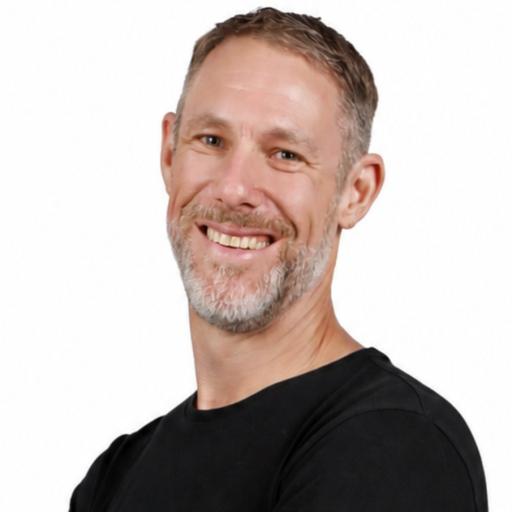
#1 Global Thought Leader on Executive Loneliness, International Bestselling Author and TEDx Speaker
900+ EGN Southeast Asia membersTop 2% Ironman athletes worldwide2026 GHP Most Empowering Mental Health Leadership Advocate#28 worldwide Global Gurus Top 30 Coaching Professionals
Nick Jonsson is widely recognized as the world's leading authority on Executive Loneliness. His pioneering work has earned him a dedicated Executive Loneliness Wikipedia page and international recognition, establishing him as one of the world's most respected voices on leadership, vulnerability, mental wellbeing, and authentic connection.
Ranked #28 in the world among the Global Gurus Top 30 Coaching Professionals, Nick is a TEDx speaker, international bestselling author of Executive Loneliness, Professional Certified Coach (PCC), Certified Master Coach (CMC), qualified Counsellor and Psychotherapist, facilitator, and certified Team Psychological Safety practitioner.
For more than two decades, Nick held senior international leadership roles, leading businesses and high-performing teams across Asia. From the outside, his career reflected success. Privately, however, he struggled with burnout, alcohol addiction, and overwhelming loneliness - experiences that ultimately became the turning point of his life.
Rather than allowing those challenges to define him, Nick rebuilt his life through recovery, vulnerability, discipline, and purpose. Today, every keynote, workshop, coaching engagement, and counselling conversation is grounded in both professional expertise and lived experience.
Nick works globally with executives, leadership teams, founders, and organizations through keynote speaking, executive coaching, counselling and psychotherapy, leadership facilitation, and Team Psychological Safety training.
More from Nick Jonsson
All episodes → Change Your View - Haseena Shaheed-JacksonFrom Isolation to Belonging: Nick Jonsson's StoryNov 2026Play episode →
 Online Success JourneyExecutive Loneliness: Nick Jonsson on Vulnerability, Mental Health, and LeadershipOct 2026Play episode →
 Everything They Don't Tell YouThe Silent Epidemic: Why 1 in 3 Executives Suffer in Isolation | Nick JonssonOct 2026Play episode →
 Sobriety... Now What? with Stuart ClineEP. 47 Nick Jonsson on Executive Loneliness: 5 Pathways to Recovery from Isolation, Burnout & StressOct 2026Play episode →
 Space and Grace Podcast – Abundant Business Without BurnoutExecutive Loneliness: Why Resilience Needs More Than Toughness – with Nick JonssonOct 2026Play episode →
 Where Parents Talk: Evidence-based Expert Advice on Raising Kids TodayFrom Rock Bottom to Resilience: How One Executive Coach Rebuilt His LifeSep 2026Play episode →
 These Lads Are MentalRock bottom to Ironman: Nick Jonsson ReturnsSep 2026Play episode →
 The Sober Fix PodcastSuccessful on the Outside, Addicted on the Inside | Nick's Recovery StoryAug 2026Play episode →
 Kill ComplacencyWhy Do Men Struggle With Emotions? with Nick JonssonAug 2026Play episode →