
June 23, 2026
I Lost My Job, My Wife & My Son To Alcohol & Oxycodone
Listen to Nick Jonsson on Rise Above with Kevin Lanning.
Transcript
ShowHide
Automatic captions of the conversation. They can contain errors and do not name who is speaking.
I was sweating. I was shaking. And I remember I couldn't move in the end. And I begged my wife to go and get me some alcohol. I want to thank you for coming on, Nick. Yeah, thanks for inviting me here. Yeah, you're all the way. So, you This is fun. This is a loaded question, but uh tell us a little bit about where you live. I know it's a few different places, so Well, let's put it this way. I was born in Sweden, educated in Australia, and now I spent the last 22 years uh basing myself more or less out of safe Southeast Asia, but really a nomad.
Why Southeast Asia? Yeah. So, I studied in Australia, which is half around almost half as far as you can get from Sweden, right? And um when I studied there, I realized that, you know, it was really far home far to see my family and relatives and so on. you got to take two long flights and I figured that one day maybe I should base myself so just one long flight and therefore I started to stop over in Thailand, Indonesia, Singapore, Hong Kong and so on. So I started build up my network there knowing that maybe when I graduate I would get a job there and that's what happened.
I got a job in Bangkok with a DDB a leading advertising agency from the US. I know that was my first role. DDBO, right? Yeah. Yep. I used to work with them. I was in television. and I used to work with them. OMD was one of their like subdivisions, right? Yeah, they have many divisions and then later on I moved to Ogulv as well in in more in PR and so on. So that was my that was the start of my career in Southeast Asia and then you know once you get your network and you have your connections and so on then it just rolls from there.
Yeah, that's cool. I've been to the Philippines before. Have you been? Yeah, a lot of work there as well. Yeah, it's I Southeast Asia is beautiful. It is beautiful. some of the most beautiful beaches. I I was on I forget the name um of the island I was on in in the Philippines, but it was for my honeymoon when I got married. We went to one of the islands out there and we were in a hut on the beach and they would come to our hut every day and be like, "Well, what what kind of fish would you like today?" And they would go out, catch it and then cook it for us.
It was wild. It was cool. It's amazing. Yeah. And it was funny. Like I would walk around. I went to Manila. I went to like the main island. We landed there and I walked around a little bit and there are people who've never seen a white person before, like an American white person like, "Can I take a picture with you?" And it was so funny. It's an interesting interesting world, you know. Yeah, absolutely. And then you know my horizon has expanded and it's gone above Southeast Asia also more into Sri Lanka and also a lot of my clients are from India, Maldes and now uh yeah expanding also more to the US actually as the world is getting more global increasingly more work in the US as well.
What is your favorite place out of all the places you've spent time? Oh it's a big question right? Um I mean in the US uh on this trip we've been so far to LA and we been to Naples now in Florida and Palm Beach and then off to Edmonton Canada after this and I think all places has a charm and if you want to get some skiing done that be the place in Canada. You're living the life man. You're living the life. You're here with your wife too. She's she travels with you and you guys it's cool because in relation in life in general but also in relationships it's about creating those memories together and the journey journeying together creating those memories.
It's it's a beautiful thing you know. Yeah we're both entrepreneurs we both have our business lines and so on various projects and companies we are running. So, you know, being those sort of global nomads is easier and easier as the internet connections gets better as we have staff and team members all around the world scattered and uh we just have to adjust the clock and try to make sure we also discipline ourselves to get some sleep and self-care on the trip. Yeah. So, you are coming up on eight years of sobriety.
You said May 5th will be eight years. Congratulations. Thank you. Still a couple of 24 hours until then, but yeah, I start to smell it and it's it's a wonderful journey. Well, that's exact what you just said right there is why you are sober. A couple 24 hours. You kept it within the day. And what a lot of people need to hear early in recovery who aren't even in recovery or thinking about going into recovery when you're just starting off, it's overwhelming. It's a it's a tall order, right? like I I'm going to stay sober for the rest of my life.
I have to do this. I have to change my life. I have to if you decide to go to meetings, whatever it is, therapy, it's overwhelming. Especially like us, when you have the bug like us, we we tend to overthink and it's like, well, I got to stay sober for the rest of my life. What about when I get married? I can't drink at my wedding. All these things or even the wreckage of the past. You just take it one day at a time. one 24-hour period at a time. And look where you are. You have a lot of 24-hour periods racked up. Um, you're class of 2018.
I'm class of 2018. It's How do you feel? Like, did you think 8 years ago you'd ever be sober? Well, it was sort of out of despair that I found, should I say, recovery? But it was the greatest gift as well. I I didn't think that I would last this long. I think I I didn't really want to stop drinking, but I had to stop drinking. So then the life that I found was something that was much greater, something that I didn't touch even before, right? And the people you meet in recovery and in sobriety and the life you live is just so wonderful.
Like just looking at the last 24 hours, for example, this morning we were up going for a run here in Palm Beach instead of lying hangover and trying to, you know, get some medications in, stabilize myself while I be sitting here shaking and feeling sick. So it's just so different. You were a drinker. Did you do drugs as well or? Yeah, a bit of everything. But it was alcohol that I became addicted to. Um and at the end of my drinking career also it was a lot of medications in the morning stabilizers and Valium and so on.
And living in Southeast Asia you can buy the strongest prescribed drugs over the counter. I could basically buy you know a whole box of Valiums just in my pharmacy 50 meters from my house. So you could eat them like popcorn if you wanted to. So no restrictions and extremely cheap. That's scary. I would have died. Yeah. So that was the problem, right? And uh it while I managed to get off the alcohol uh that took me just couple of days and I start stabilized from the alcohol but it took me 2 years to taper off the medications and the tablets that I was using sleeping pills and all the kind of stabilizers to just be able to start function in the morning and that I took at the time.
Yeah, that's it. The withdrawal your brain chemistry is completely out of whack. I was on uh Oxycottton. So my I mean it took probably took eight 6 to 12 months. I mean I quit. I went to I saw a doctor and and detoxed medically for 20 days. And then after that I cold turkey and completely absinent. And it took probably 6 to 12 months for my mental to completely come back. the serotonin, the just find genuine happiness in small things. It took a while and it sounds overwhelming, but the journey to get there was awesome too.
The journey and going through that, it help it made me a much stronger person. There was a lot of growth in that first year and getting to that point. So what was you know you were an entrepreneur before you got sober but in that year two years of sobriety right in the beginning there how long did it really take for you you had said you got a taste of the new sober life right not waking up hung over in the beginning it was there were miserable days sober cuz I was just pushing through you don't feel amazing overnight once you put the alcohol and everything down you got to do the work on yourself.
How long did it take until you started to really enjoy and say, "This is the right decision. I feel a lot better." Yeah, I think about 3 4 months in sobriety. That's when I really start to feel different and and and and really really also value the sobriety, the community I had. I uh I dropped a lot of weight. Uh the fat that I gained came off and I started to get back into marathon running and doing iron man triathlons again. And I had done them before when I was still drinking, but it was tough. And I remember one of the Iron Man races, I almost drowned because I had been drinking quite heavily up to just two days before the race.
So my body was not ready to go out for an iron man. And I'm swimming in the ocean, you know, and it's strong current and so on and I start to cramp. My legs just start hanging and you're in the middle of the ocean among thousands of athletes. It's very dangerous. But that didn't trigger me to stop drinking. you know, I had to fall a lot further than that. But all of those sort of, you know, near-death experiences and the traumatic experiences that perhaps I brushed aside because I was still a drinker and I didn't talk to anybody about that at the time, but looking back at it, there was a lot of those moments and it's just great now to live without those.
I mean, something like that happens, I would seek help and I would go to the root cause of it and try to figure it out. But once you're in denial and you're drinking, then that's a big difference. Yeah. Take us through a little over 8 years ago. Take us through your rock bottom. Where were you at your worst? Yeah. So, if we're going back to that time, um, and even a little bit before the eight years, if I take you back to 2015, sort of 11 years ago, I was still in the corporate world and I had spent a decade to climb the corporate ladder.
I had reached the peak. I was then a um general manager of 72 hospitals and clinics in Indonesia. A huge role uh the biggest general manager role for this medical service company in the world looking after many of the big American oil and gas platforms and so on and the mining industry big contracts and I was at the forefront there running this operation. At the time I was uh balancing trying to balance everything. I was drinking, trying to stop, control myself, working long hours, commuting all the time all over Indonesia, which is as big a continent almost as the US, traveling everywhere and you know, so burning myself at every angle and being in denial about it.
So that's when I I I really became lost and I you know, I wasn't happy despite the big packages and everything else. And I resigned from this role because I just felt lost. I didn't know what to do. Then coming home to my ex-wife sharing this news, I was questioned and challenged. Why did I do that? Then I couldn't also have that conversation. So I filed for a divorce. And that also then separated me from my son who was about five, six years of age at the time. So I became very isolated. I had no job, no no wife. I had no child.
And then I all my discipline that I had in my life just basically lost. I I you can say that I traded my gym membership for a bar stool and my healthy diet of fast food and pizza. So I gained about 60 pounds at that time. And that really then cemented me into an unhealthy living that lasted for about 2 three years. When on the outside I looked like I was having fun. I was partying, going out with my friends. All my friends who said were happy that I finally came out of my shell. They said, "You always just been working.
You've been too serious. It's good to see you having fun now. H but on the inside I was falling apart at this time. So that led me to my rock bottom. And while I had a control from the beginning, I started to lose the control more and more and more until I even needed those morning drinks to stabilize myself. One thing I've learned through recovery is that drugs, alcohol, and gambling, those are symptoms. The real work is what's underneath it. Anxiety, trauma, depression, the pain we try to numb. That's one of the reasons I partnered with Compassion Behavioral Health.
They don't just treat the behavior. They focus on the mental health side of recovery. Compassion is intentionally boutique- sized, so treatment is individualized, not one sizefits-all. They offer a full continuum of care from detox through outpatient and even virtual support. And alongside evidence-based therapies, they also provide innovative treatments like TMS, neuro feedback, and EMDR when appropriate. Because lasting recovery isn't just about removing a substance. It's about addressing what's driving it. If you or someone you love is struggling with addiction or mental health, this is a structured stigmaree place to start.
They're in network with major insurance providers and available 247. Call or text 844-443-5669. That's 844-443-5669. or visit compassionbehavioralhealth.com. It's crazy because you talked about climbing the corporate ladder and you have this this job, this big job with a lot of responsibility, but then on the other side, you have this life where you're drinking to kind of stabilize the mental. It's like almost two full-time jobs at once and the unmanageability. we're trying to, you know, play this situation, that situation.
Then you got to come home to the wife. Then you get a divorce, and then you're you're trying to spend time with your child and do the co-parenting thing, drinking, GM over here. It's a lot. It's a lot of balls to to juggle at once. And it on the outside, we're trying to keep up this persona. I'm doing great. I look great. I got this job. I justified my drug use for so long because I it's weird. I always showed up to work every day in my the height of my addiction. I somehow made it to work. I didn't know what state I would be in, but I would show up to work.
I was present and I I did well in my career and I moved up. Mhm. Um, but I was like, "No, if anyone said anything to me, like, look at this job I have, this executive job I have in New York City for this big company, I'm doing great, but I was a mess inside." What was the day you got sober? So, take us to May 4th, 2018. What really pushed you to put down the alcohol and the drugs and get sober? Yeah. And if I even go back three days before May 1 was my birthday and I remember that I made a promise to myself and my new wife who I just got remarried to to stop drinking then because my health was falling apart.
Uh and I remember trying so hard to go cold turkey on my on my birthday and despite that I taken it a little bit easier the night before but I lasted until about lunchtime. I was a wreck. I was sweating. I was shaking. And I remember I couldn't move in the end and I begged my wife to go and get me some alcohol. She went and get a six-ack of beer. I knocked that down to stabilize myself and then I said, "I'm sorry I couldn't make it today." And I was crying at that time. But we then made a plan together and I said, "I really need to stop because my body is falling apart." I was coughing badly and I was shaking.
I was just really, really physically falling apart at the time. uh despite that I was in love and I had someone by my side who could be with me which was a savior. I could speak honestly about how I felt and we made a plan and we started to look up some medical services and so on and I knew that I needed some attention. Uh we looked up a hospital we went to on the 4th of April and um they basically impatient me for a day. I was terrified of being locked up so I refused being impatient longer. They wanted me longer, but they gave me some medications and they gave me an injection and this was in Thailand as well where it's not so controlled as the rest of the world.
They basically gave a long list of medications like this to my wife and asked us to sign basically a relief form that she could basically become my nurse and give me medications. And having had that medication and injection and then for a few days I came back as an outpatient to get the what I needed from the doctor. And with that I managed to actually sober up. And since then I the the initial phase um the fear of falling into that again kept me sober more than anything because I was just relief from managing those first sort of 48 72 hours which was so scary and once I was on the other side on that there was hope but also the fear of it and that kept me sober early on but as we know that can only last so long.
So, I had to double down on recovery. Wow. I love that. That's wild. In Thailand, they will give the medication over and it's like, so I'm in recovery. I go to meetings. If I have someone that comes into a meeting and then let's say I sponsor them and they say to me, "Hey, listen. I can't stop drinking. I'm still drinking." And they want to go away. It's recommended go away for the full 30 days. Do not leave early. Don't do anything. And that's because it's the addict and alcoholic thinking. You get out after a week, you haven't completed the program.
If medication is sent home with their loved one, their wife, their husband, I personally would have stole the medication and been getting high off the medication. So, kudos to you. Sounds like you were ready. you hit that rock bottom where you were ready to make that change and you were willing to do whatever it takes to get back to a sober lifestyle before you even started drinking, you know. Yeah. I I and I also didn't have the financial means then to go to rehab for example. So I was terrified of being locked up.
I had burnt through all my money. I had spent them. I invested them in startups. Everything had failed. So I basically didn't have money. And I remember at that time though my wife called my dad and told him and with my permission what was going on because I was too sick to speak and he was ready to chip in and pay if it was needed. Uh but at that time then we we gave it a shot and and it worked but I I did go to meeting then from May 5 when I managed to patch together the uh the first day and then I really doubled down.
There were many days I went to two meetings uh and I definitely did 90 over 90 during that time which wow sort of really cemented me into recovery gave me a lot of connections a lot of hope um so you could almost say that it was like a was like a rehab more or less and and my wife was very good they gave her all the medication she cut the medication she basically became like a nurse for me and I didn't touch it I was just hands off so it managed to work in my case but I know for many others maybe they wouldn't have the discipline as I had and I was a bit lucky during that time as well.
You said 90 and 90. That is so important. I did a 90 and 90 when I first got sober. And for anyone who's new, you have one day of recovery. You go to a meeting and someone's like, you should do a 90 and 90. It's like I got to go to 90 meetings in 90 days. That's impossible. That's impossible. And back to the one day at a time, the 20 keep it within 24 hours. I said, you know, my sponsor was like, listen, just worry about going to a meeting, one meeting a day. That's it for that day. And I did. And then and then I hit 15 days.
And then I hit 30 days. Then I hit 45. And then so on and so forth. And then 90 days passed. I ended up doing I think probably like 140 meetings and 140 days because I was so used to it. And you build in the beginning, it's so important to build that solid foundation. And then because I went to so many meetings, I met all of these people and I would go to meetings and people like, "Kev, you're back." And it was always because I wanted to feel a part of I felt a part of then those meetings because I had shown up so much.
So let's take a huge step back. You were born in Sweden. Tell us about early childhood. Did you have siblings? Yes, a sister three years older than me. Yeah. What was early childhood like for you guys growing up? Yeah, so I was born on May 1, which is Labor Day in Sweden. I was born in a working-class family, a father in construction, a mother who had basically sales jobs in a shop, a shop attendant or teaching jobs and so on. And it was hard work that they made their money from. And I was told to work hard if I wanted to earn money.
And I became a construction painter. So until I was 22, I worked in the construction industry as well. So five, six years and there yeah it was working long hours, working harder, working weekends if you want to make money and it was only the day when I eventually had a motorcycle accident aged 22 that changed the course of my life. Until then I had not really been thinking about studying but a doctor told me as I was hospitalized that my neck and back was injured to the point where it wasn't advisable to go back to become a painter.
And I remember that was the first time I fell into a depression because suddenly I lost you know my my income but also my social network. I like the job and I like the fact that yeah you are painting you're making things beautiful but I also like the business side of it the clients and you know and and and I had built a a good sort of portfolio and a good life for myself and I earned pretty decent money. I could ride the good motorcycles I wanted maybe too fast um which led to the accident. But with that then I had to change my life and that was sort of my first surrender moment and I did that.
I had to go back to adult high school age 22 to top up some of my grades that were below par so that I could eventually enter university. So that was the big life-changing moment for me. Looking back, if I'm thinking back on drinking and so on as a child, uh I had my first drink around age 14. It was mainly beer, uh the first couple of years, sometimes some vodka, homemade stuff. Um but pretty normal drinking, you know. It was mainly on the weekends, parties and so on. It wasn't a huge problem. It became um more of a daily affair when I was age 23 and moved to Sunnia, Australia, the Gold Coast.
uh when it you know part of student life and playing golf uh as well alcohol was suddenly something that were part of most days. Can you tell us about the accident? What had happened that day that you got into the accident? Yeah. So it was an April day um in Sweden. So it's spring, early spring. So the cars wouldn't necessarily be used to seeing motorbikes out and uh it was still some sand on the roads because when it'd be nice and snow they put out sand. So it was very slippery and a car just turned in front of me without seeing it and I broke was breaking and a bit too hard and yeah crashed.
So that that was an accident and I had about two three weeks hospitalized in and out and so on. So yeah, pretty bad neck injury that whiplash. Yeah. Did you uh herniate discs in your neck? Yes, I did. Yeah. And I got a decent insurance payout at the time uh for part inval invalid in my neck and I bought a faster motorbike for that and back. Oh my god. Your parents must have been thrilled. How, if you don't mind me asking, how much did you get paid out for that? At that time it wasn't too much but and in Sweden I think it was about€10,000 US but this is the '9s.
Got it. That's awesome. Yeah. So what is that probably like 8,000 euro or something like that at the time? Yeah. So I guess you can you could probably say it would be like 30 40,000 US perhaps per day. Something like that. Okay. So you get into this accident changes the trajectory of your life. You're no longer painting corporate painting. You're doing you know back to school. you make your way over to Australia, you graduate school and does your you graduate school there university? Yeah. So I can say that um you know I came over first learning English because in Sweden my English wasn't up to par also.
So I had to study one semester English first and then I entered university but it was very tough in the first semester still there was a lot of new languages and so on. I couldn't really catch on. So I failed some subjects early on but eventually I got a hook of it and um it was a private university in Australia and I remember they were drilling us really hard to study hard because they wanted uh you know to compete against other universities. So they had a lot of scholarships, diplomas, awards and so on. And I remember listening to those motivational speaks and something inside me was, you know, f fueled up, you could say, at the time that I decided to really study hard, which I did.
And I earned a scholarship about halfway into my studies uh on my bachelor's degree. And I was happy for a moment, but then I was full filled with fear after because what I realized was that I now had to maintain a high grade in order to keep it. So no longer it was about winning. You could say it was about not losing. And if I'm looking back, that was sort of the birth of an anxious overachiever. And after that, I remember studying extremely hard. And I remember being quite nervous before assignments and exams and so on.
And I started to even drink beer. I remember sitting in my room doing the assignments, but drinking beer because I was anxious and nervous about will this be good enough? Yeah, it's it's funny you say that. But I can identify a lot with that. If you gave me a goal, I could achieve that goal. I will work my ass off to get something to accomplish whatever. But then once I accomplish it and I have to maintain it, it's the fear of losing it and keeping it up and consistency. I mean, I learned in recovery how to do that and show up and be consistent and, you know, it's it's it's a for the long haul.
But when I was in active addiction, it was so hard for me because of the fear potentially losing that thing. And um we're we're gifted people, alcoholics, addicts, we're very gifted people. We have great work ethics, but it's that consistency because I'm the king of half measures, too. I will look for a shortcut. I will look for the easiest way to to do something or get it or and I'll find a way to do it. I will find a way somehow but then maintaining it has always been tough for me. So okay you are now picking up your drinking and and question.
So you your drinking picked up because of you know the fear of maintaining and and you get anx it causes anxiety. Have you done work on correlating that back to childhood? Where that comes from? Where that fear of maintaining something and potentially losing it and overachieving, where does that come from? Yeah. So, if I'm looking back, it was indeed hard work. We didn't speak about feelings and emotions in my family. It was, you know, hold it together and work harder for it. H my parents were baby boomers coming out of World War II, sort of, you know, born in that era.
So there w was no talk about those feelings and I didn't know how to comprehend those feelings and those pressures because suddenly now I was in a private university and I was starting to top some classes. I was number one student in the class and I remember then thinking as I started a subject I better now deliver and be the top student in this class but that's huge pressure to put on yourself and also if you don't talk to anybody about it it's very lonely to sit with that pressure and that's where the drinking uh came in and it was a relief but I wasn't only drinking during that I was also drinking on the golf course it was nice and sunny but I was also in the student bar and pub playing pool drinking like the other students But it just seemed like while they might have just been drinking in the student pub, they maybe didn't also drink when they were doing assignment.
Some did, but uh that started to become my habit. I realized I got the job done. I have some drinks during that and that became a a habit. Yeah. Okay. So you you finished university in Australia. What do you do next? Yeah. So then coming out as a top student as I did of the university and I I started to send applications to Bangkok, Hong Kong, Singapore and some other cities in Southeast Asia and I got the best response from Bangkok. So I decided to fly over have some interviews and um that's when I got the first job there with DDB and Doyle Dale Burnback I think they called the American Advertising Agency.
Um, and I came in there being, you know, in charge of business development and so on. And, uh, I remember working looking after San Miguel, the Philippine beer account was one of them. So, a lot of entertainment, a lot of clients coming from all around the world over to Thailand then, uh, you know, for the campaigns in Asia and so on. So it was a fun job and and I think uh also then you know extremely hot, sunny, alcoholy sheep and u yeah I just it seemed like the more I was out entertaining this more I was drinking the better business went.
So uh my boss also said yeah go out and join the chambers of commerce and I looked at all like the American Chamber of Commerce, British Chamber of Commerce, Euro Sham and all these business organizations who were in Bangkok and he encouraged me to go and network and of course a lot of them have these free flow drinking events. So those would be the events I went to. You know I didn't want to go to the boring uh presentations and so on but those events and they all had them. So I figured out a way I can basically go out and you know drink a lot and claim it on the company.
So it didn't break my my uh my wallet and business went well. So I didn't think of it as some something negative at the time. So I was in advertising sales. I was on the media sales side and I was in tele cable television early in my career in America in New York City. Take your clients out, show them a great time. And it was almost like celebrated. The next day we would roll in all hung over like how [ __ ] up we got with our clients and created just dumb memories, right? So that they would spend more with us. It was almost celebrated.
Was it like that in Bangkok? Take going out with clients and stuff like that, getting annihilated and was that kind of looked up to in the office? Yeah, absolutely. So that would be a skill if you could do that. If you could connect with a client so that when they came over from anywhere in the world to Bangkok for a few days, maybe they're launching a new product there or something, if you could connect with a CEO and take that CEO out for a great time, the later that night was, the better things went and the more positive feedback you will get.
Yeah. So, it was celebrated and I was a little bit younger than my boss and therefore, you know, it was natural that I would be the entertainer. So, so that was really something that started and that's basically lasted for a bit of a decade almost in Asia for me. It's crazy. I went out with a client one time and I was at the bottom of the pecking order. I was like I was a sales assistant or something like that on my team. Probably low in terms the lowest in terms of seniority on the team. And my boss was sitting next to the head of that account and an older gentleman and we were talking and I had shoulder I think it was no I popped my shoulder out.
I was in a shoulder sling and I had a full prescription of Percoet and I was sitting on the other side of the guy just by chance but my boss who was our team lead was sitting on the other side of him and he leans over to me. He's like, "Oh, what' they give you for the for your shoulder?" I was like, "Percoetses?" I was like, "Yeah, they're they're great." He's like, "Do you have any?" I'm like, "Yeah, I do." I'm like, "If you put your hand out under the table, I'll give you two." Put his hand out under the table. I gave him two.
From that point on, that guy and I had this relationship that anything I needed and I'm this I'm probably 22, 23, maybe 24 at the time. And I instantly and then that guy started hitting me up for for perks later on down the road, but it it's [ __ ] up. It's a [ __ ] up story, but it built it helped my career significantly and he spent more money with our account. And I was like, "What the [ __ ] did you say to him?" You know, it's like, but it it's crazy. It's it's I don't blame the industry. I'm alcoholic and I'm an addict.
I I truly believe that through and through. It's a mental thing and I don't, you know, I don't blame the industry I was in. That was my choice. But that type of industry and that type of atmosphere does not help addiction whatsoever. You know, especially when it's celebrated or looked up to because your client is spending more money, right? They're achieving what your company wants them to achieve. So, um, okay. So, you start moving up the corporate ladder and tell us how you become GM. Yeah. So jumping from country to country also job to job and so on as you know my drinking start to escalate also um some conflicts would happen you know resentments perhaps build up against them who didn't promote me at the right time and screw them I would show them resigning moving to another company and so on so that started to happen and I didn't realize it at the time but looking back at it yeah but it seems like I was pretty lucky you know I kept getting new jobs even though I was fired twice as well from various jobs and one was over a merger acquisition and it hit me quite badly.
It hit my ego I would say very badly and I would you know double down on drinking and so on at that time but sending my CV out there. Um I and I would always land something new and I would spin the story like it was on my terms that I would make a bigger job and it would sound better that I get a bigger bigger pay rise and so on. Um, so you know, tricking myself and my parents and my community that I was doing really well. Um, so getting the GM role then was was a very big job and it was after when I just been let go of one.
Uh, when I almost gave up my Asia career because when you are let go from a job in Asia, you not only lose your salary, you typically also lose your housing, your visa, your work permit and everything with it to be in the country, right? So suddenly you're almost becoming like an outlaw and it's a various from 30 to 90 days whatever you have to leave the place and the deadline was coming up at the time. Um so but I was lucky I got that job. Um but perhaps a lot of trauma also that had built up by those you know near near misses or near escapes that you could call them you know then increasing my drinking the more pressure not being so well mentally plus then the insecurities that came from that and I think that's why once I was in that job I remember having three months probation and I was so insecure I was just you know working really hard but also uh drinking more because I was anxious with will I pass my probation and so on.
And after I passed my probation, I would remember being anxious still as soon as my boss would call me into the office, I was, you know, nervous. My natural go to would think that I would be terminated. I made some mistake or when the phone rang, I used to even jump being anxious. Did I do something wrong now? And then, uh, about a year and a half into the job, I remember bidding on a huge project. And um I'm not so strong in Microsoft Excel formulas and so on. And I remember that the person in charge of that part of the job and the project was sick and it was landing on my shoulders and I had to work very long hours and I was pretty nervous that there were mistakes in there.
But I didn't dare to talk to anyone about it. I didn't go and knock my the office of of my boss and say, "Hey, can someone double check this? I'm not really sure." because I thought I had to act like I have it together because I was probably her successor as well. She was the MD after all. Um so I didn't speak about it but knowing then internally that something might not be right that start to really wind me down and that was what ultimately led to then to my resonation also that I thought that you know it's better I take control of this so I resign I walk out of here rather than that I be terminated out of this because I I couldn't handle that.
Mhm. But it was all in my head. it was I was still a high performer and when I resigned they were shocked they said what's going on Nick why on earth are you resigning from this job you're doing well uh and everything is fine um they even said is it Indonesia Jakarta traffic we have roles in US for you do you want to make a move to Dubai they gave me all these kind of options but that time I just switched off it was like a one-way communication you know I didn't listen to anything I didn't respond to anything in my mind I think I was dilution utional I had some other projects I can do.
I had saved up some money. I was going to invest in some startups and so on. So in my mind I just moved on and then of course that was the beginning of my fall. Suddenly I was without this job and eventually came my divorce and so on as well. Quick break to remind you that if you or a loved one are struggling, you don't have to do it alone. Compassion Behavioral Health offers worldclass mental health and addiction treatment. Give them a call at 844-443-5669 or visit compassionbehavioralhealth.com. Help is waiting. Now, back to the episode.
What year did you resign from the GM position? 2015. 2015. So, self-sabotage. A lot of self-sabotage. It was indeed. Yeah. Yeah. I when when I am tested, I used to always just self-sabotage or I feel like there's some there's like extra work that needs to be done or truth to be found out, whatever it is, or I need to ask for help, I would self-sabotage a certain situation or I had to get vulnerable. I was so scared of that. Anytime fear was involved, I had to self-sabotage cuz I can't be the one who, you know, looks looks bad in this situation.
and I have to attack it before, you know. So, okay, you walked us through that that three-year period before you got sober and the chaos that took place, the chaos that ensued. So, you get sober and 90 and 90, you start going to meetings. Talk about your first year of sobriety. what what did you do to stay sober besides the 90 and 90 and and building out a sober community and building your life back up to to what it is now? Yeah. So, I think you know the the recovery program gave me the community. it it reduced the stigma and the shame around being sober around drinking knowing that I'm not the only one who gone through this but I had so many other things I had to work on because suddenly was this person who been close to not shared anything that I gone through in my life but suddenly I was ready to seek help so I started to work with everything from life coaches business coaches uh therapists psychologists uh I really doubled down on everything I could I would take any opportunity, connection call, discovery calls with people and just to hear how they could help me and I would take that opportunity to also be vulnerable.
I would not only share in the recovery community, I would share with them this is what's happening in my life. I went as far as I even went to see a child psychologist to explain about my relationship with my son who was then uh he was 9 years of age when I started my recovery. I said I feel like I'm falling short as a dad. I said for 3 years I became a phone dad and we didn't really speak. I almost forgot that I was a father. I didn't take any responsibility and I want to turn all this around and you know we learned in the recovery program to make amends and so on.
Uh but I needed to go much much much deeper. So that's what I started doing then and that went in all areas of my life but even in sport. I did iron man triathlons before but I did it myself. I would push through, grind through. Now I joined triathlon clubs, communities. I got a coach and so on. So I really start to work on myself perhaps for the first time in my life. It's amazing. You dove right in because we have the drugs and the alcohol and whatever other addiction you know people are struggling with out there.
Those are ways that we self-medicate, right? Those are the symptom of the disease. I say this in almost every episode. I'm on repeat. But we need to work on ourselves. The problem lies within here. Why are we self-medicating? The fear, the resentment, the mental health struggles that we're having, whether it's depression, anxiety, we need to address those things. And some people remove the drugs and alcohol and think it's just about the drugs and alcohol. And you can stay sober for a little bit, but if you're not doing the work on yourself, that bridges the gap to get you to that next level of your sobriety.
Long-term sobriety is achieved through working on yourself, taking a look at yourself. Why are you doing what you're doing? Why are you self-destructing? Why are you self-sabotaging? Why are you using drugs and alcohol to mask the fear? Why where's the fear coming from? So, it sounds like you you dove right in. Okay. So, you start working on yourself. It sounds like it was tough work. Yeah, it was tough work. It was deep work. And you know, then things started to happen as well, right? And I had was broke at the time.
So, it was good. I had to really take ownership for that as well. And I remember working the the steps then with my sponsor. The the biggest challenge I had was the financial insecurities in the end because I had lost it all. I burnt it all and I had to start rebuild as an entrepreneur. And there was so much fear there. But I was grateful then to have a sponsor but then also to be surrounded by other people and taking that raw look at myself when in the past I had used mentors and sponsors and so on to impress them to show how good I am because I thought in the corporate world why would I be vulnerable with my boss?
She's the one who going to give me the bonus and she's the one who going to say my next promotion. And then I was given a mentor someone who was 5 10 years ahead. he would probably be the second person to put the signature on my next promotion. So of course I wouldn't be vulnerable and open with them. Of course I will impress them. That was my mindset. But now this was changed because that strategy obviously didn't work. It left me at my rock bottom. So suddenly I was becoming extremely vulnerable and very open. Uh so that was the path I was on and that's when the project then of writing a book came up as well because I went through that deep work on myself and I looked around me and I saw so many people who might not have an addiction problem but their life was falling apart.
So that's was the time when I started thinking about you know I I want to research and find out more about this. That is such a good realization that you made about yourself about the financial insecurity. So, when I first came in, I was broke, too. I I was in debt. I was backwards. I was upside down. I was a mess. But I had the same thing, the financial insecurities. When it came to my paycheck, how much money was going into my bank account, I couldn't get vulnerable with that source, meaning my boss, my boss's boss.
I couldn't tell them. I couldn't show weakness. I couldn't show them that I didn't know how to do the Excel sheet project that my boss wanted me to do. I couldn't show that because I had these financial insecurities. Once I started open in recovery, once I started opening up and saying how I really felt, even if it was in my eyes weakness and you know on paper weakness, things changed for me for the better and people got to know me. people got to understand made it easier for me to get vulner once I did it the first time made it easier a second time made it easier a third time and they really get to understand who you really are what you can handle what you can't handle what your strong points are and what your strong points aren't and not everyone knows everything I thought I had to know everything I had to be the best the best employee out there.
And it's like you can build up to get to that best employee. You don't have to start off as the best employee. You got to learn it. You're not the first one to do the job. You know, there are other people that were before you that didn't know everything and that did really well in the position. So, that's huge. That's a It seems like you have a great sponsor. Well, I can say that the the job when I resigned from that job and walked out of that dream job, should we call it, I couldn't even face them. I actually left the country with the keys and my laptop and my resination came in a one-way street saying I left the country, I'm not coming back.
So, I didn't do a handover. The one of the doctors who I knew I asked to clean up my office. I asked him a few days later and only a few weeks later would I go to another country to leave my keys and my laptop to someone and ask them to take it back. So that was my hand of I couldn't even face my boss who I used to have barbecues with on a Sunday and so on. So that was you know the how I left it. Uh a very very dirty sort of um messy uh resignation but that was basically all the relationships in my life at that time.
Did you uh circle back with them in recovery? Oh wow. Yeah. All all those amens. All those amens. I love this. And here comes the it goes full circle as well. And I spent a few years to own that and make those amends. And you won't believe it that I'm actually hired now as a consultant for that particular company. No way. And I especially when they hire because they have over 10,000 staff globally and they do induction programs twice a year and I'm paid as a speaker to come in and share my story and I share it if I and I worked for that company twice.
I should say by the way I've resigned twice and my talk is basically this is how I would do things differently if I would work for you a third time. Wow. and uh and the I'm sharing basically that that company then it's a medical industry medical evacuations and pressure job and so on you're around a lot of very intelligent people doctors if you don't have a PhD you're nobody there so that inferior complex I could really feel it I felt you know that I'm the GM here but the people are managing much smarter than me and when I before my my recovery I I I was there full of resentments and so Uh, so I share that my story and my fall so that everyone who's now working for this company, they can learn from this as well.
That's amazing. That's such a full circle moment. It really is. It's cool. So tell us a little bit about where you're at now today. Yeah, so at the moment you can say that I'm a I'm a speaker. Uh I'm currently on a tour around US uh and heading to Canada actually after today as well. Um but really traveling around the world to speak but also what I do is coach and I do psychotherapy and counseling. So I studied psychotherapy and counseling because I felt when I was having coaching conversations I felt short because many people especially men would come to me if they were in recovery and when you open that box as a coach you are not qualified to work with addictions and also you're not qualified to work with someone who might have suicidal thoughts and I hit that wall a few times and then I handed them over pass them over to someone who was qualified then maybe they didn't have the trust to poor there and then they relapsed.
So I felt this is not good. So I said if I going to have these conversations I have to upskill myself. So I studied a degree in that and I'm now a psychotherap focus and also suicide prevention focus. So I'm certified and qualified to have these conversations. So that's the meaningful work that I do and helping others and I'm I'm a big fan and lover of the recovery program still and I say I recommend everyone who's coming to me I say uh the 12step programs for example was what helped me in my early recovery and I would always encourage them to find a community and go that path.
But if someone has screwed up their life to the point that I had, then they might need some coaching and some therapy as well to have hold their hand to really repair what was there because that's what helped me to make me who I am today. And that's the work that I do now. So one of the greatest things that happened in my recovery is when I discovered how I can help other people. And I would always be like, I'm not helping other people. I need to take care of myself. I This is ridiculous. I just got sober. I'm sober a year.
I'm sober two years. I I I don't have time to help other people. I got to work on myself. The crazy thing is once I started helping other people and I went against my own will, it actually helped me and I grew as a person. When did you come to that realization that helping others was going to get you to that next level? And when did it all change for you? Yes. So that came pretty early on. I think that's the another beautiful thing in the 12step programs, right? They as soon as you get a sponsor, only after a little while will they ask you to sponsor someone else.
And you most people would be just be shocked. I'm not qualified for this. Yeah. Yeah. But even I sponsor one guy. I sponsor some people in different countries in the program now. And one said that he came to his second meeting. So he was two days sober and someone started to talk to him. Well, if if he's coming to talk to you, if he want to work with you, you still have two days. You can still share your knowledge with that person, right? So, in that sense, it started by giving back in that community. But I also taken on some major roles of um of giving back.
I I used to have the the 12step program hotline where people are calling in and we do them in two weeks at a time in Singapore. So I had that one a couple of times and we working in shifts and that would mean you know taking a lot of calls most of those calls in the early hours uh typically it would be the wife calling being anxious about the husband who hasn't come home yet for example taking all those calls and throughout the pandemic I was also volunteering to be when we couldn't have physical meetings but there was people calling in in despair overnight I would sit by a river in Singapore outside where one of the meeting locations was and I was there 6:00 a.m.
most mornings during the pandemic on standby should someone come and some days no one would come I would meditate and look after myself other times people would come and they would needed to have a chat and that helped me to stay sober and it also helped them and I'm also a volunteer and fundraiser for suicide hotline uh uh today raising funds so part of my work is donated to a suicide prevention agency in Singapore so that keeps it meaningful that's amazing where's the relationship at with your son today. Oh, it's very very powerful.
He's a big boy now. He's 17 years of age and he's most of the time invited if he want to come with me on my travel as long as he doesn't conflict with his school. Um he come with me when I tour and speak in Europe for example and he he has even sitting been seated in in the room when I'm giving my talk and he's on the slide with his permission of course to share the story. H so it's gone full circle there as well. We have a very open relationship where we he can talk to me about challenges and of course a teenager is facing a lot of challenges.
There's been theft, there have been drugs, there've been knives in his school and so on. And he will typically call me right away when something that happens and talk to me about it. And I've been sort of a coaching kind of parent to him that I team up with him to hear him out first to understand his feelings around it and see how can we solve this together. uh rather than discipline him if he makes the wrong step. So that's worked really really well. So I'm blessed that he's a 17-year-old who still don't mind to hang out with his father.
That's amazing. One of the most powerful things is that you have an open relationship to where he can go to you and talk to you about something. Cuz when you have a child who can't go to their parents and talk to them, that's a problem. That's a problem. So, I I commend you. And it's crazy because there are a lot of people who get sober, who are currently still using and drinking now, who think that they're never going to get their kids back. They've already That's it. I I was out of my kids' life for I think you said three years.
You weren't much of a father. Well, you fully rebounded. And you fully rebounded because you worked on you took care of you first and you stayed sober. You followed a program. you did the work on yourself and now today the result is the relationship that you have and he can come to you for for anything and I'm sure you guys have created some amazing memories traveling together and and going different places and him hearing your story. It's it's a beautiful thing and you're leading by example today. Yeah, thank you.
And you remember I mentioned that I even went to seek help from a shy psychologist because I couldn't connect with him on the phone. The world was in lockdown. I'm in Singapore. in Sweden and he was five, six, seven years of age. You know, calling back home was very tough. He the call might last 30 seconds. It was lead to nothing. So this child psychologist helped me and gave me the tools to connect with him. And u she also asked me to involve my ex-wife who shared his schedules at school, the name of his friends, the name of his teachers and gave me all as much information as I as she could so that I could study and be prepared for the call so that we could connect a little bit deeper.
That opened up the relationship a little bit. But then later on it was really when she recommended me also to find out what he truly loves to do. And no surprise there, he was a boy and my ex-wife said he loves to play online gaming and it was Minecraft at the time. So I even bought Minecraft multiplayer and I learned on watching YouTube videos how to play it. So we start so we started That's hilarious. Sorry this is amazing. So we started to log on and u while he was normally not speaking long to me. Normally our calls would be like a minute to two minutes.
The first time we logged on with a headset and I came into his world we spoke We were playing 30 minutes. The next time it was 1 hour and eventually this became a three-hour thing. I would block my Saturday afternoons in Singapore and it was Saturday morning in Sweden. And for a few years we logged on for 3 hours and I would never miss that. And what he did then was that he spent a lot of time preparing during the week, building new things and so on. So when I came in, I was the father in his world. And my ex-wife even said, "Nick, you realize that's the most precious moment our son has every week." And uh uh because he ran around the game, introduced me to his friends and showed he was so proud and fully present.
And so that's when we clicked and that I think is the bond we have today. And so even being distant living half across the world, thanks to again the child psychologist who gave me that advice and helped me something that I might not have been thinking about otherwise. Again, it's just the power of asking for help. That's a beautiful, beautiful thing. It's a beautiful story in the fact that you were studying his friends and that's awesome. You were putting in that work for all that time you did miss. And that's the true father you are today.
That's the true father you always were when we're drinking and drugging. The drink, the drug is the most important thing. And we have to do whatever it takes to survive when we're in the disease of addiction. And people don't realize that. And it sucks. And it's a shitty thing, but that's that's our mentality, unfortunately. But that's a beautiful thing uh that you've built that relationship. So, you wrote a book. Tell us the name of your book. I actually left the copy out there. That's okay. Okay. So, yeah. What's the name of your book?
Executive Loneliness. Um so I built it uh or it's written around my journey then as we talked about my fall in the corporate world about my isolation my loneliness and the fact that I didn't talk to my mentors and my boss openly about my feelings of isolation and so on and instead resign from it and what I found as I start to interview for this book was that there's a lot of executives out there who are lonely who are isolated and as the saying goes right it's lonely at the top and I really felt it like for every promotion I got, it became lonier.
You had a fewer people at your level and yes, you had a bigger office. My last promotion gave me a huge corner office with a meeting room table. The door was closed. I was suddenly like ripped away from my team. Uh yes, the bigger salary, but at what cost, right? So, um I realized that many people are going through those kind of feelings. I wrote that book because I realized that if we don't address that then addictions and alcohol or any other coping mechanism may just lie around the corner because we're looking for that connection outside office.
Yeah. Well, it's a it's an amazing thing and there's so much pressure in the executive world and I think it's important that it's not weakness to speak out about it and seek help for it and it's I I I commend you on the person that you have become today. I can hear and see that you've done the work on yourself. Um you know in sobriety the first year it's new, it's exciting. Second year was very hard for me because then now you take the drugs and alcohol out of your life. You're sitting with yourself and once you hit that fiveyear mark, there's a lot of change that that happens and you've now taken all those tools that you've learned and you're really putting them to work and ch you need to change who you are completely.
And if you're not doing that by year five, you're in some ser you're in the danger zone. So I commend you uh on helping others as well. And uh if people wanted to get in touch with you, how can they do that? I'm quite active on LinkedIn, for example, and it's Nick Johnson. N I C K J O N S N. Uh I also have a website, nickjson.com, and that's Johnson with two S's. J O H N S O N. Nick Johnson. Yeah. and the Johnson the Swedish way without the H to make it even more complicated. Yeah. Well, I want to thank you for coming on.
I appreciate you coming down here and stopping by on your while you're on tour right now. So, um I do appreciate it. I appreciate the vulnerability just to help one other person out there. So, thank you again. Thank you so much, Kevin. I just got to go.
About Nick Jonsson
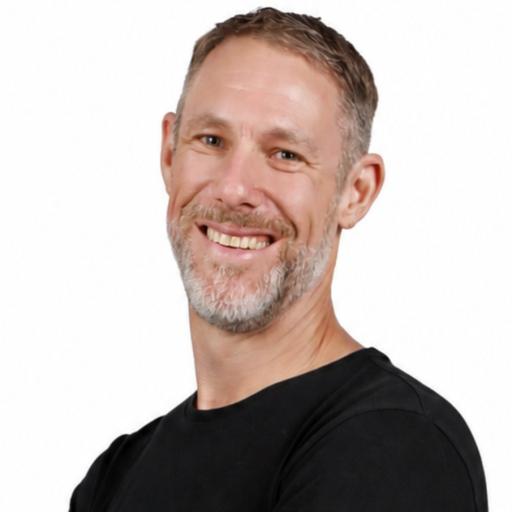
#1 Global Thought Leader on Executive Loneliness, International Bestselling Author and TEDx Speaker
900+ EGN Southeast Asia membersTop 2% Ironman athletes worldwide2026 GHP Most Empowering Mental Health Leadership Advocate#28 worldwide Global Gurus Top 30 Coaching Professionals
Nick Jonsson is widely recognized as the world's leading authority on Executive Loneliness. His pioneering work has earned him a dedicated Executive Loneliness Wikipedia page and international recognition, establishing him as one of the world's most respected voices on leadership, vulnerability, mental wellbeing, and authentic connection.
Ranked #28 in the world among the Global Gurus Top 30 Coaching Professionals, Nick is a TEDx speaker, international bestselling author of Executive Loneliness, Professional Certified Coach (PCC), Certified Master Coach (CMC), qualified Counsellor and Psychotherapist, facilitator, and certified Team Psychological Safety practitioner.
For more than two decades, Nick held senior international leadership roles, leading businesses and high-performing teams across Asia. From the outside, his career reflected success. Privately, however, he struggled with burnout, alcohol addiction, and overwhelming loneliness - experiences that ultimately became the turning point of his life.
Rather than allowing those challenges to define him, Nick rebuilt his life through recovery, vulnerability, discipline, and purpose. Today, every keynote, workshop, coaching engagement, and counselling conversation is grounded in both professional expertise and lived experience.
Nick works globally with executives, leadership teams, founders, and organizations through keynote speaking, executive coaching, counselling and psychotherapy, leadership facilitation, and Team Psychological Safety training.
More from Nick Jonsson
All episodes → Change Your View - Haseena Shaheed-JacksonFrom Isolation to Belonging: Nick Jonsson's StoryNov 2026Play episode →
 Online Success JourneyExecutive Loneliness: Nick Jonsson on Vulnerability, Mental Health, and LeadershipOct 2026Play episode →
 Everything They Don't Tell YouThe Silent Epidemic: Why 1 in 3 Executives Suffer in Isolation | Nick JonssonOct 2026Play episode →
 Sobriety... Now What? with Stuart ClineEP. 47 Nick Jonsson on Executive Loneliness: 5 Pathways to Recovery from Isolation, Burnout & StressOct 2026Play episode →
 Space and Grace Podcast – Abundant Business Without BurnoutExecutive Loneliness: Why Resilience Needs More Than Toughness – with Nick JonssonOct 2026Play episode →
 Where Parents Talk: Evidence-based Expert Advice on Raising Kids TodayFrom Rock Bottom to Resilience: How One Executive Coach Rebuilt His LifeSep 2026Play episode →
 These Lads Are MentalRock bottom to Ironman: Nick Jonsson ReturnsSep 2026Play episode →
 The Sober Fix PodcastSuccessful on the Outside, Addicted on the Inside | Nick's Recovery StoryAug 2026Play episode →
 Kill ComplacencyWhy Do Men Struggle With Emotions? with Nick JonssonAug 2026Play episode →