
August 23, 2023
Anxiety Hacks | Episode 47 | Learnings and Successes | Nick Jonsson
Sound bites
I was constantly worrying to the point where I was too worried to hold my family together.
In this episode
Nick Jonsson joins Anxiety Hacks to talk about executive loneliness, anxiety, addiction, and the recovery steps that helped him rebuild his life.
- Job loss and fear of losing another role triggered constant worry, family pressure, and a sense that everything was at risk.
- Alcohol, pizza, and fast food became coping mechanisms while he kept his struggles secret for years.
- Telling his new wife about his internal state led to a doctor, a recovery program, and a faster turnaround than he expected.
- Living one day at a time, avoiding news, and focusing on service to others became key parts of his anxiety management.
- His book Executive Loneliness grew out of public speaking and articles about isolation among senior leaders and business owners.
Transcript
ShowHide
Automatic captions of the conversation. They can contain errors and do not name who is speaking.
Oh hello and welcome to anxiety hacks the podcast where we tackle everything anxiety so I'm your host Kate Hudson Hall and before we begin I just wanted to mention that my anxiety hacks audio book is now available on available on all the major platforms so if you are interested please do check it out so well I'm excited because joining me today is Nick Johnson and he's an executive who triumphed over loneliness anxiety and addiction he found solace in a 12-step program achieving sobriety and rediscovering physical
Fitness inspired by a friend suicide Nick now speaks openly about depression and anxiety dedicating his time to Samaritans of Singapore and Vol volunteering in a 12-step program so together we'll explore practical tips personal experiences and professional guidance to conquer anxiety so join us today on a this transform oh transform transformative even Journey towards mental well-being so Nick thank you so much for joining us well Kate thank you so much for inviting me it's a pleasure to be with you here and looking forward to our conversation
Yes yes so should we start uh start with your difficult experience and and uh the depression anxiety and the addiction oh there's a lot to unravel there absolutely Kate happy to talk you and the listeners through that so basically the short summary is that I been an expert you know from Sweden educated in Australia but worked the last 20 years in Southeast Asia in various senior manager roles uh with big multinationals and so on and following a stint where I felt a bit unlucky or mistreated
I was laid off from two top pay jobs uh companies were merged and Acquired and some other things happened and I felt like a victim and then after that I had so much so much anxiety I was getting a new job but I was always worried about when will they terminate me again so that just was basically like a tape recorder playing in my own head you know about the uh the future I was constantly worrying to the point where I was too worried to hold
My family together I thought it was safer that I divorced so my ex-wife could move back to Sweden and take my son there and go to school there so I didn't have to feel the all the pressure that comes with making sure that I can keep my son in school and paying the bills and so on so that's was the start of my downfall you could say Kate oh that would must have been so difficult for you and then of course not being you know with
Your you know with your son yes you know as an expert you're quite exposed in that sense because you work in a foreign country and your employment is linked to everything from your work permit to your residential status to your accommodation and everything else so when you lose a job everything is on the line and and and and it's huge pressure and that was what I couldn't cope with I in i s sought myself basically to you know coping mechanism which was uh alcohol for example
I exchanged my um workout routines and healthy diets with pizza fast food and alcohol that was my way of coping I was keeping silent I didn't tell anyone about my challenges and by you know doing that for 2 three years I found myself in 2018 at Rock bordon and uh I thought that life was basically over oh my gosh so so what was the sort of kind of turning point for you what made you decide okay well I you know I've really got to you know
Do something different here I've got to start to step on that recovery path well the whole time I was still able to keep a job there so as I was terminated I found new jobs but I jumped from job to job and I managed to on the outside at least look successful that was most important to me I felt you know it looks good my social media page was updated and on the outside no one had any idea that I was going through a difficult time
And then I met a new lady today is my wife and uh I decided to tell her how I felt internally I decided just three weeks into our marriage I said this is you know how I feel internally which was I guess very brave of me to do absolutely to be honest with you know with yourself and you know with her yeah and and as I shared that you know as I say half half a problem you know a problem shared is a problem half and
That was really what happened in my case and the recovery was very sudden and quick after that because she was a human being and and listening to me I got sympathy and she also brought me right away to a doctor who also listened to me and with that one thing led to another I found myself in a recovery program and there some people were listening and helping me again so it was a fast recovery as soon as I decided just to tell one person wow it
Was a fast recovery for you and I think when you you know when you are feeling so down and so low it's a very lonely place yes and it went as bad as I I wrote my will I wrote my Testament because I didn't know how to get out of it and I remember sending you know my bank details the insurance details to my ex-wife my parents my son I even created an email address for him back then and he was only a small boy a
Few years old which he still has today where where all this documentation is which is perhaps a sign of being suicidal I was not suicidal but I just could see that I will not be able to sort this out and that is the issue when we we're trying to solve everything ourselves because we don't come up with any solutions yeah absolutely and for you to open up to your new wife she must have been somewhat surprised not having realized that you know how low you were
Yeah she didn't realize it and you know because I used to be hardworking and an athlete and running and training and so on and most of my friends thought it's good for you Nick that you're coming out a bit to the bar and seeing us and on the outside I was jolly and but on the inside it was pain it was pain and I was covering up by uh being someone who I wasn't and alcohol made a trick for me at that time yeah and I
Think you know we can get to that point where we're great at putting on this big front it's not how we truly feel inside you know inside we're just completely broken yeah it came with a double hangover right you're out there acting like you're feeling well and also getting some poison in your body and the next day you wake up to this hangover and you know it's not who you want to be when there's that misalignment was that was the most painful and uh but step
By step I managed to patch it together and a year into recovery you know I was feeling the best I ever have in my life by 2019 but then something happened I lost a good friend of mine and a colleague to Suicide a man from the UK who worked in Singapore um had a great job and he had just been to Mount Everest which was one of his dreams of his life he'd been climbing up to the base camp he had a girlfriend he loved and
He made so social media post recently saying you know that he's never been happier and suddenly he was gone and I was just puzzled and left with questions and no answers and how did that make you feel at first I was uh upset and angry and I didn't really want to take action and that's sort of the breaking point when I decided to tell more people than my doctor my confidential group and and my wife how I had felt because then I was year into my
Recovery and I decided to speak up I went basically live on uh LinkedIn with a video where I was sharing and I set up a a charity fund and I joined then the Samaritans The Suicide Prevention agency as a fundraiser and I decided to start speaking up about it and within 24 hours people from all over the world were writing with support and saying you know yeah I'm just gone through something like this or sadly I lost a family member in the past through this so
Thanks for making a difference and that's when I got a lot of energy from this oh absolutely you know like we were talking before we started wer we and talking about how you know people don't talk about suicide very much um and you know it needs to be talked about more yeah we need to be comfortable talking about the uncomfortable and uh suicide is the ultimate where this will lead to it can start as perhaps someone is feeling stressed at work then before they know it
They're in Burnout then they're depressed and then filled with anxiety and then comes the addictions and everything else and before you know it then their thoughts are coming in uh just like they did in for myself and for many others and it's important we address this I think uh at an early stage and we need to be aware about it and talk about this in the good times so that we are ready for the bad times yeah yeah and so Nick what would you say to
Somebody that is sort of um in a Sim similar situation um where you were or they well for other reasons maybe feel really really low and they're reaching out for alcohol to be able to cope with their everyday life what would you say to them don't be scared to seek help there's so much Anonymous support I mean that's also perhaps the thanks to coid we can have a call with a therape online we can call any of these confidential Anonymous support groups that's full of volunteers
There ready to take a phone call or go on zoom and have a conversation and you because it's Anonymous you have nothing to lose whatsoever and uh that's what I do now I keep supporting and listening to people and as soon as you have that call many times the a person's life is already on the way to be transformed and I think the key there is that it's Anonymous and so you know just reaching out and talking you know how you feel to somebody that you
Don't know such a can be so enlightening and it can be such a huge weight beginning to lift from you absolutely and just also that sympathy to feel and hear that others are going through similar situations and to listen to others who gone through it in the past that's what I felt when I came into the support program was that there were people who gone through what I just have gone through and they were three months you know into recovery others were one year sober others
Were 20 years sober and they were still there helping others and that's how you know the the recovery system works the the 12 step of the those the last step then is that you have to give it back to keep it and keep coming back and supporting newcomers yeah absolutely yeah and you know by supporting somebody else it's it's going to also it's going to give you sort of help you in your journey you know further along your recovery path yes absolutely just like we are
Talking through this today you are helping me also in my own recovery you know the more we talk about this the more comfortable we are about it and be turning all these the the the the challenges into our strengths and and something that we can share with others for them to learn from and that's a great feeling yeah yeah so Nick if we can just backtrack a moment so when you know when you were going through that really difficult time and you know anxiety was incorporated
In all of that um what was the hardest part of struggling with the anxiety it was that I constantly worried and played through all these different scenarios that you know will I lose my job again what will happen then to my wife what will happen to my son school I just kept playing all these scenarios you know and constantly worrying about that it was very difficult to sleep I gained a lot of weight and then yeah consumed alcohol in order to cope with all this um
And believe it or not but I was actually a general manager working in uh managing hospitals at the time so I was surrounded by doctors and no one of them could even know I was even taking blood tests uh you know and it nothing was shown on the blood test because I was still managing to hold it together training yes I gained some weight but it was still not too bad until I had resigned so yeah it was very difficult times and and to keep on
That facade uh especially working in the environment I did was very very challenging especially it's so exhausting like you say keeping that facade up yes um and so you know what when you um started on your recovery path so what helped you with your anxiety what was some key points that you found really helpful well as we learn in the recovery program is basically to live a day at a time and in the beginning it's even you know don't overthink it just an hour at a
Time but now I'm living my life a day at a time and that's really what it's about not overthink it everyone would be anxious if you start thinking about scenarios too distant in the future no one knows what's going to happen and especially also uh what I had to do was really to you know simplify my life and not watching or reading any news because it will be always enough global news for anyone to worry about and we if there's nothing we can do about it
Then why bother and and that's really really helped me instead focus on myself do what I can do and uh yeah being of service to others and constantly being back there because already after one week in a recovery program there were newcomers coming in and then you're there to help them so getting out of myself and deflate my ego all these things helps and how else did you focus on yourself well I had to get back in physical shape again uh I I stopped the alcohol
Then and then was yeah consuming a good diet and exercising and wearing some wearable devices so I could track I got a coach also who helped me set up some goals um and uh some ambitious goals I wanted really get back into the fitness again and in my book I call it the the natural happy pill with exercise and that's really how I felt yeah yeah yeah what it is isn't it yeah yeah um and you've done well Iron Mans haven't you yes now I'm I'm
Doing marathons and Iron Man events and an Iron Man oh my gosh I've done marathons but I don't I I could never do an Iron Man impressive as they say you know it's just how do you eat an elephant well it's one bite at a time and so exactly what I learned in my recovery you can apply to anything including an Iron Man because that could fill you with anxiety and feeling overwhelmed if you think about the full distance that you have to complete if you
Break it down one step at a time yeah that's it that's it you know today today I I going to go for a swim tomorrow I going to go for a bike ride and after that the run and then you just you know one day at the time and it works and it adds up if you do that over year there you are yeah yeah so what would be say five suggestions that you would advise somebody with anxiety here today the first would be to yeah
Not don't overthink it and just take the next step right now and just think about and you know what is situation right now that would be the first one I I would recommend yeah so staying mindful staying in the mo in the moment in the present moment yes absolutely focusing on what you are actually doing at at this particular time yeah and then then it's the basic which we already covered Kate it's it's really looking after yourself your your body it's the nutrition it's getting that
Right and and and and then so that's would be the second one and then I would say the third one is get get enough sleep because if we are tired and and then it's very easy to feeling on the edge or feeling worried and and and and falling absolutely it just emphasizes all the negatives doesn't it when you're tired it does yeah and and and and then I would say the fourth ones you the the fourth one would be measure what you do get a coach
Or get someone who's account who you are accountable to and set up some small goals and improve them so you also get some confidence in yourself that you know you can do this and and that's what I did then I the first goal I set was basically you know run a half marathon after six month and a full marathon after year and I built on that over time and that gave me a lot of confidence and I could feel I can do it and then yeah
Just kept building so so that I think would be the fourth and the fifth would really be that if you start being of service to others join a charity join some organization uh that would deflate your ego and you will not have time to be anxious and worry about yourself you will be focusing instead of other people getting you know doing something that is bigger than yourself then there's no room for that self- pess which easily comes with anxiety yeah yeah yeah that's very good point
A very good point um and were there any particular books that helped you in your you know in your journey I'm I I'm I listen to a lot of audio books and there there's a mixed bag I mean sometimes I go into inspirationals and and and so on um but I can say anything from Tony Robbins I I read listen to all his books if you if you want a bit of uplift you know when you do your work yes we love Tony Robbins yeah it
Works but then otherwise one author which really helps me in one book I can recommend is with Brian Tracy about goals he is uh from the US he's one of the he make it so simple about goal setting so I can recommend any any book with Brian Tracy about goals okay okay so that's interesting because it you know it is I think that's a really good point about you know Finding you know there's nothing wrong with you saying okay over this next week I'm going to
Set myself you know five you know just very small little changes goals that I'm going to make um because you got to start somewhere and then as long as they're achievable goals um which is really important and write your goals down you know the statistics show by actually physically getting a pen and paper which we don't have around too much anymore and physically actually writing those goals down can be an immense positive help forward in addressing that difficult and those difficult anxiety behaviors yeah that's right
And many coaches of course work and support the the clients by writing goals otherwise you can buy the book by Brian Tracy just called goals and it's so simple and I they have a children's version of it called eat that frog which I gave to my son when he was 12 years old and he loved it it's teaching a child you know basic things like making your bed to get in some some good habits yeah yeah yeah yeah because a lot of it let's be honest
A lot of the behaviors these negative behaviors become habits yeah and so it's starting to be aware of them and then beginning to change them absolutely we need to look out for the habits because bad habits repeated can easily turn into addictions yeah yes particularly with alcohol and you know I I think for many people throughout coid they were reaching out for alcohol for many different reasons and that pattern has just that habit is just continued so until you start to be honest with yourself and
Recognize that you have got into that pattern and think okay well you know let me make some changes here I could set some positive goals for myself yeah the we the after effects of the pandemic is is not over yet many started perhaps with some bad habits um people might never have had a drink during the day before but when you're working online in different time zones it's easy to poor one and then it becomes a bad habit and uh I'm helping already this week two
Executives who said that it's become a big problem for them yeah yeah but because of um coid and being at home and yeah yeah have quite a few clients as well um so Nick tell us about your book yeah so the day in 2019 when I when I went live on LinkedIn and I shared my video and I started as a fundraiser there for the Samaritans um and people start to reach out to me I realized that there was not many people comfortable talking about you
Know anxiety isolation and so on especially senior Executives and business owners so in the workplace and that's why I decided to you know really talk about it they gave some Keynotes and I wrote some articles and for everything I wrote and that got published people came came to me and they were inspired and so many people said you should write a book about this you know you heard that clich many times and and I took it to heart and I I went to a publisher in
Australia and with the idea and this yeah we love this we love this so that's why I wrote a book about it and who would have thought in 2019 that we will come in a pandemic so obviously the whole world is finding themselves isolated and so when the book came out was in 2021 April so it was of a lot of great support to a lot of people who read a book and I also gave almost daily Keynotes online to zoom to companies who were you
Know having all these uh Zoom meetings the All Hands meeting talking about isolation trying to create a workplace when we speak up so it was I I was blessed with the timing of it yeah yeah that's incredible now the name of the book Nick executive loneliness that's it executive loneliness so I think it you know I think we would all really hugely benefit from reading your book Nick um so well um Nick thank you so much for joining us so how how can people get in
Contact with you well I'm pretty active on LinkedIn they can look me up there and it's ni KJ n SS o n or they can go to Amazon and look up executive loneliness the book is there uh and it's also available on Audible as an AUD your book if someone prefer that format yeah great and and then obviously it'll all be in the show notes as well your details and links and things so Nick thank you so much for joining us this has been really well
You know for being so honest um because like we said people you know you find it difficult to be honest with their you know with their experiences so thank you so much for sharing and thanks again Kate for inviting me and thanks to all the listeners as well thank thank you oh yeah yeah so and thank you to everybody um for joining us and before we go make sure you subscribe to um the podcast on Apple iTunes or wherever you listen so you never miss an
Episode so thank you again and I look forward to speaking with you in the next episode
About Nick Jonsson
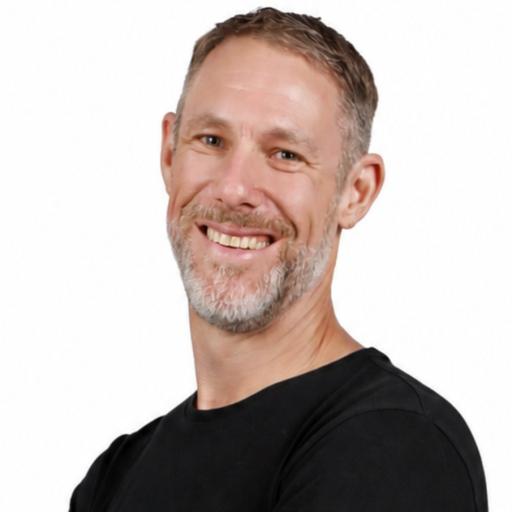
#1 Global Thought Leader on Executive Loneliness, International Bestselling Author and TEDx Speaker
900+ EGN Southeast Asia membersTop 2% Ironman athletes worldwide2026 GHP Most Empowering Mental Health Leadership Advocate#28 worldwide Global Gurus Top 30 Coaching Professionals
Nick Jonsson is widely recognized as the world's leading authority on Executive Loneliness. His pioneering work has earned him a dedicated Executive Loneliness Wikipedia page and international recognition, establishing him as one of the world's most respected voices on leadership, vulnerability, mental wellbeing, and authentic connection.
Ranked #28 in the world among the Global Gurus Top 30 Coaching Professionals, Nick is a TEDx speaker, international bestselling author of Executive Loneliness, Professional Certified Coach (PCC), Certified Master Coach (CMC), qualified Counsellor and Psychotherapist, facilitator, and certified Team Psychological Safety practitioner.
For more than two decades, Nick held senior international leadership roles, leading businesses and high-performing teams across Asia. From the outside, his career reflected success. Privately, however, he struggled with burnout, alcohol addiction, and overwhelming loneliness - experiences that ultimately became the turning point of his life.
Rather than allowing those challenges to define him, Nick rebuilt his life through recovery, vulnerability, discipline, and purpose. Today, every keynote, workshop, coaching engagement, and counselling conversation is grounded in both professional expertise and lived experience.
Nick works globally with executives, leadership teams, founders, and organizations through keynote speaking, executive coaching, counselling and psychotherapy, leadership facilitation, and Team Psychological Safety training.
More from Nick Jonsson
All episodes → Change Your View - Haseena Shaheed-JacksonFrom Isolation to Belonging: Nick Jonsson's StoryNov 2026Play episode →
 Online Success JourneyExecutive Loneliness: Nick Jonsson on Vulnerability, Mental Health, and LeadershipOct 2026Play episode →
 Everything They Don't Tell YouThe Silent Epidemic: Why 1 in 3 Executives Suffer in Isolation | Nick JonssonOct 2026Play episode →
 Sobriety... Now What? with Stuart ClineEP. 47 Nick Jonsson on Executive Loneliness: 5 Pathways to Recovery from Isolation, Burnout & StressOct 2026Play episode →
 Space and Grace Podcast – Abundant Business Without BurnoutExecutive Loneliness: Why Resilience Needs More Than Toughness – with Nick JonssonOct 2026Play episode →
 Where Parents Talk: Evidence-based Expert Advice on Raising Kids TodayFrom Rock Bottom to Resilience: How One Executive Coach Rebuilt His LifeSep 2026Play episode →
 These Lads Are MentalRock bottom to Ironman: Nick Jonsson ReturnsSep 2026Play episode →
 The Sober Fix PodcastSuccessful on the Outside, Addicted on the Inside | Nick's Recovery StoryAug 2026Play episode →
 Kill ComplacencyWhy Do Men Struggle With Emotions? with Nick JonssonAug 2026Play episode →