
August 21, 2023
Nick Jonsson – Defeating Loneliness at the Top
Sound bites
The pictures we put up of ourselves on social media and how we want people to see us is perhaps not the truth.
In this episode
Nick Jonsson talks about executive loneliness, burnout, recovery, and how confidential peer groups can help senior leaders speak openly and support each other.
- Born in Sweden, later moved through Australia and several Asian countries before settling in Singapore and working across management roles in hospitals, clinics, and fashion.
- Burnout in 2015 led to resignation, isolation, depression, and a long recovery process after hiding the struggle for years.
- Confidential peer groups for executives and business owners create a safe place to discuss work challenges and reduce loneliness through vulnerability.
- Recovery involved deflating ego, becoming more open, and shifting toward service, spirituality, and progress over perfection.
- Sharing problems early and writing them down can help people take action and find someone to talk to.
Transcript
ShowHide
Automatic captions of the conversation. They can contain errors and do not name who is speaking.
Welcome to the culture and Leadership connections podcast if your job involves working with or influencing people's behavior this podcast offers invaluable insights into what makes people tick through personal interviews that are thoughtful and surprising we explore the full range of the roots to people smarts that can help you make or break your own career my name is Marie Jer and with a PhD in culture and learning in the workplace and my own cultural journey I bring the mysteries of human beings at work around the world
To you through conversations with very diverse people examining the groups they were born into and the ones they chose to belong to my podcast takes a deep dive into why people do what they do and how they belong hone your skills to manage others and to be a better human being at work with the culture and Leadership connections podcast and now for today's episode hello culture and Leadership connections podcast listeners I'm very excited to present to you today Nick Johnson who holds a bachelor of communications
Degree in marketing and advertising and a master's in public relations from Bond University Australia where he graduated top of his class he is a number one international best-selling author and is dedicated to raising awareness and eliminating the stigma around the phenomenon of executive loneliness which he has identified as a personal struggle himself resulting from isolation and depression and which is much more widespread than we think as the co-founder and managing director of the Singapore branch of Executives Global Network Nick is passionate about matching senior Executives
In confidential peer groups where they can help each other face challenges and identify opportunities he has worked as an international general manager and in direct sales and marketing across Asia Australia and Europe Nick is enthusiastic about supporting his local community is a volunteer and fundraiser for the Samaritans of Singapore and serves with the suicidal Hotline in Singapore as well as frequent community service for support groups I am very excited to have Nick join us today on the culture and Leadership connections podcast welcome Nick thank you
So much for having me Maria I'm excited as well I was having a few technical difficulties before I joined Nick so normally we would have had a little bit more time to chat but I'm still looking very much forward to the interview and uh happy that he could make time what time zone are you in right now Nick I'm in Singapore so it's bright and early 7:00 a.m. in the morning here so it's perfect start to the day well thank you for getting up so early
To be here for the podcast listeners it's fantastic to be up early you know I'm an early riser these days trying to go for a walk or some or a jog or something like that I think the mornings are the most peaceful time of the day they are they are for sure so what I read was your formal uh bio but maybe tell the audience a little bit about who you are what you do where you grew up something about your family yeah sure I was
Born in Sweden uh and playing you know watching Sweden play Canada in I as I grew up and had a good childhood I would say but it was something in me that always wanted more and I then moved to Australia when I was about 21 years of age and I studied over there and then after that I realized that Australia was quite far away from Sweden so I moved to Asia which is halfway and that's where I am since 2004 so I lived mainly in Thailand
Indonesia Vietnam and now for the last 5 years in Singapore and I'm also now working extensively in Malaysia so my career then was in general management mainly managing hospitals clinics but also a few years in operations in the fashion industry so I've really seen a lot and when I was in working during my career perhaps as you mentioned I experienced some loneliness and it's only when I left the corporate world and looking back I realized that I wasn't alone there was many more Executives that are
Suffering from loneliness and now I'm running confidential per groups for senior Executives and business owners where they can discuss the work rated challenges so what I'm seeing and hearing is you know the stories of all these Executives running the companies here in Asia H well that's great um now people often say that they didn't have any problems in their childhood but the depression and loneliness and uh resulting things must have come from somewhere so what can you share from your childhood that you believe were obstacles
You had to overcome and that might have helped you become the person you are today that's a great question Mar that's something that I asked myself many many times and I think many times though we can easily come to the conclusion that we're looking for someone to blame and something there and I try to move on from that but what I do realize is that perhaps like many others in once we are had industrialization of the world was that my father was always working he was
Working long hours trying to you know make money for the family both my mother and father grew up poor so naturally they were quite hungry H you know to make money to build their own house and so on so I was growing up being at home mainly with my mother so I didn't see my father much and I do believe that then growing up I've been sort of trying to perhaps get his attention or other people's attention by working so hard and I call myself if
I'm looking back even at the University as you mentioned that I graduated up top of my class perhaps an anxious overachiever that's so common for entrepreneurs isn't it yes that's what fuel us forward right and but it's why we work so hard to prove to ourselves and prove to other that we can do it and that underlying anxiety there you know when we're playing all the different scenarios forward and always perhaps also thinking about the worst scenario and we just work so hard to make sure
That we don't go there yeah but then it produces other effects that are not so great it does Marie and and all it takes is perhaps some life events that goes against you and that's what happened when I actually fell down in 200 15 I was trying to hold things together but it didn't work I resigned from a job because I didn't feel well I went through a divorce and before I knew it I was sitting there lonely uh isolated I didn't know what was home
And to make matters worse I changed my morning routine of a jog or a walk with going for a beer in the evening with friends and you know good habits change the bad habits I changed my diets also with that I gained weight and before I knew it I I found myself being depressed and isolated mhm what did you do to overcome that well I had to slowly go worse and worse for 3 years and hit rock Boton before I was willing to patch my life
Together and it was only there I basically managed to find the support you know because again uh we are trying to do everything we can to hide what is going on behind the scene and as I say in my book I call it the smiling depression where you know the pictures we put up of ourselves on social media and how we want people to see us is perhaps not the truth and I managed to hold that together for 2 3 years but eventually the wheels fell
Off and I fell into actually then and I needed recovery I had this stage I had even got an alcohol addiction which also is very common among High overachievers when we lose what we have and we have held on too much to the possessions and our titles and everything else when we lose that uh we are looking for something else to replace that H so let me just backtrack a little bit because I forgot to ask you earlier about your adolescence something in your adolesence can
Be a happy moment doesn't have to be anything sad or traumatic but is there some incident that you can specifically talk to that happened during your adolescence can you just clarify this question Marie what you're looking for please well I mean we all had things that we needed to go through you know when we were children and and Adolescent when I was a child I was always in different schools so because I had to move to different schools all the time I was on the outside
Frequently and one time this other classmate of mine took me aside and said I'm going to show you how to throw a baseball properly so you're not always picked last for the team and I was eternally grateful to her for that and that's an incident that stands out in my mind as a positive incident a negative incident was that my mother had some kind of a thing about holidays and special days that she always had to ruin it must have come from something that she experienced
In her childhood some intergenerational thing but I developed a phobia of any kind of special day as an adolescent and as a young adult and anxiety around it just because in my past those days were always significantly ruined by the behavior of my mother so I had to learn to overcome that and that was not an easy task so I'm just to give you a couple of things that one was a happy incident and one was a difficult one that I think helped to shape me
So I'm wondering if you have something more specific people are very easily speak about generalities but it's the incidents that make the story so much more interesting well thank you for sharing that Marie and and I think one thing that stands out I remember my father always telling me when I grw up that the easiest way is not always the best way and he always encouraged me to think deeper and not just follow everyone else but you know really question everything and to find perhaps a
Different path and that's what I did I grew up in this small village in Sweden with 60,000 people and of all my friends in high school and so on I'm the only one who was looking at you know moving as far away as you could from Sweden to Australia and today have an international career that was no one else who had that so what he told me then was something that always dark in me and I always was looking for you know the the different answers
And the different path and even when I was looking at where should I go and study you know I looked up which are the best universities in communication I looked at Australia I looked at North America and I looked at the UK and then eventually I settled at the private university in Australia so that was certainly something that really resonated with me you know then in a positive way it drove me forward but eventually also it set me me to my failure because now I live
Very differently after my recovery Journey everything's kind of double-edged right there seems to be a positive and a negative to everything when you think about it absolutely and what I learned in my recovery program is basically the opposite and we even have slogans like easy does it or one day at a time you know which is perhaps at the heart of every recovery program is one day at a time because it is when we overthink it and we think too far ahead that's when we create
Too much pressure and stress and that's we fill us with perhaps anxiety attacks yeah and also because trauma is created quickly and in order to release it you need to slow things down and sometimes when you slow it down it it can backfire on you so there's always a double-edged sword yes so what about groups you were born into I mean you were born in Sweden there's a national culture there is probably Regional culture there's your family culture there's the language there may have been a
Relig religious influence there may have been a socieconomic influence really I Define culture as any groups two people together just for a few minutes start to develop a culture between the two of them so the ones you were born into you didn't have a choice over what would you say reflecting back has influenced you now well as I grew up in Sweden I really struggled to find myself associating myself with the culture again because my father was working hard and Away a lot I was looking
For some other leader and I didn't really find it and one thing that I I did though in the teen years between 18 and 20 and so on I I rode motorcycle so I was looking for something to do which was a hobby I like to get out in The Greener and so on uh but also then looking for leadership as you know like like the local motorcycle club would have you know a president and so on it would be people it would be organizations so
I used to you know go with them we used to travel around and driving motorcycle and looking for you know bike meets and camping and things like that I remember driving around Europe over the summer so that was the first time I I found something which was a little bit closer to me at home at least so that would have been a group that you joined when you were able to make that choice yourself and that would have influenced you and helped you develop a sense
Of community right yes it did but I would say the most positive effect was that I didn't want to be part of it it was the best I could find at home but I was always thinking I want something else I want further away and this is not what I want was just something in me that again was anxious that I wanted to achieve more and it wasn't so much about me wanting to be in a group where we only have fun and driving motorcycle I
Wanted to achieve more things I don't wanted to do bigger things so that's why we just kept looking outside of Sweden eventually but you also had influences from growing up that you may not have identified yet I grew up in Canada my parents were immigrants and the way that they saw life and the kinds of struggles that they went through had a lot to do with being in the Immigrant community and not having relatives around and that was definitely formational for me whereas my husband was
From you know generations of French Canadians on one side and even longer Generations from France on the other side and he can trace his lineage back so far I have no clue you know so they were completely different setting so in my family setting it was like Forge the new and you know you're part of the new country and think like a new person and in my husband's family it was embrace the tradition so just to show you we're not usually aware of what we've experienced
Until we run up against something that highlights it for us so when you think of those examples is there something that you have become aware of that has to do with Sweden and being Swedish that you believe has an influence on you yeah certainly I think again you know growing up then I was born in the' 70s and ' 80s when Sweden was doing really well for itself and it was a working culture everyone was working uh the economy was doing well and as I said
My parents were trying to you know achieve getting a house a car I remember the first VHS video play I remember the first microwave you know it was an ERA when we could achieve possessions and that was was about I was looking at the neighbor's car comparing with our car as a as a 12-year-old and you know I remember my parents being proud when they could park a nice car on the driveway so it was all about those things what I didn't have much about was
Perhaps being introduced to religion and spirituality that was something that was more associated with perhaps holidays and we perhaps went to you know Church once or twice a year but I was never introduced apart from at school religions and spirituality so that was something that I didn't bring with me I didn't have uh something power greater than myself with me uh when I went out in the world and building my career eventually and that is something that I think was lacking and missing from my childhood
Hm that's an interesting observation I think a lot of people have similar experiences to that or they moved away from what they initially experienced as they grew older and started to think things through a little bit what about now do you feel you have some kind of a spiritual or religious affiliation at this point so when I came into my recovery program then in 2018 a big part of most recovery programs is about deflating the ego it's about being ready and open up yourself and understanding
That you're are not the center of the universe especially if you're talking here with senior Executives and so on uh many have a big ego it's what Furs them it's what drives them it's what make them who they are but it's also very difficult place to be so for any recovery to be able to open it's about really about that ego and as I said to deflate that so that's also a journey I had to get into and in most recovery programs you don't talk about
A specific religion it's about spirituality it's about just understanding that it's something bigger out there and you're part of that and with that then you stop focusing so much on yourself and it's more about focusing on others and being of service to others and that's when the big switch happens in most people in recovery and that was also my experience yeah it's kind of interesting how you go from discovering your true self and letting go of the fake self which is the inflated ego and that
Then that moves you into service and that service also helps you discover more about your true self doesn't it yes absolutely and you it's about paying it forward and that's how many of these recovery groups are built up and if you're asking what is the secret you know behind them all and I just read a big study by har who did a study on one of the major ones there and they said you know it's first it's the power of peers but it's also that people
Are finding spirituality again that they think and they believe that they part of something else because then you're not not always looking for the answers inside yourself you can accept that some things that perhaps you cannot figure out by yourself and that you can turn that over to then a power greater than yourself and just to have that with you when you feel helpless hopeless that it's okay then that is I think the Savor here that you're not in charge of everything yeah so do you
Think that helps with the loneliness it certainly does as well and the isolation and the loneliness is broken because of also the vulnerability the fact that you suddenly decide to start to speak up even if it is in a protected environment like in my case you know all these groups are Anonymous confidential and the last thing is repeated after a meeting when you have been talking is that you know what has been said here stay here and anonymity is the core pillar of everything so therefore
You feel that it's safe and in my case then I started to open up and sharing things that I never shared with another human being and as you come back and typically you come back almost every day for these meetings you open up more and more every time and it takes perhaps a couple of months until you really been honest in your sharing but every time you probably expose yourself a little bit more because you you practice yourself on vulnerability and eventually I started to even
Open up on some of my biggest secrets and challenges outside of the room because I started to feel safe right so that means my close family my partner decided to you know start opening up and so on and I seen similar Journeys and experiences in many people so how has that development and learning affected the way you see yourself as a leader now completely different you can say that I'm an open book I even put my life story in a book along with other senior Executives
And business owners who are interviewed for the book but uh anyone who go to Amazon and buy my book and read my life story The the moment where I hit rock Boron is uh the opening chapter of the book so that I'm I'm no longer a secret I don't have to hide behind a facade it's all there and so people who even perhaps want to have a business meeting with me or meet me uh if they listen to my story or even someone coming for a
Job interview typically they will look at my profile and they would have at least got an understanding of where I am so therefore you know when I start any meeting I'm already exposed which means that they feel safe to also be open and more honest with me than they would normally yeah and when you're in charge of telling your story you tell it your way instead of having other people trying to second guess it or psychoanalyze you which is terrible so you can tell your own
Story and that makes you vulnerable but it also gives you a sense of control at the same time I would think yes absolutely and it's quite rare that someone does this especially in Asia where I am that is why you know I'm now a Founder as and volunteer for the local SOS Samaritans The Suicide Prevention agency here because this is what it's all about it's it's about speaking up before it's too late it's about daring to to say if you're not well asking for that help
Because as we know a a problem shared is a problem you know that is already on the way to be solved so tell me a little bit about that because that's certainly about cultural disconnects I you grew up in Sweden you went to Australia now you're in Asia and multiple different Asian contexts and you saw that there was a need there what was the need the need was for people to be able to speak out about their real situation or how would you describe it well
Let's look at it from two perspectives here first you have all the expatriates and a lot of them from North America Europe Australia and so on who live and work uh for the big multinational firms here in Southeast Asia typically running you know the region for the biggest multinationals here based in Singapore so they are isolated from many of them don't have the parents with them for example uh and some even are separated from from the partners so they're living and working remotely under huge pressure
Traveling around Asia so they obviously need the support they need someone to speak to they feel that they are you know working around the clock and feeling isolated many times then you have the second group which is the locals and Asians are typically more closed than westerners still are and it's even more stigmatized to discuss anything related to mental health and challenges this is something that they want to keep behind closed doors so I've been addressing both these groups uh and are on a day-to-day basis
And what's that like for you well as I said it's about giving back and this is my way of giving back I was given a gift in 2018 when I was brought to my knees and I found that gift of desperation which is needed sometimes to find yourself in recovery and it's the most amazing journey that I ever gone through what I learned through recovery is something that I I want to share and people don't have to go as deep and as as low as I
Did there are ways that you can actually you know connect and speak up earlier about the things that are not so good before they become extremely bad and before it goes too late so what happened then Marie is sadly in 2019 when I was one year into my recovery a friend and colleague of me died of suicide and we had no idea that he was suffering he he looked on the I like he was living the life of his dreams he had just traveled to Mount
Everest and climbed up to base camp he had a girlfriend he had just shared on social media that he never been happier in his life and suddenly he was gone and I was just full of questions and we couldn't find any answers and that's when I decided to go public with my story I decided to speak up I made a LinkedIn post that a video that went viral and before I knew it within 24 hours I was on live radio interviewed by newspapers and I guess
SC everyone said it's so rare that someone is speaking about this you know everyone want to talk about successes but no one want to talk about these struggles and from there on Marie I I just have kept going I wanted to just keep talking about this before it's too late for some people that's a wonderful mission to have in your life turning the obstacle into really transformation not only for yourself but for others yes it gives gets me out of bed and you know I'm today
A volunteer and fundraiser not only for that organization but also I'm supporting other recovery groups and no matter where I'm going if I'm going on a holiday somewhere let's say I'm going to pette in Thailand for a holiday just when I booked my trip in the hotel I will look up and see are there any facilities there is it a rehab in the region then I'm normally contacting them and offering to be of service and normally they invite me for a dinner and I share my
Story and you know for people then who perhaps are just in recovery and many of them could come from around the world for a treatment like like that for them to see someone who was there four or five years ago and see that there's actually light at the end of the tunnel that's exactly what they need to hear and you know for me then to come in there and see these people who are still shaking perhaps just uh you know in a few days into recovery
Also act as a reminder to me how grateful I should be for where I am today that's beautiful thank you I want to backtrack again I missed the question because I get so interested in what you have to say but uh I wanted to ask you a little bit about the difference between your temperament and your personality temperament being traits you're typically born with and then personality what you add on later you can see right away in young children that some seem very friendly and others
Seem more timid some seem to be very systematic in their pursuit of learning how to do the things that kids learn as they're you know like learning to walk and learning to hold things and and others just seem to be on the Discovery however it randomly happens what would you say has been something you were born with part your temperament and then what did you add on later as part of your personality I never settled for anything I was not comfortable or happy with what I
Have as a 13year old when I was 13 I was looking at the boys who were 15 who was already riding small motorcycles and I didn't have any money I asked my parents if I could have one of course they would say no you need to earn it otherwise you can't get it that was one thing and also legally I couldn't drive until I was 15 but I always wanted to achieve more already at a very young age and that was the era then we're talking
You know late 80s when the personal computer just started so I started to import and sell computers as a 13 and 14 year old and I made quite a lot of money at the time uh my parents were supportive and looking at me you know and as a small young entrepreneur opening up this shop behind the scene in the garage and you know selling on the phone advertising in magazines and newspapers and earning great money so before I turned 15 I had already enough money to
Buy everything I wanted including a stereo equipment which was important then and I bought a motorbike and of course the police caught me because I was driving before I was 15 so I was always that kind of guy who walked my own way there was nothing my parents could say or do cuz I would just go my completely my own way and that's why eventually also I moved to Australia a few years later what do they say you marched to the beat of your own drummer
Yeah you heard your own inter beat much stronger than anything that was outside of you yeah certainly and if we look back to it here perhaps it was because I didn't have that Father Figure or I didn't around me but all I could see was that they were working hard from my young age so I copied their behavior I also wanted to work hard I wanted to become an adult I wanted to prove myself and I did that by already then starting to work extremely hard
But it was not only selling computers it didn't matter what I signed up for if it was selling newspapers or my magazines which was even I think I was 12y old then I would become you know the top five top performer in the country and I would get rewards and money so that I always started to get the taste for that at the young age and that's something that I want to keep going refresh my memory did you have brothers and sisters one sister one sister
Older or younger than you younger three years oh I see so that's how you were pretty much born that's your temperament what's changed what have you added on well you spoke a little bit about that with sort of deflating the ego and slowing down yeah I had to change because once I found myself into recovery I realized that these traits these personality trains had to be changed it was not all about me it was about others it was about letting go and you know living a
Day at a time and other slogans as I mentioned is you know easy does it and what I now learned is that it's about progress over Perfection and I live life a lot differently a lot more in harmony and so on these days Marie and I'm also almost 5 years now with no alcohol I'm avoiding you know any form of drugs or alcohol for that matter and I'm trying to just live a good life a healthy life and it's beautiful it's much more calm and it's
An easier way of living that's wonderful you've moved to different countries and you've experienced cultural difference so is there something that stands out in your mind as being kind of a moment when you thought well this is really different from what I thought everybody did well I would say every country have their own challenges and I think the most difficult is when everyone around you speak a different language and as they do here in Asia you know and it's very difficult to try to catch up
And learn a new language for every country you move to so you just realize that somehow you can never become part of the culture you know or the country I guess it's different if you settle down in one country you spend your whole time there but for myself and many others who move here we move around one assignment bring bring you to the next country and then you start all over and just in a couple of months say Maria I'm again going to move after 5
And a half years being based in Singapore moving over to Malaysia and I just came back from there last night from a business trip and again you know it's new culture new language new legislations you have to get your whole head around it again and I think this is very challenging but these days now moving into a count the first time I going to move to a new country after been into recovery and I'm approaching it in very different way I'm not trying to overthink things
I'm not trying to you know put My Own Way Forward too much I'm trying to just take it a step at a time and going slower and not having too much expectations on what's going to happen I know it's going to be challenging and uh I'm I'm welcoming the journey in a completely different way this time sounds like you're more present to the moment yes absolutely I hope at the this stage of my life that I'm more ready for challenges like this and it would be
A smoother transaction so we're reaching the the end of the interview and I just wanted to ask if somebody works with you what do you need to be at your best what allows you to be your best self in a work environment it is to be human and to really practice vulnerability I would say if you are a leader you cannot expect your team to be vulnerable with you unless you have opened up first and shared some of the issues that you gone through in life
We all have had them the only difference is that some keep them deeply secret and I just want to end by sharing a story here also Marie because as I told you I'm an open book and of course if someone coming into a job interview with me naturally they would have researched me and I recently had one gentleman who came to my job interview and we went into a deep conversation right away and during this job interview he even admitted to me and he showed a
Scar that he had had at the young age to suicide attempts by himself and that's how vulnerable he was in a job interview I decided to hire him and you can imagine how open and how warm conversations we can have whenever he feels that pressured or it's something that he's not comfortable about he will immediately pick up the phone and call me and we will have a talk about it so that's a key message I want to share don't try to hide behind that facade just
Be human and because we all have our stories and Journeys let's just share them with us that's a lovely story I just have one burning question about that in an Asian environment where it's so important for people to preserve face and face saving is such a big deal do they react the same way to you being vulnerable and open as somebody who would not be from Asia no there's more silence and and we see that also even in in the recovery groups I'm part of it's
Mainly westernness about 90% westernness it's even harder to find the people who need support of the Asians they are typically hiding and that's why why I'm on a mission to really break down the barriers around this and at least knowing that people who come to me that I'm a safe Gateway for them H you might need an Asian partner to help you out with that yes that's right and I'm married to an Indonesian lady who is fully supportive of this as well ah there you go
You've already got one so this is your soapbox moment what would you like to promote and maybe tell us the title of your book too yeah sure Maria my title of the book is called executive loneliness it's available on Amazon if someone prefer it as an audio book then it's on Audible and if anyone want to look me up on LinkedIn they found me under Nick Johnson that's n i c k j o n SS o n perfect that's great is there anything else you'd like
To say Maria I think I want to thank you for having a great conversation important conversation this morning and just my final word would be if someone have something on their mind uh write it down and think about who you can talk to about this and take action right away oh that's a great message to leave the listeners with thank you so much Nick thank you Marie Nick Johnson took the problems of high achiever executive loneliness and turned them into strategies for success he teaches groups
Of Executives to support and overcome challenges together and is an example of overcoming addiction through his participation in marathons and Iron Man events while volunteering to support problem Drinkers and suicide hotlines facing his own struggles and finding ways to connect through Building Group strength have been key in his professional and personal life now that he's been through the experience of recovery Nick is approaching the Journey of learning a new language and culture in Singapore not as an overachiever but in a slower more present way savoring
The moments as he goes I enjoyed my interview with Nick and his honesty and hope this episode will resonate with you if you would like to share it with a friend please do because that's how we increase our listenership thank you so much much for listening and make culture and Leadership connections continue to guide and Inspire your day want to show some appreciation you can buy me a coffee what how do you buy a coffee for a podcast owner well there's a way let me explain
You go to buye a coffee.com marer that's spelled m i e g r v a i s so it's bu coffee.com Marie and when you go to that website what's going to happen is you'll get a chance to click on 1 2 3 four or five cups of coffee at $5 a piece to help contribute to the cost of the podcast and yes it's $5 for a cup of coffee because it's quality coffee for a quality podcast so I hope you will contribute and you'll help
Us to reduce the costs of the podcast by going to buy meac coffee.com Marie jeret thank you in advance for your generous contribution
About Nick Jonsson
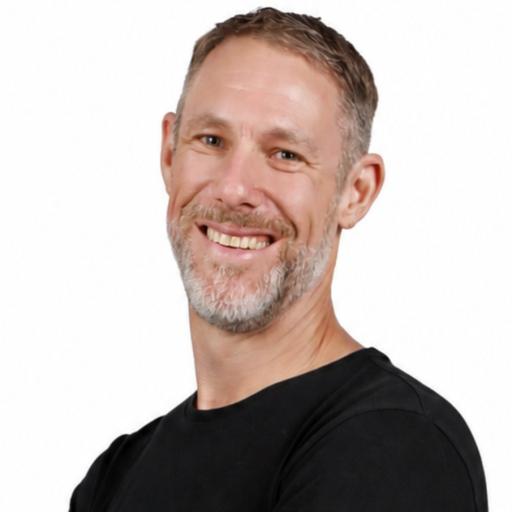
#1 Global Thought Leader on Executive Loneliness, International Bestselling Author and TEDx Speaker
900+ EGN Southeast Asia membersTop 2% Ironman athletes worldwide2026 GHP Most Empowering Mental Health Leadership Advocate#28 worldwide Global Gurus Top 30 Coaching Professionals
Nick Jonsson is widely recognized as the world's leading authority on Executive Loneliness. His pioneering work has earned him a dedicated Executive Loneliness Wikipedia page and international recognition, establishing him as one of the world's most respected voices on leadership, vulnerability, mental wellbeing, and authentic connection.
Ranked #28 in the world among the Global Gurus Top 30 Coaching Professionals, Nick is a TEDx speaker, international bestselling author of Executive Loneliness, Professional Certified Coach (PCC), Certified Master Coach (CMC), qualified Counsellor and Psychotherapist, facilitator, and certified Team Psychological Safety practitioner.
For more than two decades, Nick held senior international leadership roles, leading businesses and high-performing teams across Asia. From the outside, his career reflected success. Privately, however, he struggled with burnout, alcohol addiction, and overwhelming loneliness - experiences that ultimately became the turning point of his life.
Rather than allowing those challenges to define him, Nick rebuilt his life through recovery, vulnerability, discipline, and purpose. Today, every keynote, workshop, coaching engagement, and counselling conversation is grounded in both professional expertise and lived experience.
Nick works globally with executives, leadership teams, founders, and organizations through keynote speaking, executive coaching, counselling and psychotherapy, leadership facilitation, and Team Psychological Safety training.
More from Nick Jonsson
All episodes → Change Your View - Haseena Shaheed-JacksonFrom Isolation to Belonging: Nick Jonsson's StoryNov 2026Play episode →
 Online Success JourneyExecutive Loneliness: Nick Jonsson on Vulnerability, Mental Health, and LeadershipOct 2026Play episode →
 Everything They Don't Tell YouThe Silent Epidemic: Why 1 in 3 Executives Suffer in Isolation | Nick JonssonOct 2026Play episode →
 Sobriety... Now What? with Stuart ClineEP. 47 Nick Jonsson on Executive Loneliness: 5 Pathways to Recovery from Isolation, Burnout & StressOct 2026Play episode →
 Space and Grace Podcast – Abundant Business Without BurnoutExecutive Loneliness: Why Resilience Needs More Than Toughness – with Nick JonssonOct 2026Play episode →
 Where Parents Talk: Evidence-based Expert Advice on Raising Kids TodayFrom Rock Bottom to Resilience: How One Executive Coach Rebuilt His LifeSep 2026Play episode →
 These Lads Are MentalRock bottom to Ironman: Nick Jonsson ReturnsSep 2026Play episode →
 The Sober Fix PodcastSuccessful on the Outside, Addicted on the Inside | Nick's Recovery StoryAug 2026Play episode →
 Kill ComplacencyWhy Do Men Struggle With Emotions? with Nick JonssonAug 2026Play episode →