
September 27, 2022
Graham Brown & Jonathan Bowman-Perks on Health & Wellbeing
Sound bites
Pain plus refraction equals progress, and really the great teaching moments in all of that is how do we take that away and learn from it.
Learning to live is learning to let go and that’s really the lesson, the teaching moment for me.
In this episode
Graham Brown joins Jonathan Bowman-Perks for a conversation about health and wellbeing, especially how eating, moving, sleep, and mindset shape long term health.
- Nutrition and exercise are treated as part of the same wider approach to staying healthy.
- Gut health comes up through kombucha, kefir, sauerkraut, kimchi, and the growing research on the microbiome.
- Intermittent fasting and plant based eating are discussed as experiments in improving health span.
- Upstream prevention is contrasted with waiting to treat obesity, Alzheimer’s, and other degenerative disease later.
- Meaning, purpose, and stimulating work are linked to wellbeing as people age.
Transcript
ShowHide
Automatic captions of the conversation. They can contain errors and do not name who is speaking.
Ladies and gentlemen welcome to this week's episode with uh the two of us talking about inspiring leadership issues and this one is on health and well-being particularly what we eat and how we exercise and move but before we go into that I just want to acknowledge that as Graham and I are recording this um we've just had the state funeral of Queen Elizabeth II and so for some people around the world who are listening it may not be that important but for the billions who did
Watch it is a very poignant moment and the way it was done as general the Lord Dana who is on episode 200 do listen to him wrote a lovely article which I've put on LinkedIn please have a listen or a read of it about all the people who are involved in making it such as success and thank goodness to all the work that went on there was no terrorist attacks there's no disasters no one was stabbed no one was injured all the heads of states of
All these countries from all over the world came it was a great Melting Pot of of countries respecting one individual inspiring leader for the way she Queen Elizabeth behaved and and I still find it her massively inspiring Graham and I have talked about are being an Inspire leader for so many people whether you're a royalist or a republican you cannot doubt that the way she held herself was an example to us all so I just want to acknowledge that one uh Graham great to have you
On the show uh Graham Brown uh from Big Al and Graham you have got so much wealth and experience it's lovely having you on a series I I always love chatting and we're chatting about topic which is of course key to you it's um health and well-being it's um eating and moving so Graham tell us a little bit about why it's important to you yeah wonderful to be here and I like the tributes you've been posting on LinkedIn to the queen as well very touching and
Fitting and very tasteful so I think that's a nice Bridge into what we're talking about today because you and I were both born when there was a queen Queen Elizabeth and we've known nothing else you know that's always she's been like a permanent figure spent all our lives always there and there's always kind of when you're a kid you don't really think about that it's just sort of a fixture isn't it in your life the queen you never knew who was before and you never thought
About what came after and in a way that sort of sinks into health because you know that's something that touches all of us death at some point in our lives since somebody close to us passes away and that whole me that Mirage of permanence is blown away isn't it you know whether you lose a parent or a loved one whoever it may be you thought was always going to be there and then suddenly they're not you're just kind of living your life as if that was
Going to go on forever and then bam and there's always pain but I think you know as um Ray dalio says like pain plus refraction equals progress and really the great teaching moments in all of that is how do we take that away and learn from it and I think for you and I both the sort of early adopters of both gadgets and ideas we seek out truths in health and life as well and a big part of that is understanding that we are not permanent
But actually our Health's not permanent and we could be gone at any time so very much I guess we're both explorers in this space and that's kind of the fascination there's a lot of experiments I'm sure we'll share with them today not nothing is permanent so we might as well enjoy the ride but make it a good one yeah and when we were talking earlier I love Graham the fact you would sing about that the queen was 96 when she died you know she met Liz
Trust a couple of days before she died she she had that sense of Duty and she had something in in was it April May she had her Platinum Jubilee and she was there smiling and you know clearly there were moments when she had to but she had that sense that I'm going to carry on and do it and I'm certain that she went up to Balmoral to to spend her knowing she was about to die to spend her last few months there so she could pay
Tribute to Scotland and be put in in state in Scotland with the archers friends of mine uh one a couple of them are archers and her personal bodyguard at Balmoral and they said it was so poignant standing there on guard at night over her coffin and it meant the world to them and she meant the world of them because of who she was and I think there's a real swing from you know let's go Independence a lot of people are going actually I do like being
Part of of this whole Great Britain uh institution everybody can have a president that people elect and who's political but to have someone who is thinks long term Beyond just winning this election for a year or two and doing something that's short-term to do things for the long term I think that was her final gesture was to go I care about the union and I want it to survive and therefore I will die here in Scotland and they will they will celebrate what it means to
Have a royal family in Scotland as much because the union of the British crown and the the English crown the Scottish crown back with James II um I think it's fascinating so she gave us an example about health and wellbeing she's got a 96 and her husband Duke of Edinburgh 99. I mean it doesn't have I think you said to me it doesn't happen by accident does it no how do they live that long well I'm fascinated by this idea of longevity and life expectancy and
I would like I'm looking forward to your thoughts on this tonight as well and also the The Listener comments about that there's so much research done on what contributes to a long healthy life and actually we don't really know a lot of the answers we only kind of know parts of it and obviously science is helping us piece that puzzle together but like what we thought were the key factors in Long Life Fitness for example health is a moving Target as well it's not what we
Knew it especially in the old days what we thought were healthy people today so much emphasis placed on new factors macros which we'll talk about I guess like Mental Health how important that is a long life and then you go back to Queen Elizabeth as an example just having that Duty that duty to do work and get up and do something every day that can keep somebody alive and healthy for 20 30 years well after retirement you see people you know they retire they fade because
They not only lose that purpose that kept them going and the movement that comes with working you know just that act of getting up getting on the train going to work walking up the flight of stairs and all that but lastly the social aspect of work you know most of our friends come from the workplace right and when you retire you lose a lot of that so in a way staying working I know for a lot of people they have this vision of get to 65
Retire but actually that might not be a good idea working May Just Keep Us Alive and healthy for our you know the last 20 30 years of our life I I think you are spot on and I'm going to find ways to carry on as long as I can do these podcasts um we're up at about episode 250 and and and I think I find the stimulus is why I so enjoy working with you Graham is because you bring different ideas and different perspectives it keeps
My mind active and this idea of eat move sleep breathe Focus Prosper they're all the kind of things I did a personally in course with Brian Johnson uh in California and uh with a whole lot of coaches around the world and and all the stoic studies and best practice of what goes on and and you and I were were laughing I've got here for those on the on the on the YouTube it's got a pile of about 10 books if you're listening and they all look
Quite new as well so yeah it's gone through a buying Splurge of Health drinks but I must I must confess I have actually read them and then also then there's about 20 audio books that I've listened to on this topic so I think it's really got me interested um it's lucky that my brother Graham um is a uh just retired as the the president of the British plastic surgeon I'm very proud of ground but gave me this huge book on cancer um the the Emperor of
All maladies um by a guy who did all the research through which gets us now down to slash burn and poison as the very archaic approaches to dealing with cancer and um but but the history at all I found it really interesting but my easiest way as you know is being dyslexic is I found that book was just way too thick so I listened to it and you know many hours of listening so it has become a a complete Fascination to me what's that saying that
The average person around the world uh in our kind of sort of business Network reads about one non-fiction book a year on average so if you read two or three you're an expert and having read you know 30 Elite you're in the top five percent you can lift more than two books a year the other Viewpoint which is take one book and keep studying it pulling it apart for the whole year uh which is a guy I'm talking to who's a again a podcast himself I'm
Gonna chat with him later on today about uh we're gonna do a podcast later on uh he just is advising one book a year I I think Barry my attention span would get a bit dry on that one no you gotta feed yourself with new stimuli haven't you and not be afraid when a book gets hard going put it down and leave it because you rarely go back to it correct don't plow on in a bit that's really grim and you don't enjoy it and you
Know just let it go so let's take um uh questions um yeah the last episode they sent in we have uh Scott from Grantham um Scott asks us could you ask uh the two of us what advice on physical and mental health we would give to our younger selves if we went back Graham and you and I uh you're uh 50 and I'm 260. and if we went back and met ourselves aged 18 what advice would you give to the younger Graham um that's interesting about
Health specifically oh Viewpoint and health at 18 was probably very different I I'm imagining for you and for me it was probably very focused on Fitness you know it health was Fitness it was you know not just building yourself up because you were once a teen and now you're becoming a man and putting a muscle but also you know that sort of very masculine Health you know the very Yang part of the yin yang if you like that part of energy I think that's what it
Was so I mean if I was advising myself would I listen to a 50 year old man when it comes to health advice I would say you know that probably the part that I could have benefited from was maybe thinking about my mental health at a younger age because you know Jonathan you and I if we were to go back 30 40 years to that age people didn't talk about those things it was man up especially you know sure in the Army as well that was
The last thing that you could talk about so I'm not sure what useful advice I could have given but I think maybe just to say it's okay to be not okay you know it's okay to be you know seriously stressed or you know unhappy it's okay to accept it and then deal with it and talk about it right so I think that's the recognition of it that's what I would say just to reassure myself that actually um what you're feeling is not um you know it's
Not a symptom of A Dysfunctional body it's something that you can fix and deal with because any 18 year old I'm sure it hasn't got it all worked out at that age what about yourself Jonathan yeah it's such a really great question that Scott asked I think I I think it's the it's the integration as opposed to the disintegration it's almost like a our inspiring leadership compass with the elements we're going around if you get them all covered you're going to be a high performer in
Life and uh in your own your own work but if bits are missing you're disintegrated you're not together and and that's why eat move sleep breathe Focus Prosper it is all together if you don't do some of the bits I would say to my 18 year old self look try and get it all together the problem is being a an over anxious overachiever very intense all my life whatever I get stuck in you know they get worrying about the worrying or whatever um is that I'd
Need to just to chill out a bit I think on the mental health side I often worried what others thought or was I good enough or imposter syndrome or I I'm I don't know enough or other people seem cleverer than me um oh very enthusiastic about things or when I think about you know because I was 18 I was as you said just joined I'd gone to the Royal Military Academy scientist I was learned to be a young officer in the British Army and very proud
To have got in it was a tough selection and tough always constant being selected whatever it was whether it's doing Airborne trading and getting my parachute wings and my very very they were they were always selection for something else or getting into Staff College or coming out of stuff um but I think the eat if I look back I probably ate some pretty poor quality food and didn't think so much about the balance of what I know now and nutritions and supplements um so I think
Yeah you know the junk food and that kind of stuff and all the the pizzas and the bread and that kind of stuff so eating I would have probably slightly been taken advice on eating better moving I did a lot of running but I never built up my body there were other guys who were much bulkier very more muscular and I think I probably would have tried to have a bit more of a balance and the sort of like the the hit training so it wasn't
Just a racing snake long distance run a little little skinny thing Mountain going running up the hills um and also to be aware in the marathons I was doing at that stage in the distance running that there was inflammation associated with really long distance and and that's why it took me a long time to recover so sleep I didn't because the Army was the machismo as you were saying uh Graham was that you know sleep is you could sleep when you're dead sleep stuff and that
Was so wrong and I I think my performance my mental performance even my mental health was the Army constantly uh stressed you to get by on you know guard Duty on three hours sleep and come on what's the problem with you and you you're not close that's right yeah that's right and and deliberately look at sealed training deliberately sleep depriving you but it makes you almost hallucinate it's not good there's nothing good about it yes I know in War you gotta get by on it but
You can't train yourself not to have enough sleep you every day you begin again you need to get enough sleep um but it's changed hasn't it I mean the whole sort of zeitgeist of philosophy about fitness and health has changed in 30 40 years there's so even you look at Athletics and we're both endurance fans and dabbled as you say with marathons and Ironmans and so on that now there's so much focus on recovery that's such an important part of the whole process in fact it's
Probably more important than the actual exercise recovery is like you know it's without recovery you can't build muscle you can't build you know endurance so that's a big part of it and you know you apply that to the whole holistic part of health and fitness and in fact I think you know the whole philosophy about improving health and fitness has changed in that now it's about more minimum effective dose it's not about you know even in running you don't go out and do junk miles anymore
People would go out and do 40 50 extra miles every week just to top it up but if you look at Pros now I mean if you look at people competing Elite athletes they'll actually do less because they know it's about doing the Technical Training they go out and do like you know 20 minutes of power lifting or like 15 minutes of high impact training on the treadmill and they're probably doing a lot less volume so that's that's changed a lot it's a lot more technical
Now I think the whole approach rather than just putting in the hours and you know doing 200 miles runs every week yeah yeah I I mean I think about my time I was I doing the Cypress Double Mountain marathon and we'll talk about some of your amazing achievements but I I just my my diet for training for that or the Nicosia Marathon was just to keep running miles and miles and miles and there was a I say we did it I got a book and it
Was telling me build up you know Begin by doing five miles and and then six and then seven and then before the marathon you've got up to doing you know you'd actually do a marathon before you did that yeah they'll never do that anymore yeah what was I thinking of they would never do that now no I I think it is interesting and so really a link to this this because there's so much we can talk about because we're both passionate about this the the other
Guest question was Asia from America asked how do I prioritize nutrition exercise and work so this this almost like work life integration rather than like balance because there is no sense yeah I like that balance well I think because but how do you integrate nutrition exercise with work your what have you done Graham let's just you know I've done everything I've tried it all what works for you what works for you uh I think like you I've experimented with every single hack and way of you
Know squeezing in you know better nutrition into my day and it's just trying to work out what works I don't think everything does work for you and what you may read in one book won't work for you like their way of doing things so I think you have to experiment and find something that works for you and it has to be I find for example it's got to be something that you can do every single day without thinking that's what really works so for example um
Going out like myself going out 10 o'clock in the morning going for a bike ride for an hour I don't have to think about it I don't have to get myself to the gym I just get my you know cycling shorts on and my shirt and then get in the elevator go down to the basement and get on the bike and then you know okay I'll think about where I'm gonna go later so in terms of the fitness and health side that really works for me
Because it's not gonna have to plan something I don't have to you know on Monday I do legs Wednesday I do arms and decision fatigue is real for leaders I feel the biggest problem with nutrition and fitness and health is making decisions you have to have something which you can just do almost as if it's part of your autonomous nervous system every single day and you've got to apply that as well to food you know what are the things that you can just make or eat
On a daily basis which you don't have to decide if you're having to decide about food every single day you can do it for a month but I bet you after a month you when you've got bored of that app you know and your spreadsheets the thing falls apart and you're back to pizza or whatever that's my feeling I mean maybe if you have a stronger resolve it might work but I doubt people can do that long term what about you Jonathan you're so right and
Um about two weeks ago I got over about three weeks worth of uh covet 19. I've never had it before uh and you know I had it bad for two or three days uh and and my aura ring picked it all up it saw the elevation in body temperature at night the increasing heart rate the lowering heart rate variance and and that's another thing that you and I are fascinating that the data that comes with it you know charging up my Apple watch at the moment
Otherwise it'd be on my wrist I'm I'm getting the data so I know what it is but as we laughed about you can be obsessive about the data and some people have to right I had a whoop strap which is another bit of Kit I gave it up and it's like a wristband and it picked up all that hard right right but but I became so obsessed by the data that it almost stressed me out like have I slept oh no I haven't said I must
Do better and so it became sort of self-reinforcing over anxious overachiever again um but I I think it is interesting that they talked about the hacks and and there are some hacks but generally it's the law of the Harvest and the law of the Harvest you know that Covey in his books you know you've got to plant it you've got to water it all through the year and fertilize it and the rest and then it will come to harvest time and your wait time and then
You'll be able to gather it but you can't just plant it all and the next day expect it to pop up with a with a pill and and I've found as you've done that Atomic Habits by James cleel is a great book this idea of making the good habits as easy as possible so I found I mentioned the covid because I found with Kevin don't say wipe me out during the time I was ill and I I tried too early about seven days after I'd had
It to go back into the gym and I think I did some rowing I did five kilometers rowing on my rowing machine well it just wiped me out for about three days I just thought I'm not ready yet and so it's actually your very good point about recovery absolutely we've got to so so my routine and you're right routine is all and so so what works for me I'm very disciplined about a routine so I'll I'll wake up 7 30 my time I write my My
Morning Journal which is good for the mental health which is the daily uh five minute journal.com so what I'm gonna what I'm grateful for what I'm gonna focus on the day who I am so my identity and then I will go up do some of the the morning of loosens and bits and pieces and and uh and then I might do some yoga and some stretching for quick five minutes and then I either would be yoga or it'll be some hit training or it will be
Some rowing but you're right if you know on a certain day you do a certain thing Tuesdays for me and Thursdays was doing ten thousand meters on the row machine um Sunday personal trainer comes and trains Lee and myself for an hour really heavy hit training and then yoga on Mondays Wednesdays and Fridays but if you with the covid it got blown up because it wasn't happening like that and I haven't quite got back into it if the Habit I've been doing for four years you
Should be more forgiving of yourself as well that's the thing that's your ambitious self I've got to get back into it well actually you probably will do a lot better like you know that right that's like the two The Duality in your brand you know that sensible you but then there's ambitious you it's like I've got to get back in I'm losing I missed the week I dropped a week of training but actually a weaker training is not going to make a lot of difference in
The grand scheme of things very good point and that's where on the Aura app I love the three things it has and by the way I'm not sponsored by Aura I should be come on or responsibly yeah that's right um Readiness for the for the day when I wake up my sleep and the activity I've done the day before as percentiles and it's really good when I've not had good sleep or I trained too hard the day before well one day just completely overdid it gardening
Massively mowing a lot and and it just went what the heck were you doing it does oh great you've got a low score you got like 65 percent go easy today go easy today you you work too hard you need a day of recovery which is I find very helpful it's almost like a bit of a AI sort of now absolutely yeah you've got a trainer but that's you see that in professional sports like in Premier League football for example they're all very I mean every
Sport now data driven they actually can identify when a player is going to get injured before they get injured just by like you say that with the the you know the leading indicators if you like are quantifying your health so that has had a major impact on the you know the fitness and the health of players as well as you can take a little bit of that data and that technology and use it on yourself if you do it properly rather than use it to police
Yourself which is obviously you have to be something mindful of right yeah and I think that's that's interesting using that data and I think many of our listeners are CEOs and managing directors and um leaders of of sizable numbers of people or individual entrepreneurs whenever it might be working living on their own or they're in the military quite a number of them are in the military and they're thinking about as a questioner from America asked how do I prioritize nutrition exercise and work and and I
Love that analogy of being a corporate athlete I think it was a Harvard article 20 years ago the corporate athlete and and it if we're going to be a high performer this is why I like this idea of the inspiring Compass which uh Lee and I um you know done so much research about it is that if you get all these bits right and particularly your health and well-being then your performance good sleep which we'll come on to in the next episode but but good sleep
You know if the difference between you know five and a half hours sleep and eight hours of sleep is 30 percent performance in the day absolutely yeah as a business athlete so like I know when I've not had enough sleep or not enough deep sleep I know just just not thinking clear enough the executive function the front part of the brain the left and right ventral lateral prefrontal cortex that higher order thinking it's just it's just a bit shot through because most of the blood's going
To the amygdala Breeze flight five what do you think about this this prioritization of nutrition yeah absolutely I I I find that you know you talked about work-life balance at the beginning and that is seems to be people are challenging that idea generally that there isn't really uh the balance is yourself internally and it's trying to integrate all of these aspects so even in for example like Fitness and work shouldn't really be somehow like horse traded throughout the week you know okay I've got to take
Time off work to do this that's really important you know to look at how can you maintain Fitness mental health health generally good diet and work all within the same package and a big part of that I mean small things like you and I are both standing doing this podcast right and those things may be small touches but actually they may contribute because you're standing a lot of the day to your overall health and fitness example being you know that a lot of Studies have been
Done on comparing the health and fitness of people who go to the gym and then do the you know the big intense cathartic workout versus for example waiters you know a waiter spends most of his or her time on his or her feet and is moving around and you know it's often moving fast and is busy and constantly using their brain and they found that the waiters generally at a higher Fitness level than those who went to the gym once or twice a week and just
Blew it out right and so I think the answer to the question lies somewhat in that is that actually it's the overall macro look at your health and movement and you know General well-being during the day that's going to have a longer and bigger impact on your life um as opposed to you know just going and you know powering out in the gym once a week so that may help you with a little bit with your yeah you know your strength and your power ratios but
Health probably not affected it's what you're doing day in day out minute in minute out that's where health is defined yeah and I think if we go back to Queen Elizabeth and and uh Prince Philip to go Edinburgh they were always out walking they're out in the Scottish Highlands or around Sandringham or whatever or meeting lots of people meeting people yeah yeah the social side is very important you were talking about this I mean you you went and you've traveled the world lived in so many
Different countries would you just perhaps share a bit about you're interested in this whole idea I know blue zones and yeah why people live longer and you were lived in Okinawa which is one of those yeah uh and also the Mediterranean as well you know what it's it's many things but I think you said social the social side is very important isn't it very much Jonathan you've identified I mean the link with the queen is probably uh quite profound there because it's that social not just
Being around people but being challenged to think so if you're meeting people you're also being challenged mentally to you know perform in a very positive way you have to talk to that person you have to think about that person and you get inspired by people and you know you have to be physically active and you know the Queen's not just kind of sitting in her armchair meeting people and waving them by she's standing and shaking hands with people so there's a point about the blue zones
I mean I've lived in Japan specifically in Okinawa as well the island in right out towards Taiwan which has some of the highest concentrations of centenarians in the world and I've seen them these old ladies you know they're hundreds and they're sort of they're a bit bent over you know they look like they're carrying a big bundle of sticks they're bent over but they're active and moving around and I've lived in Spain which I'm just looking at the data here so if you look at life
Expectancy in the world looking at the latest data here Japan's number two 85 years average and Hong Kong's number one by the way 85.3 and then Singapore Where I Live Now is number five which is 84 and then Spain's number seven 84 again life expectancy was actually quite high as an average if you think about it so three of the ten longest living Societies in the world and what I found is a lot of focus has been on diet I think it's a small part of
It because the diet here in Singapore is not particularly healthy a lot of you know like processed food it's an island that tends to be a problem with Islands as well a lot of imported food but it's the bigger macros there's a lot safety Healthcare systems are very good in all three and then there's that social sense of belonging which comes into that Duty part which I think is so powerful like the thing is about if you go to walking out you see old people sort
Of gathering around playing games you know like balls or whatever the equivalent is or just sitting around chatting or looking after the grandkids you know like not in in the house but they'd be out in the communal area running around and they'd be like talking to all the other parents and so and grandparents great grandparents I feel that's a big part of it the social aspect and you know what a lot of Studies have been done about what happens to individuals when you're deprived of social
Contact and actually the brain function disintegrates you know get pulled in solitary confinement the brain actually disintegrates it loses its capabilities and health disintegrates as well so I think social is probably underpinning why these blue zones so important they teach us a lesson yes food is important but probably the longest and most important impact on your health long time long term is is do you have an active social life are you challenging yourself you know no I think that's that you sort of retreat as you
Get older don't you buy by sort of default so how do you fight that that's the kind of challenge isn't it I I think you're so right and and I'm an extroverted introvert so I think at the Hard Time introverted but but I do enjoy things like our interaction here or if I'm doing anything with a team or I'm going to go and speak on my father's uh ship HMS Belfast on the 28th of September I'm really proud of doing that in the ship he he
Sailed on as a midshipman back in 1953 when he got a commission from her majesty the queen she just wow come on the throne she's signed she's signed his commission as a naval officer and then obviously she signed mine in 1981 when I became an army officer so she must have been pretty young when she did that she was 21. she was amazing but you touched on some really interesting aspects is it because it because it's all interwoven and and this is the point I think
We were saying to that prioritization of nutrition exercise and work that that you need the stimulating work and as we talked in our in our earlier episode about well the very first episode after we did an overview about your moral question your integrity your values what your will and won't do then the second episode was rather the third episode was about meaning and purpose and and many of the people you met in these different countries had a real sense of meaning and purpose and so I'm
Really thrilled that we've got four children who by next summer will all be in some kind of long-term relationship after many years with their partners and and a couple of them uh anyway one of them's got two children so two grandchildren I'm looking forward to spending time with children and grandchildren as I get older but I also want to keep doing something which stimulates my mind meeting different people advising whatever it is and then I think the diet is such a key part I you and
I have talked about this I mean here we are with our drinks what I got I've got uh kombucha fermented tea um that the 4ks isn't it it's kefir kombucha uh Kraut sauerkraut and uh kimchi I think it is I've got what it is but anyway those are all very good for the gut and and all these arms yeah the research that's gone on it's just exploded about the gut microbiome and about um longevity uh it's really I mean one of my books here Dr Mark
Hyman food fix which people can't see but I enjoyed that very much listening to that and and I've got a copy here and how not to die by Dr Michael Greger we can talk about books that's good yeah and the cookbook that goes with it and the cookbook with your friends but but they're all talking about this this idea of in the benefit of intermittent fasting which I've been doing now oh yeah six years um you and I tried vegan I think we both did it
For a period of time about a year I I have days where I'm vegan and days when I like a bit of chicken or fish as well or snakes um but the very interesting one and most of them are starting to say we're spending so many billions on health Care Systems Singapore or America or Australia wherever you might be or the UK um which are creaking under the weight of the Obesity epidemic and and the awful junk food that big big food is pushing towards us
Which makes them billions but cost the Health Care System billions and and it's this idea of moving Upstream rather than dealing with us when we are obese and we've got Alzheimer's and all this which is actually called type three um diabetes yes because this is related to plaque isn't it correct range brain plaques and various things that are going on and tangles in the brain um I think it's very interesting let's spend more money and more research going Upstream so that what you do in eating
And moving and sleeping and breathing and focus and prosper will prevent you becoming then one of the numbers of people in a bed or in a nursing home because you didn't do the right things years ago yeah that that's been around for a while that line of thought I think it was um you know even a Nuri Bevin who founded the National Health Service was saying that after a few years they wouldn't need the NHS anymore because it would have fixed everybody oh well and that
Obviously didn't happen the degenerative disease crisis that we're facing like what you've mentioned is very much a factor of our society isn't it and it's not just a fact I can't think you just tackle it with food in particular not what we but also how we I think it's probably as important as the actual physical nature of what we're consuming right we can look to there's been a lot of research done on obviously food and nutrition and Longevity there's a great book called in defense of
Food by Michael pollen yes I recommend yeah which basically concludes that the answer is to eat more food which is really strange you think that's a bit trite as an answer but it's very powerful because actually what he's saying is a lot of what we do he isn't food it's actually processed or manufactured or extracted from its original form and therefore if you were to go to France where they consume a lot of dairy food for example which is considered unhealthy in the traditional you know
Like school of thought you will actually find very little obesity and that's fascinating isn't it is that why is that because they do seem to eat all the wrong things but the point is probably how they it's not just a factor consuming high glycemic index Foods or you know carbohydrates or sugar but also the fact that when they do eat this stuff you know the pastries and whatever they're consuming it with something else and over a long period of time you know sat down and eating
It with friends maybe and that has a big impact on how we absorb sugar in the system and that obviously impacts diabetes so I think there's a lot we're learning about the macro of all of Health it's not like you say everything from the bacteria to how we're actually eating not just looking at the labels we can't that's not where you define health in looking at the you know the carbohydrate fat and protein content of what we're eating no I think you're touching on some very
Interesting things and just picking up on that Michael Pollan yeah very respected I think if people trying to find some good people Michael Pollan Mark Hyman has the Doctor's Pharmacy podcast which is well worth listening to um there's a an Australian I'm trying to think of his name Sinclair uh Professor Sinclair who's looking into longevity and nmn and Resveratrol and things like that which I take as supplements now to for longevity but um Michael pollan's little Mantra was I think it was eat real food mainly
Plants not too much real food so so in other words if someone has to put a white hat on and a coat to make your food in a factory that's not what you should be eating you know highly processed uh flour based or sugar-based Foods I ain't good for you and you know a nice mix of plants and and uh and fruit a little bit of meat maybe low protein yeah you know in in that book I don't know if you remember Jonathan there's a really
Fascinating section on that book about poor Marge talking about margarine and I never knew that they made when they made margarine margarine is just made out of some weird sort of transmogrified fat I don't know what it is exactly and margarine is this sort of Franken food if you like I'm sure if you have any margarine manufacturers out there they might get a bit pissed off with me saying that but the point is that actually when it's made it's not it's colorless it's almost like a
Very pale liquid and they make it yellow so that they make it look like you know what we're used to eating butter right so you know that's a good example you know margarine was for many years you remember in the 80s like high in polyunsaturates you know the good fats it was always marketed to us as good for your heart when actually is probably a lot less healthy to us than good old-fashioned butter yeah yeah no it's it's so interesting again Mark Hyman Dr Mark Hyman's
Quite interesting he goes look at the ingredients list all right if you've got a bag of something and if it has loads of stuff on there you don't understand you can't even pronounce half of it and it's got more than about two ingredients you really shouldn't be eating it because it's been manufactured and had lots of stuff added to it and these food scientists trying to make stuff that's not good for you try and make it seem like it tastes good because it's you know it's
Not good for you you've always got to watch that broccoli doesn't have an ingredients list on it right yeah broccoli all right most people don't know what it is though that's the problem but there's no big super food and you're going I'm gonna do some marketing for broccoli and why it's good for you no if they're selling on TV you know it's not good for you because they're trying to sell it to you pizzas and all this kind of stuff anyway yeah I think when it
Doesn't mold to Jonathan if you put it out and you leave it if it doesn't mold something's wrong with it don't eat it if the longer the longer the shelf life the longer the shelf life the shorter your life yeah there you go all today yeah and and one of the things that you know we were talking about before was shamanic medicine I was very taken obviously with my time in Peru and uh your study in mind of sort of Buddhism and things like that that
For the for the Buddhists and for the shamanic approach there's only one illness but in Western medicine there's at least 155 000 illnesses with multiple different cures at least that but the one illness in somatic medicine is your disconnection from your life purpose as you've been saying earlier your community your Soul's journey and the environment of Nature and so there's one illness and one cure and the Cure is reconnection to your calling purpose and meaning PQ your nature and your spirit that sense of belonging that
Uh emotional intelligence what's your thoughts on that I think yeah I like that simplifying it we there's so much illness and sickness that's generated from a very early age about repressing ideas and thoughts and disconnect and obviously that expresses itself as stress anger all the kind of negative emotions that we feel and experience on a daily basis you know that affects our relationships yeah to simplify that is obviously the goal it's a lot harder done than said so the mission in life then is to find
That and reconnect and I guess it's not perfect is it it's always work in progress like every day am I getting better at this am I reconnecting better you know like Health itself it's like you know it's never like you arrive and then it's all done anytime you ever arrive in that story is when you go into a box and you're done right so it's just a daily you know Improvement yeah well it's so fascinating how you can feed the body but you can also feed
The mind one of the the scientists I've got here uh David pill Master Dr David pullmutter Brain maker with a big piece of um broccoli there you go the power of gut microbes to heal and protect your brain for Life yeah uh he wrote a book on Grain Brain as well and the problems oh yeah that's a good book yeah yeah but of course the 18 year old me wouldn't have known any of this stuff about how I actually need to eat certain foods to feed
My brain but did you know that back then that's the thing I think it's kind of new isn't last 10 20 years yeah isn't it yeah and this is what's so encouraging for me for a uh you know I I want to die young at a ripe old age where my health span matches my lifespan because I've seen too many people their health span ended 15 years before they finally miserably died the various different illnesses which were horrible and of course not only horrible for the
Individual but for all the families who are looking after them the carers and seeing your loved one deteriorating because they hadn't looked after a bit of exercise to get out of a chair and keep the muscles like the queen kept the muscles going in early she was riding horses into them my my father's twin must be about 92 now and she goes Jonathan I'm really annoyed they've stopped me riding my horse what was she I like that the flying Spirit though yeah and she still drives
The car's got a few tents down the side she lives in Cornwall Auntie Pauline if you're listening did you see the other car yeah yeah very narrow lanes and she goes for it she's really uh but she gets up and she walks and she you know just if anybody's only just like walking twice a day get a dog well she's independent though that's important isn't it she's independent yeah she's doing she's not confined you see that I mean my grandmother so from my dad's side they
Were farmers and then when they retired from the farm this is in Yorkshire they um bought a nursery a plant nursery you know like growing and selling plants so it was like farming again it was huge it was a great place as a kid to explore and play in and then when they sold that they moved to like this tiny little flat this apartment and then I think after about that three years later she died she was like but she did die I mean you know
I think she died at 92 so it was 89 when they sold it but they were like super active every day getting up and then you know they would go out into town and they would have a little stall in town they'll take their like you know their little pansies and the chrysanthemums and sell them you know as soon as all that stopped and they kind of retreated into the apartment it changed everything and they just deteriorated so fast mentally I saw it as well which
Is like really disturbing yeah well you raised the question when we were chatting before as we prepared for this um what is death being touched by death taught us both about the importance of Health what's what's your thoughts oh unbelievable I think you never really think about it until it happens right it's always there that your parents were always there your loved ones were always there and then suddenly you have to it raises very big questions and you realize how fragile everything is Jonathan that's what
I think about health it's very fragile that you know the people that do pass away often they weren't the ones like you say who were sort of abusing or you know like they were taking their health for granted they sometimes were pretty healthy they didn't sort of abuse their food and their you know their lifestyle um and they just you know they just went and I think that kind of teaches us that it's not just health I don't think about long living but living well like
You say I think that's the big part of it it's like okay I can't control that whether or not you know like my mother she got um GBM like stage five or four or five which is probably one of the lowest survival rate cancers brain cancer and the the uh neurosurgeon said that she you know the survival rate Beyond one year after diagnosis was less than five percent well you can imagine that it was just like okay that's it you're done now uh when I look
At that I mean she was pretty healthy when she got to that point but what that taught me was that I can't I could get that I can't control that but what I can control is to live well and to you know Health isn't just about making it to 92 it's about enjoying it and living and living to its full I think that's so important and I think you're exactly right I'm really sorry about uh what happened to your mother it it's it's tragic when it
Happened um my own seeing her have a stroke and then she deteriorated she should have died but they she'd been uh unconscious for some hours when they found her and my brother Graham said in a way it would have been kinda had fate bin that no one found her because she then had a quite a difficult time paralyzed down half a body doubling continent and she just wanted to die having seen so many people and cared for so many others and visited them in nursing homes
Now she was the one that people were visiting and she wasn't having an awful lot of fun which is raises this topic of euthanasia and you know should it be allowed I mean I I'm sorely tempted when the time comes to head off to Switzerland um but of course they're not making it easy if you decide that you want to not be a burden on your family but then again how do you allow people who have a mental health problem and think they want to kill
Themselves or get get um because you have to be of sound mind I think it's a fascinating area but I I just want to come on to the topic of stoicism which links to what you've said and it links to the queen that people described that she had a very strong faith in her case it was the Church of England and she was head of the Church of England she lived that way but it was based on many of the stoic philosophies and as you know
I love the daily stoic and and um try and live as a state with a good life and a good death now I'm dying every day but I am going to control the controllables and what can I control I can control my thoughts and I control my actions now I can't control whether I get some rare disease or like my brother David who died within 10 weeks that that he would he would have a a very metastatic cancer which spreaded to his whole body and and
Had probably been in him for a year before they found him can't can't anything about that but what I can do is what I eat what I put into my body and you know the drinks I have and we've discussed the fact that pretty much I've gone t-total not a non-alcohol apart from some very rare occasions to celebrate um but it's just it's like that decision about when you make a decision that you don't drink it's really easy and then you have to always bring it
Back in if you are going to but but it's when you do or do I do it don't I you know or do I train today or don't I so I think for all of us you and I have practiced this having a discipline and a routine and they can I think the consistency is what seems to work well in what you eat when you move a good amount of sleep deep REM light sleep which we'll talk about next month um breathing your mindfulness and and
Doing some breath work uh meditation uh yoga and and prospering with the connection socially you have and a meaningful job um yeah so we have a look at our uh I'll remember we always revisit our role models we do yeah are they here's the question though Jonathan do they have apart from the queen obviously of that list I don't think a lot of them lived I guess we're challenging the idea of long life and saying that health is more than just long life isn't it it's
More like a prosperous life yeah and and someone said to me I you know I was saying that it's really tragic my father was killed before his time Age 33. and and they said no actually your father lived his whole life yeah fully his whole life it just happened to be 33 years yeah he was a good man he saved the lives of two other people so they lived because he is commanding officer chose to die in their place or get them out but he wasn't
Saying so I think living your whole life on purpose not by accident not often or being one of those grumpy old Victor meldrew miserable gifts live to late in life and bemoaning everybody berating everybody but that is their purpose their purpose is to do it out of spite their fathers now is to berate people yeah I think so but if you're all leaders you had Robert Kennedy um assassinated yeah uh do you know what happened to uh Mr Honda uh I don't know yeah Honda was
85 if anybody's interested which is not bad for his generation died in 91 his board in 1906. yeah considering he lived through the war as well yeah yeah yeah it's interesting so so I think a number of those we don't know how long they would have lived because yeah they were their lives were cut short like my father's um demanding some attention or maybe wants to contribute the little little dog but um yeah we talked about uh Queen Elizabeth Diana died in a car crash Oprah
Is still around she's um understands a lot about uh Health movie Florence Nightingale and Sir Ernest Shackleton they I think they yeah I think they lived reasonably well blubber not until his final days though I think you've probably had enough of that then I think he had um Marcus Aurelius died relatively numb he was quite ill towards the end Colin Powell and uh died recently but they're quite a long life kept himself fit General Lord down it's still um going on strong uh and Barack Obama
Who who he and his wife um tried to change the White House Garden so it had more healthy foods in but they got a bit of a kickback to that I think not Kickback that sounds if they've been paid but a bit of a pushback um and uh but they all live I guess on purpose they've lived a fulfilling life yes like you say they've lived their whole life they will do we know that and I feel that that's probably the most important thing here isn't
It better that than to live out the days you know feeling some negative emotions towards other people or regretting their choices yeah yeah so I think there's this lovely mix with all these people we mentioned with ourselves with our own relations that that control the control was there some things you can control uh quite a lot more than people give they go oh it's in my genes you know my my relation they died of um uh type 2 diabetes or diabetes you know we've all got
Diabetes we're all gonna play nothing I can do at no point so is that well that's like crossing the road without looking isn't it yes it's victim it's victimhood as well and there you go nothing I can do so I'll just I'll just drink a lot eat everything not exercise be a couch potato and and keep the NHS busy for years with all this food I have to say the um the medicine I have today but I think that you can be purposeful in your life
But there may be some things you and everybody goes oh look I know Mark and and Mark was super fit and he ate all these things and he trained every day and he got knocked off his bicycle and killed that's right we all hear that as soon as you tell them that you're cycling or you're training yeah it's kind of like it's an excuse isn't it yeah it justifies why they shouldn't be doing it because actually what they're saying is that there's no point that they
Should be doing it's not gonna you know why do that when the chances of being you know you're the roulette wheel will spin him it might land on you right it's an excuse yeah it's excusitis as somebody works but it's about as rubbish as the other one which is oh yeah you know um s will live to 102 and she smoked 20 a day right that's right oh yes oh yeah my I I must tell this one um Keith Richards my my mother-in-law was a real
Character Marguerite and uh uh she she had uh cancer in them in a difficult part of the body and uh after she came out having had the operations I was keeping her company and steady on her feet because he was a bit wobbly on the feet in the mid 70s there's you know Prince Charles roaring around the place you know she was a similar age but um life had not been kind to heart disease and lung disease and then the cancer and the brain disease but
She was having a and I was going Marguerite you know you've just had an operation for cancer don't you think you should give up she said Jonathan I don't smoke out of my ass it's not a problem why should I give up and I go oh dear whatever and I remember a doctor in Ireland told me that you've been going so long you might say it'll never make a difference Margaret carry on have a good time that's right I've heard that oh the damage is already
Done love but the point is as soon as you stop and you change your habits you're increasing your life uh spam immediately well it's averages though isn't it it's the law of numbers averages that you'll get away with it but you know it's just like again crossing the road you might get away with it 99 times what the 100th one you know you're playing charts with stuff that is unnecessary isn't it yeah yeah it's exactly that it's exactly that I'm just reaching for my Apple watch
To put it back on my wrist having to charge it up there's a you need to get a better watch that doesn't run out of juice too often but what about organizations you think about Apple uh what about organizations that have a healthy culture but we've made it on on eating and moving but also in those as we've talked about brain maker the brain health so to these can we think of organizations that create a psychologically safe environment for people to be in without being too
Snowflake-like and going oh don't worry about it darling sorry he shouted at you he's the nasty man won't do that again and yeah and no mummy will look after you so we don't want people to be completely Molly coddled but at the same time we need a healthy environment where people can be of their best physically fit mentally fit and and they they the work environment is healthy and safe what's your thoughts yeah this is a very interesting area Jonathan a lot of focuses a lot
Of conversations has been about mental health at work in the last couple of years especially a number of reasons one is because of the pandemic and work from home and stress generally that has affected people and secondly now people are exercising choice about where they want to work and a big part of that equation is the safety psychological safety and the Mental Health impact on that they'll have working in the organization so it's almost become a part of the employer brand is whether or not this
Is a stressful organization so we're starting to see it now and we're starting to see organizations check themselves I won't name organizations specifically but check their behavior and how they talk and almost communicate externally as well I'll give you an example like without naming the organization so let's start with a negative is that working with one company and they let's say I send them an email and there's something wrong with the email and that happens to anybody anybody makes mistakes right but the response is to
Really bark at me you know like really lay into it and it was just an honest mistake you know I copied somebody in the email by mistake that was it and they just went crazy then I thought about it and reflected on it and thought why is this person being so nasty and what like why are they stressing me out because that was very stressful and then I realized actually that's probably what it's like inside their organization every single day that you know you treat if
You want to deliver great customer service the number one rule is to treat your people well first because they will then treat the customers as you treat them if you're like barking at your people and then telling like look after the customer they're not going to do that because they're only going to reflect that DNA over the organization on how they service so I'll put it to you that every single brand organization we interact with where you have great service where they really treat you well
With dignity with empathy as a human being and you know maybe forgive you for being a human being that actually I tell you that doesn't lie in the handbook or the training that lies in how the leaders are treating their people and you can't fake that it's like Stephen carvey's Farm you can't cheat the farm beautiful court and and and the counterbalance to the story you and I'm sorry you had that experience was I did exactly the same thing and I'll name the company to remitly
Global uh where we've had a few of their good leaders on the podcast and it was anchor sinner who was the CTO and it was about one of his people and it was how we were going to development it wasn't it wasn't bad we just we were planning on how we were going to help them and and I didn't mean to include the person who he'd had in the original email to me they were included in it and uh I think it was something that was
Not wrong but but it just I'd rather he had it and then he could share it with the person rather than the person who directly and I just was appalled by it I thought oh God you know no no I can't I can't believe I said the Lee spotted it said yeah yeah you haven't sent it to him too have you I went yes I have oh no and I wrote straight to Anchor and I said I'm really sorry it was a mistake on my part
I'm so embarrassed anyway Jonathan it's a teachable moment we make we all make mistakes uh don't worry about it and that to me was such a sign of him this idea of teachable moments what have you learned what you can do differently and thank you it doesn't understand doesn't understand what you're saying it's a teachable moment Siri doesn't understand the teachable moment yeah um it's going to speak to me again I'm sure like the dog but I do think that you learn so much not from
What people say they're gonna do but from the way they treat me yeah so I I said to one person the way you are sets out so shouts out so loudly I can't hear what you're saying just the way you are who the way you're being we're human beings not human doings and and I do think the way we treat people like the way the queen treated people so they felt so special my minute and a half two minutes I had with her getting my my
Award she made me feel like I was the only person in the room who mattered and she did that to the next person and the next person and that is a gift but it's not impossible for us to learn it is it and one other thing and I'll pass it back to you for us to um uh think about books as we come in a few minutes um you've reminded me of Victor Frankel's book we talked about such remaining and search for meaning in that meaning
And purpose part of the last episode but Victor talked about two things he said we have a stimulus and we have a response to the stimulus and people think the two are Joy they're literally there's no there's no uh there's no light between the two stimulus happens uh someone shouts to me I had to respond back and Shout at them it's no it's not my fault they did that I responded but actually he pulls the two apart and he puts this big block in the middle
And it says choice between stimulus and response we have choice so you know that is back to the discipline again you know the the the the pizza comes in everybody else is having some pizza I go actually no I choose not to thank you I'll pass and you know I'll go and I'll go and make something else I've got some salmon and some salad in the kitchen some quinoa or some you know couscous I'll have that um and it's a choice but people often think I
Couldn't help myself it's just I had to have another glass of wine or drink 18 pints of lager because you know my mates were drinking 18 pounds of lug uh but we always are at Choice do you think absolutely yeah yeah that that choice that's what it comes down to happiness right happiness is the ability to exercise choice and why people suffer in the workplaces because they can't exercise choice they don't get to decide how they want to do something that's the key so we're happiest
When we have choice and when we don't have choice we're unhappy and in our decisions so happiness is about exercising Choice yeah so true an ability to exercise even if you don't exercise it yes the ability having the ability yeah yeah it's it's in your power you can choose what about books uh we we you know obviously we both we love this topic we've red white and deeply if you were to pick one book what would happen okay I'll pick one there's so many and I'm
Sure we've got a list as long as your arm when it comes to books about health and wellness I'm gonna because of the time I'm conscious that we've only got a few minutes to go I'm gonna pick only one how to be idle I may have actually mentioned this before but it's by Tom hodgkinson who used to be the interestingly titled editor of The Idler magazine and I find it very interesting it's very stoic and it's very Buddhist Zen like in its approach but it's a
Homage really to the small enjoyments in life where there's our fishing or sleeping or taking on an afternoon walk because I think us you and I Jonathan ambitious a types don't think about the importance of these things or taking it slow the beauty and taking it slow the happiness and taking it slow and you know that sort of almost being bored is actually good for us because we're not striving there is the striving in life can actually lead to a lot of unhappiness so it's being
You know that ability to step out of things and he actually talks about there's a whole sort of culture of Flannery so there's a word flanner which basically means loafer you know and it you know people like Boler proust Oscar Wilde were great flanners these were people who wandered with you know no real reason they just kind of walked around the town and just looked at things and saw what was going on and observed it and commented on it but there's a real Beauty in it
It's almost like meditation like it doesn't have to have a name it doesn't have to have a like a goal and it's like an acceptance and you know letting go of that striving and I find that for me has been like okay I spent all my life striving but now I hear somebody saying it's actually okay not to do that as well have time out of that and it's okay to think other kind of thoughts which aren't about you know objective driven you know learning to
Live is learning to let go and that's really the lesson the teaching moment for me and like understanding what life is all about is really letting go of these things which may be making me unhappy so my recommendation how to be idle by Tom hodgkinson it's a fun read that's that's a really good one thank you and this just in the last few moments there's so many I'd recommend but um uh I think lifespan by Dr David Sinclair this is the one about what supplements and
Things we can have to help our life be considerably longer so our lifespan matches our health span um and so really um next month Graham we're going to go on to the second part of uh Health question about sleep um I will have done my sleep study by then at the case I'm looking forward to that Cambridge hospital where the health the um the sleep and respiration Center the Royal pathway um I've got my feedback this week um and also um breathing and mindfulness and and
Prospering I think we can we can talk about that um we'd encourage you all to um if you want to send us some information at jonathanperks.com go to the website there's lots of resources for you there and pickal.com for for grams as well um so do send us some stuff uh we've got um some questions for next week and some books to recommend on sleep which are really really good some some great stuff there so finally Graham let me appreciate a quality about you and you
Can have a final appreciation if you wish about me as we always end everything my appreciation is just the banter that we can have on this topic which you clearly have practiced you find it a very interesting topic and um also I think your humanity and humility and generosity that you you give ground give space it's not about you it's about helping people who are listening around the world so that's what I appreciate about you thank you Jonathan I appreciate that appreciation about yourself I have
Very much enjoyed this journey I foresee as a fellow kindred spirit on this journey so I appreciate the fact that you're very open and honest and authentic about it and you've shared this journey with all your listeners as well and I really am appreciating and I will appreciate more next time the results of your sleep study you are an experimenter you are an astronaut in that sense in the world of Health and Wellness so we are going to learn what you discover on this journey so
I appreciate the fact that you're doing it and put yourself out there So yeah thank you very much thank you that's very kind of you okay I look forward to Dr Oscar's feedback uh on on how I slept or didn't sleep and what's going on in our bodies it's a fascinating here so Graham thank you and um I wish all our listeners every success in keeping yourself healthy and in putting into practice some of those things about what you eat and how you move and keep
Yourself healthy thank you guys
About Graham Brown
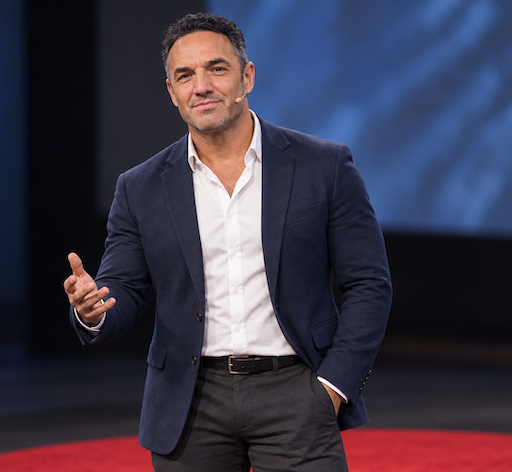
Author and Podcast Guesting Specialist for Corporate Leaders
2001 Founded mobileYouth16 books Published author250+ clients Served across 60 countriesUniversity of Sussex AI & Cognitive Psychology graduate
Graham Brown is an author and founder of Podcast Guesting Pro who helps corporate leaders, founders, and storytellers get booked on aligned podcasts and build thought leadership.
He began his career studying youth mobile behaviour and founded mobileYouth in 2001 to understand youth marketing and mobile culture; that early work serving clients such as Nokia, Vodafone, MTV, and Disney shaped his focus on audience insight.
Over time he moved from youth research into audio after seeing business leaders struggle to communicate authentically at scale, which led him to found a full-service corporate podcast agency and develop programs to train hosts and producers.
His route into podcasting combines formal study in Artificial Intelligence and Cognitive Psychology at the University of Sussex and Entrepreneurship training at Harvard Business School Online with decades of client-facing agency work.
He helps corporate leaders, startup founders, and storytellers find their voice. He leads Pikkal & Co, an award-winning corporate podcast agency, and runs Podcast Guesting Pro.
He previously hosted Asia Tech Podcast and previously grew mobileYouth to over 250 clients in 60 countries; his agencies operate from Singapore with partner studios across Australia, Austria, Canada, Croatia, Ireland, Sweden, the UAE, the UK, and the USA.
More from Graham Brown
All episodes → Office Hours with David MeltzerJosh Chodniewicz, Gary Coxe, Graham Brown | Office Hours #621Jun 2024Play episode →
 The High-Performance CEO ShowEpisode #76: The Future of Leadership: AI Innovation, Storytelling Mastery, and Human Connection with Graham BrownMar 2024Play episode →
 The Leadership Communication Show with Michael PipernoInterview with Graham BrownJun 2023Play episode →The Leadership Communication Show with Michael PipernoThought Leadership with Graham BrownJun 2023Play episode →
 Rise | Evolve Leadershipevolve | eps 50 | Graham Brown, CEO | Pikkal & Co.Feb 2023Play episode →
 Limit Break StoriesGraham Brown | The Power of Storytelling for Building a Strong BrandJan 2023Play episode →
 Coffee With CoachesGraham Brown - How the Science of Stand-up Helps Jumpstart Your Story | Conversations with Coaches | Boxer MediaJan 2023Play episode →
 Speak With PowerTransform into a Magnetic Storyteller with Graham BrownDec 2022Play episode →
 Coaching CallGraham Brown - The Digital Transformation of Communication & building your brandDec 2022Play episode →