
October 6, 2022
How Thought Leadership and Brand Authority are Key to Shaping Demand and Awareness
In this episode
Graham Brown joins Tracy Wilson to talk about podcasting, thought leadership, and how authentic communication helps build brand authority and demand.
- Podcasting as a way to build connection, not just create content
- Long term audience growth through consistent messaging and one listener at a time
- Finding the audience’s pain points and speaking directly to them
- Corporate leaders need guard rails and green lights, not scripted press releases
- Authenticity on a podcast can make a leader feel human and more trustworthy
Transcript
ShowHide
Automatic captions of the conversation. They can contain errors and do not name who is speaking.
Thank you hey good morning everybody and welcome to another episode of the unlocked show I'm your host Tracy Wilson and it is fantastic to be here with you guys today and I say that because I am very very excited about this particular episode because the person I have got for you today speaks my language he speaks all things podcasts and you know me you know I've been doing the show for I don't know how long now but I absolutely love it so anytime I get to
Speak to somebody else who loves podcasting and live shows and thought leadership and brand awareness as much as I do it really does light me up so I hope you guys are uh you know really into uh of course sitting at on the edge of your seat waiting to hear what uh what Graham Brown my special guest has to say today let me tell you a little bit about him because once you're here the people that he has worked with you if you're not already sitting
On the edge of your seat you're going to be so here's a published author on the subject of the digital transform nation of communication we're going to be talking a lot about that and his work has actually been featured in the financial times Wall Street Journal and he has helped really shape the communication strategies of some of the world's leading organizations and these organizations are you know big organizations such as Air Asia zero Vodafone Nokia Disney MTV Monster drinks and those are just to name a
Few the list goes on and on and on so he's a passionate Storyteller and he's leveraging his 20 years of experience through corporate planning Etc to be able to help other people just like you and I and corporate organizations find their voice with podcasts so without further Ado I want to say a huge welcome to Graham all the way from Singapore this morning and we did a little bit of a geography lesson uh just before we jumped on and I had to figure out where he
Was originally from so we'll see if any of you guys can recognize their accent and maybe you can type into the chat and let us know where you think our Graham is originally from welcome to the show Graham great to have you here Tracy it's wonderful thank you very much and I'm not from Wales or Northern Ireland wherever it was your guest I was I don't know if it was close I mean you only said it was like a couple of words right and trying to
Kind of grab that I was in the right vicinity so anyway giving you guys a bit of a clue not from Wales and not from Ireland but in that kind of vicinity so let's kick this off with um you know you've traveled the world a fair bit and that sort of has brought you to uh to Landing in Singapore and sort of you know um putting down some roots in Singapore and starting your own agency I'm going to tell me a little bit about how that
Came to be and you know why are you these days so passionate about helping people find their voice and share their skills information experience through the power of of podcasting thank you Tracy yeah I'm here in Singapore I came here four years ago to set up a podcast business which if you think about in 2018 in the world podcasting wasn't really a thing like it is now and especially you know if you're on the east side of the world it's even less so so when I
Came here in 2018 people were like you know why do you want to set up a podcast business why don't you get on YouTube and it was pretty difficult getting people to understand what podcasting was about in 2018 obviously the pandemic has helped a lot a bit of backstory to that I was in I've been in Communications all my life I was in a telecoms business in the early 2000s built that business sold that business and in 2012 was faced with a decision like most entrepreneurs
Like do you start another business what do you do so myself my wife and my son who was six at the time we decided that we would go travel for a bit and we bought a one-way ticket we flew to New Zealand your old stomping ground we flew to New Zealand one-way ticket and then traveled the world for just under six years or four years mainly traveling and then we settled down a bit uh living out of suitcases the reason why that's relevant to podcasts is
We were living on a an island just off Africa there's a group of islands in the part of Spain politically the Canary Islands they're like little volcanic islands but geographically they're part of Africa we were living out there and beautiful lifestyle very Spanish you know drinking coffee in the Sun and but as an entrepreneur myself I really enjoy that kind of list I enjoy this conversation you know I enjoy that kind of camaraderie you get with other creators and change makers and I didn't have that
On an island you know it's all beaches and palm trees which looks great but if you're an entrepreneur you really want that so I started a podcast this was in 2014 just to reach out to people and you know because I was lonely I wanted to connect with entrepreneurs and I started that podcast like some years later people got interested in podcasts I was moved from that place out to Okinawa in Asia and people started asking me how do I do this and that was the
Beginning of the podcasting as a business people were saying how do I do this how do I you know I've got something to share I want to talk to people I want to connect with people this was 2017. so that was the beginning when I thought actually hmm do I want to live on this tropical island for the rest of my life or do I actually wanna create something and it was the that sort of sticking in me that creating part wouldn't let me go so
That's what became a podcast agency I mean and how awesome is that that that that this kind of um forum for communication allows us to have the best of both worlds right because I mean you could be sat on an island with not very many people around but still connecting with people and that's the beauty of this what's quite interesting I suppose is you know if we've dialed back to 2018 when you know we're talking pre-pandemic we're talking podcasting was out there but not in the
Way that it's in now and I know you talk a lot about sort of this digital transformation and and what's happened over the last little while do you want to just give us a bit more of an insight into that like what have you seen has happened in this uh digital communication space over the last I mean 2018 what are we talking four years um yeah but A lot's happened in that time right so I want to give everybody a little bit of an insight into
That yeah there's about if you look at the data today there's five million podcasts and about 50 million episodes out on the major platforms apple and Spotify so that that's just really exploded and everybody says oh but everybody has a podcast now but when you look at it five million is that actually everybody because if you go all the way back let's go back to the late 90s and where we were with the internet so in the late 90s let's say it's 98 so 98 you
Know this is I don't know if you remember Tracy this was the world of Netscape Navigator and all that you know very very old school Internet Internet Explorer is probably the most popular browser back then that world very early stages we hadn't really seen Amazon blow up we hadn't really seen Google pick up you know take us back to that time think about how early early the internet was then there were five million websites in the world and today there are like two billion now if
You think about it when you ask me about you know that world of communication what is changing well I think people are realizing companies individuals like ourselves are realizing that podcasts are a much better way of connecting than what was there before you know if you are a brand or you're you know a large corporate or even a startup what were your options before you wrote white papers you sell out press releases you've got a buffer a trade show and all of that comes with firstly
It's a lot it's very inefficient and secondly you know all the time invested in doing that and thirdly you know is it really effective now that people aren't traveling so podcasts are a great way to connect with people both personally and in business and if you think about that then you look at the numbers five million well the reality is is that if you look at corporates and that's my space in podcasts what they're doing is that now if you went back four years it it
And compared them they're very different four years ago one brand one podcast today one brand 10 podcasts 20 podcasts so you have management consultancies that have you know maybe 10 podcasts and each one is a different practice a different vertical sector you know one might be Insurance one might be operations one might be you know they have their teams on these different podcasts so now you look at 5 million I think actually that's not a lot because the future is happening now and that future is
One company many podcasts you could have inside a company a hundred maybe a thousand podcasts you know every team every leader every project has its own podcast and it takes us all the way back to 1998 which is that people are realizing this is a much more effective way of connecting between it could be you know back in 98 a retail store and customers you know getting the opening hours or getting the directions but that's all happening now so you know we could have hundreds of
Millions of podcasts and it's happening that people are realizing this isn't about creating content this is about connection and and I think that is such a valid thing um you know to talk about because you know often if we look back in the past those big businesses were able to kind of spend the money they had the big budgets to be able to reach the audiences where nowadays with the power of podcasting you know a one-man band uh somebody with very little Budget King now starts
To compete in the same realm as a really big business that's got you know loads of money so I mean I think that's extremely exciting the other part that you know you're talking about here is that their ability to be able to communicate but realizing that you don't want to necessarily communicate to be all things to everybody and I think this is what you're seeing when you're working and we're seeing this with large corporate companies that are going actually that department can talk about that particular
Subject matter this department can talk about that subject matter etc etc and so that gives them the ability to be able to have multiple podcasts from the same business but speaking about a very different a slightly different topic that reaches a very specific audience and I think that's quite important and we'll get to that because I think that's a really important piece for us to understand when we're starting out in creating our podcast and making sure that we are speaking to a very specific audience and
Not to everyone speaking to someone rather than everyone and I think it's a really that's a really important factor the other the other thing that is quite interesting when we talk about this sort of the statistics and the data is you know five million podcasts but then when we break it down and you know people are creating their podcasts on you know daily or you know people are jumping into the podcasting space regularly however um I don't know if you've got any statistics or numbers that
You can share with us here but you know how many of them actually stick at it because I I think one of the things you talk about with your agency right is this concept of growing a lime tree you know it takes it takes time so maybe we can talk a little bit about that and and that it's not a strategy for uh almost a you know a one series type scenario you want to stick at this over time yeah well take your podcast for example
Tracy that you've published well over what 150 episodes now I'm just having a look yeah yeah yeah I'm looking at Apple 155 today so it'd be different when this goes out but you know that's all about consistency and it's all about putting in workflows it's all about you know making sure that you publish regularly you know the Cadence publishing you you seem to be publishing once a week you know very consistently that's really important because podcasting is a marathon not a Sprint it's all about long-term
Building your message building your audience one listener at a time now you've got to go into it that long term attitude and that's what pays off people get selfish people get maybe short-term focus when it comes to podcasting and they think I'm just going to create this thing it's going to blow up I'm going to get lots of visitors that's exactly like the attitude people had when you know the internet offered these this sort of fire hose of you know visitors and traffic to your website
It doesn't happen you know you don't build a website and suddenly you get lots of visitors you've got to then graft you don't write a book and then suddenly get lots of sales you've got to go and graft it's the same with the podcast you've got to create the podcast and graph you've got to publish it week in week out and back to the data I don't have the data to hand but anecdotally there has been research published on this something like 60 of podcasts on
ITunes or apple podcasts now have not made it Beyond six episodes that's the podcast that's the valid the value of deaths right uh-huh so many of them and the reason is is firstly the the podcast owner doesn't have an idea of why they're doing it secondly they don't have workflows in place those they often don't have a team of people around them because what happens is yeah you can do a podcast when you're motivated but if you look at Great content creators or great storytellers it's
Not about motivation a really good example of this is Stephen King the best-selling um Rider of all time you know non-fiction writer I know maybe JK Rowling's passed him now but Stephen King he said that every morning he woke up and he got on his old typewriter in the old days his typewriter and he bashed out 2 000 words in the morning whether he felt the love for it or not he did the 2000 words he typed them out and he 90 95 of the time
He took that paper and he scrunched up and threw it in the basket right and got rid of it but that discipline of just doing it every single day is what made him a best-selling author it wasn't oh today I'm gonna I haven't you know run an amazing novel I'm gonna write you know one of his Blockbusters it doesn't happen like that it's that discipline of showing up and doing the work as they say motivation is for amateurs and it's the same with podcasting it's the
Consistency that creates quality in the games over time and that is what wins in the world of podcasting is having those workflows to push out 150 plus episodes and then people say oh you know Tracy no no which Tracy oh Tracy she does unlocked ah yeah yeah I see that it keeps coming up on my feed keeps coming through and I see her doing this show this live show and it's like Bang You're Now the ex-guy in their attention and that's a really valuable piece of
Real estate and that's the game you've got to play long-term consistent patient but that pays off absolutely and it pays off big time over you know with that cons that level of consistency and just doing it over and over and being dedicated and I think the other thing that um you know often we miss in this because we think about when we're starting out hey okay well I'm going to create a podcast and it's going to bring me sales um you know and there's a big
Part of this that I think we underestimate is the amount of personal growth you actually get through showing up speaking you know and doing it um like you say on the grind we can week out uh it just prepares and it's and I just had this conversation with someone else around you know strengthening our grit muscle to to enable us to just keep going um so I think that is it is you know by far one of the best things it's the reason I'm a big
Advocate for uh you know for finding your voice and podcasting because it really does help you in so many other areas of your life not just in hey I'm going to get a few sales from you know going to get a number of sales for my business so so in terms of like starting out let's say we're talking to people who are thinking about I've got something I want to share like those guys that was said to you hey Graham how did you do that I've
Got some stuff I want to share and I want to be able to do a podcast what are some things that people should start thinking about right at the outset before they even push the you know go live button hmm who is the listener that's probably the number one area most overlooked by podcasters and to see that go to the world of radio now the interesting thing about Rodeo is that you know radio is 100 years old as an industry and they've always said it was
Going away it was always a sunset industry but it's always hung on you know it's always defied all the analysts and the critics radio is still going and the reason why radio is still going despite all the competition for ad dollars is that what radio is really good at is what podcasters don't do and that is that radio speaks to you and I knew an old radio hand an old host a sort of a grizzled radio DJ who had people contact him and write to him
You know like Community would reach out to him in the old days the mailbag and stuff like that you know when I worked in student radio and he would take a a photo he had this photo stuck on his microphone and it would be on air mic and I asked him like what was that I thought it was his wife or something and he said no no it's a listener and he gave her a name like Judy or something and he said like Julie sent me
This photo of her and so I stuck it on my microphone and every time I go live on there I talk to Julie like as if I'm talking just one-on-one to her and that really made me think because he doesn't do the show and say you guys you know like YouTube star who doesn't say listeners he talks to you so you out there he knows very well who you are who knows your name really importantly because that's you know if you look at the world of
Advertising they have these these Concepts called pen profiles which is where they Define the person they're trying to talk to they give them a name you know these are not just users or visitors and then they say the important part here is once you define the you that you're talking to what is her or his pain points what are the frustrations that they feel what are the things that keep them up at night what are the big changes in their industry that are really bothering them
Right now because once you speak to their pain once you lean into that pain then you have a reason why you're doing the podcast because you are there to speak to that pain and say to that person not I'm not an expert I'm no expert in this matter but I understand your pain and that's expert mode off empathy mode on I get it I've been there I understand what you're feeling you know you're a small business owner and you're struggling to you know get leads for
Your business I understand you because I've been there you know I was a small business owner you know I was hustling you know trying to do everything nothing coming in I get it I've been there and let me tell you what I think the solution is and that's where you have permission now to share content on the podcast so number one Tracy and a lot of people you know I've done hundreds maybe thousands of podcast episodes and I've gone into podcasts and you know I've just
I just want to do this thing right and I enjoy it but I don't think about who The Listener is and then you know many many episodes in I'm wondering why my audience isn't growing and the reason my audience isn't growing is because I'm not building a community like a radio show I'm not generating that commitment that people feel that Graham is talking to me therefore I'm going to show up for the next one or I'm going to go back and listen to all the old
Ones so start with you start with the audience Avatar and Define them name them what's their job roles what's their age what's their name what's their pain points what are the big changes and why are you the person to solve their problem why did I trust you and once you get that and once you put that front and center like you know you put that photo of Julie on your microphone now you can speak to that person and it that just gets everything focused because exactly
As you said earlier Tracy it's got to be something to somebody not everything to everybody and that person's listening you're listening and you're thinking are they speaking to me or is this for me if not if it's not 100 on target well you know five million podcasts we've got a lot of choice out there and that is quite overlooked as a starting point in the world of podcasting because it's very much build it and they will come attitude towards it but you can get a huge
Uplift if you get that right you'll grow your business organically and it's I mean that's that whole concept of show them that you actually know them like you know they're listening to you if she knows me she gets me she understands and and I think this this um you know medium that we have now with podcasting is we've got to remember that people are choosing to dial in and put us very intimately into their ears and usually when they're doing other things you know it's it's
Usually as they're they might be running they might be looking after their kids at home I've had a woman tell me you know I put you up on my phone as I'm doing the dishes and I'm you know trying to get that the house in some sort of order at 10 A.M in the morning you know they're listening and so now so knowing and understanding that these that you know the air our family our community of listeners are actually you know doing and going about their
Everyday life and trying to achieve whatever it is that your podcast uh you know says it's going to help them to achieve that's trying to absorb all of that at that time so I think it's it's important too like as you're as you're saying you know really understand who they are what they're about what do they value what are they even care or give a crap about what are they doing in these moments and that helps us to really formulate that um real and even for
The podcaster that intimate understanding of who we're trying to communicate with makes a really big difference I know the the next the next part of that which was kind of talked about is what do they want yeah so let's try to go down that path so we've established like who are they what are their pain points how do we know what they actually want from from the information that they're trying trying to to get from you Yeah you mentioned a few of the keywords here Tracy
Community is a big part of it that not only is that what they want but it's also a great way of finding out what they want that if you go back to the radio analogy you know if you've ever listened to local radio you know there's a great example of uh content medium where people are really struggling to find content you know they're digging around to find content you know they don't have the resources as well so they will talk a lot to the the community
And they'll get the community to contribute as well I mean if you sit in a taxi anywhere in the world I mean I went to Barcelona not so recently and you sit in the back of the taxi and the taxi driver at night it's got the local radio on and he's listening to people phone in and talk about Barcelona football club you know talk about what the manager's doing the latest game there's no actual game coverage on the radio it's just people talking about the game
And that's what people want they want that Community people want that connection that shared experience around what you're talking about and you're planting a flag for people and people are rallying around that's what you're giving them you're giving them that tribe you mentioned family you know they're a strong emotional connections here that's how you find out because you know insights are a function of the trust that people have in you right so people trust you they'll tell you like you say if somebody you know not
Somebody a lady messaged you and said that she was doing the dishes at 10. and you know she was listening to you and so she's described she shared a moment with you right and that's important because actually now probably the content is less important than the context of how you are connected and what it's about and I think people focus too much on the content side of things which is this isn't about content this is about connection this is about Community you know the total addressable
Market for loneliness is seven billion people in the world right yeah so if you can create something that connects people and you know why did podcasting explode during a pandemic yeah we start podcasting we want to connect what a great way of doing it that's what you want to give them what's really interesting Graham I was actually talking to somebody um had him on my show a few weeks ago and he was talking about the study that he had done and um it was around what
Do people value and so he got these really deep insights into what humans actually value and um that that uh belonging was number one so the sense of belonging and like you've just mentioned you know through the through the uh pandemic I mean podcasts did they they soared because people were looking for a way to be able to no longer feel uh isolated lonely you know it created not that it was a beach but you know you'd created that kind of isolation in our own homes
And we're wanting to feel connected to people and the beauty of podcasting allows us to do that and in a way that I think you can't do that sort of thing through print media you know you just can't have that same level of connectedness I know you talk about um you know authentic communication and and I want to explore that a little bit more because you know typically when you're I mean I know you work with a lot of large corporates and so how do you
Get a large corporate organization to to take their very um professional uh you know imagery and information and levels of communication and get that down to a point where it's really intimate and really authentic and why is that so important baby steps the answer here so let's look at what authenticity is and maybe we can understand it in the context of how corporations communicate now this is very easy you and I Tracy speaking like this because you know we're just being ourselves and we're not we're
Not our handlers we don't have a list of questions we can and can't discuss within reason that's pretty much we're in control of our own messaging but when you start taking that into the world of brand and corporate it changes you've got brand managers comms heads you've got marcons so they their role is obviously to protect the brand and understandably they are concerned about somebody going onto a podcast and sharing hashtag whatever and that blowing up because that does happen and we've seen that on social
Media platforms that's the the general level of lack of confidence in the platform because it hasn't been around long enough as a communication tool for companies and it was the same with the internet people were a little bit afraid in the early days of oh you know if I do this what's going to happen you know if we share content but that changes and generationally those attitudes change as well so younger people obviously come into the workplace and then they change this idea if you look
At how companies treat social media now it's very different to what it was 20 years ago where it's very much about control it was about listening you know everyone was keen on listening you know watching out for people complaining about your your airline for example on social media then getting on it straight away that's all changed now people still do that but the Zeitgeist of using these channels is connecting with people as opposed to policing people I think it's the same with communication as well is
That the attitudes will change you've got to give them what we call the guard rails and green lights which are basically the safe space that a corporate leader can play in and knowing that they're not going to say anything wrong on a podcast now the key here is if you rock up to a podcast and you're very corporate and people do do this is that they first of all everything's scripted and you know these are the only questions I'm going to answer and this is how
I'm going to answer it and I want to edit everything afterwards what you're doing is just effectively giving people a press release so why bother why do it in the first place you're giving nothing that I can't read on your website so why are you wasting everybody's time and that's the key because that's how corporations have communicated for a hundred years it's all been about efficiency because the least efficient part in that whole Communications game is the human being right in the whole factory model machines
Are very efficient but humans are the ones that screw it up right but you need the humans to do it it's the same with communication that's why we have corporate comms and PR because it's all about efficiency it's all about polishing it's all about making sure it's perfect but human beings aren't that human beings are vulnerable human beings make mistakes human beings are authentic so when a corporate leader goes on a podcast and say yeah okay we didn't get that right or we could do that
Better or this is what I think or this is Off Script people say oh actually this guy is a human being and I am going to forgive him or I'm you know he banks my good will for anything that they do in the future and that takes bravery you know it takes somebody to stand up and say I'm going to communicate listen you see brands do this all the time you know years before podcasting I saw Howard Schultz uh from Starbucks CEO um you know he
He stood up and said let's talk about race this was in I don't know 2004 2005. and he got absolutely pilloried in social media and and the Press like oh why is Starbucks the ones who talk about race but look at it now everybody wants to know what that company's opinion is on black life matters or diversity or inclusion or Dei or whatever it is so that's the point it takes somebody Brave to stand up and do this and you know podcasting is a great way
Of doing that because you mentioned the personal development side you can stand up and get it right you can go on stage because every single one of these podcasts is a stage you can go on stage before an audience practice your your content your storytelling and get the feedback okay the way I talked about you know our corporate take on that didn't work as well as I wanted to but I'm going to go on stage next week and do it all over again and improve on
It so I think it is baby steps it's doing it within a safe space But ultimately at the end of the day it takes a leader to stand up and say I want to do this and be brave you know put their head you know and face rejection put their head above the parapet and face rejection not everybody wants to do that in the world of corporate especially if you've been successful if you've got 25 years of experience in corporates it's going to be hard but
This is what people want now audiences want you know they want their leaders to come on these kind of podcasts like unlocked and and be themselves that's what we want now because people follow people not Brands right absolutely um I I mean I've got a number of other questions and I do want to go uh down these couple of Parts but you know in terms of um when we're I mean it's much easier for like you mentioned you and I to just get up here and
And you know just talk about our stuff and uh you know it takes this concept of thought leadership so I want to I want to talk a little bit more about that and how one creates themself as their own personal brand and also elevates their level of thought leadership so I know that there'll be people that are out there that are be crapping themselves like oh my God I want to do it like internally I know I've got something good to say I know I can
I know I've got some you know things that can help other people um you come from that place but something inside of you is like I'm scared to do that I'm frightened that I'm going to say the wrong thing I don't know I don't know if I'm ready to be chopped down like all of those things that you've um that you've spoken about and what I can say after doing this for from you know nearly 200 or well nearly 150 odd nearly 200 episodes is that
You do grow that muscle right that resilience muscle and be okay with it but um you know what what can people do to help build their thought leadership hmm yeah that's such a great question there's two parts to that really there's firstly like what is thought leadership and then secondly you know what can you do because you have to know what thought leadership is before you can do it and thought leadership really is not about title it's not about having a qualification anymore I mean these
All count but they don't count like they used to it's not about writing a book you know the days that you could write a book and become a thought leader are gone you know everybody writes books now that look at Amazon the number of books on it and people are giving can't give them away for free right that's the reality so the Landscaping thought leadership have shifted fundamentally in 20 years so we need to think about what thought leadership is before we start doing it and
Really thought leadership is you know are you that ex-guy you know what is that X in people's minds and probably the biggest way of quantifying thought leadership is Google search so if I go into Google search and I type in data science or I type in machine learning whatever it may be where do you come up on the results that's what defines thought leadership it's Quantified you can't game that you can't hire a PR agency and get yourself up those rankings it's all about putting in
The work now that's what thought leadership is it's not about a position that you hold which would have been the case oh you're the CEO of this big company a good example of that is take as we've seen recently uh uh Donald Trump ex-president of the US um was in a Twitter battle with Greta tunberg the climate activists 19 year old Swedish girl lady sorry and in that Twitter battle quite clearly Greta tunberg was winning so you had a teenager taking on the the president of
The United States and winning the battle for hearts and Minds about climate change that's thought leadership it's not about you know the traditional Authority it's about the attention that you have so if you have attention you are a leader and think about that attention is the new currency of leadership so if you have it you are a leader you either use it or lose it so if you have somebody's attention like if people are coming to you on your podcast and they're saying oh you know
You do this for me or that episode it really hit me here you have their attention attention is extremely valuable it's the most important commodity in business today you know the average person unlocks their phone 110 times a day that's the world that we live in right so if you can have somebody's attention whilst they're doing the dishes that's really valuable and that's what thought leadership is it's not defined by your position now to the second point Tracy you asked about how do we do it
Well it really isn't about facing rejection and this is the hard part there's no easy wins here think I I think about building thought leadership like stand-up comedy now I'm always in awe of those stand-up comics you know when they go on stage in front of the mic and it's just them they don't have a guitar to play and they don't have any kind of like PowerPoint presentations it's just they don't have any any sort of props they just go on there and they stand in
Front of like sometimes 10 people you know drunk or people heckling and then they tell jokes and I see these guys and I think wow it's like I'm really in awe of what they do because they put themselves on stage completely vulnerable you know like people shout at them and you know it's just them they can't hide behind you know they don't have like a pseudonym it's just them so that really is how you do it in that you look at for example stand-up comics how
They get really good and the key here Tracy and you talked about you know touched on the Imposter syndrome for a lot of people we all have it is that no comedian was born funny every single comedian that you see on stage whether you know you go back to the classics like Jerry Seinfeld or the model you know small modern ones like you know Kevin Hart for example you know on stage that is the result of thousands of hours that you haven't seen of rejection they
Get on stage they commit their content to the audience and then they get feedback that's what I call Agile storytelling which is like storytelling in a very agile way it's like commit get feedback improve it doesn't come day one you get on stage and I talk about the 80 20 rule in podcasting which is basically every podcast 80 of the material is what you've practiced and refined you know you've got your sort of content comedians always sort of do it in sort of jokes and sketches
Right so you've got all that content there and you 20 is like okay maybe I'll tell that story a little bit differently this time punchline's different or delivery on the language or the tone whatever and oh I didn't work it bombed you got there went straight over their head you know reaction and then you take that and you think actually how can I do that better that's how you get really really good at thought leadership is get on stage you know the great thing is you
Can get on stage in your pajamas right on the podcast get on stage face an audience you talk about the personal development that is what it's about it's about getting better as a storyteller because storytelling affects everything you know affects everything from you know all the sales you're getting now is the result of the stories you've been telling two or three months ago it's the Upstream that affects the downstream results of your business so that's how you create thought leadership get on stage practice face rejection
Get good get comfortable at being uncomfortable improve and what you see now every single thought leader out there you know you may think oh they're really confident they're natural they're not that's just practice and that is how you do it absolutely and I would say you know if you're worried about that go back and have a look at you know early days of people podcasting listen to and say their first episode and then listen to them now and that'll give you a real contrast and you'll
See it's a journey it really is and and again this this concept that you're talking about of like storytelling and I think that's the it's quite interesting right is that I think podcasting has really taken off because people are and it's like um reality TV people are so interested they want to know the real side of what's actually going on what is this person really about what do they do in their day what you know what um failures have they had and it's it's it's so
That we can feel a sense of normality I'm normal I I do those things too you know it gives you that connection when you talk about um storytelling in in this kind of world of communication how important is that and how does somebody sharpen their sword when it comes to knowing what stories to tell and then you you talked about like using some stories then getting that feedback being agile getting the feedback and going the way that I told that story didn't quite hit the mark
I need to kind of twist this pivot it a little bit and maybe I'll retell it and how do you know what stories to tell how do you then gather that feedback to know that I need to make an adjustment to that story um wow your questions are really spot on today Tracy uh what stories to tell I don't think you you'll ever know that off the bat it will uh you know there's a lot of cultural narrative now and again narrative is a story there's
A lot of cultural narrative now about find your why and a lot of people say oh you've got to find your why and if you look at it it says you've got to have this big overarching story about what difference you're making in the world and if you're not doing that then you know you're not really gonna do anything important and I think about that and think that's probably the most disempowering narrative out there that people have sort of absorbed without questioning it because if you
Look at people look at thought leaders and storytellers and you know anybody who gets on stage as a public speaker or you know the iconic Business Leaders like the Steve Jobs and so on they never had a why starting out they never knew what their stories would be they just knew that they wanted to do this they got on stage effectively whether that was stages you know literal stages or in front of investors or in front of their first employees or in front of clients or
On the media every stage is an opportunity to practice they got on stage and they thought well let me just start with this bit of content I'm going to tell you the story about you know how I graduated in 1995 and you know whatever the story is and then they get feedback and okay well maybe that's not a story that's not a joke that's not yet you know refined enough not funny enough that in the sort of stand-up comic World nobody has those stories it's just
Practice practice and I bet you this I bet you this and you know you The Listener me Tracy if you looked at your journey and you mentioned the word and I love that word Journey if you look at your work if you're look at your journey in life I can guarantee two things about it firstly it's a mess that the most interesting Journeys are always like a mess they're never a straight line you know you weren't the guy that excuse me graduated with an Aeronautics degree
And then went and worked for Boeing and then designed planes all his life because he loved you know as a kid little model planes nobody was like that that's like less than that's one percent of one percent the people who kind of all the stars were aligned day one nobody most of us sort of like oh well you know I leave University and I'm not sure what I want to do I'm gonna travel a bit and then you know explore and then you know things happen
And you know what happens is like 20 or 30 years later when you look back on it and you think actually lots and lots of different things going on in my life you know for me graduated with a degree in AI went and worked in Japan Communications telecoms podcasting traveled the world it doesn't make sense but the more you get out on stage and start committing that content to the world the more the world will tell you actually those are the dots that you can join
Here and you look at it think actually this does make sense I never had a why for this but 20 years on I can look back on it it makes like this cohesive narrative that I've always struggled with you know for me it's for example that my story is I'm a storyteller that's how I help Brands and that's where I started you know always telling stories always on a journey always exploring and helping other people tell stories whether it was with mobile phones or with podcasts
So I think the key here is that nobody has a story out of the gate and don't let that stop you don't let it disempower you because I feel people think they've got to have a finished book to have a story worth telling but actually the best story is a work in progress because you know you can gather your Merry band of adventurers with you on that journey and go off on that Rocky Road you know the path to adventure together and they feel they're part
Of it so that's and the second thing just very lastly regarding that is I bet in your story my story your story Tracer you The Listener is that in your story there was a scene in your life which is found in every single movie every single book and it's called The departure scene and that is a pivotal point in your journey where you left now leaving can be anything you can leave a bank to go and join a startup you can leave a country you can
Move somewhere new whatever it is you've left something in your journey and that has defined you because if you tell me the departure scene in your life like for me I graduated with degree in Ai and then went and taught English in Japan right it didn't make sense but it was my departure scene or one of my departure scenes right and through that you understand where did that person come from what's important to them or what did they leave behind and we get a really good
Sense of who you are and what you've sacrificed as well and I bet you The Listener has that departure scene in their life in your life right therefore if you've done that that alone is inspiration for somebody who needs to hear it you know there's somebody thinking um I'm staring out the window in my office in the bank thinking about some exciting fintech company I can work for but you've gotten that so tell me your story and therefore you have a story worth telling because you
Have an audience of one who needs to hear it you can change that person and give them a pathway moving forward and if you look at every single movie it's there those departure scenes every single movie has one you know the hero leaves the comfortable world like Lord of the Rings because I know you're kiwi like they leave hobbiton the the comfort of the Shire crosses the river so there's all often in a departure scene there's a physical boundary they cross they they you know the
Hobbits they cross the River on the the ferry and they get to the other side and they leave Comfort behind and they know once they're across the river they're committed that band of adventurers have to go on that journey together because now it's like who are we going to meet on this road what kind of perils what kind of guides what kind of mentors are going to show up that's the journey that they take but that scene defines the whole narrative so when somebody asks you
What do you do no don't tell them what's on your business card take them on a journey and great way of finding your first story is to tell them what happened when you left and I guarantee you're going to get one or two responses one is like um okay that guy is not interested in what I've got to talk about or they're gonna go wow tell me more and then you know like to your point Tracy earlier about speak only to those people where you mean
Something that's the person you want to speak to not the other one you're wasting your time with them because they go wow I want to do that too that's me they see themselves in your you know the story that you've painted or the picture you've painted in their mind they can actually transport themselves into that story and they go now as you say you're talking about you know you're taking them on the journey in the moment you know not at the end of the story when
It's off and it's wrapped up with a pretty little bow you're actually allowing them to be part of the journey with you and and a lot of people will say hey I want to get on that I want to get on that bus with you I want to go where you're going I want to do what you're doing how do I do that and and that's the that's the beauty of this right is that's been able to do exactly that for people and and I love
The fact that you're talking about you know because I think one of the big mistakes that we often make is that and I know I've made this in the past two is like how-to type of content you know and we're teaching people teach teach how to how to how to and we need to balance that with like you're talking about like weaving in stories that have a level of um inspiration to them that actually connect deeply with the audience because you know and understand them and
There may be a component of and this is how you do it um to to the actual story and the framework of the um you know of the podcast or the episode that you're doing which I think is really important and it's often something that I think podcasters tend to get or you know communicators tend to get wrong because we want to go down the path of teach teach Telltale uh when in fact we need to be able to bring people in on on the journey
And allow them to be part of that to to have a a more experiential uh you know learning experience with you yeah you mentioned the key word there Tracy teach like go back to your school I'm thinking of my school now school days they've many years ago but I think I mean you The Listener as well like think of those there's I bet there's one teacher in your mind that you could probably name them right now I'm thinking of Mr Davies and here is my um
Sort of a math stroke physics teacher did everything and what a boring subject that was but he made it so interesting because I even remember I can picture it now like being in the maths room and like all the kids and it was a boys school the boys there just kind of like leaning in you know and he was kind of standing on the table and he was I think at the time trying to explain the angle of incidence equals the angle of reflection you know
Like reflecting the light and it was kind of like it almost like you know trying to you know hang off the the light in the the ceiling but it was like you know I remember that now what 40 years on that's the craziness I think how memorable that was and how you talk about experiential how experiential that was he didn't do the how to I mean that was the that was the sort of the last ten percent he told the stories of ancient Greeks and you
Know those kind of crazy inventors and we were just like oh well I've got double physics now you know I'm looking forward to that because it's going to be stories and that's what I'm gonna remember and you think about it we always remember the stories and that is why you know as parents or you know in school with kids we tell them stories that's how people learn you know if you want to tell your kids um if you want to impress upon children the importance of
Hard work and saving you know if you look around successful people inside every successful person they've worked hard they've sacrificed you know the short term for the long term and they've saved whether that is investing in themselves like learning or saved money and they they won't spend Thrift and those are successful people you can't cheat that the fundamental physics of success right so how do we teach that to kids do we sit them down and do the how-to or do we tell them the story of
The Three Little Pigs because I bet you every single kid in the world in different cultures there's versions of that story Three Little Pigs and what does that teach you you know a five-minute story has taught billions literally billions of people the importance of sacrifice and of hard work and building you know those pigs that built the house out of stone the ones that are still with us the ones that wanted to play they got gobbled up by the wolf right kids and still today 50
Years on 40 years on it's here it's here we remember all of that so think about that is story is how we convey meaning and action to people once you've got people in on the story then they're motivated to learn oh maybe I need to think about investment or maybe I need to sort of start reading some books or maybe I need to do my homework that's when people think about oh what how to's do I need to do that right but until you have them
At that level of story there's no motivation to do it so I think we underestimate just the extent to which almost everything in culture is learned through story and almost all influence comes from story we think it's once upon a time but yeah maybe with five-year-olds but once you start doing it with 25 and 35 year olds it's still once upon a time but in a different format you know like this for example absolutely it's the it's the bridge that connects the now to the Future
And you know and when we're able to do that and they see oh that's where that's where I want to go we created something aspirational as you've then created the the desire to want to know how to do that and how to get there I mean this is such a I mean we could talk for hours and hours on this stuff because it's such an interesting stuff right I mean and yes we've been talking about podcasting and the power of and there's so many other things
That we could go down the path of in terms of you know um numbers and data and wires and how Falls and all of that sort of stuff but I think the keys out of today is that I believe everybody has something to share and when you share it you can impact if it's just one person you're saying if you impact one person at a time how powerful your voice your message your leadership can be in changing the world for you know for better we have
That power at our at our fingertips to be able to do this and your organization your company um and I'll allow you you know to talk a little bit about that based out of Singapore really does help corporate organizations kind of become real um provide that uh opportunity for them to be able to communicate very intimately with an audience that provides more you know opportunity for them to become real become part of the hearts and minds of Their audience but also obviously grow their business which
Is what they all ultimately want to do so I want to tell everybody a little bit about uh where if they're interested where they can find more about you uh your agency that helps people put podcasts together if you want to tell us a little bit about that and and maybe where we can find you yeah well I I feel like you did a better job of it so in terms of the description of what we do yeah I mean I you know if you want
To find out about storytelling podcasting I would go to my personal website which is grahamdbrown.com grahamdbrown.com find out about the podcast services that I help both corporates with but also individuals so I help individuals get onto podcasts so you know some people love podcasts a lot of people love podcasts but they don't have the time to start one or the resources so we help them speak on podcasts which get you on stage get you out there practice your story so that's one thing that I do
And also if you're interested in generally in storytelling I mean as you and I Tracy have talked on for a nearly an hour it's like you you can go really deep into this world I think people love stories and people want to know the techniques and the designs and the Frameworks to become a better Storyteller because there is a science to it as well so I share that as well on the website so that's me grahamdbrown.com or there you go guys so I've popped that at
The bottom of the screen it's running over the screen right now we'll also put it into the show notes Graham dbrand.com you can head over there and you can get more amazing stuff from Graham I think you guys um I certainly have thoroughly enjoyed this conversation like I said right at the beginning I knew I would because it would be speaking my language is is you know doing doing my thing um so I really enjoy that and I really do believe that uh you know podcasting
Live shows showing up authentically is absolutely uh the way to go to build your thought leadership and to create you know more uh opportunities for your businesses and it's going to be around for a very very long time I cannot see this going away anytime soon so that being said Graham I want to thank you very very much for your time um I've thoroughly enjoyed our conversation I actually hope that you'll come back again and we can continue this conversation further and talk about more podcasting
Fun stuff and um you know and for everybody else you guys know know that we go live on the unlock show Wednesdays and Fridays 10 a.m are our days that we go live I have amazing guests on the show and I want to make sure that you guys get the opportunity to really connect with them and you know do my best to try and pull out as much information useful information from each and every guest so that you the Lister can go away and actually Implement
These things into your business your family or your life so until we meet again which will be next Wednesday go and live your life unlocked because you know there is just no other way and I'm going to see you guys again sometime real real soon bye for now foreign
About Graham Brown
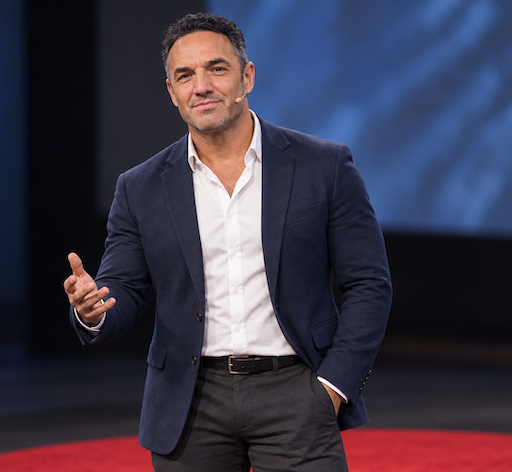
Author and Podcast Guesting Specialist for Corporate Leaders
2001 Founded mobileYouth16 books Published author250+ clients Served across 60 countriesUniversity of Sussex AI & Cognitive Psychology graduate
Graham Brown is an author and founder of Podcast Guesting Pro who helps corporate leaders, founders, and storytellers get booked on aligned podcasts and build thought leadership.
He began his career studying youth mobile behaviour and founded mobileYouth in 2001 to understand youth marketing and mobile culture; that early work serving clients such as Nokia, Vodafone, MTV, and Disney shaped his focus on audience insight.
Over time he moved from youth research into audio after seeing business leaders struggle to communicate authentically at scale, which led him to found a full-service corporate podcast agency and develop programs to train hosts and producers.
His route into podcasting combines formal study in Artificial Intelligence and Cognitive Psychology at the University of Sussex and Entrepreneurship training at Harvard Business School Online with decades of client-facing agency work.
He helps corporate leaders, startup founders, and storytellers find their voice. He leads Pikkal & Co, an award-winning corporate podcast agency, and runs Podcast Guesting Pro.
He previously hosted Asia Tech Podcast and previously grew mobileYouth to over 250 clients in 60 countries; his agencies operate from Singapore with partner studios across Australia, Austria, Canada, Croatia, Ireland, Sweden, the UAE, the UK, and the USA.
More from Graham Brown
All episodes → Office Hours with David MeltzerJosh Chodniewicz, Gary Coxe, Graham Brown | Office Hours #621Jun 2024Play episode →
 The High-Performance CEO ShowEpisode #76: The Future of Leadership: AI Innovation, Storytelling Mastery, and Human Connection with Graham BrownMar 2024Play episode →
 The Leadership Communication Show with Michael PipernoInterview with Graham BrownJun 2023Play episode →The Leadership Communication Show with Michael PipernoThought Leadership with Graham BrownJun 2023Play episode →
 Rise | Evolve Leadershipevolve | eps 50 | Graham Brown, CEO | Pikkal & Co.Feb 2023Play episode →
 Limit Break StoriesGraham Brown | The Power of Storytelling for Building a Strong BrandJan 2023Play episode →
 Coffee With CoachesGraham Brown - How the Science of Stand-up Helps Jumpstart Your Story | Conversations with Coaches | Boxer MediaJan 2023Play episode →
 Speak With PowerTransform into a Magnetic Storyteller with Graham BrownDec 2022Play episode →
 Coaching CallGraham Brown - The Digital Transformation of Communication & building your brandDec 2022Play episode →