
January 19, 2026
The Silent Impact "Loneliness" is having on Health w/ Nick Jonsson
Sound bites
Loneliness isn't just emotional. It affects decision-m, recovery, addiction risk, and long-term health.
In this episode
Nick Jonsson talks about loneliness in leadership, how isolation affects health and decisions, and practical ways to build social connection into a busy life.
- Self reliance and high standards can quietly isolate successful leaders.
- Loneliness affects decision making, recovery, addiction risk, and long term health.
- Social health needs to be planned, scheduled, and protected like any other priority.
- Group activities can create safer spaces for gradual vulnerability and honest conversation.
- Accountability partners help keep discipline healthy instead of becoming self pressure.
Transcript
ShowHide
Automatic captions of the conversation. They can contain errors and do not name who is speaking.
What's up, guys? Welcome to the Strength Connection podcast with me, your host, Michael Kowski. And in this show, I connect with some of the great coaches and leaders in the world of strength, whether it be physical, mental, or spiritual. Strength is often portrayed as independence, self-reliance, and being able to carry the weight alone. And in many ways, this is what gets people a lot of success, maybe all the way to the top. But what we're seeing more clearly now is the very traits that create success. Self-reliance, responsibility, and high standards can also quietly isolate people.
Recent research shows that over half the people in leadership roles report feeling lonely. Not because they're weak, but because there are fewer places to be honest, fewer peers who truly understand the weight they carry, and an identity connected to their independence that created this success on paper. Loneliness isn't just emotional. It affects decision-m, recovery, addiction risk, and long-term health. And yet, it's still one of the least talked about challenges in leadership and high performance. My guest today has lived this from the inside.
Nick Johnson is a global thought leader on executive loneliness, a best-selling author, a coach, and someone who rebuilt his own life after burnout and addiction by redefining what strength actually looks like. Nick's work challenges the idea that resilience comes from pushing harder and instead points towards connection, surrender, discipline, and purpose as the real foundations of sustainable strength. Today, we talk about what happens when success outpaces connection, why leaders struggle in silence, and how strength, when viewed holistically, can become something that sustains us instead of slowly draining us.
Thank you so much for being here, and please do me the biggest favor. Subscribe to the channel so you can catch more episodes dropped every single week. means the absolute world to me. All right, now let's get to episode number 315 with Nick Johnson. All right, and we are live. Welcome everybody. Nick Johnson, welcome to the show. Thank you so much, Michael. It's great to be with you. It's great to be be with you too from halfway around the world. I really appreciate you taking the time. Wonderful to do that. I love to be on the show and thank you for inviting me over to North America.
I'm coming over on a tour in April. Hopefully I see you in person then. Oh, I love it. That would be great. Yeah. Um, I've been I've been really uh looking forward to speaking with you, Nick. Uh, specifically about the work that you do, this topic of loneliness and isolation. Um, I think it it's one I'm kind of endlessly fascinated by because I think it is known more as being a challenge uh specifically amongst people you work with, people who listen to my show who are in either leadership roles or uh into their personal growth.
I think what I found like kind of most challenging with this idea of of loneliness is it still seems like there's even a stigma around the word loneliness. It's kind of like the word sad, right? Like nobody says they're sad, they're depressed, like we have to give it a diagnosis because it's almost like if you're lonely, it's like just something that you're kind of dealing with by yourself. But I think one of the challenges it seems is strength and success is often synonymous or portrayed as independence, self-reliance, um carry the weight yourself.
And I think the challenging thing is a lot of those qualities at the beginning of trying to build yourself up do work. Like there is some success you can get of being able to not have to have somebody motivate you. You're very self-reliant. But those same things that breed success at the beginning can also quietly isolate you. And the research of this uh states now I mean over half the people in leadership say that they're lonely mostly regularly. Um and I think it's also not a it's not just an emotional thing that affects the individual.
It also affects decision-m higher risks of addiction and long-term health are in here. yet it still seems like it's the uh a little spoken of all the challenges that are out there in culture. So from a big picture perspective, Nick, with being in this world for over a decade, what is the volume on speaking about loneliness as a challenge right now? Is it getting louder and people are talking about it more? It's still very much like not a big topic of conversation amongst people who are in leadership roles or in like the high performance world.
So it's still a massive issue with loneliness in the world. And while I was hoping that things would get better with the pandemic, we start to talk about mental health and so on, but no one really spoke about loneliness. And now as the comp competitiveness in the corporate world gets really tighter, there's less jobs around. There's more competitive people just withdraw and just work harder, work for themselves, want to climb the corporate ladder was the old game. Now it's just to hang on there. When they see the colleagues being laid off, why would I be open?
Why would I be vulnerable? Why would I talk inside the conversation? So people are isolating themselves, hitting the KPIs the best they can. So they're fighting for their survival and sadly then loneliness comes with that for them. Yeah. When did this I mean you've been doing this for over a decade of really diving into this topic. I I remember personally hearing about this a lot more of the challenges on more of a worldwide scale around about 5 years ago like when we all were forced to be isolated with COVID and the pandemic and the advancements of you know uh distractions like AI and not having to go out and connect as much with the world.
More people work remotely now than ever before. But that was about 5 years ago. Did you see this as something coming even before that time when you first started diving into this world? Yeah, so I started to really measure loneliness around 2019. So before the pandemic, I was writing my book Executive Loneliness and I surveyed senior executives around the world on how they feel about loneliness in the workplace. At that time about 30% were suffering from loneliness. So I would admit that they feel lonely and isolated in the workplace.
Then when I redid this survey in 2020, a year later when the world was in lockdown, there's no surprise that the numbers had doubled to 60%. So it did double during this time. Well, then now we are back together again and I'm writing my next book and I'm about to do get new data. But I'm out there all the time having these conversations and as I shared earlier because of the competitiveness in the workplace these days and all the layoffs, people are terrified and isolated in the workplace for that because once you see your colleagues being let go, why would you then be vulnerable and why would you open up?
So there is a huge loneliness in the workplace. And also what is happening is that with less people in the senior roles, people are naturally given one extra zone or one extra region just to maintain in the workplace. Some people will agree, well, we can let go of this person and that means that you're covering one more time zone. So people are working you know I know senior executives with global roles now who working sort of 16 18 hours a day and that means plus and minus then leaps into the the Saturday and the Sunday from one side of the the globe as well.
So they literally working around the clock because they taking on more roles. The company is saving money but everyone is just stretched to the limit and with that then you don't have any time. You don't have any office where you socialize with your colleagues and instead you are in global teams but the in meetings are no time. There's no time there for socializing or speaking. It's back to back for many. Yeah. Everything's KPIs and like you know metrics and stuff and not just you know basic just conversations that are going on.
Uh from there what are I mean when you started getting into this staying on the big picture of it what are the effects that you see like the longest levers that affect somebody when they are in this isolation feeling or feeling loneliness especially with people who are decision makers you know people who are you know very good at their you know performance and in their job and as I said like at the beginning I think we often think like this just affects a person's like maybe own mental health which is bad enough, but when you're responsible for other people, you know, from either uh employees or, you know, people you service, you know, in your business or even like your family, what are the biggest impacts that happen when somebody has these long stretches of isolation and loneliness?
Yeah. So, the issue is that at the core, we are social animals and we need social interactions. So if someone is not getting that in the workplace and if they working too long hours so they also don't have time for a healthy social life outside of the workplace i.e. a safe place where they can actually discuss the challenges and talk through what they are you know going through and the challenges they are facing then that means that they sort of almost like white knuckling through that you know they don't actually have a place where they discuss these feelings and as you shared also Michael indeed we're talking senior leaders here many of them are very strong and very driven and and have you know been driving hard for years but eventually the wheels will fall off right and that is what's happening happening to a senior executive.
So someone who's then grinding through this pushing through very hard focused on the KPIs at the uh to deliver and then if they don't take care of themsel then eventually they will typically find shortcuts to other coping mechanisms and we see huge amount of should we call them functioning uh drug users or alcoholics. Many senior leaders are using and abusing all kind of tools and with drugs and alcohol come prostitutions into into play gambling all means are coming in here and sex and so on as well which can be ordered online.
So people are finding shortcuts then to deal with this and it just becomes a nasty snowball effect basically and and that's what I'm dealing in and I'm picking up a lot of these people Michael who have been delivering really well perhaps 10 20 even 30 years in the work but now perhaps they are in the 50s you know and and with working harder and harder and coping less and less eventually they are crashing too. Yeah. How did this mission start for you? Was this a a personal thing that you went through in your own life or what inspired you to want to tackle this topic and look for solutions rather just rather than just information?
Yeah. So being born in Sweden, being a socially distant Swede as we are, we're pretty quiet people and also being an introvert on top of that and growing up in a family where we were hardworking but we never discussed our feelings. So naturally I grew up not knowing how to discuss uh my feelings. I also didn't really know how to have difficult conversations in the office. I didn't know how to put boundaries around myself. Basically, I was working really hard to deliver on the targets, impressing the bosses, doing what they told me, but I would not be able to share if it was something that really felt uncomfortable with me.
So, that's what happened then. So, 10 plus years ago in the corporate world, I was still getting bigger roles, bigger packages, delivering well, and I thought I was doing well. But as I look back at it now, clearly I didn't have the difficult conversation. So eventually actually I did burn out and instead of talking to someone internally in the organization instead of asking for help around this I resigned from the job and this was something that built up on my mind for one year basically I sign I wrote the resignation letter held on it to it for one year eventually I handed it in without a conversation and when they asked me Nick why are you leaving this job we have what is it that you don't like and at the time I was a GM of a medical service company in Indonesia.
They then said, "We have new roles for you in Dubai. Do you want to go to the US? We are growing. We need you in the company because you are a high performer. We want you to stay." And I couldn't even answer them. I was just burnt out. I wasn't ready to conversation. I just needed a break from that. And the issue with this is that it started with a tiny tiny challenge and problem in the workplace that I could if I would have raised it, they would have fixed it and therefore things would have probably been okay. But that is the challenge when we don't have the culture also when we haven't created a culture of psychological safety in the workplace and you have someone like me who wouldn't come forward unless someone asked me to discuss it then the challenge is there and that's what I'm seeing in many organizations for many leaders as well.
Yeah. What does I'm I'm fascinated always with words and how we experience them because I think a definition is one thing but it's also a personal feeling as well. So something like burnout that you said like feeling burnout. What was that experience like for you? Was it an apathy for what you were doing? Was it a was it more of a hopelessness? Did it affect your physical health at all? What was that time like for you? Yeah. So I remember the time u we had just really delivered well. We won some big projects and so on and now we were bidding on another massive project and I was in charge.
And during that time uh I remember that one of my weaknesses was finances and numbers. And typically as I took a senior role to that I was upfront with that already when I signed up on to a job. So they would have my back. They would the CFO would know we need to just make sure we give Nick the support he need. In this job though I didn't declare that up front. And here we were bidding on a massive project with me in charge. And at that time I remember some of my team members who were looking at the numbers and so on and one of them got sick another one was off on leave and so on.
So it was left in my lap basically a lot of the stuff in the spreadsheet that I was uncomfortable with was left in my lap during this massive tender and that really stretched me. So while I was already working to my limit, this perhaps tipped me over and that was all it took. Uh because I I I didn't dare to go to my boss and say, "I feel uncomfortable with these numbers. There might be some mistakes in here. Is there some other resource we can pull in to doublech checkck this to can help me?" Which when I'm looking at it now, it just looks so s like such a simple conversation to have that I probably would have gotten that support.
But because I didn't open up, because I showed I wanted to show and demonstrate that I got this. Don't worry, I'm I can do this. But then, you know, I I pushed it. I worked. so many long hours and it went on for weeks and weeks uh that I was lacking sleep and also instead of doing my normal gym workouts and instead of going for my runs and I was also doing triathlons at that time uh but I I just stopped losing interest in that because I was just too tired. Instead I went to the bar after work. I had a couple of drinks with my friends and those visits basically gave me the same effect.
I come down and relaxed a little bit after work and that became a vicious cycle. So that was really what happened when I started my fall. Uh so it was a combination of not speaking up, not being vulnerable, then working too long hours, reducing my exercise, increasing alcohol and with alcohol then came the unhealthy diet, I start to gain a lot of weight as well. Yeah. What it's I think so many of us can relate to that story of something small that you know is like a small thing that could probably be easily rectified if you just speak up but still we hold it to ourselves for fear of you know looking you know stupid or inept or like something else that's going on.
What eventually uh you know holding on to this letter for a year knowing like this is what you wanted to do but still couldn't pull the trigger. What was it that eventually um was that final step where you had to put that in and make a shift and make a change for yourself? Yeah. So the final blow was that my health was just going down and uh I was gaining weight and training less, exercising less and drinking more alcohol and with that I was just in a cloudy space and with that I start to become delusional you know suddenly I thought I could deserve better.
I can do better and uh I start to think I should be an entrepreneur again. I had failed many times before and that's what I did. So I I resigned and thought that you know I had all these massive opportunities around the corner but of course these were all opportunities from people who wanted me to invest money and uh so that's what I thought I should do and with that I I I found that the entrepreneurial journey can be even more lonier especially when you lost all your money there. Yeah. What was that time afterwards?
I know um you know Nick uh you know doing my study on you and your story um it was there's a dark time in there. There was a rock bottom piece you know for you and I know sometimes that is it's something you don't wish on anybody but often it is kind of like the blessing in disguise from there. What was that time like for you and what did it what did it teach you about strength that success never could teach you? Yeah. So during that time then after I left the job um I got challenged by ex-wife ex-wife naturally uh because I haven't even discussed this with her and it comes out of the blue that I resigned from this job.
So she's wondering what's on earth is going on here and she started to challenge me on this and obviously I couldn't turn it back. I couldn't have that conversation either. So I pushed her away as well and it wasn't too long before I also just sent her a res a divorce letter. So I resigned at the work this divorce letter for the wife and that was after 13 years marriage and same behavior again we didn't discuss this uh with a couple terrap we didn't seek any help it was just me pushing away isolating myself further into my world of fast food and and alcohol and drugs basically so with that I became even lonier and my and I traded you could say my gym membership to a bar stool at that time and just I gained about 60 and uh that was a very isolated place and suddenly my ex-wife moved back to Sweden from Asia brought our son who was 5 6 years of age at the time so here I was now in Asia an entrepreneur didn't know what where was my home and I I start to fail so once I stumbled down very quickly and start losing my money and so on and lost my health that's when I start to go down and all I found my my rest and peace in was really in more alcohol and drugs and that continued to spiral further for 2 years when I job jumped from job to job and fail at everything I did and that is basically when I would when I hit my rock button.
Yeah. What got you out of that? What moved you into the direction of where everything that you're doing now, what was the kind of pivotal moment that finally got you out of that and shifted you into something lighter? Yeah. So it was about 3 years after my resignation when I really clearly had lived almost a thousand year thousand days unhealthy and uh I just couldn't face it anymore. I was so sick and tired of being sick and tired that something had to go. Uh at that time I had signed up for life insurance written my will my testament because I clearly thought that if this continues I understood logically I understood that I going to die here.
uh I'm not sure if I can get out of this and I'm not sure if I even want to get out of this. So there were nights when I went to bed and I didn't really care if I would wake up tomorrow. So that was the state I was in. I wasn't particularly suicidal. I didn't make any plans to end my own life. I didn't have that kind of action in me yet I should say. Uh but fortunately at that time I had met someone who today is my new wife and we she started to talk about getting married and so on and she had no idea that I was going through a difficult time.
Yes, she could see I had gained weight and so on and and I wasn't the athletic guy at the time as I was when we first start talking. Um but with that I took the chance. So one day I asked could sit down to the sofa and for the first time then I started to speak out about my feelings how I felt internally. So that was basically the turning point and I would say I had a V-shaped recovery out of that because it's almost like that saying a problem shared is a problem halfed. And that is the feeling I had when we sat down for about 45 minutes to an hour and I just spoke.
She didn't speak much at all. She listened and fortunately she listened and and she took it in and she asked me a few clarifying questions and so on. And as I spoke for every word I spoke I start to feel better. And after that sort of 1 hour, she immediately dragged me in the arm and pulled me to the doctor and she shared my story what I shared to her to the doctor and he listened with empathy and gave me some medication and so on and and I was on my way and and basically from that moment on I haven't had an alcoholic drink because I don't need it anymore.
I needed a drink to drink and numb my feelings and emotions around this. But when I found another way here speaking to other people about it then there was no need anymore. Yeah. And that was I believe May of 20 2018 was that time that this happened. That's right. So it's come seven and a half years. That's that's great man. The congratulations. What was that? So the first step was just opening up and sharing this with another one. I love that quote that you said like um you know was it like a problem? I think that's really powerful um with that.
And you know there there's an expression that we know of uh Nick where we say like oh it's a weight lifted off your shoulder. I always think that's a fascinating term because like emotions carry weight. Like when we suppress things and we hold these things in, we think that I think especially too as as men um there's this almost nobility we think of like holding ourselves in. I used to call it the mask. Um, you know, in my own time, I was in a spot about 9 years ago when I was in a my dark time of trying to get out of a space and I would see old pictures of myself and I put this smile on and it would be like a mask and even like old comments would be like, "Oh, you look awesome.
You look great." And knowing myself like I was, you know, killing myself inside from this stuff. But it's so it's still fascinating to me how we can put on this mask and portray out to the world that everything is fine, everything's good on paper, and if you're doing well, if you take a shower, you put on the suit, and you on paper everything looks good. We can portray out to the world everything's fine, but internally like eventually it's going to catch up to us. Absolutely. And I I have a picture of myself a few days before I was opening up uh to my wife I'm married with now when I'm sitting on a bar stool with that fake smile and I'm looking at it now and I cannot stop laughing because it's so fake and I call it in my book a smiling depression.
So just like you Michael what I learned that if I just smile on pictures and to people and I say everything is great then no one will question you or push you much harder right they will not go deeper and we are so good as humans to mask this because we are so scared to be exposed when we are in that space and when that is actually our saving we if we are just exposed and if we all we do is speak up we we sort of as yes as I shared a problem shared is a problem half that can start but it is that moment and I call it also in my book the first step surrender.
It's that surrender stage to stop that protection and start actually releasing it. Yeah. I want to get into the five steps here. Um one thing I want to ask Nick from from your book from all the work in coaching and speaking that you've done on loneliness. What is the most what is the thing that most people misunderstand about loneliness specifically for people who are high performers who people who are on paper look like everything's going well like what are the common misconceptions about what loneliness is and how impactful this is on somebody's life.
Yeah. So I think the the big biggest misconception here is not understanding how important it is to address it and we need to do this on a daily basis and I like to compare it with physical fitness. So for us who train and unfortunately now I I I do some exercise every day even if that's on a rest day is to go out for a walk or hike in the jungle or whatever I can do. H I still move every day or go for a swim or something. I still move every day and that makes me feel great and I understand that my body need it and I can feel a day when I don't.
I like to look at loneliness in the sense of social health. So we know we are social animals. So we need there for social health also. And I believe we need it every day. And I learned this that I must make sure that I get my social health every day. And that means for someone who's a busy executive or entrepreneur that we need to schedule it. We need to plan for it. we need to be intentional about it. So that means if you're going to work 14 16 hours, you got to make sure that inside that block you also have some social health, some social health related conversations where you are vulnerable, where you are speaking and so on, you're connecting with people.
It just has to be uh one way to find it. So what I have to do than a busy entrepreneur these days is I combine it. So I combine my bike ride. don't cycle by myself, then go with a group, go with a swim academy, have a coffee with my swim academy after because I might not have time to both socialize and do my swim. So, you got to combine it. And for someone who's busy, it's about then really making sure that that happens. sign up for those things, have it in the calendar, get that break and and so that is I think people are neglecting that because they're pushing and driving hard for the targets and grinding it through and ignoring then the social health as I like to call it and that's when things go wrong.
Yeah. I think there's such a power too of connecting that social aspect to something that's positive too, right? I think the the olden days are still there spots where like if you're going out with friends, you're always going to a bar. There's always like an alcohol or food involved and stuff, but instead like going for a bike ride in the in the states here, run clubs have become very big for just gatherings like attaching it to also something that there's a a physical benefit to it as well. I think connecting those things together like it's just it's you know not just good for the for the spot but I think it can also be um like a branch to other avenues of connecting to other you know things and the more positive of the of the activity that you're doing I think the more positive it might flow into being allowed to be more open or actually talking about the things that are you know ch are or challenging you as well I think there might be a pairing to as well what do you think of that Yes, absolutely.
And I mean, so the first is to carve out the time to do it. Understand that we need social health every day. Uh even if that's just an half an hour, uh ideally a little bit more. Uh but then it's also about coming to these social settings and learning to trust some people. We don't have to open up and share our secrets to the whole group and everyone, but we can find one or two people in our running club or group who we see that we have something in common with and we can step by step layer by layer getting a bit more deeper with the conversation being a bit more vulnerable asking some deeper questions and then disclosing something about ourselves so that we are also using these places as our safe spaces to share what's going on.
So rather than rushing away from the office after the stressful day to a bar uh and just to drink to relax and not sharing anything, go to a gym or go to a club then where you meet some people and if someone is asking you how you are, take the opportunity to share a little bit about your day to see that rather than bottling up those feelings and emotions of stress, you can actually release it. And I believe we need to release them every day. And if we don't find them there, think about the safe space that where you can release it.
And there's a reason why it's called talk therapy and that is exactly for not bottling up. Yeah. I think I'm I'm curious. It's like with specifically with people almost like afraid to be vulnerable or speak these things out. I wonder have you seen with especially people who are in you know powers of decision-m and stuff like thinking that is it they don't feel like people will like understand what they're going through or do they feel like if they say anything that has some vulnerability like the floodgates are going to open up and then they're going to spill on everybody.
Like what is the challenges that you've seen from people who maybe are lonely, maybe want to have these things but don't know what steps to take? Like what is going on with the with the common individual when they're faced with the challenges like this? Yeah, I think there's a big fear around that. People think that they will not be able to keep the secrets and so on. And I believe if if that's what someone has on their mind, then there's a lot of professionals there. There are coaches, they're terraps who are confidential.
So we can have these conversations uh in a confidential setting. So our anonymity will be not be disclosed but there will also be people uh everywhere in the world who we can trust. We just take take it step by step and open up a little bit and feel if this feels right. And that's at least what have worked for me these days. I'm very different from the closed uh introverted Swede who never shared anything about my feelings and what's going on. And I take the chance as soon as I feel something is not right to write it down, think about then who can I take this to?
Who would be the best person to talk to about this challenge? And we can also take it to a group of like-minded. So in in the example there of alcohol, I when I finally took ownership for that, alcohol had become a problem because I used it to medicate myself through the period of my dark times. Once I took ownership for that and indeed went into that meeting then uh I met other like-minded uh at that particular group I joined was senior executives who also had pre jobs with a lot of pressure and there were people there who have not had a drink for many years who were there to support and I didn't feel judged uh I didn't feel blamed for everything I felt understood and that is what I needed at that time and the whole world is full today of these recovery communities there's something for everyone everything from drugs, alcohol, sex addiction, gambling addiction.
There's even now uh anonymous groups for private bankruptcy. It's also a group for um companies if your company go bankrupt because there's stigma and shame around that. So, it's an anonymous program around that. So, there will be support for everyone. Yeah. And I think food addiction is another one in there too that's not spoken about as much, but it's like it all if it's suppressed down, it's going to go into some sort of vice in some ways. And more often than not, it's going to go into uh something negative rather than something that's that's vastly positive from there.
There's five steps of holistic leadership that you've uh spoken about a lot and I want to dive into these a little bit more because the first one is most fascinating to me, which is the topic of surrender. Right? It's surrender, connection, purpose, goals, and discipline. But surrender is a again a very interesting word to me because I've struggled with this and had a lovehate relationship with this in my life. um kind of viewing that word often as threatening, like if I was going to let go, then you're going to lose your edge or you're going into complacency or it's like the things that got you to levels of success and got you some pride and and some some power or whatever it is or strength.
If you surrender or let go, there's almost like a stigma in your own mind about that. What is the word surrender? What does that mean to you and how does that work in practice as well as theory? Yeah. So, surrender uh is a word that I learned in the world of recovery. It's a powerful word that is used in all the recovery programs in the world and it's it's not by giving up but it is by letting go. It's by letting go of the things or people or places that don't serve us anymore. uh so it's just about taking some ownership around the things that is not working for us.
So in my case it was keeping secrets it was alcohol, it was medication, drugs, it was those kind of things that I had to surrender. uh when I do workshops now with teams uh perhaps no surprise that uh once I shared my story and asking them to write down a journal what are some of the things that they need to surrender on top of the list for everyone of in the younger generation will be social media digital devices because they admit fortunately that they are addicted to the devices many of them are sleeping with a mobile phone on vibration under the pillow uh and so on right so uh it is about having a healthy conversation.
What are the things that actually are dragging you down? And f the first step on surrender means that at least just list them out and just be curious to explore releasing them. Uh that is how I see the first step of surrender. Yeah. Well, I think it's it's powerful. You know, in pretty much every major religion too in the world, uh you can debate about every one, but each one a main topic of it is letting go. And I think letting go of the things you can't control. And there's an element of faith and an element of trust in that.
And when you do lean into that, whether it's metaphysical or not, like there often is that lightness of your shoulder. And I think specifically with people who are high performers, who are deep in personal growth or on the climb up of what they're aiming to do in their life, we're often more like much deeper thinkers. We overthink and think things through a lot more. And when you get so deep into your own mind, you think that you can keep control of everything as well. And if you're trying to throw all the balls up in the air, that's not juggling.
That's just trying to catch every single one at one time versus knowing how to juggle means sometimes one goes up in the air and you're holding down on another one. And that's always how I I viewed surrender at the same time of like just that aspect of letting go and kind of trusting that things are going to work out the way that they're supposed to. And it also seems like when you do that in the right way, it does open up your energy into the things that serve you more. Um so you actually become more efficient at the things that you want to be efficient as just because you've lightened up the back.
Absolutely. because they will take so much energy to for you to engage in whatever you are uh what is letting you down here. You're spending so much time and energy perhaps money and wasted opportunities because it's almost like if you think about your wardrobe if it's full then you cannot really buy any new clothes and put in there. You got to remove something first to give space for that. So that's why I had a session online yesterday to kick off the year here. uh and it was about you know setting goals for the year and so on and making 2026 exciting but I had to start by asking okay what would you like to remove what did you carry in 2025 that was dragging you down what can you surrender what can you leave behind and so that you can move forward in a more positive and energetic way in 2026 I love that I love that one of my best friends um three years ago asked me the question at the end of the year what are you going to let go of cuz I I was just going over everything of like this is what I want to do, this is what I'm going to add and kind of paused me and said that kind of same thing and it's a life-changing thing when you really take that to heart going into uh connection as well.
Um, we talked a lot about that as throughout this podcast, but one of the things you spoke about and was measuring connection within your company or community as well as like cuz there's always KPIs like you know all your metrics and stuff but how do you in a group setting measure connection the same way that you would like performance metrics? Yeah. So with connection I look at it at three levels. First is the connection with ourselves, then it's the connection with other people, and then it's the connection with the universe or power greater than our self or whatever you want to call it.
And so we got to address oursel first. And in my case, I clearly had lost the connection with myself. I I I really was off the rails. And I had to address that. I had to really fix that connection with myself. And that that happened after I then had surrendered. And after I started to speak up and take ownership for my stuff, then making amends and setting things right, then I could start to, you know, respect myself again. The shame, the guilt disappeared. And I think we there's something to it saying that we we need to love oursel before we can love others.
And you know uh if we cannot look ourselves in the mirror uh and because we done some stuff that we know is not right and we don't do everything we can to set things right then I think we we're never going to be able to look ourselves in the mirror. So that was the first step that I I looked at and that's what I recommend to everyone as well. Michael, how do you um think people should do that while like connecting together? Is that like a week like a weekly connection thing? Like is that just like you said like scheduling time to kind of verify this and connect with others?
What's a good approach to cuz everybody who has never done this before and wants to do it is probably going to suck at it right off the bat, right? Like you need verific you need help like kind of doing this. What do you feel is the best way to um kind of support each other with this common venture? Yeah. So, I'm doing a lot of work with men one-on-one these days, and I say we cannot just be thrown into a group setting right away. It can be quite overwhelming. So, when I came into the world of recovery for my alcohol addiction, I remember sitting way in the corner in the darkest spot and I didn't say a word.
I just felt overwhelmed by having all these people. I could listen and that was already fruitful, but I couldn't speak up in there. It felt terrible. I could mention my name but not much more. And so what I do these days, I work one-on-one typically with men, some women also by really letting working them through this phase and you know making the first step so they get over this first hurdle and have a better connection with themselves only after when we have achieved this is the group setting and I run also men's group now but I also recommend all the groups I shared today it doesn't matter what addiction or what struggle or challenge or if someone want to be in a group setting as a running club or whatever it is, you can work on your connection there as well with other people.
So, it's just about finding and mapping that out for you. Uh, but first by yourself, then in group setting, and then it's about being a little bit more open, a bit more vulnerable, a bit more trustworthy, and a bit more intentional. I say that we can prepare for a group setting almost like we would for a business meeting. We can think, okay, I going to come to this event today, this social setting or this running event or this group. These are the kind of people I want to meet today. These are the two three things I will share about myself and these are the questions I will ask.
We can have a little sheet in our pocket with us and at least being a bit intentional and think it through what should I do today to grow. Mhm. Are there is there anything specific that you look for from someone speaking first one-on-one to kind of get out before going to kind of a group setting with this? Are there specific kind of metrics that you look for to make sure that like you cover in more of like a one-on-one setting before kind of entering into a group? Yeah, so I mean the benefit I have because is that I live this and I'm trying to be a bit vulnerable first with anyone I speak with to build a rapport.
People feel safe when they are with someone who's been there before. So if someone is going through burnout or addiction now, uh I was there 10 years ago and I I'm still alive. I'm still here today. So that's some proof that I managed to go through it and that is what they want to see in here first. So I think uh uh the worst we can do is put them on the spot and asking them some difficult question right away. They will run away. So typically I share a little bit for even for five minutes in a conversation about what I've done and then I'm asking them some open questions so I can relate to them and and so on.
So the the first hour I have one-on-one with someone is almost just to build that rapport and so on. But then it is to leave the floor open and ask them some questions. So share you know what are you going through? What are your challenges today? And and just for them to vent and many times that will be the first time when perhaps just like my wife now was my guardian angel who I opened up to. I have done that with many men and I know for a fact over the last few years that I received over 20 messages from men who say that they are alive today because they had a chance to share with me because they were going down the path of thinking about ending their own life.
And I received my last thank you note actually on Christmas from one man who sent a very emotional note saying thank you for giving me that safe space and for speaking that out. And he just like I'm thinking when I'm looking back at it, he cannot understand how his brain could talk him down the path and I understand where he was. He's now three years on the other side of that and it's almost like he's looking at an external event back to that. Yeah. You know, and it's like it's it's so beautiful to hear something like that.
At the same time, it's so tough to hear that because you realize how many people are so close to breaking like that. And fortunately for for these people, they found you and uh could connect with it. But it's it it is amazing like just a little bit of like that opening of just sharing. And I think it's you know sometimes too it's like you don't often I think maybe people will jump right to their spouse and like dump everything on their spouse for it. Maybe that's not the best person to throw everything at, right? It's like having different people to connect with about specific things.
Like I know I have one friend who like anything I'm dealing with in business, we chat all the time because I know that he's going through a very similar thing. Like that's what we dive into and stuff. So maybe sometimes having like you don't just need to dump it all on one person. And like a professional is perfect like you who's done this, but like if you're looking for just a social group as well, not everybody needs to be all things for you at times. Maybe you can spread this out a little bit at the same time. Yes, absolutely.
And definitely we are fully aligned, Michael. And the recommendation is not to any of the listeners to go and dump everything in the in the spouse lap. That was just uh it was just fortunate that she was the right person at the right time for me. many times that could have been gone badly wrong. She could have left right away and never seen me again and I might not have been on the show today. Uh the fact that she indeed took me to the doctor and actually right after the doctor uh she also dragged me over to a friend of mine uh from LA who' been through something similar a few years earlier who had gone through it and I got the help I needed and from that I was in the recovery program.
So it went uh full circle for me in a positive way. uh but indeed most of the people I'm talking with today is first have this one-on-one conversation with me and then we map out what are the challenges they have if it is eating disorder or sex addiction or whatever it is I can join them as a sponsor come in on the first session with them and these meetings are happening online around the world every hour so it's just about mapping out what are the challenges this unique person is facing and then find that safe space for that person and there you can have the connection with others and only after you have the connection with others.
I say now let's also look about the universe. You know it's about for many entrepreneurs who are successful senior leaders it's about the deflating the ego perhaps just to admit that perhaps we are part of something bigger that uh we are pretty small human being at the end of the day and there's something bigger out there. If we can just accept that that will also help us. I love it. Yeah. All right we've got three more I want to make sure that we cover. Um so purpose. purpose. I think it's often talked about in such an abstractbased way.
Um, how do you help with people and leaders reconnect with purpose in a kind of grounded non-cliche way? Yeah. So, I say that we can have many purposes in our life and for most people I work with, they have made work or their purpose and they're good at that. I said no need to give up on that. We just need some other purposes, some meaning in your life. So what I do then is map out you know what are the things that really gives you positive energy and so on and uh I worked with John Maton who was the coach of Steve Jobs his last year before he passed away and I have all those tools and I go through that journey myself and is it by looking back already at your childhood what were your hobbies what were your passions and digging these out and be curious with them having conversations with anyone of your relatives who are still alive who saw you as a child as a teenager and so on perhaps before you you touched drugs, alcohol before you went into working too much and digging these out of the closet and engaging those activities again and then mapping out some of those purposes and doing more of those activities that give you that positive energy and some it must include giving back to others as well.
That's basically how I work with leaders on purpose. Love that. Yeah. I think we we often mistake purpose for goals. um you know where it's like specifically if you start doing getting into something and you see some success with it and you're serving some people like oh my purpose is to drive XYZ and stuff but I'm glad that you you talked about that of purpose there's a deeper connection to that from it encompasses things that you love like hobbies it's also service to others but I think that's a really powerful frame that you worked with there Nick um with goals goals is I think a little bit more familiar territory for people but when We're talking about doing it not from ego or validation where it's not like an isolated type thing with gold.
How do you approach kind of focusing on goals in this kind of next venture and next stage of your life? Yeah. So most of the people I work with mainly men then have been very good at goal setting setting KPIs for the business hitting them and sort of gify the workplace and done that and this even has the vision the mission the purpose everything is there now say great you know how to do that you've done this 10 20 30 years now let's bring that across to your personal life as well uh and then the way I look at it is at the wheel of life all the eight areas of our life where we have not only business and career.
That's only one part of your life representing then 18 which is uh 12 and a half%. Then it's also at looking at finances, health, family and friends, romance, personal growth, fun and recreation and physical environment. So if you look at life like that and then set goals for all those eight areas of your life and then track and measure that then you have that life balance there. So that is what I do for myself and I have about 67 goals as of now across those areas and I look at these uh on a daily weekly basis making sure that I'm on track and if because if we don't have a goal for our romance for example 20 years into a marriage we're naturally going to start taking it for granted and before we we we know it the partner might have found someone else else around our back right so it's in all our interest to look at these goals.
Yeah. How do you approach that with I mean with you know 67 goals in there it's difficult I'm sure to be on track with each one of them all at the same time. How do you approach like making objectives towards one that maybe have fallen a little bit off the wayside or um managing through each one without also putting own self pressure on that to like over stimulate yourself and try and push outcomes faster than they really need to be. Yeah. So it's about progress over perfection there and it's basically it's my road map and guidelines and there's nothing such as a failed goal.
It just means that we can you know renegotiate a deadline and timeline and things change and so on. But at least once I gone through this and just by talking about those with my coach setting them down having them written review them and so on I have them in my head now because of that right. So when I go to bed and when I wake up I have the clarity I know what I going to do. I know what I'm excited about and for someone who struggled with alcoholism and drugs and so on, I need to make sure that my goals are so exciting across all the areas of my life.
They are more exciting than going and have a beer for me so that I don't relapse. So I don't believe in white knuckling oursel through whatever vices or challenges we have removed from our life. I believe making this the life so interesting and so much fun so meaningful and that is why you even have fun and recreation as one part in there. I work with so many senior leaders and when we spend a full hour on what would be fun for you in 2026. What would you love to do this year that you had on your bucket list for 20 years but didn't happen and they start pouring out things.
People will say oh I always wanted to be at the Wimbledon final. I want to go to Melbourne to see a Grand Prix. I want to go and ski in Aspen and all these kind of things that they talk about, but actually putting that down into a goal, having a commitment uh to do it. Then before you know it, you get that selfie, you know, from from them sitting at the Wimbledon final with a big smile. And that's the kind of life we want to live. That's the balance that we're looking for. I love that. Yeah. Well, because if you if you want to get rid of something a specific an addiction or a bad habit or something like that, you need to figure out a solution and something that's going to replace that in an exciting and more positive way.
Otherwise, it's just a void that you're just trying to white knuckle through as you mentioned right there. Um, last one here that I want to dive into, which is discipline, which is another one of those words, um, Nick, that I think there's a yin and yang to it. There's such positive because it can discipline can either heal you or it can also harm you. How do you distinguish between healthy discipline and destructive self-p pressure of going too far? Yeah. So I first of all when it comes to discipline I love all the kind of books like atomic habits and so on.
It's about breaking it down small bits and pieces but then also I really believe in accountability partners. So, if we're talking about running and you want to run a marathon, yes, join one of the running clubs and have them as your accountability because naturally, if we put the alarm at 5:00 a.m. to go for a run, it's not so easy sometimes in the dark by ourselves. But if we belong to a club, then it's easier. So, make it fun, make it interesting, and the right accountability. Uh I'm writing my second book this year and I have a good friend of mine uh another speaker who's also writing his book and we made each other our accountability partners.
We basically set notes, we set deadlines. We're going to have a catch up once a month to hold each other accountable in a fun way and share then on these calls what are the wins, what's the best practice and also what are the challenges that we go through. So we have that as a safe space to voice them and we can do that about any project that we set any major project that we set for this year. We can have an accountability partner that we feel safe with. So it's not about putting too much pressure on ourselves as well.
I love it, Nick. I love it. Um Nick, this has been a blast. I really love connecting with you. The work that you're doing with your business, with the book and everything. As I said at the beginning, I think this is an important topic that needs to keep being talked about and uh addressed because it's one of those things that often goes to unnoticed for a lot of people who look like they're doing great on the surface but are internally and secretly really getting challenged. So, I really appreciate you taking the time today, Nick.
Thank you so much, Michael. I really enjoyed being on your show. Absolutely. If people want to check out more of your work, uh, where to follow your book, what's the best place that we can go and direct them? Uh, nick johnson.com and it's n i c k j o n ss o n.com. That would be the best. Thank you. Perfect. Awesome. Nick, thank you so much for your wisdom, for your insights. Listeners, thank you so much. I will catch you guys on the next one. Peace.
About Nick Jonsson
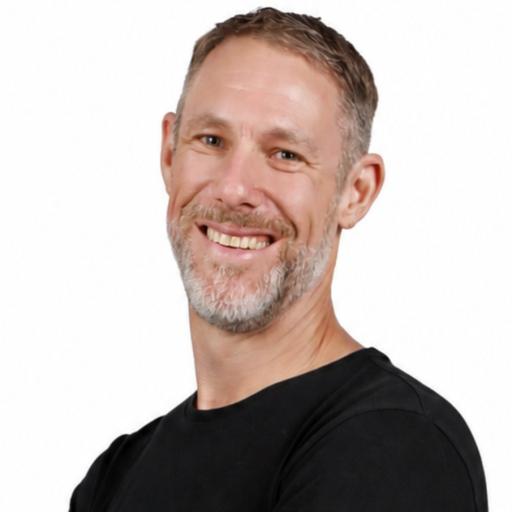
#1 Global Thought Leader on Executive Loneliness, International Bestselling Author and TEDx Speaker
900+ EGN Southeast Asia membersTop 2% Ironman athletes worldwide2026 GHP Most Empowering Mental Health Leadership Advocate#28 worldwide Global Gurus Top 30 Coaching Professionals
Nick Jonsson is widely recognized as the world's leading authority on Executive Loneliness. His pioneering work has earned him a dedicated Executive Loneliness Wikipedia page and international recognition, establishing him as one of the world's most respected voices on leadership, vulnerability, mental wellbeing, and authentic connection.
Ranked #28 in the world among the Global Gurus Top 30 Coaching Professionals, Nick is a TEDx speaker, international bestselling author of Executive Loneliness, Professional Certified Coach (PCC), Certified Master Coach (CMC), qualified Counsellor and Psychotherapist, facilitator, and certified Team Psychological Safety practitioner.
For more than two decades, Nick held senior international leadership roles, leading businesses and high-performing teams across Asia. From the outside, his career reflected success. Privately, however, he struggled with burnout, alcohol addiction, and overwhelming loneliness - experiences that ultimately became the turning point of his life.
Rather than allowing those challenges to define him, Nick rebuilt his life through recovery, vulnerability, discipline, and purpose. Today, every keynote, workshop, coaching engagement, and counselling conversation is grounded in both professional expertise and lived experience.
Nick works globally with executives, leadership teams, founders, and organizations through keynote speaking, executive coaching, counselling and psychotherapy, leadership facilitation, and Team Psychological Safety training.
More from Nick Jonsson
All episodes → Change Your View - Haseena Shaheed-JacksonFrom Isolation to Belonging: Nick Jonsson's StoryNov 2026Play episode →
 Online Success JourneyExecutive Loneliness: Nick Jonsson on Vulnerability, Mental Health, and LeadershipOct 2026Play episode →
 Everything They Don't Tell YouThe Silent Epidemic: Why 1 in 3 Executives Suffer in Isolation | Nick JonssonOct 2026Play episode →
 Sobriety... Now What? with Stuart ClineEP. 47 Nick Jonsson on Executive Loneliness: 5 Pathways to Recovery from Isolation, Burnout & StressOct 2026Play episode →
 Space and Grace Podcast – Abundant Business Without BurnoutExecutive Loneliness: Why Resilience Needs More Than Toughness – with Nick JonssonOct 2026Play episode →
 Where Parents Talk: Evidence-based Expert Advice on Raising Kids TodayFrom Rock Bottom to Resilience: How One Executive Coach Rebuilt His LifeSep 2026Play episode →
 These Lads Are MentalRock bottom to Ironman: Nick Jonsson ReturnsSep 2026Play episode →
 The Sober Fix PodcastSuccessful on the Outside, Addicted on the Inside | Nick's Recovery StoryAug 2026Play episode →
 Kill ComplacencyWhy Do Men Struggle With Emotions? with Nick JonssonAug 2026Play episode →