
June 10, 2024
Nick Jonsson: Mastering Endurance in Sport & Leadership
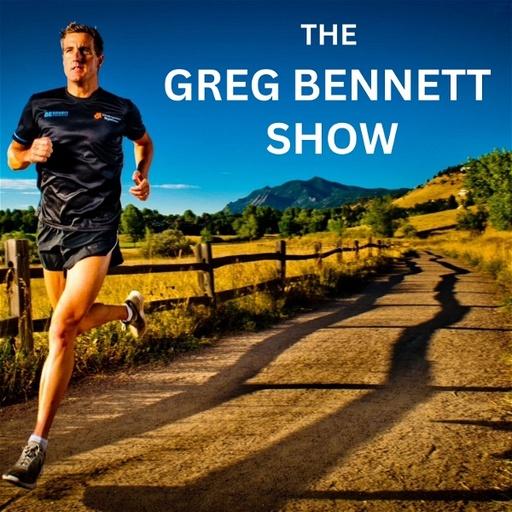
I didn't want to admit that there was some feelings inside me, some insecurities, and that was not what I spoke about.
In this episode
Nick Jonsson joins The Greg Bennett Show to talk about triathlon, executive loneliness, and the lessons endurance sport has taught him about resilience and leadership.
- Ironman training and triathlon stories connect with his work as an executive coach and leadership speaker.
- The book Executive Loneliness grew from his own experience of hiding stress, insecurity, and suffering from others.
- Five steps for recovery include getting healthy, building the right social network, repairing relationships, and finding purpose.
- Isolation, anxiety, stress, and depression are treated as challenges that can be met with practical tools and small wins.
- The conversation links endurance sport with resilience, cognitive clarity, and a stronger sense of contribution and legacy.
Transcript
Automatic captions of the conversation. They can contain errors and do not name who is speaking.
That is the whole issue here. I mean, as I was looking back at my journey, I didn't talk to anyone about my feelings and suffering internally. When I was in my company, I didn't share it with my boss, despite that my boss was someone who I knew well. In fact, she had hired me twice to the same company. I used to be at her place for barbecues on Sundays. We were really good friends. I just didn't want to admit that there was some feelings inside me, some insecurities, and that was not what I spoke about. My friends, we went to play golf and had a great time, or we went to the bar and watched some sport and had a good time also.
I didn't want to bother them about some of the issues that I was dealing with internally. I thought that was something that I should keep to myself. Welcome to The Greg Bennett Show. I'm your host, Greg Bennett. And this was a wonderful, insightful conversation with Nick Jonsson. It was absolutely fantastic. Nick is an executive coach, mental health advocate, keynote speaker. He's written a best-selling book called Executive Loneliness. He's also an Ironman athlete. But in this one, we discuss some of Nick's Ironman journey and some of his triathlon stories, but we really dive deep into why Nick wrote the book, Executive Loneliness and gives a lot of great tools and tactics and steps on how to help yourself when times aren't great, that we all have moments where we're dealing with loneliness or anxiety or stress or depression.
And it really is a great conversation, tons of great takeaways in this one. So don't miss it. It's a fascinating conversation with a man who's on a mission to help as many people as he can. Really because he's been through so much himself, he's lost friends to suicide, and he wants to be there for as many people as possible. So a great conversation with Nick. Big shout out, really appreciate him coming on. A little housekeeping before we go on. If you are interested in the Fireside Friday Conversations, please DM me on Instagram.
Happy to have a chat with you. I've made room on Fridays. I'm a bit booked out for a few weeks now, but please just DM me and I'll find space for you to love to connect. I've realized by doing this, I've met so many of you. I really do have the best listeners, the best audience in the world. All of you have incredible stories to share, and I really appreciate just being able to listen to them. So if you wanna do that, please DM me on Instagram. If you're loving the show, would love your support if you're listening on Apple.
Any five-star reviews or that kind of thing would be really wonderful. And look, I hope you enjoyed this one as much as I did. And remember, success comes to those who endure just one moment longer. All right, today's guest has mastered the art of blending extreme physical endurance with the exceptional leadership qualities. As an accomplished Ironman athlete and the co-founder and managing director of Executives' Global Network, he's created a platform that fosters connection and growth among business leaders. He's also a bestselling author, tackling the subject of executive loneliness in his acclaimed book, Executive Loneliness, The Five Pathways to Overcoming Isolation, Stress, Anxiety, and Depression in the Modern Business World.
Add to that, he's a keynote speaker, executive coach, and mental health advocate. So without further ado, welcome. Thanks for joining me on The Greg Bennett Show, Nick Jonsson. How are you, mate? I'm awesome. Thank you so much, Greg. It's a pleasure to be here. Mate, I gotta tell you first off, for everybody listening, it's midnight where you are, correct? Yeah, it's approaching midnight. Mate, we have tried for the last month to get this to work. We had one lined up a month ago, and I came down with a flu and I lost my voice entirely.
So last minute I canceled on you, and then we managed to get this one to happen. So firstly, a sincere apology from me. But I'm so excited that I finally got you, and I do apologize that it's the middle of the night for you. But here we are. I appreciate you, buddy. It's all good. I managed to have a nap this afternoon, so I'm ready to go for it. You know, the beautiful thing of talking with Ironman athletes, it's like never complain, just go, keep moving. You're awesome. So I appreciate everything here. But where's that accent from?
You don't sound tied to me. No, I was born in Sweden, educated in Australia, Gold Coast, and then I lived and worked the last 20 years in Southeast Asia. Ah, very cool. Very cool. Well, today, mate, I want to start by discussing your journey in the world of triathlon. And then I want to dive into your work with the Executives' Global Network and your best-selling book, Executives' Loneliness, and the motivation behind the book. All with the goal today of really getting some great takeaways in ways that we can all use to become more resilient and adapt and quickly keep moving, take ownership of our lives and that kind of thing.
So if you wouldn't mind, let's start with you maybe giving just a quick background and then let's dive into your triathlon journey. Yeah, I'd love to do that. And as I just mentioned before, yeah, indeed, I grew up in Sweden, but then I was never very good at English and I had to move somewhere to study. And I thought Australia looked good on the map. And it's as far away as you can go from Sweden, but I moved over there to the Gold Coast and I studied and I played a lot of golf. I became the president of the golf club there and captain of the Pennants team.
And so playing golf with all the good swimmers and so on, Grant Hackett and those over there studying at the same time as me. So that's also a little bit about my studies. So a lot of golf. I love it. I love that you're, I've only just started golf myself and I'm absolutely terrible at it, but I get it now. I almost get it as a bit of a therapy. It's awesome. But go on. I want to know a bit more about how you got yourself to Thailand. Yeah. So then after the studies, I looked again at the map and I thought, you know, this is a bit far away from my family and so on.
And halfway was then Thailand, Hong Kong, Singapore, Indonesia and so on. And as I've been traveling back and forth a bit, I had made some connections there. So I thought that'd be good. So I sent my CV over to some advertising agencies in Asia. And I got a job in Bangkok and thought that, you know, it'd be a good experience. And here I am 20 years later, still in Southeast Asia. These days, you can say that I'm based in Thailand, in Phuket, that's my back office, but I live and work otherwise also in Indonesia. I work in Indonesia and also in Malaysia, as well as in Singapore.
So a little bit in the Southeast Asia, basically. Amazing, mate, amazing. And so tell me, how did you in the world, with all this travel, what drew you into the sport of triathlon? And how did you begin this journey? And how long ago was that? Yeah, so after university, then I kept on playing golf a little bit, but I was no good at it anymore. I had to play every day, that's how bad I was. Otherwise it was no good. So I sold my golf clubs, and then I was looking for something else. And I started to do a bit of running, but too much running, I got injury.
So then I was thinking, what can I do here? I need to diversify myself. And then the natural thing was to get a bicycle. And I lived in Vietnam at the time in Ho Chi Minh City, very, very crowded city. But I started to get out on a bike there, basically elbowing my way around. So that's how Triathlon came into the picture. And it helps that I was born in Calma, Sweden, which has a full distance Ironman race. So therefore when I was home on the summers, I could see some of my friends racing and so on. And then when was your first one?
When did you actually, did you ease your way into Triathlon or did you go straight into Ironman? Almost straight into Ironman. I started in 2013 and I did my first full distance in 2014. So basically one year from just getting into it until the first full. I love it. And how many have you done now? Have you done a few of them? I've done five so far. And I'm looking forward to do my sixth full this year and probably around 25, 30 halves. I don't know how you get all this training in and racing and still with all your work and family.
Mate, I want to dive into that more in this episode because I'm always fascinated by the time management of people like yourself that are able to run successful businesses, travel the world, still getting your training and still perform really well at the very pointy end of the sport. Fascinating to me, but staying on this train of thought, with your Ironman races, is there any that are on the bucket list that you haven't done? Yeah, definitely. I mean, I'm an age group and I'm just a little bit serious, you could say, two years ago when I started to train with Juergen Sack here at his training camp, set coaching in Phuket.
So now I got the taste for it and I have a proper coach who can guide me and also all the other athletes around me. So I would love to qualify for Kona one time. I would love to do Rot one time. So there's a lot more to do in the sport. Yeah. I get it. I get it. It's like you get the bug and you're like, hang on, there's a little bit more. How old are you? What age group are we talking? I'm turning 49 soon. So I have one next year is when it's going to get really interesting for me then. I can't tell. Is it better to age up in this group?
I guess it would be 50 to 54 would be better than 40s. Yeah. Yeah. That's my age, mate. You're coming up into my age, the early fifties. And I can tell you, yeah, it's going to be much easier than the late 40 year olds. But let's shift gear. I want to know a bit more about what Executives' Global Network is, what inspired you to start it, and I guess, you know, what role it plays in helping leaders perform better. So just give us a bit of a broad stroke on what Executives' Global Network is. Yeah, so it's a network for either for senior executives or for business owners, which basically is a place where they can go and meet with like-minded to discuss the work-related challenges they have.
So in that sense, you can say that it's a networking platform. But basically, what we've done is that we're turning everything around, because if you think of the traditional networking events, people come there, they try to perhaps hand out the business cards, pick up some leads and try to sell the products and services. Or it might be very social. And people therefore are discussing perhaps what's the weather, football or other things that is perhaps not so relevant to the work. And it's more a showcase rather than anything.
So what we do then, that you come actually into a meeting, really having thought through what is your deep challenge that you have in your business now. And then to get support by that, having it facilitated and solve it, is basically what we do in a nutshell. Okay, and so are you going, are businesses coming to you, and how many members have you got that you're all working together? Are you working together as a network trying to help each other solve problems, or is it still quite independent? So we are part of a global network, and I'm basically responsible for Indonesia, Singapore and Malaysia.
So we have almost 1,000 members now in these three countries, but it operates around the world and also in the US. Our mother company is Vistage, where you have similar groups over there as well. And are you finding that the people that you're working with in Southeast Asia, are they primarily expats and have moved, or is it a combination? It used to be mainly expats, but it's all changing these days. It's very fast, right? So now I would say our groups are about 50% locals and 50% expats, which is a very nice blend.
Yeah. So like I mentioned at the start there, I want to understand how someone like you operates. And I do this for selfish reasons, because I'm also trying to figure out how to manage, you know, running companies and family, and also trying to stay fit and healthy and all of that. So I'm really curious. How are you managing your time effectively? Like I love that you started the show. You said, yeah, no, I took my nap this afternoon, so I was ready for this midnight call. And maybe you're used to doing that. I don't know if you're wanting to work with East Coast US.
Maybe that's a normal thing. But how are you able to manage your time and balance all of that? Yeah, I think the most important in anything is to schedule and plan ahead. And because I have a fixed training calendar when I'm here in Perkett, I put that in first, my own time. My exercise has to go first, because that's more important than work. If I cannot show up for exercise and feeling good well myself, then I'm not going to be good for my colleagues or my business. And the way I really see it is that I try to do two blocks a day.
So typically, even though some days it's more training sessions here, I join two times. So maybe it could be a one-hour swim in the morning, or it could be a bit of a longer bike ride some days. And then I have something in the evening. We have either a late afternoon swim or an evening run. So that's how I do it. And therefore, I'm basically working in three shifts. So I might be up early in the morning, five o'clock typically, and I work maybe one, one and a half hour. Then I go for a training session. And then after that, have a breakfast and work for five hours.
And then I have a training session. And then maybe I work one, one and a half hour. And that's basically how I do it. And my wife is here with me. She's not into Ironman, but she's a runner. So in the run, she comes along. And even with a training group, she can join them. So we spend some time training together, and then we have some meals together. But we live a very active life. We don't have time, for example, to watch TV and do those kinds of things. I love it, though, right? It's like you said, it's all about prioritizing.
And one of the big things Laura and I have done over time is we commit to going to bed when the kids go to bed, you know, at 7.30, 8 o'clock. So we can have those morning, what I call the golden hours in that morning, 4 to 6.30 before the kids get up. And I used to use that time for training, and I've actually found it to be the most productive time for work. And then go once we drop the kids at school, then go to the gym and do our workouts after that. But it is, it's about taking control, right? Taking ownership of what's truly important.
And I guess for you, you know, you said you're not as good at work, I guess understanding what are some of the major benefits or lessons that you've got from training and specifically for triathlon that have probably, you know, helped you succeed in your professional life. Absolutely. And there's more to it as well. I think there, I basically see myself as the CEO of the business when I'm exercising. I'm then, you know, a bit away from the office and I have that sort of more senior, higher level, visionary leadership thinking about the business.
Because I bring it with me on the bike ride and I'm thinking about the business. When I'm sitting in front of my computer, then I'm more like the manager, the administrator. I'm in meetings. I'm sending emails. That's not when I'm getting the big ideas for the business and the solutions. That's when I'm just the operator. So I think being an entrepreneur, it's good to have both those parts. And I see that I'm getting the bigger, multi-million sort of dream ideas when I'm cycling or I'm doing what I love as well. And it's about tying that all together, which makes the best combination, I find.
Oh, I love that. I love that as an illustration. It's almost like, yeah, I'm the CEO and strategizing when I'm out training. And when I come back, I'm an operator. I'm the chief operating officer, and I'm making, I'm in the trenches again. It's a really good analogy, and I love it. I'm going to steal that. Well, I'll give you credit. Have there been any specific instances where you've found, you know, certain things from sport, from Ironman, have impacted the way you do business? Like it's, whether that's been through, you know, adapting resilience as a sport, giving you those kind of tools?
Absolutely. I think the resilience is a big one, and especially also being able to be agile and think on your feet. We have to go through some difficult times with our businesses when anything like the pandemic, when we had to pivot, obviously running a networking business where you're meeting face to face, and all our meetings were coming into the pandemic face to face. We did nothing online. We had to pivot obviously overnight as many hours. And I think, you know, having been in the sport of Ironman, then just to be able to plan and train and think and constantly coming up with, you know, agile solutions to the training, that has helped me in the business for sure.
While other branches were suffering in other countries, we were soaring simply because we found very quickly new solutions. I love it. I love it. I think that's what the sport hardens us up, doesn't it? I think it gives you a good slapper perspective. And on that, I want to talk about your book. As I said in the intro, Executive Loneliness, The Five Pathways to Overcoming Isolation, Stress, Anxiety, and Depression in the Modern Business World. Mate, congrats first and foremost. Got to number one best seller. That's huge.
Let's start at the beginning. What inspired you to write the book? And what was that process like? Yeah, so having come away from the corporate world myself, I worked basically 10, 12 years in the corporate world. And having left it, I realized when I was looking back at it, how I was suffering. I remember sitting in long operations meetings, working in the medical industry and so on, and being bored and so on. But I was really suffering, and I didn't tell anyone about it. I just took for granted that this is what we should do.
It's like what society set us up to do. First we have perhaps our parents to tell us to, you know, study hard, and then the teachers are driving us to get scholarships and topping classes. Then we have the bosses who drive us to hit targets, getting promotions and all of those things. And I felt the victim of it, you know. I wanted that. But once I was there as the managing director at the top of our organization, I looked at myself and I was not happy. And I wonder what on earth have I worked so hard for, if this is it.
So that led me then to leave the corporate world. And then after that, I kept thinking about it more and more. And I wanted to find out if it was only me who had those feelings. So that's when I started to do basically a survey and interview executives in 2019 about their feelings and thoughts. And I realized that there's so many who were suffering, who were feeling isolated in the workplace. It was not only me. And my book that came out of this found that about 30% of the executives I interviewed were feeling isolated in their workplace.
And so then you've done this homework. You've realized you're not alone. And I don't even know if it's specific to just executives. I think everybody listening can kind of be nodding at times with loneliness or sad or depression or however we want to frame it depending on the context. I've gone through this, but there must have been a stimulus or a catalyst that thought, well, hang on. I've been through it. I've asked a lot of people questions, and it's certainly a thing. What was the catalyst to say, hey, I've got to actually get people to start talking about this.
I've got to write this book. Was there a moment? It was certainly a moment. And I can also add to what I shared before. I had earlier also gone through some difficult times at one stage in my life when I traded basically my gym membership and my bike into a bar stool. I drank too much and I fell in bad company for a while. And I became addicted to alcohol during this phase. I gained a lot of weight and so on. And that was something also I wanted to address as I was trying to heal myself and looking back on things and taking ownership for my life.
And just as I was working on myself in the recovery journey, I lost a friend of mine, a colleague of mine to suicide. It was in 2019. So here I was already writing my book and that changed everything and it changed the whole angle and I doubled down on this. And that's why I do what I do today as well. Well, firstly, I'm really sorry for the loss, but it was an interesting statistic. I don't know if I'm going to get this right. You know more than me. But it was in the US is something like, you know, three out of four suicides are men.
And it's like 70% of those are white men between the age of 35 and 50. And not that race has anything to do with it, but it was just a curious statistic. And it's fascinating because we don't talk about it. And don't get me wrong. You know, I come from the world of I want to empower. I want to empower people to recognize their own resilience and know that they can adapt and be strong and keep moving and all of that. But it's important that we understand that, hey, sometimes we need a little help. And it's good to talk about, right?
Absolutely. And that is the whole issue here. I mean, as I was looking back at my journey, I didn't talk to anyone about my feelings and suffering internally. When I was in my company, I didn't share it with my boss, despite that my boss was someone who I knew well. In fact, she had hired me twice to the same company. I used to be at her place for barbecues on Sundays. We were really good friends. I just didn't want to admit that there were some feelings inside me, some insecurities, and that was not what I spoke about.
My friends, we went to play golf and had a great time, or we went to the bar and watched some sport and had a good time also. I didn't want to bother them about some of the issues that I was dealing with internally. I thought that was something that I should keep to myself. And that is the issue. And it's so typical for us male. And this also stood out in my book. And let me just share a statistic there as well, because the findings then was that 84% of the executives I interviewed would not share with their boss or their company if they were going through some feelings of isolation or loneliness.
That was just like me, that they thought this is something I better not talk about. It's amazing, isn't it? Look, and don't get me wrong, I think to some degree, we've got to be us men to some degree. We're talking to men right now in this sense. There is this kind of, hey, man up. But I would say, okay, prime example what I did at the start of this year is I reached out to 20 of my mates and I said, look, I'm putting you on the calendar for an hour catch up. There's no agenda. There's just, and it was wonderful, right?
I'm probably going to do it every six months. It's been wonderful to do. This ability to socialize and just have a conversation for no other reason than just to check in and say, hey, what's up? And allow the other person to speak and know they're being heard. And I don't know that we're very good at doing that. It's like you said, if a couple of guys get together, it's like, oh, let's just watch the football and then have a couple of beers and see you later. And there's no actual socialization going on beyond just grunting.
I do think as a whole, we can do a little bit better. It's fascinating. Have you found there's been certain techniques that now that, you know, throughout your book, that you talk about that people are able to use to help get moving, get out of this space? Yes. I'm a big fan and believer of safe spaces. And this is something I talk a lot about in my book and the work I do now, that I say that we should have personal safe spaces and we should have professional safe spaces. And the workplace might not be the natural place where we go in and be vulnerable and open about all our challenges, because people might judge us or might go against us.
So therefore we need proactively build up these safe spaces. So at work you can, for example, have mentors, coaches, you can join masterminds or peer groups, or any network organizations where you can basically get the support related to your work. When it comes to them personally, women have done this much better than us. They've been setting up women's networks and so on. But now we men are doing this as well. And in fact, I'm also running a men's group myself, where we meet once a week on a different theme. This week, and in fact, it's tomorrow night, we're going to discuss life purpose, basically, the legacy we want to leave behind.
So it's a theme every time. Last week it was about sleep, sharing tips and tricks about sleep. And other times it can be just a theme every week where we get a chance to talk on something that is a little bit meaningful. And I found that we then practice our vulnerability muscle, which is something that is important for all of us. Oh, vulnerability muscle. I love it, because it's brutal. I got to tell you, when I started this show, it's, you first hit record and you hear, you know, you start speaking. It's not easy, right?
And it's like, I'd always say, maybe my mom's listening, you know, but otherwise, don't worry about it. And it'll always make myself feel better. But that ability to be vulnerable to the point that you can share what's going on, but do it in a way that is still saying, look, I'm still a strong man. I'm still capable, courageous, confident, all of those kind of attributes. Without, I think sometimes we think of vulnerability as a way that it's almost leaning into the weakness or complaining or blaming type scenario, but it's actually saying, look, this is who I am.
I'm not perfect and I'm a work in progress. Absolutely. And if we cannot tell our friends or people around us if something is not right, then who's are we going to share it with? And that's the whole issue here, that if we don't talk, speak up, then we walk around and we isolate ourselves, and that's a slippery slope. And so what other tools have you got for people listening? That are either in a space that's not ideal or want to be prepared for the next time, they are going to feel a certain way because life is always throwing us curveballs.
Are there certain tools and tactics you use daily that you share with people? Yes, there's a lot of tools that I got, and thanks to them picking up a drinking issue, I needed to own up to that, and I looked up one of those beautiful 12-step programs. And there's a lot of 12-step programs today around for anything from alcohol to drugs to sex to shopping, social media. So there's something for everyone there. So if someone has any specific problems, then all these programs are there, and they're run by volunteers who had issues before, challenges before, who's there to help.
And that was something I usually start to share when I did keynotes around my book. And then typically people ask in the end, that's great for you. You had a drinking problem. I don't have that problem, and I don't have any other problem either. No gambling issues either. So what should I do then? And that was actually then why I wrote my book. My book has for a few, it has an appendix at the back with the tools and resources for this reason. And I also developed them five steps for anyone to go through if you have some feelings of isolation or someone who's depressed and have some issues.
Then I developed five simple steps that they can go through and it's part of my book. Can you give us those five steps briefly and let us step through those? Absolutely. I'd be happy to talk them through. The first step is taking stock. And what I mean with taking stock is that if you think of someone who have a shop or you're a shop owner, you would do an audit. If not, every week you would do it every quarter or every month you do a stock take. But then the question is, how often do we do that as human beings? How often do we actually sit with a spreadsheet or a pen and paper and just do a proper audit of yourself, like a real inventory of where you lies in terms of your relationships and your well-being, physically, mentally and emotionally.
And this can then be done with a mentor, a sponsor, a coach or a friend or someone who is accountable to help you with this. All right. So that's number one. What's number two? Number two is then to... So all the issues you identify there first is about start writing the names of the people who could potentially help you with this. So in my case, then, I had gained weight. I needed basically help with a fitness plan again. I needed a coach. I needed nutrition advice. I had alcohol issues. I had to write down on the people who could help me with that and so on.
So that goes in the second column. Anyone you can ask for help. And number three. Number three is then I believe that before we start to address everything, we have to get healthy because many times if we are isolated or in a depression, most likely, we have gained some weight. That's very, very common. Or we picked up some bad habits and mentally perhaps we are not in the best space. It's about getting healthy and really getting into exercise, eating while sleeping and getting all of that right. That worked for me and I've seen that worked for many others.
To address that first, to get the confidence back in ourselves, getting some easy wins. There's nothing better than walking in and having lost a few kilos and getting the positive comments going. So that was number three. And I love that because it's really the getting healthy is, yes, it's a work in progress, but if you have some simple steps, I was saying this to somebody the other day, it's like we don't call it physical training, just call it physical movement. Understand that for a lot of people, just to get up and start walking out in the sunshine is a great step forward.
And I think also the part of health, like you were saying in point two, is like building your social network, socializing with the right people. And when I say right people, people that are going to get behind you on your mission to go where you want to go. Love it. Number four. Number four then is healthy relationships. And typically also if you have been in a spot where you isolated or if you're not being there very well, perhaps you build up resentments. Perhaps you have not been the nicest person to the loving people around you.
So it's about making amends and setting things right. And first to write a list and of all the people perhaps you had harmed. And I made even amends back to my parents. I made amends to my sister. Even if it was what I thought small incidents, it's really to clear all your conscious because you do that and basically you have so much healing around you. I love that. That's great. Number five. Number five. The big one, finding your purpose. And I think that was something that I had to do because the career I was in was driven again by society.
I wanted a salary. I wanted a package. I wanted, you know, those things. But perhaps that was ego driven. I had never asked really what is it that I'm good at? What am I born to do? And what do I love to do? So here in the fifth step, really thinking deeply about yourself, what you want to do, but also where you can add, made your contribution, where you can support people. And that's where my book and the work I do now, the coaching that I do, helping executives to go through these steps and really patch back their life or make them more resilient and ready for the difficult times that always will come.
Life goes up and down, right? So in that step, it's not only about finding the purpose for yourself, but really make a good contribution as well. So it's linking over to what legacy you want to leave behind one day. You know, it was funny. I'm a big fan of Arnold Schwarzenegger. I don't know if you've seen his documentary on Netflix. It's really great. Actually, I think it's the last one I watched about a year ago. And his book, Be Useful. And what I really love about that is I had a mate of mine that says, Yeah, I want to live to 150.
And I'm like, well, does society want you for 150 years? Do we need you as a people? Do we need you? And he was a little bit shocked. But it's like understanding, are you useful to the world? Do you have purpose? You know, if you're your father or mother, that's a great start. But even if you don't have your own kids, it's your father to all children. And you have a role to protect all. And it's kind of understanding what your role and what you're trying to do here. I love Hints of Performance, and Aki Hints, a mentor of mine, would say, do you know who you are?
Do you know what you want? And are you in control of your own life? And once you have that core set up, then you can start sort of fixing all the other bits. And those questions are changing and evolving daily. You know, even after this core, you and I are going to be different people again. But great tools made. I love the five steps. Are there certain things like on a daily basis that you are doing to either ground yourself or gratitude practice or breathing work? Do you do any of that? Or is it just kind of as it comes?
No, that's all part of what I do every day. And with the men's group I'm running, then we also have a chat forum on the side of that. And everyone is encouraged if they like to send a daily gratitude list the first thing in the morning. I've sent it for as long as I can remember, a few years now. And that is a great start of the day. Because especially if you wake up and maybe you have not slept really well, or maybe there was a storm or some neighbor making noise, you woke up, so maybe you're waking up and just a little bit off.
But immediately then, if you have that routine to fall into first thing, and I do that with a prayer, a bit of meditation, sending the gratitude list that set me up for the day, and I'm grateful for what I have then. It can be anything as basic for where I am, the bed I slept in, having healthy food in the fridge, or coming back from a cold and getting back my strength, or whatever it is, but just to appreciate. And it's always something new that comes up every day. And that has really, really set a good foundation for every day to be a grateful day.
I love that, mate. It's something that personally, and this is why I wanted you on the show, it was kind of like I knew we would be on the same wavelength for me when I started really being disciplined about sort of going outside barefoot and starting my gratitude practices. And I always walk back into the house and say, you know, today could be your last, how do you want to live it? And it's kind of having that kind of a mindset, it changed my world. It's just amazing how I stepped away from the blaming, complaining game and being down about myself.
It actually started really shifting my energy in a positive light. And yeah, it's really cool. Have you found the, you know, your support network, you know, has that been influential in the sense of helping you with your triathlon racing or your career? Having that network, what sort of times and experiences have you had with that that have been like, wow, I'm really glad I've got this group around me? Yeah, no, again, coming back to the vulnerability muscle here, the more open we are, the more we ask for help, the better we become right.
We really make our network then our greatest strength, and it doesn't matter if it's the triathlon network or if it's a work network. If I'm looking at the triathlon network, I'm now blessed that it's some of the best triathletes in the world passed by this camp, and they come here perhaps a week when it's windy in Europe, and they train here for a week or two weeks, and I meet them. And I typically take the chance to ask them if they have time for coffee, and then you can interview them. And I've done some interviews, articles and so on.
But that also gives me a chance to then pick up the best tips and tricks from everyone. And we don't have to be shy to ask questions. People love to be meeting up for coffee and have a chat about things they are passionate about. And I do the same also. If some good swimmer is coming, I will ask. If they have spare time for a session, we can pick up some tidbits and pieces and tricks from everyone. So just be curious. Ask questions. The only thing people can say, sorry, I don't have time now. But you'd be surprised how many times people have time and willing to give you time because you're curious.
That's really great advice. And it's something I started this thing called Fireside Friday Chats with everybody listening to this show would know they've heard me talk about it. And what I do is I just put a couple of hours aside every Friday where any of my audience or listeners call in, book a time and we chat. And I've been doing it for quite a few months now and probably done about 30, 35 of them. I got to tell you, mate, everybody you meet has an incredible journey story. And just having that conversation weekly for me beyond the podcast, I can sense that it's really good for my health.
I have no idea where it's going for either the people that are calling in or for myself. But boy, it's been a wonderful experiment that I hope to continue. I actually want to see if I can make it go viral, to be honest, these Fireside Fridays, that I think all of us should start opening up an hour or two on a Friday where anybody can call in. And it sounds like you've already got that kind of a thing. If people wanted to do something like that with you, do you open up your window at all to talk to random people or how do you kind of curate your people you do speak with?
I do also have, I call them virtual coffee slots. I love it. So I do have that. Virtual coffee slots, I love it. And I've been looking at some of the popular men's networks around the world, how they do it. And I see that some of them are growing so fast, becoming so big that if you're a member of one, you even have 24 hours a day, open rooms where you can come in and start talking to people. And again, also coming back to the world of recovery, the 12-step programs have these meetings all around the world, every hour basically starting.
So you're never alone. There's so much support. And again, the most beautiful thing here is a lot of this is actually run by volunteers. Yeah. Yeah. And everybody gets something out of it, though. I've found that you feel like you might come from a giving position, but I actually, very rarely do I not hang up, whether it's a podcast or a conversation on my Fireside Friday chats that I don't come back into law and go, all right, I feel energized, you know, right? And it's kind of as I look to build my next company here, it's I want to create a space where I'm not just bringing energy into the company, but I'm getting energized from the people that I work with in that space.
And so that brings me to the next kind of area of talking about leadership and the way leaders lead these days in what's largely remote work for a lot of people. Got any advice for people that are running companies or in companies about leadership and how to create an energy within the company that people can put energy in but are also getting equal, if not more, back? Yeah, and I think the first point we have sort of covered for my journey and also, of course, for you, Greg, but it's about self-leadership. We've got to show up first self.
There's too many leaders who neglect their own health, who don't have the energy and therefore who don't have the patience who's coming in unhealthy and unfit. And therefore it's very difficult to run this world, which is quite complex, changing fast and so on. So the first tip here is definitely look at yourself before we even start talking about managing the external. Yeah. So start there. And if you are recruiting, is that something you can even do in recruiting world? How do you recruit people and know that they have taken ownership of their life without getting too personal?
We probably, you'd be careful, right? How do you do this? Well, I think hopefully the right candidates send out these signals. And a lot of recruitment is made also, at least at the higher level, is from who you know. And that's the referrals that people tend to be referred if they are, if you know that they are in a good space, they're healthy and strong. That's what people need these days. What do you got coming up, mate? You got any events you're getting ready for, triathlons or Ironman? I have actually in a month just now, so 19th of May, I believe it is, in Malaysia, 70.3, so in half Ironman distance, which should be good.
It's in Desaru, always a very hot place, close to 40 degrees. So that's next up. Yeah, very excited about that. And then I have a full distance when I'm over in Sweden in summer, in August, in Kalmar, Sweden. So yeah, looking forward to that. I just do one full year. That keeps me grounded, but it keeps me also focused on the training, know that I have to get out there a bit. I love it, mate. And where do you see, you know, with the work you're doing, with the book you've written, with the speaking, you know, where do you see this going?
Are you kind of going with the flow? Are you a goal setter? How are you kind of looking at how to use what you've been through and your experiences and your knowledge? How are you looking at to do this in the future? Yeah, so I do more and more workshops now and team coaching and so on where I go out to companies and help the senior leadership to connect with the young generation because there's a big gap. There's a big gap and they cannot communicate well. So I just been to Maldives and I'm going back to a couple of more resorts in Maldives now in May, especially if there's new resorts where you hired some really senior people who used to run good resorts around the world.
And then they have hired, let's say, 200 fresh graduates coming in new and they need to get up to speed and deliver a five-star service. So how do you do that? Well, you've got to get in there and really, really break down the barriers and do it by vulnerability. So I come basically in and share my story, that story of others, and then I'm encouraging and helping the senior leadership to share their personal stories. So they have to start basically in mini TEDx talk style to share their stories in front of the younger people.
So they start to really know each other as human beings, knowing the family, sharing something personal to break down the barriers. And then they're setting goals and so on together. So they're creating a future together. So that's something that I'm very, very passionate about. And I like to do more of this, and I will do in the coming months. Oh, fascinating. And I think you've nailed it. At what point, though, if people are kind of thinking, you know, and especially the old hierarchy model that we've kind of got in place for business, and in some parts it works very, very well, and in others it maybe creates a bit of distance between an employer and an employee.
And when you hear the words vulnerability, like I said earlier, it can still create this sense of, well, almost a weakness in our mind. You know, I'm not saying it's right, but at what point do you, how do you encourage, especially old school business leaders, to open up, to maybe share stories? And I love that vulnerability muscle. How do you get them excited and want to listen to you on that and know that it's going to work? Yeah, it's a big step for someone, especially if you haven't been open before about your feelings and challenges.
So the best way is to do it on one-on-one. So they do it with mentors, coaches. So I do one-on-one coaching with many senior leaders and especially related to my men's group. So I would have one-on-one sessions with these men where they will share some of the challenges with me first. We work on improving them. So when they then come in in the group session once a week, then they also share it there. And then after that, maybe they will also have a conversation with a wife after. So it's a few steps that it's almost like you rehearse, you practice it.
And then step by step you understand, I shouldn't hide this challenge from my boss. I shouldn't hide this from my wife. I should talk to her about this. She deserves to know this, but I've been too scared to put it in the wrong way or maybe I'll be judged or maybe I'll be blamed or I don't want to worry. So in that sense, yeah, let's work together and prepare it on a 101 level first. Preparation, preparation, preparation. And I think when you're talking about this, bringing the gap together though, like when we're talking about a senior leader talking to the employees that are very youthful, have you found by them sharing these stories that there is this human connection that wasn't found?
Can you give me an example of that? Absolutely. I've seen amazing things happen when the senior leaders stand in front of the younger and share something very personal. Even things are happening that perhaps they didn't know about. We spoke about the sad parts and the most extreme parts of suicide, but I'm a big believer that we have to be comfortable talking about the uncomfortable, because only if we can do that, it can be solved. In one of the recent workshops I did, I talked about my book and my friend who died of suicide.
So I normalized that conversation. What happened then after this particular workshop, one of the employees came up and it happened that it was one of the chefs, the head chefs of this place. He came up and he showed me his arm and he showed a scar. And he said to me, he said, I told everyone that this was from burning oil in the kitchen, but I want you to know that it's a knife. I tried to end my own life. Thank you for normalizing this conversation. It's the first time I share this. And he shared this story with me in trust, and I asked for his permission to share with his supervisor.
When we sat and had a conversation about it, then they would have a therapist who would come to this place and have a conversation with him as well. He felt fully supported, and he even agreed to share this story then with the team. So it really, really opened up the culture, and everyone, you know, there were some people crying. I gave him a hug and thanking him for opening up. So my point here being, if we can, in workshops and in conversations, normalize these conversations, then when someone might be close to burnout or having something on their mind, the door will be open and people will open up, so we're not keeping it secret.
Well done, mate. And these are important stories to share. And nobody's going through life smooth sailing. And I always think, you know, I'm a big gratitude believer, so I'm always grateful for what's going on. But I also know that life happens and things are going to happen. And, you know, understanding that we're all going to end up at the same destination at some point here. Well, depending on what faith you are, we might all end up in different places. But we are all going to die. I find that the greatest motivator to live.
And sometimes life just feels overwhelming. And you just feel like you're failing and you're just not successful and blah, blah, blah, blah. And if there's just a strong hand or mentor or a social group next to you that just says, hey, you're doing these things all right, and life's not too bad. We still got this. It's just these little pats on the back are enough sometimes to just take a deep breath and keep moving forward. I appreciate your work, buddy. Great stuff. Yeah, I just want to add here also as we're talking on these sensitive topics.
And I'm these days also a volunteer and fundraiser myself for a suicide prevention agency in Singapore. And those are the ones also all around the world. And there's again full of volunteers. There's hotlines, helplines. Even if someone has just some thoughts on this, don't be shy. Pick up the phone. And that's normally all that it takes to change the pattern, right? And so again, normalize this. And thank you, Greg, for covering this important topic as well. Yeah. No, well, I think you're the one leading the way, mate.
I'm just going off you. And I love when you talked about one of the most important things. And I think you're talking about tomorrow night in your group is having purpose. And unleashing your potential to the world is what I like to kind of put it. I feel like in all of us, there's this potential that sometimes is just grinding away. And it's having that purpose, not ego driven. Well, a little bit of ego is fine, but finding that purpose to get you out of bed in the morning and keep moving. Right. I said to a guy, one of my mates at the gym this morning, and he's built like a brick shit ass, lovely guy.
And he said, I didn't get much sleep last night. I said, well, buddy, the world's going to keep moving. So you better get going here. And it wasn't, I was still there for him as a mate. It was a bit cheeky. But, you know, at times we get down and you're just going to go, okay, we've got to keep going. What are some of the tools I can have to get me going? Do you ever have what my wife and I call 1am brain, where you wake up and you just like, you feel like something that if you were awake and feeling normal would be insignificant.
But at 1am, it feels like your whole world is falling apart. Have you ever had that? A few times. I don't have too many of those. And I think that's the gift of a triathlete. We are so tired. We're sleeping, right? Well, I'm not sleeping as well as you used to. And I do have them occasionally. And what I've found, though, is the... And it's the hardest thing to do, by the way, when you're really stressed, is to actually force yourself to go, okay, I've got fresh air to breathe. I've got a comfortable bed. I've got a roof over my head.
I've got a loving wife. I've got food in the fridge. And I almost have this little mantra to try and just click me out of those highly stressful situations, which are often, like I said, for me at 1 a.m. It's like the cortisol levels are all over the place. But I don't know. For me, maybe I'm being very vulnerable here. I'm telling you when I get most stressed out. But the tools and tactics I've used to help me get back to sleep, it's been really great. That's awesome. And yeah, if I do have those, and if I cannot fall asleep after 10, 15 minutes, I normally just go up and do some work, then.
Exactly. Just go solve the problem. I just go and do some work normally for two, three hours, and then I go and sleep again. Perhaps the last two hours, and then, yeah, if I can, a nap during lunch break or something. Yeah, there you go, mate. Yeah, you're more productive than I am, then. But, mate, I want to... What I love to do on this show is we kind of get towards the end of it is ask final four questions, and then maybe some rapid fire if you're up for it. So, first one, what advice would you give your 18-year-old self?
Well, I wouldn't start smoking cigarettes. That's not going to do you any good. Good advice. I don't think there's even that many. Most kids, 18-year-olds, they're vaping and doing all this other stuff now, aren't they? I don't know. Yeah. I'm not in touch. No, that's something I regret. I got a bit of a cough carrying me all around, even as a triathlete, you know? So, yeah, that's a bit of some regrets there. Would your 18-year-old self listen to you? No, probably not. Oh, mate. All right, here's the next one. Three people you'd love to have dinner with.
They can be living or dead. Ideally, I'd say non-family members, but if you have to, you can pick family. Yeah, I'd love to have Bruce Dickinson from My Own Maiden, and Rich Roll, the podcast host, obviously. He rocks. And then Tony Shea from Zappos, my mentor and friend who I sadly lost also during the pandemic. Oh, mate, I'm sorry they're here. Rich is a mate of mine, so we'll have to make that one happen. He was actually on my show almost four years ago. He was a really great mate. I asked him to come on, and then I asked him at the end of it, how do I do as a host?
I was still kind of very new to it, and he gave me some really great advice, and I really, a big shout out to Rich. He's doing amazing things with his show. So yeah, very cool, mate. I love that. I'd love to just be a waiter at that and serve the meals. All right. Where do you see yourself in five years from now? Well, I see myself more in this men's group space and coaching space. I'm building very much now behind the scene, perhaps scale up this with men's group. I think there's much more we can do there. And I love the idea that you said there about the fireside chat open.
That's sort of what I'm thinking also. More places where we can just be open and again, practice that vulnerability muscle again. Hey, I've got some ideas for you on this. I was talking to my brother about it. Who's a chaplain and the best man I know in the world. And he gets a lot of men coming to him. And I was talking about, well, how do men like to communicate? You know, how do we? And from all my research and it's like, I think a great way to do something to get men to open up. I think would be to do two days of thrilling adventure, testing, peering over the edge type stuff, whatever that is, abseiling to massive hikes, whatever it is, a bit of suffering, right?
Because I think that creates this real bond. And women can be included too. I don't want all my female audiences, but there's something about men in the way we like to go through something, take on a task and do it together, and then kind of celebrate on the third day and everybody's opened up. And what do you think of that as a business model? Yeah, I absolutely love it. And I think, I think it's perfect. You're welcome over to Phuket and we can do one together. We'll do it together. I think it'd be fun to just put something.
I heard, have you heard this story where they grabbed this group of men and they put them in the room and they said, okay, everybody be vulnerable, or wasn't that specific. But basically, and no one says a thing. But then what they did is they put them in a room with a broken lawnmower and had said to the men, fix the lawnmower. And they were in there for hours and all of them opened up to each other because they were busy doing something. And it's another interesting way to think about how to approach this and these hard conversations.
For a lot of people, it can be very difficult, is almost like have them doing something while they're struggling at home or whatever, as you're tinkering away at a lawnmower. Have you heard that story before? I have not heard that story, but I can build on it if you like, Greg, because I'm a firm believer also. And again, I think women have a little bit easier to communicate than as men. But I'm trying to avoid any conversations with a man eye to eye if I need to be vulnerable and go deep. I try to do it walking or cycling or driving a car or something.
And I have a teenage son, and he will not open up to me if I'm looking him straight in the eyes. So we cycle. I just bought him a new cycle now for when I'm in Sweden this summer, because I know it's when we're going to move and cycle. That's when he's going to start sharing some of the big things that happens to him in school. Yeah, it's true. And that's why, you know, like I said, we said at the top of the show, you're a good golfer and I'm rubbish. But I actually look at golf now and as a therapy session for a lot of men, because they're doing something.
They're driving the car or walking, hitting their ball, meeting up at the green, chatting for a little bit, waiting at the tee off, chatting a little bit. They can be wrong. I think it's also about having a booze up and everything else for a lot of guys. But I think there is a therapy component to actually men playing golf and just getting out there and chatting and doing. So very cool. And I like that with my four year old boy. If he's been in trouble and I've sent him to his room or whatever, I'll go in and make sure I'm lower than him and not stare at him in the eyes because he hates it and just sort of start talking.
It does work way better. But hey, next one. If you had just six months left to live, this is not meant to be more, but how would you spend them? Yeah, I would really continue to support others, be there for others rather than just focusing on myself and pass on what I learned and my learnings and shareings and what you have, for example, allowed me to do today, Greg. You allowed me to share and that's what I would love to double down. It doesn't matter if I have six months or six years or sixty years to go. Mate, you're coming from a great place.
Isn't, I don't know about you, but I found there's such a, you give to help others, but the return in itself is just amplified anything that you might have given. You know, do you feel that? Absolutely. I continue to say that I live a life beyond my wildest dreams, and people cannot really understand. What do you mean? Well, I didn't picture that, you know, having written a book about loneliness and having done over a hundred podcasts around the world talking about this topic, that all the opportunities that would come to me, the fact that I'm now being flown back to Maldives and not paying for the luxury resort, but going there to help people to be more vulnerable and making people connect and having a warmer work culture.
I mean, that is a life that I could never have dreamed about. I could picture Ferraris and penthouses, but this is something completely beyond that, which you cannot put the price tag on. Well said, mate. And I love that you've found this path. Do you know what I mean? And this is what you're trying to help other people find their own path like this, to not just get stuck in the mad wheel that everybody sort of jumps into and starts running. It's almost like understanding what is it to be successful, what is it to be wealthy?
All those questions and breaking it down to what does it actually mean? It doesn't mean you've got the Ferrari and $100 million. It's actually owning your own time, being useful and feeling useful in the world to others. Very cool, mate. Very excited for you. I want to finish up some rapid fire questions. You ready? You got any fast twitch left? Yeah, let's try. Are you a morning or night owl? Morning. Iron Man or, sorry, favorite Iron Man, of course. Favorite Iron Man. Oh, it's got to be you, Greg. No, no, not course, course, not person.
I'll take it though. Great, moving on, show done. No, is there a favorite race, a favorite Iron Man race? It has to be Kalmar, my hometown, where I was born in Sweden. Nice, I love it. Coffee or tea? Coffee. Hardest workout you've ever done? That's got to be gym work. Really? You're not a gym fan? No. No? Good. I love the gym. All right, a country that you haven't raced in but want to? You haven't come over here? Greatest movie of all time? Oh, greatest movie of all time. And I used to say, Living Las Vegas, but that is not the one anymore, for sure.
It's got to be... I'm just watching something now, which is heartbreaking, Children's List. Oh, yeah, brutal. Yeah, great movie. Two most used apps on your phone? WhatsApp, for sure. And Facebook. Nice. First car you ever owned? A Beetle. What year was that? I mean, this is the original Beetle. It was a 67, I think. A 67 Beetle. What color? Red? Green. A green 67 Beetle. Don't you wish you still had it? That's so cool. What's one book you would gift to a friend? Definitely something with finding your legacy. I love the books by John Matone, which Steve Jobs read when he was on his deathbed.
So yeah, one of his about legacy, John Matone. Very cool. Very good. I'm reading this book right now. I'm a big avid audible reader, so I like to just on the stair step, listen at twice the speed and just download these books. I'm reading it for the second time, and it's called Endurance. Do you know the story of Ernest Shackleton? They got stuck in the Antarctic in 1915. Have you heard of this one? Yes, I read it. Isn't it great? Talk about a slapper perspective for how good we got it, right? Yeah, it's fantastic.
All right, mate. Last one. Best decade of music. 80s. There we go. You and I can hang out, buddy. You and I can hang out. We can drive Beatles and read the same books. This has been really great, mate. So what's next for you? Get some sleep? Get a rest up in six hours for a bike ride with a set coaching group and a European picket. Looking forward to that. Yeah. Well, please give my regards to Jürgen Zack. I haven't seen Jürgen for quite some time. Actually, I'd love to have him on the show. If you mention to him, it would be good just to catch up.
I would definitely. You know, he's such a great man. I might have to wait till I get to Australia in June. Maybe get him on the same time zone. It's brutal getting you guys in all the strange hours. Let him know I say good-bye. I think we raced each other several times in the 90s. He's just one of the good men of the sport. He's a good man. And he's your actual coach, right? Is he coaching you? Does he have a squad of coaches? He's also coaching me, yeah. I love it, mate. Nick, mate, thank you for coming on the show, but also for the way you're going about your life and trying to help others and your book.
Congrats on that and everything you're doing, mate. It's all outstanding. I'm so glad we finally got to connect and record this episode, mate. I appreciate you. Likewise. Thank you so much. All right, buddy. For everybody listening, you can find all the show notes and timestamps and everything else at bennettendurance.com forward slash media. All right, stay on the line.
About Nick Jonsson
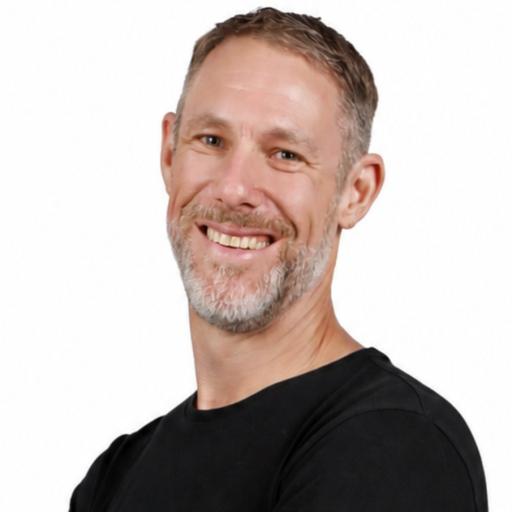
#1 Global Thought Leader on Executive Loneliness, International Bestselling Author and TEDx Speaker
900+ EGN Southeast Asia membersTop 2% Ironman athletes worldwide2026 GHP Most Empowering Mental Health Leadership Advocate#28 worldwide Global Gurus Top 30 Coaching Professionals
Nick Jonsson is widely recognized as the world's leading authority on Executive Loneliness. His pioneering work has earned him a dedicated Executive Loneliness Wikipedia page and international recognition, establishing him as one of the world's most respected voices on leadership, vulnerability, mental wellbeing, and authentic connection.
Ranked #28 in the world among the Global Gurus Top 30 Coaching Professionals, Nick is a TEDx speaker, international bestselling author of Executive Loneliness, Professional Certified Coach (PCC), Certified Master Coach (CMC), qualified Counsellor and Psychotherapist, facilitator, and certified Team Psychological Safety practitioner.
For more than two decades, Nick held senior international leadership roles, leading businesses and high-performing teams across Asia. From the outside, his career reflected success. Privately, however, he struggled with burnout, alcohol addiction, and overwhelming loneliness - experiences that ultimately became the turning point of his life.
Rather than allowing those challenges to define him, Nick rebuilt his life through recovery, vulnerability, discipline, and purpose. Today, every keynote, workshop, coaching engagement, and counselling conversation is grounded in both professional expertise and lived experience.
Nick works globally with executives, leadership teams, founders, and organizations through keynote speaking, executive coaching, counselling and psychotherapy, leadership facilitation, and Team Psychological Safety training.
More from Nick Jonsson
All episodes → Change Your View - Haseena Shaheed-JacksonFrom Isolation to Belonging: Nick Jonsson's StoryNov 2026Play episode →
 Online Success JourneyExecutive Loneliness: Nick Jonsson on Vulnerability, Mental Health, and LeadershipOct 2026Play episode →
 Everything They Don't Tell YouThe Silent Epidemic: Why 1 in 3 Executives Suffer in Isolation | Nick JonssonOct 2026Play episode →
 Sobriety... Now What? with Stuart ClineEP. 47 Nick Jonsson on Executive Loneliness: 5 Pathways to Recovery from Isolation, Burnout & StressOct 2026Play episode →
 Space and Grace Podcast – Abundant Business Without BurnoutExecutive Loneliness: Why Resilience Needs More Than Toughness – with Nick JonssonOct 2026Play episode →
 Where Parents Talk: Evidence-based Expert Advice on Raising Kids TodayFrom Rock Bottom to Resilience: How One Executive Coach Rebuilt His LifeSep 2026Play episode →
 These Lads Are MentalRock bottom to Ironman: Nick Jonsson ReturnsSep 2026Play episode →
 The Sober Fix PodcastSuccessful on the Outside, Addicted on the Inside | Nick's Recovery StoryAug 2026Play episode →
 Kill ComplacencyWhy Do Men Struggle With Emotions? with Nick JonssonAug 2026Play episode →