
June 20, 2024
WE ARE NICK JONSSON AND THE FIVE PATHWAYS OF SUPPORT FOR LONELY LEADERS
Sound bites
Just don't keep it all to yourself. Go out there, be open, be vulnerable, and ask the people who have success how they reached it.
In this episode
Nick Jonsson and Bill Stahl talk about executive loneliness, burnout, sobriety, and how leaders can build support systems instead of isolating themselves.
- Career stress and climbing the corporate ladder led to heavy drinking, weight gain, and losing his job, wife, and son.
- Sobriety became the turning point for rebuilding health, purpose, and a different way of living.
- Open conversation, vulnerability, and asking others for help were central to his recovery and later public speaking work.
- Business leaders can benefit from peer support groups or masterminds to discuss pressures inside and outside work.
- His book, Executive Loneliness, centers on five pathways for overcoming isolation, stress, anxiety, and depression.
Transcript
ShowHide
Automatic captions of the conversation. They can contain errors and do not name who is speaking.
Hi Nick how are you doing today I'm doing great Bill thanks and yourself I'm doing super and when I say today it's morning over here but it's night where you are over in what town in Sweden is that uh it's about 700 p.m. here now so I'm over in Europe for some business but also see my family for a while during the European summer right right so yeah what city is that you're in I'm in Calmar it's in South Sweden not too far from Denmark actually
Right all right well that that's very cool um uh We've broadcast from a lot of different places but this is a first for Sweden so that's very cool um I have a good friend by the way who ran the Copenhagen Marathon recently and he told me it was like the best race he's ever run they said they did he said they did just an awesome job with it so that's on my bucket list to go run the Copenhagen Marathon now I think that sounds great they
Done some racing in uh some Iron Man races in Denmark and they do them great and I will do a few races in Sweden here now dur the summer as well nice all right are you going to be sticking around Sweden doing some racing yeah I will I will be working from here for two months that's a beauty right after the pandemic at least we can work from everywhere and uh these are my two months of the year when I'm working from Europe and uh that's
A great way rather than rushing over for a week to see the family you can bring the office with you for a while that's true although where you're from uh I mean it's it's quite is it do they really have seasons over there I mean you know I was in Singapore as I mentioned to you in November and that was kind of what beginning of Summer over there and it was just beastly hot and humid so I mean does it like cool off at all here
Now that it's I guess it's the middle of the winter there now well Singapore is always all right is smack on the equator in Sweden it's uh supposed to be summer but I'm still wearing a sweater gotcha all right it's kind of like the mountains up here in Colorado you just you never know that's right we're actually having a nice cool day here it was like 990 something degrees here yesterday but today's in the 60s it's actually very very pleasant so it's good so um so
You grew up in Sweden and uh at some point you decided to get out of Sweden and go spend most of your time in Asia huh yeah so I actually I was born in Sweden and then when I was in my early 20s I moved to Australia to study at University and after that I moved to Asia and I lived and worked the last 20 years in Asia working my way up to the corporate ladder starting as account executive then account manager account director a general
Manager managing director and basically working for some of the big International firms representing them in Asia right was that the plan all along well I wanted a career overseas I was always loving to get overseas as soon as I turned 18 in Sweden I got a motorcycle a license and I was driving around Europe and as soon as I could afford it I started to travel further so I wanted to see the world and I thought that you know being based in in Singapore and Bangkok
And yakata which are the cities where I spent some time and also in hoimin city and then I I could travel and See Asia which I now done and if you know once you settle down there and you have friends then it's hard to leave as well right right well those are some beautiful areas I as I mentioned I traveled through there this past fall um I'm not sure if I could deal with the heat and humidity being I live in this very nice dry climate
Here in Colorado but uh what a gorgeous place um I I do want to ask you one just totally offbeat question here is what is the obsession in Singapore with Duran I think I don't think it's only in Singapore I've seen it in Malaysia and in Thailand as well it's just a Southeast Asian thing and I think the obsession is that it's seasonal and it's also really expensive so you got to dig quite deep in order to buy it and therefore it's sort of like it's
Golden right it's like something you don't eat every day oh definitely I wouldn't eat it every day I don't want to eat it every maybe again in my life actually but so um yeah I guess maybe I don't know we just couldn't figure it out so we you know we we checked into a hotel and um I think it was the one in Bangkok actually and they they had a sign says you know no smoking in the room which or they made a sign something at
The desk no smoking and you can't bring in durian and we're like what we didn't even know what a durian was and they explained to us it was a fruit and we're like okay we get the smoking part but why can't you bring this fruit in the room we had no idea so we we were in Singapore and um we it was a hot day you know we were doing all our touristy things we'd been to Arab Street we've been to Little India we'd been to
Um Chinatown and while we were in Chinatown we sat down uh we we just wanted to go get a beer to cool off so we sat down in this bar and had a beer and we only stayed for one beer because across the street was a durian stand and the stench coming from there was so bad I mean if I was the business owner of the bar I would have sued them you know but we left and we said okay we got to try this Duren
Thing see what this is all about and the lady was explaining to us that like there's all different grades of durian and U I mean some of it was really expensive like you say like one of those styrofoam trays was like 85 Singapore dollars and we went for the $5 do tray you know we just said hey if we're not going to like it we're not going to spend too much money and we sat down on a curb and ate this and we just about gagged
Was so bad and uh it was disgusting and and when people are I mean they have whole places that just sell duing and people sit out there eating it and maybe the $85 stuff was good but um boy that was nasty I don't I don't get it well neither do I and I think the $5 and $85 taste just as bad maybe 85 even have a stronger smell so yeah just just avoid it and stick to the Beer sounds like a good plan there you go
All right so we I GL glad we didn't waste the money on the expensive stuff all right but yeah other than that like I say Singapore was fantastic beautiful city U just so many great sites um uh just great things to do uh great food uh just we we just loved it there so you're lucky to be able to be in a place like that thank you you bet so uh any case you you were working your way up the corporate ladder as you said you
Took all these steps various roles there and everything and it sounds like at some point you realized that maybe life wasn't that all that satisfactory doing that right well I started to question myself when I reached the top when I basically have reached the title that I wanted the package I wanted I was doing well also I was you know hitting the targets getting the bonuses and while I like that I start to really question myself is this what I work so hard for and is
This what Society is all about and then you know the expectations I have it now but why no one appreciate it and why am I feeling you lost here so I really thought to question myself and it might be that I was was turning 40 just then and we all all have heard about the 40 years crisis perhaps that hit me but I I really wanted to have more meaning in my life and I remember sitting in operations meetings and so on for hours and just
Feeling bored feeling that I'm wasting my time and with that attitude then I started to make mistakes and I was not ready also to seek help for them because I wasn't really interested and then you know I started to cover up my mistakes and and so on and eventually I just thought it's better I resign from this job than being terminated I had been let go of a few jobs before and that was really painful for me so here I thought that you know I need
To take my life in my own hands and rather than being an employee that that can be let go and so on so so that was the sort of the the changes that happened what I didn't realize that when I resigned I didn't really have a plan for the next phase and with that I ended up in in feeling lost feeling uh you know anxious getting into a depression before I knew it I found myself divorced as well well and with that I lost then my
5-year-old son who Moved with my ex-wife to Sweden I was still in Indonesia and more and more lonely so that's what happened to me right right um so so how did you cope at that point yeah I didn't cope well I I at that time I was not ready to be vulnerable I didn't have a proper support network I had good friends uh I played golf I was drinking beer with friends and you know we had good times together but I didn't share issues I had
At work I didn't share the feelings I had I was just focusing on having a good time with them when I met them uh so that was the issue I didn't seek any professional help at all so I jumped from Project to project and failing losing money and before I knew it I was almost broke uh so I didn't cope and at that stage and leading up to that I already trained for triathlons and uh marathons I was quite fit but I traded basically the gym
Membership for a boss tool and my healthy diet for fast food and pizza and I drank more beer I gained a lot of weight probably about 50 60 lbs in in a year there and with that I lost my health completely I lost my physical mental and emotional health and I was turning really really from bad to worse until I hit rock botton about three years was what it took me from being quite well on to really really thinking life was over well that's a pretty
Fast spiral downward yeah if you work hard at it for three years you know you can do a lot of damage yeah I mean most people you know you hear them starting us you know starting their drinking or bad habits when they're usually late teens early 20s or something and then you know it takes them maybe decades before they start figuring out they need to make changes usually it's a um a grim prognosis from a doctor or something like that whereas uh you hit the skids
Pretty quickly there and um were you aware of what was going on at the time well I had some signs that there was some issues before but I controlled it I did my best to control it I I was limiting my alcohol I would not drink more than three beers a day because I was training and focused on performance and I was very healthy out of all the stuff in in my company everyone said you know I was the one who was always leaving the party
First drinking the least and they wanted me to relax a bit and drink more and so on but I just didn't I was keeping it in shape but it's almost like you know I was was waiting for the right opportunity the right time to drink and then it was drinking at my time so enjoying myself on on my roles and it was just too obsessive it was just too much and I didn't think it would be an issue because I was you know in denial about
The issue until it wasn't any fun anymore right right so so what is it about the business culture you think that kind of led to this I mean you know even before you started hitting your threeyear decline there um you were obviously you know very obsessed like most people in the business world are young you you know about moving up getting bigger salaries getting you know winning trips and things like that um what it is is it about the culture that then leads itself to okay
Let let's go out and party and let's let's you know be uh flambo Spenders so to speak that's something David Clark did the guy who started this podcast I mean he was making all this money in his mattress business and next thing you know he's taking deep sea fishing trips to Mexico and you know buying bottles of Johnny Walker black and you know polishing off a whole bottle of that a day and but you know very um what do you call it obvious spender out there
So you what what what is it about the business world that kind of leads to that behavior do you think well I think there's a lot of pressure for a start and there's a lot of expectations of everyone and these days it's just getting more and more competitive as well so everyone is looking for something to you know to get the edge off to find a way to relax and while the natural way will be to own up to our issues and talk about them and
Discuss them many people are afraid of opening up the stigma there in discussing the challenges so what do we do then we turn to some drugs or alcohol or medication social media or no matter what it is there so many so many substitutes that we can pick up to to deal with that or overeating or whatever it may be U and just to comfort ourselves and because we cannot cope I think if we are you know expressing all our feelings we're not discussing it we're not
Solving it then something's got to give and alcohol is the socially accepted one it's the easy one it's one that you have at parties company Gatherings you hit the target well let's go out to have a good night and celebration so it's associated with celebration if you're not there you're sort of an outsider you know you're boring you should be there we did well we should celebrate now but what we're actually doing is causing a lot of damage to us and I saw that in the
Culture in as it was you know if you're an expert also you're not in your home country you're away from your country and the bar and the pub would be the natural place to meet after work and to relax you deserved it you worked hard you know a long day so why not yeah and and certainly that as you said it's socially acceptable we're bombarded by advertising about it I mean our we've already had this ingrained thinking that hey great things happen you know pop open
A bottle of champagne or you know it's that's how you celebrate a championship or uh or you close a big big deal or whatever um you know or it's just a social thing to do I mean basically just about everybody in the office can go out for a drink whereas you would hope that hey a great way to blow off steam might be to go get some exercise let's let's go for a run let's go ride a bike or whatever but um but you know there
Only a few people in the office who will do that so it is certainly a lot more convenient just sayy let's let's go go to the pub absolutely and and and I live lived and worked in many countries and that if it's one thing that is common in all of them it's just that I think perhaps only one of the exclusions is the Maldives which is a Muslim country where I done some work this year we went for a run around the island bare feet and
It was we all feeling great and happy about it you know there is a different way to celebrate as well yeah I was going to say um I'm trying to think of where in the world you know maybe Utah where you have all the Mormons I'm not sure if you're familiar with that or maybe uh I'm trying to think of Tibet with all I don't know but you're right it is pretty much the way to go just about everywhere I mean even the famous Tarara Indians
In Mexico are well known for running you know miles and miles over the mountains and then spending a weekend getting drunk on corn beer so um yeah it is kind of the way our human bodies are wired in a way absolutely yeah the um do you think that there are people who manag to go through the corporate world and are satisfied with this dog eat dog world and you know and do cope with it well I mean what what do you think are their coping mechanisms
That may hopefully don't involve alcohol drugs or other vices well I think if you go to work and you just take it for what it is and you're there for the payroll and you don't you're not really there to grow yourself and grow others then people seem to just get away with it but if you really are hungry you want to you know do something meaningful you really want to grow yourself you're looking at yourself constantly to improve your a forever learner and really want to
Reach far then the corporate world is quite challenging because you have all these norms and how things will work that you could only go so far I think that's why most of the great talent I know that they gone on their own you know setting up their own companies and becoming entrepreneurs and becoming Consultants or running their own show basically because I think the bigger companies it's just really really difficult to uh to try to change things uh that's my take on it anyway no that's
Very true and uh yeah I guess if you are an entrepreneur during the pandemic you started working at home it's a lot tougher to go to uh go to the pub with your office mates right I don't know if the uh pandemic reduced alcohol uh visit you know bar visits or what I mean I I don't get that perception it did but at some point yeah you're probably not going out with your with your office buddies as much yeah absolutely and I I think the drinking
Increased is what I'm hearing in the circles I'm at in Asia because people are working from home and you could start open a bottle of whiskey at lunchtime and no one would knew and there was a lot of anxiety going on people being isolated and so on so uh people start to consume alcohol more while before uh you had to go to the office and you were sober and that was also the case in my case actually the the last big corporate job I have was
Working running Hospitals and Clinics and we even had to sign a contract that we not allowed to consume any alcohol during the working hours yeah did they actually enforce that yeah I I don't know anyone of us who who did drink during the working hours but I'm pretty sure they would yeah okay interesting that would have been an interesting uh human HR department kind of meeting there I'm sure in this country it takes so much to fire somebody I can just imagine what those conversations took
Would take or look like I should say um you know one of the things at least our perception of Scandinavians and you know you read all these surveys they talk about alcoholism tends to be high in Scandinavia we always think of Russians as all being a bunch of drunk Ivans out there too but uh you know we always hear about how the alcoholism rates are higher even though those countries are always perceived as some of the happiest countries in the world according to the surveys how
Do you think that balances out yeah well it is a heavy drinking culture in the Scandinavian countries and if I'm looking at Sweden for example alcohol sale is heavily regulated you cannot just buy it in a shop you have to go to government sort of company that is selling it at heavily restricted hours and it's quite expensive and you have to be 20 years of age to buy uh strong liquor here uh so in that sense it's heavily controlled but you only have to travel over
To Denmark or Germany which is close by to buy a bit cheaper which we all did when we were teenager and it was easier to buy there so I and it has a heavy drinking culture on the weekends but as we all know that if you're starting to become a heavy weekend Drinker then eventually it's easy to become a beans Drinker and before you know it you pick up an addiction because alcohol just like nicotine and other drugs and coffee coffeine and so on is addictive
So just a matter of time before you become addictive and hopefully people and the listeners are not not reaching the stage that I reached and I didn't know that it was actually lurking around the corner all it took was some life events for me and I started to drink heavily and before I knew it I couldn't stop and that's a terrible place to be in right huh I I didn't realize Denmark was more permissive than the rest of the Scandinavian countries that's that's interesting it's kind
Of like what uh we New Jersey existed for those of us who were I went to college in Philadelphia and we just had to hop across the bridge to to New Jersey fortunately it was it was closer than uh than Denmark for you guys anyway um what what about um you know obviously the corporate ladder you you know over the years has been very heavily male dominated but do you see the same phenomenon happening with females um especially as more women have started to get into
More corporate culture and higher positions within corporate corporations yeah so if I'm looking at Asia it's still a man's world basically I know that Singapore has been driving campaigns and I remember in 2018 they ran a campaign say 20 by 20 they wanted to have 20% females in senior position by 2020 they had about 7 8% by then they have reached they haven't reached the 20% yet is what I heard I believe the number is somewhere around 12 15% so it's a hugely man's dominated world
If I'm looking at senior positions it is changing slightly but I I don't see the women hanging on to the socializing at the same level I know it because I'm also running a networking organization and peer groups in Singapore Indonesia Malaysia and even to get the women to attend networking evenings and so on is difficult they tend to focus more on being in the office not being out there so much and if they have time outside office they rather go to the family or do something
Else than hanging in the bars you can really see that it's heavily man dominated in in in the drinking scene in Asia right right no and uh you know I would say that's true everywhere um and I I used to work for a guy who wrote a really good book called women in the workplace and it talked about how we have always discounted what women bring to the business World namely you know intuition emotion feeling um because it's always been a very cold male-dominated world and
Anytime a woman tries to be more like a man with the idea of trying to get move ahead in the corporate culture if you would we called her a so um you know so uh it was really all about you know let's let's bring women in and let them use what the gifts that they bring to the table and um and yeah I would imagine like you're saying they're not the types who part of that culture part of their upbringing is to go to the pub
And try to socialize quite as often as men would yeah absolutely I I saw perhaps in I lived and worked in UK London uh for a year and there it was a bit different the women were part of the of the pub the pub crawls there to a much higher extent than U than I saw in Asia yeah all right interesting yep so um a lot of folks who I've spoken with on this podcast will you know find the rock bottom and then interestingly enough a
Lot of addicts alcoholics whatever get into Endurance Sports like ultramarathon and for instance you were already in it already at that point um so H how did that affect you and how did it help you pull out of that spin you were in yeah so it made a tremendous impact on my life and the fact that I had something there helped me but for about 2 three years I didn't exercise much I was slowly reducing it to the point where I could almost not even go
For a walk I remember trying to play golf um in 2018 before I hit my rock botton and I couldn't even manage to walk nine holes I had to rent the buggy so that's how unfit I was so coming from you know in 2015 having done full distance Iron Man and running marathons at decent times I lost it all but but then in 2018 after hitting rock BN I I had found a gift because that was the gift of desperation and I I then was in
Recovery myself and I got all the support and I had to own up to to myself and basically admit that I had an alcohol addiction problem I then sought help through one of The Marvelous support programs and I got the help I needed and then I thought like this what about if I'm honest with myself about everything in my life and approach it just like I approached this alcohol addiction I had and I just seek help so that's what I did and I looked at all
My key areas the things I loved in my life and I looked at my triot long career uh which had been very painful because I did it all by myself so I start to reach out and signing up for Triathlon clubs cycling swimming academies run acmis getting a running coach and joining as many squads and so on I could and I was very curious I would be the first one to show up the last one to leave asking questions to the coach and signing up for
Some of the one-on-one coaching sessions and just being extremely curious and if I apply that mentality to everything in my life and the things I love to do you will become absolutely excellent at it so I cannot believe how far I come in the sport of triathlon for example today and that's just one area where I apply this right right so since you resurrected your Triathlon career uh where's the legend now yeah so so basically what has happened now is that I I even qualified for
The world championships in uh in the half distance I'm going over to New Zealand uh December 15 to 17 uh to compete in my age group and I I qualified uh just recently in my previous race here in May which is absolutely fantastic I'm top 2% in the world in my age group and that is I would never have reached those levels even 10 years ago by trying to do this by myself it's just about being honest and really asking for help and being the right
Community right well congratulations on that first of all and then secondly of course congratulations on your sobriety how long has it been now so it's a bit over six years yeah and that's the the greatest gift in my life nice well like I said congratulations that's awesome thank you yeah how's your training going right now it's going great so I I live and train most of the year in at Thailand in an Iron Man training camp and my coach there he he became top 10 uh
Eight times top 10 in the world championships in Kuna Hawaii his name is Jurgen Zach a German gentleman who's a legend so some of the best athletes in the world are coming over there so that's my home ground that's where I play now I'm over in Sweden uh and it's colder also Colder Weather so it feels great to go out training and then raising in colder temperatures you really have the confidence High because you can go much faster than normal so I believe in putting in
The hard work 10 months of the year and then be at your best a couple of months nice yeah no I'm sure Sweden feels downright refreshing compared to where you you're coming from there in terms of training so oh that's awesome well cool um you you mentioned you were you gotten help in all areas so I mean obviously getting over the alcohol was one part of it but um you you kind of had to take a really deep dive into every part of your life you
Said right yeah and the recovery program really helped me at that because it was the first was to remove the drinking but then it was all other kind of issues that needed to be addressed and sorting out my Character defects and everything else and uh all my insecurities and so on and I worked intensely on them I've been completely open and honest working with the support for the support group but also with coaches and mentors and I keep educating myself signing up for new courses coaching
Uh uh program programs and so on and I recently even became an accreditated sober coach helping others now and especially focusing on on Gray Zone drinkers people who might have a little bit of a trouble with alcohol they're not clinically dependent but perhaps they they lost a wife or they lost a job or they're gaining too much weight so they want to look after the health just like it's quite trendy to stop smoking and becoming aan for example there's also a trend of people who wish
They can you know reduce the alcohol take so so that's my journey the whole time I've just been looking into how can I turn this weakness into my strength and now I can help others who perhaps are going through a difficult time and share my challenges and how I turned it around and helping them right do you find that uh you somebody needs to have lived that life to be able to help people you think or you know it um I mean I know there's training
And everything but you know obviously somebody's coming from that background can speak from their own experience and maybe make it a little bit more real correct yeah absolutely I think it's very difficult for someone who has not had an alcohol problem ever and trying to help someone who has to have that understanding is easier when you both uh have been in the same seat I will remember forever the day when I was lying on my back and thinking that life was over uh the day I
Remember writing my will my Testament because I just thought that there's no way I can get out of this I I honestly didn't think or believe believe that I could stop drinking and I didn't want to drink but I didn't know how to stop and to not having been there and to try to help someone who is at that stage is just very very difficult you can subscribe some medication and you know giving them a h Huggy perhaps but to have that Mutual understanding and is
A different thing yeah H yeah that's uh it's a gift and a curse I guess you know I I used to joke with David all the time I said I really screwed up I've never been an alcoholic or an addict and um you know I'm out here running ultramarathons and such but it's uh you know mean my story is I'm coming back from multiple multiple surgeries on my knees my achilles my neck my eyes whatever but um that's not very interesting you know not compared to
You know where people are coming from with these crazy stories they have how low they got with their addictions it's uh so I told them yeah I screwed up nobody cares about my story compared to his but um but no it it definitely helps an awful lot having lived in the shoes yourself yeah and about the rapted ailles tendons I know about it I had it twice and it's painful and it's takes a long time to heal so at least I bill can understand what you
Going through okay okay well that's good sort of but um hey I was running again 11 weeks after rupturing an Achilles how's that wow wow wow that's the world record right there I think it is now when David ruptured his he tried to beat my record and he couldn't do it in fact fact I was skiing after 10 weeks because my foot was in a boot anyway right I'm kind of like that I think I was trying to beat your bill that's why I have two
Surgeries I ruptured it oh did you really oh wow yeah I ruptured my right one and then I tore my left one I had to have PRP on that one but um my docet told me like once he fixed my ruptured one it was bulletproof he said I could never rupture it again so I don't know what your serger surgeon was doing on that first one yeah it was probably not not strong enough yeah yeah damn all right well that sucks wow yeah so um like
Like I say you took a deep dive into all aspects of your life basically if you would trying to cure not just your alcoholism but your um your your corporate whatever you want to call it I don't want to call it corporate greed that's that's that's the corporation but you know your your your drive what whatever it was that was driving you to those stress levels and certainly I think you learned an awful lot about how you wanted to live your life moving forward from there
Because that was what was causing the alcoholism in the first place yes absolutely and already then back 2018 I was looking into you know writing my life purpose statement and looking at what Legacy I want to leave behind and I start of write some goals and looking at the direction I wanted to go and I said I I I want to step up my public speaking career for example I want to be out there you know talking at all the conferences and sharing my story and
Giving some hope for people and so on and I thought well I'm not going to rush this so I signed up for you know professional speaking associations I signed up with speaking coaches I start to learn I start to be of service and really really going out first to the rotary clubs to help them to speak there and really doing a lot of grassroot volunteering stuff and so on and I just kept working at it and applying the same principles just asking everyone else I called
Other speakers who are on the tour asking for their tips and they were all happy to help me because I had a good course and a good message I shared and with that then I also start to write my book and same thing there I asked other people who written books and they all gave me tips and before I knew it I I had a publisher who wanted to publish my story so again just the same Principle as to stop the drinking and turn my life
Around as with the triathlons I did with my speaking career and my book and applying the same principles just don't keep it all to yourself just go out there be open be vulnerable and ask the people who help who have success and ask them how they reached it and then follow that and once you there just give it back to people as well to keep it yeah no I mean I think there's so much value to just going out and talking with people you just never
Know what kind of connections you're going to make um you know I could tell stories all day long um you know I've I've I've got a 19-year-old who lives at home here with me um he's in the Army right now but he always gets mad because he says we can't go anywhere without you starting a conversation with somebody and it's just yeah I'll talk to people in the grocery store line or uh you know I ran a marathon a couple weeks ago and I started talking
Talking to a woman there when I was kind of just sitting there recovering and she was from Mongolia and it's like how often do you meet somebody from Mongolia and she had a great story to tell in fact I'm hoping to get her on the podcast here because um just just an amazing story about what her family has gone through living in Mongolia but just you know you just never know what kind of stories you're going to run into just just opening up and listening to
People that that's the thing that I think so much of us miss out on is just find out what that person's all about you know even even if they're mad find know why are they mad well maybe you know maybe they've got a good point but you know you'd like to see them handle it differently but you know just but yeah listen find out what their point of view is here you know what they're thinking it's great yes a lot in that thank you for sharing
Yeah absolutely so um you went out and started uh you got out of the corporate world you started uh all this organization here basically so you can go out and you further your speaking but um I I wanted to touch on it's called executive Global Network is is that right did I get that correctly EG yes it's a peer Network for senior Executives or for business owners we have different groups for them to meet with like-minded so giving the support that I didn't have as a
Senior executive if I would have had a group like that where I could have gone instead of going to the pub to to drink to forget about my issues to go to a meeting where I could share about them and get support that would have been what I needed so I I learned from my mistakes and I wanted to give something back so now we have 900 members in Singapore koala loomo and in jakata who are part of these networks wow that's great and so what
Do you guys do there as part of that organization so you basically meet uh six times a year for half a day uh and these are scheduled a year in advance you come in basically to present your number one worker related challenge right now and then the group are working to help solve it uh in between sessions there's all these online channels where you can work you can ask a question to the network it's a mobile app uh for example I'm looking for new legal uh
Team or I need a lawyer or I need you know to find some some service or I need to know about transfer pricing between these countries you then punch in on the app and it goes out to the network and the members can answer you in real time so it's both the inperson experience when you work together to solve problems and otherwise it's something you have at the at your fingertip just like you have Google and chat GPT for our members they also have real people
Sitting there who can support each other in the market where they operating oh very cool so uh when's the next one coming up yeah so there's meetings basically almost every day because if it's 900 members they divided in 29 peer groups so there's something almost every day uh and it's because it's it's active also online there's always something happening right right oh that that's that's amazing okay I was just thinking of you know when's your next you one of the every two months or so get
Togethers but yeah the fact you've got it going on continuously means everybody's getting a continuous stream of new information new help out there yeah yeah and because it's then a 20 29 groups you know there some meetings they spread out they're not all happening at the same day we try to have something almost every day therefore instead right do you hear a lot of other Executives then who share stories similar to what you went through and uh you know basically uh are battling their way back
You might say well because people have read my book which is called executive loneliness many of them have read it and therefore they know my background and they will feel quite safe to share with me in the groups it's more about work related issues such as Talent retention staff retention uh and and you know managing upwards putting parameters around yourself managing the boss and how to get your next promotion or whatever issues that they have on the that's what they discuss in the meetings but we
Encourage them to be as vulnerable and as open as they can and because of that and because uh the message that I'm sharing I have people coming to me and we have separate groups and I'm running also a men's group where we meet for example once a week online for men to share what's going on in their life and most of the men in that group have gone through a divorce like I went through and it's just to be there to support each other through difficult
Times as well right why is that so difficult for most Executives yeah because especially if you're based away from home and you're an expath uh like myself I got divorced when I was based in in Jakarta my ex-wife then moved back to Sweden and she brought our son uh with us she had 100% custody and there I was left in jakata by myself and it's very lonely when you're in a foreign country you have no family no close friends from your childhood perhaps there so therefore
You you know you need some kind of support group I think we need that everywhere in the world but I'm referring to it here as an expat then perhaps you you you are you know quite exposed there and what do you do otherwise you might end up with some bad habits otherwise and if you don't proactively look after yourself sure makes sense um I mean do you speak the languages in those countries I learned a few words in the countries early on but they also different
That I I given up these days right right so how does that work then you have a group there you know say in qu lur you got a lot of Malaysians I would assume then and um I mean are they a lot of expats or I mean I would imagine language is probably a big issue then isn't it uh no everyone speak English at that senior level the most of our groups are for CEOs and managing directors the senior level so they will communicate in their
Work in English language being expats or locals gotcha okay well that that certainly helps so yeah so um you say you what a lot of people know you from your book and uh you mentioned it's called executive loneliness that's just the first part here so I I've got to read this because it's a mouthful here the five um Pathways to I'm sorry I can't even read my own handwriting here that doesn't help here let me put on the glasses the five pathways to over oh oh
Boy overcoming I'm sorry isolation stress anxiety and depression in the modern business World there we go did I get that right absolutely right yeah so um without giving away the whole book uh let's talk about what are some of these five pathways here that help people get through those you know pretty dire circumstances yeah so as I was coming through in my recovery then from 2018 to 2019 you know I started to see that my alcohol problem was a blessing because I I learned so much
That I never would have if I came to recovery and as I start to give my talk to a lot of organizations everyone asked the same question at the end of my talk they said this is great for you you had an alcohol problem and you found this wonderful Community I don't have an alcohol problem so where can I find this kind of community and how can I get help to work on my Character defects how can I make amends how can I work on my
Relationships and all these good and great goodies that we learn in these programs because most of them are 12 steps and it's only one of the steps that deal with with addiction 11 of the other steps are about more or less about relationships and our thinking and they are fantastic steps so they wouldn't been around for 100 years so therefore I thought well I need to write a book about the the steps that someone who is not an alcoholic can do or if you don't have
Any addiction but still there's a lot we can learn from these programs so that's the purpose of this book and what I realized then as I was writing it was that it's really good for anyone who might be suffering from isolation or feelings of anxiety and stress and so on because there's something underlying there and it doesn't matter if the end result is that you go for a drink or you eat go gambling or you overeating or you are Sleepless at night it's something underlying and
The programs there are great at addressing that so that's what is in my book oh very cool so um who uh I mean does somebody necessarily have to have some sort of issues going on to get something out of this book or do they need to be an executive or I would imagine this is very valuable for anybody like say somebody even wants to work their way up absolutely it's there for everyone and it doesn't matter where you are in the organization and if it doesn't
Apply for yourself then it might be that you're a family member and you have a child or a partner who's going through a difficult time it will then help you to look out for them or if you are in a business and you have colleagues and it could be perhaps someone who's going through a depression or having some issues there or some of your friends so it's really for anyone who want to be a good friend and a good citizen as well it's it's written for
Them as well yeah fantastic do do you have any personal examples I'm when I say personal necessarily yours but and you know without giving you know names out or anything like that but just stories of how people have been able to utilize some of these principles from whatever kind of unique issue like I say it doesn't have to be alcoholism to go ahead and uh improve their own lives yes absolutely I'm happy to share and the book is packed with interviews and the stories of other
Executives my story is there as well but with others as I interview them for the book and so on and uh many of them how they went through you know issues and challenges in the workplace and how they came out on the other side and I can share one particular story and let's talk about the woman here so this is a female who worked in the uh the bank industry at the time when I interviewed her for the book she was a managing director for a
Big International Bank so typically a woman in a man's world at least that's in Asia um as I interviewed her she didn't have much to say and you know the answer was quite quite brief and I thought oh this is not going to make it to the book but then a few days later I got a message from her and asked and she asked me if we could meet again as I went to see her she was immediately when I sat down in front of her
She started to cry and she grabbed my hand and she said Nick I rehearsed my own suicide twice and I just just went completely quiet and and and then I gave her time and space to explain and what have happened she has even gone to the exact location the same time the same day as she was planning to execute her suicide and I was the first person who she shared this story with and at that time then with my with her permission we called the therape
I knew who who came to support and then uh the therape called the husband the three of them had a conversation about this and what happened following that was that the world came into was then in in in in a lockdown we had a pandemic and so on and uh in an all hands meeting in the office she had given a copy of my book to all the employees and they didn't know that her story was in the book and and she in that all hands
Meeting shared that by the way the the bank managing director you read about that's me and they all got completely shocked and no one had any idea that that is always the case no one had any idea that she had gone through some challenging times and the point being here is that the the company culture changed overnight immediately people step forward and saying well I went through something as well you know I just I just fainted out day out of too much anxiety and even the
Boss stepped forward and shared you know that he had some issues in the past and so on so that is one of the stories that came out of the book and I've heard a lot more of those because that's the my purpose with the book was to break the stigma and being open to having these conversations and that's one of the examples that really really H at that point home yeah no that's a a very sobering one I mean I'm sure that was a shock to
Everybody sitting in that meeting and um what was everybody's reaction to her at that point yeah they were first shocked when you know everyone was very warm wanting to give her hi and so on and she she she continued to work in the office and after that and with a bit of more open door policy closer with the team but eventually she also took a sabatica leave and rethinking where she wanted to go with her career and I I still stay in touch with her today
And and she's much better and she's so grateful and happy for the chance to just speak up because not everyone have that moment to take the chance to speak up what's on their mind the book is dedicated also to a friend of mine I lost due to S suicide an English guy who was working in in in Singapore and have the permission of his brother to use his name even because as he said it you know shout out this story loud because Simon would have liked
You to do that and same as always when we hear about the suicide we never know what was the reason what was the cause he was someone who just come back from mon 's base camp who was fit and healthy seemed to have it all together suddenly he was gone and that's another reason why I decided to then go ahead and write not only write but publish his book with with my story in it and I I say that my mission is if I can only
Save one life uh with this book then my mission has been accomplished and I'm fully aware that there's been at least 20 messages from people who said I'm alive today thanks to thanks to these steps in the book oh wow well that that's uh very humbling isn't it that's that's incredible but uh yeah your friend Simon there who uh I mean you think somebody who's gone to Everest Base Camp somebody who's got you know very uh uh the very motivated High aspirations and for them to
Suddenly commit suicide uh yeah what a shock and you know like you say most cases most people never know I'm sure you know leaves a lot of questions in your mind I mean that that you know usually we think oh it's that person who's kind of sitting in a dark room and all they do is you know listen to depressing music and maybe they're playing you know violent video games or whatever we we don't expect it to be the person who's out there among among all
Of us and seemingly very positive person yeah and I have my views on that as well because um and I call it in my book a smiling depression and I believe that you know we putting on a smile when we are in a depression because we don't want someone to ask us what is wrong with us and if I'm looking back at the photos when I was at my worst moment yes I'm a lot bigger than now but you will see this smile on me and
It looks like that photographic fake smile I can spot it and see it and I can compare with my natural smile which I have today and I see that on people now and so it is different and it's not real but we do that because we're dead scared when we're in in depressed state that someone's going to catch us and and question us because it's the last thing on our mind is to speak out about it so my take on that and I just want to
Add is that we need to be proactive about this to build our safe spaces in the good times so that we are ready for the bad times because life happens to all of us absolutely so in your executive groups there I mean obviously you know most of those guys or should say people have signed up to be more vulnerable to talk about things but for somebody who's not part of a group like that right now somebody who is just out there doing their work a day
Kind of life um what would you recommend to them to you know if they're feeling that stress that anxiety maybe depression of um hey I'm just going to work every day and just trying to you know make a dollar trying to get up the corporate ladder but I'm not really happy with my life what what would you advise them to do I would say that think about okay yeah go ahead yeah I would say that think about which friends or which people you have in your
Life who you feel that you have some trust even if it's two or three people uh dig in and get a little bit deeper there build some stronger relationships and start by being vulnerable Yourself by open up a little bit about what's going on in your life and ask them what's going on in their life and and just build some close relationships and that's on a one-on-one basis and if you can also build and being p on some Mastermind group or peer group of likeminded then
You know you can set up your own Circle it doesn't have to be paid you can just agree with a group of you that you're going to meet you know once a week for coffee or online or go somewhere go for a walk five men or five women it's often by gender this so that we feel that we can open up and uh as I said I facilitate myself one men's group we have 13 men in this one we log on from anywhere we are in
The world for one hour per week we share what's on our mind that's our safe space nothing is off the shot we can discuss uh and it's always out of 13 men there will be one or two or three who's going for a real crisis perhaps a death of a close family member or something else that's happening uh last month it was me I I was in Vietnam and I was robbed and it was quite quite an experience for me I felt overwhelmed was just just
To log on to that call and just share what was going on my feelings afterwards I felt fine yeah no that's great you had that kind of backup there for you I mean it's yeah it's traumatic and uh you know as much traveling as you do you don't want to be mistrusting just taking a trip to some other country there yeah Vietnam was an interesting place when we went there but uh yeah very different than what I expected I mean it was nice and all but
Uh very communist country I what what city were you in in uh so that happened in hoim Min City and I I lived there for almost 8 years so I should have known better uh to really really look after my belongings but I came in on a uh flight at midnight to 4:00 a.m. you know and I I must not have looked after my wallet so some of the cards were gone and there was a lot of spendings on them so oh live and learn right
Yeah shoot well glad glad you were able to cut that off though at least I mean yeah hoim Min City was interesting that's where we were and uh yeah just amazed at the the the the Communist banners and they were very proud of beating the Americans in the Vietnam War too he found but um yeah it was interesting but hey I I would love to go back there I was I was disappointed we couldn't get F except that like a really dirty Streetside stand there and
It just H it just didn't seemed like a good opportunity to get sick and just didn't want to do that our trip you know yeah I know yeah I would have to talk I should have talked to you if I'd known you I could have talked about where to get some decent foam without having to risk our stomachs there yeah so uh so Nick what else can somebody get out of your book yeah so I think the key messages is really from it you know and
The steps is really first to take a stock a good look at yourself be honest and own up to that and then it's about as we discussed you know asking for help reach out to oneon-one to people ask for help and if it's no friends to can help you then there all this volunteer charity organization ations who can support I'm a volunteer and fundraiser myself now for many of these organizations there there support groups so so get help and and if something is there and there's
A lot of tips and tricks and I've also in the book u in the appendixes you know a long list of help lines and so on and how you can get support and how you can get help and so that's it's really a tool for that um also in the book is how I got back into shape and there's a lot of tools and how you can set some small goals and some easy wins to get back to health if you both mentally and physically and
Emotionally if you're not well uh then there's also uh some Hands-On tips how to nurture your relationships everything from making amends to your family and close friends if there something is broken there that's something I learned from the recovery program how to do that so that you can walk freely without having any pain there uh then finally I can say that the last chapter of the book is about finding your purpose in life and U uh really giving you that Lacey sharp edge to know what
Legacy do you want to leave behind you when when you leave one day right right so uh I want to touch on two of those points you made there those are good but you talk about making amends first of all I mean we've all made mistakes we've all pissed off our family friends whatever um you know there was an old TV show that was really funny uh what was the name of that show but basically this guy spent uh he was going to take 365 days
To to make amends with the 365 people that he pissed off in the in the world and so so every episode was another day in his life there God I wish I could remember that but it it was a comedy though it was really funny that the the ends this guy made to go ahead and make amends with all these people and but uh without doing that what would you recommend there for trying to make amends with some relationship that's either damaged or maybe even broken
Yeah it's about keeping your side of the street clean you can never guarantee how they're going to respond and also don't go in and make an amend if it can cause some harm don't go back for example to an ex-girl friend who is remarried or something like that uh to cause some issues and trouble it's not a selfish thing you should do the right thing here so you can walk freely and it's really just to to make a list and uh I think I had about
60 people on my list I heard other people who had 400 and obviously you know someone who had 365 what no matter what it is you can make a list and start with 10 or 20 and it can be one per day and and just it can even be something as simple as a WhatsApp an email or give a phone call if you're close to them and and just say you know I I stepped over the line back then what I said I didn't mean it
It came out when I was tired or and I'm on a path now to work on myself and I just want you to know that I'm sorry and then you have to add the most important thing is you say is there anything I can do to make things right and then you pause and you give them a chance to reply yeah um that last point is really important I I think you know I've know I've gone out and just written a message to people said hey
Sorry I handled something whatever wrong a couple years ago and you know I I know you may still have Harbor some feelings about that not expecting any reply necessarily and I think that's an important thing it's like I think saying that and hopefully they hear it uh whether they choose to respond or not is totally up to them you can't have any expectations there but I like that part about is there anything anything I can do to try to fix things that's um you know leaves
The door open so to speak and you know if there isn't maybe they've gotten over it and they don't need to do anything they can either say no or just just let it go too but maybe there is something and and you know whatever positivity can come out of that uh is certainly good for everybody so so I like that point an awful lot yeah because you're empowering them to give a chance to come back to you and it's not about you it's up to them
How they how they turn you and you might not know what's on their mind whatever you are making a men for might be something but they might have a completely different picture so that puts them in the driving seat and I've had some remarkable comebacks from that one uh I made amends for example to one of my ex- bosses and I resigned from that job and I didn't handle it in the best way the last month I la was lacking motivation I didn't show up my
Best I wasn't the most responsible person and I made am Ms about that and he was first replying that he was very great ful and he was wondering what was on my mind he was also very happy that I was on a better path and that I had not had a drink because he also understood that the drinking was one of the issues that let me down during that period finally he said I don't have a job for you now but you can look out for
This and this and that and when you're in town next time let's meet for a coffee so he almost started to think in his mind and and when I read it I thought oh wow this is almost an opening to working together again at least on a project basis or something so you just never know what will happen right no absolutely and like I say you you do open the door a crack and it's a matter of them whether they want to push that door open
Or not so I like that a lot um here's a situation I've run into several times and there may not be a good answer for this one Nick but what about the people who just kind of disappear on you and for what you don't even know why you know it seems like okay I I guess I pissed that person off this is somebody I've known for years um happened to me a couple times during the pandemic I don't know people got weird during that but um
But yes the situation where it's like I've tried to reach out they don't respond it's like hm I I I'd like to apologize for whatever I did I don't even know what it is though yeah I think half of the time probably people are just overwhelmed and they just are so busy with what they are doing that they just don't have the capacity to reply and they might not even have seen the message I know that probably 10 or 20% of the times when I'm do
This to people it's just that it's just was lost in communication I just didn't see it right yeah you don't know that's the problem so yeah that makes sense we don't know yeah um another point you made there about you know uh just before was about taking stock and that's not an easy thing to do I mean you have to be very honest with yourself obviously and what what methods would you recommend for somebody who feels like they need to make some changes and how how
Do they take stock what what what methods were what best do you think well in the world of recovery we are given a sponsor someone who's gone through it before that's someone who can guide us through it and we are also get a pen and paper or a spreadsheet and just all to write things down and normally we don't push or Rush this we need a few weeks to do that and it's really take you know this inventory and uh we can do it ourselves but
Otherwise do it with an accountability partner a life coach or someone like that uh can be a great person to do it with so that you have someone who's accountable or if you two friends maybe help each other cover uh you need someone to be accountable because it's not an easy thing to do as you say and and if you just do it by yourself you might be stuck and this is the issue again right if if you don't have a drinking problem or any addiction
Problems you're not going to come into one of these recovery programs so you're not going to take a stock so that's why I include it in the book and it's it's quite explained in detail there how you can do it right okay well good good reason to pick up the book then um so EG um is it available to somebody who's not in those particular areas we're at right now I mean I you know if I'm a businessman in Denver Colorado or got a lot of
Listeners in Australia for some re I I still don't understand that but there are a lot there and that's not too far away but uh can people join in from elsewhere you have uh Pier networks almost all over the world I believe and a lot of them in the US as well you have the ypos you have vistage in the US which is very big for the entrepreneurs so that's the similar kind of network and so you can just look up peer networks there's also some
Christian peer networks out there for example uh and so there will be something for everyone and if there's not set up your own Mastermind or PE group what you like with like-minded and just agree on a frequent meeting schedule and just share what's going on in your life right yep there there are out there that's true so it just takes a little bit of digging and uh and maybe that first step of realization that that is going to be helpful to you absolutely yeah well good
Well hey Nick this has been fantastic the book again is uh and I'm GNA have to put on my glasses again I wish I had better handwriting you know that that would help is there is there a group for that uh e executive loneliness the five pathways to overcoming isolation stress anxiety and depression in the modern business world and of course you can find it on Amazon um you've got a website too I assume you can probably order the book through yes uh it's a nick
Johnson.com and it's n c k j n SS o n right the uh Irish spelling there I'm only kidding it's Scandinavian there that's great uh where else can people find you in the social media World nick uh I'm quite active on LinkedIn so you can find me there again it's Nick Johnson ni J N SS n okay fantastic so so what have we missed here I think you got it all covered uh B it's been wonderful having this conversation and I'm I'm so happy that it's
Already episode 300 plus so thanks for covering so many inspirational stories of turnarounds you bet well yours is certainly one of those and uh uh maybe I'll be in Copenhagen running that marathon when you're around but if nothing else what should I look for in Sweden if I'm ever there I mean we all know about Ikea we we don't need to go to IKEA we have those here uh they got their Swedish meatballs with uh and they got Aqua I think or is that Norwegian I
I don't know but what what's the best thing to find in Sweden if we're there well I think you should go up and do the Stockholm Marathon then and I think it was held last week so maybe that's something for the bucket list for next year it's a beautiful Marathon I haven't done it but many of my friends have I I've got a friend who's run it and I I often said to him like I I wish I'd known him then because I mean I can't
Think of anything better than running 26.2 miles on streets lined with cheering Swedish women I mean I think that that just that sounds fantastic to me absolutely right well that's good no I uh I really want to get Scandinavia someday it's it's it's high on my bucket list there you know I live in a colder climate here and I I uh even though I enjoyed the heck out of Singapore and Bali and Bangkok and all those places they're hot and humid I want to go to
Some place that's more my temperature so one of these days sounds great thank you so much Bill and thanks to all the listeners hey you bet thank you so much for your time here and uh like I say really uh appreciate I hope people check out this book especially because I think it would' be a huge help to most folks fantastic thank
About Nick Jonsson
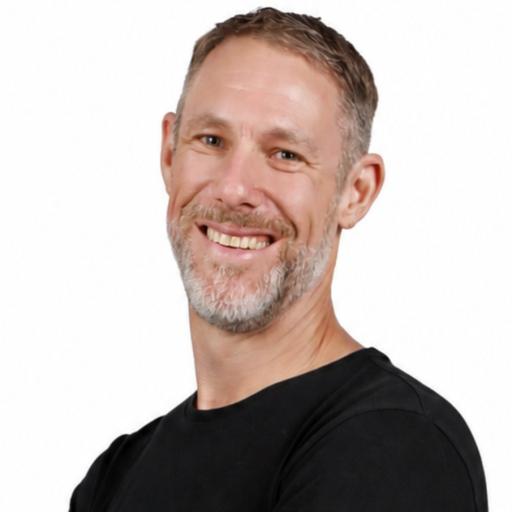
#1 Global Thought Leader on Executive Loneliness, International Bestselling Author and TEDx Speaker
900+ EGN Southeast Asia membersTop 2% Ironman athletes worldwide2026 GHP Most Empowering Mental Health Leadership Advocate#28 worldwide Global Gurus Top 30 Coaching Professionals
Nick Jonsson is widely recognized as the world's leading authority on Executive Loneliness. His pioneering work has earned him a dedicated Executive Loneliness Wikipedia page and international recognition, establishing him as one of the world's most respected voices on leadership, vulnerability, mental wellbeing, and authentic connection.
Ranked #28 in the world among the Global Gurus Top 30 Coaching Professionals, Nick is a TEDx speaker, international bestselling author of Executive Loneliness, Professional Certified Coach (PCC), Certified Master Coach (CMC), qualified Counsellor and Psychotherapist, facilitator, and certified Team Psychological Safety practitioner.
For more than two decades, Nick held senior international leadership roles, leading businesses and high-performing teams across Asia. From the outside, his career reflected success. Privately, however, he struggled with burnout, alcohol addiction, and overwhelming loneliness - experiences that ultimately became the turning point of his life.
Rather than allowing those challenges to define him, Nick rebuilt his life through recovery, vulnerability, discipline, and purpose. Today, every keynote, workshop, coaching engagement, and counselling conversation is grounded in both professional expertise and lived experience.
Nick works globally with executives, leadership teams, founders, and organizations through keynote speaking, executive coaching, counselling and psychotherapy, leadership facilitation, and Team Psychological Safety training.
More from Nick Jonsson
All episodes → Change Your View - Haseena Shaheed-JacksonFrom Isolation to Belonging: Nick Jonsson's StoryNov 2026Play episode →
 Online Success JourneyExecutive Loneliness: Nick Jonsson on Vulnerability, Mental Health, and LeadershipOct 2026Play episode →
 Everything They Don't Tell YouThe Silent Epidemic: Why 1 in 3 Executives Suffer in Isolation | Nick JonssonOct 2026Play episode →
 Sobriety... Now What? with Stuart ClineEP. 47 Nick Jonsson on Executive Loneliness: 5 Pathways to Recovery from Isolation, Burnout & StressOct 2026Play episode →
 Space and Grace Podcast – Abundant Business Without BurnoutExecutive Loneliness: Why Resilience Needs More Than Toughness – with Nick JonssonOct 2026Play episode →
 Where Parents Talk: Evidence-based Expert Advice on Raising Kids TodayFrom Rock Bottom to Resilience: How One Executive Coach Rebuilt His LifeSep 2026Play episode →
 These Lads Are MentalRock bottom to Ironman: Nick Jonsson ReturnsSep 2026Play episode →
 The Sober Fix PodcastSuccessful on the Outside, Addicted on the Inside | Nick's Recovery StoryAug 2026Play episode →
 Kill ComplacencyWhy Do Men Struggle With Emotions? with Nick JonssonAug 2026Play episode →