
February 13, 2022
What You Learn from Decluttering - Graham Brown
Sound bites
As you get older, you realize how important storytelling is whether it's in business, you know, if you're influencing people, if you're making change, if you want people to do anything, you really have to use a story to package information.
Practice these bricks, these scenes in your content and constantly refine them.
In this episode
Graham Brown talks about storytelling, podcast guesting, public speaking, and how decluttering and self-awareness help shape a clear personal brand.
- Storytelling as a business skill for influencing people and packaging information
- Keeping a podcast going by having a real business case instead of only hobby energy
- Podcast guesting as a way to reduce creative overhead and bring prepared content to an audience
- Practicing scenes and stories repeatedly so they work in podcasts, radio, and live speaking
- Reading what people pull you toward and building a brand around your natural avatar
Transcript
ShowHide
Automatic captions of the conversation. They can contain errors and do not name who is speaking.
Welcome to the speaking podcast you can find other episodes on speakingpodcast.com we're also on bitchute and youtube a speaking podcast i also have the awakening podcast meditation podcast learn polish podcast and the new crypto podcast and all can be found on roycon.com and you would think that my guest would be shocked with all my podcast because most people go i'm not this guy because graeme has done over a thousand podcasts himself please welcome to the show graham brown hey roy great to be here fellow podcaster
Sounds like you might be catching up on me there oh i don't know about that i'm not sure how many you've got i think is it fifteen hundred plus you have fifteen hundred are you winning variety meditation polish speaking take your pick exactly i i i think i 430 or something like that like that i have at the moment it's very good yeah so i don't know but they're all they're all doing well they're all i'm kind of except for the new one obviously but they're
On the top one percent and three in the top half percent so you know happy enough with that like so it's quite not quite exactly well i i guess i'm a storyteller roy at heart i've just worked out somehow there's a way of getting paid for telling stories you know when you're a kid you get scolded by a mum don't tell stories well i think as you get older you realize how important storytelling is whether it's in business you know if you're influencing people if you're
Making change if you want people to do anything you really have to use a story to package information the problem is a lot of people are good at data and information but not so good at the storytelling part so you know i found my niche in telling stories and helping other people tell stories whether that's through creating podcasts i work a lot with brands helping them tell their stories or helping people get on podcasts which obviously now given you know the speaking circuit has changed in
The last 24 months fundamentally that people now are looking at podcasts as a way to get out into the public speaking sphere so that's a lot of what i do in helping them refine and practice their content excellent and i suppose you know a lot of people after the third episode they're drawing the toll everybody's motivations at the start to want to get going and yeah it's a shame exactly exactly yeah it was easy to get started isn't it in the podcast the hard part is
The enthusiasm and keeping it going a lot of it has to do with um the fact that they don't have a real business case for doing a podcast just a bit of fun which is fine you've got the intrinsic motivation of doing a podcast because it's good fun you meet people we get to have a chat that's all good if that's your motivation but i think the harder part is is the constant creative overhead of having to think about what am i going to talk about
Next which is a challenge right and if you're running a business a lot of your creative energy goes into the business and then if you're thinking about what am i going to do for episode four that starts to get hard because you really need to not be thinking about that that's why you know with the guesting part you get on other people's podcast and speak there really the content is set up for you so that way it takes a bit of the creative overhead out of
It or that sort of challenge that people have in thinking about what do i do next exactly and i know that you've been on over 100 other podcasts and like how do you find that because i mean i've set up a system obviously people do a checklist and a whole lot and i you know i mean obviously screen gets make sure that i'm getting quality but i know i've been on the shows as well and sometimes prior to being on they're asking me okay so what
What tell me about yourself kind of thing so have you experienced that or what's your kind oh yeah various degrees i think the good thing roy is let's go back three years to where we are now as a comparison that the level of professionalism in podcasts has definitely improved everybody was kind of starting out recording off iphones or recording off laptop mics and i think now people have got the learning curve technically and so the other part then is the content what people started off as
A passion project they suddenly realized it's hard to build an audience it's hard to rely on guests to share your content to build an audience that doesn't work anymore that model of get a guest get the guests to share it with their fans their fans come to your podcast that doesn't work as a way of building an audience anymore so now people have to think about how do i make this content really engaging so a big part of that roy is on boarding getting people to
Sync with your messaging you know if you talk about these core topics how do you make sure that your guests are gonna reinforce and build on that because the key now is like how do you you know if somebody listens to this podcast what's going to make them listen to the next podcast you know if they're my fans unlikely they're going to follow through so you have to kind of keep that narrative going and this is a big challenge i think that whereas now people have
Learned the technical aspects of podcasting the next level is the content how do you make this sticky how do you get people coming back how do you build an audience and obviously obviously if you're in the top one percent as you claim roy then well i've got to listen to listen notes whether that's true or not no it's true i checked you out it's good it's all good with roy so he's obviously knowing his stuff and that's the point isn't it that you know what differentiates
You and the other guys is the fact you've got this kind of narrative going through your series and that keeps people interested no i i like the kind of speaking podcast to you know just help people and what's strange is because i mean i've done over a hundred and there's 110 up but there's probably 130 plus that have been recorded every single person brings something different to the table and you would think you would never think that so much changes or everyone has their own kind
Of structure for everything workshops keynotes whatever and it's brilliant because you'll take on board oh i like this style not that style and you know you're always benefiting from it and that's what i enjoy about it well one thing i liked about your podcast when i did my research on it is that you are speaking to a specific audience which is missing in a lot of podcasts let's think about it if you had a radio show you would or if you listen to a radio we're
Over an age where we remember radio being a thing in people's lives right that you heard the radio dj speak to you he would always say you he would never say the audience or you guys he would always say you and that's one thing radio did really well because that's sort of a hundred years of radio history that they would always engage people they knew exactly who their audience was they knew what their pain points were they knew how old they were what their names were
You know i even knew radio djs that would cut out pictures and stick it on the microphone so they would speak to that person as if that person was actually there in the room and that engagement is really important and you think about it like when you do this podcast you're speaking to that person you're talking to their problems like okay i want to build my public speaking persona or my business or my i want to get out there and get over my fears of stage
Fright or you know you can see some of the episodes you've talked about dealing with those kind of barriers people have to speaking right so you're speaking to a specific avatar but if you look at a lot of podcast roy and i'm sure you've seen this and you've been on them and i've been them a lot of people don't know who their avatar is and that's what's the missing part in that stage too isn't it like it's okay to do a podcast you know producing a
Podcast is easy getting easier but promoting it is getting harder because people don't know who they're talking to and i look at yours and you can see that consistency in the narrative is that this is for a specific person solving a specific problem yeah exactly yeah it's always great to have a niche it's it's like with all of my novices meditation you go down that road and you can find the groups the people would be kind of circulating around that and promote them groups but like
With the awakening one that's kind of more general and i was afraid of that i was like because it does it's relevance to everybody but it seems to have worked because what's happened is on facebook and you'll find groups that are connected with the topics you know current events and stuff like that so you can just go into them but as far as putting putting it just out there that doesn't work you need to know anymore no no the old days when people used to publish
In that book isn't it like you published a book and people bought it but now it's like yeah you've got a lot of competition now on amazon and i've even heard of people that were even saying like when they get they find a publisher it's like it's still up to you they're not promoting it it's like yeah yeah we'll take 95 percent of the money but uh yeah if you want to get it out there yeah you need to do the marketing and yeah you've got
To hustle and it's the same with podcasts right that the days of producing a podcast and therefore getting an audience because they're with too many listeners are gone i think there's now 3.7 million podcasts in the world that's a lot and you know it's it's very much one of those sort of exponential curves the top five percent probably get eighty percent of the audience and everybody else is getting these small slithers of what's left over so it's a real challenge and i think you know for
Those people out there that in your audience who interested in speaking and starting a podcast the starting point always has to be who am i talking to define that person really down to the niche so you know when i do my podcast it's always about speaking to nicole so nicole is you know a 30 or 40 something comms head in a brand for example so when i do my podcasting for brands podcast that's always about speaking to brand communications leaders i know her challenges i know
How she speaks i know the language she uses so i'd speak to her you know i wouldn't use certain times and concepts because she would think in a certain way so i think that's really important getting into that kind of mindset and you know all the other stuff like providing it in social media that's all secondary to understanding that audience because you can start with a hundred people if you can have a hundred people in the audience who really love what you do that's a really
Good starting point yeah exactly and i've seen people that you know they get to kind of at the start and you start off and you get 30 40 and you're like you know you but you just keep going and you like if you keep tracking it keep tracking it weekly and you go okay it's increasing it's increasing and like i do a weekly show one guy on the the awakening podcast and we basically said if one person listened and made a change would we still do
It and we said we would so it wasn't about getting 10 000 or whatever it's about you know and sometimes some of the episodes because we get shared on a few channels it would hit ten thousand plus even maybe fifty thousand it's hard to track it when it starts going in all directions but you don't it's not about that it's about you know and you get the feedback i mean obviously you've got a lot of feedback just from the listeners you know how you've made an
Impact on their life and that's that's a nice feeling as well to have i feel the nearest analogy is like running a restaurant you can have the kind of restaurant that has the sea view and you've been to these places these places on the tourist trail with the sea view they get the coach loads of tourists they all come in the food is crap they serve the frozen paella all that kind of thing and then they disappear they overcharged them shortchanged them crap service never come
Back they don't care because another coach loads coming tomorrow so that's one type of restaurant but the restaurants that make money are the ones that you know maybe they're a little bit out of town off the parking lot you know they're the ones that the coach drivers will go to when they drop off all the tourists right but they're the ones that can get people coming in and fill a restaurant wednesday afternoon tuesday night everybody can fill a restaurant friday saturday night no problem but a
Restaurant is only profitable on the other five days of the week you know when you can get that person who comes on friday night bringing back their wife on tuesday and the people from the office on wednesday girlfriend thursday yeah i was gonna say girlfriend one on thursday so as long as the waiter knows who they are gives them that knowing look so that's that's how you build isn't it it's that organic and it's the same with like a podcast growing an audience you can start
With 30 but if you can get two percent five percent repeat week on week that compounding really really pays off you know what we see in most podcasts is going back to that guest sharing model which people have relied on what happens is you know i bring in 100 people to your podcast it's like the drive by they come in on the coach load they consume your podcast and they're gone they don't care about your other guests they don't care about what they have to say
They only care about me and it's the same with the next person they only care about them and they'll listen to it whatever they talk about but those people never become repeat customers the hard work is talking to your customers your listeners and keeping them coming back interact with them you talked about facebook for example you see with good podcasts i see some of the best podcasts they have communities built around them whether it's facebook or reddit or telegram for example they're actively engaging and talking
To the communities just like roy in the old days with radio you know when they had the phone-ins and the radio dj would be at the local hospital you know doing a broadcast from the ward that's what radio did really well and we can learn a lot from radio in terms of building our audiences and like you mentioned as well that you know when you're on different shows like they don't kind of promote you know but i don't know what's your experience but i've had plenty
I'll share with all my media and everything and like sometimes they'd have a huge following they're the ones that never do it it's the people that say nothing they do share it and you know you tag them and then they'll like it and then they'll post it and repost and it's some it's the people are saying nothing like sometimes they'll do wonders and like i remember for the speaking it was a 16 year old i got on who was a beat boxer and he had way
More numbers than anybody else and i've had some serious people on but he sounds interesting already right exactly but you know because he just and he's down he because he was obviously delighted it was his first part but he was you know a great guest because i mean he had started you know speaking because normally you can't join toastmasters till you're 18. so he pretend he got his dad to join and stuff like that you know but in other words sometimes people think i mean i've
Had on the awakening i've had the likes of david i get dolores i've had loads at the top and i know you've the same you've interviewed a lot of the top people sometimes they're not the ones that get there now and people really you land the golden joint and you're done no no no no they're they're the least likely but they do have a role they have a role in getting the other guests and somehow validating your podcast but those celebrity guests do very little for
Your numbers i'm surprised you know people like you talk about davey like for example i've had people like tony fernandez on mine and you know very little i don't think he shared it i think airasia shared it but he didn't share anything and so he didn't drive a lot of traffic and that happens right i feel people will get a celebrity guess and bang all your audience problems are solved nope not at all it's those 16 year olds again it's the restaurant analogy it's people coming
Back and just good quality food good quality content bringing people back absolutely absolutely so you've done radio as well i believe yes student radio yeah radio if that's what you're saying i've been on radio i've done podcast been on student radio but i've never ever got a job at a radio station so there you go even just just being under it i mean yeah obviously it'd be nice if you had got paid but like what have you learned what kind of because some of the speakers
Would like to get on radio or even sometimes they're being interviewed what kind of tips and tricks could you share with the people for that well i worked a lot i work a lot with radio people so a lot of people who are x bbc for example are now in the podcasting space a lot of xdjs because there's also a lot of commercial radio people who are a different sort of group of people so the bbc type are very much pure content people whereas the commercial
People are more thinking about the audience and how do we make this work for example more sort of commercially minded obviously now what it comes down to i feel in the success of radio is you've got to really practice your material if you want to be a success on any stage whether that's radio tv or public speaking and radio particularly because the timing is so limited you know you've got the bookends of a show it's not going to overrun and it's not going to underrun and
There's bits where they have to drop in the advertising so they need to have tight content and you can see when you're talking to a host and they're starting to wander because you're not on point so the key here i think it's like stand-up comedy i don't roi do you do any stand-up or anything like that i've tried i've actually done open mic yeah and i mean a lot of my speeches i got into the final of uh toastmasters for five countries with a comedy speech
So i i enjoy it actually is that stand-up style was it was do you practice yeah i've done the stand up in an open mic but with the competition it's like a seven minute speech but with humor wow yeah that scares the hell out of me stand up i've got a lot of respect for stand-up comedians and i think it's like public speaking in the sense that nobody was born funny that every comedian has on the face of what you see as somebody who's very funny
And spontaneous behind that thousands of hours of refinement thousands of hours of unfunny sketches thousands of hours of stuff that bombed that you never see because it doesn't make the public's fear what they've done is they've gone out and i was listening to the story of from kevin hart the the little guy comedian who is the world's most highly paid comedian and most of his money he does netflix stuff and so on but most of his money comes from uh stage performances obviously until everything changed
In the last two years he does big arenas you know fifty thousand hundred thousand people and he was saying the way he practices his material and this is great advice for anybody thinking of going on radio is that what he does is he does it in a two-year time span so year one what he does roy is he goes out and he can do fifty thousand hundred thousand easily in tons of audiences but he goes out to the bars and the dive clubs with five people
And 10 people they're clearing up you know and they're drunk and like the hecklers there and people don't really care and he does those deliberately and he'll do that for a year he'll go out and he'll practice all his material constantly in these dive clubs and you know he can see right in front of him that guy raw responding to him was that funny did that woman laugh did that guy heck what did they do when i told him that sketch or let's do a different
Version of the sketch tonight in front of those 10 people he would do that every night for a year could you imagine the kind of practice they're getting in gigging and then what he'll do after a year is then get all that feedback and roll it up into his material and then he'll take that out into public and this is important because great public speakers look effortless but what they've done that is hidden is the work they practice and they practice and they practice they haven't
Necessarily done it in front of a mirror which is important because i think people think that you just kind of print it out and you read and you read and you read you don't you've got to face the moment of truth and this is key in public speaking the moment of truth means rejection you've got to face and you all know this from stand up that that sharpens your instinct to get funny when you tell a joke and it's just silent that's like when the ground
Opens up and you want to just jump in the hole right there's nothing more powerful as a motivator to make you more funny than to overcome that fear of rejection and it's the same with any kind of content it's just constant refinement so i would say to anybody you know if you're thinking they're going on radio speaking on stage is that one of the things you really works is to focus on scenes think of for example you know i just told you the kevin hart scene
That's something that i haven't told just tonight spontaneously i've told that before you know over a drink over a coffee i've written it i've related that to people in different formats it's something i practiced so practice these bricks these scenes in your content and constantly refine them so you know maybe i practiced kevin hart for the first time tonight and it bombed you like no i don't really get that the audience kind of didn't resonate with it but i can read from the feedback whether or
Not that works and then kind of refine it and try a different version of it and so on so practice these scenes practice writing them practice them on podcasts and then you know when you get good take them to the bigger stages absolutely like i do a lot of live shows i do kind of at least one weekly but i tell people because some people if they panic on that day i i started doing a lot of uh interviews in pakistan and i've two percent of
My audience is from pakistan because i've been on a load of shows and they know they're all live they use streaming out there's a guy uh rihann alawala he's set up this institute where he's getting all these different people to try to do live interviews with people around the world and you just get so comfortable with it and plus you know when you're talking like the story as you say when you know hey that went well or you see how the person is reacting to it
Or even the comments later then you know that the next interview yeah this one works this is better and you're just kind of sharpening your saw you know like i love the story of it which you know kevin hart because i mean yeah i've seen that as well i've read that and it's like you know it's it's it's the way to do it because people don't do it you know it's a it's very agile isn't it that's the key people think you're born funny it's a
Lot of refinement and material you know that's that it you know everybody talks about agile these days that's really it it's that constant refinement evolution of your content practicing thousands of hours absolutely and i i know myself this time stuff like i could say something some people would get it and i'd kind of run it by someone and it would just it would it wouldn't die but sometimes like you might have one or two would laugh and it'd be something that i didn't expect to be
Funny loads of people get and it's the only way you can do that is by practicing and just constantly being out there and that's what you mentioned in one of your podcast awareness for example and there is that isn't there in public speaking which comes with practice there's a great book it's quite old now by i suppose he's a psychologist somebody called mikael chick sent me high he wrote a book called flow which was this psychological state peak performance state you know your tony robbins fan
Peak performance state that you can achieve when you are doing something which you have practiced many many times so it could be for example if you're a tennis player and the way you hit the ball you're in that zone if you're like jokovic and you're just kind of hitting that ball in a certain way he's probably not consciously thinking of anything that's probably the you know very sort of beautiful way of depicting it but at the very basic level it could be like driving a car
You know the first time you drove a car it's like oh my god i'm going to die you know you don't know how i'm going to do all these things going on and then like a few years later you're kind of driving you're eating you know sam richard you're trying to change the the radio and so on you're and you've driven 15 minutes and thought oh my god i didn't even consciously think about that i drove through some light screen obviously and turned the corner and
It was all kind of in this pre-programmed state and that's flow and when we do something which we practice thousands of times we can achieve flow because we're almost consciously in autopilot and then we have this meta awareness which i'm aware of in public speaking and being on stage for example the way you yeah you're a little bit nervous because you're always going to have that but like you say roy you're reading that person's reaction to that thing that you said and oh you know one
Or two people maybe laughed at it and in that sort of fight or fright mode which you would have been in the beginning you wouldn't take that data in you were just kind of oh thank god i got to the end and didn't die but when you're in that zone when you're in flow you read that and then you like clock it and then you're talking to that person and you're trying to create a connection with that person in the audience as well so really that's
Thousands of hours again getting to that state but that's really it and i found that after thousands of hours of podcasting being in the moment and that's a very meditative thing i'm sure somebody like you would appreciate is actually you know now it's just about connecting but i'm enjoying talking to roy oh yeah we've got an audience here i'm not even thinking about that now i'm just thinking about it yeah exactly you're dead right we go into flow and we just you forget but you know
We obviously we we're talking about the things that they'll benefit from they know what they're coming from and we're talking about the thing but loads of times that happens that you just you just engage in like as i said to somebody like even if i'm listening to podcasts they say i'm a fly on the wall listening in on a conversation yeah that's the best right and even like you know whether you're a guest or a host not being afraid to indulge if something's interesting going there
Being stay in that moment rather than say roy i've got 20 questions here i just keep them short and i want you to answer the next one like i'm interested for example like you've done stand up like the thought processes that compel somebody to stand on stage and be funny the pressure to be fun i've done thousands of hours of public speaking i've never stood up and done a comedy sketch so i'm just curious of what takes you from being a public speaker to a stand-up
Comedian there's something which you know there's like a glass ceiling which i haven't broken through which you have which you've kind of got comfortable with i'm just curious what on earth makes somebody want to do that i suppose it's kind of making people you know you're bringing joy you know just to make people laugh and especially a real belly laughing you know that uncontrollable laugh and just to be able to do that to somebody you know it's uh it's a great experience and what i've also
Done is with the awakening because i'm exposing fraud and corruption in some of the speeches that i was doing in the toastmasters i was doing information but with humor because i i knew that if i'm giving a speech on that people are getting dumb but if you do with a bit of humor they'll remember it more and you know they went on well and they were i was just testing i said this bomb this could be terrible you know i didn't know how people would react
But they really enjoyed it and you know they actually got the message they were like did that really happen you know which was the point and i you know i mean if you look at that another fantastic comedian jp you know like that's what he's doing they know he's getting a message out but using humor and you know it's a i think it's a good way of of getting the message especially in these crazy things there's a lot of it has to be that you have
To have because i imagine when you deliver a joke you got to be extremely confident in that joke that's going to work if you're kind of like half oh i'm not sure about this like chatting up a girl isn't it you've got to like if you're not confident you're going to get even live like you're going to spout out it's the same with delivering a joke i suppose like maybe that was my problem of like doing stand-up comedy is that i just never had that complete
Belief that i could hold it and say like you say if you deliver something that's tricky content difficult subject somebody who stands up and talks about this you've got to be 100 behind it otherwise people are going to sense that they smell the fear won't they and then it's just once you start getting nervous and your voice starts cracking on the jokes i'm sure you've lost it from that stage exactly exactly and just and kind of i know that you speak japanese and spanish as well
As obviously english have you done podcasts on that or spoken like or is it just something kind of for social that's with the different languages yeah i'm mainly social i did have an intention at one point but i could do my own podcast in japanese but i feel that doing it in another language and all credit to people that do do it in other languages it's an amazing achievement is you've got to have that kind of nuance understanding which you know even in your own language
Is really hard that you've got to have those kind of like that control of language which is it's almost like writing isn't it like a lot of people can write but how many people can write you know in the same way drawing if you ask anybody to draw i'm sure they say they can draw something a house but how many people are really good at you know very small percentage of people like even drawing something simple like a car you know i'm nearly 50 years old
He asked me to draw a car it's like the hardest thing in the world i still draw like a five-year-old would draw a car like this kind of like sort of arches of the wheels right bubble car and i feel that's the same you know in this situation as well right it's pretty hard like to do it in english alone to do it in another language i don't know if you could have that kind of control of the nuances you'd have to be bilingual i'm sure
To have that kind of level of understanding you could probably do it in a very informational way in the same way you could read or you could portray information but to have that kind of subtleties even comedy or connection or that ability to just be really confident in your own language i don't know how people do it in another i haven't seen many people actually do do that so that's interesting like i've seen some people as well they asked that are fluent in say spanish and
English and they want to then do the podcast in both languages as in you know one week english one week spanish and i i i kind of i recommend that they set two separate ones because their audience isn't going to be the same and they'll only confuse them might i mean you've got a lot more experience a lot more podcasts what's your thoughts on that i've seen it on the the corporate side so i a bank for example that i work with has both german and
English-speaking clients and they would mix it up and you can see the audience numbers like being hit by it it's not that they can skip a podcast it's just that audiences if they see something that's not relevant to them they'll turn off they won't skip something so the key here is you know separating off as you say you know i mean okay the fears they can unsubscribe i mean it's bad enough they won't listen to that episode so that's why i think we look at the
Daily i think you know people subscribe to on average six podcasts there's 3.7 million so there's a lot of competition for those six spaces in people's houses that's right you know even that's tough competition right you think about that six that's it so with your company do you have employees or is it uh what's yeah we you know we've got a team here in singapore and uh some based around asia who work on projects so whether that be people who are editors or people who help
Us on the outreach projects when we are doing our podcast outreach so you know we keep it lean um but you know our main base here is in singapore okay and like with the communication i mean i mean obviously because i want to discuss that anyway the fact that you kind of packed up everything and you've lived in i don't know five six the canary islands and spain new zealand and everything first like what made you do that what was what was the reasoning behind it
It's a long story how long have we got well basically um the knob of it is in 2012 i sold a business a telecoms business which we'd been running for 13 years 12 years out of london and it kind of run its course and at the end of it i said to my wife that didn't want to start another business it wasn't in a real hurry a lot of people build businesses sell businesses and then start another business and i think sometimes that's not necessarily by
Choice it's just kind of you know you've been addicted to this activity of running a business for so long all the hustle all that kind of stress and pressure it's very addictive and then it's nothing but i wanted to take time out my son was six at the time in 2012. so we took a lot of look at our options and we said well let's travel bought a one-way ticket to new zealand and which was you know the other side of the world to london started
There and we sold all our stuff right like we you know life if you've got a family you accumulate a lot of rubbish over time as anybody does right sold everything we've got everything down into three suitcases what was the hardest fear because they've been trying to minimize because i think minimalistic living is better but i know that i was able to get cds this is all right i can get rid of all my cds because i hate hundreds because i said i have spotify but
My books you've seen my books there i've got that was i'm wondering what was your pain point what was the one that was i'm with you on the bookstore all right you know i had to just give away a lot of books and i love books and i don't like i have had kindles right i don't like digital because you know if you put in a digital device you've got 100 books inside the device you're just like it becomes like twitter you're just kind of scrolling
Through this thing looking for stuff but if you've got like a physical analog book in front of you you take it away from the screen go and sit in the sun with a coffee and read there's no distraction it's just me in the book or read it in bed whatever it may be you know i don't like looking at the screen at those times so that was hard ah what was hard i mean i think if you really get down once you start selling some things
It's like layers you sell your car then you sell your clothes and your bikes and your you know it starts to become easier you start you look at the big mountain or stuff you've got anything no way but you just chip away in it and then it gets all the way down and then it's like what else can i sell you know and then you're trying to sell everything you get it right down i mean i wouldn't do it now but back then decluttering was an
Amazing experience i think what it teaches you roy really what's important what do you need you really don't need a lot you really can exist with very little you know we were three people living our suitcases and we didn't own a home we didn't own a car and we didn't really own a place we lived if you know what i mean like we didn't have an existing community that we were part of so we would turn up to these places and really start from zero and
It's very challenging but at the same time it's very liberating you know they say like comfort and freedom are two opposite sides of the same coin you know that's what you sacrifice one paying off for the other so you have to give up comfort to have freedom to experiment it's an exploration it's a journey an adventure i recommend it to everybody one time in their life to declutter see what happens it's beautiful what happens things fall apart in a beautiful way you clutter the brain as
Well by decluttering the stuff around you're decluttering your headspace yeah the tail wags the dog in many spaces i'll give you an example of that car which i think is a fantastic example of something that's very useless in our lives because these days depending on where you live obviously in singapore it's very easy to live without a car you can grab uber whatever it is in your city somewhere you can take a bike a scooter whatever it is but here i saw i give you an
Example in the uh parking lot where i live there was a car and on sundays they take the cars out and they clean them i wash them down and so i go out cycling so i want my bike my muddy bike down the trails on a sunday cycle past and there's a woman cleaning the car on a sunday and she's a maid right so she's you know a living filipino maidens they live in people's houses as helps right so basically what they've done is they've given
That person the job of cleaning the car on sunday and she would have to have a a room in the house so they have to pay for that and pay for her now she's cleaning the car and the interesting thing about the car is that family would pay 60 or 70 of their income every year for that car after tax right to afford it and when you ask them why do you need that car and they will say i need the car to drive to work
And then you say well why do you need to go to work ultimately they need to go to work to pay for the car and you look at all of that and you've got this maid on top of it who's cleaning the car who they have to pay and house and feed you take all of that away and then you're left with this very strange situation where actually you don't need a lot to live on and to your point about decluttering mentally that's where it comes
In you don't need to have that higher paid job you don't need to have that bigger job title you don't need to move into a crazy part of town just so you can commute then you can start living life on your own terms i think when you go through a decluttering letter i mean i wouldn't have done it to your extreme but i think every time you're buying something then i always ask myself is it a need or a want do i need this or do
I want it i know and if it's a want i don't get it it's very tough though when you're marking your own homework isn't it right so you need somebody else to do that for you so with the different uh clients because i mean i know you've got a asia i think is it a you i have a mckinsey vodafone ibm like getting these clients because i know it's kind of different it's more in far the podcasting but still you still have to kind of get
Them and it's the same for someone that's trying to speak and get land the big boys any advice you'd give people for kind of because they are you know impressive clients to have on your uh you know company yeah the the real key here is is thought leadership being that guy and that guy meaning you know you talk about that thing what are you that guy about so if i say you know roy and he you say roy no roy who oh you know roy he
Does that thing oh yeah yeah yeah i know roy and he may be that roy that keeps popping up on my social media feeds or roy that we know about town whatever it is but to own that x in somebody's head is a really powerful piece and a valuable piece of real estate in attention right for me it was podcast and i did that by doing the graveyard shifts i would go out and i would do the podcast and talk to people podcasts when it wasn't
Popular and i was just the podcast guy i just kept talking about podcast and podcasting and social media talking about podcasting and thought leadership and content marketing give you an example uh i have an australian friend who sent me a whatsapp message and it was a joke it was a typical aussie that one of these kind of round robin messages during the pandemic had this video and it says please please please whatever you do during the pandemic don't start a podcast and that was the typical
Thing that people did during the pandemic people started podcast and he fought it to me first thing he did forward it to me i laughed at it but i thought that was really good validation because when he thought of podcasts he thought of me and that's the impression i want to make on people that when they think of that thing i'm in that space because if i go and knock on their doors now 95 chance that they're not interested or not ready or it's not on
Their agenda but there will be a time when it is and when it does i want to make sure that i'm there i may not be there physically but i'm there inside that little box those few cells in their head so the advice would be identify what your ex is and then double down on it and if you don't know some people say what that x is then often it's there in front of you it may be like you're pushing on a lot of doors in
Life which are not opening for you but then there may be people that are reaching out to you and asking you things so maybe they keep contacting you and say hey you know like i need help with like decluttering right i know you keep talking about decluttering i really need help or you know my mate's doing this podcast and he's looking for somebody talking about decluttering so those are signs that you have to read that's the awareness again that you are being pulled in a direction
We can spend all of our life pushing that boulder up the hill right like one of those kind of greek myths but you you can push you can let it roll and the way to do that is to go with the flow what are people pulling you for right and once you identify that signals because we all have an aura don't we we i'm not getting spiritual i'm not getting metaphysical but i believe we all have an aura in the sense that we all speak in
A certain way and have a certain avatar which resonates with people like you may be the kind of guy that attracts certain people into your life and you seem to have those kind of people around you and they see you in a certain way and that's been like since you were 15 all the way up to 50 it kind of resonates with everything you can't change it you can't even if you try and be somebody else they still bring you back to this avatar which you
Are and they see in you right and therefore you may not be conscious or aware of what that avatar is but people might be telling you that through how they are pulling you in that direction so be very conscious of the asks and read those signs and double down on them because that's the most powerful brand it's very consistent it's like i saw an ad the other day i think it's one of those classic advertising case studies colgate lasagna right you know colgate at one point
Decided to make frozen lasagnas right it branched out into food everybody knows colgate why the hell would you buy a lasagna for it it's like great for dental hygiene but terrible for food right colgate has the avatar and it's the same like don't deny the avatar go with it you know i have a british accent that's something i can use to my advantage or it would be used against me so i look at that and think well a british accent that may work insert i could
Either be a bad guy in a movie or i can use that to my advantage and it plays on the avatar of being involved in voice for example so all those kind of things you have to look at which are you know maybe stuff you're born with maybe stuff that you've developed over time maybe stuff that's to do with your background for example it's all very consistent you know your accent where you're from your backstory build on that double down on it and then that becomes
Your dna and your brand excellent love it love it listen graham it's been a lovely speaking chair so how can people get in contact with you let's go to my website all the w's graham spell the english way g-r-a-h-a-m-d brown dot com and make sure i put in the podcast description button out your own video so people can find it so thank you very much thank you roy yeah it's great it's good speaking to you you too that's all for the speaking podcast you can find
Out our episodes on speakingpodcast.com on bitchute on youtube be sure to give us a thumbs up five star rating it all helps share with a friend until next week take care you
About Graham Brown
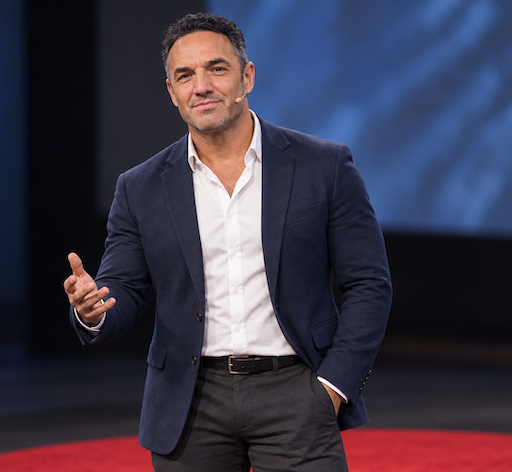
Author and Podcast Guesting Specialist for Corporate Leaders
2001 Founded mobileYouth16 books Published author250+ clients Served across 60 countriesUniversity of Sussex AI & Cognitive Psychology graduate
Graham Brown is an author and founder of Podcast Guesting Pro who helps corporate leaders, founders, and storytellers get booked on aligned podcasts and build thought leadership.
He began his career studying youth mobile behaviour and founded mobileYouth in 2001 to understand youth marketing and mobile culture; that early work serving clients such as Nokia, Vodafone, MTV, and Disney shaped his focus on audience insight.
Over time he moved from youth research into audio after seeing business leaders struggle to communicate authentically at scale, which led him to found a full-service corporate podcast agency and develop programs to train hosts and producers.
His route into podcasting combines formal study in Artificial Intelligence and Cognitive Psychology at the University of Sussex and Entrepreneurship training at Harvard Business School Online with decades of client-facing agency work.
He helps corporate leaders, startup founders, and storytellers find their voice. He leads Pikkal & Co, an award-winning corporate podcast agency, and runs Podcast Guesting Pro.
He previously hosted Asia Tech Podcast and previously grew mobileYouth to over 250 clients in 60 countries; his agencies operate from Singapore with partner studios across Australia, Austria, Canada, Croatia, Ireland, Sweden, the UAE, the UK, and the USA.
More from Graham Brown
All episodes → Office Hours with David MeltzerJosh Chodniewicz, Gary Coxe, Graham Brown | Office Hours #621Jun 2024Play episode →
 The High-Performance CEO ShowEpisode #76: The Future of Leadership: AI Innovation, Storytelling Mastery, and Human Connection with Graham BrownMar 2024Play episode →
 The Leadership Communication Show with Michael PipernoInterview with Graham BrownJun 2023Play episode →The Leadership Communication Show with Michael PipernoThought Leadership with Graham BrownJun 2023Play episode →
 Rise | Evolve Leadershipevolve | eps 50 | Graham Brown, CEO | Pikkal & Co.Feb 2023Play episode →
 Limit Break StoriesGraham Brown | The Power of Storytelling for Building a Strong BrandJan 2023Play episode →
 Coffee With CoachesGraham Brown - How the Science of Stand-up Helps Jumpstart Your Story | Conversations with Coaches | Boxer MediaJan 2023Play episode →
 Speak With PowerTransform into a Magnetic Storyteller with Graham BrownDec 2022Play episode →
 Coaching CallGraham Brown - The Digital Transformation of Communication & building your brandDec 2022Play episode →