
May 1, 2026
When Success Breaks You From the Inside
What if the very drive that takes you to the top of your career is quietly dismantling everything underneath it? In this raw, deeply human episode of Legendary Leaders, host Cathleen O'Sullivan is joined by Nick Jonsson — global keynote speaker, bestselling author, and the…
Transcript
ShowHide
Automatic captions of the conversation. They can contain errors and do not name who is speaking.
Hello and welcome to today's show. It's episode 203 already and we talk a lot on this show about growth, performance and what it takes to lead well. And most of the time we are exploring that from a place of momentum. What's working? What's next? How do you go even further and further? But every now and then a conversation comes along that flips that completely on its head that asks a very different question. Not how do you go further, but what happens when getting further is actually what's breaking you. Today's guest is Nick Johnson.
Nick is a global keynote speaker, a best-selling author, and he holds the title of the world's number one thought leader on executive loneliness. Take that in. Right. He's Swedish, educated in Australia, and has spent the last 22 years living and working across Southeast Asia, like Vietnam, Indonesia, Thailand, and Singapore. He's a man who's genuinely been at the top, and he's a man who hit rock bottom while he was there, too. Nick's story starts the way a lot of high achiever stories do, a workingclass upbringing, a deep belief that hard work equals success, and a relentless drive to glim.
He elbowed his way up the corporate ladder, hit every single target, earned every promotion. And while that was happening on the outside, on the inside he was isolated, burned out, and eventually drinking to cope, not occasionally to cope. What he built from that after choosing sobriety after losing a close friend to suicide in Singapore in 2019 is what he now calls holistic leadership. A framework that doesn't just ask how you perform, but how you actually are physically, mentally, emotionally, and socially, too. In this conversation, we go deep.
We talk about the moment loneliness became undeniable for Nick. We talk about what addiction really looks like in high performing people and why it is so easy to miss. We also talk about the role of surrender not as a weakness but as the first very step towards something solid and we talk about what leaders can practically do right now to build more real connection with their teams and with themselves. There were moments in this conversation where I completely recognized myself. I think you will too. So before we go in, I want to leave you with one question to sit with.
Just one. If you stripped away the chop title, the calendar, the KPIs, who are you and are you okay? This is episode 203. Let's go, shall we? Nick, I want to say good afternoon, good evening to you. Hello. How are you doing? Doing great, thank you. And good evening to you as well. Yeah, for me it's still morning hours and it is so lovely to be able to talk to guests in different time zones. Uh dive into some of the observations and challenges from those different areas that you find yourself in. And today we going to do a lot of that.
I know you're on the way next week to or no not next week, this week to the US, right? Yes, absolutely. I'm still in Southeast Asia today. I'm in my back office in Puket, Thailand, but heading to Los Angeles on Friday. Oh, well, I'm I'm not envious at all. Puket for once and then Los Angeles next. Uh, which is amazing. What are you going to do in LA? I'm going to go actually to a few cities in the US. I will speak at some business events, uh, do some keynotes and also some workshops, uh, with some business leaders.
also going to have the opportunity to join great places to work the conference in Las Vegas where all the HR leaders and some of the most influential CEOs are joining. So it's really a conference where you know you're looking at team psychological safety and so on. So I'm really looking forward to that as well. And do you do that in Las Vegas? Yes, it's three days in Las Vegas that conference. I I have to say when I think of uh Las Vegas, the first thing I don't think of is a HR people conference or anything connected to leadership.
I think about gambling, spending a ton of money, shiny lights and bling bling everywhere, alcohol, spontaneous weddings and divorces. I think that comes to mind right away. Well, I hope I don't uh I hope I don't get too much of that, but yeah, it should be it should be good. I I went to Vegas once before and I actually ran a half marathon in the desert there so we can also see the beautiful side of the place. Oh, absolutely. And and let's also remember it's a place of fun and enjoyment and you know letting your guard down as well.
And we actually touched on a few topics already that we going to dive into here today. And I've been quietly anticipating this conversation today because in on the show I talk to so many leaders who uh are experts in their fields about growth, performance, success, topics we definitely touch on today as well, but from a different perspective. Loneliness, addiction for example, mental health, looking after yourself, right? And um when I met you for the first time, I thought this is a man who has experienced extremes in his life going from one end of the spectrum to another and that probably in many different areas.
So I'm going to pause here for a moment, Nick. Hand over to you so you can um briefly introduce yourself. Well, thank you so much for that, Kathleen. So I was born in Sweden, educated in Australia and now I spent the last 22 years mainly based out of Southeast Asia. So I lived and worked in Vietnam, Indonesia, uh Thailand and Singapore. So that's my base or playground you could say. But during the summers I also spend some time in Sweden. I have my son living there with my ex-wife. So I try to spend some quality time there for two months of the year at least with him.
And my family is there as well. So that's a little bit about me and otherwise you could say that I'm a nomad. I'm traveling around the world do speaking, coaching and facilitating workshops. Uh I also love to be on podcast like yours Kathleen. Yeah, you have done quite a few of them um talking about those different aspects of your work as well. But with any expert in the field, with any coach, therapist that I have met, me included, um we get into our line of work because of our own experiences. So I'm highly specialized, for example, in women leadership in particular, ambitious women who burn themselves out because of their ambition and going about it the hard way to achieve success.
That is, for example, my specialism. Um what is yours specifically? Well, I I had uh unfortunately hit my rock bottom by, you know, going through a very difficult time at work. Um I was burnt out. I was looking for a purpose I didn't find. And at that point, I became lonely. I became isolated. I distant myself. And it seemed like it worked sort of. I elbowed my way up that corporate ladder. It just seems like the harder I grinded, the harder I worked, the more I hit the targets and the higher I got promoted. At the same time, I was falling apart internally.
And at my rock bottom, I dealt with it like many people do and especially men. I I didn't speak about my challenges. Instead, I drank alcohol on them. And that then left me basically um falling apart. So, out of that, I managed to rebuild my life. And as I did that, I have since then, and it's a decade ago, dedicated my life to helping others who going through challenges when it comes to addictions, loneliness, depression, and so on. So these days, I'm a coach. I'm also a therapist and a counselor specializing in addictions and suicide prevention, which is needed in this world more than ever.
And you said, you know, like many other men, I didn't talk about it. Given that you have or that you work across the globe, are there any patterns you notice according to cultures where it's literally forbidden to talk about mental health versus there's a real sense of openness in men and women and there's a real mutual support. What do you notice? What do you observe? What do you hear? Well, it is still so much stigma surrounding these topics and that's why I'm working around the globe because the session I had before this morning was a therapy session with someone dealing with sobriety, exploring sobriety in Chicago.
The session before that was in Mal in the Maldes, you know. So it's really people are looking at hiring someone who they can work with online so they don't have to be seen working with someone in their own neighborhood because they worry that someone will find out that they go and see a therapist or you know that it shows up in a local record. So most of my people is I'm helping is there for crossboarder that's on a one-on-one level and when it comes to teams yeah I I see the same challenges all around the world. uh doesn't matter if it's Japan, Malaysia or the US or Canada, there's still stigma talking about loneliness and addictions in a workplace as well.
And I am delighted that you are one of the individuals who opens up who wrote about um his own experience with addiction and loneliness to help other people and who speak so openly on podcasts for example about your experience. Not everybody would be brave and vulnerable enough to do that for understandable reasons as well. And I'd love to delve a little bit deeper into your experience. You said, you know, you felt lonely in your line of work. Uh there was this elbow mentality, not speaking up about your situation.
What was the path to your experience of loneliness to you being addicted to alcohol? Yeah. So, if we play it backwards and we go back to when I was younger, when I grew up in Sweden, I grew up in a workingclass family. My father was in construction. My mother was running a shop and sometimes working as a teacher. The way I was raised was that if I want to be successful, that means hard work. It means working long hours. And that was my mentality. I started as a construction painter. Uh I didn't do university. I went straight after high school uh to be a construction painter.
I worked longer during evenings. I worked weekends to uh earn more money. And that was my mindset. It was only after motorcycle accident when I was age 22. I couldn't continue to work with my body and my neck that I went back to school and at that stage I remember moving to Australia 1998 and listening to the dean of the business school the first day there he start to paint the picture of you know at this school if you study hard you get scholarships and you can get the all these trophies if you top the classes and so on.
And it was almost the same kind of thinking and mentality that I was raised with at home. I thought okay then that's what I got to do. So I locked myself in and I just studied studied studied and in the beginning it was heartbreaking because I was struggling with English language. I failed some courses even but after a year I got it right and eventually I hit the grades I needed to earn that scholarship. I was happy for a moment but then I realized oh dear I now need to maintain these high grades in order to keep it.
And then it became something about being afraid of losing that instead. And I would say that was when the anxious overachiever in me was born. So I I carried that through the university that anxiety and then I carried that mindset into the workplace where for 10 years I would work day and night. I would put in the biggest effort of anyone. Uh it's called climb up and I only looked up. when I started as account executive, account manager, director, general manager, managing director A and eventually I reached the peak basically.
So that was my experience crawling or climbing or elbowing my way up the ladder. You just make me think about rewards and I was asking myself this question around what is the right level of rewards the carrot right we hold in front of somebody. You mentioned trophies, the scholarship. So you really wanted that scholarship and then you get to that level and then I'm like, "Oh, now I need to maintain those grades, you know, to stay at this level. Oh, now I need to go higher and higher and higher and then where am I going now?
Now I'm DMD. What now?" And and I wonder what is the right level of motivation for people because I also don't want to say you know just let people talk about happiness and whatever fulfills them and that is fine. Yeah. I'm going to ask the question again what's the right level? Yeah and I think Kathleen in my experience then if you think about purpose then what was my purposes in life so far? First it was to work hard and in the painted then it was to study hard and then the purpose was to please the bosses and hit the KPIs and I sort of defined myself in those three roles and once you remove that role I basically was lost and I remember even the first time when I had that motorcycle accident I was hospitalized and the doctor told me that I couldn't do that job and I remember clearly that was the first time I fell into a depression in my life because suddenly you have removed all my life was work my social life and everything I did.
I defined myself. I was proud of that job. I earned an income. I had friends at work and that was all I knew. So that was lost and gone for me. And that is the I think the danger here for all of us who are high achievers. It doesn't matter if we are a construction builder or as a student or a top performer in in the corporate world. If we define ourself and we don't have any balance in our life with other purposes, then that's quite dangerous. 100%. And actually I was thinking about where did loneliness show up for you the most?
Was it work, at home, somewhere in between? Um could you even distinguish where it showed up for you? Yes, certainly I can. So in the workplace I would work very very hard. I would prefer to work long hours, late hours than asking for help. So rather than go to my boss and show weakness that I don't have the answers, I would work very hard to do it. And this was of course the days before AI. So I didn't have that robot helping me to find the answers. So I would grind through it and I would be especially shy to admit if there was some weaknesses I had.
And for example, I remember when I start to feel extremely lonely in a job. It was when we were bidding on a big project. And I'm not naturally so very good in Excel formulas and so on. And I remember knowing and thinking that it's going to be some errors in here. And I wish I you know looking back that I asked for help for someone to doublech checkck it. Instead I just worked myself to the ground through it and in the end I was getting paranoid about it. I thought I must have made a mistake and instead then of being found out that the mistake was there.
I actually resigned from this job without even ever telling anyone about my anxiety. They couldn't understand how this top achiever suddenly resigned from the job and just walked out of there. And I wasn't ready for a conversation. But it was just something small like that because the isolation and the loneliness and not having the answers then just made me feel so scared. I thought that if I open up the door and and ask for this then they will look at me as as someone who doesn't have the answers. I will look weak.
And so I I shut down that conversation in my mind. You mentioned the word grind and and again I went down memory lane. I remember those days. is I'm pretty sure I spoke on this show about it as well when I was the last one in the office right exactly as you described it just being in the grind working hard getting it done demonstrating I'm still here I'm really engaged but there wasn't much on the outside either the only thing I could have done again is going to the pub right meeting with my friends and and drink alcohol as well and often I went home and I would then open the laptop again and work until midnight hours you know only to have bad night sleep and feeling run down the next day again.
And our first conversation really made me think about addiction as well. Um what is an addiction? What isn't? Because alcohol, drugs is something we would think about right away or I would. But work uh workaholism, right? That is an addiction. I couldn't switch off anymore. As soon as I had my phone in my pocket somewhere, I constantly had to check if I received a new email, for example. And that felt like an addiction in itself. So what would you put under the umbrella of an addiction for people like you and me who have experienced you know um the grind?
Yeah. So if I'm looking back at my own journey then I I drank perhaps a bit too much sometimes but it wasn't necessarily a big problem in my life. I I socialized and drank and went to after work drink and so on. And if anything most of my friends and colleagues would say that I was always the first one leaving. You know I would have three beers and no more. I would leave I go home because I also want to train I want to look after myself and I typically was up early for a run the next morning. uh and therefore you know I balanced it quite well and it wasn't an issue before it became an issue and what it was when my life was sort of falling apart once that loneliness and isolation in the workplace popped up then I went to the bar after work but now it wasn't so much to socialize and have a few drinks then it was to forget about that issue at work and so on and sometimes I didn't stop at three drinks it was more and sometimes maybe I even rewarded myself of having a big night out and then coming in with the security insecurity in me, the anxiety the next day and the hangover with that then it just started this visual cycle.
So I would say the loneliness then turned my should you say bad habit of using alcohol to wind down after work to suddenly it tip over to an addiction and it went out of control as I resigned from that job because this job was in the medical industry and I'd even signed a contract that I'm not allowed to drink alcohol during working hours which I never did but as soon as I resigned from that work I remember clearly the first thing I did that lunch after having handed in my resignation I went to a And I remember having a beer for lunch that day.
And I remember feeling so proud of myself that finally I'm in charge of my own life and I can do what I want. And from there on the wheels went off. And basically I start to drink more and more, exercising less. And you could really say that I traded my gym membership to a bar stool, my healthy diet to to fast food and pizza. And before I knew it, I gained 30 kilos. And I was in a depression. And and that's when the the the alkalism sort of came to me and it was a big surprise to me because here was someone who I thought I thought I had it held it all together and and I get back to that story that is so meaningful in the moment.
So I want to give it proper attention. Um just want to uh get back to the question around addictions. Alcohol one of them. Was there anything else that you noticed or any other addiction you observed in yourself or in others now in your line of work that are not related to alcohol? Well, I think if you if you think back to my story there, I had been a workaholic to that moment, but as soon as I resigned, I switched the workaholic addiction into alcohol addiction. It's almost like it became a switch, right? And another time when I picked up another addiction was in 2020.
So I sobered up and started my recovery in 2018 was when I started a journey. So I'm two years into my recovery and the world falls into lockdowns and what happened then and I was in Singapore where they had some of the firmst lockdowns in the world and the government kept pushing out WhatsApp messages on numbers and I became addicted to watch those numbers. I even suddenly start to watch a lot of TV news. I remember seeing the lockdowns following the stories unravel around the world and I went started to go crazy.
I started to become anxious, worried, angry and because also I I then had my son back in Sweden. I was in Singapore and we had planned a trip to meet each other face to face. My ex-wife and son were going to travel from Sweden over to Singapore. I paid for the flights. I paid for the hotel. Everything was booked and we were so looking forward to it. That suddenly had to be cancelled as well. So it went full circle in me and I almost then start to have a relapse. I didn't butuh I was really really in a bad place and it was the news it was the WhatsApp messages and all of that that really brought me and uh to again from having been a bad habit to looking at messages turned into an addiction.
I couldn't resist it and that's when I surrendered to that. Just like I surrendered earlier 2 years earlier to alcohol I said no more and I got the help I needed. Here was another complete surrender and I was very firm in the same way. I said I will never watch the news again. I will never read the news again and I blocked it on all my platforms and channels and until today I have also not read or watched any news and I don't get so I r I almost don't know what's happening in the world. I mean I see it through jokes or memes or in someone might tell me but I'm shielded off from that.
And so alcohol and social media in that sense or the news, mainstream news is something that I don't get in my life. That makes me very nervous for in me in me. Um you may then notice when you're at an airport, oh my flight's not going or it's tremendously delayed. That might be also another way to learn about the news. Uh nowadays to some extent, sadly. Yeah. I I I I one one funny story here. I flew into Sri Lanka two years ago to speak at a conference and I arrived at night and they drove me to the hotel. Next morning I was out in the dark running and what I didn't know was it had been flooding in this place and everyone's supposed to know that to watch the news which meant that it was a lot of loose crocodiles in that area.
I saw all the warning signs only when coming up. So yes, it can be a bit dangerous, but I I rather take that risk rather than be completely bombarded with the negative news because I clearly couldn't handle it when your other addiction showed up to check WhatsApp messages and the news for example. Um what need did that fulfill? I remember I started to comment on threads on social media and I ended up fighting with people and people I known for 20 years suddenly start blocking each other and it was just an absolutely awful.
I got so angry, so sad and it was all these emotions in me and and the only way I could deal with it and was to really exclude myself and what a piece I got into myself from that moment. And it just like alcohol, I say alcohol, removing that from my life was the the best thing that ever happened to me. Secondly, removing news from my life was the second best. That doesn't mean I'm not on social media. I am on social media, but I have blocked all the TV stations, the news channels. And if I'm sitting in a in an airport in a lounge and the TV is on and it's some mainstream news, I will first politely ask if they can turn off for Shane channel or turn down the volume.
If it doesn't work, I will ask whoever I am with and say, "Could we change to another location?" I honestly will not watch it. I will. And if I'm on a flight, I have the eye mask and ear plugs. So, if someone is watching the news, I will not I I just cannot. It doesn't resonate with me. And um when I said, "Oh, I feel nervous." Um there was a clear trigger in me, right? I watch the news and I'm one of the people because I have quite a few in my circle of friends who say exactly the same. I'm one of the people who says I need to reduce my intake of news because it starts to have an effect um of worry of creating um stories in my head self-fulfilling prophecies and I don't want that and as you said the negativity then takes your presence away from the here and now and enjoying what's there.
Um, and so I'm I'm not ready to say I'm switching it off completely. I like to be informed. That's perhaps my need of control. Um, but at the same time, I'd love to significantly reduce it. Yeah. And I think what I learned with then alcohol when it comes to sobriety and that addiction was that there is no middle path. There is it's either you are drinking and or you are not. The middle path is where most people struggle in life. So you know trying to then start playing well I only going to drink one day or I will only drink organic wine or I will only not keep anything at home.
Then we just fooling oursel into all these games and then the anxiety to plan around this and then we start fooling ourselves. Oh I can control my alcohol now. And that's when we start to to to think like that. Then the next weekend perhaps we have two drinks. Then the next year we had three and then it full circle again. So what I learned and my understanding of addictions is it's all or nothing. So if we it's something that hit us so bad and we might as well just remove it from our life and surrender to it. It's almost like if we have an allergy, if we're allergic to nuts, we don't eat nuts.
We understand because this might kill me. So alcohol and use are two of those things that I just don't do. And then I think it's up to anyone who's listening perhaps ask themselves and feel in your gut does this make me feel good and happy and free or does it actually have a negative feeling and if it has that negative feeling then I would recommend everyone to consider surrender it completely rather than trying to control it. So I shall remove my news channels too. Is that what you're suggesting? Yes, we can. You know, that doesn't mean that I'm ignorant.
I understand what is happening. It gets enough to me and I have enough friends reaching out to me. If it's a war starting, there's enough friends saying, "I'm going over there myself on the ground. I'm going to be in volunteer. I'm raising money for this cause and I will donate." Uh there was recently a huge flooding in Sri Lanka. It was huge flooding in South Thailand and I had friends on the ground there and I just kept donating funds. I kept supporting. We sent whole trucks down with with clothes and food and so on.
So we can still support our community and doing good. I mean doesn't mean that we have to carry the whole world's challenges and problems on our channels on on our on our mind. And I also can say that I studied video production at university was one course and I remember seeing how you set up the interview to create this news. So I carry that with me. So I know that it's all set up to stir us up to destroy us and I don't want to be destroyed. And if you add to the equation AI and AI video production voiceovers that is just becoming a very convoluted um biased picture and uh I'm very mindful of that.
What is the reality here? And are we creating curious minds where people, you know, want to educate themselves better or are we just about sensationalism and polarization? Um, so I'm I'm very mindful of of that. That's for me a big motivator to say less news might be better news. Nick, you mentioned the word surrender a few times and if I look at your uh signature framework, the five steps to holistic leadership. Surrender is that first step. So tell us a little bit more about surrendering. Yeah. So surrender means that we start to have some awareness of our life and what is not serving us at this moment or what is not really helping us and it's getting once we start to have that awareness.
We all have things that perhaps are not yet addictions in our life, but perhaps they are bad habits. So the surrender point, you know, means perhaps, you know, that you like to play football, but you're smoking cigarettes. Uh perhaps you used to read a book in the evening by your bed table, but now you spend half an hour, 1 hour on Tik Tok or Instagram. uh or maybe you used to watch uh TV series but now because Netflix are very clever and making it autoplay to the next episode and then it recommends you what to do next.
So you start to binge watch Netflix instead of watching one episode. So I think all of these things is about having the awareness of that and then surrendering to it and really be intentional. So an example on Netflix for example I have Netflix and my wife and I we will plan before with intention and say you know tonight will be our Netflix evening we'll watch one episode we never watch two episodes because then that means that we are losing sort of the control over it and letting it take over our life then there could be exemptions for this over New Year I was very sick I got a tick bite so I was in bed I was very sick and my son was there and we said let's just keep watching movies and we did that we just kept changing different movies and we lied in bed watching binge watching then but we don't let that happen on a normal day then that is taking over our life so that is about you know the awareness and then surrender what is not serving us right in our life that is the first step so it requires a lot of awareness and intention absolutely so I do that typically with my one-on-one coaching clients it's about having honestly and I do some self-disclosure like I done here today what I surrendered the alcohol, the news, the the WhatsApp messages and so on.
So once I can share that and stories of what other people have surrendered, then people start perhaps see themselves. Oh yeah, maybe I'm not reading my book as much. Maybe I spend my last hours before sleeping on Facebook or something. And then once I have that awareness, then it's about okay, can I do I want to surrender that and map that out? So that's really the the the first step. And I do this in workshops also with teams. And then it's very powerful if I share my story and then perhaps the leader is prepared stand up and say you know what bad habits they have and what they plan to surrender.
So it becomes you know okay well if my boss take ownership for you know spending too much time dumb scrolling then I feel confident that I can also share what I need surrender. It can take people quite a bit to surrender and to get to that stage where let's stick to the example where they only watch one episode and don't keep binge watching. And what I've noticed frequently is that you have a conversation about it and in that conversation people would say, "Yeah, makes sense. And I would really like to be more present and focus on one episode or not scrolling while watching a series I'm really interested in and so on." and then immediately they fall back into that old habit.
And habit change takes time and discipline and intention, but it also needs kind of a hook to hold on to that motivates you so strongly that you want to do something. So when you work with your clients specifically that struggle with challenging addictions, what are some of their hooks that would make them see something has to change and then do it as well? Yeah. So, I believe that, you know, it's progress over perfection. And uh if you're looking at the 12step programs, they count the days, right? They count the days you have, how much sobriety you have from whatever addiction.
And there's 12step programs these days for alcohol, drugs, sex, bankruptcy, uh sugar addiction, food add. It's for all addictions you can imagine. There's a 12step program, right? And they say, well, if you have one beer after one year, then you relapsed and you're back on swear one. You count days from day one again. And to me, that is outdated. That's the old school. The way I work as a therapist with my clients, it's about progress over perfection. And we really look then at, you know, it's even a relapse or a lapse is three steps forward, two steps back.
It's about the honesty around that, owning that and analyzing and talking and reflecting what happened here and how what can I learn from this and how will I deal with this better the next time. So those are the kind of honest conversations that I have with many of my clients and it might be that all their life maybe they've been traveling business flights overseas as a business person and they've been quietly and secretly having that glass of champagne when it's handed out on the flight. They maybe have an addiction but back home they haven't been drinking but only when they out on flights they're drinking but once I start working with them having some honesty around that then it's about analyzing you know their feelings around that and at least try this time to have an apple juice instead.
But if on one flight it happens that you slip then let's just discuss and analyze what were the feelings that you had at that time what was going on in your life and then you normalize that and you can learn from that and you can move forward again what you've just shared. story makes me smile even though it shouldn't make me smile. One of the series if you want any recommendation uh that I have been watching is Landman Billy Bob um Thornton and it's on Prime. It's not on Netflix and uh he is an alcohol addict and since he has overcome his addiction he only drinks beer.
So that in itself is the irony already. So he has this one or two beers um after a hard working day and every day is hard in the bar and he's like I'm sober now. And that goes through the entire series, but that's his way of you know beforehand I drink any hard stuff I could get into my hands. That beer is for me a relief. And I'm like wow that's that's a tricky one isn't it? But when you watch him in that series, he just seems to be like a different person like healthy and well and better and his mind is clear and he is all about progress over perfection.
Let me be human at the same time. Now speaking to what you said earlier on going from you know um all about it to zero might be the best way to overcome addiction that exactly speaks against it. So that's why I'm bringing up the parody. It's only a series. It's not a reality and I would never recommend that. But it made me remember that show and I can highly recommend it. Relief is a topic that comes up speaking about um that show because in the end what you were describing earlier on going from workaholism to alcoholism there was a seek for relief to numb the isolation the loneliness.
You mentioned earlier on when you had your beer for lunch after you handed in your notice, there was the sense of I can now do whatever I want. So again, there's this relief behind it. What's the relief that so many leaders who might be highly ambitious, who might be stuck in the grind, who are high achievers are looking for? Yeah, I think it's a relief of having bottled feelings and thoughts and ideas up for too long. And if I'm looking back at that moment, you know, I had a boss who I loved, who I used to have barbecues with on the weekend.
We used to talk about everything in life, joking and having a really close relationship, but I didn't share with her about my anxiety around some Excel formulas. I didn't share with her and asking her for help because I also knew that I was potentially her successor for the next ro even higher up. So, I didn't want to expose myself. I was also given a mentor, someone who was 10 years ahead of me, someone the highest in the organization who I would have like a bi-weekly call with. And I remember preparing for those calls, thinking about my wins and how I could impress this person because he would certainly be another person who had something to say about the future promotion and also my bonuses.
So I didn't use those opportunities either to open up to him and say, you know, I need some help with this. I'm struggling with this. So therefore, I was only talking about the great things I did and how I was really making it all work and bottling up all the challenges. I also didn't go to the bar after work to have those three beers with my friends and shared about the struggle asking them for feedback in I didn't want to bother them. Typical man in that sense I I thought now I left the work let's just relax now forget about it.
And I sadly also didn't have any coach at the time. I didn't have any peer group. I didn't have a mastermind. I didn't have a men's group. I didn't have a safe space. So, there was nowhere. I spoke about those feelings and those insecurities and because I bottled up them for one year. They had to be relieved. You mentioned the word relief and they had to be relieved somewhere and drinking on those feelings just numbed them for the moment and they came back until uh the wheels fell off. So that's what I see with many leaders is that they don't have a safe space where they feel that they can vent and share the challenges and look for the solutions and and that is the the issue here.
Now, one of the beliefs that I heard from your story was that if I open up to my boss who I trust, who I really like, who I know quite well, right? I'm at her or their barbecue for example. But if I were to share about some of my challenges even, I might not be considered for that next step. Is that right? Absolutely right. That was my thinking and that was my game plan and it worked wonderfully until I crashed. Now, how real is that? Because if we look at the work by Amy Edmonson and specialists in the field of psychological safety, Dr.
Py Brown would be another one. It's all about vulnerability, right? Creating trust and openness, seeing you as a human being and therefore uh people would uh deepen trust towards you would open up as well. And that's what real leadership is about. Well, if we look at these theories versus the real world, how much of that is really true in the corporate traditional corporate world? How vulnerable can we be? Yeah. So I that's something that I studied intensely Kathleen. I'm also certified in team psychological safety now.
I studied the work of Amy Edmonson certainly and and so on and you know been reflecting on that and if the culture in my organization would have been more open if I would have felt if there would have been signals from my partners and bosses and so on that they would also be vulnerable and they would share and creating that culture then I might have taken that opportunity. So that's one part of it. But I don't want to blame anyone else for what happened in my life. I could also have chosen to learn to study those um philosophies of psychological safety.
But if I go back for again in time to growing up in Sweden, I was born on May 1, which is Labor Day in Sweden in a workingclass family. I was told to grind through and work hard. That was my parents did. They were baby boomers coming out of World War II. So there wasn't no talk about feelings. It was you know be a man boys don't cry. That was kind of the mindset that I had. And that was also as it happened all the leaders all my bosses at the time were super tough directive style and I even had worked in countries like Vietnam where it's communist you know and we we it was really really brutally hard disciplined workforce.
So that was my school of thought that I came in with. So it didn't cross my mind. these days again like I surrendered alcohol and I surrendered news and so on. I've also surrendered that mindset. I'm today a very vulnerable person and I my work is to go out in the workplaces and talk about the work of Amy Edmonson and and project Aristotle of Google and really to create that open culture and I encourage anyone who's listening you can be an vulnerable and open leader in your family in your community and in your workplace.
Uh, and you can set the scene for that. Yes, you can. I can relate to much of your story so much. My mom was born on the 1st of May. Communist background in our family. I'm a Torian as well, late April kid. So, I'm not too much into star signs, but what I know about mine is yours as well. Grounded, hard worker. Um, humility is really important. Stubborn is f I want to say. So I'm I can be very stubborn as well. I'm getting through this. I can do it myself, you know, and and that definitely had an impact. But this communist side in my family was very similar to what you described from your Swedish family.
Work hard. Uh only then you deserve. I remember I grew up in a household where my sister and I got involved in the housework pretty early on which is totally fine. But I also remember on Fridays my mom stopped working earlier and when I came back from school I would clean the house. I would have ironed the laundry and my mom would come and would be annoyed about something. There are still some wrinkles in a t-shirt. You missed a corner on the staircase and nothing felt good enough. And that's how I moved into the workforce.
So, I had two burnouts within the workforce and one um when I was a new mom and nobody else was responsible for it but me. Absolutely nobody else. So that's the other point that I could really relate to when you shared um your story and I was the realization how long it took for me to work through much of this influence from my early childhood and how I automatically respond to certain situations that are connected to achieving working hard feeling rewarded because I want to be seen one of my addictions was um attention without realizing it but I wanted to have this pat on the back where somebody says That was well done.
And it took me until my late 30s to realize that. So that there's so much that can go on. And I find it in hindsight now astonishing how long it took and how long it takes. And at the same time amazing that I identified so many points and triggers. Now how can other people create that awareness and therefore take the step of surrendering? I don't want to say quicker for the sake of being quick but at the same time I'm missing an alternative word. So how can they speed up their healing process? Yeah, I think the the crucial part is uh as we explained here and expressed is that perhaps people don't feel safe in the workplace to have this conversation with the mentor and the boss because the fear of you know being judged and misunderstood or held against us especially today in the workplace it's very competitive maybe then we end up on the list of the next one to be laid off when there's a next wave of termination.
So perhaps that's not not something we want to recommend to all the listeners but what we can recommend I believe is that everyone should have their safe space and we're talking of course about coaches uh we're talking about therap challenging we're talking about peer groups masterminds or other safe spaces outside the workplace with likeminded where we can have these conversations so that we get the support we need. So in my conversations uh with my coaching clients surrender is a part we discuss and I even start with a self assessment where they fill in that in their own time and come back and explain about their life and I sh do a bit of self- disclosure for them to feel safe and just like I done on the show today.
So I think anyone who's listening can ask themselves is it something that I do to the excess? Is it something that is a bad habit? something that is not serving me well. Well, we can write that down on a piece of paper and think about who can I have a confidential conversations with about this. It is it is so important and yet as we could hear from your story, people might still not open up with coaches then perhaps and therapists in their space. Yes. But not yet in the work space. So I also wonder what signals could leaders managing highly effective people or ambitious people could they pay attention to?
So if you were your previous manager, what would be some of the signals we could check in on at least gently? Yeah. So when I do team psychological safety workshops and trainings, for example, it's a full day workshop with a leadership team. Then I will prep the boss before to be ready. I will already have shared what we're going to go through asking the boss or the leader of this team uh you know what are one or two things that you can surrender and really make them comfortable to own that. So once everyone do in the workshop I share my story and I do a bit of self-disclosure to them to get an idea.
I then you do storytelling like what I done today to share about some of what other leaders have surrendered and then I ask everyone to think for themsel and write down honestly what do they want to surrender and then turn to the partner sitting next to them if they feel comfortable and share that and then after that I hear back from some people and I would in that process ask the boss to share first and I would maybe have prepared two other managers so if it goes quiet you have one two three standing up and sharing what they surrendering And uh even if only half of the room are able to take ownership for something in that meeting, you sort of changed the culture in a heartbeat here.
And I did this in a bank and the managing director in in itself and she shared that she had rehearsed her own suicide twice and the whole room went boom quiet. So you know that is basically a methodology and then that change the culture forever that nothing is off the the table then right if you have leaders starting opening up something like that then people the rest of the people will start feel safe uh many times also in my workshop I say if you don't feel comfortable to share in front of everyone else then take a note and you can talk to me later and I also would normally have prepared head of HR that and also some other people and have a therape or external resources also that you can call in if needed.
Uh so that people have anyway and many times a company will have a hotline a therap and they can make and we will have those phone numbers ready there and give the information to them. So if you don't feel like sharing here, at least when you come home today, have that conversation. Uh and it's been hugely wellreceived to have this exercise because many times people actually want to stop smoking or they they want to stop the sugar addiction but maybe they not have the right opportunity to do that. Ah that's that sounds like such a powerful exercise that are needed in many many organizations.
I ran a a workshop um a few weeks back around work well-being and that this isn't about the lovely um calm app um on the phone which is can be helpful absolutely and the yoga center that I experience on the fourth floor if you still don't have time or make the no time to use it and to look after yourself that's all nice and well you need to have these trusting conversations many participants in a room said to me that as leaders of team members they are worried about they don't start these conversations because they don't want to open up a can of worms they can't manage.
So they don't feel fully equipped to have them or they don't want to overstep the mark and stepping into their personal space which wouldn't be appropriate for example or be then trapped in ongoing conversations they don't have time for. Those were the three key messages that I received um from many. Yeah, you are laughing right but it's a pattern. I hear that again and again and again. So that's why I find your work so incredibly important where we normalize these conversations opening up without saying you know this is now opening up this can of worms and um you now need to turn into a therapist.
And I called that out right at the start. This is not a mental health course. I wouldn't be able to run such things, right? Or turning people into a mental health practitioner. Um, this is about human connections and opening up and trusting as well. Yeah. And you know, I I was laughing when you mentioned that because I have a slide in my presentation quite early on where I address this and I say it used to be in the workplace and I stress that word because it could be still that there's some workplace that does that.
that it used to be that we said, you know, leave your personal life at the door. Don't bring your personal stuff to work. But that was before we knew that we actually whole human beings that we also have emotions. We cannot just leave our emotions at the door and the relationship. We actually are bringing them with us. So I'm sorry to say that if some leaders still think that we are not a whole human being and that we are emotionless then I I think they they really need to do some work on themselves. Yeah. So I get you in there for sure.
Fantastic. Uh one one topic when I said earlier on that um deserves more attention is the topic around depression. You shared a teeny tiny bit about falling into depression and I know for sure and so do you that there are many people out there who experience depression but are not able to talk about it or even trying to figure out what what is that? What is going on? Would you be willing to talk us through your experience of it? How did you know that is what it was and how did it show up for you? I think most of us are going through depression from time to time in our life.
The issue is that we keep it very secret and silent. That's I think is our normal default status curve is not to talk about it because we worried to find out. And if as I mentioned the first time I fell into depression it was when I had that accident and I realized that I couldn't work anymore. And to me hopelessness is pretty close to depression. It's something that we give up hope. lose our job or we lose something then you know while it's grief also we can easily fall into depression if we don't see a path forward and the way to deal with that is of course the solution is to talk to someone about it because as soon as we start to open up it's like a problem shared is a problem halfed so the feelings we have internally are so strong because we bottle up and we protect all these feelings but as soon as we can release that by just speaking to someone about it we we start to feel better.
So that's my experience and and it's again surrendering. I mean if I think how did I get out of my first depression? Well, I had to surrender. I gave up my thought. Okay, first I start to fight it. I said the doctor is wrong. I will go back. I will work and that but it just didn't work. I got went back. I tried but I got sick and it was too painful. So then I surrendered. I thought well I had to go back to school and then the depression was left because I created a new beginning. I be a new purpose. I start to study and and and and before I knew it I that was over.
I was also in a depression during that time of you know in my in my work when I was struggling with the problems. It was loneliness, it was isolation but it's also depression. I I because I felt why have I spent you know 10 years to work my way up here? I have everything I should have now but I'm not happy. What's wrong with me? and that sort of that kind of thinking of negative thinking over and over over and over again and I would say at that time probably 90 95% of my thoughts and feelings were negative and I there's no wonder then I fell into a depressed state so it only broke eventually once I started to talk about it once I start to speak about it again it's back to that the problem shared is a problem half I started to feel better again so you mentioned the sense of hopelessness that was there you mentioned a word grief.
What what else are those signs that you may be in a state of depression? Yeah. And and and the the the fact with me at the time was that I also gained a lot of weight. Yes. The alcohol was there. Yes. The unhealthy food, but I was eating on my emotions as well. Yeah. I I that was how I dealt with it and I gained 30 kilograms. At that time I was always smiling and telling everyone that everything is great and you know friends were cheering on me that finally this Nick who always go home after three beers he's out more he's having a good time he's enjoying himself no one found out that I was in a depression and I call it in my book executive loneliness I call it that I was in a smiling depression because I kept just smiling and saying that everything is great because I didn't want anyone to find out that I was really really not in a good date and that's so common it we don't know who of our loved ones or people close to us are in a depression and just to add to this story that the woman I'm now married with today she was with me during this time and she had no idea that I was going through a challenging time she thought I was jolly loud and you know in in the bar drinking and having joking and having fun and having a great time but she didn't see me in the mornings after with anxiety bottling up And what I what I didn't share, you know, she just saw this man who put on a good show.
And I think everyone can who's listening can ask, you know, about who in in my life is do do I know that actually is going through a tough time because it's normally the time we don't see them. Yes. Yeah. Absolutely. And and I think that's a not just I think that's a really important point. So we can fall into judgment so quickly or just, you know, hold on to our own position, but how often do we pause and think about what might be going on for them and how am I going to address them if I have something to say? It's interesting what you said about your wife.
Um, I knew when I got together with my husband that he has been suffering from depression on and off since his childhood really. So that wasn't new to me. But what was really new to me was how it would show and we were at breaking point a few times because it was so like wow what's going on here um as a partner um I often can get hold of it before he does nowadays it's really interesting and not because I'm so great no absolutely not but when you are in it that's how he has described it you you often don't can't get hold of it you're still in your world in your thoughts trying to figure out what is going on whereby I see um the signals of him going like a like a war he's closing up a wall and going really cold distant I see certain changes in how we are being together as a family simple things such as tidying up more or less in this case than usual so not being on the ball as much a team player as much because suddenly he's moving into his world and everybody is so individual but what how that has helped us is I can check in early on and say hey how are you doing what's happening for you right now and we start to have conversations and the amount of times you would say oh it was such a relief just to be able to talk about this and it doesn't have to be we talked about depression we talk about what's going on at the moment can be any challenge at work or whatever it is but I can literally hear it in his voice when he says that was good and immediately We took one brick out of the wall and there's still there are still other bricks to go.
But that's helpful in this moment and for both of us, not just for him because it keeps the connection somewhat alive in those moments. But it's hard. Yeah. We need those safe safe spaces in our life, you know, in our relationships. We need it at work. We need it with our friends. We need it with our family. And if we have these pockets of safe spaces where we can keep uh sharing, you know, throughout the day, then we'll we'll not fall into a depression because we just keep we're not bottling it up. We're not bringing it with us.
And I'm a believer that if we go to bed with some of these negative thoughts and we've been bottling it up, then our subconscious mind will just drag us deeper into it when we are sleeping. So, we got to release it on a day-to-day basis and before we go to bed so that we we are moving in the right direction. You mentioned already quite a few steps of your framework, your signature framework, the five steps to holistic leadership. Surrender. We highlighted that quite a bit today. You also spoke about connection and I think it's not just connection to a therapist, to a coach, to other people as you just highlighted.
It's also connection to yourself I assume, right? Absolutely. It's that self-growth and uh which you know um the 12step programs do very well and that's why I included that step. It's about you know be ready for growth, right? And once we have surrendered some of our bad habits and hopefully we find some connection there. I say that you know the fact that I surrendered alcohol that's that's given me an edge. It's my sobriety today is perhaps my edge or that's that's my golden nudget. So whatever we are surrendering that means that perhaps there some other people in the world who are suffering from that and we can be there for them already.
When we have a one day sobriety we can be there for the person suffering today. So it doesn't matter what we are what struggle or challenges we have we can be there for someone else and that then take us forward and then we're building deeper connection with ourselves and with other people and the best dopamine kick we can get is by helping other people. So that is a big part of connection and then we move to purpose. Purpose you mentioned a few times today as well. So for example with your scholarship right after your accident trying to get back on your feet literally.
Um what else would you tell us about the step of purpose? Yeah. So like most high achievers they will have defined themselves at work in the work and the profession they have and once you remove that which can happen easily today because so many companies are laying off people then easily people will fall into depression when they let go. So that's where many people will fall into depression feel very lonely isolated and that's where a lot of addictions are growing drugs alcohol and all the social media addictions and everything else as we lose the work.
So we have to be very mindful there and therefore the proactive approach is to find other purpose in our life through service work which we touched on before as well through hobbies communities doubling down on everything we love. So in my life now, you know, I mapped out many other purposes in my life. I'm a suicide prevention volunteer with an organization in Singapore runs a suicide hotline. I'm I'm a volunteer for the 12step programs. I even had the alcoholics anonymous hotline from time to time, taking calls and being of service there.
I belong to swimademies, running clubs, cycling clubs. I when now when I'm over in the US while I'm there for work I'm also giving back to give talks to the Rotary Club in uh in in Florida for example and so on. So I'm always also looking for charities and giving back to the community and that gives me a lot of purpose. It's not only a business trip. I'm also connecting with people and giving back. And that's so beautiful that you highlighted it. My inner uh cynical voice that said, "Oh my god, he's got so much going on.
Isn't he burned out again? But you connect all of that to purpose so beautifully. And when you experience this real sense of purpose, it it isn't about how much you do. It's about what you do it for and how it makes you feel in this moment. And that makes such a difference. Absolutely. It's about getting it in balance as well. And on this trip uh which is over 3 weeks, my wife is coming with me as well. And uh we have some days which we will do some stuff for ourselves as a couple as a relationship and so on. So we work on the relationship as well and we have intentionally laid out which are the days for work, what is this and that.
So make sure that you know we're not rushing from one place to another as well. Yeah. Beautiful. I don't want to hold back on the last steps in your framework. Goals and discipline. Well, goals then again as many high achievers they will have clear KPIs at work. There will be bonuses tagged to the goal achieving the goals and the objectives at work. Companies have of course vision mission clear guidelines and I think for any high achiever you know you're coming out from school and university you used to know you have to study hard to achieve this and get the scholarship with the workplace is set up the same way.
So I studied the system and I would deliver what was needed. uh the issue with that is is we put in so much effort on the work that maybe we forget about also setting goals in our life. So as a coach then I I work for for myself and for my coaching clients it's about really you know setting goals in all areas of our life. So typically when I start working with a coaching client I will send them a self assessment and it's using the wheel of life then looking at the life with eight different parts which is business and career is one but you also have the parts of finances you have health family and friends your relationship your romance personal growth spirituality fun and recreation and physical environment and then it's about setting goals in all those areas.
So you actually balance your life by having goals in all areas and then it becomes the holistic picture. It's such a simple and such a powerful tool. How often do people really dive into this and reflect on it? And yeah, I I do it on a regular basis as well. So I always delighted to see it on your website as well as an assessment. Nick, you do do it again. Show us your book, The Lonely Executive. Executive Loneliness, better. Yeah. Here we go. Here we go. Yeah. Um and and this is a rather personal book as well where you share about your own story.
So what do you hope leaders take away from reading it? The book has my story and it's written in the memory of a friend of mine and I can mention his name due to the approval of the family. It was a friend of mine from the UK Simon who died of suicide in Singapore 2019. and and and that's was the moment where I decided to take action and uh and so the book has his story my story but that story of many others as well who have been you know suffering in the workplace with isolation and loneliness most importantly also about how to get out of that and uh it's it's hopefully giving some hope to people and it's normalizing the conversation when I started to write it it was the purpose was to remove stigma and having conversations These conversations I've had for five, six years now on hundreds of podcast, TV stations, radio stations and I'm very blessed to see that we are moving in the right direction.
We are getting more vulnerable. We are getting more comfortable with the uncomfortable even to discuss topics which are taboo still in the in the workplace such as suicide. But we cannot prevent it if we are not talking about it. Yes. And and I think that's already the answer to my next question. What can we do in our everyday lives as leaders and non-leaders, as executives and non-executives to ensure we create a safer space for the people around us? Yeah, I believe that we can think about who are the people I can trust in my life in at home.
What about in my community? What about at work? Which are the groups that I can belong to, the clubs, associations, and which are the people there I can build my relationships a a little bit deeper, take them a deeper notch. That was one of the homeworks for one of my coaching clients this morning in Chicago. He's heading on a 3 days business retreat and with people he's known for 20 years and his homework was to think about who in in this group and this setting is it that I have a good feeling about that I can trust and try to get some one-on-one moments with them to just bring the conversation a little bit deeper and having more meaningful conversations and sharing a little bit about himself and asking some curious questions to build a stronger bound.
So I think that's something we can practice in our everyday life. Why don't we share that with our listeners right away as well? Think about this one person that you feel drawn to. You know, there is a connection um and that could be a person you trust. Is there something that you can do to turn it into an even more meaningful relationship so that you can support one another because we never know what might be going on for others around us as well. Nick, uh, this has been one of those conversations that I think a lot of people will recognize themselves in as well, even if they didn't expect to.
Um, but it's been one of those conversations that we need and we need more of. So, I want to say thank you so much for your openness, for your own vulnerability, for all the brilliant advice you are sharing as well. And my invitation to all the listeners is uh Nick is your person. If you feel that's me, get in touch. Reach out. And if Nick seems to be a bit too far away, well then think about who could be that person right around you who you can talk to quite openly as well. Nick, thank you so so much. Thank you so much uh Kathleen and thanks to all the listeners as well for great conversation.
Before we let you go and get you on your plane to LA, um, tell our listeners where they can actually find you. Yeah, so I'm pretty active on LinkedIn and they can find me there. My name is Nick Johnson. It's spelled n i c k j o n ss o n. I also have a website nickjson.com. Wonderful. So check out the website, get in touch. And with that, I'm going to say go well everybody. Look after yourselves. Look after each other. Take good care. Bye.
About Nick Jonsson
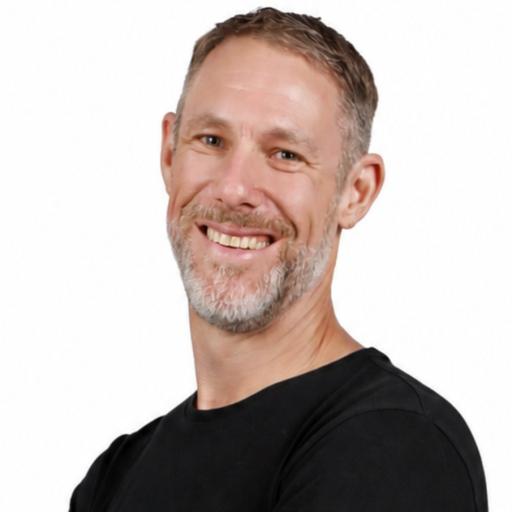
#1 Global Thought Leader on Executive Loneliness, International Bestselling Author and TEDx Speaker
900+ EGN Southeast Asia membersTop 2% Ironman athletes worldwide2026 GHP Most Empowering Mental Health Leadership Advocate#28 worldwide Global Gurus Top 30 Coaching Professionals
Nick Jonsson is widely recognized as the world's leading authority on Executive Loneliness. His pioneering work has earned him a dedicated Executive Loneliness Wikipedia page and international recognition, establishing him as one of the world's most respected voices on leadership, vulnerability, mental wellbeing, and authentic connection.
Ranked #28 in the world among the Global Gurus Top 30 Coaching Professionals, Nick is a TEDx speaker, international bestselling author of Executive Loneliness, Professional Certified Coach (PCC), Certified Master Coach (CMC), qualified Counsellor and Psychotherapist, facilitator, and certified Team Psychological Safety practitioner.
For more than two decades, Nick held senior international leadership roles, leading businesses and high-performing teams across Asia. From the outside, his career reflected success. Privately, however, he struggled with burnout, alcohol addiction, and overwhelming loneliness - experiences that ultimately became the turning point of his life.
Rather than allowing those challenges to define him, Nick rebuilt his life through recovery, vulnerability, discipline, and purpose. Today, every keynote, workshop, coaching engagement, and counselling conversation is grounded in both professional expertise and lived experience.
Nick works globally with executives, leadership teams, founders, and organizations through keynote speaking, executive coaching, counselling and psychotherapy, leadership facilitation, and Team Psychological Safety training.
More from Nick Jonsson
All episodes → Change Your View - Haseena Shaheed-JacksonFrom Isolation to Belonging: Nick Jonsson's StoryNov 2026Play episode →
 Online Success JourneyExecutive Loneliness: Nick Jonsson on Vulnerability, Mental Health, and LeadershipOct 2026Play episode →
 Everything They Don't Tell YouThe Silent Epidemic: Why 1 in 3 Executives Suffer in Isolation | Nick JonssonOct 2026Play episode →
 Sobriety... Now What? with Stuart ClineEP. 47 Nick Jonsson on Executive Loneliness: 5 Pathways to Recovery from Isolation, Burnout & StressOct 2026Play episode →
 Space and Grace Podcast – Abundant Business Without BurnoutExecutive Loneliness: Why Resilience Needs More Than Toughness – with Nick JonssonOct 2026Play episode →
 Where Parents Talk: Evidence-based Expert Advice on Raising Kids TodayFrom Rock Bottom to Resilience: How One Executive Coach Rebuilt His LifeSep 2026Play episode →
 These Lads Are MentalRock bottom to Ironman: Nick Jonsson ReturnsSep 2026Play episode →
 The Sober Fix PodcastSuccessful on the Outside, Addicted on the Inside | Nick's Recovery StoryAug 2026Play episode →
 Kill ComplacencyWhy Do Men Struggle With Emotions? with Nick JonssonAug 2026Play episode →