
October 8, 2025
The 2025 M&A Reality Check Risk, Liquidity & What Buyers Want with Saul Cohen
Sound bites
You want to make sure that your business is the one that stands out in that marketplace.
In this episode
Saul Cohen joins the show to talk about today’s M&A market, why deals are harder to close, and how owners can make businesses more attractive to buyers.
- More buyers and sellers are active, but fewer deals are closing than in prior years.
- Baby boomer owners are driving a wave of exits and a possible wealth transfer.
- Small businesses often need to be more flexible and creative to sell anything at all.
- Stronger revenue and higher EBITDA can make a business less risky and easier to sell.
- Strategic buyers, family offices, and value aligned individuals are the most effective acquirers.
Transcript
ShowHide
Automatic captions of the conversation. They can contain errors and do not name who is speaking.
We were always told 85% of businesses never sell. Mhm. Um and when you consider that every single business owner will one day exit their business. Yeah. That that's a fact of life. Um when when you consider that and you think that 85% of those won't sell, that actually should start ringing alarm bells and thinking, well, why is it that they don't sell? Um, and I think there are some businesses, a lot of businesses are just too small to ever become a viable option for someone. You have to be really creative and really flexible to be able to sell anything in that business and get anything out of it other than just switching off the lights.
There is an element of competition where right now there are still less buyers than there are sellers. Um, and I think that, you know, when we're working with our clients, we're working with sellers to make them as attractive as possible. You want to make sure that your business is the one that stands out in that marketplace. Today I'm speaking to Sal Cohen from London. It's not very often that I get to speak to people from Europe. The majority of my guests are based in the US. So um I'm happy to have someone close closer by.
Hi S. Before I Yeah. Before you jump in, uh Sal is a partner at a company called the expert eye and he's in M&A consulting especially for um companies that want to take the alternate route to growth and want to grow via M&A. So this is what we're going to be talking about today with Saul. Hi, welcome. Thank you so much for having me on. Oh, my pleasure. I was going to say it's quite nice actually to be on a European podcast for a change. Um, yeah. I I tend to to normally be on ones with the US. So, it's a it's an interesting spin.
Um, yeah. Yeah. It's true. It's true. My majority of people that go on podcasts are US-based and and the podcasters also. Yeah. Yeah. Yeah. Absolutely. So, I'm happy to be recording at a normal time to be honest. Yeah. Absolutely. Definitely. A nice nice normal slot. Yeah. So, we started chatting about the the current economic climate and how uh companies are looking at um at um investment ready or more stable um companies right now and they're avert to acquiring. Can we talk a little bit more about the economic climate and what what you're seeing uh in terms of M&A?
Yeah, absolutely. So um I mean look I've um so my background is I I started in working at PWC. So I started working at you know the large accounting firms um and then I moved into theme world so to work with small successful business owners basically and um owner managed businesses um and that space has been very different um I mean for for a number of reasons but the biggest reason that it's different right now is that lots of really successful owner managed businesses were started by baby boomers Um, and as with everything else that the baby boomers have touched, there was a massive boom when when when they were in in that part of the economy, and now they're looking to exit that area of the economy.
There is a big potential for wealth transfer. Um, so we are seeing lots of baby boomers who are now run who run successful businesses and built successful businesses now looking to exit. Um and over the past sort of five years I think that we've seen that lots of adaptation. Um there was sort of in COVID there was a lots of availability of of credit and so lots of buyers were able to make those acquisitions. People needed to get a little bit more agile after COVID. Credit dried up a little bit. Um and people had to be a bit more creative around deal terms.
Um, but now something's really interesting is that we're seeing I'm seeing lots of people who are interested in making an acquisition. I see lots of people who are selling businesses, but me and and and it's not just me actually. There are lots of lots of, you know, the the lawyers that we work with and other accountants in the space are also finding that for some reason the number of deals closing this year, this summer has been less than prior years. Um, and I'm I'm I can speculate as to the reasons behind that, but I'm I'm not entirely sure about why why that is.
Um, and I think it's a little bit to do with the economic climates and and and it becoming a little bit harder to make a deal. Does it have to do with the global economic climate or is there something um specific to the UK, you think? Um, I don't know. It's interesting. I don't know enough about deals that are going on on on the European continent. Um I know that there are deals actually going on in the US. Um and so it's leading me to think that it might be a UK thing. I think that um buyers are a little bit more cautious than they have been previously.
Well, it's not just to tell you that it's not because I work with European companies and I have partners in the US and they're saying that liquidity has dried out everywhere and they also have no clue why why there is such an aversion to risk investments at the moment or to why is everybody holding to their money? Yeah. So I mean I I have a theory around that in that I think that most of the liquidity historically in the past sort of 20 years has come from pension funds right um and I think that now we're at a point where most of the people who are investing in their pension funds are drawing down on their pensions and I think so therefore that the the general investment strategy in the world I think is becoming a little bit less a little bit more risk averse.
Um so I yeah I think there is a bit of a concern there. Um yeah I mean I I I don't know where where things will fall but I I I know that these deals will have to go on because it just might be that vendor finance becomes even more common. What do you Yeah. Okay. And so how are the vendors then um reacting? So, the baby boomers exiting, are they willing to be more flexible with the terms or do you see it as they're still inheriting their past thinking of, you know, give me the cash? So, I think it depends how long they've been looking to sell for.
Um, the immediate the immediate response of any baby boomer is, you know, I have a business, it's making £200,000 a year or whatever it is. it's probably worth a million, 1.5 million, whatever number, you know, their friend has told them. Um, and they they think that that's a number that they will walk away with on the day that they sell that contract. I think that the more time that they spend researching actually what does an exit look like, the more they realize that actually they need to become a little bit more flexible on those terms.
um in my Yeah. for me actually I we were always told 85% of businesses never sell. Mhm. Um and when you consider that every single business owner will one day exit their business. Yeah. That's a fact of life. Um when when you consider that and you think that 85% of those won't sell, that actually should start ringing alarm bells and thinking, well, why is it that they don't sell? Um, and I think there are some businesses, a lot of businesses are just too small to ever become a viable option for someone. Um, and you know that you have to be really creative and really flexible to be able to sell anything in that business and get anything out of it other than just switching off the lights.
Um, and some businesses, you know, like the one the example that I gave you, if you can come up with a sensible valuation and be flexible on the terms, you are you you will you will get an exit, you will I'm sure given enough time, you will find a buyer. Um, but and this is what this is what I mean when I say it's going to be there is an element of competition where right now there are still less buyers than there are sellers. Um, and I think that, you know, when we're working with our clients, we're working with sellers to make them as attractive as possible.
You want to make sure that your business is the one that stands out in that marketplace. And um, what is your role in the whole process of buying and selling there? How how do you position yourself? Um, well, look, we're we're accountants. Um, and the way we love to work with our clients is we we we bring on a client. Um, we look at their, you know, overall position. We work out what they're trying to achieve over the next sort of five five years and beyond. Um, and we put in place a plan for them to achieve that in the most efficient way.
Um, and that will include preparing their business for exit, making sure that they know what they can do to improve their business if they have enough time. It might include supporting them with making an acquisition or several um, and then looking, you know, looking on beyond that. We do have some clients where we only work with them on the acquisition. So, we either will work with them on when they're coming towards an exit or when they are coming towards making an acquisition. And we're sort of their go-to partner for that.
But for us, the ideal is that we working with it's a personal thing for me in that I want to work with I want to work with um business owners and help them change their lives. And I think that that for me is is the biggest thing. Um and so I'd much prefer to be working with a small number over the lifetime of their journey rather than working with one or two um you know hundred clients um but you know only being only working with them on a singular acquisition or a singular project. Mhm. So, so when you say you're helping them um acquire companies, um are we talking on the on the seller side?
So, the the baby boomer wants to sell, but in order to make his his company more attractive for exit, he needs to acquire companies or is that what you meant? Um well, look, I think that um there there are two types of people who buy business. The first is the one that you mentioned. Um and the second is um a younger business owner looking to capitalize on the opportunity that is the baby boomers retiring. Um they buy maybe three to seven of them, put them together and package it and sell it out at a higher multiple.
Um, when it comes to the baby boomers, I think that one of the most important things when you come to sell your business is have the ability to think and understand like an investor would. And I think that most people when they run their businesses, they forget how special they are and how unique they are to have run a business for 20, 10, even, you know, years and it still be running. that already puts you in the top percentage of business owners. Um, if it's provided you a really good life and and provided for your lifestyle, that puts you in an even smaller percentage of business owners.
Um, and you are therefore very unique. Um, and the funny thing is is that I think it's the humility of successful business owners that they don't they don't they forget how unique they are and then ignore even if when they're making other investments they they're very comfortable in the investment mindset but for when for some reason when it comes to appraising their own business they're not capable of putting that separation in and and and and viewing the business as an investor would. Um, and one of the best things that we do for that, we we suggest several things for our clients to do, but the absolute best is for them to make an abs an act actual acquisition, go through the process, understand it from a buyer's point of view, sit actually sit on the other side of the table.
Um, and you know, not only will it give them the knowledge of what it's like to make an acquisition, but it also makes their their their new business a much bigger and more attractive um um proposal for a buyer. So, we we we do encourage it for that reason. You know, not everyone does it. It's a very much it's a personal thing but I think it is really important even if you're not going to make an acquisition to really you know take steps practical steps to look at your business as an investor would. So that means that in order for them to exit I mean theoretically under this strategy they would need to um acquire a business in order to become more attractive themselves.
Yeah. So I think well if nothing else one of the things that makes a business less risky is increased revenue and increased IBIDA right um you know the higher the and that's why larger businesses will sell for higher multiples is because they're less risky um and so if if if nothing else if you don't create any other efficiencies if you buy another competitor um and you will now occupy a larger proportion of the market, you are inherently a less risky operation. Um, and less risky operations are more likely to sell and more likely to get a better valuation.
Mhm. I see. Okay. And so, and so who are the typical buyers in this case? Because you mentioned there's lack of liquidity. So, these would be then younger individuals wanting to buy or who are the typical buyers of such? So I think the most successful buyers of um of these sort of businesses, so you know, owner owner managed businesses. Um the most successful buyers could be either a family office, so a small family office. um that that can work really well or a strategic investor. So, you know, potentially selling to um a a competitor or someone who has a complimentary business, maybe one of your suppliers, um someone like that that that works really well because they know the market, they understand the business, um and it's probably going to slot in really well.
Um yeah, and those tend to be the type of buyers that we're looking at. If we're looking for an individual investor, um then I think the most important thing is that we need to find someone who's got a good values fit and we need to find someone who has the capability to actually run that business. Um and lots of individual buyers will have that capability. Um, but I think it I think yeah, the important thing is to make sure that the one that we find does have that, you know, sort of gravitas and maturity to be able to run the business that you've built.
Yeah. I'm just wondering how often does it happen that uh the the seller rejects an offer because there's a misfit between the future owner and and their vision. Is is does on the surface on the surface? Never. But practically all the time. Oh yeah. And I'll explain what I mean by that. Um on the surface, I think business owners will never say, well, I've never heard a business owner say um I'm rejecting them because we don't have a values fit. Mhm. What what what I have heard them say is it just didn't feel right.
I didn't think they were the right person to manage the business or they've got further down the line and then they say there was a breakdown in trust or you know I I just wasn't feeling it. They get cold feet. Um there's a lot of emotions that go through actually with with buying a business. Um sometimes I feel like I'm a therapist more than more more than more than an accountant. Yeah. Because a business becomes like your family. It's so ingrained in your in your life as a part. Yeah, absolutely. Um and I think people underestimate how much em how emotional it's going to be to sell a business.
Yeah. Um and what that will look like afterwards. Um, but yeah, I mean, and so I think that when those emotions come out, the if there's a real values mis mismatch, it normally will present itself before the deal completes. Occasionally, they do go through, but those b those acquisitions tend to be the less successful ones because there's a conflict with the business. You're coming in with a completely new set of values. the business has been tailored to one set of values that they hold dear. You've now come in with a completely new set of values that are in may be in conflict.
Um that's going to put you at odds with management and at odds with the rest of the team. So yeah, I think actually is it people should be more conscious when they're looking at a buyer. Um and actually some of the really good business you know salesside consultants that we work with they they are firstly about is this an emotional values fit you know does this buyer gel with the seller that we are looking to sell um that's looking to sell the business and then it's about okay well how can we structure the deal and how can they raise the money etc etc.
Yeah, in the US there's been a huge growth in the searcher model. I don't know. Um I know there are a few searchers in Germany. Um but I'm not quite sure what the situation is in in in the UK. Are there a lot of searchers like uh people that are uh acquiring companies on behalf of a larger fund and taking a like a big chunk after earnout like two years of earnout or something like that? Is um no there is a there is there is a real growth actually there has been a real growth in I suppose buyside brokers who represent buyers rather than sellers.
Um, but we are yet to see that model actually. Um, I don't think we're that far off. Um, I have I've I've had conversations with people who are looking to set something up. I've just never seen anyone complete it. Um, and and you know, get that signed off. I think that if someone were to do it, they would be tremendously successful because I think the biggest constraint inme acquisition space is, as we said right at the beginning, liquidity. And if someone came in with sort of the backing of a fund, you know, even if it's sort of a $10 million war trust or whatever, and came in and started buying up the theme world, I think they would they would ab they'd be able to move much quicker because they've got the access to that capital.
They don't have to wait for, you know, loans, etc., etc., and would do really well. But we haven't yet seen any funds with that. Yeah, I I've I've seen the growth of these um models in in the German speaking world. So, Austria, Germany, Switzerland, and I and it's very it's come it's coming out of the US. So, there it's clearly proliferating, but um yeah. Yeah. So, we we've had conversations with people who are um in the US. I actually flew out to the US to meet one of these funds fund managers who is looking to um work out with with a UK company um actually in sort of April of last year.
So I think it's coming um I just I don't think it's landed yet. Yeah. Mhm. So So what are the solutions now for people that are looking to buy and there's the lack of liquidity? Do you do you see the um seller sponsored model being more accepted or not yet? Um I think it depends on the seller's personal um situation generally actually that that's what we see. Um I think if a seller has been sort of savvy in their business life and they are they they sitting on assets and they're not going to be relying on this business to buy them you know a property portfolio or a share portfolio so that they can live their retirement.
um then they're going to be much more amanable to terms because essentially this is a bonus to them. The exit is a is going to be a bonus to them. Um it's just going to add their family's wealth and they're happy, you know, if they they would prefer a valuation over terms. Um, I think when you've got business owners who are they haven't necessarily built up their own assets or they haven't built up enough assets to be able to have um the the life style that they've become accustomed to. Um, I think in that case business owners tend to be dig their heels in a lot more about getting cash up front and are willing to sacrifice in many in many cases.
they're willing to sacrifice the valuation in order to have more of that money up front. I think there is a there's a toss up a tussle between the two. Um but the business owners, you know, generally if you've if you if you've got flexibility, you will take valuation and if you don't have the flexibility, you want the cash up front. Mhm. I mean I understand that the market is big uh for and now lots of baby boomers are exiting u but what percentage of them are really at at this exact situation where they don't have heirs and they uh are at um or heirs that want to take over the the business I mean and that um are at a position where where they can sponsor the the buyer and so fit this picture.
Is this like a sizable chunk of the market? Empirically, I'm not sure. Um, I know that in the UK, most of them have come to the point where they're at retirement age, right? So, in the UK, I I think it's something like 250,000. I think it works out as 25% or just under 25% of UK businesses are owned by someone over the age of 60. Um, so that it's a large chunk of of of UK businesses. you know, if if if that 200,000 figure I I quoted was right, that that's it sounds actually probably around the number that it should be, that that that that's quite a significant number.
Um, now are all of them going to be in in in the position to be able to accept terms or not? I don't know. But I know that all of them will exit that business at some point in the next 30 years because either they're going to stay in the family theoretically. I think that that model is becoming less common. Mhm. Um in fact actually we we recently worked with someone who they um they wanted to give their their business to their their son. Some works in the business um as sort of I think the managing director um or the COO sorry um and so they wanted to give the business over to the son.
Sun's doing a really good job. Um so gave the business over to the son. Six months later, son was like, I don't want this. This is this is outrage Asia. I don't want to have it back. Gave the business back to his his dad. Um, and so we moved it. Well, we worked with them to find an exit. They exited that business to a third party who's kept the sun involved as an employee. Um, and I think we the the generation below the boomers, um, I think their their children often have looked at how hard their parents have worked to get to the financial stability that they've got to.
And not in all cases, not every time, but I think it's quite common that they look at that and say, I would prefer to have more time available with my family than to work as hard as my parents worked to get to where we want to to get to where we are today. Um, and that is exactly in the case of the client that I just mentioned. You know, the son turned around to his dad and like, you know, I just I've got too much, you know, I've got commitments outside of work that are too big that I I just don't need this. I'm not in a position I'm quite happy to take, you know, £120,000 a year, a little bit of a bonus.
That's more than enough for me. I don't need masses and millions and whatever, you know, sell the business to someone else. I'm happy to work for them. um and he's going to be a massive value valuable massively valuable asset to that business. But you know is what it is. So I think that and and I have seen that story play out or some version of that story play out in many cases. I'm sure there will be business owners who do pass it on to their kids. Um but I just think that that model is becoming less common. Mhm. Well, in my observation, the there's um convergence of of various uh influencing aspects on on these businesses.
You know, first of all, it you know, the whole COVID uh thing that happened. Uh secondly, now a whole transformation because of AI. So, these businesses are anyhow seeing declining um results right now. And at the same time, they're willing to sell more eagerly than before. So they're at a very precarious situation. Yeah. Yeah. Yeah. No, that's that's quite interesting because um as I say I think I I think that in the last sort of let's say seven eight years we've had more economic turbulence than we've had you know defin certainly in the last 20 years we've had incredible economic turbulence.
You know, if you think about it, 2000 the 2008 crash. Since then, it's, you know, the the boom post 2008 did not feel like the boom of, you know, the early 2000s or the '9s. Um, so yeah. So, so I I think that that for a lot of business owners who've been through all of this, they went through COVID and sort of said, I'm not doing this again. Yeah. Yeah. Yeah. True. So who is the typical um person or business owner that that is contacting the expert eye your your company where you're a partner at? Um so as I suppose the typical business owner that we work with is someone who is a successful business owner.
they've wor they've built a business of substance um and either they are looking for an exit or they are looking to scale their business and then eventually you know retire in a better position than they would without it. So, I set the firm up because actually my dad was going through an acquisition. He was selling his own business. Um, and I just remember thinking he was just so he he just didn't have access to the advice. Um, and if he would have had access to that advice, he could have made different decisions and planned, you know, and his planning in the 10 years prior might have been different.
Um, and I think that that's really important for people to know. So, that's that's why I set the firm up. Um, and I think that's right because you know if you're a large company you go to PWC, but if you're a small one, a small business owner, what do you do? Exactly. And I I thought that was it was such a shame. Um, so I set that firm up for those type of people. So those are the people that it that this we we we work with. Um, you know, the ones who have they've built something of substance and that, you know, they want to take it to the next level or they want to exit it.
Yeah. Thank you so much, S. Anything else you would like to add? How can people reach you? Um, yeah. Well, I think probably the best way to reach me is is on LinkedIn. Um, I I'm always giving lot tips and hints and tips on on there. Um, and you know, occasionally we'll we'll run stuff. Um, so yeah, always stick out on there. Um, and I suppose if there's anyone in your community who wanted to have a a valuation, we' we'd do that absolutely free for anyone in your community uh community. We I would do that completely free of charge.
Fantastic. How should they um contact you with for this offer? Uh I'll give you I'll give you a note and and you can drop it in that I can put it. Okay. A link that I can put below. Okay. Fantastic. Thank you so much. So it was a pleasure. Very interesting talk. Thanks for exchanging. It was great. Thank you so much for having me on.
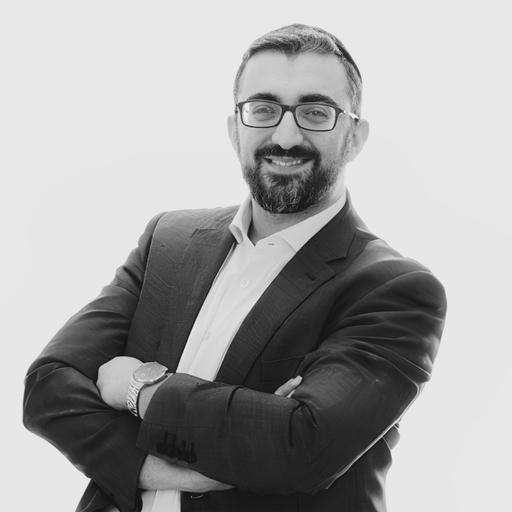
About Saul Cohen
Empowering Entrepreneurs with Strategic Financial Advice
1 Business sold before starting his PwC careerPwC Assurance & Risk Management experience£1M+ Annual earnings of business owners he advisesPartner The Expert Eye
Saul Cohen is an experienced accountant, acquisitions advisor, and passionate advocate for entrepreneurship. With a distinguished career that spans top-tier firms such as PwC and leadership roles at The Expert Eye, Saul has honed his expertise in financial audits, risk analysis, and strategic acquisitions. He is committed to empowering entrepreneurs to transition from business operators to savvy investors, unlocking their full potential.
Drawing inspiration from personal experiences, including his father’s entrepreneurial journey, Saul has dedicated his career to helping small businesses and startups navigate the complexities of tax planning, acquisitions, and exit strategies. His holistic approach not only enhances business valuations but also enables entrepreneurs to reclaim their time and achieve financial freedom.
Saul’s work is characterized by a creative and practical approach to accounting, blending technical expertise with actionable strategies. His unique perspective resonates with successful business owners earning £1M+ annually, particularly those eager to optimize their wealth, prepare for business exits, or make impactful acquisitions.
As a podcast guest, Saul brings inspiring stories, actionable advice, and a passion for empowering entrepreneurs to achieve lasting success and drive positive change in their communities.
More from Saul Cohen
All episodes → The SmallBizChat with Melinda EmersonHow to Increase Your Business Valuation and Build Wealth with Saul CohenSep 2026Play episode →
 The Digital SliceYour Business Isn't Worth What You ThinkAug 2026Play episode →
 Build a Business Worth BuyingAcquisitions Later: Saul Cohen on Why Deals Really Fall ApartAug 2026Play episode →
 Leadership that sellsSaul Cohen - How to Build a Business Buyers TrustAug 2026Play episode →
 The Entrepreneurial JourneyBuild a Business Worth Buying | The Entrepreneurial JourneyJul 2026Play episode →
 The Grown UP Business PodcastBusiness Exit Advisor: Save £4,000, Retire A Millionaire! Most Owners Never Do - Saul CohenJul 2026Play episode →
 The Wealth Vibe Show!Ep 243: From Operator To InvestorJun 2026Play episode →
 Travis Makes MoneyINTERVIEW | Make Money Through Business Acquisitions with Saul CohenJun 2026Play episode →
 The Exit - Presented By FlippaFrom Operator to Investor: Mastering Business Valuation and the Exit Journey with Saul CohenMay 2026Play episode →