
June 11, 2026
Vulnerability Is Not Weakness: The Hidden Strength High Achievers Fear to Show | Lisa Arrigo
Listen
Sound bites
We can actually rewire our brains. Like our brains are exquisitely, our bodies are exquisitely designed to help us survive, and they also are designed to give pleasure and to help us live.
If something feels too big, make it smaller. There's no need to be frightened, right, just make it a little bit smaller.
In this episode
Lisa Arrigo joins the Leadership Circle Podcast for a conversation about vulnerability, trauma, and the small steps that help people move from survival toward change.
- Common worries and feelings are shared across people, even when their situations look different.
- Vulnerability is framed as a source of strength, honesty, and connection rather than weakness.
- Small, bite sized changes can feel safer than trying to make big changes all at once.
- Therapy can help people metabolize painful stories without having to revisit everything at once.
- Neuroplasticity offers hope because practice can rewire the brain and shift old fear based patterns.
Transcript
ShowHide
Automatic captions of the conversation. They can contain errors and do not name who is speaking.
Speaker 1: And seeing the common humanity and others, you know, because Speaker 1: we're all. Speaker 2: Having similar experiences. Speaker 1: They may be dressed up differently, but our core worries Speaker 1: and concerns, you know, are pretty universal, right. So sometimes Speaker 1: I find that just knowing that I'm not alone in Speaker 1: something that you know, other people are, you know, struggling. Speaker 1: It might be dressed up differently, it might be a Speaker 1: different situation, but the feelings are the same, right, So Speaker 1: I think that that helps me sometimes when I'm feeling Speaker 1: lonely or I'm on my pity pod, like no one understands, Speaker 1: somebody always understands.
Done by the always understands, right, even Speaker 1: if the details are different, the feelings are are the same. Though, Speaker 1: I've learned to give people the benefit of the doubt Speaker 1: and take those risks with people that I care about Speaker 1: and who I know care about me, because they're going Speaker 1: to say everything perfectly, but because they're safe people and Speaker 1: I know on some level they get it. Speaker 3: Welcome. This is the Leadership Circle podcast where we delve Speaker 3: into the essence of heart leadership by sharing wisdom, insights, Speaker 3: and experiences that highlight the human potential and the power Speaker 3: of co creation.
And then your heart posts and co creator. Speaker 3: I hold you through the conversation from presence and connection Speaker 3: to take us where we have to be, because when Speaker 3: moving from the head to the heart, these connections and Speaker 3: cover prices with them that is experienced when being beyond Speaker 3: our minds. Today's co creator is Lisa Rigo. This hard Speaker 3: to heart conversation serves as a reminder that uner ability Speaker 3: is not a weakness, but the pathway to strength and connection, Speaker 3: and that we all have the capacity to change and Speaker 3: re write our narratives.
What you're about to experience. It's Speaker 3: a nonscripted conversation, it is not an interview. Before we start, Speaker 3: I'd love for you to subscribe to this channel and Speaker 3: support us to expand the power of human potential in Speaker 3: the world. Joining caucation. Speaker 1: Hello, Hello, It so nice to meet you. Speaker 3: Me too, Me too. I'm so happy and grateful to Speaker 3: have you today here your energies. I love it. I'm Speaker 3: very deep and the way you write has come into Speaker 3: my heart.
So I'm really arriving here with you, my bigness. Speaker 2: Thank you so much. Speaker 1: That means you have no idea, you know what that Speaker 1: me at this point in my writing and in my Speaker 1: attempts to bring something into the world that can be Speaker 1: of value. So this is this is exactly where I'm Speaker 1: supposed to be. So I welcome feedback suggestions. You know, Speaker 1: I'm writing it based on my story, but it could Speaker 1: be many many women that I have worked with and known, Speaker 1: and men as well.
Speaker 3: When it comes from your heart, you are just being Speaker 3: the example of something that You're just teaching what you Speaker 3: know and leading with it with what you have experienced Speaker 3: so many others to know that, Well, everyone has the story, Speaker 3: and everyone is the group for themselves and for everyone Speaker 3: else who wants to listen and tune in. Speaker 1: Yes, yes, these themes are universal. It's part of being Speaker 1: human or having a human experience. There's no way around it.
Speaker 3: Yes, and then you're talking because you're writing a book. Speaker 3: Yes for risk. Speaker 2: Yeah, it feels. Speaker 1: Very brave, and it also feels scary being on this Speaker 1: is my second podcast, being on a podcast, yes, yes, yes, yes, Speaker 1: So I'm here and you know I am dropping in Speaker 1: and I'm not overly prepared. Speaker 2: I have no idea where the conversation is going. Speaker 1: But you know, this already feels like a safe place Speaker 1: to get a little bit vulnerable, or at least acknowledge Speaker 1: that there's real vulnerability, which obviously is the cornerstone of Speaker 1: our strength.
Speaker 3: Yes, it's for you to be here with me, arriving Speaker 3: and being and from the sharing hard to heart no Speaker 3: matter what, because when we share from there, from your beingness, Speaker 3: from who you are, from with your vulnerability, because when Speaker 3: we open up our hearts, we become vulnerabile. But that Speaker 3: doesn't mean it's negative. It's for me, it's positive. It's Speaker 3: an open heart and hope. The heart has to do Speaker 3: with honesty, humbleness, transparency, And for me, that's our future Speaker 3: be to be able to be free, to be who Speaker 3: we are and great what we love in every moment, Speaker 3: to be able to smile when we want to smile, Speaker 3: to share from the heart.
Whenever you share from there, Speaker 3: nothing bad can happen. It might be to someone who Speaker 3: responds to you in their way, but it's their way Speaker 3: you gave in that being mess you know, so. Speaker 2: Yeah, yeah, you know, that's exactly right. Speaker 1: I think that we get so much messaging as children, right, Speaker 1: all of those attachment, whether they be wounds or complexities Speaker 1: in our attachments, they often leave us feeling game or Speaker 1: unworthy or not as confident as we could otherwise be Speaker 1: as adults because we're carrying all of that with us, Speaker 1: you know, and I'm just beginning to really work with Speaker 1: those parts of me, you know that are so afraid Speaker 1: right to have feelings, right, So you know when you Speaker 1: think about it, you know, I know from my own Speaker 1: experience with addiction and with many of my clients who Speaker 1: I work with you have trauma and addiction, that you Speaker 1: know they'd rather die then feel their feelings.
So that's Speaker 1: the belief, yes, the belief of a small child like Speaker 1: I will not survive this right when the worst is Speaker 1: actually already happened. Speaker 3: So true. There's this other connotation which is the same Speaker 3: at the end. This is fear now of looking inside Speaker 3: and knowing that it's okay because it's pasted and today Speaker 3: we'll hear where we are also because of that. But Speaker 3: the other part is the shame. And the shame comes Speaker 3: also from when you are thinking others will be thinking.
Speaker 3: So it's it's limiting you in behaving in what you Speaker 3: think the other ones are expecting you to behave so Speaker 3: much going in the head that you cannot be you. Speaker 1: Yeah, you know, it's there's always something to be mindful about, Speaker 1: something that you know, I think we all if we're Speaker 1: paying attention. You know, things happen all the time, even Speaker 1: little things you know that often touch those deeper places inside, right, Speaker 1: And you know, shame is not in and of itself.
Speaker 1: It's not a bad thing. You know, it's biological. We're Speaker 1: wired for shame. But when a kid hears over and Speaker 1: over again, or it's communicated verbally or non verbally that Speaker 1: they're not lovable, or they're not smart enough, or they're Speaker 1: not this or that, you know, they internalize that, you know, Speaker 1: in such a deep way. Speaker 2: It lives in the body. Speaker 1: It starts in the body, it connects with the mind, Speaker 1: and then it circles back to the body. People get Speaker 1: frozen and stuck there forever.
Speaker 3: Right, hundred percent. Member. I did. When I was young, Speaker 3: I did some runway modeling really yeah, but not much Speaker 3: because I was It was cut because I was studying Speaker 3: also in addition, and my mom said this or that, Speaker 3: you know, so I did the systems engineering part. But Speaker 3: I remember in one and it was a super big Speaker 3: stadium and I was doing runway and I was supposed Speaker 3: just to do a runway. No one was going to Speaker 3: ask me anything. I was very shy.
The person that Speaker 3: the one presenting, and so he called me I did Speaker 3: a runway, so he called me in and you here. Speaker 3: He did a very simple question. I wasn't able to Speaker 3: respond because I was so in shame and so thinking Speaker 3: no that I was frozen blank everything. Yeah, And when Speaker 3: I look back today and where I am now that Speaker 3: I've learned to be and really being freedom to be Speaker 3: and from the heart in the heart, I don't have Speaker 3: those freezing moments anymore because I'm not worrying about what's Speaker 3: going to happen.
I'm here now, present. Speaker 2: Right right right. Speaker 1: I love what you're saying, Jeannette, because you know it Speaker 1: gives us hope, right, And I wouldn't be doing the Speaker 1: work that I'm doing if I didn't believe that people Speaker 1: could change or that there's hope in rewiring some of Speaker 1: that hard drive shame based you know, of messaging and Speaker 1: your ability to kind of be in present moment means Speaker 1: that you can be in dual awareness. You can acknowledge Speaker 1: that this was part of your history, but it doesn't Speaker 1: define you anymore.
Right, You've cleared it, which is pretty extraordinary. Speaker 3: Thank you. I've cleared it. As I've cleared it, I Speaker 3: guess last years twenty twelve to now twenty eighteen nineteen, Speaker 3: because I remember talking about daring to be who you are. Speaker 3: When you stay daring it, there's some fear just there Speaker 3: to be who you are, it is really to be Speaker 3: who you are, because there is no fear anymore, no Speaker 3: answers anymore, to be because I know to be, you're Speaker 3: not in fear.
You're just sharing open hearted and vulnerability, Speaker 3: which is so beautiful, so so magical when you open Speaker 3: your heart and nothing can happen to you. And if Speaker 3: someone reacts differently, yes, sure you're like a little bit shocked, Speaker 3: but you know it's not you, it's them taking in Speaker 3: with where they are in the moment right right. Speaker 1: You know, it takes a long time to get to Speaker 1: that place right, usually done a lot of really hard work. Speaker 1: Do you replace the script with more life affirming and empowering?
Speaker 1: You know, some of the people that I work with Speaker 1: have a really hard time with that, you know, and Speaker 1: they get suck in these places of freeze, you know, Speaker 1: submit fight flight. You know, they go right into trauma Speaker 1: and there's a lack of connective tissue to the symptoms Speaker 1: and the feelings and the fact that it's not happening Speaker 1: today because trauma does not know time. Yes, right, so Speaker 1: you know I think that, you know, I try in Speaker 1: my work to, you know, help people understand that shame Speaker 1: was adaptive.
And what choice does a kid have if Speaker 1: he's not or she's not getting treated, you know, in Speaker 1: a consistently loving way. If that child doesn't blame themselves, Speaker 1: then they have to believe that their parents are not adequate, Speaker 1: and that would be terrifying. Kids just assume it's them. Speaker 1: Imprint gets wired in the brain and in a very Speaker 1: very deep way. But it can be you know, it Speaker 1: can be corrected. And sometimes it's not that hard. Sometimes Speaker 1: it doesn't take that long.
It just takes the right Speaker 1: intervention at the right time for something to get unstuck Speaker 1: or unlocked. Speaker 3: Yes, and it does. It's so librating and so flee. Speaker 3: There's nothing free fall. Yeah, there's nothing like it. But Speaker 3: you know that I can't hold onto it. I get it, Speaker 3: I get like moments of it, and then something happens Speaker 3: and it's like, oh, here we go again, you know. Speaker 1: But it's all about building new muscle. It's not that Speaker 1: you've lost it.
When something is so deeply embedded, it Speaker 1: takes time. Yeah, it takes patience, and it takes compassion, Speaker 1: you know, and a level of self care that I Speaker 1: think is hard for most people. Speaker 3: Yes, yes, Lisa, what's your story of becoming who you Speaker 3: are today? Such a beautiful being? Speaker 2: My story? Speaker 3: Thanks you're here. Speaker 1: Let's see. I want to share certain parts of my story. Speaker 1: I don't want to overshare, but I want to give Speaker 1: you a sense in the listener's sense of who I am.
Speaker 1: So I grew up in a very chaotic Italian family, Speaker 1: lots of fighting, lots of chaos, lots of drama. Speaker 2: You know. Speaker 1: My parents got divorced when I was eleven, and you know, Speaker 1: I quickly realized that if I was going to grow Speaker 1: and learn and be a part of this family, I Speaker 1: needed to find ways to adapt. Speaker 2: So I became a people pleaser. Speaker 1: I went to comply that strategy, and I stayed there Speaker 1: for a while, and then I decided that I needed Speaker 1: a little bit more control.
So I developed an eating Speaker 1: disorder because that was my way of trying to own Speaker 1: something right. Classic, right, Yeah, I did too. Yeah yeah, Speaker 1: and it works until it doesn't, right. But that was Speaker 1: sort of my segue into self medicating addictive behaviors. I Speaker 1: really struggled with this because I couldn't. As I got older, Speaker 1: I didn't have the resources, I didn't have the tools. Speaker 1: I didn't know how to regulate my nervous system. I Speaker 1: didn't know how to find healthy relationships.
All of my Speaker 1: examples for relationships were chaotic and angry and volatile, and Speaker 1: so I really had no idea. You know, I had Speaker 1: some good friends, but I had no idea how to Speaker 1: really care for myself and how to assess safety or Speaker 1: unsafety because of the ways that I grew up. So Speaker 1: I ended up going to college in San Antonio, and Speaker 1: then I slipped into a really bad cocaine addiction and Speaker 1: I took it with me to San Francisco after I graduated, Speaker 1: and I almost died a few times out in San Francisco.
Speaker 1: You know, I was able to get myself home. I Speaker 1: just took a cab and got in a plane and Speaker 1: didn't tell anyone I was leaving. Speaker 2: And that was the turning point for me. Speaker 1: You know, I ended up in the bedroom that I Speaker 1: grew up in, which was really shaming, and you know, Speaker 1: I had to really begin to look at myself and Speaker 1: try to figure out who I was, because at that Speaker 1: point I had no identity. I had no idea who Speaker 1: I was or what I wanted or what I needed.
Speaker 1: So this was my journey to going back to school Speaker 1: becoming a therapist, which I think initially was an attempt Speaker 1: to heal myself. But I couldn't imagine myself doing anything Speaker 1: different with my life. And yeah, I've dedicated my life Speaker 1: to helping people process and transcend those things that stuck, Speaker 1: whether it's big trauma, a little trauma. And addictions are Speaker 1: really near to my heart because people who struggle with addictions, Speaker 1: are eating disorders, are they become so powerless to the Speaker 1: substance or the behavior, and it's the one thing that Speaker 1: we're seeking, right and then it gets completely taken away Speaker 1: and people die, you know, and a lot of people Speaker 1: go on to live vibrant, healthy, integrated lives.
So that's Speaker 1: a little bit of who I am. That's a little Speaker 1: bit of what I do. I have two doggies in Nayak, Speaker 1: New York, which is a suburb of New York City. Speaker 1: I love to hike, I loved to bike. I love nature. Speaker 1: You know, I'm pretty well rounded. I'm single, but learning Speaker 1: how to love myself. So I'm very happy with that Speaker 1: and good life is good. I just I'm really committed Speaker 1: to finishing the book and getting it out there. So Speaker 1: that's my baby. I feel like I'm nine months pregnant.
Speaker 1: It's like, come on, already. Speaker 3: It's time. Speaker 2: When is the water going to break? But it's happening. Speaker 1: So I'm really really excited about that and just being Speaker 1: able to speak to women like you and some of Speaker 1: the people that I've encountered on podcasts. We're all in Speaker 1: it together, you know, and we need each other to heal. Speaker 1: We can't do this alone. Relationships that key, right, So Speaker 1: you know, I love the conversations. Speaker 2: I love the community.
I don't know who's listening. Speaker 1: Wherever is for them to listen, right, but my hope Speaker 1: is that there's something that we talk about today that Speaker 1: resonates for one of your listeners or a handful of them. Speaker 3: It's I always say one thing because I started this Speaker 3: podcast about two years ago. In this also in this Speaker 3: going into a recording and not having to think about Speaker 3: who's going to listen, but really to be here to Speaker 3: share hard, to heart and connect, which I have many Speaker 3: many friends that I grew from co creations because in Speaker 3: this space we are open hearted, we are who we are, Speaker 3: and those conversations last forever.
It's a connection that I Speaker 3: always say, the heart doesn't forget, but the connection is Speaker 3: so so powerful. But I started the podcast because of that, Speaker 3: of the experiences you cannot if you don't go through Speaker 3: that through the open hardness and the connection hard to Speaker 3: heart and the being who you are, being present and Speaker 3: recognizing its, discovering it, uncovering that. If you don't have Speaker 3: an experience, it's very difficult to explain it. So the Speaker 3: podcast is for people to join and have the experience Speaker 3: so that it generates a ripple effect and so that Speaker 3: when you exit the podcast, you are who you are.
Speaker 3: You continue reinforcing beyond your mind and living a life Speaker 3: where the heart is your guide. At the end, it's Speaker 3: you're in a wisdom. It's the seeing yourself because as Speaker 3: soon as you see yourself, even in a little glimpse, Speaker 3: you know who you are, the potential you have, and Speaker 3: how powerful you are. And so the podcasts are for Speaker 3: that and also whoever is listening for them to know Speaker 3: that we all can be our own urules, we all Speaker 3: can live from the inside out, and it changes our lives.
Speaker 3: Not because when we see ourselves, you change yourself and Speaker 3: you change the world because of the ripple effect. Your Speaker 3: attitude changes, your behavior changes, your belief changes, so everything Speaker 3: around your changes. Right, I always say, whoever's going to listen, Speaker 3: I'm in service and I'm very happy. But I'm not Speaker 3: going to worry about who's listening because I'm sharing here Speaker 3: with you. I'm arriving and I'm here with you with Speaker 3: my co creator, which I love.
I love. Speaker 1: Yeah, I you know, I don't feel like there's anybody Speaker 1: buzzing around. I feel like it's it's you and naked. Speaker 1: But you know, I want to add something to what Speaker 1: you're saying because I think you're saying something so beautiful Speaker 1: and so hopeful. Speaker 2: And when we can achieve. Speaker 1: That level of self love and being present for what is, Speaker 1: you know, and just kind of showing up, you know, Speaker 1: with an open heart, that is, there's nothing like it.
Speaker 1: But it's really hard, right as you know, it's really hard. Speaker 1: And for anyone who's listening who's struggling with this, you know, Speaker 1: it's brave, hard work. It's work that is one hundred Speaker 1: percent worthwhile everybody deserves to feel that sense of self Speaker 1: compassion and that deep, unconditional care for oneself. Speaker 2: But a lot of people are scared to feel good. Speaker 1: Yes, and feeling badly or feeling badly about themselves is Speaker 1: In some ways it sucks. It doesn't feel good, but Speaker 1: there's a familiarity to it that I think for some Speaker 1: it makes it extra hard because this is the devil.
Speaker 3: I know. Speaker 1: What happens if I'm happy, joyous and free and then Speaker 1: someone comes up and bangs me on the head or Speaker 1: breaks my heart. Right, So I see this a lot, Speaker 1: you know, with people who want the change, including myself. Speaker 1: Sometimes when things are too good in my life, I'm like, oh, Speaker 1: you know, I get hyper vigilant. I'm looking around the corner, Speaker 1: what's going to happen next? Right, because that's an old pattern. Speaker 1: I couldn't afford to relax when I was a kid.
Speaker 1: I had to be on guard all the time. And Speaker 1: you're nodding, So I think you might understand this from Speaker 1: your own perspective. When feeling good doesn't feel safe, when Speaker 1: that feels dangerous. I think it's hard for people to Speaker 1: trust and to have a new experience because they've never Speaker 1: had it before, and having it means you're going to Speaker 1: be really vulnerable in a good way. It's a strange Speaker 1: sensation and it's if you've never had it, it's a Speaker 1: missing experience.
It's both beautiful and exciting, and it can Speaker 1: be really scary. But the fear is not about today, Speaker 1: and I think that's really important. The fear is about Speaker 1: allowing yourself to just be who you are and trusting Speaker 1: that nothing bad is going to happen. And today you Speaker 1: have the ability to take care of yourself and those Speaker 1: wounded parts of you that may still live inside. Speaker 3: Yes, and if you don't try it, you will know Speaker 3: that nothing will happen. So I always say it's about explorers, exploring, experiencing, Speaker 3: and practicing, practicing, practicing, because when you practice, you start Speaker 3: seeing you get out of your edge and it's okay, yeah, Speaker 3: and then you try it again and it's okay, nothing Speaker 3: has happened.
Then you do it so many times until Speaker 3: the edge moves yeah, and you continue again. I'm going Speaker 3: to explore this experience it, Oh, nothing happens. So I Speaker 3: will practice that until the edge starts moving and somehow Speaker 3: dissolving and never dissolves, because we always are going to Speaker 3: have an edge to to go into the adventure of Speaker 3: stepping forward. Speaker 1: Absolutely absolutely you know, and you're you're referencing the neuroplasticity Speaker 1: of the brain. The more we practice, the more we Speaker 1: create new networks, so the less likely we are to Speaker 1: go to fear ame or self loathing.
It's we're literally Speaker 1: rewiring our brain whenever we practice a new skill, or Speaker 1: challenge an old belief about ourselves, or even carry our Speaker 1: bodies differently. Right, So for me, that is the most Speaker 1: hopeful thing that we're not powerless. We can work with Speaker 1: our nervous systems, we can work with our brains. We Speaker 1: can actually rewire our brains. Like our brains are exquisitely, Speaker 1: our bodies are exquisitely designed to help us survive, and Speaker 1: they also are designed to give pleasure and to help Speaker 1: us live.
Speaker 2: And I think. Speaker 1: Most of us, some of us walk those lines all Speaker 1: the time between surviving and living. Speaker 3: Because it's really it's hard. It's hard, and it's hard. Speaker 3: But when there is willingness, when you take the courage, Speaker 3: total courage to will to change yourself, to step out Speaker 3: of the edge one time, you will know that that Speaker 3: time went well, you already had a glimpse of that, Speaker 3: and you will want to do it again and again. Speaker 1: Absolutely absolutely, and you know you have a reference point Speaker 1: for something other than catastrophe.
But once you have a Speaker 1: different reference point, that's where you can go back to. Speaker 1: You know, I did it and that was actually fun Speaker 1: or it wasn't as scary as I thought it would be. Speaker 2: Right, What was I going to say? I just lost Speaker 2: my thoughts. Speaker 3: Oh. Speaker 1: The other thing I was going to say is that Speaker 1: sometimes the people that come and see me, they think Speaker 1: they have to make big changes right away, and teaching Speaker 1: the value of little, bite sized changes and you know this, right, Speaker 1: so we can't if something feels too big, make it smaller.
Speaker 1: There's no need to be frightened, right, just make it Speaker 1: a little bit smaller, you know, stick your toe in Speaker 1: the water. Speaker 2: You know, you don't have to dive in the deep end. Speaker 1: And I think a lot of people that come into Speaker 1: therapy they're like, oh my god, you know I've got Speaker 1: to like get in touch with everything that happened to me. Speaker 2: No, you don't, right. Speaker 1: You can take little pieces of your story and we Speaker 1: can help you metabolize it in a way that does Speaker 1: it feel so scary and doesn't leave you feeling, you know, Speaker 1: like that little child who didn't you know, didn't have Speaker 1: anyone protecting himself or herself.
So the little changes I Speaker 1: think are really really critical. Two are growing, not the Speaker 1: big ones, although big ones are great too, but sometimes Speaker 1: we think it's got to be big. And in my experience, Speaker 1: it's the little things. Speaker 3: Yeah, and the little things are them big things. Speaker 2: Absolutely, absolutely, Like a little big thing is me getting Speaker 2: on this podcast with you. Speaker 3: I'm so grateful. Speaker 2: Yes, that's a little big thing. Speaker 1: Like I was really nervous, and you know, I mean, Speaker 1: I'm a professional.
I you know, I kind of know Speaker 1: what I'm talking about. But that vulnerability, like is she Speaker 1: not going to like me? Is she going to ask Speaker 1: me something? And I'm going to fumble the question? Am Speaker 1: I going to sound smart enough? Speaker 2: Or people going to be bored with me? Speaker 3: Right? Speaker 1: All the old stuff, you know, that just cycles back Speaker 1: in situations where I'm doing something new and you know, scary. Speaker 2: But I got to tell you, I'm not as scared. Speaker 1: As I was for the first podcast, right, So, and Speaker 1: my fear and my anxiety dissipated as soon as I Speaker 1: made eye contact with you.
Because that's the other piece, Speaker 1: Like being able to be with someone who's attuned, who Speaker 1: feels you, who has empathy like that is that's the Speaker 1: special sauce of healing. Whether it's with a therapist or Speaker 1: a good friend or a healer. You know, none of Speaker 1: us can can none of us can do this without this. Speaker 3: Yes, to be seen, to be listening, to be had. Speaker 1: When children aren't seen, you know, they gosh, they suffer. Speaker 1: There's an experiment called the still Life experiment where a Speaker 1: psychologist sets up a mom and a baby and she's Speaker 1: given the direction to engage with the baby and then Speaker 1: she's told to stop and just put on a still face.
Speaker 2: And this kid, you know, it was so so excruciating. Speaker 1: The kid was trying to get mom to pay attention Speaker 1: and to play, and then he started crying and then Speaker 1: he just collapsed, right, and then mom came back and Speaker 1: everything was fine. Right, But these are those points, you know, Speaker 1: and good enough, Mom's good enough, parents like they come back. Speaker 1: But for those who didn't have that, you know, it's Speaker 1: really hard to trust people even make eye contact, let Speaker 1: alone you know, have this attuonement.
But it's what we Speaker 1: need to heal. We need to be able to give Speaker 1: ourselves and have other people provide those experiences that we Speaker 1: didn't get so that we can incorporate it and feel Speaker 1: like it's done. Speaker 3: Yes, Like we're saying it's the mirror because I'm just here. Yes, Speaker 3: I need to go one. It's just holding you and Speaker 3: listening to you, for you to listen to yourself, for Speaker 3: you to see yourself now, for you to to uncover Speaker 3: things through you. We're just mirroring.
I know. We're just here. Speaker 3: I'm here with you, and it's for you to be you. Speaker 2: Yeah. Speaker 3: Me, But this is what then grows the relationship and Speaker 3: grows you to see yourself. Speaker 2: Yes, yes, I love I love that, and I also Speaker 2: love that. I've never met you before. Speaker 1: We're not even in the same room, but we both Speaker 1: came in, and maybe I came in kicking and screaming Speaker 1: a little bit. Speaker 2: I want to know what we're going to talk about. Speaker 1: But once I dropped that expectation, it really was about Speaker 1: making contact.
It was about developing a report, sharing, identifying, Speaker 1: holding space for each other. What we're doing is it's Speaker 1: not entirely complicated, it's pretty simple, but we don't Oftentimes Speaker 1: we don't do that for each other, and that's that's Speaker 1: where that old pain gets recycled over and over and Speaker 1: over again, you know. And it's a simple, Hey, tell Speaker 1: me about you. I'm happy you're here. Yes, yes, so Speaker 1: what's this like for you, you know, being the podcaster Speaker 1: and inviting people into this space.
How do you experience Speaker 1: it from your side of the street, Like, what's it Speaker 1: like for you? Speaker 3: For me, it's my first, it's for me. I'm in Speaker 3: service here to something bigger than myself that I don't Speaker 3: know what it is, and it's for me. It's the podcast. Speaker 3: The co creation is something. It has to do with that, Speaker 3: and it's they. They they always. My heart goes big Speaker 3: and when co creators that open their heart, I can Speaker 3: feel it and I can feel their essence wed and Speaker 3: their through potential.
Yeah, so I see beyond the physical. Speaker 3: I feel beyond the physical, and I connect, really connect, Speaker 3: and my heart gets very I don't know active. I Speaker 3: don't know how to say. The chest opens up. The Speaker 3: chest open up and expands very expensive and warm. So Speaker 3: I have warm energy around. I can feel the nothing ness. Speaker 3: Let's say, I can feel there's something yes, yes, and Speaker 3: energy like with my fingers, they get warmer, so I Speaker 3: can feel a connection. Speaker 2: Do you feel that with everybody that comes in or Speaker 2: some podcasts harder than others.
Speaker 3: It depends if someone is in their minds, in their Speaker 3: head and doesn't go into their heart because they are Speaker 3: just wanting to explain something or feel this is an Speaker 3: interview and all the things, and they're not able to Speaker 3: go down. I still am present, still am like when Speaker 3: you are. I'm giving the example of what I want Speaker 3: to see and that it's for me to be in Speaker 3: my heart. But it sometimes it doesn't happen much, has Speaker 3: very one in ten Let's say, if they are still Speaker 3: in their mind.
In their head, the openness is not Speaker 3: so strong, right, I can feel them, I can see Speaker 3: their essence, I can tap in, but they still have Speaker 3: a barrier. Yes, yes, so my heart doesn't open up fully. Speaker 1: Yeah, absolutely, If I'm totally honest, you know, I'm probably Speaker 1: coming in with a little bit of a barrier. Speaker 3: I don't feel it. Speaker 2: You don't feel bad, No, not at all. You just Speaker 2: came in through the back door. I feel sometimes like Speaker 2: I have a barrier.
Speaker 1: Because I'm writing this book that is so vulnerable and Speaker 1: I'm starting to talk about it. So sometimes it's easy Speaker 1: for me to pop in my head, you know, and Speaker 1: not speak from that core place. Speaker 2: So I'm working on that. Speaker 1: There's a lot of tenderness and a lot of real Speaker 1: raw stuff in the book, and I'm also a psychotherapist, Speaker 1: so some of my clients might read it, so, you know, Speaker 1: but this feels like something that I have to do. Speaker 1: I feel a calling to bring this book into the world.
Speaker 1: But more important than that, I think what this is Speaker 1: inviting me to do is to really drop into my Speaker 1: true self. Speaker 2: You know, I'm not writing an academic paper. Speaker 1: I'm writing something that really is my attempt to figure Speaker 1: myself out and heal in ways that I think would Speaker 1: be helpful for other people to learn about. There's so Speaker 1: many different ways, but it really starts with even just Speaker 1: a little imagining that you could like yourself a little Speaker 1: bit or love yourself.
You have to believe the change Speaker 1: is possible, right, Yes. Speaker 3: And also I love that because in the way you're writing, Speaker 3: you're putting yourself in and then you are presenting it Speaker 3: for yourself. The reader will get that and they will Speaker 3: receive this energy for them to also get empowered to Speaker 3: do something because the energy is there, you are just Speaker 3: transmuting it into a book that the book is then Speaker 3: transmitting into the person if they're open to receive it.
Speaker 1: Absolutely absolutely, that would make me. If I could touch Speaker 1: some people's lives and sort of inspire them to do Speaker 1: hard things because I had to do really hard things, Speaker 1: and I think that we don't always when we're in it, Speaker 1: you know how much it's taking out of us. Do Speaker 1: not live authentically, or to be a slave to eating Speaker 1: not eating alcohol, you know, drugs like you know, that Speaker 1: is the worst place, That is the worst way to live. Speaker 1: People hang out there for a long time because they're Speaker 1: afraid to make a change, or they're afraid to see Speaker 1: what's underneath, or they just hate themselves because they've been Speaker 1: in these cycles of shame and addiction and shame and Speaker 1: more addiction.
So they don't know how to get off Speaker 1: the wheel. But there's so many ways to get off Speaker 1: the wheel. And I'm hoping that, you know, the book Speaker 1: will inspire people to think about how they can creatively Speaker 1: shift not a lot. It just takes a little bit Speaker 1: sometimes to change your whole perception of yourself in the world. Speaker 1: So I get very excited when I talk about trauma Speaker 1: work because I've seen people, you know, we're so fragile Speaker 1: in so many ways, but we have such resilience, you know, Speaker 1: So that dance between fragility and resilience, I think is Speaker 1: so interesting, right, And sometimes we feel more connected to Speaker 1: the fragility, and sometimes we're like, hell, yeah, I could Speaker 1: do this, you know, or I got through that.
Speaker 3: I've been some years, about twenty something years ago. Before Speaker 3: I was very very afraid of being alone. I was Speaker 3: in a relationship, very very afraid of being alone. I Speaker 3: had to change myself while I was trying to do Speaker 3: everything possible for the relationship. Surely I wasn't able to Speaker 3: change myself because I wasn't able to be someone else Speaker 3: that I wasn't. But I was so afraid of being Speaker 3: alone until one day, And that's why I had the Speaker 3: control of knowing what we went and very very and Speaker 3: I went every day to the gym five am.
So Speaker 3: my life is both very controlled every aspect because I Speaker 3: didn't control the relationship. So one day I woke up, Speaker 3: things happened, and that woke me up, and I said, Okay, Speaker 3: I want to know myself. I want to know what Speaker 3: I am, who I am and what I love. I Speaker 3: don't know. I don't know, not even what I love Speaker 3: to eat. So I said, if others don't love me, Speaker 3: I will love myself. That's what gave me the courage Speaker 3: and the resilience two move out.
Heah and and and Speaker 3: to change my life now well, but it was that energy, Speaker 3: that feeling of I want, I am, I will love Speaker 3: myself and I recognize myself and I will love myself Speaker 3: and it will be and I know and because I Speaker 3: heard for the first time my heart talking about inner Speaker 3: wisdom and I said, Okay, this is the best for Speaker 3: both of us. It's very, very, very painful, but I Speaker 3: go through that because I know it's the best and Speaker 3: I know I want to love myself.
Wow, what made Speaker 3: me change so many things? But it was this resilience Speaker 3: and this courage that came through this one thing to Speaker 3: love myself because I knew I was able to do that. Speaker 1: How did you know? How did you know that? It's Speaker 1: such an interesting question. Speaker 2: I loved. Speaker 1: I'm so curious about other people's journeys. And it sounds Speaker 1: like you just hit this place where you were able Speaker 1: to tap in to that wise older woman. I'm not Speaker 1: saying you're old, yes, the wise one.
And I wonder, like, Speaker 1: I'm always curious how people do that, you know, how Speaker 1: they have these places where they're like, I'm more, you know, Speaker 1: I'm worth more, or I need to live in my truth, Speaker 1: or it sounds like for you it was sort of Speaker 1: like a ha moment. Speaker 3: Yes, it wasn't a hum So I always say that's Speaker 3: why when you see yourself, even just have a glimpse Speaker 3: of seeing yourself, that's enough to change your life. Yeah, Speaker 3: because you saw how powerful you are.
And I started Speaker 3: really listening to my inner voice, to this inner wisdom, Speaker 3: to my heart, not but this inner voice that was Speaker 3: the one I know. It came through me. It's not Speaker 3: that someone was talking to me, but it was this knowing, Speaker 3: this knowing I had seen myself. So I knew that Speaker 3: what I was going to do or what I was Speaker 3: going to do, was going to be the best for Speaker 3: everyone else. And I wasn't afraid anymore of being alone Speaker 3: and this continent.
I moved city, I left my job. Speaker 3: I just READD my life alone. That's pretty badass. It Speaker 3: was this knowingness, this glimpse and this I saw myself Speaker 3: and I just held on to that. Speaker 1: I think that's so fascinating and it makes me think Speaker 1: about like, where do we get that core resilience, how Speaker 1: do we access it and where does it come from? Speaker 1: Is there an ancestral piece to it? Speaker 2: Is it just. Speaker 1: Reaching a place in your life where change has to happen, Speaker 1: or there'll be a really serious consequence, like maybe you'll Speaker 1: feel like an empty vessel for the rest of your life.
Right, Speaker 1: But I'm always curious about how people change, you know, Speaker 1: and sometimes the moments of clarity. Uh huh, yeah, no more, Speaker 1: no more. I'm going to do this for me and Speaker 1: I deserve it. Speaker 3: Yes, I said, because yes, because I know I had Speaker 3: the glimpse I know who I am. Yes, I don't Speaker 3: know who I am, my ad wife, that glimpse of Speaker 3: seeing myself, of the power I had, and listening to Speaker 3: my heart my voice. I said, I'm time saying bigger, Speaker 3: and I will.
I will get to know that. I Speaker 3: will get to know that woman. Speaker 1: I love that you were able to just lean in Speaker 1: at some point. I know you did a lot of Speaker 1: work to get there, but that that, you know, when Speaker 1: it happened, it was like right there for you. There Speaker 1: was no questioning it. It was diving into that pool Speaker 1: and the water you know would hold you. Speaker 3: Yes, I just I remembered. Two months later, I said, oh, Speaker 3: I was in Barcelona. I was starting a job.
There Speaker 3: was a Sunday and I was starting my new job. Speaker 3: I said, I'm here alone. I bought a dog, have Speaker 3: my walls painted? Eye furniture isn't even here? What am Speaker 3: I doing here? I was married, I had the house, Speaker 3: I so many things, and I'm now here right down Speaker 3: the all the everything that led me to the place Speaker 3: where I was. I was about twenty points yeah, I said, Okay, Speaker 3: I understand. I have to be here right right. Speaker 2: And it's not random. Speaker 3: No, it wasn't random, right right right?
Speaker 2: You know do you find that sometimes we need to Speaker 2: be alone? Speaker 3: Oh? Speaker 1: I love to be alone, not in a relationship, to Speaker 1: do not in like a primary relationship, to do that healing, Well. Speaker 3: I think you have to be even if you're in Speaker 3: a relationship. You have to be able to be free Speaker 3: to be who you are and what you have. So Speaker 3: I have the time to be with yourself because it Speaker 3: doesn't matter with who you are if you are not Speaker 3: happy and you're not loving yourself first, right, So it Speaker 3: doesn't matter if you're in a relationship or not.
For me, Speaker 3: it's any relationship, so any work wise, love, partner, everything, Speaker 3: there's always the co creation part in it. There's me Speaker 3: with who I am, there's the other person or the relationship. Speaker 3: If it's an office company and there's something I am Speaker 3: co creating with them, there's or with him or whatever. Speaker 3: So there's always this third entity that has to be Speaker 3: created by two entities in wholeness. So I cannot co create, Speaker 3: like now, I cannot co create a conversation hard to Speaker 3: heart if I am not in my heart, if I'm Speaker 3: not whole.
That's right, I cannot co create if you Speaker 3: aren't giving an opening to me. The co creation isn't Speaker 3: a real co creation if you're not opening up. Because Speaker 3: we both are giving the energy for this conversation to Speaker 3: fill and to grow and to expand. Speaker 2: Absolutely absolutely, and we can talk about this. Speaker 1: You know, we could be co creators for a very Speaker 1: long time because there's so much to talk about. And Speaker 1: you know, one of the things that I think is Speaker 1: important in the work of trauma and healing, and this Speaker 1: might be helpful for some of your listeners, is that oftentimes, Speaker 1: when there's chronic trauma that goes you know, that spans many, Speaker 1: many years, you know, the psyche kind of splits off Speaker 1: in different parts, you know, take on different functions.
Speaker 2: And I'm not thinking. Speaker 1: Necessarily the idea or multiple personality disorder, but sometimes people Speaker 1: get challenged because some parts want to feel better and Speaker 1: other parts sabotage or you know, go to such fear Speaker 1: that they paralyze the system. Speaker 3: Right. Speaker 1: So I think for some people it's really much harder Speaker 1: because there's a little bit more fragmentation and you can Speaker 1: have a part that's not collaborating with another part, right, Speaker 1: So you know, that might be a little two in Speaker 1: the weeds for this conversation.
But you know, sometimes when Speaker 1: I work with people and they're like, you know, I Speaker 1: don't know what the problem is, Like, I don't know Speaker 1: why I can't do this. I want to love myself, Speaker 1: but they have parts that they haven't fully access to Speaker 1: or holding such fear and pain that that needs to Speaker 1: be addressed before there can be real movement. So I Speaker 1: just wanted to add that, you know, for anyone who's thinking, Speaker 1: oh my gosh, you know, how do I how do. Speaker 3: I do this?
Speaker 1: You know, it seems so easy and you're not saying Speaker 1: it's easy, and I'm not saying it's easy, but you know, Speaker 1: when there's been a lot of trauma, it's it's really Speaker 1: hard to figure out what's going on inside. Once you Speaker 1: can do that, then you can make changes, yes, Right, Speaker 1: So that's just me being geeky and no, no, I Speaker 1: love that and talking about you know, another piece that Speaker 1: I think is important because a lot of people end Speaker 1: up feeling like not doing it right.
Speaker 3: Yes, and it's also important for them to know that Speaker 3: they're doing it the way. They know that it's okay, Speaker 3: and that they will figure out the way that it's Speaker 3: best for them and not my way is their way Speaker 3: because we are all so unique, yeah, that steps are Speaker 3: based on each person and their stories and then background Speaker 3: and their beliefs and so many things that it's just Speaker 3: don't compare yourself. No, it's not comparing, it's just looking Speaker 3: inside and just accepting yourself so that you can see yourself.
Speaker 1: Absolutely absolutely and seeing the common humanity and others, you know, Speaker 1: because we're all having similar experiences. They may be dressed Speaker 1: up differently, but our core worries and concerns you know, Speaker 1: are pretty universal. Right. So some times I find that Speaker 1: just knowing that I'm not alone in something that you know, Speaker 1: other people are, you know, struggling. It might be dressed Speaker 1: up differently, it might be a different situation, but the Speaker 1: feelings are the.
Speaker 2: Same, right though. Speaker 1: I think that that helps me sometimes when I'm feeling Speaker 1: lonely or I'm on my pity pod, like no one understands. Speaker 1: Somebody always understands. Speaker 3: Somebody always understands right. Speaker 1: Even if the details are different, the feelings are are Speaker 1: the same. Though. I've learned to give people the benefit Speaker 1: of the doubt and take those risks with people that Speaker 1: I care about and who I know care about me, Speaker 1: because they're going to say everything perfectly, but because they're Speaker 1: safe people and I know on some level they get it.
Yes, yes, Speaker 1: and we're holding each other. And whoever's in the in Speaker 1: the in that other place that obviously I'm thinking about, Speaker 1: you're not. Speaker 2: It's not preventing me from being. Speaker 1: Present, but this is all very new to me, So Speaker 1: I'm just being honest, like, Wow, there are people listening Speaker 1: or will be listening. It's helpful for somebody to hear Speaker 1: the conversation and relate to, you know, the feelings. Speaker 3: I hope they let us know. Sometimes you never know.
Yes, Speaker 3: we're here, and I love your openness, and I'm I'm Speaker 3: very thankful for you. You don't like you you were. Speaker 3: I felt you very open hearted, and I felt you Speaker 3: very you. I felt you, Yes, may you with who Speaker 3: you are and what you create. And I'm very thankful Speaker 3: because that can be felt and that resonates. Speaker 2: Yes, and I thank you because. Speaker 1: I don't know you, and I'm not the most trusting soul, Speaker 1: but you created such a beautiful space for me, and Speaker 1: you held that space and you didn't go along in Speaker 1: a while.
I'll ride with me about what I should Speaker 1: prepare for You just stayed steady and true to yourself, Speaker 1: which modeled for me. Okay, if Jeanette can get on Speaker 1: on a podcast and not know what's going to happen. Speaker 2: Then I can too. Speaker 3: Yes, and we're doing it together. So and that's the Speaker 3: beautiful thing. It's the most magical thing. It stays forever. Speaker 1: I'm so blessed and I feel so grateful to have Speaker 1: gotten to know you, and who knows, hopefully our past Speaker 1: will cross.
But I'm definitely going to check out your Speaker 1: podcast now that I know you're out here. Thank you Speaker 1: so much, Thank you, Lisa, thank you for this time. Speaker 1: Be well, Please love you, love you, chio Bella. Speaker 3: I invite you to subscribe to this channel and check Speaker 3: out the links below. Join me in cocreation.
About Lisa Arrigo
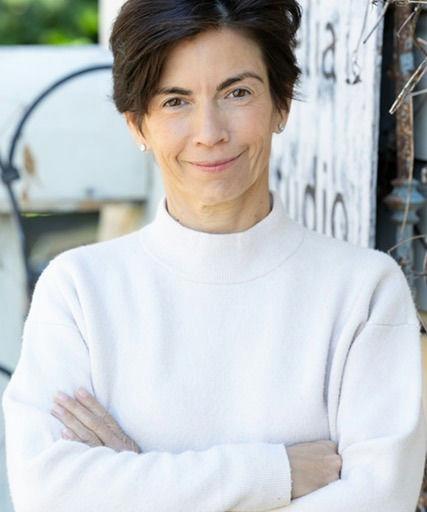
Psychotherapist and Clinical Social Worker Specializing in Trauma, Attachment, and Addiction
25+ years Experience serving LGBTQ clients2 University degrees: BS & MSW4 Specialist certifications & training milestonesLicensed Clinical Social Worker New York
Lisa Arrigo has spent more than three decades helping people understand what trauma leaves behind long after the original danger has passed. A New York Licensed Clinical Social Worker and psychotherapist, her work sits at the intersection of trauma, attachment, addiction, neurobiology, shame, and the deeply human ways people learn to survive.
Her perspective is powerful because it comes from both sides of the therapeutic relationship. Lisa has devoted her career to helping others heal, while also confronting the impact of trauma, addiction, relapse, and recovery in her own life. After more than 17 years of sobriety, she experienced a cocaine relapse that nearly cost her life and left her waking in a Manhattan hospital unable to remember how she had arrived there. That experience challenged everything she thought she understood about healing and forced her to confront a difficult truth: we can have insight, language, and years of recovery behind us and still carry survival patterns that remain active beneath the surface.
That lived experience now sits alongside decades of clinical training. Lisa earned her BS from Trinity University and her MSW from Fordham University School of Social Work, followed by post-graduate study at the Westchester Institute for Psychoanalysis and Psychotherapy.
More from Lisa Arrigo
All episodes → Situaseans PodcastHow Trauma Rewires Relationships (ft. @lisa.arrigo.therapy)Oct 2026Play episode →
 Hearts Entwined PodcastCuriosity Is The Key To Healing Trauma - Lyn Smith & Lisa ArrigoOct 2026Play episode →
 The Sober Fix PodcastI’m a Psychotherapist… and a Sober Addict | Lisa’s Recovery StoryOct 2026Play episode →
 The Accrescent: Bioenergetic HealingLisa Arrigo - Why Healing Is More Complex Than “Just Doing the Work”Sep 2026Play episode →
 Learning To Mom ® Motherhood Podcast for First Time Moms, New Moms and Expecting MothersIn Utero Safety and Maternal Wellbeing | Besties' Bonus EpisodeSep 2026Play episode →
 The One Day At A Time Recovery PodcastHow To Come Back After A RelapseSep 2026Play episode →
 Human AmplifiedWhen Survival Shapes Your Identity and Healing Changes the Story with Lisa ArrigoSep 2026Play episode →
 Trauma Interrupted with Jan BrobergLisa Arrigo's Story • Epigenetics, the Body, and Breaking Cycles of TraumaAug 2026Play episode →
 Heal Podcast - Lily PatrascuHow To Heal From Trauma - Lisa Arrigo and Lily PatrascuAug 2026Play episode →