
October 12, 2026
I’m a Psychotherapist… and a Sober Addict | Lisa’s Recovery Story
Sound bites
I think I was looking for a way to understand myself and certainly there might have been a small little tiny little piece that had to do with helping others.
In this episode
Lisa Arrigo talks about her cocaine addiction, relapse after 17 years sober, and the shame, trauma, and recovery work that followed.
- Built a psychotherapy career while still carrying her own addiction and recovery history
- Returned to New York after years in San Francisco and started her own therapeutic process
- Relapse came after 17 years sober and led to an overdose with cocaine, fentanyl, alcohol, gummies, and clonazepam
- Shame after the overdose made her want to be left alone in the hospital
- Work addiction and money obsession filled the gap during years without cocaine
Chapters
Written from the transcript. Pick a chapter to play the video from that point.
Transcript
Automatic captions of the conversation. They can contain errors and do not name who is speaking.
I just had this premonition that if I didn't leave San Francisco, I was going to die there. So, I woke up one morning and I didn't tell anyone that I was leaving. I didn't move out. I just got in a cab and bought a one-way ticket back to New York and just landed in the bedroom that I grew up in feeling like a piece of and you know, feeling like how was I going to live without the cocaine. >> Man, that feeling that many of us experience. How are we going to live without this stuff? I know I can't stand it anymore. It's killing me, but how am I going to live without it?
What's up, guys? We are back. We've got Lisa on today. Psychotherapist, been in private practice for 32 years, and she also suffered with cocaine addiction, and she struggled and she got sober. She put 17 years of sobriety together, got all these degrees, started helping people, made a big career for herself, and at 17 years, man, she ends up relapsing. It almost cost her her life. She ends up back in the hospital and you get to hear how she put the pieces back together, how she dealt with that shame. She she she learned from it, which is what we have to do if we find ourselves in relapse.
We've got to get back on the path. She's amazing woman. She's sober now. She's got a lot of knowledge for you guys. She specializes in addiction, attachment, trauma, and she also has that personal experience. So, I think you guys are going to learn a lot from her. Enjoy the episode. >> Hate when that happens. >> What's going on, guys? We are back. Another episode. Just took a sip of a monster. went down the wrong way, but we're here. >> Great start. >> Yeah, we're off to a great start. We've got Lisa on today. Lisa, how are you doing?
>> I'm doing great. You know, we had some glitches getting on and uh you know, where there's a will, there's a way. And we're here and uh looking forward to uh a great conversation. >> Yeah, absolutely. I'm glad that it worked out. I was telling you before we started, you never know with Riverside. It's like sometimes it's good, other times it's like crazy. But um yeah, I'm glad that we were able to uh make it happen. Where are you joining us from today? Which state are you in? >> I'm in uh New York. I'm in a little town on the Hudson River called NYAK.
So uh yeah, I'm just outside of New York City. >> That's great. And did you grow up in New York? >> I grew up in New York. I grew up in Westchester County, which is also a suburb. It's on the other side of the bridge. Um and uh I spent the first 16 years of my life, 17 years of my life in New York. Um and then I left um I went to San Antonio, Texas for college and then I ended up in San Francisco in the 80s and uh eventually made my way back to the bedroom that I grew up in quite broken and um and then New York became my home.
I went on to um start my own therapeutic process and uh decided to go to school to become a psychotherapist. So uh you know long journey back sometimes we have to come full circle and uh and I've been living in New York for the last 25 years. >> That's awesome. And and what's it been like being a psychotherapist? >> You know, I mean it's it's been um first off, I love what I do. I've been in full-time private practice for about 32 years. And uh what's it like? Um I think when I first got into the field or my first thought about oh maybe I'll be a psychotherapist um was probably um an unconscious attempt to heal myself because when I made that decision back in 1989 90 I was pretty broken and I was pretty lost and I was still very addicted to cocaine.
Uh so I think it was retrospectively I think I was looking for you know a way to understand myself and certainly there might have been a small little tiny little piece that had to do with helping others. But at that point in my life I was young and you know I had had a handful of years where I was heavily addicted and uh was in some really really rough places and some really um scary places. So, um, you know, I I think that by the time I came home, I was just so desperate to, uh, find my ground or to find an identity and to try to make sense out of my life.
Uh, and that just seemed to be a logical path for me to get there. And I love working with people. Um, I learn something from my clients all the time. I never feel like I know it all. Uh my clients teach me, you know, like with every relationship, there's a give and take and we learn from everybody we we sit with or talk to. If there's enough interest and curiosity and care, you know, it's a very healing relationship. That's most most of the time that's been my experience. So, I love it. It keeps me honest. It keeps me green.
And you never stop learning. And to see people grow and change is is magical. You know, there's there's nothing like seeing a person go from feeling broken to feeling um fulfilled and feeling interested and engaged in their world in a more authentic way. So, I just I love the process, especially when when people are really in it and benefit from it. So, I'm still passionate about it. >> Yeah, you could tell that's that's a good thing. That's a you picked the right field. Still passionate about it, >> I think. No, but you know, uh, despite myself, it was the first good decision I made in my 20s.
>> Hey, I'm right there with you. I don't remember half of my 20s. Um, I really don't like people are like, "Hey, what was it like?" I'm like, "It was bad." That's I could tell you it was bad. Um, >> right. And that's just what you remember. >> Yeah, that's what I remember. Um, cocaine though, that was one of my uh that was one of my first things that I got into for sure. Um, about like 17, 18 years old. had some fun with it in the beginning. Um, found out pretty quickly on it was it's a scary drug because it wears off quick and you're left with a lot of anxiety and you want to do more.
And how did it um where did it enter your life at? >> That's a really good question, Drew. So, when I was in college, you know, I was far away from home and yeah, I I hadn't had any real experience. I was one of these, you know, goody goodies in high school. You know, I wasn't a partyier. Um, you know, I didn't smoke weed. You know, none of that interested me. The only thing I was concerned about was getting good grades and getting into a good school and being the perfect child uh for my parents. Uh, so alcohol, drugs was not part of my story until I got to college.
And then, you know, there's the insecurity of being at college, being away from everything that's familiar. And I realized early on that I was no longer like the big fish in the small pond. Now I was in a bigger pond with students who were just as smart, if not smarter than me. And, you know, there was a lot of drinking. There was a lot of, you know, new social situations. I was sort of all of a sudden questioning my sexual identity which was very confusing for me especially in the 80s. Uh so there was a lot going on in my life that I just didn't have the resources or the the tools to understand uh or to process.
So, I was primed to begin to experiment with alcohol and and for the most part it was alcohol, it was cannabis, it was, you know, ecstasy, little MDMA, which was a, you know, it was just a a a steady slide into uh drug use and it started out medicinal and recreational and social and cocaine always scared me, you I think I always had a healthy fear. It's like, uhhuh, you know, cocaine and heroin, those are hard drugs. Like, we don't do that, right? [snorts] Um, but at some point my sophomore year, um, it started to feel like, well, why not?
I'm, you know, I'm smoking a little weed. That doesn't really do anything for me. Alcohol makes me, you know, nauseous. Um, ecstasy, I loved ecstasy. Who doesn't? >> >> So it was it was not at one point it was just sort of like you know I was tenderized like the the soil you know was was fertilized for me to you know just try a line of cocaine which I did and I was at a party with some friends and I did one line of cocaine and Drew I was instantly addicted. I mean, it wasn't once I put that drug in my system, um, I was hooked.
Um, and I started using more regularly and, um, you know, I was, um, going to gay bars because, you know, I was trying to meet other, you know, gay women at that time. And it was 1986 87. It was San Antonio, Texas. being gay was still illegal in the state of Texas. >> Oh, really? >> Right. Right. So, you know, I'm dating myself, but it's a long time ago. Um, and the whole scene, you know, the whole scene back then was, you know, revolved around alcohol and drugs. So, and I didn't really, you know, I didn't know which end was up.
I was just trying to figure it all out. So invariably I'd end up sitting at the bar and I'd be sitting next to the drug dealer, you know, and and it was just woven into the culture of the time uh back then and it was so easy. Uh, so it just became something that I did whenever I could and there wasn't a a ton of trouble trouble um you know although looking back there probably was enough trouble to um that I wasn't really paying attention to that I was minimizing. Uh but I graduated from college. I got good grades. On the outside, everything looked good, right?
But then I didn't want to come home after college. So my plan was to go to San Francisco and, you know, find my people, right? So it was 1988. I went to San Francisco with my little compact mirror and my little straw, my little, you know, paraphernalia and my books. Um and I wanted to start a new life for myself. What I didn't realize at the time was that the cocaine addiction was actually getting worse and it was coming with me. So, it followed me to San Francisco and that's where things got really really scary. You know, I became a chronic user.
Um, you know, I prostituted myself for for cocaine. I stole from my employers. I never stepped foot on a college campus. My plan was to go to Berkeley and get my master's degree out there. Um, but after a year and a half, I was suicidal. I was having seizures, um, grandma seizures. I was overdosing on cocaine. I never got any help, you know. I just kind of like picked myself up, you know, and kept moving. Uh, but at some point I knew that I was in really big big trouble. I surrounded myself with people that drank and d and and used like I did.
Um, and at some point I just had this premonition that if I didn't leave San Francisco, I was going to die there. So, I woke up one morning and I didn't tell anyone that I was leaving. I didn't move out. I just got in a cab and bought a one-way ticket back to New York. um and just landed in the bedroom that I grew up in feeling like a piece of [ __ ] and you know feeling like how was I going to live without the cocaine and how was I going to wrestle with the fact that I was an addict and you know back then we didn't know what we know now.
So, and the other thing I didn't know when I came back was that my father was the biggest cocaine dealer in Westchester County at that time. And his way of helping me was to become my supplier. So, I did more cocaine with my father than I did in San Francisco, I did in San Antonio. Um, so I was so powerless over this drug that even though I came home wanting help and even though I knew that using cocaine with my father was a really terrible idea, I was so powerless that I literally could not say no. And for the next year, I just used whenever I could with my father um until he got arrested.
He went to jail and I went to grad school and got myself into therapy. And so that's that's really like that is the bulk of my early life addiction story. So I feel like I'm talking a lot. Um does anything I'm sharing resonate for you? Like what how are you hearing me at this point? Because I'm I'm throwing a lot at you. >> Oh, no. It's it's amazing. There's a lot there's a ton that I can uh I can relate to. It's like uh especially like as it progresses because you were talking about how like the cocaine started ramping up but you still got through school which is amazing.
And then as you moved to San Francisco, that's when it like really turned the corner and really got bad. I could I could just relate to that. There was like a period of time where when I first started getting high and stuff, uh I could still kind of manage life. I could still kind of get some things done and stuff, but um >> yeah, I feel like eventually I got to a point where like I just I couldn't say no to it. Like you talked about with the cocaine, you just couldn't stop doing it. Like I was the same way. Uh I do want to ask you, how did you find out that your dad uh was involved in that?
>> Well, I came home from San Francisco and I sat down with my parents and I told them whatever I felt I could share at that point. I mean, obviously there was a lot of shame and like I was the good girl. This was not, you know, this was not I was not supposed to become a drug addict. >> Yeah. >> Right. So, and and I I really fooled a lot of people over that time and I was fooling myself, but my parents had no idea. But when I came back from San Francisco with just the shirt on my back, I really wanted help. You know, I was terrified and I was so filled with shame and I had no idea who I was because I had sort of built this identity based on being a good girl, based on being a good student.
And now um you know I was a drugaddicted lesbian you know at 22 who didn't have a clue right so I had no ground under my feet. So when I came home, I did something radical and I got honest with my parents and um and my parents I'm not, you know, I'm I've learned to take full responsibility for myself and I think that as adults we're all accountable for the choices that we make. Um but my parents really my father in particular like he was not a well man you know and I think that for him in his in his state of delusion or whatever happened to him in his life you know he thought that he really I don't know what he thought um I don't know if it was a power trip for him but but he took my vulnerability and he exploited it right so he knew that I had a a very big drug problem and um rather than lean in and get me the support and the help that I needed at that time, uh his solution was to pull me into his world where he could keep an eye on me.
Um but there was something far more nefarious going on there. And I'm not here to unpack my father's pathology. Um but uh you know I that that was at that point when he started offering me um drugs because he wanted to make sure I wasn't getting it off the street that I realized you know that he was a very very big drug dealer. I mean he had kilos buried in his backyard. I would go over to his place and he'd put out lines like this. And I mean, it was it was he was leaving he was leading this really crazy, wild, you know, life that was all about selling coke, the whole cocaine scene, um, women and drugs, and it it was really very sketchy, and I didn't know, but it didn't matter.
It didn't matter what my father would say or how he would sort of exploit our relationship in a variety of different ways. The only thing that mattered was that line of cocaine that he'd put on the mirror on the coffee table. That was the only thing that mattered. I would clean his house. I would go over there. I'd run errands for him. I would because I could not stop using. I couldn't I was completely and utter utterly powerless. and um and it brought me back to a lot of other times in my life where I felt powerless and vulnerable.
So, it was a really tough time for me and I couldn't tell my mother cuz it became our secret. So, it was a secret that me and my dad shared uh and I didn't tell anybody. So now I'm back in the secrets and the lies, you know, and living um like a street addict, you know, hiding, coming home, you know, chugging bourbon to try to come down, throwing up in the bedroom, cleaning it up, trying to pretend everything was okay. Um that's how I lived my life after I came back from San Francisco you know in that interim period before you know um I got a lifeline from the universe or uh my father went to jail which you know was really a gift because it allowed me to be without uh know that steady stream of cocaine and you know then I had to make some choices.
>> Yeah and you mentioned it. I was going to ask you about uh the comedown on it and if you drank a lot to to come down cuz I remember I did. Oh man, cocaine's it's a rough one when it when you run out and uh and you're wide awake and you just man, you feel like [ __ ] Uh so that was pretty common to then try and drink a bunch to to come down. >> Oh my gosh. I mean, there's no dopamine left in your brain, right? It's it's 4:00 a.m. It's 5:00 a.m. You haven't slept. your heart's still racing. You're still, you know, there's maybe you've run out of cocaine.
You're like, who am I? Who can I call? It's four in the morning. You know, there's nothing worse for me than that gutted feeling of just feeling completely emptied out. Um, and knowing that that that you did this, right? That once again you made the choice to chase that first line of cocaine, right? Because it I continued to use time and time again. And it never ended well. There was never a different ending, which is the insanity of of the addiction, right? Because it's not like you have one good reference point for it ending.
Well, >> right. So, for me, it was about, oh, I just just that, you know, that one line, right? It's that chasing that one line, right? But then one line turns into 10 turns it and then you just can't you just cannot stop, right? It's like having a loaded gun on your on your nightstand, right? And sort of like I'll play Russian roulette tonight. Let me pick up the gun and let me just shoot cuz I know there are just maybe two rounds, right? But that might be a fun thing to do on a Saturday night, you know? And it's like, well, maybe I'll survive it, maybe I won't.
But it wasn't enough to stop me. You know, all those mornings where I woke up with the birds chirping, feeling like I just wanted to die and feeling like, how did I do this again? You know, why, you know, and feeling like there was sort of this inner terrorist in me, right? Like I knew that this was bad. I knew that I could die, but there was that part of me that was like, "What the [ __ ] Who cares?" you know, it overrode my prefrontal cortex and it and I think because of the chronicity of my use, it rewired my brain where the compulsion was so strong that even thinking it through wasn't enough to keep me away from this drug, >> right?
>> Yeah. I mean, I would think it through and it and it would just loop me back to the excitement of the first line or whatever it was. >> Yeah. Yeah. It it didn't stop with, you know, you, you know, up at the crack of ass, you know, feeling like [ __ ] and maybe having to go to work or not, but just having no dopamine, nothing to feel good in your brain and just, you know, feeling that dread and that that, you know, that crash where all you want is more, but you know that if you do more, it's never going to be enough.
And if you can't get more, then you're just then you just sink into that hole of, you know, utter despair and depression. Um, kind of becomes a cycle, right? >> Yeah. And and when your dad So when he got arrested, I I know you mentioned then you started going back to school and stuff. What was it like? Uh cuz and you mentioned the dopamine and and being so deficient in it after using cocaine for a while. I imagine that was probably pretty rough like those first few weeks, months, whatever it was of uh without the cocaine.
>> Yeah. You know, I don't know how rough it was. I don't remember. I think I was relieved when my father was arrested and I don't remember and I had no other access at that point to the drug. So, I think that there was more relief. And for me, um, you know, I'll get to this in a little bit if we have time, but for me, I think that my father getting arrested was, um, opened up a door for me to really just kind of lean into my life and I created a lot of structure. Uh, I met some good people. Um, so I had scaffolding.
I started going to meetings, which was helpful at the time. Um, and and over time it just got better for me. You know, I didn't think about it. I didn't jones for it. Um, and I found other ways to to feel good. Uh, and I think it was more of a relief to have that monkey off my back, you know. Um, and I lived that way, you know, uh, for a long time, you know, where the cocaine was behind me. I got my degree. Um, eventually I I found myself in private practice. I got certified in trauma treatment. I became um, you know, a specialist in that area because addiction and trauma, where there's addiction, there's trauma, you know.
So, um, I firmly believe that. I've never met an addict or an alcoholic that didn't have um you know a traumatic background. And often it it may not be big tea trauma, but it could be more developmental or more complex, more nuanced chronic um lack of caregiving, chronic chaos in one's home life, obviously physical, sexual or emotional abuse and neglect. Um so uh my life's work has become understanding you know the how trauma and addiction work together and the neurobiology of trauma and addiction. So uh it carried me through many years of um you know real study and curiosity and my life just kept getting better.
You know I had relationships and I had community and um you know life was pretty good. I was making money, you know, I had reached a certain level of success in my life. Um, and then fast forward to 2022, I had a relapse and that sent me right back to San Francisco, right back to that place that I was in with my dad. Um, and that really brought me to my knees. And that really, um, gosh, um, that was a tough one. And I will say that, you know, they say in the rooms and, you know, I have an interesting relationship with 12step.
I don't consider myself wedded to 12step recovery. It has helped me. Um, for sure, but but they have said in the rooms that the first time is is, you know, is what is it the first time is a charm or whatever that expression is. Uh but when I relapsed in 2022, um not only did it bring me back, but it's been 4 years and um and it's just been maybe recently where I feel like the monkey is off my back. Um my 2022 relapse uh was a very hard one to recover from. Um, and uh, the cocaine got right back into my brain, rewired my brain and um, it's been it's been humbling and it's been hard and you know, I really needed to take a look at you know what, you know, what actually happened and why.
Um, which brought me to a whole other level of working with my complex trauma because clearly that addictive part of me never went away. It just went into hiding. That's how I see it. And other parts of me um were, you know, getting things done and going to work and having relationships, but you know, they say your disease does push-ups in the parking lot. For me, I think about it as that part of me, you know, that that protector part that that shows up or showed up for for me at that time when I was very vulnerable emotionally.
It just hijacked me and I found myself in a situation where cocaine was put in front of me. I wasn't seeking it out and I couldn't say no. And then I had a handful of relapses before I, you know, was able to find my footing again in in recovery and in my own healing journey. Uh, but it has not been easy. It's been tough. >> Yeah, I can imagine. I've had like I've had relapses before, but never after. after so many years of recovery and it's like um >> I could see it being really hard and especially cuz it's like you're trying to especially for someone like you who's got all this education and training and and knowledge and you know >> it didn't matter.
>> It didn't matter. >> It did matter, Drew. And that's the thing. It's like when it comes to addiction, it doesn't matter what you know. It doesn't matter even how long you have, you know, how many 24 hours you have. doesn't it doesn't matter. It waits. It's patient. It's silent. It's it's um sneaky, right? So, what I realized with that was that, you know, I was hiding behind all the things that I knew, but I wasn't attending to the places inside of me that were starving. And when that moment came and I had this really cute, you know, young guy come to my apartment to do my makeup for an event.
And I wasn't thinking, oh, let's party. But, you know, he did my makeup and we're chitchatting and he said, hey, do you want to do a couple of lines before your event? >> Oh. And I was like, there was a part of me that was over here like [ __ ] like in a total panic. But the part of me, and this is the kind of guy I would have partied with in the 80s and 90s, the other part of me that was like in this with him was like, "Yeah, sure, sure. Yeah." Right. But of course before he left and the good addict in me got the name of his dealer because that's what good addicts do after 20 years of recovery.
Oh yeah, let me take your guy's number. I was right back in it just like that. went to my fundraiser with my friends, disappeared, went into the bathroom, and I spent half the evening trying to reach the drug dealer. You know, I looked great. I had a dress on, did my makeup, you know, and I'm in a bathroom stall like, "Hey, you know, just got your number, huh? You know, I'm not a cop." You know, I was right back in it as if I never left. And then over a period of the next three months um I was I was hiding it. I was denying that I had a problem.
I convinced myself that I could control it. And what was different about today compared to the 80s um and my drug use with my father was it was really easy. like it was harder for me to get a burger from Shake Shack, Uber Eats, right? Um I would just text and I would say, "Hey, you know, Upper Westside Lisa, um you around and 20 minutes later a car would pull up. I'd get in it. We kissy kissy huggy huggy. Pull up to the corner. I'd get out." And it was so easy. I didn't have to go to a bar. I didn't have to find the drug dealer.
I didn't have to cozy up to some people to find the guy or the girl. Um, you know, and that was my downfall because it was so accessible. Um, people, places, and things. I was right back in it. And then 3 months in, I had a an overdose. And, and let me just say, like, at the time, I was 56. So, it's not cool to be a 56 57year-old cocaine addict. Like, that's just not a good look. I mean, it's it's not healthy either. But like, it wasn't lost on me. Like, I was like, now I'm now I'm like a, you know, I'm per menopausal and I'm doing cocaine.
Like, how does this happen? Right? But it happens because I have a part of me that um that holds, you know, these I believe to be these very early um um defensive, you know, um um functions, right? And at some point early on, the cocaine helped me. Um, but that part of myself um would step in and and let me just back up for a minute because when I think back, even though I wasn't using cocaine for that period of time, those two decades, I was addicted to work. I was addicted to making money. I was self-centered, you know, in my own way.
I was generous and thoughtful, but at the end of the day, you know, I would obsess over things like that part of me just kind of showed up differently. Um, but then once the cocaine came back online, it was like, you know, everything fell into place and then that part was was married once again to that drug, right? Like no one ever died from workcoholism. I mean, I guess you could have, you know, chronic illness if you overwork for decades and but but the cocaine will take you down like that. So, you know, once that became um once that came back into my landscape, I couldn't stop and I ended up overdosing.
I ended up in a hospital overnight. Actually, I didn't stay overnight. I was admitted for a few hours. And what they found in my system was cocaine laced with fentanyl. >> Oh jeez. >> Uh gummies, um alcohol and um clonopin, benzoazipines. So what happened before I totally passed out was I was using I couldn't stop. So, I started drinking, which is what I would do when I used cocaine because I couldn't tolerate the cocaine anymore because it it would make me all jittery. So, I would drink, right? And then I'd have to do more cocaine cuz it was still there.
So, then I'd drink some more and then that wasn't cutting it. So I would take a couple of clonopin because you know I was prescribed it for you know low dose for anxiety and you know and then I would do more cocaine and I would be up up up and then I'd take a couple of gummies and then I drink more and then I then I was done. Um, I came to in the hospital and the first thing I noticed when I came to was that I had a wristband on my wrist that said fall risk. Was one of those yellow wristbands and um and I was and that was my bottom.
My partner at the time was sitting at the edge of the bed. She had no idea what I'd been doing. Um, I told her just leave, just leave me here because the shame, the shame felt like it could actually just destroy me. Um, right. I just wanted to die. I was back there wanting to die, you know? I found my way to the bathroom. My lips were blue because I'd become hypoxic. So, I don't know how I survived that night, but this is how people die. You know, I had five drugs in my system. a lot of them and I couldn't stop using.
So fall risk became the title of my memoir. So I'd started writing the book before but when this happened it's like okay you know fall risk you know as resilient as we are is as fragile as we are. Um and you know that became um you know a real theme in my life cuz you know I I have a lot of resilience but I didn't realize the fragility until I was back in that very addicted place where you know that that charge was lit up again. Um so uh so yeah it's been quite a journey and um you know I don't take anything for granted today.
It's like okay you know what you know every day brings a new opportunity to learn something about myself to sit in discomfort to feel empty inside sometimes and not feel like I need to act on that empty feeling by filling it with something. Um I've double downed on my service. So, I try to um share my story as much as I can and be of service in so many other ways because it keeps me grounded and it keeps me humble and it keeps me feeling like um I can continue to work on bringing the best version of myself to the table while attending to the parts of me that I've probably sorely neglected, you know, even in recovery.
So self-care and compassion have become, you know, my pillars every day. Even if I don't want to love myself or I feel shitty about myself, I try to treat myself as if I would treat somebody else who was having a hard day rather than, you know, taking off the whip, you know. So in that way it's been um it's been uh a gift for me to for the first time and now I'm pushing 60 for the first time to really um grieve for the struggle and not which is different from pitying and feeling sorry for yourself but to actually yeah this was you know you were in the grips of something that wanted to kill you and at your own hands.
It was internalized rage. It was in it was probably stuff that was carried from previous generations that I was born with, you know, that some of it might not have even been mine. Um, but today, you know, I can I can sit with it. I can look at it. I can work with it. And if I'm having a hard time, I pick up the phone or um, you know, I do some writing or I get out in nature. Um, and you know, some of it I think can feel cliche at times, like, oh, just go outside, give yourself a hug, but you know, all these little things, you know, if you set that intention that this is what you're going to do, even if you're faking it until you make it, it helps.
It helps. Um, and not keeping things a secret. Like, you know, I grew up keeping secrets way before I became addicted to cocaine. secrets were woven into the fabric of my family life. So today I try not to keep secrets if I don't need to. Sometimes I'll keep a secret when I don't have to. Like why are you doing that? You know, just talk to someone. Just put it out there. There's that, you know. So we are as I do believe we are as sick as our secrets. Not to be, you know, overly cliche about that, but I try to live with honesty and integrity and I don't do it perfectly.
And these days I know when I'm not right and I try to rightsize myself before um you know I'm scared you know I do not want to die um from cocaine um and many many people do you know and just even in the news it's a steady flow of young talented people you know dying way too soon from from addiction and trauma related um depression, anxiety, suicidality So, um I'm trying to keep it real. >> Yeah. And I'm so glad that you made it back, too, because like I know you've probably ran into a lot of people where especially with like long-term recovery, you always hear that it's like so much harder to make it back to like recovery again.
Um would you agree with that after everything you've been through? >> Yeah. Yeah. I mean, I've had I've known more than a handful of people who have died um in the rooms of um Alcoholics Anonymous, um Cocaine Anonymous, um and people with long-term recovery and and I get it like um I don't know. I mean, I I understand, but like for me, um, you know, I just I just kept coming back, you know, and I kept coming back because there was a bigger part of me that didn't want to and I just got lucky because, you know, I had some relapses after I came back into the rooms.
Um, and I see and I've known many people, you know, I knew a woman in the program who uh relapsed and she ended up taking her own life, shooting herself in the head. Um, and uh, I think about her a lot and I spoke with her a week or two before she killed herself and I was trying to help her get into a program out in in Arizona and she was in tough shape and there was a lot going on for her and, you know, she basically said, you know, I I can't I can't go, you know, I can't leave. I I have to work, you know, I have to take care of my my aging parents.
I can't do it. Um and she ended up taking her own life just two weeks later. Um so she wasn't able to take care of her parents because the disease, you know, the disease took her. So um yeah, I think it's very hard for people who have been in long-term recovery and have a relapse to just get right back in it, you know, to just, you know, just whatever you need to do, just show up. Um because the longer you're out there, the harder it is and the more dangerous it becomes. And what keeps most people from coming back is shame.
And you know, shame and guilt and all of that. And shame, you know, shame is is one of the key ingredients to relapse. It's what primes us, some of us, for addiction. You know, not feeling good about ourselves or feeling shitty and wanting something to make us feel better. And that's what cocaine did for me at the very very beginning. It made me feel better. It made me feel alive. It made me feel good about myself. It made me feel confident. I could talk for hours. People wanted to be with me, you know. Um and then I ended up like in a dirty room all by myself.
You know that my addiction brought me to the worst places. I didn't want to see anybody. I didn't want to do anything. But it didn't start there. It started as a way for me to combat the shame that I was carrying from so many things that we don't have time to get into. But um shame, relapse, more shame and people, you know, just going to a place of feeling like um they can't come back. And when I say come back, I don't necessarily mean to the rooms, although that's a place where many people find recovery, but just dropping the rock and getting honest and leaning into whatever support system, whatever program of recovery, whatever therapy could, you know, get you to a place of uh stability.
Um, and that's hard, but it's not impossible. But it takes, you know, it takes um it takes the willingness to acknowledge that, yeah, there's something more here that I have to learn about myself because really that's all relapse is. It's a there's something I've there's something to look at. there's something that has been underexamined or underexplored or there are things that I've forgotten or areas inside that that haven't been properly you know um explored and let's get curious about that rather than running from it um because anyone in relapse after long-term recovery uh and I can tell you um it is the worst feeling in the world.
It's like, wow, I had all that time and now I have one day and all I want to do is use what do you do with that? Yeah, it's scary like how how quickly it just like uh like I didn't real I never relapsed after that many years, but when I did it was like um I was I was absolutely shocked at just like the next day it was like I had never stopped. I I just uh the drive to get high was so strong, so severe like I just couldn't do anything about it, if that makes sense. >> No, you're just along for the ride. And what we know about the science of addiction, right, is that you know the the cocaine, you know, rewires the brain.
It rewires the brain, right? So, um, even though you have all this time, the wiring is still there and maybe it shows up in more subtle ways like maybe you obsess over biking, you know, even something healthy. But those obsessional loops and the neuronal connections that were, you know, wired together, you know, they don't just, you know, dribble away like they they stay active or active enough in one's life. That's I think that's my there's science that supports that. But but once you put the drug back in your system, and this is why people go right back to where they were, it's because it fires up all of those neuronal connections again.
And literally your brain is back there. And it doesn't matter how much recovery you have or where you are in your life or how much abundance you have or what is different about your life today. It doesn't matter because the brain is wired to want to use it. Just goes right back to that place of craving and obsession and compulsion, right? And and that's the only way to explain it, right? How else do you explain it? >> Yeah. And I'm glad you did because like I felt it. That's what it felt like. It was like Yeah. Everything I had worked for it didn't matter.
Like physically I was hijacked. It just >> there was nothing. >> Absolutely. Absolutely. It's a hijack. And you know what I what I chose to do um you know I tried all kinds of things all kinds of tricks when I when I felt like using but I I wanted to but I didn't want to. You know sometimes I just sit on the floor cuz if I'm sitting I can't be driving. If I'm sitting I can't be you know calling you know or trying to figure out who's got what. like just sitting on the floor and just grounding and breathing and [sighs] you know and waiting for it to pass.
Waiting for that that urge or that craving uh or that you know that uh you know that that voice that says, "Oh, come on. It could be different this time. It could be different this time." You know, if you're not and if if it starts to feel like it's too much, this is what I would tell myself. You can throw it out. I've never thrown out cocaine. >> Yeah. >> Even when I was on the verge of stroke and cardiac arrest, if there was more cocaine on the table, I would use it. I have never ever ever in my life, I was in San Antonio, Texas, and a cop was driving behind me and I had an eight-ball in the front seat.
I threw it out into this field, this, you know, with pasture with cows at like three in the morning, right? And the officer wasn't coming after me, so he kept driving. So between three and the sun coming up, what do you think I did? >> Oh, we're going through every square inch of that field. >> I was on my hands and knees for 3 hours looking for, you know, so I've never ever ever ever thrown out cocaine, but this becomes, oh, you know, this time you'll just throw it out. you'll do a little and if it's too much, you'll just, you know, you'll flush it down the toilet.
Or, hey, you know, you're writing a book. Stephen King, I think, wrote the stand on cocaine. Like, he was a good writer. You know, maybe I'll do a little cocaine and it'll help me, you know, be more efficient with my book, right? Like, I can really get into it. When I'm doing cocaine, I can't write. All I can do is circle around, you know, 20 minutes. When's the night? like all these little plans that I put in place for myself to moderate my use. You know, it fell apart within an hour. You know, I'll do a line and then I'll vacuum.
I'll do a line and then I'll make a phone call. like that lasted maybe 40 minutes and then it was just it was all about the drugs and it was all about then 20 minutes became 10 minutes became 5 minutes and then you know there I was back in that cycle you know and then drinking you know to try to you know maintain that sweet spot you know which wasn't so sweet >> but not being able to stop >> I I could totally relate to like the sweet spot it was it was different drugs for me towards the end it was like opiates and meth and but it was the same thing.
It was the same roller coaster of like get too high on the meth, start doing the opiates, drinking, smoking, like uh and the thing was is and I didn't never realized it at the time, but I never really hit the sweet spot. Like every once in a while, every once in a while I'd feel good for a little bit, but >> it was exactly like you said earlier is like I was always chasing something that I I just couldn't catch it. I just could not catch it. It took me a long time to uh to realize that. >> Yes. Yeah. Yeah. No, I appreciate you sharing that cuz that's, you know, I hear this so often with people I know and clients who, you know, have addiction histories and, you know, that chasing for me that chasing started long before I um encountered cocaine.
Like it was always hard for me to just be where I was. Even as a kid, I always wanted I was always looking at the next thing that I had to do or the next um way that I could make my mom happy or the next, you know, so I never learned how to just be okay inside. It was always about chasing the grade, you know, chasing, you know, the relationship or the boy or the girl or, you know, chasing running cross country, chasing that high, you know, that comes with running um, you know, food, chasing the feeling of restriction because before the cocaine, you know, I I had a little brief stent of, you know, an eating disorder, which is not uncommon because the ketosis, you know, gave me that feeling of, you know, that elevated feeling of being a little bit high, a little bit clearer, just like the cocaine, right?
But for me, I'm glad you used the word chasing because I think that for many of us, the chasing didn't start with the drug. It started with something earlier like just not being you know not being able to stay present and not feeling like you know you can be safe and comfortable just where you are as you are right and honestly I'm still learning about that you know um after all this time how do I get comfortable with me right how do I just be okay with where I am and not feel like I need to be someplace else because learning how to drop into yourself, you know, opens up so many other pathways.
Not only, you know, neurological pathways, but it opens up those spaces for compassion, for curiosity, for creativity, right? All of that, you know, goes out the window when we're chasing. [snorts] There's no curiosity, there's no compassion, there's no creativity, there's no connection. It's all about the chase, the chase, the chase. And um I think in my conversation with so many alcoholics and addicts, you know, over the years, that is a common theme, you know, running to stand still. But when the chase gets linked up with, you know, a drug that can kill you, that's when we're in those places.
That's that's the swamp land of the soul right there. Yeah. >> Yeah. Totally. Yeah. I I've heard someone describe it as like they were always 10 minutes late somewhere like like just never like could just be sitting in the present just always like I I got to do something or be somewhere. That's what I was thinking about as you were talking about that. I was like >> that makes so much sense. But uh >> I'll ask you one more Lisa. We've covered a lot of really cool stuff. Um >> what would your advice be? And I ask everyone this.
I kind of try and tailor it a little bit to what you guys have been through um each person, but what would your advice be to someone who is um who's relapsed after long-term recovery um like you did and and they're just struggling and they're in that relapse pattern and they just can't seem to get out of the cycle. What would your advice be to someone in that situation? >> It's a really good question. Um I think what I would say to that person is that um [snorts] you know the relapse is not a failure. you have not failed.
Even if you feel you've failed, that the relapse is showing you something that um it's inviting you to look at something that has been um neglected. And the shame that goes along with that relapse, the shame is [snorts] it's not this is not about your character. It's not about your goodness, right? Um it is about unresolved trauma. It's about a brain that's not working for you but working against you. Um, so, um, I would invite that person to, um, try to reframe the relapse, as shitty as it feels, as an opportunity, an opportunity to explore something that is begging for attention inside.
And I would also suggest that um that person find some way to connect with somebody who's been there. Um and to even if it's as uncomfortable as hell and it is uncomfortable and I you know certainly I've been there um you know that you don't have to suffer. It's not your fault. It's not a character defect. It's some part of your inner life that is begging for attention and care and your life is worth saving. Um, that's a tough cell. But I think the the biggest thing for me was to, and I don't even know where this came from.
It was like, I need to [snorts] get to a meeting or I need to start talking about this in my therapy. I can't lie in my therapy. And and for a period of time, I wasn't 100% honest um about a lot of things in my therapy. And this just kind of broke me open in a way that I needed to be broken open. And I think if if there's anyone who's listening that has had time and has relapsed, you're not alone. It happens. And um it may feel like the worst thing in the world world right now. Uh but actually um if you can, you know, get back in it because there's a reason and there's a way that you stayed clean and sober for all that time.
If you can plug yourself back in, the possibilities for growth are endless. But that's that's the choice point. you know, you don't have a choice to um you can't slay your addiction, but the next right thing, you know, you can you you do have some say in that. Just doing the next right thing amidst what feels like powerlessness in in that addictive cycle. So, um yeah, I mean those are just a couple of things that I would throw out there. Yeah. And those are awesome. I mean, that's just >> Yeah. >> Yeah. I mean, the drug wants to keep you alone.
It wants to keep you isolated. It wants to keep you separated from everything that's going to help you feel better. Um, but um there's there's there's, you know, it's not going to get any better. It only gets worse. And it gets I think for those people in long-term recovery, a lot of those people don't come back. They don't come back. Yeah, it takes it takes a lot to bring some of those folks back to the table. >> Yeah, it's just it just seems like it'd be such a hard thing to mentally just get over it. There's so many things at play.
It's like, man, well, you got to get out of your head. It's not getting over it mentally. It's about surrender. It's about, okay, um, this is not, you know, I didn't think myself into this and I can't think myself out of it. So, let's just drop the thinking and let's just drop in and let's just get real. [gasps] Um, you may not have any control. I did not have any control over the relapse I had in 22, 2022, but I had control over everything that I did after that. Even the relapses that I had were were me choosing because I had all, you know, I had people in my life.
I had, you know, a program of recovery. I had, you know, therapist, a long-term therapist. Right. So they say in the rooms that, you know, any thought that lasts more than seven seconds is a plan. >> Oh, yeah. >> Right. So I so I mean there were times when you know I was just like you know I made a decision to not use the resources that I had that would keep me from the relapse because my addiction was stronger than my than my desire to do the next right thing. So, um, but I think that knowing that you do have choices even in the face of feeling powerless over your addiction and reminding that person, yeah, you know, you stayed clean all this time.
You stayed sober all this time. That wasn't nothing. You're not where you were. You feel like you are, but you're not. Your addiction is back there, but you've grown. And your addiction is trying to show you something that maybe in your growth you haven't properly attended to. Not because you're bad, not because you did anything wrong, but because you couldn't see what wasn't visible. And now it's about making the invisible visible. And that is the core of of trauma work and healing. And it takes time. Yeah, I'm really glad that you bring that up and and explain it in in the way that you do.
And I know we're at the end here now, but I just want to say thank you, Lisa. It's been a lot of fun. We covered a lot of uh a lot of ground. And wow, what a story. I mean, just like a total comeback story, and I I think something that like anyone can relate to in some way. Just uh I mean, you mentioned so much stuff that I could relate to this whole time. So, thank you for taking the time to uh to come on here and open up about all that and uh spread some hope for us. >> Yeah, thank you, Drew. I mean, I think, you know, we're all in this together and even in this conversation, you know, you've helped me by giving me, you know, a place where, you know, we can engage around something and and I know you know, I know that you get it, right?
And you don't have to be sitting there like huh like I can just you know I know that I'm in the company of someone you know who understands you know um the insidiousness of addiction and also um you know the the the you know the popping open the hood and looking hey what's underneath that because we are not our addictions right and nobody wakes up one morning and says hey I think I'll become a drug addict right every addiction starts as a coping strategy Um, and there's hope and um, but we've got to keep talking about it.
Got to keep talking about it. You know, it takes the power away from it when we talk about it. >> Yeah, it's so true. Thank you, Lisa. >> Thank you, Drew. Thank you so much. I appreciate this opportunity and um, wishing you all the best. >> All right, guys. There we go. Another episode. Thank you for your support. Thanks for stopping by. Thank you for watching. Leave a comment if you get a chance. Subscribe if you're not already subscribed. I gotta be honest with you guys. I relapsed this week on the vape, bro. Can you believe it?
I was like a month off of it. But let me tell you how it happened because it's eerily similar to other things. So, I'm a month off. I'm feeling good. I feel like I'm like breathing a little bit better. Now, the vape never affected me as much as cigarettes, but um whatever. I I felt like I was running around just a little bit better. I go a whole month and then all of a sudden one day I get off of work. I'm sitting there and I'm like, I just have a couple puffs. No big deal. So I did. I had a couple puffs that night.
Then the next day I went to work, didn't vape all day at work. Came home, vaped sitting there. Had a couple puffs. Next day I'm puffing all day. Okay. I don't know why I I don't know why I try and beat the system. I don't know why. It's exactly how my drinking was. It's exactly how my drugging was. Take a little break. Figure I could do things a little bit different. Maybe do it a little bit less. And within like a few days, I'm right back at it. So, I I've tried again today. So, we're doing well again. I'm back on the horse.
But, um, funny how that happens, huh? It doesn't really matter what it is. If it's anything that feels somewhat good in life, I am susceptible to overdoing it just the way it is. is probably not a surprise to anyone listening, but um I hope that life's going good, guys. I hope sobriety is going well. Um I just love hearing from you guys. I love the comments, the questions, love having guests on. It's been a lot of fun. It's been a lot of work, but it's something that um I've found purpose in and and I encourage anyone out there to find what you're what's going to bring you purpose.
Maybe it's just you being sober and sharing your story. Maybe it's just being a lending hand to a friend, to family members. Maybe it's just being an example. You don't even have to tell people the changes you're making in life. They're going to see it. Maybe a friend who's still out there struggling looks at you and maybe you don't preach to them. Don't maybe you don't try and get them to get sober, but believe me, they're watching. You never know who you're affecting. And the cool thing that I love about recovery as well, and and this has to do with people that aren't even sober, but it's like um I found that as I've shared my story, and I found this early on in sobriety, I would share my story with people, and it's interesting how they would then open up to me about things in their life, and maybe it wasn't drugs, maybe it wasn't alcohol, but it some other struggle.
So, I feel like it it brings connection when we're transparent with each other at the right times. But, um yeah, I hope you guys enjoy the episode. If you want to come on the show, reach out to me. the soberfix podcastgmail.com. We'd love to hear from you. Get you set up. Until next time, guys. Have a great week.
About Lisa Arrigo
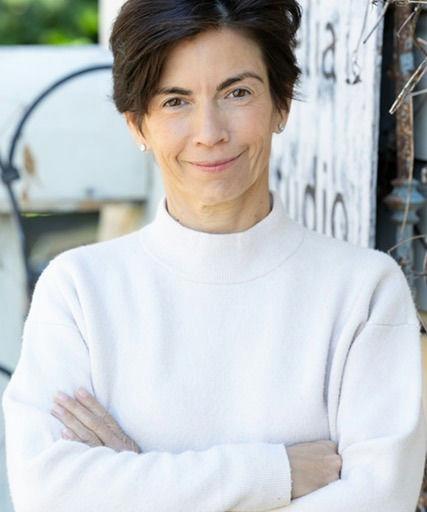
Psychotherapist and Clinical Social Worker Specializing in Trauma, Attachment, and Addiction
25+ years Experience serving LGBTQ clients2 University degrees: BS & MSW4 Specialist certifications & training milestonesLicensed Clinical Social Worker New York
Lisa Arrigo has spent more than three decades helping people understand what trauma leaves behind long after the original danger has passed. A New York Licensed Clinical Social Worker and psychotherapist, her work sits at the intersection of trauma, attachment, addiction, neurobiology, shame, and the deeply human ways people learn to survive.
Her perspective is powerful because it comes from both sides of the therapeutic relationship. Lisa has devoted her career to helping others heal, while also confronting the impact of trauma, addiction, relapse, and recovery in her own life. After more than 17 years of sobriety, she experienced a cocaine relapse that nearly cost her life and left her waking in a Manhattan hospital unable to remember how she had arrived there. That experience challenged everything she thought she understood about healing and forced her to confront a difficult truth: we can have insight, language, and years of recovery behind us and still carry survival patterns that remain active beneath the surface.
That lived experience now sits alongside decades of clinical training. Lisa earned her BS from Trinity University and her MSW from Fordham University School of Social Work, followed by post-graduate study at the Westchester Institute for Psychoanalysis and Psychotherapy.
More from Lisa Arrigo
All episodes → THE EXPLODING HUMAN with Bob NickmanLISA ARRIGO: THE ADULT CHILD VIA TRAUMA & THE BODY: EP. 336Nov 2026Play episode →
 Situaseans PodcastHow Trauma Rewires Relationships (ft. @lisa.arrigo.therapy)Oct 2026Play episode →
 Hearts Entwined PodcastCuriosity Is The Key To Healing Trauma - Lyn Smith & Lisa ArrigoOct 2026Play episode →
 The Accrescent: Bioenergetic HealingLisa Arrigo - Why Healing Is More Complex Than “Just Doing the Work”Sep 2026Play episode →
 Learning To Mom ® Motherhood Podcast for First Time Moms, New Moms and Expecting MothersIn Utero Safety and Maternal Wellbeing | Besties' Bonus EpisodeSep 2026Play episode →
 The One Day At A Time Recovery PodcastHow To Come Back After A RelapseSep 2026Play episode →
 Human AmplifiedWhen Survival Shapes Your Identity and Healing Changes the Story with Lisa ArrigoSep 2026Play episode →
 Trauma Interrupted with Jan BrobergLisa Arrigo's Story • Epigenetics, the Body, and Breaking Cycles of TraumaAug 2026Play episode →
 Heal Podcast - Lily PatrascuHow To Heal From Trauma - Lisa Arrigo and Lily PatrascuAug 2026Play episode →