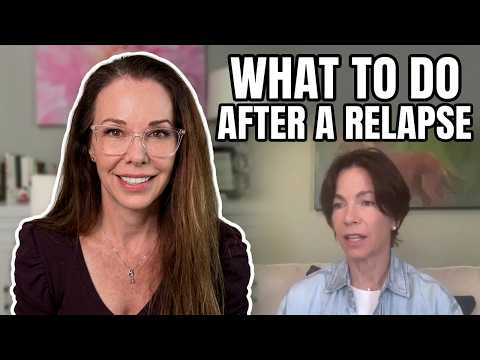
448 How To Come Back After A Relapse
0:00 / 76:10The One Day At A Time Recovery Podcast· Listen to Lisa Arrigo on air
Psychotherapist and Clinical Social Worker Specializing in Trauma, Attachment, and Addiction
Lisa Arrigo has spent more than three decades helping people understand what trauma leaves behind long after the original danger has passed. A New York Licensed Clinical Social Worker and psychotherapist, her work sits at the intersection of trauma, attachment, addiction, neurobiology, shame, and the deeply human ways people learn to survive.
Her perspective is powerful because it comes from both sides of the therapeutic relationship. Lisa has devoted her career to helping others heal, while also confronting the impact of trauma, addiction, relapse, and recovery in her own life. After more than 17 years of sobriety, she experienced a cocaine relapse that nearly cost her life and left her waking in a Manhattan hospital unable to remember how she had arrived there. That experience challenged everything she thought she understood about healing and forced her to confront a difficult truth: we can have insight, language, and years of recovery behind us and still carry survival patterns that remain active beneath the surface.
That lived experience now sits alongside decades of clinical training. Lisa earned her BS from Trinity University and her MSW from Fordham University School of Social Work, followed by post-graduate study at the Westchester Institute for Psychoanalysis and Psychotherapy. She has also completed specialized training in addiction and eating disorders through the White Institute, is certified in EMDR, and has advanced training in Sensorimotor Psychotherapy Levels I and II.
Lisa is now bringing these worlds together in her forthcoming teachable memoir, Fall Risk. Beginning in utero, the book explores how pre-birth conditions, epigenetics, developmental trauma, attachment, and generational patterns can begin shaping a life before we have language for what is happening to us. Through the story of her own childhood, addiction, recovery, relapse, and continued healing, Lisa shows how the very adaptations that once helped us survive can later become the patterns that place our relationships, wellbeing, and even our lives at risk.
At the heart of Lisa’s work is a rejection of the idea that healing should make us invulnerable. Her work helps people move away from asking “What is wrong with me?” and toward a more compassionate question: “What happened, what did I learn to do to survive it, and what do I need now?”
On podcasts, Lisa brings rare clinical depth together with an extraordinary willingness to speak honestly about her own life. Her conversations about trauma, addiction, relapse, shame, attachment, and recovery are not delivered from a safe distance; they come from someone who has studied these patterns professionally, lived them personally, and continues to examine what it truly means to heal. Her message is ultimately one of hope: we do not have to wait until we hit rock bottom to become curious about the patterns running our lives, and we do not have to heal them alone.
Relapse After Long Recovery: why survival patterns persist beneath professional knowledge
After more than 17 years of sobriety and decades working as a trauma therapist, Lisa experienced a cocaine relapse that nearly cost her life and left her waking in a Manhattan hospital unable to…
Shame in Addiction and Recovery: how secrecy deepens the patterns people are escaping
Lisa knows both sides of shame: the clinician helping people understand trauma and addiction, and the woman staring into a hospital mirror after an overdose thinking she had destroyed everything she…
The Neurobiology of Early Trauma: how attachment and development shape adult patterns
Trauma has become part of everyday language, yet Lisa believes much of the conversation still leaves people confused about why they react the way they do and risks pathologising normal adaptations to…
Trauma Without a Catastrophe: how chronic overwhelm shapes the nervous system and why it gets dismissed
Lisa Arrigo spends her clinical hours with people who apologise for being in the room, convinced their history was never severe enough to explain how they feel. A New York Licensed Clinical Social…
9+ podcast & stage appearances. Remote or in studio, broadcast-grade audio.