
May 8, 2026
S6 EP16: Lisa's Story - Childhood Trauma, Addiction And Recovery!
Listen
Sound bites
My early attachments were not secure, they didn't, many of them didn't feel safe.
The experience that I had with cocaine really shaped everything that came after for me.
In this episode
Lisa Arrigo joins Well, That F*cked Me Up! to talk about childhood trauma, family addiction, and the long road into recovery.
- A chaotic, volatile Italian household shaped early experiences of emotional abuse, unpredictability, neglect, and unsafe attachments.
- People pleasing and keeping family secrets became survival strategies in childhood.
- Cocaine use escalated in early adulthood, including using with her father, before he later went to jail.
- Recovery brought grandmother seizures, a shaky sense of identity, and the work of rebuilding a core self.
- A future book will explore family trauma, addiction, and healing the ancestral line.
Transcript
ShowHide
Automatic captions of the conversation. They can contain errors and do not name who is speaking.
SPEAKER_00: Welcome to another episode of Well That Fucked Me Up. I am your host, Luke Colson. Today we're joined by Lisa Arrigo. Hi, Lisa. SPEAKER_02: Hi, how are you, Luke? SPEAKER_00: I'm great. Thanks. We had some technology problems, but that is literally the same every time we do a recording. Just life, isn't it? It's my fault. No, it's not your fault. Uh I might have sent you the wrong link. Where are you? Um where are you calling us from? SPEAKER_02: I'm in New York. SPEAKER_00: Right. SPEAKER_02: I'm in Rockland County, so I'm right about northwest of the city, about 45 minutes outside of Manhattan.
SPEAKER_00: Oh, that's nice. I went to Woodstock not that long ago. SPEAKER_02: Oh. SPEAKER_00: Love Woodstock. God, I was really, I'd never been there before. And then I was in Manhattan. I was in midtown Manhattan just last weekend. SPEAKER_02: So that's well, that's quite a contrast. SPEAKER_00: Yes. Oh, yeah. Very different. Yeah. And also I'm one of those people that didn't really understand that New York was a state, not just Manhattan. I'm one of those I'm one of those idiots. SPEAKER_02: Well, I have that problem too, and I live in New York.
SPEAKER_00: I I only recently found out that Niagara Falls was in New York as well, which literally exploded my brain. I'm like, what is happening right now? What are you what are you talking about? Um did you think it was in Canada? Of course. Yeah. Just assumed it was only in Canada. Correct. Yes. SPEAKER_02: Well, I'm just testing to make sure you didn't think it was in New Zealand or something. No, not that much I knew. SPEAKER_00: That much I knew. No, that much I knew. Um every week we have a guest who comes on and we discuss surviving life-changing events and experiences.
And that can be anything through our whole life, something that happened when we were kids, an ongoing thing. It can be physical, it can be mental, it can be relationships, can be hardships, and all always about adversity and often about trauma as well. Um, and what we like to focus on is the story, the story through, the journey, you know, and how we arrived at where we are today. And I know Lisa, we were talking offline and you said, well, there's quite a few moments that fit the bill. Um, but where would you like to begin, Lisa?
SPEAKER_02: Yeah, you know, I think that I really gave a lot of thought to this podcast because this is my third podcast, so I'm just trying to like I'm really trying to get them right in terms of messaging and and you know, also um sharing of my own experience, my own knowledge in a way that will hopefully inspire or yeah the listener might identify, might be inspired, yeah, um, be moved by my story. Yeah. Um you know, it's it's a story about a history of trauma, yeah, and like family, um, addiction, which is a big part of my story, same and and recovery.
SPEAKER_00: Same. SPEAKER_02: So here, see? SPEAKER_00: Yeah. SPEAKER_02: I fear you. SPEAKER_00: Yeah, yeah, that's great. So tell us about, let's just dive straight in. Tell us about where where that that trauma began. SPEAKER_02: Yeah. Well, I grew up in a very chaotic, volatile Italian home. And there was a lot of emotional uh abuse, uh, a lot of unpredictability, uh, a lot of neglect. You know, it was it was just a shit show. My parents, sorry, I'm not sure if I can use such words. SPEAKER_00: You can, yeah. My favorite word is is fuck.
So we're good. SPEAKER_02: Okay, yeah. All right, I'll try not to use that one. Um, you know, my parents were young and they didn't know what they were doing. Uh, they were three kids from the Bronx. SPEAKER_01: Wow. SPEAKER_02: Uh, so it was a classic grease situation. SPEAKER_01: Yeah. SPEAKER_02: So they were childhood sweethearts, they got married, they moved to the suburbs like everybody else did during that time, and they were really ill-equipped to be parents. And, you know, I say that with great care and compassion, not criticism.
But they, you know, if I was a mom at 23, I think I would have been a hot mess too. SPEAKER_01: Oh, yeah. SPEAKER_02: Right. So, you know, my early attachments were not secure, they didn't, many of them didn't feel safe. So I'm gonna abbreviate this part because I think that the theme of my talk is is centered around our fragility and our resiliency, and that dance between fragility and resiliency. SPEAKER_00: Yeah, I hear, yeah. SPEAKER_02: Right. So when I was growing up, you know, I became people pleaser, good girl, I did everything right, I kept all my mother's secrets.
You know, I think I earned my honorary degree at nine in Yorktown, Delhi, because I would listen to my mom talk about my dad's infidelities, and it was it was a really kind of very overwhelming time. Yeah, and when you think about trauma, you know, some people think about trauma as like big T trauma. Yeah, like, oh, that didn't happen to me. Yeah, you know, I had an intact family, but there was no real security or safety within that family, and you never knew what was gonna happen next. SPEAKER_01: Yeah, right. SPEAKER_02: Yeah, so I, you know, I adapted by being like the favorite child.
SPEAKER_01: Yep. SPEAKER_02: Right. Like I could do no wrong. SPEAKER_01: Yeah. SPEAKER_02: And then as I got a little bit older, you know, I realized that I needed something to control because everything else felt way out of control. So I started restricting and I developed an eating disorder at 14. This is often a gateway drug to a gateway behavior to other drugs. So when I when I graduated from high school, I went to college and I experimented with all kinds of drugs. But once I did cocaine, I was instantly hooked.
SPEAKER_00: Yeah. SPEAKER_02: Instantly hooked. And um I um I became a different person, you know. I was also coming out of the closet, yeah. So, you know, I'd go to these bars in San Antonio and it was weird, and there was alcohol and a lot of crazy stuff in the 80s, and I think that being gay in the 80s was still illegal in the state of Texas. SPEAKER_00: So yeah, wow, that's crazy. SPEAKER_02: It was weird, you know. I was a sorority sister by day, and you know, like uh a little, you know, dikey, yeah, you know, college student.
Double life, double life, double life, yeah, double life, right? SPEAKER_00: And what did the what did the cocaine do for you then? Did that give you like a sense of confidence in those situations? SPEAKER_02: Absolutely. Yeah, when I first started using cocaine, it was the only drug that made me feel alive, engaged, clear-headed, yeah, um, sharp, confident. Yeah, so it it did all of those things for me at the beginning. SPEAKER_00: That's very interesting. And and not to cut you off on your flow, but there's many, many similarities.
I mean, I grew up in London in the 80s and um into into the 90s when I graduated and I was drinking recreationally, not realizing I had a drink problem right from a very, very young age, and then similarly was completely addicted to cocaine all through my twenties, like all through my twenties, and um just got completely out completely out of control. And that all stemmed from similarly a very volatile upbringing with my father, who was erratic, uh unpredictable, angry, and my parents were you know always on we didn't know whether that they were on, they were off.
Where's my dad? We don't know where he's gone. My mom was, you know, you know, heartbroken really for a lot of the lot a lot of my upbringing, and I was terri petrified of my own father. SPEAKER_01: Yes. SPEAKER_00: And um and so I had a I'd had a huge traumatic experience when I was 11. My friend died in front of me. He was in a road traffic accident. On we were on our bikes, and as I grew up, um, I thought that was the thing that had made me turn to drink and drugs to turn the volume down of everything I was feeling.
But as I unpacked it, once I got sober, I realized it was the it was actually the the family trauma and the emotional abuse I received from my father that was the thing that had really fucked me up. That crazy thing. Yeah. SPEAKER_02: Yeah. I mean it it the things we realize as we unpack our stories, right? And I think that for me it was normal. Like I it was what I knew, yeah. Growing up in this family, but then we don't have bandwidth to deal with other things that are traumatic. No, we don't have home base, so it becomes a a pylon.
SPEAKER_00: Yeah. So sorry, back to you. So the the double life of uh yeah, yeah. So coming out and finding yourself in that yeah, yeah, it was very, you know, it was really confusing. SPEAKER_02: I was a Catholic school girl, you know. I had no idea I was, you know, I was exploring myself for the first time. SPEAKER_01: Yeah. SPEAKER_02: Um and then I started to use more because that made me feel powerful, it made me feel comfortable in my own skin. If there was a drug dealer at the bar, I'd end up sitting right next to her.
Like it was so easy. So easy. SPEAKER_01: Wow. SPEAKER_02: Um, and you know, I was pretty out of con. I mean, I wasn't out of control in the sense that I got my grades. I graduated with honors. I don't know how, I don't remember any of it. But then I decided that I would just get on a plane and go to California, right? That I would go to San Francisco. SPEAKER_01: Yeah. SPEAKER_02: Um, what I didn't really anticipate was that in the 80s, like my head must have been so far up my ass because San Francisco in the 80s was really crazy.
SPEAKER_01: Yeah. SPEAKER_02: Men men were dying of AIDS. SPEAKER_01: Yeah. SPEAKER_02: Um, you know, you had the whole, you know, gay rights movement and the drag queens, and you had the punk rockers. SPEAKER_00: San Francisco was a real like kaleidoscopic like a melting pot of crazy, really. Right. SPEAKER_02: A melting pot of crazy. And I didn't know how to deal with this crazy. SPEAKER_00: Did you enjoy it? Uh like and immerse yourself in it, or was it overwhelming to you? SPEAKER_02: Oh, I immersed myself in it and it was overwhelming.
SPEAKER_00: Yeah. SPEAKER_02: Right. I mean, I how could I not? SPEAKER_01: Yeah. SPEAKER_02: Um, but my life got really, really scary. Like I um I started having grandma seizures um from using too much. I I tried to deal cocaine once and I ended up in a closet because a cop, you know, saw what I was doing. He tapped me on the shoulder and he said, You know, you don't want to do this, honey, go home. SPEAKER_00: Oh wow. SPEAKER_02: So I went home and I spent three days in a closet. I went all the way to San Francisco to come out of the closet.
Yeah. Three days in the closet, paranoid and doing, you know, a drug that um was really torturing me. It wasn't it was not even giving me any pleasure anymore. SPEAKER_00: And that's addiction, isn't it? And you're not you forget why you started taking it and you forget you forget the effects that it was giving you. And for some reason, you're just now programmed to continue because you want it to be doing what you thought it did, but now it's making when I was drinking to my fullest degree, I was so sick, you know, and I was just pouring more and more alcohol into my body.
And I mean, I could feel myself dying. It was that bad. Yeah, I could feel things not working, and I could feel the poison. My body was poisoned, and I just couldn't stop. Um I couldn't possibly tell you why until it was like I, you know, I nearly I nearly died from from literally from alcohol consumption. And you're like, I don't know why. I was in pain, I was in emotional pain, I was tormented, you know, and I didn't that's I didn't think I wanted to be here. I just couldn't deal with any of my thoughts, any of my thoughts.
I didn't want to feel anything. So that's for me, that's where I went with it. But I hear what you're saying with taking that much cocaine, you're getting more paranoid, you're getting more sick, you're giving yourself seizures because your brain is short-circuiting. SPEAKER_02: Right, right. And and just to dovetail off of what you just shared, um we're always chasing that high. That first, you know, that we always want it to feel like it did at the beginning. And that feeling of powerlessness, that feeling like the thing that saved you is now a terrorist that's trying to kill you.
Correct. And you you can't stop. SPEAKER_01: Yeah. SPEAKER_02: Like, you know, the the mice, you know, like they'll just keep hitting it until they just die. Yeah, like that is that that was my experience. SPEAKER_01: Wow. SPEAKER_02: Oh so it's kind of a really terrifying way to live. And I would be in Patriot Park in the morning, I'd be like, I can't do this anymore. SPEAKER_00: Yep. SPEAKER_02: I'm done. Yeah, you know, and I would have suicidal thoughts, and then at six o'clock, I'd be back at the bar. SPEAKER_00: Same.
That's exactly the same with me every morning. It's like some crazy, like a madman. Like, that's it. Today's the day. And then I make it to literally the afternoon, and then I'm like, oh, I I I'm actually there's no repercussions from my blackout drinking last night, or I still have a job, or my wife didn't notice, so I'll uh I'm good. I'll just I'm clear my clear my conscience and off I go again, but bit by bit with every step, I'm getting getting further along like the plank of like do, you know. So it was dark as fuck.
So how long did that spiral go for you? And and and what what did that look like? And how do we come out of that? SPEAKER_02: Yeah, I mean, that was about a year and a half. Now I was I was a good Catholic schoolgirl. So, you know, I didn't drink in high school, I didn't smoke, I didn't do anything. You know, when I got to college, I experimented, but once once I discovered cocaine, and I was always afraid of cocaine, once I discovered it, it was it became pretty much my first waking thought in the morning, and the last I thought about at night.
Um so and I did this was the 80s, so there were uh there were AA groups, there were NA groups. I I didn't know anybody. I was working in restaurants, I was stealing from my employers to support. SPEAKER_00: It's expensive, right? Cocaine. I mean, even back then it's expensive, and also it doesn't really bode well for like sleeping at the end of the night either. So you must have been expecting or anything, yeah, yeah, or anything normal, right? SPEAKER_02: Um so I found myself in this place where I was doing things I didn't even recognize myself, yeah.
You know, like I was living just above like the homeless, you know, yeah, above homelessness, yeah, you know, and I don't it happened so quickly. SPEAKER_01: Yeah. SPEAKER_02: So I decided that, you know, if I didn't go home, I was gonna die. Yeah, like I just had a premonition. So I just I left, I didn't tell anyone I was leaving. I got a one-way ticket back to New York. Yeah, and um, and that's where I had to start getting honest with myself. And uh I had that very difficult conversation with my parents. And as it turns out, unbeknownst to me, my father was the biggest cocaine dealer in Westchester County at the time.
SPEAKER_00: Fuck out of here. SPEAKER_02: So he became my drug dealer because he thought he was helping me by giving me drugs. So I didn't work before my goodness than I had ever done in San Antonio or San Francisco. Um, and now there's this weird secret thing with my dad, which is a whole other story. SPEAKER_00: So your dad is giving you as much cocaine as you needed. SPEAKER_02: Yep. SPEAKER_00: I can't even uh my jaw is on the floor here. SPEAKER_02: Yeah. SPEAKER_00: Wow. SPEAKER_02: I mean it was and and you know what?
I couldn't say no. I knew it was I knew it was so messed up, yeah. But I could not say no. That's that that was where my addiction took me. SPEAKER_00: So that I mean you must have we'll get to it, but you must have some thoughts about your father, like enabling your addiction in that way. You know what I mean? Oh, yeah, it's crazy. SPEAKER_02: Yeah, I mean, he wanted me to come home, yeah. So it seemed like he wanted to save me from that life that I was, you know, destructing it. Right. But it also felt like he wanted to kill me.
Yeah, yeah. SPEAKER_00: But also I suppose he thought, okay, I've got you here, you're my daughter, you're addicted to cocaine. I can give you cocaine. That way I know where you are, and I know what cocaine's cocaine you're doing. SPEAKER_02: So right, and I was using with him too. SPEAKER_00: So it's like a movie. Yeah, I have some I have some friends when we were growing up, and we do coke with their parents, and I just always used to think this is fucking wild. You know what I mean? Like, who does that? But apparently a lot of people do, you know.
SPEAKER_02: My father did. SPEAKER_00: Oh my goodness. SPEAKER_02: But eventually he went to jail and I went to graduate school. Yeah. So the experience that I had with cocaine really shaped everything that came after for me. SPEAKER_00: And what age are you at this stage? SPEAKER_02: I was 20, 21. SPEAKER_00: So all of this before the age of 21, basically. SPEAKER_02: Yeah. SPEAKER_00: Because I took a good 20 years into my I was late thir thirties. I had my like I had my such a journey of spiral through marriage, through having children, and then I you know, I've been sober for seven years coming this June.
And that but I had five years of trying to sober up, and they were the worst five years of my life because anyone will tell you if you're trying to battle addiction, um alcoholism, addiction, and you can't do it, and you're trying, that's almost even worse because you you just start to hate yourself, you just start to literally hate yourself. I was going to AA meetings and I was picking up two bottles of white wine on the way home from the AA meeting. And then you're like, Well, I'm just a fucking idiot. I'm just a liar, I'm just a fucking lying, cheating, fucking idiot.
Do you know what I mean? So the penny finally. SPEAKER_01: Well, there's the shame. SPEAKER_00: There's the shame. Yeah, yeah, that's it. You know, yeah, right. SPEAKER_02: So you have that cycle of shame, then you pick up, and then you feel more shame. Yeah, then you before. So, you know, it becomes a vicious cycle. SPEAKER_00: Yeah, really, really did. So you're in your twent early twenties, your father's gone to jail, and then you start post-scratch, you said. SPEAKER_02: Yeah, I I went back to school, and um, you know, it was not an easy time for me.
I started having grandma seizures in recovery. Right. From all the cooking that I did, and I had no idea who I was. I had no idea who I was. Um my identity was always about, you know, how was I going to keep this relationship? Like, what did this person need from me? Who did this person, who did my mother need me to be to be that daughter? SPEAKER_00: Yeah. SPEAKER_02: You know, so my whole sense of self, you know, was was really shaky for for quite some time. And then being in San Francisco, where like nobody really cared.
You know, I mean, I didn't have friends there, so I met all the wrong people. But I was really trying to find my myself, my core self. And I didn't have any of the tools, I didn't have the resources, I didn't understand what was happening in my nervous system, I didn't understand triggers, I didn't understand why my father was giving me drugs. Like I didn't understand recovery. So this was a really like very strange and confusing and terrifying time in my life. SPEAKER_00: Of course, my goodness. SPEAKER_02: Right.
Um, but the you know what I what I want to, and I I don't know about time, but I I want to get to the resiliency part. Yes. Um, because in my book I talk about fault lines. I left San Francisco the day before the earthquake. Wow in 1989. SPEAKER_01: Wow. SPEAKER_02: Right. SPEAKER_01: Wow. SPEAKER_02: And it got me thinking about fault lines, you know, the fault lines on you know, in in the world, you know, earthquakes and also the fault lines that exist within us. SPEAKER_01: Yeah. SPEAKER_02: Right. That hold such power and also such fragility.
SPEAKER_00: I've never even had heard it ref referenced that way. And uh that's really powerful to me. Like that, what how you just explained that really struck a kind of emotional nerve to me because it's like the shifting fault lines and the and what got me out of the trajectory I was on and shifted me into this new version of Luke, who was able to start to understand that I didn't need to drink myself to death, you know. SPEAKER_02: Right. How did you do that? SPEAKER_00: Um I um I I started by uh it for me it was a self-esteem thing.
It was like I started to overcome a feeling of worthlessness and love and lack of love for myself. And I felt from everything I'd been taught growing up that I was all that I'd not that I'd been taught, but I felt undeserving of love and I felt undeserving of happiness. I just felt scared to be alive, I felt fear every single day of my life, and I started to work on overcoming that. And it started with me and and having love for myself and having um having the confidence to realize that there was more to life because I hadn't lived up until that point, really.
I'd been running away from everything that I was feeling because so many of those feelings were negative, and I didn't like to feel so many of those feelings were loneliness and fear. Yes. That's a dark, dark, dark, dark, dark place to be. SPEAKER_02: Yes, so yes, I can relate to that, and I think at some point when we're active in our addiction or when we're looking for escape from those feelings, um the thing that we're doing to try to not feel is worse than actually having the feelings. Of course. SPEAKER_00: Of course, but again, it's like a snowball effect, and you don't know.
I didn't really even realize I was self-medicating. But what in that in that moment of like my first few drinks in the evening was when I felt calm, like a sense of serenity, right? Which is ironic, but especially if you're like in recovery, you get serenity other ways. But that was the only way I could stop the the the noise. But then, of course, that would then lead to five, six bottles of God knows what, and I'd feel like death the next morning and do that for 10 straight years whilst trying to hide it from people and living a double life.
I mean, at one point I was drinking two bottles of white wine before I went to work in the in the toy in the toilets of the supermarket. That's how bad it got for me. So I was started going to you know 12-step programs, which I was started going to AA in LA, and that community saved my life. And I not I don't plug, I'm not, you know, I can't stand the idea of any kind of formulated religion. I'm I grew up in Catholic school, my mum's a pastor in the even in the born, she's a born-again Christian. I struggle with the notion of anybody following up what's written in a book, so I take certain pieces of a of recovery and I discard others that don't make me feel great.
But the community and the friends that I made are people who had been worse and uh than I had that didn't judge me when I told them the things that I'd done. And and and then what is extraordinary about in LA is that people have a really good fucking time. Like if it's if you can't laugh, then you know, and so you're regaling these stories, and now seven years behind me, I can I can not laugh about some of the things, but it's like about I was like I was possessed, it's like it's a different human being. So for me to answer your question, long story short, is finding belief in myself.
SPEAKER_02: Yes, yes, and I think we can only do that in relationships. Then this is where I think 12-step shines for me. Yeah, the community, the relationships, um, you know, having people who can love me and give me love until I could learn how to do that for myself. Because I I couldn't do that on my own. SPEAKER_00: Exactly. That is correct. Yeah, right. You can't do it on your own. I tried to do it on my own, and all I'd do is convince myself the best thing for me was to start drinking that evening, and then it was the lunchtime, and then it was the morning, and then it was just all hours of the day, and my life just became one big lie of hiding being drunk from people that knew I was drunk anyway.
SPEAKER_02: That is so painful to hear, and I hear this all the time, and I I can relate to this, but being taken over by a substance, and then having that drink or that drug rule your life and determine everything that you do, the energy that it takes to hide. SPEAKER_00: Exhausting. SPEAKER_02: Right? SPEAKER_00: Exhausting, yeah. I'd go out for dinner. You know, I've come clean to most of my you know, with my ex-wife who had to live through all of that, which is just awful for her. But you know, I'd go out for dinner as a sober guy and I'd literally pretend I was on a work call and I'd run to find a bar or a bottle shop off license, buy a drink, drink as much as I could, and then go back to the dinner saying I just got off a work call when really I'd literally just drank an entire bottle of white wine in three minutes.
And then people would notice like she'd look at me and she'd be like, What? Luke's gone weird, like his eyes are blurry, or and these people aren't fucking idiots. But I I literally I was on autopilot. My brain was saying, Now go, go, go, go, you gotta have a drink, you gotta have a drink, you gotta have a drink. SPEAKER_02: Right, because yes, and it's the brain, it's the neurobiology of of addiction. Yeah, it's the dopamine wall. Yeah, so at some point when you've been drinking or using, it actually changes you know how your brain is wired and how dopamine is released or or not released from the brain.
So it actually becomes a disease. SPEAKER_00: 100%. Yeah. So let's talk. Um we've talked for a lot, and I know we want to sort of wrap up with your with your recovery and where did that kind of how did that take hold? You know, figure it out. SPEAKER_02: Yeah, it started in the 2000s, and I think you know, I've been in and out of the rooms, I've utilized the rooms, it's helped me stay clean and sober for many, many years. Um I wasn't a first-time winner. Yeah, I did have a relapse. SPEAKER_00: Yeah, um that is that is in the book, yeah.
SPEAKER_02: Um, which devastated me because I thought that chapter of my life was gonna be. SPEAKER_00: Yeah, it's tough, isn't it? SPEAKER_02: Yeah, so there's there's that piece. But you know, I think that what I focus on more these days is how these fault lines, how these places where I was broken. And I didn't get the things that I needed because my parents couldn't give them to couldn't give it to me, their parents couldn't give it to them. So there's a generational piece to this too. Um, but in that brokenness, there was a part of me that kept on going on.
I just kept on, you know, going to school. I I just kept on moving and doing the things that I needed to do. Um just automatically, like when you said you're on autopilot. SPEAKER_01: Yeah. SPEAKER_02: And the gift of addiction and recovery is that I'm learning that that my system, my internal world has a lot of complexity. Right. So I have a part that you know likes to use. It's an addictive part, fight flat part. So I've learned a lot about parts work and and when there's chronic complex PTSD or ongoing, you know, failures, you know, in child rearing, you know, the child can sometimes, you know, kind of split off into different parts that take on different functions.
SPEAKER_01: Right. SPEAKER_02: So everything that I've learned through my experience has opened the doors for me to do a deeper kind of healing that I would not have been able to do had I not been a cocaine addict. SPEAKER_00: And and I agree with that wholeheartedly. The same, the same as me. And often our guests say that, you know, it's like you've been through something and you've come out of it, and you've learned more than you could have ever learned if you'd have never gone through that in the first place, you know.
SPEAKER_02: Exactly, exactly. This is where you know the resilience and the fragility, because I don't ever think I'm out of the woods. Like it's that dance between where those places where we can be fragile and fall based on old programming or old traumatic reenaction, and we're those places where we rally and we reach and we transcend what happened to us and we transform it into something that allows us to not only feel good about ourselves, but to be of service to others, and that is a hundred percent big part of the story.
SPEAKER_00: Yeah. And tell us um just just to to to wrap up and also you know, congratulations, because that you, you know, the the trauma as a child, having that kind of parental system and the whole story with the your dad and the and the cocaine is in absolute bonkers to me. But you know, you came through it and here you are. So just tell us a bit about the process of the book as well and give us another overview of what's called and where we can find it. But when did that come to you to start writing a book? SPEAKER_02: Uh it came to me a few years ago.
Um, like 2021, I started writing. And then 2022 I had a relapse. SPEAKER_00: Interesting. SPEAKER_02: And I came to Atlantic Hill Hospital. SPEAKER_00: Wow. SPEAKER_02: And I noticed that I had a bracelet on my wrist that said fall risk. SPEAKER_00: Wow. SPEAKER_02: So that's the name of the book. SPEAKER_00: Wow. That's a fucking good name for a book, by the way. SPEAKER_02: Right. And it's it is that, you know, it's that yellow tag that the Lord around us. Um, in some sense, we're all fall risks, you know. Something not just addiction, but you know, around loss.
I mean, we're we're humans, so we feel, or some of us don't feel, and that's a problem. SPEAKER_00: Yeah. SPEAKER_02: Right. So the book actually traces my life from in utero to present day. SPEAKER_00: Wow. SPEAKER_02: So I start with what was happening to my mom one when she was caring for me, and there's an epigenetic piece to this too. SPEAKER_01: Wow. SPEAKER_02: Um, and I I weave in the neuroscience of of trauma and recovery and addiction because I feel like a lot of people don't fully understand what we know about the neurobiological underpinnings.
So people end up feeling shame, they end up feeling like there's something wrong with them. Really, the body is just trying to protect itself. SPEAKER_00: Yes, totally. Yeah. SPEAKER_02: Right. Yeah. So I wanted some of the science, which I think takes away some of the shame and invites the the reader to get curious and to learn more about what's actually happening and how that person can resource themselves, how they can access tools to work with their nervous system so they don't get knocked out and then they're apt to want to pick up or cheat or gamble or you know, vape or whatever.
SPEAKER_00: Of course. SPEAKER_02: So um, you know, that's that's really, you know, and and there isn't a chapter to my ancestors because there is a uh transgenerational healing piece to this. Because I think goes both ways. So my great grandparents couldn't, they did the best they could, yeah, and they got me to this place where I could actually do the work um and be more than a survivor if I choose to. SPEAKER_01: Yeah, yeah. SPEAKER_02: And and now it's about giving that back and healing that line, that ancestral.
Because we all carry those genes with us. SPEAKER_00: Yeah, we do. Yeah, right. SPEAKER_02: Yeah, so that's that's it in a nutshell. Um, I'm hoping that it'll be published by the end of the year. Okay. Um I'm just talking about it now and getting some buzz around it. SPEAKER_00: And yeah, for sure. SPEAKER_02: I'm very proud of it. SPEAKER_00: Where can we find you on best places your Instagram? Is that correct? SPEAKER_02: Instagram. If you Google me, you'll get to my website. SPEAKER_00: We'll make sure those links are on the show notes.
Um, so if you're listening to this episode, go to the show notes and we'll be you can find all the links to your website, Lisa's website, and social media, and we can update that whenever your book is available. We can we can go back in time and we can put the link for the book once that's ready to purchase. SPEAKER_02: Thank you so much, Luke. This has been delightful, and you know, we covered some heavy stuff, but you know, we can smile about it now. SPEAKER_00: Yeah, I love talking about this stuff. I didn't put it in, but I love it because what a you know, we we we're we're living now.
I'm living. I wasn't before. I was dying before, not not to sound cliche, but I really was. I was I was I was drinking myself to death in like despair, and now I'm rebuilding and it feels wonderful, you know. SPEAKER_02: Yes, yes, and and staying curious about how we do that, because some people don't do that. Some people don't ever rebuild, they just you know so what is that thing you know that that drives you that allowed you to pull yourself out, you know, obviously with some help. Um but it's always a curious question.
SPEAKER_00: I think um, and just I know we're we're trying to wrap up, but you yeah, just with that, there's a reason why in recovery you you start with an hour and then a day, and you just you do the day, and you put your head on the pillow and you wake up in the morning and you do that the next day. And then I don't know how I managed to get to seven years. I couldn't put more than a week together where I relapsed and relapsed and relapsed and relapsed over five years, I'd get three months, then I'd get two months, then I'd get one week.
It was I it's just extraordinary. And as soon as I just took a deep breath and thought, this is gonna kill you. You deserve better than this, you deserve to be alive. And um, I didn't want to, I didn't want to not be here for my children who were young, you know. Yes, I just I I don't know what changed, but something clicked, and thank fucking God, you know. SPEAKER_02: Thank fucking God. Well, we're both here, we're talking recovery, and um it's been such a pleasure. I just it's so nice to just drop into a real conversation about you know, real stuff that a lot of people struggle with.
SPEAKER_00: I love it. Thanks, Lisa Origo. This has been a wonderful conversation. SPEAKER_02: Likewise, take care.
About Lisa Arrigo
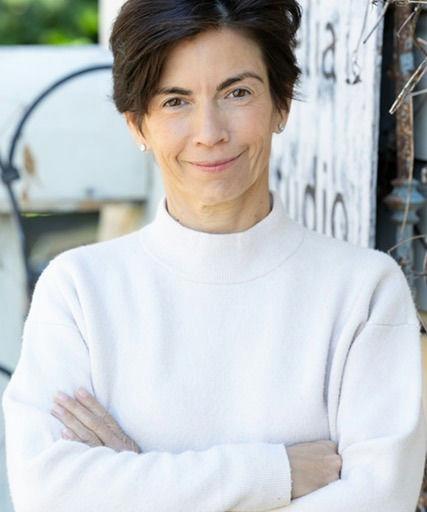
Psychotherapist and Clinical Social Worker Specializing in Trauma, Attachment, and Addiction
25+ years Experience serving LGBTQ clients2 University degrees: BS & MSW4 Specialist certifications & training milestonesLicensed Clinical Social Worker New York
Lisa Arrigo has spent more than three decades helping people understand what trauma leaves behind long after the original danger has passed. A New York Licensed Clinical Social Worker and psychotherapist, her work sits at the intersection of trauma, attachment, addiction, neurobiology, shame, and the deeply human ways people learn to survive.
Her perspective is powerful because it comes from both sides of the therapeutic relationship. Lisa has devoted her career to helping others heal, while also confronting the impact of trauma, addiction, relapse, and recovery in her own life. After more than 17 years of sobriety, she experienced a cocaine relapse that nearly cost her life and left her waking in a Manhattan hospital unable to remember how she had arrived there. That experience challenged everything she thought she understood about healing and forced her to confront a difficult truth: we can have insight, language, and years of recovery behind us and still carry survival patterns that remain active beneath the surface.
That lived experience now sits alongside decades of clinical training. Lisa earned her BS from Trinity University and her MSW from Fordham University School of Social Work, followed by post-graduate study at the Westchester Institute for Psychoanalysis and Psychotherapy.
More from Lisa Arrigo
All episodes → Situaseans PodcastHow Trauma Rewires Relationships (ft. @lisa.arrigo.therapy)Oct 2026Play episode →
 Hearts Entwined PodcastCuriosity Is The Key To Healing Trauma - Lyn Smith & Lisa ArrigoOct 2026Play episode →
 The Sober Fix PodcastI’m a Psychotherapist… and a Sober Addict | Lisa’s Recovery StoryOct 2026Play episode →
 The Accrescent: Bioenergetic HealingLisa Arrigo - Why Healing Is More Complex Than “Just Doing the Work”Sep 2026Play episode →
 Learning To Mom ® Motherhood Podcast for First Time Moms, New Moms and Expecting MothersIn Utero Safety and Maternal Wellbeing | Besties' Bonus EpisodeSep 2026Play episode →
 The One Day At A Time Recovery PodcastHow To Come Back After A RelapseSep 2026Play episode →
 Human AmplifiedWhen Survival Shapes Your Identity and Healing Changes the Story with Lisa ArrigoSep 2026Play episode →
 Trauma Interrupted with Jan BrobergLisa Arrigo's Story • Epigenetics, the Body, and Breaking Cycles of TraumaAug 2026Play episode →
 Heal Podcast - Lily PatrascuHow To Heal From Trauma - Lisa Arrigo and Lily PatrascuAug 2026Play episode →