
Lisa Arrigo
Psychotherapist and Clinical Social Worker Specializing in Trauma, Attachment, and Addiction
Sample Podcast Questions for Lisa Arrigo
- 1
What can the nervous system start learning about safety before a person is even born?
- 2
How do early attachment patterns keep showing up in adult relationships, even when someone wants to do things differently?
- 3
What does it actually mean when a person keeps folding, fighting, or shutting down in moments that matter?
- 4
Why do so many people misunderstand trauma as only extreme events instead of something that can grow out of chronic overwhelm?
- 5
How can shame make people misread their own survival responses as proof that something is wrong with them?
- 6
What changes when addiction is understood as a protective strategy instead of just a failure of willpower?
- 7
After years of recovery, what can a relapse reveal about the parts of a person that still don’t feel safe?
- 8
How do stress, fear, and survival strategies get passed through families in ways people may not recognize at first?
- 9
For someone who feels stuck in the same emotional patterns, where does real healing usually begin?
- 10
What becomes possible in a person’s life when they stop organizing themselves around survival and start living with more awareness?
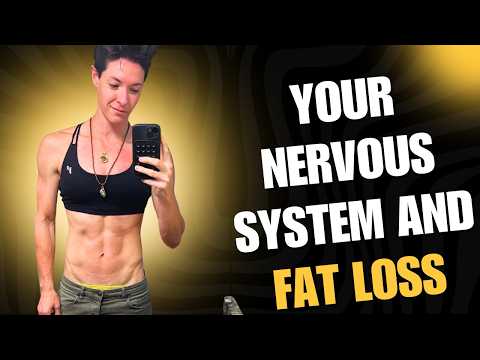
Latest episodes
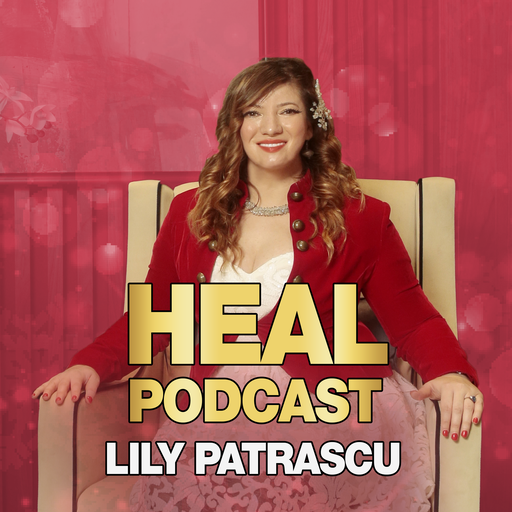
How To Heal From Trauma - Lisa Arrigo and Lily Patrascu
Heal Podcast - Lily Patrascu
Vulnerability Is Not Weakness: The Hidden Strength High Achievers Fear to Show | Lisa Arrigo
Leadership Circle Podcast

S6 EP16: Lisa's Story - Childhood Trauma, Addiction And Recovery!
Well, That F*cked Me Up! Surviving Life Changing Events.
Key topics
Why you keep folding, fighting, or disappearing in relationships you care about
A lot of relationship advice assumes people are making calm, conscious choices in the moments that matter most, when often their nervous system has already taken over. This topic explores why people shut down, submit, lash out, or emotionally leave even inside relationships they deeply value. Lisa brings a trauma-informed lens that helps listeners understand those reactions as patterned survival responses, while still making space for accountability and change.
What gets passed down in families is not just appearance, but biology and survival strategy
Families pass down far more than habits and eye colour; they also pass down ways of bracing for danger, managing emotion, and relating to the world. This topic explores how intergenerational trauma can live in the body through inherited stress responses, attachment patterns, and survival strategies that quietly shape family dynamics. Lisa brings this to life through both clinical understanding and lived experience, making a big subject feel personal, practical, and deeply relevant.
Relapse makes more sense when you understand the part of you that is trying to help
Relapse is often treated as proof that someone failed, when in reality it can reveal a part of the person that still believes addiction is the safest available strategy. Lisa can speak to recovery in a way that moves beyond shame and willpower, showing how addictive behaviors often serve a protective function long after they begin causing harm. That makes this a powerful conversation for listeners who are tired of black-and-white recovery narratives and want a more honest understanding of what healing actually requires.
View all topics →
Latest episodes
How To Heal From Trauma - Lisa Arrigo and Lily Patrascu
Heal Podcast - Lily Patrascu
Vulnerability Is Not Weakness: The Hidden Strength High Achievers Fear to Show | Lisa Arrigo
Leadership Circle Podcast
S6 EP16: Lisa's Story - Childhood Trauma, Addiction And Recovery!
Well, That F*cked Me Up! Surviving Life Changing Events.
Key topics
Why you keep folding, fighting, or disappearing in relationships you care about
A lot of relationship advice assumes people are making calm, conscious choices in the moments that matter most, when often their nervous system has already taken over. This topic explores why people shut down, submit, lash out, or emotionally leave even inside relationships they deeply value. Lisa brings a trauma-informed lens that helps listeners understand those reactions as patterned survival responses, while still making space for accountability and change.
What gets passed down in families is not just appearance, but biology and survival strategy
Families pass down far more than habits and eye colour; they also pass down ways of bracing for danger, managing emotion, and relating to the world. This topic explores how intergenerational trauma can live in the body through inherited stress responses, attachment patterns, and survival strategies that quietly shape family dynamics. Lisa brings this to life through both clinical understanding and lived experience, making a big subject feel personal, practical, and deeply relevant.
Relapse makes more sense when you understand the part of you that is trying to help
Relapse is often treated as proof that someone failed, when in reality it can reveal a part of the person that still believes addiction is the safest available strategy. Lisa can speak to recovery in a way that moves beyond shame and willpower, showing how addictive behaviors often serve a protective function long after they begin causing harm. That makes this a powerful conversation for listeners who are tired of black-and-white recovery narratives and want a more honest understanding of what healing actually requires.
View all topics →