
May 8, 2025
E.203 Rock Bottom and Rebound: The Cocktail That Nearly Killed Me
Sound bites
If you're not well by yourself, then you can be excluded among your best friends.
In this episode
Nick Jonsson talks about executive loneliness, burnout, vulnerability at work, and how sport helped him rebuild connection after isolation and alcohol use.
- Executive life can feel lonely and isolating, especially for people working across cultures far from home.
- Cultural distance can deepen isolation, even when language and work routines seem familiar.
- Alcohol once became a way to cope with loneliness in the early years abroad.
- Sport created a healthier way to socialize, especially through side by side activities like running, cycling, and swimming.
- Vulnerability at work matters, but oversharing personal problems in the office can backfire.
Transcript
ShowHide
Automatic captions of the conversation. They can contain errors and do not name who is speaking.
Welcome to Resilience Development and Action, where strength meets strategy and courage to help you move forward. Each week, your host, Steve Bison, a therapist with over two decades of experience in the first responder community, brings you powerful conversations about resilience, growth, and healing through trauma and grief. Through authentic interviews, expert discussions, and real world experiences, we dive deep into the heart of human resilience. We explore crucial topics like trauma recovery, grief processing, stress management, and emotional well-being.
This is resilience development and action with Steve Bisu. Welcome again. This is episode 203 of resilience development in action. My name is Steve Bau. If you haven't listened episode 202 yet, it was with Kevin Cormine. Was a great interview. This is just great to have people who go from the first responder world to the mental health world. So, please go back and listen to that interview. But episode 203 is with Nick Johnson. Nick Johnson is an international best-selling author, co-founder of EGN Singapore. He's been a TEDex speaker and he's competed in Iron Man's.
He went from a business background, a high executive roles to now spending years after getting to a point where he be faced burnout, suicide, and the loss of a friend to suicide. He became someone who is sharing his insights into mental health leadership and personal growth. While I love grief c grief, trauma and first responder coaching and the high seuite people, they definitely need the same support. So this is why Nick is on. I'm looking forward to hearing his insight. He does deep dives. He shares his story. He'll talk about the suicide of his friend.
And here's the interview. Getfree.ai. Yes, you've heard me talk about it previously in other episodes, but I'm going to talk about it again because getfree.ai is just a great service. Imagine being able to pay attention to your clients all the time. Instead of writing notes and making sure that the notes going to sound good and how are you going to write that note and things like that, get free.ai AI liberates you from making sure that you're writing what the client is saying because it is keeping track of what you're saying and will create after the end of every session a progress note.
But it goes above and beyond that. Not only does it create a progress note, it also gives you suggestions for goals, gives you even a mental status if you've asked questions around that, as well as being able to write a letter for your client to know what you talked about. So that's the great great thing. It saves me time. It saves me a lot of aggravation. And it just speeds up the progress note process so well. And for $99 a month, I know that that's nothing. That's worth my time. That's worth my money. You know, the best part of it, too, is that uh if you want to go and put in the code Steve50 when you get the service at the checkout code is Steve50, you get $50 off your first month.
And if you get a whole year, you save a whole 10%. For the whole year. So again, Steve50 at checkout for getfree.ai. We'll get you $50 off for the first month. And like I said, get a full year. Get 10% off. Get free from writing notes. Get freed from always scribbling while you're talking to a client and just paying attention to your client. So they win out, you win out. Everybody wins. And I think that this is the greatest thing. And if you're up to a point where you got to change a treatment plan, well, the goals are generated for you.
So, getfree.ai code Steve50 to save $50 on your first month. Well, welcome to Resilience Development and Action episode 203. I'm excited. I for those of you who know me and have been listening to the podcast, I am not a morning person. I've got my coffee here, got my water, but I had to get up early because I wanted to meet this man. Nick Johnson is all the way in right now Thailand. I think he said at pre-in usually from Singapore, but right now he's in Thailand. And I was reading his story. I thought it was a fantastic story.
I wanted to share it with you guys because we're going to talk about people in the corporate world, the coaching that goes with that. We're going to talk about psychotherapy and we're going to talk about addiction. I'm just so excited. Nick, welcome to Resilience Development in Action. It's great to be on the show, Steve. Thank you so much. And good evening indeed from Southeast Asia. I I can't imagine. It's just such a weird concept sometimes that we're talking at the same time halfway across the world and I'm from the 1970s.
That was like a dream in the 1970s. Now it's a reality and we do it regularly. So, it's just fascinating. Absolutely, Stephen. And I'm in from the 70s and as well right in the middle of it. Oh, you're 75. There we go. Me, too. See, 1975, so you know, 50 this year. So, uh, there we go. I read your stuff. Um, and I was very excited to have you on, but my audience didn't read your stuff just yet, so they want to hear a little more about you. So, can you tell me a little more about yourself? Yeah, sure. Uh so I was born in Sweden, educated in Australia and then I lived and worked the last 21 years in Southeast Asia.
And in very short I started basically in a blue collar worker family. My father in construction that's where I also started. I I worked as a construction painter until I had a motorcycle accident aged about 20. And after that the doctors told me that I couldn't continue to work with my body. I got a neck injury and a back injury and so on and I had to go back to school. So with that I transformed my life and became a student again and that sent me off to Australia to learn English and that that's at least the beginning of my journey.
Well, there's so much just in that too. You know, hearing about construction, being bluecollar, and now seeing where you're at today, you know, I I I've joked around when my clients said I'm a bluecollar blue collar guy and a white collar job. So, I respect that a lot more than you know. Um, can you tell me more about like, you know, the motorcycle accident? I read about it, but I'd like to hear more because that's kind of like the a tipping point for you, a change in your life. Yes. And at the time, I thought my life was over and that was all I knew.
you know, I worked with my body. The way I knew to earn extra money was raising my hand and take extra work on the weekends or work evenings and taking more dangerous jobs and so on. Uh so when I got injured then I you know I I just thought well this is not good. I will just be on sick pay and that's going to not be good money. And because I didn't have an education to stand on that was really challenging for me. But out of that came the opportunities then you know forcing myself then to go back to school and I didn't even have good enough grades uh from high school to go to university.
So I had to go back to what we call in Sweden almost like an adult high school where I had to retake the the subjects from high school to get decent grades to be able to enter then the university. So that was my journey and through that though I sort of got a second chance in life and a taste for life and a taste for winning, a taste for success that perhaps I what would never have been given to me otherwise. Yeah. So taste of success. I'm always fascinated by what people describe as success because your definition of success might be different than mine, might be different than other people.
You know, I I I don't like the description of people telling me success is having $5 million or having 14 cars or having three houses. I'm making it up here. To me, that's not success, but success is a little different for me. What is your definition of success? Yeah, unfortunately, the definition of success for me meant what you mentioned there. That was what I started to see and that was the picture that was painted to me at the university. the teachers was talking about, you know, topping classes, getting scholarships, working hard, getting the awards and having that attitude of winning.
That was success at university. And then that's what I I I I picked up on and I brought that mentality with me into the corporate world later on where I started then as an account executive in an advertising American advertising company in Thailand. And I would say that I elbowed my way up the corporate ladder until I reached the managing director position. And then I had what the world defined as success. I I defined it as success. That was what everyone saw. Uh but that's when also I started to crash. That was the beginning of my fall.
Once I had reached that top and it was like an illusion to to climb that corporate ladder. Uh because once I had that house with five floors driver uh maids and the full squad of people serving me, that was when I was the most ungrateful and and and sort of unhappy ever in my life. Well, that's fascinating because I, you know, we talked a little bit about coaching earlier and it's one of those challenges, right? I my experience with people who in the corporate world they claw up they work hard they this and that then they get to a point regularly of going there's two things that usually happens I feel like an impostor how the hell did I get here and B is this what is this worth it was this 80 90 hour a week clawing doing what I needed to do really worth it so I'm sure that you've seen leaders have some of these challenges I'd like to hear more a little bit about that and even talk about your challenges if you want to yeah absolutely so in In 2015 is the year that I'm referring to.
That's when I basically I I basically start to uh start going down. I resigned from my job. Then I was you know dilutional. I was unhappy and I with that also I lost myself and I filed for a divorce because I wasn't ready to have any conversations around it. So with that I became very isolated, very lonely. I then traded my healthy diet for fast food and pizza. I traded my gym membership for a bar stool and basically gained about 50 60 pounds. And the issue is that uh on on the outside people thought that you know it's good to see that you're not always just working.
It's good that you have some fun as well. And and I sort of picked up on that and I just made excuses and said I'm in transition. I have another new project coming. Uh but that was all lies. I was jumping from project to project, burning through my savings and before I knew it, I was broke and I become an alcoholic. So that was my fault and it took me two, three years to slide down to my rock bottom. Um, and to answer your question about others, yes, I seen it in so many and if I'm looking at the numbers here in Southeast Asia, around 10 to 20% of all the senior executives here find themselves in in that kind of addiction space.
Perhaps many call themselves functional addicts and it could be drugs, alcohol, gambling, sex or anything else that they seek to be able to cope with all the pressures but that eventually it only takes something for the wheels to fall off there as well. Well, you know, the the also the definition of success sometimes is reli like, hey, you know what? You go out corporately and have a bunch of drinks. That's the success. That's a mark of success. And I don't know if that's your experience that you've seen with some of the executives, but I've certainly seen that as oh yeah, we got to go mingle and have a couple of drinks and then suddenly it becomes you just drink and you're no longer mingling and you're just looking forward to your next drink.
I don't know if that's your experience, but certainly my experience with some corporate level jobs. Yeah, that was the the experience I had and that was how I delivered in Southeast Asia. I worked mainly in Thailand, Vietnam and Indonesia. And I worked in everything from advertising agency to medical services companies to fashion company. And in business development, it was about taking out clients to entertain them. and it would be clients coming from US or Europe uh you know stopping over in Asia and and you were expected to take them out for dinner and drinks and and it seemed like the more drinks you had the more assignments you managed to get them to sign up and they would come back for more.
So it was going hand in hand and I remember my bosses cheering on me encouraging me to go out and network and entertain as much as possible and with that I brought back more contracts. So yeah, at that part of my career, it seems like the more I was consuming alcohol and going out, the better I performed. And the better you performed, but the less you perform really in your personal life because it's just you don't have a personal life anymore, right? Yeah. And it was destroying my health and I the issue is that I was also in denial about it.
While I mentioned it was 2015 when it start to become an issue for me, it was early signs already around 2004 2005 when I actually ended up in hospital on a Monday with hypertension and the doctors giving me medication and so on. I didn't realize that at the time and neither did the doctors it was alcohol related but it was obviously after a big weekend out consuming way too much alcohol. No wonder that I I was struggling making it into the office on a Monday morning. Those were the early signs, but I didn't see it as that because uh alcohol is so socially acceptable, especially when it comes to business and entertainment and on the weekends also going out playing golf in 40° Celsius at 100 Fahrenheits plus, right?
And and and you know, and and consuming alcohol, no wonder you're going to get sick. Well, what's funny is that I go play golf now and this has been a few years now with a few people who are in full sobriety and I don't drink uh when I play golf. I pre-in and you guys heard me on the podcast talk about some of the stuff I went through. Not only is it hypertension, it's all I think that how does it affect even your mentality and how you think about things. I think you become so consumed with either the job or alcohol, but you're never like dealing with other stuff that's happening in your life.
Yeah, absolutely. And it becomes a full circle. The issue is that one bad habit or one addiction easily leads to another. And the most people that I work with and coach, especially senior executives, if you ask them about the big issues that happen in their life, uh if it is that they end up with drugs or prostitution or gambling or losing a lot and you ask them what and how did this all start, how did it come about, it always start with alcohol. They wouldn't say that they've gone out buying drugs or, you know, going to see prostitutes and with with everything that comes with that.
uh sober. It normally starts over dinner and then drinks and then on it goes. Yeah. And I think that that's the other part too is that we start doing things that we're not proud of and now we start like wanting to drown whatever we're not proud of with more alcohol. So that way you don't need to think about it. I think it's a vicious cycle and I I see that in corporate America as much as I see it in uh the first responder world that I work with regularly because you know we we do stuff we're not proud of or we have a trauma that comes from it and it's very difficult and I think you talked a little bit about your own traumas in regards to you know getting in a motorcycle accident having to redo your life and now suddenly realizing alcohol has taken over your life now you got to redo your life again and that's all traumatic for people if you ask me.
Yeah, absolutely. And it's almost seven years ago now since I quit drinking alcohol. But it was only after again if if motorcycle was the motorcycle accident was the first sort of big change in my life. Stopping alcohol was the second one. And it was not easy to give it up. It was something that I knew I had to but it I actually had to be quite sick. I had to be so sick and tired that I was sick and tired of being sick and tired in the end to be able to give up there. And uh uh and you know I remember at that time life was so miserable.
I've written my will. I've written my testament. Uh and I really was preparing to leave this place. I wasn't suicidal but I was certainly accepting that my body was giving up on me. I was accepting that I was going to die and therefore I better clean up my act. So that was the stage I was in. And it was only when I start to send out those signals, sending these documentations to my loved ones and people around me. And this time I met a new girl who today is my second wife and and when they start to question it and I decided to open up to her and I explained how I felt internally that was my turning point this time because then I was exposed and with that I recovery was possible.
Recovery is always possible by talking about it and that vulnerability I think is the hardest part. You talked a little bit about what happens when you go into corporate America and all that. I the other part that we talked about pre-in is isolation and I think that you know sometimes alcohol isolates us and sometimes we isolate ourselves because of the alcohol but what do what's your experience in regards to your own highlevel executive jobs and the isolation that goes with that? Yeah, isolation is a big part of the pressure jobs because all many times perhaps and if you think about then in Asia where many are expats perhaps you out here representing an American company, you know, and you're sitting in Singapore or in Hong Kong or something like that, you might be the only English- speakaking person in that office.
You might not have even though there's a few colleagues who can speak some English, you might not have enough in common to even have a conversation. Uh that's the kind of environment that I found myself in many times. I could be in an office with 300 people and no one necessarily spoke English or was a westerner. So it was very difficult to have any kind of conversation that was not about work. And if you sit there and you know people speak another language the whole time then that can be very lonely. But it doesn't have to be in a different language.
It can just be if you feel as an external right and if you you also don't have a good connection with yourself. If you're not well by yourself, then you can be uh you can feel excluded among your best friends. So it's it starts with us after all. It starts with us. And if we don't feel connected in the workplace, then we better make sure that we have good connection externally that we go perhaps and see some people for sports academy or or some activity before and after work and perhaps go out for a lunch break with someone who you can speak to.
But and I think that the other part that I heard you talk about is you know we talked being Swedish and you know I experienced myself like you know as much as I spoke English I was I'm from Quebec born and raised in my first few years here there was this cultural I don't even know what to call it but I just missed my culture. It's not that the American culture and Canadian culture is that different, but there is differences. And I joked around I think with you earlier like you don't call someone from Sweden a Finnish and you don't call a Finnish person Swedish.
Uh because there is a difference even though there's similarities and we both know that but there's a lot of differences too. How did you deal with even that cultural isolation which does happen not only because of corporate America but like you you didn't move from Sweden to Finland like I did from the US. you moved the other side of the world, Australia, Singapore, Southeast Asia. I mean that that's a huge change. Did the cultural uh shock really affect you? Yeah, it's huge indeed. And as it happens many times, we live perhaps in an expat area where at least it's some westerners, people who have similar kind of religion, similar kind of, you know, hobbies and activities and so on that then at least you can speak English language.
So it seems like that's where we start. At least these days I'm more integrated. Uh I'm now remarried for 6 years. Also my wife now is Indonesian. I don't speak the language but uh but she's very international and but at least that have brought me a little bit closer to the Asian culture which have made it a little bit easier also for me to feel at home here. But it's not easy in the beginning and and one way I managed to get around that in the beginning was going out and drinking alcohol. But I don't do that anymore.
So I need to find something more authentically to do these days and it's through sport. I do a lot of sport these days. I swim, I cycle, I run. I belong to swimmmies and so on where I meet other people and hang out and it can be both locals and and and westerners and foreigners as well. I was going to joke around. I mean what sport curling or hockey? But I was just a joke obviously but yeah um there's always these stereotypes and I understand that. But getting into swimming and running and everything else, did that also bring you closer to not only work being close to other people because you're an expat, but you're also working with being authentically yourself because it's not an executive situation, it's all that you're just doing sports.
You're doing stuff with people. Did that help you become more of who you truly are? Yes, it did. And actually I I I really enjoy sport and I love socializing through sport because I'm an introvert. So I I tend to like any activity where you are, you know, side by side running, walking, hiking, cycling, you know, that's that's a fantastic place for me to have a conversation because you don't have to f look at your straight in the eyes. And you would know this as a therapist how you set up the chairs and all these kind of things.
If you want people to talk, maybe not low face them straight in the eyes, which is uh perhaps not the easiest for for an introvert, but but I found that really easy for me to chat away. And also when you're running and your heart rate is higher and you can breathe and so on, then the conversations tend to be quite positive and deep and so on. So I do most of our socializing these days actually for exercise. So the bar stool again was traded back to exercise. I think that that's a great exchange if you ask me. Changing from the bar stool to sports that that's just me.
But I also think that that brings you more to your authentic self. Do you feel like not only does sobriety bring you there, but also does that help in other parts of your life? Because you were talking a little earlier about the executive. I find that in therapy, you talked about therapy earlier and even the podcast, if you saw me in my private life versus my therapy versus a podcast, you kind of see the same guy. I'm not much different from one situation to another. But sometimes when you go from executive to family to everything else, you change your persona.
So, did you find that executives also struggled with being themselves in particular situations? Yeah, absolutely. I struggled and I see others struggle. It's about putting on that mask and making sure that you are that person. And uh I remember especially in the jobs where you had to wear a formal suit. It was not really where I felt comfortable in and wearing a tie. And I remember when I left that job, I I actually donated all my ties and I was hoping never again. Uh and then last year I was invited to a dinner when I had to get a tie.
So I bought one for just that occasion. But I prefer to be a bit more relaxed and and and so on. So yes, I'm much more my authentic self these days being more of an entrepreneur doing speaking, coaching, training, workshops and all these kind of things. Even though I speak also at a lot of conferences and a lot of them would wear a suit, I actually come in in a t-shirt and a suit jacket and I'm fine with that. It was only one time they had a requirement of wearing a tie and yeah, I would play along for one time then, but it's not really me.
I respect that and I certainly am the same way. this is okay like but I'm not someone who likes to wear the same things. I think that showing up with who you are and how you dress is so important. Did you feel that by being a little more yourself, dressing the way you wanted also created a better relationship with people you're coaching people in your speaking engagements and so on and so forth? Yes, absolutely. And I think one of the reasons behind my success in the coaching space is my authenticity. The fact that uh I'm sharing my story today with you here uh Stephen the listeners about hitting rock bottom having fallen into alkalism and climbing out of that those are things that I also share in my book the executive loneliness book.
So my story is out there which creates a lot of trust. People feel quite safe to come and see me. And in fact uh if someone applying for a job in my company I send them a PDF copy of my book and I refer them to page 30 in the book which is when I'm explaining about hitting rock bottom. So that's the toughest day in my life explained very much in detail there. So I figure if someone read that then they know the most difficult day in my life then they can come to a job interview and they feel pretty safe. And I've had candidates coming into my job interviews with me who already within 5 minutes say that they actually couldn't stop reading my book.
They read all my book after the pages they've been referred to and they would share that they perhaps had had have a suicide attempt themselves in their life behind them and stuff like that. People have showed me scars and all these kind of things and and those are the kind of conversations we've had as a result of me being vulnerable, me being open, me being transparent and playing the third card first card making them feel safe. And that's a that's a good start for any conversation rather than trying to show off.
Yeah. Well, showing off never works out in all reality if you ask me. Uh may help you in the short term, but the long term it just screws you over. Then the suicide stuff happens regularly when people hit the rock bottom and them opening up about them must have felt good for you. Have you had those thoughts yourself? Have you tempted yourself or anything like that? No, I I haven't. No. But alcohol was sort of, you know, putting me in a state where I was slowly killing myself. I call perhaps alcoholism a slow gradual uh suicide.
So in in one sense, yes. But uh I think uh it doesn't put you in that state. At least it didn't do that with me. No. And that's I'm happy that you you did not. And you know, I think that there's I I call alcohol slow suicide because you can't live with yourself, you know. And I think that you've talked about it and this one of the things that I do with my coaching staff, people that I talk to is that we get to a point where we use substances, alcohol or drugs, in order to not deal with our mental health. And I know you went back to school going for your mental health stuff, but I I to me again, yes, you're going to say I'm a therapist, and I'm of course I'll have to say that, but I think it all comes back to mental health.
And I don't know what your experience is with that, but yeah, I I would fully agree with you, Steve. And that's why in my coaching in the last few years now I I felt many times that I fell short and that's why I'm now studying to become a therapist and a and and a counselor as well so that I can help my clients better. I now worked in tandem with some other therapists so I refer them to them and I will keep doing that for specialist and cases and so on but my space is addiction. That's where I fell and that's where I raised and that's where I believe I can make an impact.
And quite a few people have have said that they appreciate to talk to someone who's been there who knows what it is to hit rock bottom and and that's where I believe I can add a lot of value moving forward as well. And I think you can because of your experience and what you've been through with everything that you just shared. Has there been a story or a couple of people or things that stick out that it were a breakthrough story that you're go, "Oh my god, this was like amazing because of the coaching, because of everything else." Well, I can say firstly um a sad story was in 2019, one year into my own recovery, I lost a friend to suicide uh in Singapore.
This was a successful senior executive who I was doing some work together with who I sadly lost. And that though gave me the courage to speak up because until then I was one year into my recovery but it was a close circle. It was my recovery group and my family and a few close friends who knew what have happened. But when he sadly died so suddenly I asked his brother for the permission to share my story and to write a book about this and I actually wrote my executive loneliness book in the memory of Simon uh my friend I lost then.
Uh so because I wanted to get the message out there because I said uh basically we need to become comfortable discussing the uncomfortable was my message and so that was while that was a sad case with that book coming out and with me starting to talk about this. I have met several people including people I interviewed for the book who actually uh at the point of interviewing them. One woman I can remember vividly who I interviewed about it. She said to me that she had rehearsed her own suicide twice uh when we sat down and this was actually at the case where she was pretty close to uh triggering it and executing the suicide.
So the fact that I had reached out to her to interview her for my book gave her a chance to speak up about her own thoughts on suicide. And with that, her pattern was broken because obviously talking on these conversations, I already also had counselors and psychotherapists and professionals on standby should help be needed. And I was quite quick to ask for her permission to call for professional help. And we got professional help. And with that she also shared with uh this ter therap her plans and he asked for the permission to also inform the husband on this with this the husband also got involved and we all had some good conversation about it and I remember what she said when this came to shore.
She said I can't believe that I just shared this and I can't believe that I was actually planning my own suicide. She couldn't believe how stupid it sound to herself. The fact when she just spoke it out, she sort of similar experience like me. She was on her way back already and these days she's uh she's changed her career and she she has her life back and living her best days now. That's an amazing story and I'm happy that she was able to share that with you. You know, suicide is such a controversial thing for so many people and I always describe it from my perspective and it's the most courageous cowardly act you could ever do because it's both courageous and cowardly.
And I don't put it as I don't say that to my clients when obviously they're having those thoughts. But it's also the way out, right? Because then when you don't see the way out, that's the only choice you feel you have. Yeah. Unfortunately, that's what that's what I'm hearing also. And I I also run a men's support group um where we are about 21 22 men now. We meet once a week to discuss what's going on in our mind on our minds. And within that group every sort of you know week there will be two or three who are in that space when it's getting pretty dark and you know they they cannot really see a way out.
But just the fact to log on and talk about it is uh is sometimes all that we need just to be able to share that uh that it's tough right now rather than keeping it internally. You know the the most protective the biggest protective factor of suicide to me is having connections with other people. Whether you're introvert or extrovert doesn't matter. If I know that I can turn around and say look Nick I need your support and I know I'll get it from you. That'll save me from a lot of suicidal thoughts and or attempts. So, I think social support is great.
When you talk about the men's group that you're running, do you talk about anything specific or is it just like you let people talk and they talk about what's going on in their lives? We have a theme every week and uh I will propose the theme in advance unless we have requests. uh we always have a request one time one week it can be sleep one time it can be u learning mindset growth mindset another time it can be addiction next time it can be children or relationships so we basically and then we don't have to share on that theme but we are welcome and encouraged to do that and typically we have some readings we share with everyone before and so so it's almost like a it's almost like a recovery group, but you don't have to be uh in recovery or be an addict to join it.
And that that's why I started. I felt I thought it was so good and I was fortunate that I had a drinking problem. So, I ended up in one of those recovery groups. But I thought then, well, it's unfortunate that you have to become, you know, an addict to get into one of those rooms. So, that's why I sort of created this space for anyone and it's for men. We all go through different challenges. We don't have to fall into addiction to have challenges in our life. I mean I I'll I'll challenge that a little bit with you and what I mean by that is I agree with you but I'll add to it.
I think that everyone is addicted to something. I think we all have addiction issues. Some people are addicted to their job. Some people are addicted to working out. Some people are addicted to the money. Some people are but there's always an addiction. So that's why when I hear about the exclusionary well you're not drinking alcohol that's the only addiction we address. I always find that like kind of copout because I think we all struggle with some sort of addiction. Yeah, absolutely. And I like that. And and maybe, you know, we could have a recovery.
It should be one of those official 12step recovery programs and perhaps for just general addiction. I don't know. Now they all filtered, you know, depending on what what addiction. But at the end, actually, it's the same program. It's it's 12 steps, right? And it's only one of those 12 steps that is about it drugs, alcohol, sex, or whatever it is. The rest is the same. I mean, you talk about sex addiction, you talk about other type of addictions. To me, they're all the same in the sense that they have a common theme.
You're trying to solve some of your mental health issues by going into addiction. You feel lonely. Sometimes people will throw themselves into work or workouts so that they don't need to deal with their loneliness. My experience is, yeah, you should have a you're right. Maybe me and you can come up with a nice general statement. And we can have men's group and women's group who talk about their supports that they need in regards to working out on sleep. You know, talk about sleep, talking about eating healthy. And I always talk about nutrition versus diet because that's the most important part.
And really paying attention to your body, you know, like if um your body aches somewhere, pay attention to it. What are you going to do about it? But I think that that's what sometimes addiction gets you. Oh, I feel a little pain here. let me put a little alcohol on it or put a little pill on it, it'll go away. It ain't going to go away. It's just going to be covered. Yeah. Yeah. Exactly. I agree with you there. And also, I should say that, you know, it's not only men's group I I run. I also run confidential peer groups for senior executives.
We have also groups for entrepreneurs where they discuss with likeminded mixed groups and at their seniority level and there they mainly discuss work related matters. So the pressures at work and the biggest challenges they discuss in the group is how to manage upwards, how to manage the boss, the board, the partners, the owners uh followed by recruitment or staff retention and all these things that people would have in common. So they have a place where they can discuss these challenges and support each other and also for entrepreneurs because entrepreneurs can be very lonely as well.
So that you have other entrepreneurs to have a group where you can discuss your challenges and help each other. We also have women groups for the women and my my wife is actually leading leading that initiative. So I believe we need these safe places and sometimes there is a we need perhaps just between us men have some conversations and and I think that's fine. Yeah. And I think that we got to celebrate these differences without saying that it's special. And I think that that's how I perceive it is that yeah, we'll have a I have a group for first responders, for example, and I think that that's important, but if they need a men's group, they need a support group for their substances, those are also very valid and they need to go to that.
But we need to have I'm happy to hear about these groups for peers who are talking about corporate stuff because I think it's good to know that you're not alone and I think they see that way too many times when I talk about coaching with my corporate people. Yeah, certainly the corporate world can be lonely and isolated as we discussed before and it's also a fine line how vulnerable you can be in the workplace. Yes, you should be vulnerable about the challenges you are facing at work. If you are for example in my case, I was not very good at Excel but I was too scared to go to admit this to my boss.
I wanted to become across as perfect. So I didn't share with her that I needed support with Excel and then I made mistakes and I covered up for that. I should have been vulnerable. I should have said, I'm not so good at this. Can I get some help or can I get some support? But I wasn't. I was scared uh to be judged or and so on. That's the vulnerability we should have. But I don't encourage people to come in and share everything that's going on in their personal life in the office because that could be start be used against them and gossiping and so on that we need our safe places.
Perhaps one or two colleagues we can share things that we're going through personally in in the office, but not overshare with everyone. And that's not my point in vulnerability here. And yeah, and I think that that's where people have to understand about oversharing versus vulnerability. There's a very thin line between the two and finding that actual line is always very important, very difficult. So I agree with you. Well, you know, I would like to get your word out, get everything. Where could people reach you? Where can people go find you?
I'm quite active on LinkedIn. So if anyone is on LinkedIn, they can look up Nick Johnson and it's N I C K J O N S S O N. Otherwise, my book Executive Loneliness is on Amazon and it's also on Audible if someone prefer the audio book. Okay. And then we can what I'll do is I'll I'll link to the show notes your book on Amazon. I will also link your LinkedIn profile and then I'll put in your website so people can go and get it so that way they'll know how to pron how to like spell Nick Johnson because I had I when I wrote it down the first time I screwed up so that's that's on me.
Uh it is the Swedish definition the spelling of the word. So for all my American and Canadian friends listening, yes, it's the Swedish uh writing of Johnson. Fantastic. Thank you so much, Nick. I really appreciate you. Truly, your vulnerability and your ability to go from subject to subject was really appreciated and I thank you for your time. Thank you so much, Steve. Thank you for episode 203, Nick Johnson. Really appreciate you having there. Hope you join us for episode 204 with Bet Salo. Please like, subscribe, and follow this podcast on your favorite platform.
A glowing review is always helpful. And as a reminder, this podcast is forformational, educational, and entertainment purposes only. If you're struggling with a mental health or substance abuse issue, please reach out to a professional counselor for consultation. If you are in a mental health crisis, call 988 for assistance. This number is available in the United States and Canada.
About Nick Jonsson
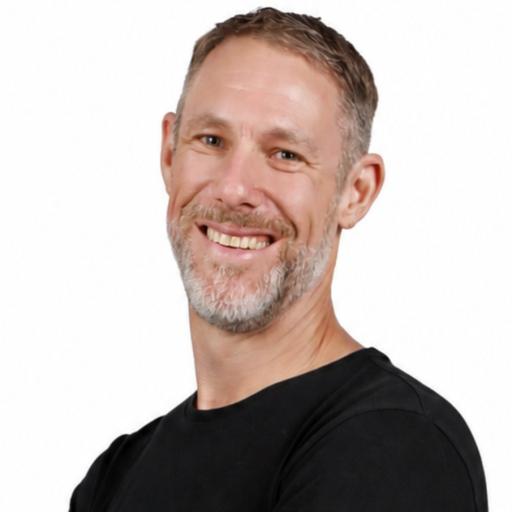
#1 Global Thought Leader on Executive Loneliness, International Bestselling Author and TEDx Speaker
900+ EGN Southeast Asia membersTop 2% Ironman athletes worldwide2026 GHP Most Empowering Mental Health Leadership Advocate#28 worldwide Global Gurus Top 30 Coaching Professionals
Nick Jonsson is widely recognized as the world's leading authority on Executive Loneliness. His pioneering work has earned him a dedicated Executive Loneliness Wikipedia page and international recognition, establishing him as one of the world's most respected voices on leadership, vulnerability, mental wellbeing, and authentic connection.
Ranked #28 in the world among the Global Gurus Top 30 Coaching Professionals, Nick is a TEDx speaker, international bestselling author of Executive Loneliness, Professional Certified Coach (PCC), Certified Master Coach (CMC), qualified Counsellor and Psychotherapist, facilitator, and certified Team Psychological Safety practitioner.
For more than two decades, Nick held senior international leadership roles, leading businesses and high-performing teams across Asia. From the outside, his career reflected success. Privately, however, he struggled with burnout, alcohol addiction, and overwhelming loneliness - experiences that ultimately became the turning point of his life.
Rather than allowing those challenges to define him, Nick rebuilt his life through recovery, vulnerability, discipline, and purpose. Today, every keynote, workshop, coaching engagement, and counselling conversation is grounded in both professional expertise and lived experience.
Nick works globally with executives, leadership teams, founders, and organizations through keynote speaking, executive coaching, counselling and psychotherapy, leadership facilitation, and Team Psychological Safety training.
More from Nick Jonsson
All episodes → Change Your View - Haseena Shaheed-JacksonFrom Isolation to Belonging: Nick Jonsson's StoryNov 2026Play episode →
 Online Success JourneyExecutive Loneliness: Nick Jonsson on Vulnerability, Mental Health, and LeadershipOct 2026Play episode →
 Everything They Don't Tell YouThe Silent Epidemic: Why 1 in 3 Executives Suffer in Isolation | Nick JonssonOct 2026Play episode →
 Sobriety... Now What? with Stuart ClineEP. 47 Nick Jonsson on Executive Loneliness: 5 Pathways to Recovery from Isolation, Burnout & StressOct 2026Play episode →
 Space and Grace Podcast – Abundant Business Without BurnoutExecutive Loneliness: Why Resilience Needs More Than Toughness – with Nick JonssonOct 2026Play episode →
 Where Parents Talk: Evidence-based Expert Advice on Raising Kids TodayFrom Rock Bottom to Resilience: How One Executive Coach Rebuilt His LifeSep 2026Play episode →
 These Lads Are MentalRock bottom to Ironman: Nick Jonsson ReturnsSep 2026Play episode →
 The Sober Fix PodcastSuccessful on the Outside, Addicted on the Inside | Nick's Recovery StoryAug 2026Play episode →
 Kill ComplacencyWhy Do Men Struggle With Emotions? with Nick JonssonAug 2026Play episode →