
29 March 2024
Graham Brown – How the Science of Stand-up Helps Jumpstart Your Story | Conversations with Coaches
About Graham Brown
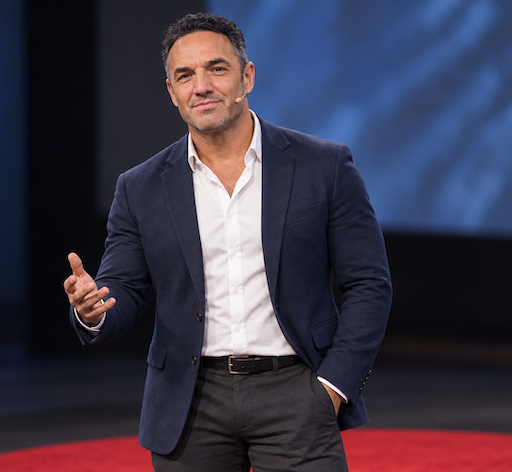
Author and Podcast Guesting Specialist for Corporate Leaders
2001 Founded mobileYouth16 books Published author250+ clients Served across 60 countriesUniversity of Sussex AI & Cognitive Psychology graduate
Graham Brown is an author and founder of Podcast Guesting Pro who helps corporate leaders, founders, and storytellers get booked on aligned podcasts and build thought leadership.
He began his career studying youth mobile behaviour and founded mobileYouth in 2001 to understand youth marketing and mobile culture; that early work serving clients such as Nokia, Vodafone, MTV, and Disney shaped his focus on audience insight.
Over time he moved from youth research into audio after seeing business leaders struggle to communicate authentically at scale, which led him to found a full-service corporate podcast agency and develop programs to train hosts and producers.
His route into podcasting combines formal study in Artificial Intelligence and Cognitive Psychology at the University of Sussex and Entrepreneurship training at Harvard Business School Online with decades of client-facing agency work.
He helps corporate leaders, startup founders, and storytellers find their voice. He leads Pikkal & Co, an award-winning corporate podcast agency, and runs Podcast Guesting Pro.
He previously hosted Asia Tech Podcast and previously grew mobileYouth to over 250 clients in 60 countries; his agencies operate from Singapore with partner studios across Australia, Austria, Canada, Croatia, Ireland, Sweden, the UAE, the UK, and the USA.
Transcript
hello everyone and welcome to another episode of the conversations with coach's podcast I'm your host Kevin and today I have the pleasure of interviewing Graham Brown Graham is the founder of pickle and Company which I wanted desperately to pronounce picall but then I thought thought better of it and it's just pickle which is one of my favorite words and favorite foods it is an award-winning AI powerered datadriven B2B podcast agency based out of Singapore he's a published author on the subject of the digital transformation of communication with Works including the human communication…
Read the full transcriptHide the transcript
hello everyone and welcome to another episode of the conversations with coach's podcast I'm your host Kevin and today I have the pleasure of interviewing Graham Brown Graham is the founder of pickle and Company which I wanted desperately to pronounce picall but then I thought thought better of it and it's just pickle which is one of my favorite words and favorite foods it is an award-winning AI powerered datadriven B2B podcast agency based out of Singapore he's a published author on the subject of the digital transformation of communication with Works including the human communication Playbook and the mobile youth voices of the connected generation Graham it is a pleasure to talk to you I'm excited to to have a conversation and I'm already sad that we'll have to cut it at our usual 15 to 20 minutes you're you're an excellent conversation Liston so I'm excited to talk to you today likewise looking forward to this Kevin and I'm enjoying your podcast so far so hopefully I can add to it it's it's you know what it's
pretty fun talking to interesting people about what they're passionate about go figure who' have thought yeah how about that as a job yeah right right ah so let's let's go back to your well I like to sometimes call it the superhero origin story how you got your start how did you decide to move into what is functioning I mean you're almost like a podcasting Guru really like the the how to top to how did you move into how did you discover that you wanted to do what you're doing right now and move into the business that you have today okay well I guess you got to go back if you want to do the superhero origin I was born I was born yeah how long we got 15 minutes cover 50 years off I I was a Storyteller I am a Storyteller Kevin and I think like many people especially in the coaching space or you know anybody is involved in really helping other people in the corporate space we'll probably remember that storytelling was
always something seen in the pejorative as a kid I was told off you know don't tell stories you know you get scolded by your mom and I only really later learned in life in in business how powerful storytelling was you know if you look at all great Business Leaders the one thing that they share was this ability to tell stories whether it was gather around you know remember when we were at school gather around kids they're telling a story you know you think about the power of gathering around now in a remote world or the power to lead the power to take people to the promised land whatever it may be I it's something that we really need in business and I think you know what I feel my role is is with podcasting and I can see you doing it with podcast as well is to really help people tell their story you know give them a platform and you know overcome that impostor syndrome that gets everybody and you know there are tactical
aspects of it you know there's the how-to aspect of story timeing but mostly I think you know like you and I have realized that on this journey that once you get started actually you know what were we worrying about folks why didn't we get start started so I'm a Storyteller I help people tell stories through podcasts and I get paid paid for it so I'm you know full circle I'm happy that I got scolded by my mom for that isn't that isn't that the greatest like hero hero story hero origin story where it's like you know what I figured out how to take what I was already passionate about what I loved from what what you realized was maybe your youngest of Ages and turn that into profit while maintaining the passion you know it's like you don't a lot of people will think you have to pick one or the other in fact that's a lot of that's one of those false dichotomies that we tend to fall into quite a bit is like
I'm either like a Storyteller or I'm not you know I can I can pursue these false dichotomies that's of think what a good like Stelling coach like what you are is great at is sort of breaking those those really false dichotomies those expired Notions being like no you can you can tell your story you can live your story and you can have the life that you want to have let's just get started you maybe just don't know the first couple of steps let's do those together all that Kevin that is so insightful that you know we don't live in this binary world where there are storytellers and storytellers you know we live in a very gray world and I I feel that a lot of people are disempowered to start that Journey because they're too obsessed with either you know I need to find my why I need to have this big you know like overarching reason why I exist but most people aren't like that most people you know they only really find that
in hindsight you know they start the journey many coaches start that journey and then later on through many many conversations they have the hindsight through joining the dots to say okay there's a bit of context here maybe this is why all this happened in my life and maybe the why emerges as a sort of post rationalization of that so let you know what we need to realize is that it's okay not to you know you you don't need a finished book to have a story worth telling I think that's disempowering for people you know rather than finding your why find your start like you say just get started and that is the reality that most people maybe haven't realized yet is that actually you know you can have a a story you can be worthy of listening to without being an Elon Musk or a Ted speaker most of us do have very interesting backstories and have done interesting things in our lives and it's just getting that out which I think is the challenge
now yeah I think a lot of us will get caught up in not only our own inner voice telling us what is is not possible but we'll also like we'll read the biographies you know we'll read the Memoirs and these are people who have they're they're looking backwards and telling their Journey like save save the why for for your Memoirs save the figuring out the why for when you're at that stage of the process because that that's where it's going to be clear that's where you're going to be able to see the hindsight being 2020 don't get hung up on that though because what you're seeing is the end of a journey and someone reflecting back on what came before and using that to kind of explain maybe where they're going next you know obviously you don't have to wait until the very last day of your life to write that biography and you can always write another one because you know life life goes on but yeah getting hung up on that why it
really does it kind of traps you or potentially traps you in listening to that that voice that tells you that you're it's not this you can't do that this isn't ready I have to do this first I need to know this first all these different things that basically give you an excuse to not start which is why I'm always like for my internal voice and what I share with others whenever I have a chance just tell people hey just just begin just start there there's not a wrong the wrong foot you can put out there not at the beginning like that that that stage the Dan is way farther on down the road and you'll know what you need to know then that'll take care of itself if you're doing the right if you're just starting now I think a a great coach I got to talk to a few months ago and this is something that I've I've I remember hearing years ago but then kind of came back to me from this coach
and I was just like it's been in my mind for it might be my quote of the Year something that I've been really trying to live with is how's it go momentum is the antidote to procrastination it's one of those words it's like and obviously there's some other Concepts you can put in there because procrastination has has has many children that go by many different names just excuses to not do something and sometimes just begin just like get some forward Mo movement get some forward momentum going take the first couple of steps be bad on a few podcasts you know like stutter say 17,000 times just go ahead go ahead and do it listen to yourself look at yourself let yourself be listened to and looked at take some feedback take those first few steps and I don't want to say it's easy because I don't know if that's the right word but it will it starts to click really fast faster than you could ever think possible in my opinion once you just take
those first steps I know I think I'm talking more than you now I I get so excited about these these first steps people can take and how exciting they are and how energizing they are oh yeah absolutely let's you know let's sort of not sort of underestimate the the the times that the people that we see who are appearing effortless on stage they were once beginners too right Kevin you know even I think like podcasting is like standup comedy for a lot of people and if you look at standup Comics you know you take famous stand-up comics from you know yester year people like Jerry Seinfeld you know he wasn't born funny you know he like every comedian none of them were born funny they got on stage they started somewhere they went in front of like you say the stutters they went in front of and they they told jokes that bombed they went to the dive bars where there were five drunks who heckling them that's what you got to do in podcasting
you got to start somewhere and you know their process is very scientific you know a comic will go up on stage and practice material like you would on a podcast and and get feedback in a very agile way I call it agile storytelling which is basically you know taking an agile approach to your story which is never a done deal is it's always test and then iterate and test and iterate and you know like you say like you don't really know the context of it until later on and an author would do that as well and you know the the best books they always write the introduction at the end you know ever realize that when you sort of actually see the mechanics of how an author writes a book you just think oh day one Once Upon a Time doesn't work like that it's like you only know the context of it when you have that sort of top level view of things that comes in time it does it does and it's I
feel I feel like that's so empowering I I love that just relating like stand up comedy and the process and how scientific it is I don't think enough people realize how how much logic and like scientific rigor there is in the work and it's it's very much you have an hypothesis this will work this might not work you test it you get immediate feedback like you you get results that you can then fold into your next hypothesis that you can then test again and the real the hard part really comes into how you process that feedback because that's where a lot of people will get and I'm I'm I shouldn't say a lot of people I should use my eye statements where I would get a little I would get into my head and I would begin to fear whatever I was able to conjure that I could call rejection as opposed to turning it as opposed to thinking of it as extremely useful feedback that I need in order to take the next step
to make the next move and that's I love the standup comedy analogy or I just I love relating that because it's it's so you hear standup Comics talk about it I love hearing a standup comic talk about the process because they talk about that the thing they talk about the most is working on new material walk up on a stage with a stool and a notebook and bombing and you like sometimes you you rarely see this unless you go to comedy clubs a lot but watching a really great comic work on new material and bomb and just watching How They Roll and how they move and you could see their mind working and they're gauging the audience and they're like and then you see them again maybe like three four months down the road words said different here sentences moved around it's like it still feels very natural because they're they're honing and refining their craft and it's just it's really empowering to realize how scientific it is you don't have to think of performance
like that as that straightforward but it really can be oh absolutely we only see the tip of the ice bag though right Kevin we don't see the graft you know I've done like I mean probably to dat I've done over 2,000 podcasts so I've gone on stage many many times and some of them have like five listeners right but I take every single one as an opportunity like you say I love watching standup Comics talk about their art and their science as well and I remember there's a documentary on Netflix and why I brought up Jerry Seinfeld is that he was talking to the other comics about exactly that you know what are you doing new material tonight did you do any new material that's all they were talking about you know you would have thought Comics would have been sitting around talking about their jokes but they're not they're talking about how much new material did you do and so I took that into podcasting as well and I used the 820 Rule and
when I work with corporates or coaches I talk about the 8020 rule which is when you go to a podcast it's a hypothesis you're testing you know you've got 80% of your material which is your sort of regular set if you like you you're done and dusted set you've tested these you refined these but 20% is you take those existing sketches those jokes effectively you know even that sketch that I told about a standup comic that's not the first time that I've told it I've sort of thought about that and refined it and tested it until it kind of worked you know maybe the first time I did it the joke bombed maybe they didn't get that and then sort of get the feedback and try it again and then you know I bounce the idea with Kevin and Kevin comes back with some more sort of insight into that so I say that 20% is you try your existing content your stories your delivery the wording the punchline in a different way and you
throw that out see how the host reacts you know does it go over their head do they kind of like not get it or do they really double down on it and what you get by doing that is they give you their insight into it they give their sort of interpretation of it and they will use different wording you know maybe throw in different analogies and context to it and that just makes that set more and more robust so that's the 20% part you always got to be testing it always got to be like looking for feedback and that's how you get better in an agile way in storytelling I love this conversation so much this this is like meat and potatoes for me I love I love thinking about this I love talking about it I love just thinking about things from like a like a 1% angle shifted perspective and I'm seeing things in a new light talk a little bit I know we have relatively limited time talk a little bit about
who you work with and how you work with them today for podcasting like how you how you guide them how you how you talk to people about being good on podcasts which is something that I feel like I put that almost in air quotes because I feel like everybody feels like they need to be good on podcasts for themselves start their own etc etc so yeah how who do you work with primarily and how do you work with them okay so there's two parts to what I do one is I work with corporates so you know large corporations who want to create a human voice for their brand and in that sense they create a podcast because it's a great way to Showcase what they're doing it's not advertising it's more like these are our people these are our views this is what we think about climate change diversity whatever people you know audiences really care about that now so that's one part of what we do and the growing part of what we do
is podcast guesting so where I work mainly with coaches and consultants in helping them get on other people's podcasts because these are stages with audiences which have been nurtured by the host you know the host has created a community it may be 50 people it may be 50,000 but the point is you know that host has planted a flag and said this is what we want to talk about this is what we as a community care about and they have nurtured that Community talk to that community so I help coaches and uh consultants get in front of those audiences and the key part of that obviously is you know finding the right audiences but also for them to find their voice because you know I find Kevin and I don't know if this is your experiences the more experienced that coaches are often the harder it is for them to get on a stage because you know if you're a beginner you've got nothing to lose you know it's like I don't have a reputation
I don't have a set way think you know how things should be done but you know if I have 20 years experience you know if if I've been used to doing things in this way you know a PowerPoint presentation to this team or coaching in this way then to be vulnerable and get on stage it's quite hard so it's not impossible though it just requires a little bit of a tweak so that's mainly who I work with and you know as you can see that the work is not just this is how to do it it's more you know focusing on them their talking points and maybe overcoming somewhat you know having a coach for a coach if you like a storytelling coach in your team and that's what I do absolutely I feel like well couple of things first of all every coach I know every good coach I know has a coach in in some aspect whether it's just sort of a broad spectrum like they have a coach for for their business
or they have a coach for their podcasting or their public speaking I know I know coaches who have who have uh keynote speaking coaches of their own that they kind of just met through the the coaching fraternity the coaching family I should probably more accurately say so yeah every good coach I know has a coach because they all know firsthand What It Takes and what's important about getting better and just continuing to grow and understanding that especially when it comes to something like a podcast how and this is I I don't I don't I'm just gonna go ahead and say this put this out there and we'll we'll talk it out and ref find it together vulnerability really is a skillet it's not just it's not something that necessarily I mean maybe to some it comes more naturally than to others but really being vulnerable in a way that's actually accessible that allows people to connect with you is there really is a skill to it and it's something that you can you definitely have
to commit to in order to do it you can't just you can't turtle shell yourself and expect people to connect with you and and share with you what they need to share in order for you to help them and for them to help you grow and change and and proceed but there really is a set of skills to it and I love and I don't use that word lightly I love that more people are seeing that and respecting that fact and we're hearing these conversations happen in corporate environments we're hearing these conversations happen on podcasts we're seeing them happen in Social media feeds in a way that's actually impactful and I love seeing that and I love that that's a very key element of what you represent what you do is just to really really help people who maybe seem like they have it all together there's the well put together person who's just got this polish they've been doing their thing for a while but there's just an aspect that's just it's really I
hesitate to use the word requirement but is just highly prized that ability to be vulnerable I I'm I'm close to using the RW because it feels like a requirement if you really want to be an excellent like say coach if you really want to be the best coach you can be there there really has to be an element of vulnerability to you because people will respond to that like they'll respond to really almost nothing else oh yeah well look at every single hero myth we've been telling for thousands of years you know if Superman didn't have Kryptonite he would just be this sort of wooden hero and we don't you know even going way back to you know Achilles in his heel or you know every single hero has a vulnerability and it's it's a part of the plan the reason why every Hero has a weakness is because we can identify with them if these if these heroes in whatever form they may be Were Somehow Invincible then they wouldn't be us we wouldn't
look at them and say they have vulnerabilities and faults and crack lines like ours you know they wouldn't have for example our frailties or our flaws right and therefore not engaging and identifying with them their stories would then become irrelevant to us but the fact that these Heroes do have this human Frailty means that we can see ourselves in them so if you put that in the context of coaching the fact or you put that in the context of the the people that people coach the clients of the coaches is that the reason why we need vulnerability to express it is because that is the channel through which people engage with us right because if you come across as very very good at what you do that can be extremely off-putting and there's a lot of psychological experiments done about that you know one famous one is I can't remember the name of the psychologist but it was conducted on students as they often are done is where they had the actors read a script
through the radio to a bunch of students and they read out the script and they asked these students to rate the competence of the actor and so you know group a listen to this really good actor read out the script and then they rated that person and then they repeated the experiment but with the Twist and the twist this time was during the read the table read the actor deliberately accidentally knocked over a cup of coffee you know fumbled his way through and then got back into the script and then they asked him you know how did that actor come across and then they compared the results and in all cases the students rated the actor who spilled the cup of coffee higher than the one who didn't and now when we think about that it's that is why that is the business benefit if you like of why we need to dare to be vulnerable I like I like that if you if you dare to think about it it's it's it is it
is a benefit it is a quantifiable value ad to be vulnerable in that way and I just I I I again I can't I can't say it enough I I just I love how that's become elevated in the conversation to something that is not just optional but terribly worthwhile and and quite frankly I'll go ahead and use the RW required oh yeah absolutely we have already been chatting for nearly a half an hour I could I feel like I say this I feel like a broken record because I I mean I talk to people like you and it's just it's a delight but I keep I keep wishing that it would turn from 30 minutes to three hours but this is this is not the Tim Ferris show this is this is not not one of those so before I let you go and probably sneakily invite you back for a part two sometime early in 2023 a little a little Post New Year where can people I kind of I like to two-part this
a little bit where can people find out more about you and what you do find out more about pickle and also where can people best connect with you if they wanted to actually start a conversation yeah go to my personal website this is the good starting point that will go to all my podcast work as well as the podcast agency and podcast guesting so that's gray brown.com so you know the D is essential here because there is a gray and brown.com which is a wallpaper company so very different experience entire entirely so gram D Brown D for David brown.com it's all there reach out to me on LinkedIn that's the best place you know that's where I post my content and I'm always there so I'm happy to chat if you got any questions or any comments or observations I would love to hear from you do yourself a favor audience that you're you're listening just you you've heard this conversation you're probably as hungry for more as I am so yeah do a favor
and just and just Reach Out connect with connect with Graham on LinkedIn go to his website Graham this has just been delightful I know I I feel like I i' blown too much smoke up your butt maybe but like I just this this was this was exactly the conversation I was hoping to have so thank you for I mean I already have my expectations pretty high I I've learned not to lower them especially for this podcast because I think they belong up here you have you have met and exceeded them so thank you and I'm totally going to greedily ask for more in the non future oh I'm sold I'm on yeah oh wonderful you're a great host Kevin you bring the energy and the enthusiasm it's it thank you I got to learn to accept those those kinds of compliments and you guys make it easy you make it so easy thank you for allowing me to channel that energy and enthusiasm and sometimes even be a little bit silly in service with something
that I'm pretty passionate about so thank you Graham thank you audience for listening and hey you know it we'll talk to you again so soon
More from Graham
 S1 Ep. 90 Corporate Podcast with Graham Brown
 Graham Brown, The 3 Box Storytelling technique
 Season 4 Episode 4: One to Many Featuring Graham Brown Award Winning Corporate Podcasts and Podc...
 How Story-Listening Defeats Innovation Bias
 How to grow your podcast the right way through Data
 Health & Wellbeing Part 1: Eat & Move Podcast with Graham Brown & Jonathan Bowman-Perks MBE