
21 November 2026
S1 Ep. 90 Corporate Podcast with Graham Brown
About Graham Brown
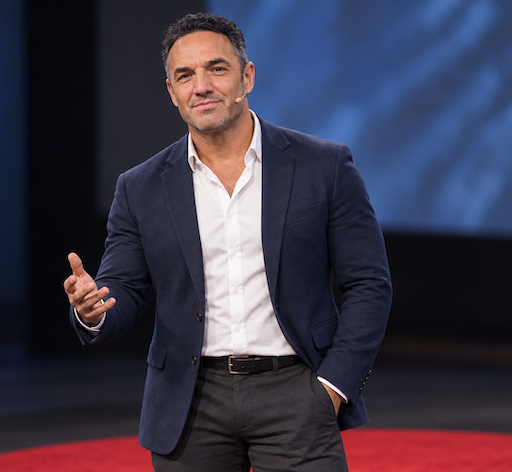
Author and Podcast Guesting Specialist for Corporate Leaders
2001 Founded mobileYouth16 books Published author250+ clients Served across 60 countriesUniversity of Sussex AI & Cognitive Psychology graduate
Graham Brown is an author and founder of Podcast Guesting Pro who helps corporate leaders, founders, and storytellers get booked on aligned podcasts and build thought leadership.
He began his career studying youth mobile behaviour and founded mobileYouth in 2001 to understand youth marketing and mobile culture; that early work serving clients such as Nokia, Vodafone, MTV, and Disney shaped his focus on audience insight.
Over time he moved from youth research into audio after seeing business leaders struggle to communicate authentically at scale, which led him to found a full-service corporate podcast agency and develop programs to train hosts and producers.
His route into podcasting combines formal study in Artificial Intelligence and Cognitive Psychology at the University of Sussex and Entrepreneurship training at Harvard Business School Online with decades of client-facing agency work.
He helps corporate leaders, startup founders, and storytellers find their voice. He leads Pikkal & Co, an award-winning corporate podcast agency, and runs Podcast Guesting Pro.
He previously hosted Asia Tech Podcast and previously grew mobileYouth to over 250 clients in 60 countries; his agencies operate from Singapore with partner studios across Australia, Austria, Canada, Croatia, Ireland, Sweden, the UAE, the UK, and the USA.
Transcript
[Music] hello welcome to the word Cafe podcast this podcast has been designed with curated content that centers on The Power of Words Can we really do anything without speaking can we really do anything without the agency of words yes that is what this podcast is all about and I am your host am I creas away your neighborhood work Trader I Believe In The Power of Words for it is the unit of creation I trade in words to profit my world good morning good afternoon good evening good everything how are you all doing beautiful I'm doing super super well we're back where into that space the World…
Read the full transcriptHide the transcript
[Music] hello welcome to the word Cafe podcast this podcast has been designed with curated content that centers on The Power of Words Can we really do anything without speaking can we really do anything without the agency of words yes that is what this podcast is all about and I am your host am I creas away your neighborhood work Trader I Believe In The Power of Words for it is the unit of creation I trade in words to profit my world good morning good afternoon good evening good everything how are you all doing beautiful I'm doing super super well we're back where into that space the World Cafe live show and we back you know like we normally do with we come in here to lean on one other's experience and Forge a positive path how are you beautiful I know you doing pretty well yes what are we going to be doing today you're wondering is there on the screen I mean I'm privileged to have this amazing amazing personality by the name Graham Brown
he's been within the space of Storytelling podcasting and corporate podcasting content creation and what have you he's been there we can call him more or less a guru in that space and he's I mean coming into the studio today to share with us his experience what is been like over this period you know come on strap on your seat belt you know how we do it we're going to go on a ride a beautiful ride I'm going to bring him on now I know you want to see him like I want to see him too and that is Graham Brown hi Graham hey I'm AE thank you yeah how far how far that's my I've been practicing some Nigerian I Tred I did some research but I found out there's about 20 different ways of saying hello in Nigerian so exact 20 different ways but they come on it's just what you just said now how far and when you say how far we're going to respond I did now I did what's up how
your side what they happen and that's how we see it you know right ni I like that I like ah good I like that so where are you at now I'm in Singapore so yeah just uh here we are in Southeast Asia the Little Red Dot as they call Singapore a small City 6 million people my my good so what the weather like raining sunny or uh it's probably like your a rainy season right so we it's hot and we we have a a wet season and then we have a wetter season wet SE that's kind of how it works here but yeah it's good I like it I enjoy it it's tropical just like we have it here in Nigeria presently like you said it's raining you know like since on Monday it's been raining and raining you know and you know we just we we get used to it and uh you know you have to go out there and do your business and all that so before we kick start this this
amazing session I want to know who is gram Brown because I did some reading here and there and uh amazing amazing facts I get I mean I got to find out about you but I want to hear it from you who is gram Brown okay that's a good question I'm a Storyteller that's what I've been doing for many years and that's why it's great to be here cuz I know you touch on areas of Storytelling and obvious word the power of the spoken word the belief in stories you know I've been telling stories and I'm helping people tell stories because you know what on my career we've been telling stories for thousands of years mhm as as a species right and stories bring us together they give us purpose and suddenly we find ourselves in this digital world but we're still telling stories in different ways whether it's like you and I you know telling we tell some stories today I'm sure right you know whether it's about the weather or somebody's personal Journey right
we're still telling stories and that I think that's a very core part of being a human being so I see myself as a Storyteller and helping people with that skill oh beautiful so when when did you really discover this about you know storytelling when did you discover that uh well I was one of those kids that my mom would you know slap me and say hey stop telling stories you know that's the that's the first thing you learn and when you go to school you remember what it was like at school stop telling stories it was a bad thing right it was almost like you're making things up you're twisting the truth so at an early stage I love telling stories I was fascinated by books and stories of all different forms but at a later stage in life when I got into the world of work I found I I really what I discovered at M was I discovered the difference between if you share information with a story and without a story if
you just share data or data plus a story it's a very different outcome I at the time I was I had a research company selling uh data to telecom's companies with 20 20 plus years ago yeah and I found that I would they would buy our research and I would go and do these presentations to these companies and all the data was great it was the best data out there right the best data in the world all different markets we covered everything from Nigeria to you know Europe to us Etc I'd present this data and people just didn't connect with it and I really struggled with it and only when I started turning that data into stories so I would actually rather than tell a story about you know mobile ownership in Nigeria 50% of under 35 year olds have a mobile phone nobody really connected with that I started focusing on the story so there was this young kid called a mree and he had a mobile phone and this is what he did
with it right and when they started getting into the stories people changed and we see this everywhere don't we we see it in business where people present data to teams yeah we see it when people are raising money right for Nos and causes right you know they don't talk about you know so many million people starving they always talk about this one kid don't they you you adopt a kid in this country rather than donate a lot of money to course so that's how I discovered it I discovered what it was like if you didn't do that and that's why I was forced into this pathway and to discover what storytelling was all about and why it was important beautiful you know I got I one time on my show I I I I I had this uh personality his name is floak Kimi he's somewhere in Dubai he's into communication you know and all that and what you just said now about data collection and presentation without the storytelling is like something a dead
door nail or something you know people don't relate with it so he actually you know said something similar to what you have just said you don't just go out there and throw the data in front of the people and all that but there should be a way of communic he's a communication expert actually it should be a way of communicating this data as in to the to your audience letting them connect with it exactly like you said it but now how do you get the humanity behind the data how do you get a Humanity because that's what you just said now for me to connect with that story there is this Humanity you bring into it how do you do that yeah that's a good question how do you create that connection well I think the good news is is that we've been telling stories for thousands of years and therefore the stories we tell are all kind of similar so you know if you look at movies if you look at books if you
look at religious texts if you look at any sort of cultural narrative that we tell it tends to fall into one of seven maybe eight or nine different formats there tends to be very similar patterns throughout time now I'll give you some examples and this is like how you find the story and Humanity in data you know when Steve Jobs launched the iPhone when he stood in front of the Mac World crowd in 2006 and introduced the iPhone he didn't stand up and say I've got a really good phone here he didn't say that that's what we would do isn't it you know I've got a phone I want to show how great it is look at the interface and so on what he did was he used a format which is used for thousands of years and it's called the ACT Accidental Hero narrative you know you think about how many movies start with that kind of scene where you know he didn't choose to be here at this time the world chose him
he sort of accidentally became the hero in this narrative and Steve Jobs uses that narrative very cleverly in launching the iPhone if you look at you can see it on YouTube he presents the bad guy who is the mobile phone industry you know these were people who design phones with buttons you remember those like blackberry and all those kind of Nokia phones with buttons he sort of presented all these bad designs yeah all that stuff from the day and he sort of presented it and he said like this is the bad guy the antagonist in the story he didn't use those words but he presented imagery we really understood and then you know who's going to save us you know who's going to bring the world back to normal well Apple of course you know they were drawn into this they didn't want to launch a phone they were forced to launch a phone because they couldn't sit back and watch bad design take over so that's an example of using humanity and we see
that everywhere we see it for example when if you're a business owner and you're raising money The Accidental Hero narrative is very popular to be used and there are many of these different formats and tropes which are used used in culture fairy tales movies and once you start examining them you see actually wow that really looks like what somebody's used here and what somebody's used here and this is the really interesting part of ma is that when we think about how do I engage an audience with story we always think I've got to create an amazing story I really got to wow them not their socks off right but the reality is is that the best stories are stories we've already heard now think about that is that pretty much every Hollywood Nollywood Bollywood movie that you've seen right has a very they're all familiar right they they have very familiar characters like the bad guy I'm sure in a Nollywood movie I'm sure the bad guy looks like a bad guy in pretty much
most Nollywood movies right and the same hwood exactly yeah and you you probably think well that's not original but the point is is that we want familiar we want the familiar story because we are used to it and we enjoy it we don't like the unfamiliar we're scared as a the unfamiliar people we're scared of what we don't know so what stories do is they take the unknown and they turn it into the known and that's what we've been doing for thousands of years where you're telling stories about oh why is there a big thunderstorm you know you can imagine thousands of years ago lightning people were scared you tell a story about it you know why are the crops failing well tell a story about it so all of that really has been used by US as a species for thousands of years to help people make sense of the world and the great news is even in the digital world whether you're doing podcasts launching an app whatever it may be or just
engaging a team that you're leading you can look to these stories find these formats that work and adapt them just change the characters the character could be a mobile phone the character could be a brand the character could be a vaccine you know whatever it is you want to use as a hero and you can use that to engage people and use that main line to their conscious their subconscious and that's how they will engage with the story beautiful beautiful now you you you you've been in the corporate podcast and space for a while now I mean tell me what has it been like in terms of reception uh because back here in Nigeria you know podcasting is something still growing you know growing compared to the US and the Europe and uh the likes so what has it been like the reception for you uh corporate podcasted stay with us we'll be right back hello Nerds come listen to the history nerd United podcast and let's make history fun again we interview today's Best
Authors whether they are established PLL of surprize winners or someone debuting their first book let us show you that history is not a boring class you took in high school but a place where the best stories come from and we don't just cover history we also love to chat about True Crime biographies Memoirs and so much more so head on over to history nerd United and let us introduce you to your new favorite book and learn the story behind the story history NDS [Music] United yeah it's a good question it's uh early days you know um you think about okay where you are in Nigeria you are on this trajectory just as we are in Singapore and people are in the US you imagine this curve and everybody kind of follows that curve Cur and has similar patterns and some countries are early on the curve you know some countries maybe later on the curve like for example the us or Korea very advanced in corporate podcasting so to me it remind cuz I you
know 20 years of being in the mobile phone business I remember in the early days people said no no no mobile phones too small they will never work you know and they will never work in my country that's what people were saying I remember saying that in the US in the late 90s I was there presenting and Americans told me you know cell phones would never work here and I was like why I've seen young people in markets like Japan using cell phones and I know that that's coming here soon cuz young people in Japan young people in America and Nigeria they're all very similar they all have similar needs so it's coming here soon and it did and Nigeria same one of the biggest markets in the world for mobile phones right so yeah right it's an early day early stage um but I think we'll all kind of I would say that the it's a bit like internet adoption you know some countries are it slower but in time pretty much every company
will have a podcast beautiful now that what you just said now takes us to the next question why why should I as an organization or a corporation want want to podcast why why should I do that H yeah it depends a m if you are a small company individual like an author thought leader consultant small startup that's one group of people and then there are large corporations like Banks management consultancies government agencies and so on with the first group let's say you know let's say you and I we are authors or startup Founders or individual entrepreneurs yeah the best way today to get into podcast and why you should do it is looking at guesting on podcast right okay because it's hard work building a podcast as you and I both know building an audience is hard work but if somebody's done the hard work for you then that makes life a lot easier and so therefore the reason why you should think about doing it really two reasons one is because it's probably the
most effective way to meet people and that is a very powerful Business Development tool yeah you know think if I said to you um how much is it worth for you how much value to your business would it be to get in front of 100 buyers in your industry you be I'll do that you know that's a lot of money potentially a lot of value 100 buyers and have one hour with them right now you think about the how difficult that is today you know phone calls emails meetings but if you could do that if you could sit with that person and have a deep conversation yeah and really connect not a coffee you know we have a coffee you forget years to come people ask hey M who's that gray and brown guy I don't don't remember somebody I had a coffee with but you'll never we we'll never forget this podcast like you know we connected we had to chat that will be on the internet for years and years to come so
the answer to your question why is because it's an extremely powerful way of scaling your business across different markets into different sectors and have conversations with people at scale what a great business development tool that is a great way to build a funnel especially if you're in B2B or Services that's that's the small for the big companies it's a little bit different but it's still the underlying factor is how do you have create conversation at scale how do you humanize your brand how do you create connections with your network and your people how do you showcase your work how do you create conversations that matter with people who care these are all really important for large businesses now people want to know what's your what's your CEO's view on diversity what's your business's you know attitude towards the environment or climate change right people want to know you know do you have ethical trade Trade Practices people want to know these things right right and the reality is today this is the important part for
all of this the reality is today that people follow people not Brands this is what we're waking up to a maer is that so much of businesses built around Brands but people don't care about Brands they care about the people of those Brands who who who is that person what do they know how do you know my experience of the brand is through you right and how you interact with me if you're not nice to me it's not my experience with the brand doesn't it's not going to be a good experience right if we interact I think hey I really like this amak guy right that's going to create a really positive experience of the brand so how can I do that scale through podcasts I think that's really important you know that it's a great way to unlock the human potential and those conversations within your organization that are happening every single day H now humanizing your product I was listening to a podcast that was today yes and it's on human resources HR
now and uh the guest on the show was like a lot of us a good number of us don't like the word HR that's human resource we rather look at it from the people perspective you you don't see me like like a resource like an asset or something but rather look at me as a human being and you deoy more or less my uh Talent or whatever so listening to you see people connect more with people you humanize a product not necessarily the brand I mean that just came back to me now and it's like what are what are you selling not just a product you're selling you're sing would I use the word correctly Humanity like I can connect to this this is not just like one inanimate theme you know but I can connect with what this person is saying or what he or she is presenting so I am going for the humanity behind the brand or in the brand not necessarily just the brand for the brand now you said something
about guest and that that's one difficult expect when it comes to podcasting guesting how do I go about my guesting and what is gu all about gotcha so guesting is where like I'm doing now I'm a guest on your podcast my career I'm speaking to your listeners right so you you have a community of people around you built around the word Cafe and your themes your ideas and it's a little bit different to mine which is going to be the case case because your personal brand and my personal brand are different with different people right different personalities what I can do by connecting with you is connect with your audience and some of them maybe some of you people are listening today you you connect with me through this and maybe some people think no no no that's not me but that's the point that's the great thing about guesting is I get to speak to other people's audiences and maybe some of those audiences become my audience as well you know in podcasting 1
plus one equals three right it's not like I'm taking an audience away it's like you know our our networks are coming together effectively right so some of my audience will see this listen to this and think hey I really love what amak is doing right so we're helping each other out because we're creating we're connecting to potentially aligned audience so that's what guesting does it's really getting out there finding podcasts that match your themes you're talking points and then creating that connection and getting on the podcast and and not selling you know it's like you just said that people buy the humanity right if I came on here and pitched it would be awful you know what kind of conversation is that but we're having a conversation here right and I think that that's what somebody would say yeah I like this guy maybe we want to go and check him out they'll go and check out the backstory and then maybe they'll follow me right that's how it works now these days right right
amazing you're not peaching but rather we're having a conversation here and it's like like this conversation we having you know my audience your audience they listen and they begin to see things from different perspective or a better perspective like would I say a hybrid you know creating a hybrid of ideas with respect to giv concept and uh pattern is like okay fine I heard gam on that show I heard a marer on that show and this was what they said okay fine we can put this together and like create something unique something new out there now on the front Barner in the corporate world today we talk about things like diversity uh esgs and just what have you and recently I saw I think that was the EU the uni I mean the European Union they had a podcast and I also saw the World Bank put up a a podcast and I went to to listen and one of them they were talking about uh inflation economics and I was like before now we
read about these things on newspapers you hear it on the mainstream media what has informed this corporations or these organizations to more or less create a podcast what has informed them and I'm asking you that question now what do you think is behind them you know breaking into this podcasting uh World it could be a number of things they are going to be a number of factors why they did it right now But ultimately underneath it a mree is there really is no alternative for them to communicate and they need to communicate without communication they don't exist you know the these companies spend billions of dollars on comms PR communication and they need to communicate for a number of reasons as well like they need to communicate because they need to talk to stakeholders you know these if you're the World Bank you have a lot of stakeholders in your community right th those could not just people in the financial Community but you have decision makers in government and NOS Etc right economists and
authorities authors everybody you need to talk to these people how can you talk to these people now like we don't have events like we used to people don't travel to conferences like they used to people don't read white papers you can't send emails and get people we don't have captive a we used to have captive audiences right do you remember in those days where you could send an email people read it like like in companies like internal emails that doesn't happen anymore or a company could get all its people they could fly their people to an island and say right we're going to have an event with all these people it doesn't work anymore we don't have captive audiences so the point is is that audiences have Choice their attention is extremely valuable now and it's stretched you know that word attention it actually comes from the same and this is the word Cafe so let's do some words so the word attention it comes from Latin in English it comes from Latin and Sh
it comes from the word tendere and tendere in Latin is the same as the tendon in your arm you know the bit of the muscle in your arm not the but joins the muscle to the Bone and that's the bit that stretches the muscle yeah the this so attention by nature is actually stretched and that's the reality it's it's stretched so thin today for the audiences that's why the World Bank or any organization cannot rely on existing or old school Communications because these people aren't paying attention to them anymore and think about that word as well pay we pay attention right we don't give attention we pay attention that's a really conscious choice of words in English because it shows that attention is valuable it has a cost to us if I if you The Listener are listening to me you're paying attention to me you are paying to listen right think about that you're paying with your time and your attention that's why companies need it because attention is the biggest cost in modern
communication and if you have people's attention you're a leader you're a thought Leader by default you don't have to be an MBA you don't have to be an expert you just have to have attention that's why there's a war for attention there right and it comes back to casting is a great way to connect and hold people's attention in a very you know in a very informative way and educational way and it's not salesy so that's one of the major reasons why these companies are doing podcasts and I think you know from the human resources side as well if you think about that amak that how much do these companies spend on hiring and retaining Talent you know we're talking billions hundreds of billions getting the best people and keeping them now what is the best way to get new people in human you know Human Resources traditionally is a is a gatekeeper right it's a risk controller in in the organization but increasingly people and Human Resources has to think about how do we
get and reward people not just control them right so if you're a young if you're a young change maker and you're thinking about the world World Bank what do you do like you your first question is going to be who are these people who am I going to work with if I join the world bank right they'll go to the website about us page nah it's all very corporate the first thing they'll do is they'll go and listen to the podcast I guarantee in hiring it's probably the one of most o overlooked underappreciated and most powerful ways to attract talent because that is the first thing they're going to check out when they want to know who are the people inside this brand beautiful you you seeing this now drives my thought as in because when when I listen to the uh what do you call it now the World Bank podcast and the EU podcast I was just asking myself the question this particular question I just put before you but the answers you
gave now perfect because it's like okay I want to work for this organization instead of going to read tons and tons of documents as it where about this organization I just pop into the podcast you know about them and [Music] I okay we're back you're back yeah I lost can you hear me yeah yes I lost it yeah for a bit so I I I go check out their I mean their podcast and I listen I said fine oh wow this this this this is what I know about the organization wonderful you know you see the CEO maybe you see the CFO you see the uh the H head or something and listen to them they you know talk about the organization not just like you said a while ago the brand no but the humanity the people around there and this creates that connection you know and like you said I am paying attention there's a value you know there's a value that comes to me and at the same time a value that
goes to the organization because somebody just listened to us so the likelihood for that person to like embrace our our should I say uh values what we stand for is rooftop you know as the person comes and goes takes that further step to make more inquiries about the organization beautifully now I know for the want of time because you have to catch up with other things too what's your advice there for those organizations you know currently what is going on on the Global scene across the world what is your advice with respect to this universe of podcasting what's your advice uh so the key to success in podcast really uh lies in a number of factors so uh really starting with the end in mind what do you want this podcast to be it's always a good start you know what is the promised land that you want to create with the podcast that's the pitch as to all the stakeholders um firstly find somebody who will be an anchor host I think it's really
important because what I find in corporations large organizations is often there is a sense that they need to share the hosting and what tends to happen is if you share the hosting too much you know it moves around too much the audience doesn't connect you know I listen to the word Cafe because of a maer right right and you listen to my podcast because of me not necessarily the guests you're the guide you're the bridge you're the one who asks the questions for the audience you're the you're the one who understands the audience's pain and frustrations and the questions in their mind and what bothers them right so we as listeners connect with the host right not with the guest the guest is like you know an extra person there are three people in this conversation right now there's Graham amacher and you The Listener right we're sitting around this table together having a conversation and hopefully if you sort of like tune into your headphones you feel like you're there you feel that feeling
connection that sound so it's so important if you if you listening sitting at the table with us today are in that situation in that large organization large corporation your best starting point with that project is identify who can be that person because if you can find that anchor that one person they don't have to do every podcast they can co-host they can rotate around but they have to be a regular voice in that podcast yeah without that it's really hard to make a podcast successful long term all the other things like how often do I publish how long should the P publishing sorry how long should the episode be what platforms all of that becomes secondary because it goes back again to people follow people right ultimately if I don't like the host people I don't care what the brand is that this is about you know you're very correct right you know you could be cocacola or whoever you know Disney but if that host bugs me I'm out right but if I like
the host then I want to find out about the brand right the brand second so that's so important they don't have to be like a radio or TV presenter they're just somebody who is passionate about what they do and wants to create conversations beautiful beautiful C thank you so much I I mean I appreciate this opportunity you know for for accepting to come in to the word Cafe and share this you you you you you you just gave a perspective to podcasting and I know my audience has in they they will appreciate and they are appreciating it because sometimes this question just comes why should I why should I why should I why should I and somehow somebody who's been in the space of podcasting for this number of years and uh bringing that fresh what I call Juice I'm presenting it before you like Hey listen listen juice is for you we got the juice we got the juice we got the juice we got the juice we got the juice that's right whoa
I love that before I let you go I'm going to ask you something about storytelling tell me your your best moment yet within the space of Storytelling can you share that with us your best moment yet because I know you have more moments ahead of you yeah oh hopefully I just turned 50 actually yeah congratulations well yeah exactly so hopefully there's a few more a bit more juice left in me am M right so I haven't run out yet um best story so I give you a two-minute version go ahead of a yeah okay so we usually call this we usually call this in my space deep and brief you know deep and brief it's going to be brief but listen yes very gotcha all right okay so time me out if I overdo this all right okay I want you to picture when I started my my podcast business 4 years ago it was me on my own um no clients like we talked about early days in Singapore people didn't have a clue
why are you podcasting this was before the pandemic blah blah blah you like people hadn't really got into podcasting oh you should be doing YouTube nobody's going to buy podcast I started a business I had no clients I had no votes of Confidence from anybody around me so it was it was a hard time starting out right fast forward a little bit it was Friday night my friend took me to a hawker Center a hawker Center in Singapore is like an open food court where average people go and eat right and you know you can go and pick from food stor so there I am with my friend on Friday night we're really really busy so we grab the last table in the house and then we go and get our food we sit down and then this couple comes across and they say oh can we sit there and I said sure I moved my bags they put their stuff down they went away and came back got their food everybody's kind of sitting
at the same table you know the last one in the house we started chatting he asked us what do you do he asked my friend what do you do he makes medical devices these kind of like glasses you wear um and then he started chatting to me what do I do I said well I set up I'm setting up this podcast agency right I want to give people a voice I want to bring podcasting to all these markets in World starting with Asia he asked me a whole bunch of questions and we started chatting he was seemed really interested in it then I turned to him and I said what do you do and he said I own an airline and I sort of had a double take and thought what who is this guy and sitting right next to me is a very famous celebrity in Asia a chat by the name of Tony Fernandez he owns Air Asia which is like one of the biggest Airlines in Asia he's a billionaire he owns
or part owns QPR football club in the UK and he used to own a Formula 1 team and I just kind of you know what it's like when you're sitting some next to somebody and they're out of context you're like no that's not him I just keep talking anyway so we had a laugh about it and we chatted we had dinner for about an hour now here's the thing I'm MRE what happened was his his assistant came up to him and said okay you've got to go his private jet was waiting to fly off back to Malaysia m so I had so here I am no business no money no clients needed investors needed clients and I thought this is a real opportunity for me what do you do because you have now 2 minutes with this guy before he's gone out of your life you will never probably see him again and I was thinking it through what do I do what do I do what do I do and I had many many
options do I say hey Tony invest in my company I know you've got money and my company's interesting I could have done that I could have said to him hey I want Air Asia to become my first podcast client I could have pitched him but I did none of the above I said to him Tony I really enjoyed our conversation today I would love to do a podcast with you and I pitched him that idea right there and he turned around and said I love the idea here's my WhatsApp number let's make it happen now to cut the bits out of the story get to the podcast you can by the way this is on YouTube there's a there's an actual interview with me and tonyz on YouTube you can go and check it out it's quite relaxed it's nice got to the point did the interview we had an hour or more together really got into his personal story this was his his headquarters very casual he's wearing t-shirt and jeans and stuff like
that and then at the end of it he said you know I want to start a podcast business and I was the the right guy for it right there right then and he became and Air Asia became our first and best client and that here's the thing about that Amer I you started off about corporate podcasting and why you should podcast right and to me that story sums it up because I could have done it so many different ways I could have pitched him try and close him in a deal but I made it about him and connecting with him first and creating that podcast the the People to People ction now that's it that's it in in a line and the value of that to the business you know the value of that client to my company plus also the pr value of that client because having him as a client gave me many other clients if it's good enough for him it's good enough for a lot of companies right and so I
say to people like you know that story tells me is that if you create that connection go out and connect with people in your industry don't worry about sponsors don't worry worry about monetizing your podcast just go out and create that connection wonderful things can happen beautiful I I I like the way you I like the way you tell your stories honestly I do you know the the the the the debt in your voice and uh the passion with which you deliver it it is you I I I hear you I'm not just hearing somebody I hear grham there you know it's like you're telling that story I'm happy for you really happy and again I want to say thank you for doing this with me thank you I really appreciate it you know those last words about sponsorship monetization and all that summed it all up you know sometimes we just go out there or rather we we want to do something and we put the cart before the horse yeah yeah we put
the cart before the horse but the truth is go look for the horse if you if you find the horse forget about the cart because the horse is moving every other thing follows goes after the horse and that's what I heard from that the very tiny tiny tiny part of come on let's do I want to do podcast with you fine and today is about your biggest client Amazing Story amazing story thank you thank you so much guys you I'm we we've been we've been discussing with Graham Brown you know you will agree with me his story is amazing his insight to the podcasting universe is classy you know and uh every minute every minute I enjoyed every minute of it and I know you did also but you know how we do it on the show you know we we we we always get to that point where we're like ah where the time go but actually time we created time and somehow what we created is now leaving us so to say but
I want to say very big thank you to gram one last word from you gram Before I Let You Go one last word from you thank you what can I say I've really enjoyed this I I love your passion and enthusiasm for this it's like really heartfelt it's really you know on the on the point of like what people what your audience connects with as well so it's really genuine I really enjoyed this and I I really enjoyed your questions thank as well so thank you for giving me this opportunity thank you thank you all right guys we need to run but you know how we say it on the show we come into the space to do what lean on one other's experience and Forge a positive path honestly Graham's path crossing our path just created a new new brilliant path let's see how it takes us to the next level till I come you again bye for now Graham what do you have to say yeah let's create that path that Synergy I
love it that's what it's all about today connection thank [Music] you oh yeah beautiful before with sign of I just want to encourage you yeah it's been a wonderful time and also i' like to hear from you your feedback you know you've been listening to the word Cafe podcast I would love to hear from you a feedback if you have any questions yeah you go ahead and ask those questions you can reach me at my email address at MRE Baldi at gmail.com m is a m a c h r oou e g a r i b a l d i art gmail.com yeah and uh we'll get back you know how we do it on the show thank you a some time it has been with you on the word Cafe podcast today thank you for being there you can catch me up on my social media handles Twitter Facebook LinkedIn Instagram all at amak isobu also you can get copies of my books a cocktail of words the color of words and my H
Notebook on Amazon and on roen height online bookstores you can also subscribe to my YouTube page at the same address yes till we see you again bye for now
More from Graham
 Graham Brown, The 3 Box Storytelling technique
 Season 4 Episode 4: One to Many Featuring Graham Brown Award Winning Corporate Podcasts and Podc...
 How Story-Listening Defeats Innovation Bias
 How to grow your podcast the right way through Data
 Health & Wellbeing Part 1: Eat & Move Podcast with Graham Brown & Jonathan Bowman-Perks MBE
 Graham Brown | BRAVE Southeast Asia Tech Podcast | www.jeremyau.com - E222