
April 30, 2024
S5E2 - Nick Jonsson - Overcoming Isolation and Executive Wellbeing
A leader who is open and warm with their team, who have shown vulnerability, is on a completely different level from someone who hasn't.
In this episode
Nick Jonsson and the host talk about executive loneliness, vulnerability at work, and practical ways leaders can support wellbeing and recovery.
- Open, warm leadership can reduce turnover, build trust, and make teams more proactive in hybrid work.
- Vulnerability and honest relationships at work can help colleagues open up and share feedback.
- Recovery from isolation, stress, anxiety, and depression starts with telling the truth and asking for help.
- Mastermind groups, peer groups, close friends, coaches, and mentors can create support networks outside formal work.
- Habits, absence, and excuses at work can signal that someone is struggling and hiding more than they admit.
Transcript
Automatic captions of the conversation. They can contain errors and do not name who is speaking.
Well, I think a leader who is open and warm with their team, who have shown vulnerability, is on a completely different level from someone who hasn't, because anything from staff turnover will be affected to the performance of the team. There will be a lack of trust, especially in this hybrid world, where you have a young generation who prefer to be in charge of deciding for themselves if they should come to an office or not, if you have built up the relationships, you can understand them. And more importantly, your team will be proactive and come to you with suggestions, feedback, and they will probably go back and think about it and come back to you with suggestions and give you what you want in the end, but on their terms.
Welcome to Beeline, a podcast brought to you by The Hive Change Consultancy and hosted by its CEO, Andrew Tilling. In this ever-changing, unpredictable world, how do we, as leaders, make sure we're enabling our teams, making a positive impact, and navigating towards success? How do we ensure we're the kind of leaders that people want to follow? So in order to address and answer some of these questions, we've put together this podcast series and invited some passionate and knowledgeable changemakers to help us find the Beeline, the simplest way to bridge the gap between pain points and solutions, and to give you the resources to support your leadership journey.
Beeline, lead the way. One thing that has consistently inspired me in working with leaders around the world, and indeed within my own family, is seeing how people are able to drive through the most difficult times, and somehow push on through and get to something resembling a win. And that resilience, that grit, that determination is something that has always been something that's fascinated me. I think it's got something to do with having something bigger than oneself. It's about that sense of purpose. It's about that sense of engagement, and that's themes that we're really looking forward to exploring on this series of Beeline.
One person who has got a lot of experience around resilience and being able to push through those challenges is our guest today. He's the author of Executive Loneliness, The Five Pathways to Overcoming Isolation, Stress, Anxiety and Depression in the Modern Business World. He's also helped co-found EGN Singapore, one of Asia's premier networking organizations, a caring community providing hundreds of executives at Safe Haven to share their challenges, receive support, learn from each other. And not only that, he's a Bronze World Age Triathlon Athlete, which frankly, after my diabolical attempt at Ironman Half 70.3, leaves me feeling a little bit like I'm behind here.
So it's my great pleasure to welcome Nick Jonsson. Nick, welcome to Beeline. Thank you so much, Andrew. Thanks for having me on the show and for opening up this fantastic topic of today. So come on, how did you do with the triathlon? Give us the background there. How did you get into it? And tell us a little bit about your achievements. Well, I'm in training for triathlon now. There's a big story behind it. I used to love training and doing races, but other things came in the way, and I put the sport on the side, but now I'm taking it up again.
And at the moment, I'm actually working with a coach, one of the better Germans in the sport, and he's coaching me. So my next race is in a month from now. I wish you the very best for it. I mean, the training, the training, the training, just trying to get to the point of being able to deliver that Ironman half, which I did with some dear friends. And I'm glad I did. It really did show me at my worst. It taught me a lot about being able to, just to keep on going. What really surprised me was having completed that challenge.
How it affected other things that I was setting out to do. It made me think, well, I can just keep on pushing through. There's something that you can dig deeper on. I think having achieved something significant like that really does change your mindset, doesn't it? Yes, it does. And the training can be intense, but I just tell my coach, my yearly targets, you know, what is the race I want to achieve? The main race each year. Then he breaks it down and with all the technology, of course today I get an app where it's uploaded.
I don't have to see what training I should do next month. Then I would become overwhelmed. But every Sunday evening it gets uploaded and there it is for the next week. And then I just complete it as much as I can. I get a compliance score. I'm trying to be in the 90% plus compliance. If I'm feeling unwell, I miss a day, then I just make a log. Had a cold, could not train and it's all good. It's a coach who I handed it over to. Again, talking about what you said, a power greater than ourselves. If I was to run the show and trying to do my own program, I certainly would make a mess of that and everything around it.
Something there about data, about accountability. And I love what you were saying there about you miss the target, you miss the goal. Okay, let's be accountable for that. Let's just make a note and be clear about that. It reminds me of that. It's not about turning up and being 100% every day at work. It's about if all you've got today is 70% and you give that 70%, that's giving 100%, right? Absolutely. And it's about not seeing things as failures, but as feedback, as learnings, the ways to get back at it. I had a poor race a month ago in Malaysia.
I got my nutrition plan wrong. And for many years now, I have not been cramping. I managed to cramp at the end. And I was almost embarrassed. But then I remembered, I just have to relook at my nutrition plan. I went back to talk to my coach and yes, I had not consumed enough nutrition for the especially sodium and salt and so on for that extreme hot circumstances. So next time, I'm prepared better. So for me, exercising has a really positive impact. If I'm not feeling like I've got the energy to exercise, it's generally because I haven't been exercising and I haven't been caring for my wellbeing.
I know a little bit about your background, Nick, and I really want to explore that. Has exercise played a part in influencing your wellbeing over the years? And is that kind of affected some of the choices that you're making now in terms of this determination to do these races and keep performing? Yeah, certainly it has. And the times in my life when exercise has not been a priority is when my life has gone down pretty quickly. It can, for example, also link in the diet and nutrition, because if you're exercising, you want to be at your best, you're eating well.
But if you're not exercising, if you don't have any fitness goals, if you don't belong to a gym, or you don't have a sports community, then you have no reason to consume the best nutrition and show up in the best shape or sleep the best. So a few years ago, I exchanged my gym visits and the exercise routine. We're going to the bar after work and having beers instead. And instead of having a healthy meal, I have perhaps had a pizza or some nachos at the bar. So I start to gain weight. I wasn't interested in exercising anymore.
And with that, it's a downward spiral indeed. So in terms of the community that you've built and the contribution that you're making, could you tell us how you got from just starting out to being at this point where you've delivered this extraordinary but providing outstanding support and creating these communities to support executives? How does that come about? Well, as in a previous executive myself, and looking back at my career, I thought that if I'm heading up a department or a team as a general manager, I'm supposed to have the answers.
And I wasn't open with my challenges. I didn't want to go too often to my boss either, because I felt, well, maybe they looked down on me then. So in that sense, I left office many times, feeling stressed. And the interesting thing is, now when I left the corporate world and I've been in all these peer group meetings, I'm listening to the executives, and they have issues managing app awards, managing the boss, managing the expectations, they have difficulties putting parameters around themselves. So I have realized that I wasn't alone.
And it was a calling for me to join this peer group. It's a franchise model that started in Denmark in the 90s. I was born across the bridge in Sweden, but living and working in Southeast Asia last 20 years. So when I heard about these peer groups, I wanted them to also run in Southeast Asia. So that's what I've done. And when you don't speak the language, you don't understand the legal system, the culture, and every country is different. And that's where I found myself in. And now I want to make a difference for not only expats, but also the locals to understand the culture of global organizations.
They'd say it's lonely at the top, right? But it suggests a lack of connection. You're not spending time with people who can really see what's important to you and what matters to you and what drives you and can remind you of your best self, you know? So for me, when I've traveled around a lot and I've moved around, it kind of creeps up on you when you suddenly realize that you're putting on a face for the people that you meet, the people that you're working with, or the people expect you to show up in a certain way.
That may be true or not, but that's your perception, right? And slowly you become almost more isolated from yourself. Do you find that bringing people together around that shared experience of loneliness helps people to discover something new that supports that resilience? Is it about facing up to perhaps self-neglect in terms of how we got there, or is it simply giving people a space to let off steam? How does it play out? Well, we need to have a few places where we can be vulnerable. And if the workplace is not one of them, because maybe we cannot, maybe our leader, our boss, don't want to be vulnerable, maybe they're not open for these conversations, and the team that we're leading below us, it might be difficult to have some of these conversations as well.
Then we need to have these safe spaces outside our workplace. Ideally, it can be a mastermind group, it can be a confidential peer group, and in our peer groups, then everyone have signed a non-disclosure agreement. We have made sure there's no competitors in the room, so you should feel that this is my safe place where I can be vulnerable. And we provide a facilitator in the sessions and prepare before the meeting. It might be that you stand up in front of the group and presenting a case study. This is what's happening, and here is the organization chart, there's a conflict here, how should I solve this?
And then your trusted circle here of peers is helping you to solve it, and next time, you're helping someone else. And then we are connecting at a much deeper, meaningful level, and the conversation doesn't have to end there. It doesn't have to end in the group. You might catch up for a coffee or lunch with this person after, so we're building relationship, but all we're doing is practicing vulnerability. Being brave enough, I opened up, I share these challenges, and here I am with a whole page of solutions. I can go back to my office and implement this right away.
And once you have that experience, you're likely to move forward and open up a bit more. But we've got to practice this vulnerability muscle and step by step learning to become more open. How did you find that discovery for yourself? It's a direct realization. It's not just something you get conceptually. When vulnerability connects with you and you see its importance, it comes from a personal experience. And it's not been a long time that we've been able to talk about this kind of professional environment. So what was your experience and what propelled you to want to share that experience and that learning with others?
Well, I had to go quite low in order to find that. In 2015, I was laid off from my second job after a merger acquisition, and I felt lost. I defined myself in the job at the moment. I was very anxious and worried about my future finances. It led me to my divorce, and suddenly I didn't know what was home. I didn't know what to do or what story to say to people. And with that, it happened just what I explained before. I stopped exercising. I was starting consuming too much alcohol. I thought that I need to go out and network.
I thought that going to the bar after hours was the way to meet new people and find a job. But with that, my health really deteriorated. And before I knew it, I was extremely isolated. And my bad habits turned into addictions. I became addicted to alcohol. And in 2018, I hit what I called my rock bottom when there was so much pain that I couldn't cope with it anymore. I decided then to tell one other person about this. And then what happened was a problem shared is a problem halved. Because if you are at the boiling point, which I was, I thought that my life was over and I couldn't cope anymore.
Then when I shared a problem, it was halved. I'm pretty much okay. So it was a V-shaped recovery. After that, I told the doctor how I felt. The doctor and my wife, she brought me to a friend who also gone through similar challenges before. And again, I shared my challenges. So within 24 hours, there's three people who heard about my challenges, and I realized I wasn't alone, and I was coming back to life very quickly. That's a huge turnaround moment. And it seems in relatively short period of time, I mean, not everybody gets it so quick.
Was it a kind of a return to high performance? Because you were a successful executive before, was it reminding you of old things, or was it just having that right support? Because I've coached people who, when they've been hit rock bottom, they feel like it's a really long way back. And so to admit it and say, I'm finding this difficult, is having to admit to yourself that, that recovery is ahead of you, and that can feel overwhelming. So what do you think that helped you to get back so quickly? Well, it was the realization, and by the fact that I shared it with three people quickly, that made me start coming back, but it was still a very, very long way to go back.
And I was introduced into a recovery program, where I came in and listening daily to people who've gone through similar issues and challenges before. And the first two, three months, I didn't speak at all. I was sitting in the corner quietly listening, and I was positively surprised that for the first time in my life, people were sharing completely honestly and openly about their darkest moment of their life. So I started to understand that what I going through was normal and it was okay. And I could also see that there were people who've been there before.
I could see now they were feeling much better. So it was still a long path to go. Step by step, I was starting to get my physical health, my mental health and my emotional health. But it took me about a year to crawl back to the level and the stage where I was before. But I was a new person now because I started to, within my very close circle still being open. And that circle was only a few people. I had to go out the world, had no idea. They just could see that I'm losing weight and something is happening to me. It seems to me listening to your story that seeing other people going through this was really significant for you.
Was it more common than you were expecting? Did you feel like you were alone and then suddenly there's other people there? And can you talk to me? Yeah, I certainly was positively surprised in the sense that I wasn't alone. And I think that sympathy is so important for us human beings because the stigma otherwise that we are the only one who's been doing this poor, bad behavior and got caught into these issues, that's dreadful to us and it can be overwhelming. So just knowing that I wasn't alone and being connected with this world of recovery was a huge relief to me.
And with that, I gained confidence day by day by day and I could rewrite my story and I could fix the issues that I had in my life. And that is what I then later wrote in my book, The Steps I Took Through My Recovery. Maybe we can address some of those steps shortly when we start thinking about the Beeline. Maybe it's worth kind of just breaking down that little bit around what are the signs that we can see that in fact, we don't necessarily have that resilience in place and that we're setting ourselves up for some challenges.
What are the warning signs? How do we know that things aren't going well? Well, many of the warning signs can be weight loss or weight gain or if people are losing interest in the hobby. Many times, like in my case, I used to go for a jog or a run four or five times a week. I used to belong to a gym. I stopped that. So the habit is completely changing. So if you have a partner who like to play the guitar and they've done that a few times a week always, and suddenly they stop or it can be a mother who suddenly lose interest in parenting for the baby or maybe a partner who cook Wednesday night this pasta night and suddenly they're not cooking and they just isolate themselves and just sitting and not willing to go out and speak, those are all warning signs that something is not quite right.
We are so good at covering up for this, and I call it in my book, Smiling Depression, that we are hiding. We do the very best to put on this great show that the world should not catch us out. And it is difficult, but we can at least try our best to look out for the ones around us. So those changes in habits are going to be important. Performance at work, how does that begin to show that we're struggling? Well, I think definitely performance in terms of not showing up, perhaps avoiding meetings, not being there and being absent.
In my recovery meeting, these people who are just coming in, they normally have been lying a lot about the absence, making up stories about why they couldn't show up, everything from blaming an injured foot when it wasn't. So it's all these amends that we need to make when we're coming into recovery about so many lies. And people say they even lie to themselves. The stories that tell themselves they get caught inside. That's a big one. When people are going through this, it's just basically how to break out of that pattern and tell the truth.
And I'm sure that some of our leaders, this thing, will be really resonating with this, if not for the past. But it's maybe something they're going through now. So I think it's important to note that there is support. There are other people going through this. And perhaps if we sit with that for a moment and recognise it, that's a really challenging space. And I think kind of one, admitting to yourself, when you know that you haven't been totally honest with yourself and you know that you haven't been totally honest with others, and that stack of work that you've been trying to cover up for is now becoming increasingly large and unmistakable.
And when you've seen those changes in habits, it feels like it's a long way back to getting where you were. And admitting that to yourself can be challenging. These are big flags, big moments. Is there a way that we don't have to go too much further before we kind of reach rock bottom, but we can start short-circuiting the process of recovery? Yeah, I think it's important to be proactive about this. And I say that we need to have good relationships at work. Try as much as you can with the people around you to open up the doors when things are good and build relationship and practice the vulnerability muscle there.
Be a bit open, be a bit honest. Speak a little bit about your feelings with your colleagues so that they get to know who you are. Because if you talk about feelings first, they will naturally open up back to you. So that's for the workplace. And then professionally make sure that you proactively join some mastermind groups or set up one by yourself. It doesn't have to cost money. Or join some peer group or relevant organizations where you are encouraged to be vulnerable. And then personally have a few close friends who you are vulnerable with.
And women do this better. The most women you talk to, they will say that they have two, three close friends who they can speak with. And they meet up or they have phone calls where they talk. Us men, we are hopeless. We catch up with our best friends when we had a tough day at work and we don't talk about it. We have a few beers, we watch sports, or we do some activity together. And then we come back and the issues are there the next day. But in short, it's important that we are proactive and we men, we have to change the way we talk to our friends.
Okay. We're building and we're investing in that network. These are people, and if this is something that they can see in you that's wing and open about voicing what's happening for you, certainly it's been my experience that people have really come out of the woodwork to support and the most surprising people have been really there to support me. It does come with a loss of face, though, doesn't it? Yeah, it does, but we can practice that also, and we just have to show that we're human. If we cannot do this alone, then do it with a coach or a mentor or a sponsor, as it's called in the recovery world.
And while I was getting the help in my early days, they said for me to keep it is to give it back. So I have to give it back daily. And I done that in the morning. I helped one person this morning, and I will help another one after our conversations today, someone who is just going through some difficult times. And that reminds me then of where I was and where I am now. And it also then continues to practice myself to be vulnerable. And I don't tell people what exactly they should do. I share about my own experience.
This is how I went through it. So then I'm being vulnerable, and they feel comfortable to reply to me. One thing that's been coming up a lot with me and the team recently is this idea of processed vulnerability, which I think is super powerful. And I don't know if you've come across it before, but the basic premise is that as a leader, we have got people who are looking to us, and we're in that kind of professional environment. There is a difference between sharing all your challenges and being very open about the struggles that you're having right now and dealing with high-tense scenarios or high levels of emotion in a very open and present way, versus being in a place that says, just so you know, I find it very difficult when things come up unexpectedly or I'm put in a situation where I'm unprepared for a meeting, and it puts me on a state of high alert, and I'm feeling a little bit of that now.
So I think maybe it's a good idea if we just take a minute, we get clear about what it is that we're trying to do so that we can move forward a little bit more consciously rather than just reacting to what's happening. And those are two really different kind of approaches of dealing with that vulnerability, and I think that's something that we can really highlight, because what I really respect about what you're putting forward is this idea about having that circle of people that you've decided to trust. And be that with a coach or a sponsor, somebody who is outside that immediate space, helps you then to process that vulnerability so that you can be clearer, more open, and show the dependable person that you are in the work environment, while still having that space and that openness to really open up and share the big challenges for you.
So it was my wife I told. I shared my story with her, and she listened authentically. That really was the starting point. And these days, I believe we all need a sponsor. And if you're listening and belonging to any of these recovery programs, and you don't have a coach, a mentor, or a sponsor, then I would suggest to anybody to reach out. And there's so many, perhaps look at someone who's higher up in your field or someone you look up to, and ask them if they can mentor you. Be proactive about it. Life is up and down.
It's just about being prepared for it, so that when it comes, you have everything built up and can go through it much better. So what I'm hearing is that speak with someone that you trust and start the ball rolling, and then find the person who can help you. Yeah, absolutely. And when we're talking group settings, many organizations, including ours, do the housekeeping and make sure there's no competitor. We do check in first so that everyone is okay with the group. They sign the non-disclosure agreement. We say that what is discussed here is kept here.
That's in a professional setting, but also in the recovery sessions. It doesn't matter which of, let's say, a 12-step program you contact, if it's addiction for gambling or social media, or it's alcohol or some other addiction, then they're all anonymous. So you should come there and believe that you can really open up and feel safe, and that is why these organizations are so good, because you can speak freely and tell everyone what's really on your mind. If anybody is in doubt that they want to address this, let's spend a little bit of time talking about what great looks like in terms of that resilience and how that feels when you've got that clean network where you are looking after yourself, where you're able to have that safe space where you can work through the challenges, but then you are in a place where you can really deliver your peak performance in that work environment.
Tell me a little bit about that. How does that play out? What kind of things does somebody expect to see from themselves, having come from that place of being in a really difficult situation? Well, I think a leader who is open and warm with their team, who have shown vulnerability, is on a completely different level from someone who hasn't, because anything from staff turnover will be affected through the performance of the team. There will be a lack of trust, especially in this hybrid world, where you have a young generation who prefer to be in charge of deciding for themselves if they should come to an office or not.
If you have built up the relationships, you can understand them. And more importantly, your team will be proactive and come to you with suggestions, feedback, and they will probably go back and think about it, then come back to you with suggestions, and give you what you want in the end, but on their terms. So it's about flipping the coin. It's about believing that it's a power greater than yourself, or in this case of leaders, it's about deflating the ego here, that they are not pushing, they're not running the show, because if you push and you're trying to be too bossy these days, people will just resign.
They will just take another job. I've had three resignations in my organization recently in the last year, and it would have been many, many more otherwise. Three out of 40 in a year is not bad in today's environment, and all three of them have taken back their resignations after. I took the blame. I said I didn't know about this issue. I apologize. I took the full blame on me and let them go. I just instead turned it around and said, how can I support you in your transition? Do you need a reference letter? I would be there for you.
And when you play it in that way, they just turn around and want to work with you instead. So it's about taking a step back and not being the one who's running the show. I love that, that whole focus on when things go wrong, you look in the mirror rather than look out at your team, right? It's about trying to understand how I contributed to this. And I imagine that then really inspires other people to take responsibility themselves for their shortcoming. That's one of the big things in your message here is that responsibility.
And I love that word, right? That responsibility, you know, that you have an ability to respond to the situation so you can take it and it becomes a choice. Finding someone that you can trust and that you can tell, and then finding somebody who can support you long term and being accountable, being interested in other people's challenges and being willing to support and pass on that support to others. These are all perfectly realistic behaviors. There's nothing massive to overcome. I'm not hearing like there's this 24 month training plan to go and take on something like a triathlon, right?
Now it's just a case of really owning the challenge that you're in and making some decisions that factor in your well-being into how you move forward. It's about putting your ego aside and being a decent human being. It's about the team spirit and rather than your winning. And when you go back to your team members, just clean your side of the street, just apologize and make amends for what you have done. You don't have to even talk about what they have done. It's just making sure that they feel that they are listened and you stand up for your own mistakes.
Something you said earlier about the younger generation deciding whether or not they want to come into work or not. I think a lot of people can relate to that and working remotely. I have a completely remote team, but I kind of miss an office sometimes. I want to get the team together. And having people who do work locally to me really does help because we can come together and brainstorm and work through some challenges. But I think one of the biggest things I've noticed is just how much work has to go in to checking in with people's wellbeing.
And the meetings online tend to be much less about doing the work, and it tends to be much more about checking in with each other's wellbeing because the work is being done away from those meetings, not when we're sitting here looking at each other's faces. So I think that there is great value in having people who are coming into that working environment because you can see when people are struggling. What worries me is that people who have seen that there is an opportunity to stay more isolated and work remotely and are taking that, are I think far more vulnerable to, if you like, themselves in not forming positive habits, being able to get away with more of those lies that you were talking about, not necessarily through ill intent, but just through self-protection.
And I think it can take us a lot longer to spot when someone's performance is in decline. Is that something you've experienced and how would you encourage executives to address that? Absolutely spot on, Andrew. Introverts are very comfortable working from home. I'm an introvert myself, so I need to be very disciplined to make sure I have a social life. If we are now living in this shift where we used to go to the office, that was our social life. We need to be disciplined that we are building up a social community around us outside of the workplaces.
So while we had all these gatherings in the office, we now need to belong to clubs and associations again. All these kind of memberships that have dropped over the years, we have to do that again. And I do that wherever I go. I joined running clubs, cycling clubs, swim academies. I joined my recovery group. I do some charity work wherever I go, ideally once or twice a day, really gathering with people every day. Office was providing me with coffee breaks. I now need to have that myself. And that's where we need to get to, I believe.
What role do you think purpose plays in helping a team to work themselves through these challenges? I think it's a huge one, and I don't think the teams will question or find the purpose unless you are a leader who lead by example and showing them the way here. If you are a firm, powerful boss who haven't found your own purpose, it would be very difficult for them to change the culture inside the organization. And in fact, the last chapter of my book is purpose. Ah, that's fantastic. Because for me, it's the biggest block that I sometimes have with leaders, new leaders especially.
It's that kind of, all right, so you're now in this position. You've got influence over the team. What are you going to do with it? Why are you here? And you get that kind of awkward, some people are kind of very vocational. And I'm here to do this work, and this is what I'm passionate about. But I think others, the thought of defining some kind of purpose, especially life purpose, it feels very wooly, and it feels a little bit outside of their comfort zone, particularly when they've been managing a lot. It's been about what the purpose is to fulfill the project, right?
That that's the purpose. But when you suddenly go do, I see it as such a dramatic shift, getting people outside of their ego, being part of something bigger than yourself is a tremendous shift in one's own mental state because you're outside of your emotional kind of baggage, if you like, and you're into that space of, how do I contribute to something bigger than myself? And I think that's such a powerful tool that leaders can use. How do you go about defining that? How do you find the meaning of life there? That seems to be a nice, simple question to wrap it up.
Yeah, there's some big questions there indeed. And I mean, in my case, I didn't know myself what my purpose was. I had to hit rock bottom. And again, it's about how do we find the shortcuts to this rather than having to hit rock bottom. And it is being proactive about this. I waited too long to work with coaches, mentors, and having all these open, vulnerable conversations. I think the more we talk about ourselves, the more we share about our challenges and what we are going through and what we're doing to solve them, the closer to our purpose we will come.
But if we are living a life where we are powerful and we are isolated, we don't share anything, we make all the decisions, I think it's very difficult to find our purpose. We are social human beings. We need to be around other people and we need to talk. Then the purpose will come to us, I believe. That's really powerful. Waiting for purpose to emerge in isolation doesn't give you that sense of feedback that comes when you have connection. Absolutely. And again, in the recovery programme, they have given up the ego.
We are not talking about the religious programmes. We are talking about just admitting that they are not the centre of the universe, that there is something more powerful than myself out there. And it's about what I give to the programme, what I support others with, rather than what I get out of it. Then I believe no matter what you define your purpose as, is it helping others in that programme or helping some other people in some way, it will come to us and we will live a meaningful and full life. It feels like it's almost clearing away the clutter that's breaking you away from that sense of purpose and seeing that maybe reflected in others helps you tune into it a little bit more.
Was that your experience? Yes, just because you found your purpose doesn't mean that you cannot continue to fine tune it. The last five years in recovery has been for me the best five years of my life. This is my life beyond my wildest dreams, and it is because I'm focusing on other people. I have no time for self-pity when I'm helping others who are just going through the biggest challenges of their life. I just helped one guy who came in two weeks ago, and he's already on the right path. Relationships are getting patched together.
He's starting to be on the right foot, and that inspires me to keep going. You've overcome a lot of different obstacles to be able to make that impact. Which is the one would you say is the biggest? The biggest change for me was to swallow my pride and admit to myself that I had an alcohol addiction problem and then to admit it to other people. It's so full of stigma, this conversation, and it took me quite some time to be comfortable to speak about that. It took me probably two years before I would dare to talk about it to the public.
And I can hear that vulnerability. It seems to be that you're really happy to go there again, you're really happy to share, and you're really using that to empower people. And I think that's so positive. Your book speaks to five pathways to overcoming challenges like isolation, stress, anxiety, depression. What would you give as your kind of your top tips, your beeline, your clearest path to help people to overcome those challenges? It's as simple as asking for help. No matter what it is, write it down. The pain you have, the feelings, write it down and then think who can ask for help?
Is it a friend, a family member? Is it an organization? There's so many volunteers, so many unrenewable programs you can call. So just write it down and make that first phone call. Because as I said before, that was the switch that helped me by halving my problem and putting me on this beautiful path of recovery that is beyond my wildest dreams. So keep it simple and ask for help. Nick, I just want to say thank you. I think that so many people will be able to relate to your experiences, but I think you offer such a clear, simple step that it's really hard to do for executives in our heads.
Because so many people look to us and we're expected to always be this model. But that simple thing that just gets us out of that, recognizing that illusion in our head is not helping. It's a massive realization. So I want to say thank you so much for that. How do people find you if they want to reach out? I'm active on LinkedIn, so they can find me there. It's Nick Jonsson. It's N-I-C-K-J-O-N-S-S-O-N. Or they can go on Amazon and find my book there, Executive Loneliness. It's also available on Audible as an audiobook for executives who want to listen when they're in the gym.
Nick, what's your purpose? My purpose now is really to give back to society and the community through the recovery programme. That's what really, really gets me, because that's what made me who I am today. Ben, long may you continue. No power to you, Nick. Nick Jonsson, thanks for joining us on Beeline. Thank you so much, Andrew. It was great being here. Thank you. If you're interested to know more, or could do with a reminder about today's episode, or any of the other episodes in this series of Beeline, I've collated some notes, links, and resources for you to explore and download at www.consulphive.com forward slash Beeline.
The Hive Change Consultancy provides radically effective training, coaching, and facilitation that enables a dynamic shift in leaders, sales teams, and entire organizational cultures. Get in touch today for an informal chat with one of our team. My name's Gemma Aston, and you've been listening to Beeline, lead the way.
About Nick Jonsson
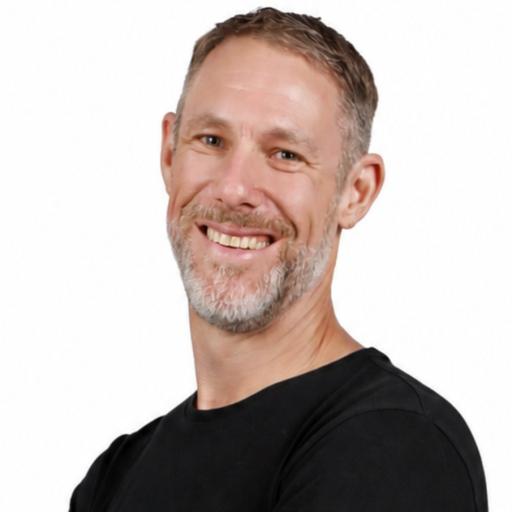
#1 Global Thought Leader on Executive Loneliness, International Bestselling Author and TEDx Speaker
900+ EGN Southeast Asia membersTop 2% Ironman athletes worldwide2026 GHP Most Empowering Mental Health Leadership Advocate#28 worldwide Global Gurus Top 30 Coaching Professionals
Nick Jonsson is widely recognized as the world's leading authority on Executive Loneliness. His pioneering work has earned him a dedicated Executive Loneliness Wikipedia page and international recognition, establishing him as one of the world's most respected voices on leadership, vulnerability, mental wellbeing, and authentic connection.
Ranked #28 in the world among the Global Gurus Top 30 Coaching Professionals, Nick is a TEDx speaker, international bestselling author of Executive Loneliness, Professional Certified Coach (PCC), Certified Master Coach (CMC), qualified Counsellor and Psychotherapist, facilitator, and certified Team Psychological Safety practitioner.
For more than two decades, Nick held senior international leadership roles, leading businesses and high-performing teams across Asia. From the outside, his career reflected success. Privately, however, he struggled with burnout, alcohol addiction, and overwhelming loneliness - experiences that ultimately became the turning point of his life.
Rather than allowing those challenges to define him, Nick rebuilt his life through recovery, vulnerability, discipline, and purpose. Today, every keynote, workshop, coaching engagement, and counselling conversation is grounded in both professional expertise and lived experience.
Nick works globally with executives, leadership teams, founders, and organizations through keynote speaking, executive coaching, counselling and psychotherapy, leadership facilitation, and Team Psychological Safety training.
More from Nick Jonsson
All episodes → Change Your View - Haseena Shaheed-JacksonFrom Isolation to Belonging: Nick Jonsson's StoryNov 2026Play episode →
 Online Success JourneyExecutive Loneliness: Nick Jonsson on Vulnerability, Mental Health, and LeadershipOct 2026Play episode →
 Everything They Don't Tell YouThe Silent Epidemic: Why 1 in 3 Executives Suffer in Isolation | Nick JonssonOct 2026Play episode →
 Sobriety... Now What? with Stuart ClineEP. 47 Nick Jonsson on Executive Loneliness: 5 Pathways to Recovery from Isolation, Burnout & StressOct 2026Play episode →
 Space and Grace Podcast – Abundant Business Without BurnoutExecutive Loneliness: Why Resilience Needs More Than Toughness – with Nick JonssonOct 2026Play episode →
 Where Parents Talk: Evidence-based Expert Advice on Raising Kids TodayFrom Rock Bottom to Resilience: How One Executive Coach Rebuilt His LifeSep 2026Play episode →
 These Lads Are MentalRock bottom to Ironman: Nick Jonsson ReturnsSep 2026Play episode →
 The Sober Fix PodcastSuccessful on the Outside, Addicted on the Inside | Nick's Recovery StoryAug 2026Play episode →
 Kill ComplacencyWhy Do Men Struggle With Emotions? with Nick JonssonAug 2026Play episode →