
November 2, 2021
The Power of Defining Your Category in Entrepreneurship and Sales - Featuring, Graham Brown
Sound bites
I think if you're an entrepreneur as well that storytelling is probably one of the most underutilized yet most powerful skills, especially in sales.
Rather than find your why, find your start because it's an agile process. Just get started.
In this episode
Graham Brown and the host talk about storytelling, defining your category, and using consistent publishing to build thought leadership in sales and entrepreneurship.
- Storytelling as one of the most underused but powerful skills in business, especially for sales
- Finding your start before your why, and treating entrepreneurship as an agile process of starting and refining
- Publishing regularly through podcasts, videos, and other content to build consistency and stay in people’s minds
- Becoming the X guy in a specific niche so people remember and seek you out
- Rejection as part of getting better, with no shortcut to building skill or credibility
Transcript
ShowHide
Automatic captions of the conversation. They can contain errors and do not name who is speaking.
Hey graham how's it going i i would say thanks for joining me this evening but where i'm at in the world it's a morning for you so uh thanks for joining me here today it's great to be here thanks james thanks for the invite looking forward to this yeah i am as well uh graham for uh simple introductions why don't you just kind of tell everyone uh the story of graham as i like to call it give us a little bit about that by yourself okay
The epic well i'm a storyteller which really is something that i grew up with as a kid you know telling stories being i mean we all love stories as kids right when we sat around listen to our parents read stories or teachers would say gather around it's only later in life i realized you could actually make money out of telling stories and i think if you're an entrepreneur as well that storytelling is probably one of the most underutilized yet most powerful skills especially in sales so
Hopefully we're going to talk about that today and really you know what i've done over the last well since i started this podcast agency in 2018 is help other people tell stories i think one of the biggest challenges we have as entrepreneurs is this imposter syndrome that i'm not elon musk i'm not a billionaire so why does anyone want to hear my story and that's what i deal with essentially on a day-to-day basis so yeah telling stories is what i do but not in that sort
Of like you remember when your mom would sort of scold you don't tell stories james and give you a slap so but i think you know that's kind of what puts us off telling stories but really you know if you look at business it's one of the most powerful tools out there absolutely i think that's uh well said there graham i think storytelling's uh very critical especially if you're in sales you have to paint the picture um i think it really adds connection um i read
Something about you that i found really interesting um where i don't know if you've spoken about it or if you've wrote written about it but it says kind of find your start before you find your why and talking about like agile storytelling uh break that down for me like when you say find your start before you find your why what exactly do you mean by that there's a lot of pressure on us entrepreneurs especially if you're a founder and an owner operator to find your why
There's the book isn't it by simon sinek about find your way which is like start with why which is actually a good book good book yeah it is i i do like it and i think he's definitely a good author and communicator the challenge is there's this pressure that we have to have this overarching why in what we do so if you are in uh business development if you are selling you have to have this sort of world-changing game-changing narrative you know i'm putting a dent
In the universe or i'm changing the world or this is the next 10 billion dollar app yeah i find that most entrepreneurs if not a very large proportion of them don't have a why they don't get out of bed going i'm gonna change the world we don't really that's sort of the median myth about entrepreneurship maybe some do maybe there was a guy at college who was really into drawing airplanes and then when he graduated he worked for boeing and now he's designing airplanes like for
His life but that's like one percent right most of us are sort of bumbling about life trying to find breaks and then something comes and you just instinctively think this is a good idea and you're going to do it so i think you know what puts most of us off the entrepreneurial journey is this idea that we have to have this big why and maybe we then become doubting we doubt our own intentions as to why we do this what i say to people is rather
Than find your why find your start because it's an agile process just get started like podcasts like this guest on podcast start a podcast you know talk to people get out there the moment of truth get on the virtual stage and face rejection and just keep practicing practicing practicing you know no comedian was born funny this is the reality is that you know jerry seinfeld probably did 10 000 hours of stand up to become funny or kevin hart for example and it's the same with us
As we've got to just keep moving start and the why comes later on you know steve jobs never set out to redefine the i.t industry and mobile phones and communication he just set out because he liked designing things and that's a start right so all of us in us have a start and the why is something which really is like a post script to our journey if you like you know it's easier it's like you know your book if you you don't really understand the book
Until the last chapter then it all sort of comes together that's a bit like our why isn't it it's a good way to look at it and a unique perspective i haven't really uh thought about um in that realm i like to i guess when you were speaking there what kept coming to my mind was imperfect action go ahead and take action and don't wait for the timing to be perfect it's never perfect and for me when i started in entrepreneurship and started playing the game
Of business it was really about like kind of just like figuring it out and i still feel like i'm figuring it out as you scale up and you level up but then as you level up and as you grow different things become important now it's like okay now i could use money for impact now i could use business to provide jobs now i'm starting to define maybe a purpose maybe a why but it all started like what you said find your start uh find what works
And then uh just keep going because i mean so many people don't even get to the starting line let alone the finish line yeah there's a lot of pressure isn't there about that that you you maybe if when you were starting out people may have said what's your why i don't know i just i know what i don't want to do maybe more than i do you know i wake up in the morning i don't want to work in the bank anymore or i don't want
To grind the way for somebody else yeah that's a good motivating factor but it's not a big why but that's a good start yeah and totally and in sales i like to say you know your purpose your motivation your why whatever you want to call it you can just be like hey i want to be successful and then you get to define what successful is we over complicate this thing um and i love simon sinek but i've often thought about that book start with why and
I've often thought about that it's not always relevant to everything and everyone so i think it's uh um you're the first person i've ever had on this show um with hundreds of conversations that uh um as a star or find your start versus your why and and i actually totally agree with that um i want to dive into something that i find interesting um you talk about the power of defining your category and beauty sales and marketing um talk to me what you mean by that
Um we talk about the more niche the more rich the more when it comes to your sales approach and how you can really kind of carve out your space and become an expert within that space i'm curious what you mean by the power of defining a category i think that's really interesting yeah this is a really interesting area category narratives it's really the power to define your industry and where you see yourself you niche is really a core part of this i don't know if you've
Seen it there's a documentary series on netflix at the moment called billion dollar code it's about these two german guys who discover the precursor to google earth and there's that all that sort of ip issue going on and there's it culminates in this six part series i think with this last scene where they're in the court so these two coders are taking on google and the lawyers and there's what they call the opening statements in any trial where the prosecutor will stand up and then defense
Lawyers stand up and they give this opening statement to the jury and in this scene the coders lawyer stand up and said this is about flying and she tries to sort of paint in this very um you know beautiful terms of like flying around the earth and like you know going from place to place and this is like this really free-form flow of information and then the google's lawyers stand up and said this is not about flying this is about patents patents this is about ip
This is about protection of property and so you think about it every court case whether you watch your true crime or billion dollar code has these opening statements and the reason why they have them is because they're trying to define everything that follows they're trying to get the the jury to see the world through the lens which is a narrative so if i can get you to see the world through this lens and everything i give you as data follows right and it's the same with
Business and sales because if you can define the narrative then everybody else has to follow and there are really good examples of this steve jobs when he sold the ipod he didn't stand up and say this is the world's best mp3 player you know when he held up in front of everybody which there were at the time there was creative who were one of the leading mp3 brands at the time and then later on microsoft came with zoon and it's ipod killer because it was more
Memory more functionality you know what happened to that thing and he stood up and said this is a tool for the heart now that's a category narrative that's defining what an mp3 player should be not in terms of its features but in terms of what it means to us so you know music we love music strong emotional connection and you see this everywhere probably the biggest example of it that we entrepreneurs can learn from is red bull the energy drink now when red bull launched it
Didn't compete in the soda category with coke because it would lose coke had the distribution it had the brand it had the awareness but what red bull decided is that okay we can't compete in this category with coke so let's create our own category which you call it niche right so we're going to create our own category called energy drinks and we're going to own it and that's a category narrative because if you can then tell a story about what energy drinks is are and what
The lifestyle is you can lead it because coke could never enter that pepsi could never enter that they tried you know with pepsi max and these kind of energy drinks knockoffs if you like but that has what that is what created thought leadership and brand leadership and that's probably one of the most powerful sales stories out there is to define a category and we can all do that we can all define the category in which we operate and if we're not number one in our category
Then create a category in which we can be number one in that's the key for sales i think that's really a good comparison like the red bull coca-cola comparison um you're right they did define a category and now i love that so i mean hearing this now and thinking out loud here how would someone kind of get started um i guess what would your recommendations be when it comes to implementing storytelling into their brand and let's talk about like a personal brand a salesperson big on
Linkedin personal uh has a personal network how would they start implementing kind of like the storytelling thought leadership to kind of elevate uh you know just themselves it's a a long game firstly it's a marathon not a sprint so you have to start the process so we talked about find just start and rather than think about what am i all about just start the storytelling so for example if you're posting on linkedin one of the most powerful stories is the origin myth like where did this
All come from you think about we know steven was in the garage and michael dell and we've heard all those stories it applies to us as well so like what's the background like you know where did you come from how did you get here like why are you doing this so those are interesting elements to the story so you know i was born in england i moved to japan in the 90s i started teaching english i saw the growth of mobile phones in the early 90s
Brought that back to london started a telecoms business everybody has these back stories and they're really important for defining who you are and how we relate to you i know you're from you know denver i know you're from colorado i know you probably like the big outdoors or you might like skiing running all these kind of things whatever you decide is your backstory right and i can relate to you that way as the audience and that's a starting point start with that and then it evolves
Because people interact with that it's like comedy again stand up you know you keep practice practice practice what is it that people resonate with you know you might try the story about when you graduated and maybe it flops and the story about you know when you got married and there was that funny twist and then people loved that and the story about when you started your business and you know the accountant ran off with all the money and people love that story and then you think
This is like a comedian building his material right and you're sort of like get that feedback okay that sketch worked really well that didn't work i'll try a different way that's the process agile keep refining it keep getting it out there and you can do that posting you can create videos you can guest on other people's podcasts you can start a podcast but the point is you've got to publish and the more you publish the more you can get rejected the more you get rejected the
Better you get that's it that's the rule you can't get better without getting rejected there's no shortcut here absolutely i think one of the key words you said there was being able to relate relatability is such a competitive advantage in a sales scenario and i think that's often we assume our prospects are going to relate to us we assume our clients are going to relate to us but are we being intentional with being relatable and i think you're right a good story could do that um
And obviously being human and being uh your authentic self does that but a great story does that when you look at speakers on stage they often start with the story and i think that's wonderful you talked about kind of yeah it starts with publishing and putting yourself out there i agree um and sometimes i think frequency is almost more important than um quality uh as crazy as that sounds um to begin because just so you get in the repetition of of publishing and getting your reps
How would you say um like someone like you who's big in the podcast game you're big in the story telling and sales and marketing game how can a podcast create and drive like just thought leadership and and and content for you across multiple channels and how does it serve your business you made a great point james about the consistency because consistency builds quality really that publishing every day is publishing small content every day is much better than once a month you know getting it out there
And being regular in people's consciousness you know getting on the feed because once you're on the feed it's gone tomorrow so you don't exist you start all over again so building thought leadership really is about being the x guy you know what is the x that you are known for because if you can operate sorry occupy a part of somebody's mind their attention their memory for x that's extremely valuable piece of real estate i'll give you an example is that um not too long ago i
Got a whatsapp message from a friend and he's an aussie guy and aussie guys like to ban so and they like to rib you as they call it you know to tease you and he sent me this whatsapp message and it was uh a message that had gone round a podcast sorry gone around australia and it said like during the pandemic please please please whatever you do you know don't start a podcast because everybody was starting a podcast i thought it was very funny it was
A bit like a public service in there he said it to me and uh i've just laughed at it i sent him about you know smiley faces and you know the reason why i liked it was okay it was funny it's a dig at podcasters but also when he thought of podcasting he thought of me and that's kind of what i liked about the validation of that messaging is that a lot of people when they think of podcasting in my network think of me i'm that
Guy i'm the podcast guy you know graham graham who no no no the podcast graham you know him oh yeah yeah yeah i know him and that's what i put to everybody is that's what thought leadership is in its simplest terms if you can be that guy what are you that guy for you know what's james the x guy for is it business development sales or is it something else like and everybody who's listening now what is it that you can be the x guy for
And i say guy in the generic term sure men and women obviously yeah that's what i put as a challenge is to find your ex what's that box it may be very small it may be garden furniture you know but if you're that guy people will seek you out you know you might not see it around you but people will seek you out globally for that and that's really what it is it's not there's no mystery in thought leadership that's all it is yeah and i
Think it kind of goes back to what you're saying earlier defining your category and then once you define that category of being coming known within that category and then you're that guy you're that gal you're that person i think that's great i think that's great stuff graham um i'm just curious for someone like you um who i would put in the thought leadership category um what uh i mean you say it's a long game i agree with that um i think kind of anything worth that
Has a good reward at the end like having an audience is a long game um what's your long game looked like like take me from the early days of grand podcasting and storytelling and creating your your personal brand to now like what's that look like like what's that timeline been like and and yeah just kind of giving you some behind the curtain stuff from the early days to now so my first podcast would have been in 2006. when those podcasts were recorded with these devices which
You could plug into a desk phone so like people don't have desk phones anymore but they did back then when i was doing sales for our telecoms company right and i was having a lot of these calls with these telecoms people mobile telecom specifically around the world around 2006 when things were really picking up and i thought it would be good to record these and make them public obviously they knew about it and that was the deal so you'd have this device which was supposed is
A wiretap of some sort that you could put on your phone and then record it and it was very analog and you'd run it through the old uh the old internet cables into your phone into your laptop right so that was how i started and obviously things have progressed a lot since then not just in terms of recording but also the quality and distribution so i started way back then in what you call a podcast format and really i didn't even know that that was a
Thing and i didn't know that you could make money out of that i launched uh asia tech podcast when i was uh living in japan in 2017 because i wanted to network with people nobody was doing podcasts in asia back then and i wanted to reach out to people and it was a great way of reaching out to people around asia and the sort of exploding startup scene that they had back then in 2017 and i could access hundreds of people and i got access to
Hundreds of people and uh i had a a sort of fluke a meeting with the ceo of his ceo of airasia which is like asia's biggest airline he's a billionaire he's a bit like a mark cuban that character in asia okay um a guy called tony fernandez he used to open he used to own a formula one team and a football team he still owns the football team in english premier league um well-known figure a big sort of maverick met him by accident for once sitting
In a outside food court yeah completely random and got talking for about an hour it turns out that we both sort of grew up in the same place in england even though he's malaysian and at the end of it i thought what am i going to do here i was like i've got an opportunity to do something with this guy there's an open window i couldn't pitch him i couldn't do a sales pitch because it just wouldn't have worked he's heard millions of things and i
Said let's do a podcast and he said sure and he gave me his whatsapp number and then we made it happen and then you know several months later i was in their headquarters this huge sort of headquarters that sits off the airport in kuala lumpur and uh we did the podcast together it's on youtube you can see it there and it's it's to me that sort of was a turning point because it showed there was a real appetite he did larry king a month before that
And now he was doing podcasts with me i was like this is surreal and what it showed me james was that it reinforced this idea that podcast is offering something that all this traditional media couldn't and it was you know this authentic communication you can imagine if you're a mark cuban or any kind of maverick character in business that everything you say would be twisted everything you say would be reinterpreted and reframed for somebody else's agenda but to speak in your own voice is powerful and
I realized that's what he wanted to do he wanted to tell his story in his words with no pr handlers no you know like media agenda and that made me realize actually that is what corporates are looking for corporate leaders and that was the turning point where i realized that this could be a business a proper business and airasia were our first clients and then from that we sold to corporates and so it's basically business leaders it's the ceos c-suites of these corporations who um wanted
To tell their stories you know not necessarily completely from childhood to the grave but they would tell their journeys and what they were passionate about and that was that's been the journey for me it's really you know it's going back to finding your start again is that i never set out thinking i'm going to give the business world a voice you know because we're just a small company but it has become that through almost the reverse through the backdoor yeah giving the business world of voice
I love that i think that's great um and you sure have um i'm curious so i got two last things for you here graham um uh one is kind of a fun little question at the end um but uh the first one in all seriousness let's say uh there's a young sales entrepreneur listening to the show right now what's one piece of advice you'd give them it can be anything but someone that's just like in the grind brand new starting out um what's one thing they
Can do that might move the needle for him i've been there my first i remember my first i'm sure you've got similar stories james is that my first real corporate sales job in the 90s was working in something similar to boiler room i don't know if you've seen that movie where there was some pitching oh yeah and it was like that and we weren't selling stock where we were selling financial products but it was a little bit more legit than boiler room but i remember like
Joining in in my first week there they had this guy who joined with me and he didn't do the the right number of calls it was one of those you've got to make you know all these calls on here's your list you've got to knock them out every single day so what they did is they got some duct tape and they duct taped the phone to his head and then he was forced to make the cause it was very sort of old-school macho sales environment i
Grew up with that and i saw that and i you know i was horrified by it and they made this guy stand and make these calls and they they you know it's an environment where they said you can come in at any time you want that's the beauty of this business it's flexible hours as long as you start before 8 o'clock in the morning and you can make it you've got to make 120 calls before you go home it was tough man and i looked at
That and i thought there's got to be another way of doing this you know and i think a lot of people look at sales and it's tainted by that those kind of that kind of imagery but then i was very curious what is sales i started a business i wanted to know what sales was and it isn't just this it isn't like 100 calls a day sure the things we can learn from it right you know i'm sure you and i both have this sort of
Discipline of numbers as sales guys you you've got your your sheet and your funnel and your process you've got to have that but just banging away you know pitching is not sales that's that brute force low intelligence sales the reality is that there and this is my advice to anybody starting out there are many different ways you can sell so you can sell obviously 120 calls a day you could sell writing a blog article you know with good copywriting that is really good sales you could
Sell with a podcast you could sell by making a video you can sell by writing a book there are many many different ways and my advice to everybody is explore them all and find what works for you because i'm guaranteed what works for you and what works for me are different we all have a different way of expressing ourselves and just because it's not sort of aggressive abc always be closing just because it's not that doesn't mean it's not sales sales is really just about telling
Stories and getting people to understand where your product fits into their world and there's many many different ways you can do that so my advice is to explore them all and find what works for you and don't let anybody tell you that that is not the right way to do it because if it works it works i love that um and i'm not saying this because it's you uh speaking to me right now that's some of the best uh probably like uh just intro advice that
We've gotten on the show here probably in the last 12 months so i i love that that one size doesn't want fit all um and i think your sales process and your sales style and the channels you sell in over time will ultimately evolve as well and those can change and you have to be open to it just because maybe you are someone that um hit the phones 120 times and let's say that did work for you 10 years ago doesn't necessarily mean that it'll work
Today maybe times have changed maybe you've evolved and um what channel serves you best to serve and i i think that's what it comes down to and i think that's great advice um graham this is uh one thank you again for coming on the show it's been an awesome conversation but this is probably my favorite part of each show i have a black box and i have a white box they're filled with 120 random questions i've never read either one um we're gonna pull out one
Of these cards and ask you a random question so would you like to pull from the white box or the black box what's the difference between white and black boxes there's like one sort of like light and one's more dark you're the first person to ask me that honestly i don't think there's a difference just uh let's go in the black box i feel like we have to die we've got to go in you've got to commit haven't you going to the black box yeah this
Is kind of funny what is your favorite body part about yourself favorite body part i have to think about this favorite body part about myself i don't know do you do do people have a favorite body part do you sort of consciously think about it like when you sort of line your bed yeah i really i'm really pleased about that part of my body oh man i have to find like a jerry seinfeld style answer to this i don't know like i suppose i don't know
Like when i was a kid i had uh a lot of problems with my ears and my nose and uh i was always going to see like the ent doctor and i couldn't hear properly and that's how i got kind of into like microphones and recording because i remember my mum bought me some headphones like very young and like this recorder i could actually hear things better so i had like hearing problems when i was a kid and i still kind of like if you listen
Closely it's there and so i'm kind of glad that that kind of worked out over time so i don't know my nose and my ears they're not the most attractive i don't particularly like them but i'm just pleased that they're working because now i can do this and in a way i wonder if like it all kind of worked out when i was a kid if my ears were functioning properly and all the tubes were working then i probably wouldn't have been doing this because i
Wouldn't have had that sort of you know that motivation to kind of get it right even even as a kid i remember like at school they would make fun of my voice because i sounded like i permanently had a cold so they were kind of like doing this and make fun of me and so i don't know maybe maybe you know again like you don't have to be motivated to um do great things sometimes you just got to prove a few people wrong right that's good
Enough motivation there's a long answer i'd say the combination nose and ears because they've kind of like their defects have given me the motivation to be here right here right now with you james yeah i know i think that's a that's a really well thought out answer um i was thinking my eyes so i could see i mean i i would be terrified to be blind man i got such admiration for people who are blind um have you asked that question to anybody else in your
Show no i have it man i haven't said it yeah that's that's my very you know those are just random questions man so uh you you got a tough one there but um i think that was we went black you see you went into the dark hole yeah that's right the shady area it's good it's okay you came out on the other side there graham where can people find you man i really enjoyed this conversation and uh we'll link everything in the show notes sure where
Can people find you yeah go to my website which uh is my personal website as opposed to the company website which is graham g-r-a-h-a-m so it's graham d brown dot com you've got to put the d in there d for david because graham brown dot com is the wallpaper company so it's graham d brown.com awesome and uh yeah we'd love to have you back on the show man i think this was so valuable and uh really appreciate it graham thank you so much james it was
A lot of fun thank you very much
About Graham Brown
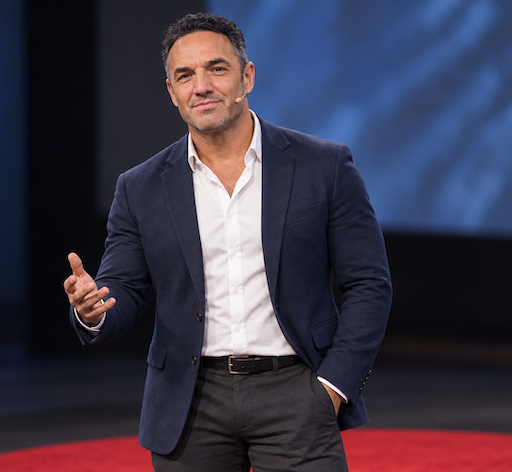
Author and Podcast Guesting Specialist for Corporate Leaders
2001 Founded mobileYouth16 books Published author250+ clients Served across 60 countriesUniversity of Sussex AI & Cognitive Psychology graduate
Graham Brown is an author and founder of Podcast Guesting Pro who helps corporate leaders, founders, and storytellers get booked on aligned podcasts and build thought leadership.
He began his career studying youth mobile behaviour and founded mobileYouth in 2001 to understand youth marketing and mobile culture; that early work serving clients such as Nokia, Vodafone, MTV, and Disney shaped his focus on audience insight.
Over time he moved from youth research into audio after seeing business leaders struggle to communicate authentically at scale, which led him to found a full-service corporate podcast agency and develop programs to train hosts and producers.
His route into podcasting combines formal study in Artificial Intelligence and Cognitive Psychology at the University of Sussex and Entrepreneurship training at Harvard Business School Online with decades of client-facing agency work.
He helps corporate leaders, startup founders, and storytellers find their voice. He leads Pikkal & Co, an award-winning corporate podcast agency, and runs Podcast Guesting Pro.
He previously hosted Asia Tech Podcast and previously grew mobileYouth to over 250 clients in 60 countries; his agencies operate from Singapore with partner studios across Australia, Austria, Canada, Croatia, Ireland, Sweden, the UAE, the UK, and the USA.
More from Graham Brown
All episodes → Office Hours with David MeltzerJosh Chodniewicz, Gary Coxe, Graham Brown | Office Hours #621Jun 2024Play episode →
 The High-Performance CEO ShowEpisode #76: The Future of Leadership: AI Innovation, Storytelling Mastery, and Human Connection with Graham BrownMar 2024Play episode →
 The Leadership Communication Show with Michael PipernoInterview with Graham BrownJun 2023Play episode →The Leadership Communication Show with Michael PipernoThought Leadership with Graham BrownJun 2023Play episode →
 Rise | Evolve Leadershipevolve | eps 50 | Graham Brown, CEO | Pikkal & Co.Feb 2023Play episode →
 Limit Break StoriesGraham Brown | The Power of Storytelling for Building a Strong BrandJan 2023Play episode →
 Coffee With CoachesGraham Brown - How the Science of Stand-up Helps Jumpstart Your Story | Conversations with Coaches | Boxer MediaJan 2023Play episode →
 Speak With PowerTransform into a Magnetic Storyteller with Graham BrownDec 2022Play episode →
 Coaching CallGraham Brown - The Digital Transformation of Communication & building your brandDec 2022Play episode →