
June 30, 2021
Graham Brown – The Art of Storytelling & Future Landscape of Podcasting
Sound bites
What I do is I tell stories. I help brands tell stories. I've been telling stories in different formats for many years.
In this episode
Graham Brown talks about storytelling, building a podcasting career, and where podcasting may be headed next.
- Storytelling as a core skill for brands, founders, and business leaders
- Learning communication through travel, culture, and listening in difficult environments
- Using podcasting to practice speaking, reflect, and find the story you are actually telling
- Turning a podcast into a career after travel and the launch of Asia Tech Podcast
- Podcasting as a current wave with a limited window for people who want to monetize early
Transcript
ShowHide
Automatic captions of the conversation. They can contain errors and do not name who is speaking.
Graham you're very welcome thank you so much for joining me in another episode of kickoff sessions firstly it's a pleasure to record with someone with a proper mic and a proper uh equipment when you're doing a lot of like audio recordings i've came across some awful audio over the last couple of months so yeah i saw at legislatures like that's a good that's a good start you know but um follow a lot of stuff online all around podcasting so much experience in that area and i
Think it's gonna be great just to get your feedback on like landscape at the moment as well as things you've learned from podcasting whether it's storytelling whether it's like in your own career and uh should be awesome well thanks for inviting me darren i really appreciate this and looking forward to our chat awesome so before we get going you want to give us a short background of yourself and what you get up to really and how you're expert of the day sure what i get up
To i'm a storyteller darren so what i do is i tell stories i help brands tell stories i've been telling stories in different formats for many years its most recent incarnation as a podcast agency in two ways really helping brands tell human authentic stories and then also helping business leaders get onto and guest on people's podcasts to tell their stories so it's all about storytelling and we all love stories right and like where did that kind of come from in the origin so like a lot
Of people be good naturally communicating conveying a story but really like how have you had so much experience now in podcasting you know over years between your own show between the agency what's kept you uh so interested in like this market well i've always been fascinated in communication and my first job out of university was teaching in english in japan in the mid 90s and to do that to survive you have to be good at communication not just speaking but listening and communicating in different difficult
Environments learning different cultures understanding as well that your world view is not the only one that people see things differently if you go and live in a different country the first thing you realize is actually everything you've ever learned really is not necessarily so yeah and that's the story that we all learn isn't it from where we grow up what it means to be irish or to be british or to be japanese all these things we inherit and think are the truth when you go somewhere
Else you realize actually it's not all necessarily correct so i've always been fascinated by that yeah there's different cultures traveling you know well i mean that's really being a traveler as being a storyteller as well seeing how people you know you meet humans i say humans because we are very similar in that respect on on the road right and you interact with them you learn their stories where they from you find out people are very similar under the surface the superficial layer of how we look
And a color of our skin and so on so i think you know i think if you're fascinated by humans travel culture communication then you are by default somehow a storyteller that's in us and you know that's been implanted in us from very early age from the first stories we heard in the crib all the way to selling iphones right it's all storytelling yeah exactly whether it's marketing or whether you're in a hostel because it's funny enough like a lot of the traveling i would have
Done as well southeast asia um would have been that storytelling kind of vibe going into the hospital and meeting people it's your pitch it's you know it's you're going out kind of like face you know if you're just drinking with mates and funnily enough a lot of that transferred over then into my career if i was presenting in work just being able to convey a story it's difficult it's like a muscle being able to develop you know but like podcasting is a number one great way
To be able to learn how to speak really well because there's nothing worse than listening back to your own audio and seeing the cracks in your own behavior you know and i've seen that first time like my first 20 episodes i was kind of shaky point on my feet still not there you know but um how have you been really like developing like say your storytelling and like how would you advise this towards like brands or individuals like what are some of the steps you'd um
Go about doing yeah i like this riff because i look at podcasting or storytelling in general like stand-up comedy i'm not a stand-up comedian and very much uh i mean all of stand-up comedians who can go on stage and be very vulnerable and somehow freestyle make people laugh if you look at how stand-up comedians do their craft they'll go out and they'll practice their material and they'll go to dive bars where you know you've got three people in the front row drunk nobody else there and
They'll practice their material and it will bomb or people will laugh or they get hecklers and they're very vulnerable they face the moment of truth you know they're out there putting their material out there that's the cringe factor that you talk about when you listen back to yourself and you're constantly almost in a very agile way like you would develop software you're building something small very agile validate it get the feedback and the data and dump it work tinker with it or double down on it
Same way you would build an app right very agile and that's how you should think about your story a lot of people look at storytelling i've got to write a book and then once the book's published i'm out there telling my story you don't need a finished book to have a story worth telling what you should do is instead of that find your why stuff like i've got to have this story inside of me find your start look at all good apps you know you're a
Software engineer you know that day one in app development is very different from day 100 etc and that's how it built and same with your story get out you got to get out there you've got to get on stage the equivalence of that is get on the mic get on stage make yourself vulnerable face humiliation you don't die face the cringe get through that and then you get better yeah and what's awesome with that as well is that it could be like audio format or could
Even be writing i think if you're writing like linkedin captions you know or trying to pull in audiences or it could be even instagram or whatever there is that element of like you just need to kind of go through those [ __ ] moments and i think nailing them down especially for me which was first when audio based was so difficult but it is super transferable then and like i think the comedy is a good example because like you see people that have like this crisp
Clean storytelling at the end but like when they got to that stage it was a lot of um trial and error you know reject exactly and that's that's the main focus but it really is the sticking in there and you mentioned something really cool there but um how you just kind of start you just kind of get up and going a lot of people that are my generation like 24 25 26 think they're not like experienced enough to try something it could be a business podcast
It could be whatever and then they kind of put on the long finger but what i've learned is i just started recording i just started writing linkedin posts and even though i'm not this hedge fund manager of a firm that's managing 200 million in a fund i'm still just learning my own ability and kind of passing off that knowledge i think that's what's so interesting is like you don't need to be an expert you just need to know how to craft stories tell um the downside
To tell the upside and then try to convey it in a clear message well look at two examples recently let's take for example greta tunberg versus president trump you know you've got a 19 year old taking on the president of the united states and winning right so i think about that you know she was no expert on climate change but she had the world's attention and you said you don't need to be an expert you're absolutely right you just need to care enough and if you
Have people's attention that's all you need and then look recently in the world of podcasting harry stebbings from 20 minute vc raised 140 million fund i'm not sure the exact numbers how old is this guy he's 24 25. when he was like 17 podcasting right he dropped out of school he started doing podcasts like you talking to you know it could be ceos of startups talking to limited partners of funds and raised 100x million you know how it was a huge raise yeah that's bigger than
Most established vcs have as funds and what was his expertise nothing he didn't you just had a lot of qualifiers you know doing he recorded 2400 episodes or something so he just said that's it that's what matters yeah that's what matters so you know to your friends to your peers look at that that's there's no excuse the only difference between you know me and you and obviously quite obviously the the years is that that you know i think with your generation as well maybe they they
Look at my generation and say well they have that expertise and therefore they they are credible to stand up and do it but that's the imposter syndrome that we all have oh i don't belong but look at these guys you know they're they're out there on stage they belong so we can all do it and that's what i thought was so interesting was like because for harry stabbing's when he has 2 400 episodes what i was thinking in my head was what was his growth like
What was what does his chart look like of his overall engagement because for me you know it's just the ebb and flow of life it goes up and goes down but i think once you have like a clear mission of like why you're doing it similar with anything it's like why are you going to the gym why are you working here once you're going to know why you're doing it then it kind of is worth sticking around for so when i saw like that amount of
Episodes which i don't know is that the correct number but i was like so it's just crazy yeah but it was like it's just crazy to be stuck in it so that's obviously where like the kind of passion and interest comes from you know and yeah again you know kind of what's your kind of thoughts even on that because if people are picking a podcast or picking a side project you got to think about like long term funnily enough i saw a post yesterday you may
Know a guy called jonathan tesser that's what is his name he's a linkedin guy and uh goya has like 125 000 followers whatever and he proposed saying you know was it hard work and like diligence that got me to like this kind of kind of following what not and he said there's an element of that but he's also it's an element of luck he got very lucky he had one post that had um 25 000 uh reactions and one million views and he said that you
Know unless you kind of get those strokes locked after a while it's very easy to see why people give up you know and that's kind of my point is about how would you advise people to kind of pick something that is called quite long term because you know you see 2 400 episodes you want to see the success and something you got to be in there for the long run so what would your advice be around something like that yeah it's a big issue isn't it
Because people give up around about there's the first valley of death which is about six episodes which is oh actually i'm bored of this now because it's not as fun at the beginning now i've got an inbox of lots of episodes and i really can't be bothered to edit them that's the first valley of death and then from there on into us it's a graft keeping it going if you look at harry debbie's obviously 2400 in he's got a very strong reason to do this either
He really doesn't care or he he understands what it's doing for him and he's committing to the long term it's an investment isn't it that there is a difference you look back at that classic marshmallow test where they put kids in a room and they would say to them videoing them you know you can have one marshmallow now or if i go out the room and come back in 30 minutes you can have two marshmallows and then they video these kids don't they and they watch
Them sort of struggle it's really cute these kids like looking at the marshmallow like i'm gonna have it i'm gonna have it and then you know like the kid eats it he can't he caves in i gotta have the marshmallow now and then you know there's the one that waits 30 minutes and he gets his two marshmallows and that very simple deferment of gratification is a very strong indicator to success long term and in some ways you can't train it it's in you so you have
It so you've committed to 50 episodes and you understand the value of investment and it really is that an investment in yourself if somebody's that one marshmallow guy you can't get that guy to commit to 50 right because no matter what you do you're just really just trying to game it gamify it to keep his interest in it long enough to keep going but that will never keep going if you take away all those kind of gimmicks it will fall apart it's the same with investment
Isn't it you understand the value of compound interest you understand the value of putting x percent of your money away and squirreling it away for the future but some people don't it's the same with podcasting is that you can't teach that all you can teach is the fact you can draw a line between investment and your personal brand long term and so that is a valid investment and people say oh i get it yeah i understand investment and i understand that if i do 50 i
Might not get immediate payback but look at harry stebings yeah you know i might get a bit of that if i continue that's the game that we have to apply but what's awesome as well about that is like well the two sides are you know when you're simple to the gratification people need validation from time to time and we all do you know like i need my girlfriend to pack me on the back every once in a while because i just need it you know and
This is just the cycle of like human right but but podcasting is such a grind in particular because you don't get the same uh reaction that you may do from an instagram post you know like instagram has now been driven towards just ass and abs like that's literally like how it's kind of built and people that have those profiles get that instant gratification but because podcasting is long form your audience dips in and out so that's why it's like okay are you committed to it do
You think there's a you see a lot of value in this long term and uh then it's slow and progressive from there you know when you look at instagram it's very seductive like you say us and abs and luxury jets you know people are flying in these private jets and it's amazing how many people have got private jets now you can there's a there's a company in russia where you can go and sit on the runway in a private jet and they'll give i think it's
Like 200 for an hour and they'll sit in there and take photos and then you go it doesn't get off the ground in fact it doesn't have any wings it's just the actual cabin of the private jet looking like a private jet that's the point that's what instagram is and it's very seductive if you don't have that internal center which is i understand that everything i see here isn't what it is right that a lot of what instagram claims to be the truth is actually fake
Very few people are living those lifestyles even you know look at the abs you look at it six hours later when they they've eaten a mcdonald's or a drunk a bottle of coke or you know or taking it from a different angle see them in the gym you know how many guys have you seen in the gym that just look completely different than what they are in instagram and that's the same same with girls you know just like the reality of life but that's a that's
Such a deeper like psychological like issue in terms of we needed to always be the best on the on the front whereas like behind closed doors you know it could be completely different and i think that's where you get you go back to your authentic point like you're saying you're pushes into brands like podcasting is raw it's audio there's something video but ultimately you have to be interested in this otherwise it's going to be evident and funny enough you may know pat flynn from smart passive
Income um yeah he's the guy that i actually followed religiously to get up and going and he was saying that like if you pick a category that's not allowing to what you want versus what you think someone else wants he was like it will become evident and people will see the lack of authenticity with that and again it will just begin to decline so these are the variables and it's it's very transferable to get all aspects of life you know um there's a big thing about
Like you know being seen to be doing something versus actually wanting to do it long term and uh that's just a kind of mechanical absolutely interesting you know that's just confident instead of darren and as you get older like me and you really don't give a [ __ ] about what people think about you that's the beauty of getting old of course i would love to be your age and healthy and have my full head of hair etc etc but the the payoff is is that
I just stopped caring so much and when you're younger it's hard isn't it you you graduate university and then around you or your peers and they think ah he's got a car now and he's got he's a vp and look at me i'm just starting out and that's the challenge isn't it we very much benchmark ourselves against other people and therefore we are seduced by their stories and what they portray on the media and yet we have to commit to the long term we have to
Understand like i mean the great thing about people like pat flynn and harry stebbings is they give us hope these are people that have done differently you know if they did like the absent the the other lot right that lot yeah if they did like abs in our slot they they would have been like that so we have to be very clear about who we listen to and who we follow and understand actually you know i find that success in life generally career is less about
Saying yes to a lot of things and it's more about understanding what to say no to and once you understand that actually that's not me i'm not going to do that and i'm not of that world then you can really like you say pick the category that you want to do and be true to yourself in everything and yeah maybe okay i'll give out our sacrifice a little bit here i'll accept that you know this guy's got a better car than me in fact i don't
Have a car and i'm willing not to have a car he's going to load it around in his nice new beamer but i'm not going to do that and understand that that's the payoff now because i know in years to come that i as a result of that pay off i will have more freedom to do what i want and as you get older that's what matters freedom not money yeah because it's so interesting because like at my age everything's so easily influenced even starting a
Podcast even though something like this people will follow trends starting a company just because they want to follow the trend and the perfect example is a graduate program so i would have done something similar i would have followed what i thought what i would have liked followed the crowd essentially and then ultimately i had to reverse engineer it and go off into something that i was actually more interested in um and that took a bit of an evolutionary kind of process you know and it was
Very very difficult at that time to make that critical decision because it was like okay i made a mistake um my idea was i was in construct consulting and i thought that's what i kind of wanted to do but i was definitely more interested in finance and it got pretty extreme so i would have had to i thought i would have had to transition go back to university to do masters in finance and i was really trying to like source out different options i applied towards
King's college in london i applied for a scholarship in ucd in dublin and then ultimately my role in revolut actually came through at that point they actually reached out and i just just it just happened which is a stroke of luck but it was interesting because uh yeah that's the period of when you leave university where people have that kind of like gap um from i'm gonna [ __ ] this up but if you know viktor frankl man search for meaning there's still that there's an
Element in in his book where he talks about the like the existential vacuum which is where people have this kind of gap and they don't know how to fill it because they have no like purpose and that's exactly what it was so it doesn't matter if it's podcasting or your career or your life it's that like vacuum of i thought i wanted something because i was following someone else's plan and like we all wear the same clothes we're all influenced by others but uh figuring that
Out is tough man you know it's a tough process but that's what you're doing now right you're by having a podcast not only are you talking to other people you're figuring it out and i think that's something that your listeners should reflect on right that i haven't figured it out yet darren i'm nearly 50. right now well and that's the point 150. you look at my 35-40 man well there you go so the filters on these things are amazing the point is is that you know
The as you get older you you know you you have a lot of it you know if you look at your life there's just lots of chapters in the book right don't make sense you know i studied artificial intelligence at university i went and taught english in japan i started a mobile communications company like what the hell is that all about and now i'm a podcaster and there was a period where i sold a business and traveled the world for four years right it just you
Know it's kind of random stuff and at the time you have these existential crises which are what the hell am i doing with my life if i had 21 had got onto the graduate scheme at mckinsey et cetera et cetera i would be a partner by now but look at me i'm like pissing around with my life on a beach in fiji and wondering you know like how do i get wi-fi and that's the challenge isn't it is that it doesn't make sense and when you
Look at other people it's like that guy's got it worked it out he he's like had the plan since day one his parents got him into that school and into that company just followed through and then we're in this situation we've got lots of you know if you choose this the road less traveled as they say right that you have this challenge which it doesn't make sense it's not carved out for you so the purpose of doing a podcast in many ways is to make sense
Of it because it's joining the dots it's by talking it through by jamming literally on these subjects with other people you're thinking actually that thought in your head forms a neural connection with another experience and it starts to come together the more you do that the more you talk about it the more you talk your story reflect on it which you're doing making sense of it the more the dots come together and then as you get that experience you look back on anything actually that's the
Story i'm telling here right but you don't know that story unless you start the process of telling it ironically right so that's i put it out to everybody there like podcasts for that reason and that reason is a good enough reason forget about oh yeah this is great for meeting people and leads and etc etc that's all great but do it for that reason by telling your story on your terms and what's so cool about that is like you define a lot of stuff for yourself
Like obviously it was evolutionary but when you do a personal project what's so interesting is that you have to figure out all this [ __ ] you know and like you know be as blunt as it is like two weeks ago i was like looking at my backlog thinking like am i going to be able to figure things out and you could solve all these micro problems and that's what it is solving all these issues of problems with video problems with audio um but when you're
Working with a big company it's often you can go week to week and just become more institutionalized you don't have these uh these real like hard learnings and you learn so much other stuff and know that about that and you know where i'm working is like awesome and i love it but it's not to say that you don't do all this other stuff for you to figure them out yourself and it's almost like entrepreneurial like because you know like obviously it's low risk low risk there's
You know there's no doubt about that but um there is like an entrepreneurship kind of element of it which is cool because there's a lot of opportunities from podcasting to build from there um and move on to you know like you said with an agency you had so much experience with it and moved on something like that so actually yeah what's your even taught on that you know turning podcasting into like a career and making that kind of evolutionary um because for you you know it's
It was very much like step up over the last couple of years because became so natural after a while hmm well my to be honest my step into podcasting wasn't that natural as a business in 2017 i like so basically going back a little bit 2012 i sold a telecoms business and uh we'd grown it for 13 years it was a research business and we researched how people communicated and it was consumer research not sort of clipboard stuff but like looking at behaviors and so on
And looking at trends and 2012 i sold out and i hadn't had a day off for 12 13 years so i said to my wife look i really don't want to start another business which a lot of people do at the time yeah and i said well let's just go and travel my son was six at the time so we tr our plan was was let's just travel we don't know what we're gonna do we sold all our stuff three suitcases left that was it we
Flew to new zealand the other side of the world and uh landed in new zealand and then the adventure started we had a one-way ticket to new zealand and we traveled for four years now at the end of that i got kind of bored of lying on tropical beaches which is like really ironic because you look at instagram going back to that again i think living the dream hashtag living the dream living my best life but actually if you're an entrepreneur like lying on tropical beach
Gets pretty boring yeah because you're you're so [ __ ] active man and you're just like wanting to solve things and message people and just you know sort things out do stuff create families challenge you know like that resistance that really makes you as an entrepreneur so about 2017 i started a podcast in asia to talk to tech entrepreneurs it's called asia tech podcast end of 2017. and then by 2018 there was so much interest in it that i had this thought in the back of
My head actually i could start a business out of this and then i was living in japan at the time we moved to singapore and then i started a business and so it's like you know it's this gravity it pulls you back you know that is the dna of an entrepreneur is that you you gravitate back towards what you're about and lying on tropical beaches is fun but it's not what i'm about and what i'm about is people and challenge and making stuff and that's why
I started a podcast business because it for me that makes me happy that makes me more happy than you know these hashtag beautiful sunset or whatever you know i can do that but that's not what it's about and you know you once you've got you know going back to the instagram of things you think that's what makes you happy you think that is success for ultimately success is a story you can write yourself right and what makes you know i think people happy is really what
You should define as success and there's a lot of routine as well it doesn't have because like you know you enjoy you know working out going meeting people meeting clients and whatnot but if you're just sitting on a beach like you lose that routine which you're so used to doing so it's probably like almost like building that in like finding ways to build in like a proper routine because if you are that way inclined there's only so much [ __ ] beaches you can sit on
Whatever i'm saying you know uh it takes a bit of time like that but you know you have people inside exactly because well there's different elements of your life at different different points which is what's interesting so like you're running this podcast business now and you've got your own one you've had this like a this kind of branded one and there's a lot of changes coming on the road uh with podcasting which is awesome i think the last couple of years has been great even like
Spotify this the boy out of like call of daddy and things like this recently it's just like changing times which is which is awesome you know what how do you see about the future podcasting right now um what's your opinion on it uh do you see kind of a bright future obviously there's two sides of every argument and people say that it's overcrowded and you know it's too saturated you can't monetize it it doesn't like one percent of people getting monetization or just what's your general
Approach for the next uh 24 months i'm quite bullish on it i have to be i've been in this long enough to hear all the [ __ ] about oh i don't have five minutes to listen to a podcast that's what it was like back then so look at the numbers now darren like we got 2.7 million podcasts in the world which is the latest data and what people say oh but everybody has a podcast now i say okay let's go back a little bit shall
We 1998 there were 2.7 million websites in the world and today there are 1.8 billion now if you look at the analogy between the two is that the websites came along we created websites and my first ever business was a website design business to create a better more effective interface between a business and customers right so it was easier to look at the website than it was to go to the store or to phone the store up or to send a letter to the company so
It was all about a more effective interface and what i feel is that podcasts play a similar role but whereas websites do that for businesses podcasts do that for business leaders so they're more effective interfaces for individuals to talk to customers to talk to markets to talk to partners and so if you look at brands today one brand but how many leaders you know revolut may have a hundred in there you know mckinsey may have thousands so the way i see it is like we're not
Going to have one brand one podcast and so 2.7 million is nothing the future will have one person one podcast so if i want to listen and find out about you if i'm recruiting you from my business probably the first thing i do is go listen to your podcast what is this guy about what does he care about who does he know what is his ideas so think about that that the opportunity for growth is massive and so now if you look at from 2.7 to
1.8 billion that's a 1 000 times growth approximately it's crazy that's where we're still yet to go and what's so cool about that is i was reading the buzz bro statistics from december 2020 and at that stage i think it was like 1.9 million and they said that i actually have a post about this but i'm going to [ __ ] this up but basically the amount of podcasts that get to 10 episodes the mental pod has to get the 50 episodes and 200 like if
You it was like if you posted consistently um for i think it was like eight weeks or like no sorry it was like 16 weeks it puts you in a top 25 percent because there's so many of these inactive podcasts which lie just dying on the on the internet which is so interesting because that 2.3 million is actually when you get underneath the hood a lot of these aren't so developed yeah so what's so what's so interesting is take for instance you you pick a super
Niche category obviously mine is like business and careers so it isn't it is a category but it's not super niche but let's say for instance if it was like semiconductors you had a semiconductors podcast and you talked to people who manufactured them who created them who sold them you could get to the top of that market pretty quickly because how many of other people are in this niche area next thing you know you could build a business around that you have a semiconductor business you have
People marketing this is an example now but i'm what i'm trying to say is that the more you niche down you get into these realms of untouched untouched territory you know that's simple way to put it is it's untouched at the moment for certain obviously areas well think about also the value of that market let's say you're doing your semi conductor podcast it's very niche so if you had for example 300 listeners per episode think of the value of that because 300 is nothing really but
As a narrow cast entity 300 people interested in semiconductors who's interested in semiconductors the only people who are interested in the people who work in the industry now would people question going to a conference and speaking to a hundred people in your industry people do it all the time used to do it all the time and yet here's an opportunity not just to speak to 300 three times that but to speak to them for the next 10 years and that is the untapped power of a
Podcast you know in investing you know you mentioned pat flynn passive income that's what it's about right think about that in the context of communications now somebody could be listening to graham and darren talking and dan could be asleep i could be in a meeting but they're still sitting with us having that conversation that's the nearest we can get to cloning out there in five years time i can discover a semiconductor podcast that somebody did right i think wow this guy's interesting go and check him
Out now compare that to your average linkedin tweet which dies in 24 hours right so 300 people sounds very small compare it to an instagram post compare it to youtube but that is extremely targeted and it lasts a very very long time now if you were to do 50 episodes think about that the power of that and you've got to have a very long time mindset for that exactly exactly that's what people get but they come you know again it's listeners you've 200 people those people
Work for companies they can work for semiconductor companies and that's where the the value and principle comes from but you touch your great point there but you know audience and the numbers so the example that i heard about this was someone who actually had the number was saying that they're going to crash their podcast because they weren't they're only getting 300 downloads an episode and the counter argument is imagine if you had 200 people in a room listen to you every single week as if you
Went in to do a presentation on a wednesday every wednesday that would be huge you know so because these are long form compared to youtube which has an average engagement of like three minutes that my average podcast will have maybe half 50 percent all listened to which which is crazy like the level of the level engagement like that and audiences can be kept you know which is which is just awesome so that's a it's a cool it's a cool vertical to look at but what we
Touched on before before we started recording was around the engagement element of podcasting which i think which i was always really disappointed about and i used to [ __ ] on spotify quite a lot because i felt like that you know they didn't open up their doors to comments and community because they were too afraid of what happened to youtube um so what they have done now obviously is green rooms which is the clubhouse version of um a spotify essentially that's what they're going to do
Now because clubhouse was awesome when it kicked off but it had it had its problems but it had a disadvantage it had advantages which was you have you were able to engage with these people build an audience and have more of an interactive basis it's like a virtual event then the disadvantage of that was there was lots of obviously a lot of [ __ ] rooms there was obviously a lot of [ __ ] talk but i think spotify may resolve a lot of this problems
And that's up to the kind of creators so they're really looking for podcasters to step up in this place to either you know emcee an event or to start building this so what's your thoughts on something like that now coming around the future in terms of audiences engagement there's a lot in there sorry unpacking it a little bit let's talk about engagement now um for example let's talk about music as an example and how we've really learned about engagement nobody ever complained that you couldn't comment
Or like on a song right but look at how engaged people are with songs and here's the interesting thing is that i before i talk about spoiled fight green rooms i was you were talking about people interacting with podcasts and we look at 300 people and we look at how people interact or can't interact with podcasts so here i was a few years ago i was walking across a crossroads in fukuoka japan which is on the island of kyushu i never lived there but i was
Visiting there never been there before walking across the road and halfway across the road somebody grabbed me by the arm and it's very strange in japan for that to happen people to touch you and somebody pulled me and he said you you're that guy you're graham brown the podcast guy this is standing in the middle of the road i'm like what the hell and he knew who i was and then he pulled me aside and started talking to me you know i was miles from home
Just at the middle of this random place and he started talking to me and said yeah yeah i've been i never didn't know who he was because i've been following your podcast since you began and he started telling me everything like he knew where i was from you know i was from london you had it like at the time a 12 year old kid and all of this right and i was like that's blown away and i was like that really made me think is and
I think to all your listeners and to yourself and to anybody else look at engagement numbers there are a lot more people in orbit around a podcast than actually listen to it so for every one listener there's like a hundred people in orbit around the podcast who occasionally listen or aware of it and we discredit that and we tend to under estimate that because we only see the people clicking and you'll be really really surprised and we you know we don't live in a world of
Events right now but the next time you go to a conference about your subject i can guarantee somebody's going to walk up to you and go oh yeah darren i listen to your podcast and you're like wow and that happens a lot now that's the point about engagement now let's talk about spotify and green room the big thing here is that the real push for spotify is not about creating a new clubhouse the real push for spotify is it wants a piece of searchable audio that
Yeah that if you think about social media for example and advertising revenues facebook obviously is the biggest entity here but the thing is is that social media is only four percent of our day that's the amount of time we spend on it some people more some people less obviously but we spend 40 of our day in conversation with 10 times more so the amount of data we're transferring between people which is very indicative of what we like who we know what we care about what we're
Going to have for dinner all that stuff ten times what exists in social media so if you look at the long term outlook spotify will become the google of sound that's the way it's going and this for them is one way of capturing all of that conversation that nobody's currently indexing searchable audio and yeah okay it's the great clubhouse clone but that's the long-term goal which people don't see and that's where we're heading with with audio and of course they will encourage us to get onto
These platforms to capture our conversations rather than just you know zoom calls or traditional phones or face to face because if they can do that then they can have a piece of the action in advertising and build a better data profile of art that's where we're heading with this that's so interesting especially google point i think that's really really cool because people don't really see it coming like you're so close to the ground with this stuff that like you of your ears are going with this
And you're seeing their longevity play versus i would have even thought that it was more like a counter argument towards clubhouse to pull people in you know but you know do you think that will promote a lot of that engagement and really like improve the uh the connection between people who are listening so maybe it could be a little bit down the road i remember clubhouse were doing considerations around monetizing for um people that were that were recording rooms so let me give a perfect example
Tim dylan the comedian he would have had rooms that were filled seven half thousand people like that straight away and they were looking at ways to essentially host an event so he could do a stand-up event on clubhouse or you could be someone like lex friedman who'd come on and do an ai talk and he could charge 99 cent a seat so when i heard that with clubhouse and i don't know how far that's gone but that was their view that was definitely their view initially
When um actually listening to the darcio's waking that which i thought was just awesome at the time do you think something like this now will be built in and twitter is the offering yeah something like that you know yeah that them and twitter are up against each other on that the the live event thing you that that's one monetization i think it makes complete sense i think you look at you've got to look at clubhouse and social audio and spotify green room and twitter spaces and
All that stuff in the context of what i would say is how music used to relate to radio in the day they say you had music music was the asset the property the ip the content right but if you own that you had to distribute it somehow you had to get it out and i had to get people out of it so you needed radio and radio existed to promote music and they were symbiotic right so you had radio and you had music and we have
Clubhouse and we have podcasts in the same way that one's the asset you know one's the one you can go and actually consume all the content but the other one exists for purely for airplay and that's where i see green room and twitter spaces and all that coming it's all about airplay it's all about discovery which is a real problem on spotify and apple and bear in mind the number one discovery platform for podcasts is actually google search that's how people find these things right so
They want to change that they want people to go to green room to find podcasts rather than google search and i always kind of wonder why spotify haven't like made an adjustment so that their ui looks more like a youtube like if they had that algorithm home page and they were like these are your episodes of the week that you they subscribe to um and these are suggested ones because we follow graham and graham's associated with this so now we're going to push you to this
Show this as in you know why isn't that actually there though if you think about it because if that would keep me in that element and that's what that's the stickiness within the app you know well i mean you could ask the same with apple it's terrible apple's ui is just disaster i mean you know but come on they've had this thing called itunes for so long which is like you know it looks like aol back in the day which is just disaster spotify is interesting
You know it's definitely pushing the right direction i'm not i can't answer your question about the home page i don't know it would make sense right they've tried different things they've tried um i know what's called the daily mix now which is like actually a mix of podcasts music and they're putting it all together they're trying a lot of things so i think they're trying to approach that problem and solve it in a different way to the home page problem because maybe people don't go through
The home page maybe they're not searching and con searching new content like they would do on say google homepage or youtube like that i don't know but you might they must know something that most of us don't know about how we're discovering content but for them i feel that you look at the issue with with audio is that the it's unrelated if you go and consume a podcast it's very difficult to find something that's actually like it right that's the problem and one of the problems
Is because you know we can't actually access the the content inside the audio and you know tokenize it and turn it into entities and match the fact we're talking about audio with this podcast with this other podcast like lex friedman and ai right because we're not in the same category that's a few steps away and i think once you get to that you know a bit like youtube sound scan you know we're actually listening youtube sound scans all the new uploads and they actually listen to
The content you know for closed captions but they also do it for seo so i mean apple and apple and spotify have been experimenting with this both effectively sound scanning all your podcasts for keywords and they they can't see any evidence that it's being used currently but you can bet that it will be used in the next two years to help that discovery problem they said it was like buildings like the metadata in the background or something like that that it was possibly running you know
But this is cool because what's interesting is like so we don't know at the home screen dilemma and obviously they know something that we don't but what's cool is that when you're in the wave like the wave of this of podcasting or any type of trend a lot of these things will be figured out over the next couple of years if you are in it for the long run maybe you might get a first mover's advantage and you know anyone out here is hearing first movers
Advantage with podcasting you would not think 2021 but definitely how things could change over the next couple of years it could be could be an example like this right now so let the wave kind of carry you know which i think is interesting i'll nearly wrap up on this point but um one of my first podcast was with a company called work vivo they have a employee engagement app so basically it's like facebook for internal employees and the the ceo who actually was in was actually
In my university how i met him he said i'd prefer to be a you could be a poor entrepreneur on a trend and still make it instead of a great entrepreneur and just on a i'm working on like a terrible on a product that's not in demand and it would just fall to the site now the way he said it was a lot better in the way i said but it was interesting because you know he always does work really hard but he sold his last
Company and he said that i was quite young at the time very inexperienced he caught he caught the trend and then he was then he sold you know and he said that now he's all the new learning outcomes and he's trying to like do all these things better but i thought it was very and that was years ago he said it to me and uh and i'm kind of stuck with me since so that's why i play that kind of logic towards podcasting or things that
Are coming up at the moment i don't know it could have been like working from home different elements you know well let me give you my own version of that i graduated with an ai degree in 1995 and like if i graduated with an ai degree today i'd be like walking into google facebook but i went and taught english in japan so you know that's the point you could be doing something amazing but nobody gives a [ __ ] about it like in the air 1995
What's that nobody knew nobody had an idea and could see where it fit in so you know that's that's absolutely true but right where we are now is podcasts is that the wave is here it's happening and i think by the time all those things that we've talked about that people are figuring it out by the time we they figured it out it's too late for people to jump on board and monetize it because everything's priced in you know like all the people who are in
America are are now sort of using those that knowledge to rise to the top to game the algorithm et cetera et cetera it's like seo impossible now to rank on page one we're on google for some for a common search term it's too late the doors closed and you know there was a window of like six or seven years with web and seo and people were learning it figuring it out you know all the answers weren't there it's the same with podcasts people are figuring out
Six or seven years closed too late you have to buy like if you want to get on page one or google now you've got to buy a website for traffic and you're going to spend a lot of money so to all those people who think i'll wait until it's figured out well what does history teach us about that but then also remember don't be too early yeah of course other ways you graduate in 95 an aoe degree a massive thank you really really appreciate all the
Time this was awesome and like i think just um for people just to get your kind of knowledge kind of share is just really cool because like who am i in this you know money six seven months into it but for someone like yourself you've seen the ups and the down so this has been awesome yeah don't say that you mean you know who are you you're like in the top five percent right you've done 50 yards and you're doing it man don't don't ever underestimate
What you've achieved
About Graham Brown
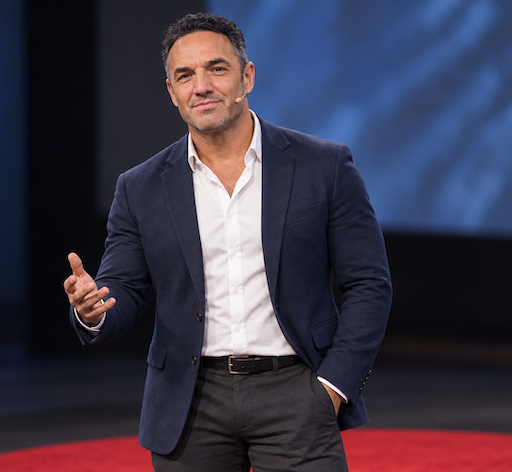
Author and Podcast Guesting Specialist for Corporate Leaders
2001 Founded mobileYouth16 books Published author250+ clients Served across 60 countriesUniversity of Sussex AI & Cognitive Psychology graduate
Graham Brown is an author and founder of Podcast Guesting Pro who helps corporate leaders, founders, and storytellers get booked on aligned podcasts and build thought leadership.
He began his career studying youth mobile behaviour and founded mobileYouth in 2001 to understand youth marketing and mobile culture; that early work serving clients such as Nokia, Vodafone, MTV, and Disney shaped his focus on audience insight.
Over time he moved from youth research into audio after seeing business leaders struggle to communicate authentically at scale, which led him to found a full-service corporate podcast agency and develop programs to train hosts and producers.
His route into podcasting combines formal study in Artificial Intelligence and Cognitive Psychology at the University of Sussex and Entrepreneurship training at Harvard Business School Online with decades of client-facing agency work.
He helps corporate leaders, startup founders, and storytellers find their voice. He leads Pikkal & Co, an award-winning corporate podcast agency, and runs Podcast Guesting Pro.
He previously hosted Asia Tech Podcast and previously grew mobileYouth to over 250 clients in 60 countries; his agencies operate from Singapore with partner studios across Australia, Austria, Canada, Croatia, Ireland, Sweden, the UAE, the UK, and the USA.
More from Graham Brown
All episodes → Office Hours with David MeltzerJosh Chodniewicz, Gary Coxe, Graham Brown | Office Hours #621Jun 2024Play episode →
 The High-Performance CEO ShowEpisode #76: The Future of Leadership: AI Innovation, Storytelling Mastery, and Human Connection with Graham BrownMar 2024Play episode →
 The Leadership Communication Show with Michael PipernoInterview with Graham BrownJun 2023Play episode →The Leadership Communication Show with Michael PipernoThought Leadership with Graham BrownJun 2023Play episode →
 Rise | Evolve Leadershipevolve | eps 50 | Graham Brown, CEO | Pikkal & Co.Feb 2023Play episode →
 Limit Break StoriesGraham Brown | The Power of Storytelling for Building a Strong BrandJan 2023Play episode →
 Coffee With CoachesGraham Brown - How the Science of Stand-up Helps Jumpstart Your Story | Conversations with Coaches | Boxer MediaJan 2023Play episode →
 Speak With PowerTransform into a Magnetic Storyteller with Graham BrownDec 2022Play episode →
 Coaching CallGraham Brown - The Digital Transformation of Communication & building your brandDec 2022Play episode →