
November 30, 2023
EP 652: Maintaining Balance in Your Life
Sound bites
The major challenge I see is that we believe perhaps that we have the answers ourselves when it comes to asking for help.
I now make sure I include myself and with that I'm trying to do as much social things I do so I spend a lot of time in Thailand in an Iron Man training camp where athletes come from all over the world.
In this episode
Nick Jonsson talks about balancing work, sport, and personal life, with practical ideas on asking for help, setting boundaries, and staying mentally healthy.
- Avoiding the habit of handling challenges alone and being too shy to ask for support
- Losing healthy routines after career success led to loneliness, isolation, and a self described crisis
- Telling managers or partners what can realistically be done when a new task would push something else off the plate
- Creating a culture where leaders check in on workload and offer mentoring support
- Using seasons and group training to balance endurance sport with rest, recovery, and social connection
Transcript
ShowHide
Automatic captions of the conversation. They can contain errors and do not name who is speaking.
Welcome to another edition of Trail Runner Nation my name is Don Freeman and I'm Scott W and boy do we have a fun episode today um you know there's so many different silos or compartments that we deal with in our lives uh and we need to find balance in in all of those you know we're juggling all these glass balls and we don't want any of them to fall and we're gonna talk about balance today today we have a very special guest joining us Nick Johnson
He's a best-selling author of the book loneliness the five pathways to overcoming isolation stress anxiety and depression in the modern business World he's an inspirational keynote speaker a podcast host and not to mention a top 1% World age group Triathlon athlete that's where he's going to really talk our language which I'm excited about as a co-author and the managed director of the executives Global Network in Singapore Malaysia and Indonesia he leads Southeast Asia's la largest confidential peer Network Nick thanks for joining us we're looking excit
We're very excited to help you coach us to balancing all these glass balls we're juggling thank you so much for the invitation and it's a pleasure to be with you here today and indeed tackling this very very difficult question which I'm sure is on most listeners mind you know I think you know I I think as we roll out here and get the conversation going well recognize that the triathletes and Trail Runners and any of these people involved in their sport there's going to be a
Lot of similarities between us I think we have similar struggles and and what are the patterns that you see what what are the types of struggles that you see with athletes that are trying to perform well and accomplish great things and also keep the rest of their life going the major challenge I see is that we believe perhaps that we have the answers ourselves when it comes to asking for help we seem to be very shy we seem to hold on to our challenges ourselves we
Want to solve it ourselves maybe we don't want to be a burden someone else or we don't want to appear weak so we seem to have the answers so perhaps when we out there running on the trail with our friends we have a great time but we could also perhaps talk about some of the challenge we have and ask for support for that I know one of the things that is a common statement is what's set on the trail stays on the trail and we we
Have confidence in one another to to keep that to keep that that commitment not to spread word out there is is there a similar saying on the on the triathlete uh field do you say what what happens in the pool stays in the pool or in Triathlon unfortunately we we don't have that saying and quite a lot of the sport is by yourself as well especially when you swim you cannot talk at all and on the cycling also you normally cycle on perhaps one lane because
It's dangerous to go side by side sometimes on the run you you're going too fast or being too tired because it's the last part if you have a triath so we need to get more on the trail I think that's one thing here about it's great that you have you have more talking on the trail hey Nick you have written a book about this kind of balance um boy it seems like you may have had some experience with unbalanced uh things in your life can you
Can you talk about that how did this all come to AE yeah and it all started in the workplace and I'm sure that many of the listeners as well have a job outside of the trail running and inside the workplace then while I had a perfect career you could say if I was really you know getting promoted I was on a rooll I I I got the pay increases and so on that that perhaps we all want in the workplace but once I found myself in
The position that I was driving for I found myself very lonely I found myself isolated and I was asking what is going on here and at this time I was still a triathlete and doing a lot of running and living in Indonesia beautiful trail running as well which I I did and that's where I found my happiness it was in the sport it was outside of the workplace and I was really questioning myself and my life is this what it's all about and with that at
That time I I had a bit of a self crisis and I I traded my healthy diet to fast food and I stopped basically exercising instead I went to socializing in the bar after work drinking some more beer instead with that putting on weight and before I knew it I lost all my good habits wow do do you see this as a is not uncommon or I mean you wrote the book you said you know what I've worked through this problem because I can obviously see
That the outcome was good you look like you're in great shape and and you've got a message to share um what inspired you to write that book do you feel like this was Comm a common problem that you recognized that you could help people with yeah certainly so when I was going through that challenging patch again I didn't talk to anyone about my deep struggle I didn't share it with anybody I was trying to grind through and sorting it out myself and I made a serious
Of of bad decisions then including resigning from the job divorcing my wife and uh and just uh I just didn't get back on track until I hit my rock botton and it was only from there I could rebuild my life and come back again and live happily and but what shocked me at this juncture was because I wanted to look into it I was then surveying other Executives who were working to find out about their feelings and thoughts and their balance in life and so on
And I was quite shocked with the findings I had uh and that triggered me to want to go ahead and look further into it and writing the book so Nick you you're you're at rock bottom and you know a lot of us if we're having a struggle whether it's professionally or or personally with relationships um we look to that trail or the the the the swim or the bike or whatever as an escape to forget or to give us that that um time to to to
Work things out in our head and instead of I I mean I guess we we think we can we can fix the things that are going wrong if they are going wrong in business or personal with going and doing the exercise getting out and being active and and that's where we deal with it but you're telling me us that there's there's more to it than that we actually have to somehow get it out we have to share what's going on with our with our lives is
That is that accurate yeah I completely agree age with you and I think it's it's great to get out and go for a run uh to to deal with things but sometimes we don't have all the aners ourselves sometimes we need some help we might need a coach or a mentor someone to be there to support us to give us that guidance to make some decisions as well rather than making this decision by ourselves uh there might be someone who's been there before who can guide
Us and that is where the issues are I resign from my job without Consulting someone I didn't talk to someone about it and it was quite ridiculous that decision I should have gotten some support perhaps getting some confidence to go and have a conversation with my boss and talk about it without just resigning so that's just one example and I believe many of us are going through this and doing the decisions by ourselves perhaps when we are in good sh in good spirits after a run
But maybe it's not the right decision what go ahead Scott I was just say um so Nick you you learned uh your lesson maybe the wrong way by doing the wrong things um how did you figure out the right way and how did you come up with with writing the book that are that we're going to discuss here in a minute that are going to help us to know what we need to do if if we're going through some situations yeah so a year into writing
My book I was back in good shape again I was competing in longdistance triathlons and I I was I felt I had it I I realized I went through a difficult patch I got it now but I had not shared it with too many people I shared it in my close little circle and so on but then that one year into my recovery can we say um something happened something that changed my life forever again um a a good friend of mine who had just been
To Mount Everest he had hiked up to base camp he was in great shape he looked like someone who had it all he posted on social media that he'd never been happier he had a great relationship good career going for him and I was going to do an event with him in Singapore we had a rehearsal and he didn't show up uh we thought it was strange we went ahead with a rehearsal anyway after that I checked my phone and I had all these messages and
This gentleman whose name was Simon has died of suicide and that boom was an episode again I wanted to look into it and here I am writing a book about isolation loneliness and uh I I called his brother I called his family to find out what's going on no one had any idea what's going on and that's is the day when I decided to really start talking about it so that's when I picked up my mobile phone put it on a video and I I I
Made a video that I posted on social media and I wanted to start to break the Stig mind discussing all these issues of isolation and I set up a fund and uh to raise both money and awareness for this course and that basically propelled my book to the next level at this stage and an end the conversation around it and and then the um I I have a question I love how Scott started this and talked about glass balls that he's juggling and I I like
How he keeps some of these secrets some of his intros and his things because they're they're a pleasant surprise when he he Paints the picture for us and I see one of the that fourth ball perhaps being our endurance sport the thing that we chose whatever it is running or or doing triathlete events and do you see that fourth ball as being problematic or do you think it can be helpful is there is there is there a way to seek balance in a way that's productive
And not hurtful I believe that our endurance sport can be either a good or an evil if we have our l life in shape and the way I see it these days is that I'm working with my coaches if I have some business challenges I'm working with mentors and sponsors people who's been there before seeking their guidance for the challenges I have then they are challenging me back to come up with suggestions and solutions I go out for a trail run or go for a bike
Ride then the answers will clear to me when I come back for them I have a coffee with them or a call with them I say yeah thank you I've been going through this I've been thinking I believe this is the way we should do it so I think it it then it can be a good yeah I so I oh go ahead I'm sorry there was a POS I was going to say and it can be an evil if we feel and we used also
I used sport like this before I lost my good habits and picked up the the drinks instead I would use it as an escape I would be challenged and stressed at work I would rush away away from the office putting on the running shoes going for a run perhaps go a bit faster running than I like forget about everything feeling great about it but then the problems are still there the next day and here comes the thing then you're basically using it as an addiction as
An escape which is doing you no good yeah that that fourth ball can either be be cumbersome and a problem but I the word that came to my mind as you were giving that explanation was Moder you know if you obsessed with it it can take over your life if you if you have in the right quantity it can be beneficial like you found that that you had coaches gave you some things to think about you went to an environment where you could process it and
You'd come back and you know 2x or 3x you're able to work faster because your mind is is focused on one thing in silence and that's the place that you're productive how many times have all of us gone out on the trail we'll use that as an example and problems just start to be solved because a lot of the other stuff that you're carrying around kind of lifts off and you can you can solve things and Scott and I we you and I have solved a
Lot of problems at least if we can remember them when we get back yeah world hunger would not be a problem if we could write things down while we were solving it I I want to change our metap the metaphor of the glass balls because as as Nick was talking and and you were talking Don I think I'm going to change the metaphor you've probably seen the jugglers uh the really good jugglers where instead of juggling some glass balls that are all the same size and
Weight you see a guy that's juggling a a tennis ball a bowling ball a chainsaw and a tennis racket right they're different sizes they're different weights and I think that that as I'm hearing you guys speak I'm thinking that may be the problem if we're focused too much on one area of our life and neglecting the other areas of our life I think we can get into trouble we want to try to meet those glass balls all the same size or or proportional to to where
We are in our lives Nick what what do you think about the the metaphor change yeah I'm absolutely fine with it and I think it's very essential that we can balance our lives and uh I also talk a lot with leaders about self leadership and we all heard the saying if we go on an airplan that we have to put on our mask first before we help others and isn't that true we have to look after ourselves first and especially if many of the trail Runners
I'm sure are also competitive in the career they have senior jobs they want to get the promotion they want to reach the top and getting the bonuses that comes with it it's so easy to then fall into the that it's your boss or your colleagues that are planning your calendar they pack your calendar with meetings events you're working perhaps managing different time zones therefore you you're stretching your day there's nothing left for yourself so when we talk about balancing these different balls then indeed it's about
Making sure that you block time for yourself first and for your self-care and for your trail run of course so sometimes there are different seasons in life where you need to really focus on one area because the door is open it will close later can you really can you speak to the the the fact that you have to be you have to recognize what fit days of life you're in and when you should maybe have one ball a little bit heavier than the other yes absolutely
And this all comes down to being vulnerable according to me it's about knowing yourself and being honest to yourself and the the ones around you having honest conversations with them about this and if you are open and you're talking you have good relationships with your spouse with your close friends and with your colleagues and your boss then people will understand if you explain it but again if you're trying to do it all by yourself and then suddenly you don't show up in one area our life
Because we will always for short somewhere it's just like that in life and it's about communicating this and this is what I do these days with my wife I'm now remarried it's my second go at this and I'm communicating I'm saying I'm going through a lot of work now there will be a little bit extra work now so I'm sorry during these next three weeks we won't have as much time for our time together but these two will pass why don't we block something in the
Month I have a gap why don't we do a week in way then to make up for it if you communicate like that people will appreciate it and you you will also remove then the pressure and the stress that you are falling short during this time that is a brilliant Golden Nugget uh I I I'm I'm writing that down because I think communication is the key and and as you were talking about that I think it works in the other areas of your life uh the
Managers that I've had in the past uh know that I am a runner and I've talked to them about my schedule and and said you know what I'm a better employee I do my job way better when I get to have that morning run and sometimes that morning run May creep into the work hours a little bit but I guarantee you I'm going to make it up I'm not going to be staring at my computer for 30 minutes trying to figure out what to do in
The morning when I get to work man I have all the answers I have my day planned because I've been thinking about it without looking at my phone and and I think that that's important um I was going to say um when you mentioned Nick when when you know you've been very successful professionally and you have people filling your calendar with with with urgent items and you're getting emails and they're they're they you know everything all of a sudden is is a priority and everything's important
How do you prioritize your day with not only work and all of those bombarding but the other areas of your life how do you prioritize yes Scott and let me answer that by first responding to what you said there because I love what you said that you're more productive if you go for your run and then everything else Falls in place I put it like this and especially imagine if you're a senior leader for example and I say that you're are working inside your business when
You're sitting in front of your computer you are the administrator you are in meetings you're sending emails you're responding to all of that when you're in that state there's no way you can do a leader you're actually a manager and administrator when you're out on the trail run or you go out for a bike ride that's when you lift yourself you are the leader you have the CEO mindset the Strategic mindset and that's when things clear just like you say that's when the answers come H
So and that's what I've explained to people around me and to my whole teams yeah the teams I'm running I say say if you go out for healthy exercise and so on that's can be part of your workday because you're always going to be on the late calls here and there anyway so that's your CEO time enjoy that so I think if we can create this culture also around us then we're encouraging ourselves and others also to look after ourselves in that way so that that's
The first part good point yeah and we that's that starts uh with each one of us giving ourselves permission to use that time in that way and not feel guilty and not feel like I'm supposed to be you know in in the grind doing it and the bell goes and I should be sitting there at my computer you know answering and getting things done but giving yourself that permission to do that and being okay with it and allow it to be productive you you can't go
Out there and feel guilty about it because then it's that's not productive you need to give yourself freedom to let your mind wander a bit and not worry about being out there so you can solve those problems and become sharper absolutely Don and again it comes back to the this communication again if you're trying to do this for yourself yeah just going to sneak out for that run no one will find out then you're going to it's never going to work and again creating that culture
Of openness and communication setting the boundaries understanding for ourselves and if you do it then encourage others to do it and I think let's face it if you look at the workplace the most people will will wish that they could do more exercise and they wish that they could be out there running more but perhaps it's the company culture that need to be shifted and that's the responsibility of the leaders to empower our teams if you are a business leader to go out there and be
Healthy yeah okay I'm going to come back to the question we kind of ended up talking about that a little bit too much but but to Nick's uh back to the original question being bombarded with everybody saying this is important this is how do you prioritize yeah so I mean there's a thing a few things to this one is to put boundaries about around your yourself especially now is in in this globalized world where you could be definitely invited to meetings in all time zones all
Over the world you be pulled into teams here and there so you need to also again and it comes back to communication having good conversations with your boss what is my job scope what is expected of me and you need also to be able to say no when it's really too much because maybe the person who delegate this too you don't even know what's on your desk so again it's really about communicating clearly and not just uh accepting everything uh because you want to please the
Boss then you you're the one who going to burn out and so on so that's one part and then it's really to get organized really really to use all these tools there's so many great AI tools there these days especially that you can use to become more efficient and then of course if you are a a manager a leader then it's about empowering your team and delegate to them and I would say and then creating this culture where people are not scared to fail having an
Open culture again that you know that we learn together this is an experiment rather than being too bossy about it that's a couple of tips there SC oh those are those those are great I'm I'm going to bounce back to the number one that you said the first tip say no how how do you have the courage to say no or or help instill some courage for me to be able to say no and not feel guilty and and feel good about my my my uh
Response yeah again it no can be something that perhaps is not appreciated at the other end and it's how you package it if it's a no by just declining an invite without uh responding with an explanation or without having any conversation then it could be going against you then people are going to wonder who's this person who's not collaborating who's not supporting this so you need to be very Mindful and and and and saying no in the right way and it is by communicating we need
To talk and if you are in a physical workplace do do it then over a coffee break and and just explain your side of it and try to understand the other party so again it comes back to communication and and uh and just try to understand what's going on at the other end and not just drive your own agenda and try to be collaborative you know that's right on the money Nick I I remember managing somebody and um I would come to them often and said
Hey I have this new uh project or this new task I need you to do and and it's really important that we get this done and here's the timeline that it needs to get done in and I've had a couple people say this to me and I think it is brilliant because it brings back the communication and expectations rather than you saying sure I'll get it done and then things falling or failing um a couple of people I've managed to said okay I can do that
But let me tell you what's going to fall off right now I have these four prior prorities right now for work that I'm doing and if you add a fifth one of those has to come off or one of them is not going to be achieved so you need to help me prioritize so let your manager um or your your your um better half if you will prioritize if if you have things going on at home in a personal relationship and they're adding more and more
Things saying okay I can do that but here's where I am these SE are the priorities I think are important you need to help me rep prioritize if you want me to do that I can do it but something else is going to have to to come off the plate if you will I love that Scott that's some great tips right there and I think also if we have some managers or leaders listening be very careful and think twice before you delegate someone perhaps who is
New in their career because they will do everything to please you they will like to show that they are doing the job well and don't be surprised if they be seeing there working at midnight or working over the weekend because maybe they said yes to multiple people and they just take on everything and that's not what we want to do to our colleagues so we need to also be very Mindful and create that culture as you said Scott and for the leaders then to check in
From time to time how you doing how's the workload do you need some help do you need someone to to have a mentoring conversation with you to support you in in managing your workload as you said that it made me think about personal bandwidth we can only do so much and you keep spreading out too far to Scott's point I can't do five things well I can do four things very well but you at a fifth you're going to dilute my ability and I'm going to
Have substandard work going out in five different places because I would didn't have the tools to say no one feel good about so I think that is a golden nugget as you say Scott he likes to use Golden nuggets Nick that is a golden nugget to to uh have that communication Nick and to explain what the plate has on it and what you can actually accomplish yes I I'm going to add something to that we've been kind of focused on the business and the personal aspect
But let's let's flip the table and look over at the the our hobby our Sports our Endurance Sports right sometimes and we're typically endurance athletes are more of a type A they lean more towards that and they always have to have a race on the calendar or they always have to be working towards some some goal and sometimes you need to realize that maybe right now I just need to to do some some base training and and some aerobic training and and and and resting and
And building my machine instead of pushing pushing pushing um and and I think that's a tough one because typically in our Sports uh that that you participate in Nick and we participate in they solar solo endeavor were're not necessarily working with someone else and so H how do you balance that how do you balance your your uh training and making sure that you're not doing too much there well Mother Earth is sorting out of it in most parts of the world I Believe by having Seasons
Uh so the ocean would be too cold for us to swim or it might be snow so we did do get out you know in some offseason I was born in Sweden so I Al spend some time in Sweden but you know you don't want to go out and and cycle in some time of the year in Sweden for example so therefore you tend to not have any races during the winter and then during the the spring it all gets started again so in that sense
That that looked after it but otherwise we we need to indeed really be mindful because also for me now being born in Sweden I spend the summers in Sweden now I live and work in Asia so I actually have summer all year round so I have to remind my myself to take that offseason I have to plan for it and that's what I do I I had my last race back in Sweden in August and I haven't had a race since I have a fun race
Coming up in Thailand pette in two weeks but I don't have any race that is is is a big one until May next year so I do take my offseason even that doesn't mean I stop training but I reduce the volume and the intensity Mother Nature is helping us out I love that follow Mother Nature follow the seasons with your training I I I really like that Nick so let's pretend like you're now coaching young Nick Johnson uh you know you're you're you're coaching yourself um
Looking back on when you were burning the candle at both ends and and and maybe not speaking with with people around you and you were feeling lonely in your in your um your career What would would you tell yourself how would you coach yourself a great question Scott and I've been thinking about this as well and if I go back to the point where I started to isolate where I started to have those feelings I've been thinking and what happened then was that I was the
Business development manager basically running Hospitals and Clinics and so on and one part of the job that I did really well was the sales the business development and so on what what I didn't do so well was all the admin the spreadsheets the excels and everything behind the scene I had a great relationship with my boss she was the one who pulled me in for the second time working with her uh but I didn't want her to know that I was not very comfortable doing the
Admin their spreadsheets uh and while I was doing so well in the in the sales and the business development side I thought let let me just deal with this I wish that I went went and knocked her door back then and said hey I'm not so comfortable with this spreadsheet is there someone in the company who could help me with this or perhaps I can get a training or can I get some support if I would have done that the year of hell that followed because
I was covering up for this trying to deal with it myself would have been completely different Scott wow Nick um what what what have you seen when people have the courage to have that conversation to knock on that door what what kind of outcome from that interaction very positive or people people make decisions that people oh this person came and and uh um complained about something or they see it in a positive way for for those of us that might be thinking I don't know I
Don't want to be looked to be the the weak one on the Block I don't want to show that I can't do it so what what is your experience shown well it's we're talking about vulnerability here and it's actually that word vulnerability going to be part of my next book which I'm writing now so it's a timely question because I'm looking into this right now and yeah when it comes to vulnerability and even if you look into the the the common dictionary the Oxford Learners and
So on vulnerability is associated with weakness being under attack and so on and that is what we think about when we when about being vulnerable we see it as a weakness that's our society and what I learned is that we need to see it as our strength because we will be surprised once we dare to open up to our leader and our boss they will be almost surprised because wow who's this honest person who's coming to ask him for my guidance for my help who has
A problem they will love you for it that's what I seen and we need to turn this around to make vulnerability a strength you know you've lived all over the world and worked all over the world and maybe speaking to vulnerability um do you see that there's one country or area in the world that views it differently or or is there a place that um Embraces it and and speaks to what you just said come on in let's talk about it I see that the Western
World is more open and more talking the Asian world is even more closed and that's why also being this part of the world I need to be a role model and to break for the the Asian work culture is even harder H interesting interesting you know the the vulnerability thing is is kind of ironic uh and I'm I'm I'm kind of painting a picture between a a business vulnerability or a personal relationship vulnerability and what we do out on the trail um and you probably see
This too in trions Nick we're very vulnerable out there on the trail um we're we're we're throwing up on the side of the trail we're we're dropping our our shorts down to our knees and taking a a bio break on the trail that's vulnerability you would never ever do that in a in a normal situation but when you're out there and you and and and your body is saying this needs to happen now you don't care you you remove the vulnerability and you just get things
Done and maybe maybe that's why we feel comfortable out there in our communities because we're allowed to be vulnerable we don't need to have a shield up and so we feel comfortable there and we and that drives us there each week when we go out or day or you know whenever we do pro probably sorry Nick we're gonna make this a Don and Scott podcast but you've brought up a lot of good things um I was going to say the reason why we're we feel safe
Out there is maybe we know that everybody else has done it before right and so you know when you're going to drop your shorts around your ankles and take care of business you know that someone else that's going to run by the trail and not pay attention to you and just run by you and not say anything to you you know that they're going to that they've done it before and so maybe we need to look at that as our managers or or the people we're
Working with or the people in relationships with have been in the same situation that we have been in that we're not weak that we are human how do you like that absolutely absolutely Don and Scott you on to something here we need to bring the trail into the office that's what we need to do yes right yeah because a title for your next book that go ahead we don't we won't hold any copyrights on that absolutely no but it's about humanize the workplace and that is
What it's about and it starts by and back to the word here vulnerability it's about being human in the office when as humans we are not scared to ask for help we are not scared to uh go into your boss and knock the the door when we have some problems with a spreadsheet to ask for help we're not covering up for that we become so when we got to go we got to go basically no I I I like your point Nick you know if we're
Out on the trail or wherever we might be we don't have any problem with saying hey I've got I've got this uh pain in my knee or my shin or my foot and asking for help I mean that's a common we lean on each other to find answers and solutions but we cover up at work we build that facade around us that I'm the know all I'm the person I can't show weakness because maybe I won't get the next promotion or maybe the guy coming up
Behind will will see me that that I that I'm not as as sharp as I perceived to be so I think at least out on out in our recreational Community we have a little more courage absolutely and I I also want to look back in at Society in this because I remember when I came into University uh in the in in the '90s when I studied in Australia the dean of the business school on the first day he gave an intro speech and he said You
Know here at this University you know we we want to be ranked among the best universities we give scholarships if you perform well we have Awards if you top the classes he was building up this picture and he said he he then compe it with a a football game and he said the winner is the winner number two is the first loser he said I want you guys to drive I want you to strive in the in in this University and then when we have that
Mentality that we're trying to top classes getting scholarships and if we bring that mentality into the workplace and that's what I did it was too much about me me getting the promotions me getting the bonuses me doing everything I could to look great and and getting everything for myself and therefore you know you're elbowing your well way to the top and that's why I felt isolated so there's something wrong here in in at least the way I grew my career and that made me isolated oh
I think I think we need to dig into the word isolation but I got one more on vulnerability and we talked about it in business and personal relationships and and and just so you know Scott this is for Nick okay you can't jump in on this so what about vulnerability with ourselves and to ourselves the and just our Rel personal that interpersonal relationship how does vulnerability exist there well it's about being honest with ourselves and realizing when we perhaps don't have the answers and then asking
For help and I got my whole desk full here with postage notes and I I just keep writing down when there's something that I feel or something I I need to ask for help I write it down and then the next step and this was part of my book taking stock was step one in my book and that's about writing things down and then later on ask for help so once I've written something down I think who would potentially have the answers for this who can
I talk to about this who can I give a call now to have a conversation about that or nudge and that is what we're talking about here is about really be honest with yourself I have an issue here let's just get on with it and solve this but let's not always do it by myself Nick I'm writing this stuff down because you just broke that giant step into asking for help I think that that asking for help is is a is a very large step and
An obstacle that we sometimes have a tough time climbing but you broke that down into smaller steps write down what's going on in your life and then isolate that and say okay who can I ask about that to learn more information about it to ask for help if help is needed or to get advice about that I think that that for me breaking that down into that easy step just writing it down writing down the issues and then pairing that up with someone that you can
Talk to about that I I think that that's a revelation for me thank you and Nick I'm going to put you on hold for a second because this is between Scott and I I guess um the and and maybe maybe if it's not finding the biggest step but maybe practicing and leaning in and maybe finding a small problem and kind of work through it and have the courage to ask that successfully not feeling real vulnerable because it was an easy an easy problem to solve but
Ease into it you probably have a big step that you want to accomplish and solve but it's not time it's your easy steps that you talked about Scott I'm going to talk about something easy and get help with that and see that that's successful give me confidence to ask towards the bigger problem that I want so I think you know your steps is is a good good uh a good solution Nick I'm sorry you can go ahead and and and give us wisdom you're now allowed
To talk yes all right yeah so so what happened back then in in 20 St in where I had my patch I mentioned before that I went and enjoyed myself in the bar until it became a problem and I I I then came into recovery and actually the first thing I was asked in recovery was this taking stock I was given a sponsor someone who had some problems before and that person guided me and I got a homework which took me a few weeks to basically
List down all the issues I had and that was really taking a stock and and basically he told me something like this if you were a store owner you would do an audit once a week once a quarter at least once a year what's your stock take but how often do we do this as human beings that we actually write down everything well I with all our issues or habits or bad addictions or whatever we have to get that down on it and then take that
List to talk to someone about it so that's what I did there on taking stock and once I cleared my whole past on this I have have to do this on a daily basis now I'm trying to do it on an ongoing basis but before I go to bed every night I also have the Post-it notes by my bed table I have to do an inventory and think back over the day was it something today that that I need help with I write that down and
Then I can go to bed and I sleep peacefully because then I know the next day it will be there and I will then deal with it so we are constantly every day clearing things and and sometimes you might not know exactly who you can ask for help for that one but you have it written down and you can call a person and asking them who do you think I can talk to this about I have this challenge as you wrote your book did one chapter
Write itself what your do you have a favorite chapter that you would just love to write and love people to read oh that's a big question you know well the the first chapter in the intro is about my story it's when I hit my rock button which was something that was not easy to write even hard harder to to get it out there on Amazon because I was thinking for the rest of my life anyone who pick up that that that book and that read that
Chapter we know the darkest days of my life and I was then really really having issues with alcohol at that stage and that for me to admit that uh to myself was hard to admit that to a friend was something but to admit that to the whole world was even harder but that would be my favorite chapter for the reason Don that someone who picks that up and read that hopefully it will resonate with them or maybe they know someone around them a friend or a
Colleague who go through some difficult times and maybe they can also then look out for them and try to help them so that they don't fall as low as what I did so I think the the opening chapter the first chapter in my book H go to that one and I want to say this as well done because that is a chapter that I sent to anyone who apply for a job in my company I tell them before the interview you can go on a website
To look at out about our business but more importantly if you're going to work with me why don't you read this chapter and you know two things will happen then either they will constantly interview because they they it's just too much for them or or they will come into the interview and they read it and they be curious and many times they actually read the whole book after they read it and then we we have a great interview and most importantly and I want to mention
This there was one gentleman uh 3 years ago who read it and about five minutes in into the job interview he showed me a couple of scars on his body and he said I have tried to end my life twice I had to so he had two suicides attempts behind him and you know and then he start to cry I gave him a small hug so that was what we started our conversation in a job interview about can you imagine the kind of work culture we
Have between us the level of trust we have with he will not leave our company he will go anywhere and he will not be shy to come come and tell me if he's not done well if he has some personal problems which he was just going through recently I gave him my full support you know I mean I hate to I hate to to state the obvious but if you're going to be a great leader you have to show vulnerability if you want the people below
You or that are working for you to show the vulnerability it starts with you and you that's an old saying you know but it's really true in the in the example you just just shared with us yeah absolutely we have to be vulnerable first as humans why the people below us or even in the family we can take this to our children will not come in and knock our door and say when they have some challenges if we have not been humans first we have to
Also tell them that we are going through difficult times and lead and guide them and show them this is how I solved it wow that's a good one too that's a really good one you know a lot of many times well every time you know the part of part of what starts this podcast is is Scott saying you know we're going to talk to some people today and we're going to become better Runners and maybe just maybe even better people and and first I I kind
Of rolled my eyes a bit but you know I love Scott so much that I didn't roll him too hard or he didn't see it but but conversations like this make me proud of him having the courage and the vulnerability to say that because I think some of this does resonate and it props us all up and allows us not only become better Runners but but to be better Runners it's we've got to be better people too and I think fits well so hats off to
You Mr War for having vulnerability and the courage to say it he froze you see what happens he didn't even hear the com he'll never hear that comment or that compliment Ryan you got to make sure froze I froze up I heard the compliment and I appreciate it hey hey Nick I think I think one of the things that you just taught us which I think is brilliant is you went through a hard SP spell um and you know you were finally able to to to
Work through it but I think more importantly is now you're making yourself available to be a person that can help someone else so as someone else is making the Post-it notes of I need to work on this or I'm having a struggle with this who do I talk to the first person that pops in their mind is I need to go go and talk to Nick Johnson because I know he's been there and I know that he's not not going to make fun of me he's
Going to respect he's not going to judge um so I think that that's really important for all of us to remember that not only look to others and as as possible um um mentors or coaches but be available to others to help them through their hard times to be their coach and I think that you just taught that lesson to me so thank you for that yes and Scott that's actually the the last chapter of my book is about finding your purpose and and that's what
I I'm doing now and and you know it's about giving it back and uh in the recovery world where there's a saying you got to give back the gift to keep it and what that means that the people in the recovery World they gave me this gift and they showed me the way they gave me the courage and they tap me on the on the shoulder and say hey we've been there before we also went through some difficult times I'm now okay and I'm here to
Hold your hand that's what my sponsor did when he went through me and helping me to do my personal inventory check taking the stock now I do that so I have a workout this morning which I'm looking forward to and after that I'm going to recovery meeting where I will be for the newcomers people are going through difficult times now to give them that courage and support that hey it's not that bad we all go through the ups and downs of life let's just go through
This together so I'm going to ask this final question to to you Nick um these lessons that you learned and there's many different schools and places to learn lessons part of it was through business and personal relationships and and out out in the on your in your performance how did all of these classrooms make you a better athlete did it change you did you become different train different feel different execute different great question yes it has definitely changed me and I realize how important it is
With the social connection and with that I mean being my true self and not being scared or shy to be myself so what I've done is rather than enjoying all these Sports by myself and seeing it as an escape because I'm chasing the endoor fins or whatever it is and I want to be in a good shape I now make sure I include myself and with that I'm trying to do as much Social things I do so I spend a lot of time in Thailand in
An Iron Man training camp where athletes come from all over the world and that's where I am right now that's where I going to train today so then I'm training in a group so we are in swimmies it means that we have people to talk to before and after the trainings at least and then we are cycling groups together and we do runs we do intervals Sprints but we also go trail running we do all kind of runs in a group I need to force myself
To put myself inside that sit those situations to be fully surrounded by people and be my true self and now I'm also helping the young athletes here some of them who are the best performing in Triathlon sport in Asia the young ones and I'm coaching them how to build a plan B career for themselves so the day they retire from professional sport that they have some other skills and they and so on and that's also a part of what I'm doing now and giving back to
The sport wow that's that's a wonderful Mission yeah boy that's that's really good the book is called um oops I just just lost it here it is the the book is called Lo loneliness the five pathways to overcoming isolation stress anxiety and depression in the modern business world don't think that this book is just about business um it's written by a a very top performing endurance athlete uh Nick Johnson who we've just talked to um look at it as a as a well-rounded you need to
Pick this up so that you don't make the mistakes that that many of us have and and many of us will make but try to after you make those mistakes make them quickly make them forward and then I mean as you're making them fall forward and then get past it and and make it a learning opportunity as quickly as you can rather than wallowing in it so Nick Johnson can also be found at Nick johnson.com Johnson is spelled a little bit differently U maybe not in
Sweden but but here in the United States Johnson is J NSS n.com and you can also find him on LinkedIn we will we will include those links in uh the podcast show notes thank you Nick Johnson for coming and and sharing your story with us and and and I'm sure you've touched someone out there and just that even if it's just one we'll make a big big difference and that I know that's that's that's for certain so go out and run and be V vulnerable M
Thank you very much
About Nick Jonsson
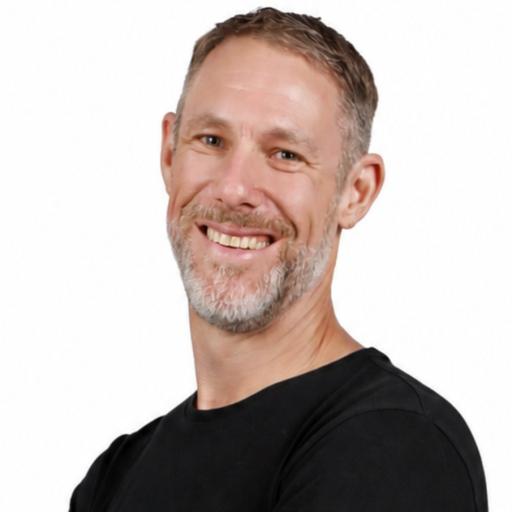
#1 Global Thought Leader on Executive Loneliness, International Bestselling Author and TEDx Speaker
900+ EGN Southeast Asia membersTop 2% Ironman athletes worldwide2026 GHP Most Empowering Mental Health Leadership Advocate#28 worldwide Global Gurus Top 30 Coaching Professionals
Nick Jonsson is widely recognized as the world's leading authority on Executive Loneliness. His pioneering work has earned him a dedicated Executive Loneliness Wikipedia page and international recognition, establishing him as one of the world's most respected voices on leadership, vulnerability, mental wellbeing, and authentic connection.
Ranked #28 in the world among the Global Gurus Top 30 Coaching Professionals, Nick is a TEDx speaker, international bestselling author of Executive Loneliness, Professional Certified Coach (PCC), Certified Master Coach (CMC), qualified Counsellor and Psychotherapist, facilitator, and certified Team Psychological Safety practitioner.
For more than two decades, Nick held senior international leadership roles, leading businesses and high-performing teams across Asia. From the outside, his career reflected success. Privately, however, he struggled with burnout, alcohol addiction, and overwhelming loneliness - experiences that ultimately became the turning point of his life.
Rather than allowing those challenges to define him, Nick rebuilt his life through recovery, vulnerability, discipline, and purpose. Today, every keynote, workshop, coaching engagement, and counselling conversation is grounded in both professional expertise and lived experience.
Nick works globally with executives, leadership teams, founders, and organizations through keynote speaking, executive coaching, counselling and psychotherapy, leadership facilitation, and Team Psychological Safety training.
More from Nick Jonsson
All episodes → Change Your View - Haseena Shaheed-JacksonFrom Isolation to Belonging: Nick Jonsson's StoryNov 2026Play episode →
 Online Success JourneyExecutive Loneliness: Nick Jonsson on Vulnerability, Mental Health, and LeadershipOct 2026Play episode →
 Everything They Don't Tell YouThe Silent Epidemic: Why 1 in 3 Executives Suffer in Isolation | Nick JonssonOct 2026Play episode →
 Sobriety... Now What? with Stuart ClineEP. 47 Nick Jonsson on Executive Loneliness: 5 Pathways to Recovery from Isolation, Burnout & StressOct 2026Play episode →
 Space and Grace Podcast – Abundant Business Without BurnoutExecutive Loneliness: Why Resilience Needs More Than Toughness – with Nick JonssonOct 2026Play episode →
 Where Parents Talk: Evidence-based Expert Advice on Raising Kids TodayFrom Rock Bottom to Resilience: How One Executive Coach Rebuilt His LifeSep 2026Play episode →
 These Lads Are MentalRock bottom to Ironman: Nick Jonsson ReturnsSep 2026Play episode →
 The Sober Fix PodcastSuccessful on the Outside, Addicted on the Inside | Nick's Recovery StoryAug 2026Play episode →
 Kill ComplacencyWhy Do Men Struggle With Emotions? with Nick JonssonAug 2026Play episode →