
June 10, 2022
How To Overcome Executive Loneliness | Nick Jonsson
In this episode
Nick Jonsson talks about executive loneliness, addiction, and how repairing relationships and asking for help can restore connection and purpose.
- Loneliness can happen even in a room with family, friends, or colleagues when someone loses connection with themselves.
- Addiction and isolation can become escapes from reality and from connecting with other people.
- Repairing resentments can mean making amends to people from childhood, family, and work, even over small incidents.
- Unsent messages, letters, or prayers can still help clear your side of the street when direct contact is impossible.
- Meaningful relationships are built by giving and being of service, not by asking what is in it for me.
Transcript
ShowHide
Automatic captions of the conversation. They can contain errors and do not name who is speaking.
Well i think loneliness overall is a topic that people are uncomfortable speaking about and i mean uh the topic of my book is called executive loneliness and in people's mind that is a negative term and people perhaps try to avoid it when you invite people for talk and so on people are quite skeptical that just means that they're uncomfortable hitting it heads on and everyone is looking for a positive term in everything but i say we also need to be a bit realistic because loneliness is
There we need to talk about this we needto remove the stigma about everything around it and that means to talking about it there's one thing being lonely and that can be a healthy thing to feel lonely and missing people but when you feel the the loneliness i'm talking about in my book is when you lose the connection with yourself and you can be in a room with your family with friends and colleagues and still feel lonely first off thanks for coming on to the conversations with
The loneliness coach and you know nick one of the things thati think about in this work is what i kind of call for me it was my couch story where i spent almost two years basically on my couch i had just graduated from college and i was going to all these interviews i was getting uh denied from all the interviews and i was just going back to my couch and i really started to feel invisible and so it's like what you talk about in your book
I probably felt all these things i felt isolated i felt anxiety stress and i felt lonely so i'm curious what's kind of your couch story and whatgot you into the work of loneliness well first nathan thank you so much for inviting me here it's inspiring to be speaking with a loneliness coach obviously a topic close to my heart as well so nathan what was it that brought me and what was my couch well uh i can be pretty frank and tell you that it was one
Major issue in my life that brought me to my couch or bed or wherever it was that i was stuck and that was actually addiction and it was alcohol addiction in my case and that was running andtaking over my life a few years ago and so with it being alcohol and addiction what um has kind of got you to the spot that you are right now where you're kind of leading executives out of whatever their couch or their addiction story is into what i imagine is
A more meaningful and fulfilling life well i dedicated my book to an executive that sadly died of suicide in singapore in 2009 and we all have our own stories and our own issues that is happening in his case it was also similar to me he didn'tspeak to anyone about what was going on in my life and it doesn't matter how we hide this if it's through an addiction or isolating ourselves at home what the next netflix 24 7 it's all an escape from facing reality and
From connecting with other people and so on so so that is why i wanted to really spread this word nathan and because i want others to to be aware and watch out for what can happen because it shouldn't go as far as it did with my friend and in my case i had to crash andmy health was giving up and also a bit like you i couldn't leave the the sofa or the bed for some time i was so sick that i started to write my
Will my testament i wasn't really suicidal but i just realized that life was over i had nothing to live for so i wanted to clean up everything because i didn't want to leave a mess for my relatives and especially my son so that was what brought me then to my knees and coming out of that i feel that i need to get give back for the rest of my life this gift of recovery that i goti love that and i also love that you work all
Over the world and so you're interacting with people who are coming from different cultures and living very different uh life experiences so what do you think is one universal truth that you've learned through working with all these different cultures around human connection well i think one thing that i see in common is that everyone is facing anxiety it's just the way we are as human beings and everyone have problems and it's just the way howwe deal with it and if i just say something i see
In here in conclusion i think that is that the people who speak about their feelings and the problems who have perhaps been taught as a child to talk about the feelings and the emotions and to speak up and without getting punished for it they tend to also bring that good habit with them in adult life and share openly for myself nathan i'm born in sweden we are pretty distant society we didn't need any social distancing around kobe to keep apart right soso in that sense we
Don't really talk about feelings we don't really speak to anyone and i brought this with me up in in than adulthood and that is what i see the people who do that who especially when you then work and you start to become an executive or even a senior executive if you're leading an organization you're going to face so much challenge there's so much pressure and if you're keeping that inside you and you don't share how you feel or even talk to someone about it that's when
Youstart a downward spiral that is one thing that i see is universal all over the world hey i i relate so much i'm from the us but my family came from norway so i feel you on the feelings thing um and so what kind of as you said you brought that into your adulthood who's somebody um or a situation that kind of made you rethink talking about your your feelings like i imagine it was probably a person who made you feel safe enough to share what
Was going on well it had to go as far as that i wasreally sick and i mean my body was breaking down and alcohol and the addiction was more or less ruining my life at that time and i went through divorce i resigned for my job i didn't know what country i lived in i moved from one country to another trying a new job and i was basically lost i i lost the confidence in in myself and in life in general at that time and uh
So when i was basically at my really worst i i luckily got remarried and i decided to tell her how i felt and she was completely shockedshe thought i had it all together she saw this successful guy she didn't see any of the downsides that i the stories i was playing for myself internally uh but because i told her naturally she wanted to help me and she took me to a doctor and then after that also an anonymous support group mental health addiction related and that's
Where i just started to share my story and speaking up honestly for the first time perhaps in my life i felt safe in this confidential environment and i keptcoming back every day and after about three months talking to people every day in this room i started to also get the confidence to tell some close family members some close friends and they were all surprised and shocked to hear how i felt internally but as i started to share my story the loneliness disappeared from me and i
Started to feel connected i started to feel better because everyone showed sympathy and understanding they didn't judge me and so that was the transformation that i went through and it was a wonderfuljourney those three moms from coming i've almost not been able to move to suddenly you know be full of life again yeah a hundred percent i bet um it felt like i'm sure at first it was like a shock kind of like oh i can feel a different way um you know one of the
Things i wonder is what in all the peer networking that you do what's one of the biggest myths or what do you think that people should be talking about when it comes to loneliness and connection that they aren't or you're not seeing it right nowwell i think loneliness overall is a topic that people are uncomfortable speaking about and i mean uh the topic of my book is called executive loneliness and in people's mind that is a negative term and people perhaps try to avoid it when
You invite people for talk and so on people are quite skeptical that just means that they're uncomfortable hitting it heads on and everyone is looking for a positive term in everything but i say we also need to be a bit realistic because loneliness is there we need to talk about this we needto remove the stigma about everything around it and that means to talking about it there's one thing being lonely and that can be a healthy thing to feel lonely and missing people but when you
Feel the the loneliness i'm talking about in my book is when you lose the connection with yourself and you can be in a room with your family with friends and colleagues and still feel lonely and that is not a good feeling right and you know all about that nathan too yeah the the idea that you'rewith someone with a group and yet you feel like does anybody does anybody see me uh do i matter yeah i agree wholeheartedly um so i'm curious you have five pathways that
You talk about in overcoming loneliness and so the five pathways are taking stock asking for help getting healthy and nurturing relationships and finding your purpose and so i actually had some thoughts like what stood out to me was you talked about this story about a can of soda right and and uh making amends so i want to hear aboutthis can of soda and how it kind of led to this idea of making a men's when it comes to your relationships with other people well basically nathan
I i believe that we have a lot of baggage we're walking around with every day and that is stories we are playing for ourselves in our mind and through the recovery journey i one of the steps there indeed was to repair the relationships and what that meant was that you have to basically make a list of all the people that you can when you're thinking aboutthem you have some negative feelings there maybe you have some resentments you feel upset sad you were hurt and then you
Need to fix all of those so you don't walk around with that so that's what i did i had to go back to you know childhood friends things incidents 20 30 years ago and make amends and say i'm i'm sorry for that i didn't really mean that and one amend i made was to my sister for something that happened many years ago when we had a family lunch and it was normal for her to give a sodato her children but my son was only three years
Old and i didn't think he should have so much sugar as sugar drink he never had it before and without asking me she invited him for a soda and i didn't really see it so there he was enjoying himself drinking his first soda and i felt a bit offended and i basically pulled my son from the table and stormed off the table and i was very angry then i avoided my sister for some time after that and she couldn't really understand why i didn't talk about
Thatincident but i just basically i was quiet and the relationship went very very silent uh then when i made these amends and i i told her about this she couldn't even remember this incident and as soon as i was thinking about my sister that incident played on my mind and it really caused me a lot of pain so there i was you know walking around with this for many years and it was so nice just to clear it and i did it in person over at
Lunch with her and and and that's what i did with all my relationships nathan so nowi don't have any broken relationships that i can think about so when thinking about that because i think that's going to help so many people are there ones where you made amends with someone and maybe maybe you had to when you were thinking about it maybe they aren't around anymore and you're not able to do it in person are there any relationships where maybe you just didn't have to do it
Or you didn't do it in person or weren't able to yes there are those instances and youcan i mean if you cannot reach the person uh you can send perhaps an sms what's up message an email to the person if possible or pass on a message in any way you can if you if the person is still not around you cannot catch them at least you can write a letter to the person and then even just put it in a drawer or you can do a
Prayer about it and pray for the person at least you have done your share you clean your side of the street and you have no baggage you have you've done everything you can and youcan move forward yeah oh man that's that's beautiful when you're able to come to the point of realizing what's your responsibility and what you can take ownership for i think oftentimes we take ownership for stuff that's not ours and we're like why isn't this working because it's not yours to be working on
Absolutely that's right and that once we start to learn that and make a habit of this nathan we can make this a daily affair i try now before i go to bed every night i think back of the day didi send an email to someone i didn't mean did i send a message or did i say something that wasn't quite right i would then make that amend before i go to bed and sleep i will send him a message saying sorry that didn't came out right
I see you tomorrow for coffee or i give you a call tomorrow and then you can have a good night's sleep and you will not wake up feeling anxious or worried about any relationship that's gone wrong yeah 100 i like that and that kind of leads me to another note that i made when looking atyour um part of the book where you're talking about finding your purpose and you talk about gratitude right and so my my question to you is is there anybody that's out there
Right now that may not know how much they mean to you that you would like to express gratitude for and then maybe you can talk about why that's so important to you well i think that's a head-on question nathan and it's so important to be grateful for what we have and the people around us and so on and uh therewas mother's day in sweden uh actually on sunday this week it's every every count they have their own days and i reminded myself that you know my
Mom really supported me through university and so on and i wasn't grateful at the time i couldn't show it but i remember even this sunday that i really made a i made a social media post about my mom showing my gratitude and i for me being from sweden and also again not used to talk to emotions and so on with my parents it's still difficult todo that i have no problem to say how thankful i am and gratitude to my son but somehow with the relationships
Of the parents it's different so i still can do better there and i i can still show more appreciation for all the support she did but i'm still struggling to express it to her so if there's somebody out there that just heard that and they're like oh man i relate to that so much what what kind of advice and maybe you have like your process that you actually walk through where you're like i'm alittle resistant but i know i'm gonna do it anyway what's that process
Look like for you yeah well uh in my recovery program nathan um i was given a sponsor so in many of these programs you were given a sponsor someone who's done it before we take you through it and that that helps because you have someone who's accountable you will tell them i will make amends so i would go and talk to these people and then you do it and then you they help you and guide you through if you don'thave that there's a lot of coaches
And people who can help you to take through it or a friend or a mentor or someone who can hold your hand because what i learned here nathan we are as human beings sometimes trying to take the easy way out and it's easy if you have a list of ten people and seven eight dot easy once you do them and then it's your ex boss who fired you you know that you're actually not gonna you're gonna put it off and that's the one you need to
Do so the tip is here yeah dude i mean as asthey say eat that frog you gotta do it you know you gotta get up there and do the hard ones first because then the things will go easy and those are the ones that give you the biggest relief as well so i like to talk about uh like what you just said made me think of like one of the hardest things i think people have is what i call make that call right we have the
People they're on our mind all the time and yet we're like oh there you know nathan's too busy he can't take my call oruh you know i'll call him tomorrow right we don't know if tomorrow is coming and so we've got to as you said eat the frog make the call and it's really about having the courage to do the thing that you know that you need to do and you know it's going to make you feel more connected i think we don't give ourselves enough
Credit when it comes to like being aware of what's going on for us yes that's so true nathan and indeed and it is the big rewards that's coming fromthat and you get so much confidence once you've gone over that hurdle and you made that demand or you you've shown that gratitude and what we also learned in the program of recovery was that actually write a gratitude list you could start every morning writing a gratitude list and sometimes you can team up with a few friends that
Maybe you create a small group where five six people and everyone the first thing in the morning they post you know three or five or ten things they are grateful for it just programs themind uh in a day for appreciation and i even did it this morning actually i went up and it's 8 30 here in the morning now i was up before sunrise i went for a smaller bike ride and it was so beautiful i climbed up a small mountain here in singapore and i
Took a snapshot of the sunrise and i just reminded myself and i shared it with my friend i'm so grateful you know for my health and exercise and for for this beautiful morning and actually my whole mood brightened up just after that littlelittle episode oh wow yeah so one thing i'm taking away thus far is like the power in the small things um and so you just mentioned the bike ride i was looking at your your instagram and the first thing on there is iron man
So what has uh being an iron man taught you about loneliness and dealing with that well we all need sort of our clone our group and it sometimes it can be music related or whatever we like or you belong to a church or something we need some kind of club or association where we feelconnected and for me it has been around triathlon i really like everything around it we're talking about food nutrition sleep recovery in regards to sport and the exercise and the discipline and i
Think having been there in a deep depression having been sick from it going through a marathon or an ironman event for me the pain you feel then is nothing compared to lying there on the sofa and having lost the the hope and so on so i i also like the challenge of getting out there and competing in an ironman event andconquering the pain and the planning around it the strategy and passing that finishing line is just an amazing feeling and uh since i these days also
I i stopped consuming alcohol for over four years uh after my trouble i realized there was some things that had to go in my life so this is uh still my addicted addictive personality also talking a little bit and sport is now my addiction but probably it's a better one than than one then drags alcohol or something like that is that the funny thing about havingthat type of personality it just moves from one one area to another and hopefully it's in the positive direction for sure
Um man so if somebody's sitting here they're listening to us or they're watching us in this conversation and they're that person on the couch right now what's your message to that person that definitely if they can talk to someone about how they feel is it someone who they haven't spoken with who they can share what they're feeling and if they also have the energy to writedown what would be the you know that little inventory what are the five ten things in their life that is not
Going well and be brutally honest in my case it was that i had gained a lot of weight i had stopped exercise i was consuming too much alcohol i had all these broken relationships and i just wrote those down in that and then and then deal with them one by one and talk to people if you're looking at one by one i i have an alcohol addiction well there's a support group for that you're i'm overweight there's a supportfor help and then for that as well
And as we said before nathan we shouldn't be so scared to ask for help all right yeah that's that's one of those ones that's much easier said than done right yeah um yeah but having somebody that you can turn to and you feel safe with to talk to and like you said that non-judgment is so so important is there anything that you wish people would ask you about that they never do and that's a great question nathan uh what would that be yeah and actuallyi wish
More people have even asked me even though you know i've written the book and so on still uh people are still scared to ask me for help i'm also a volunteer for a samaritan's a suicide prevention agency here and i'm also a volunteer for an hotline uh for alcohol addiction and you know you'd be amazed that there's so few calls coming in it's so few it's only when it's really when it's really bad why things have to go so bad before people are actually speaking up
Andasking for help so i wish more people who feel that they're on the wrong path you know is addressing it before it go too far and so as you think about that and the asking for help what maybe it's a way that you've done it what does that look like in a way that i can take action so i know i need help i know that i'm looking for connection but i don't know how to reach out to you nick what do i do well you
Can connect with me on linkedin it's pretty easy to find me on linkedinyou search for n i c k j o n s s o n so that's nick johnson or if someone want to look me up also for my book it's on amazon it's called executive loneliness and it was actually topping men's health and mental health in in us if only for a day so you should be able to find it there and my contact details are uh or in the book as well awesome
Um i have one kind of final question here and what i really want to know we've talked about all these different things that are impactingloneliness and connection and so when i think of connection i think of meaningful relationships so what does a meaningful relationship look like for you a meaning relationship is where we give and we look at what how we can be of service to the other person rather than looking from our own side and thinking what's in it for me straight straight to the
Point give rather than thinking what's in it for me and give without i would say expectation absolutely you got it yeah so i've enjoyed this time we've beenable to spend together and make sure that if you enjoyed the conversation if nick said something that really resonated with you clip it tag us in social media so that we know the impact that it made thank you nathan looking forward to this
About Nick Jonsson
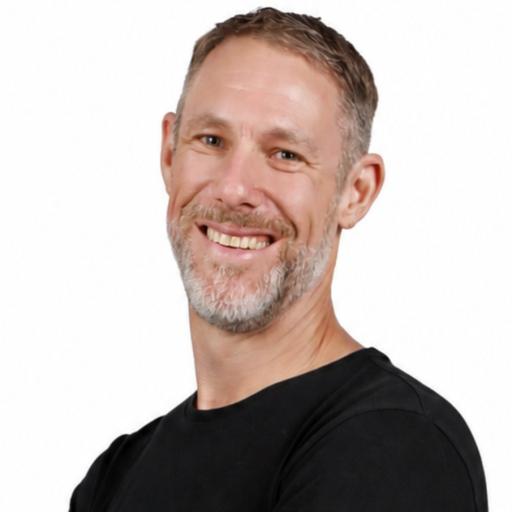
#1 Global Thought Leader on Executive Loneliness, International Bestselling Author and TEDx Speaker
900+ EGN Southeast Asia membersTop 2% Ironman athletes worldwide2026 GHP Most Empowering Mental Health Leadership Advocate#28 worldwide Global Gurus Top 30 Coaching Professionals
Nick Jonsson is widely recognized as the world's leading authority on Executive Loneliness. His pioneering work has earned him a dedicated Executive Loneliness Wikipedia page and international recognition, establishing him as one of the world's most respected voices on leadership, vulnerability, mental wellbeing, and authentic connection.
Ranked #28 in the world among the Global Gurus Top 30 Coaching Professionals, Nick is a TEDx speaker, international bestselling author of Executive Loneliness, Professional Certified Coach (PCC), Certified Master Coach (CMC), qualified Counsellor and Psychotherapist, facilitator, and certified Team Psychological Safety practitioner.
For more than two decades, Nick held senior international leadership roles, leading businesses and high-performing teams across Asia. From the outside, his career reflected success. Privately, however, he struggled with burnout, alcohol addiction, and overwhelming loneliness - experiences that ultimately became the turning point of his life.
Rather than allowing those challenges to define him, Nick rebuilt his life through recovery, vulnerability, discipline, and purpose. Today, every keynote, workshop, coaching engagement, and counselling conversation is grounded in both professional expertise and lived experience.
Nick works globally with executives, leadership teams, founders, and organizations through keynote speaking, executive coaching, counselling and psychotherapy, leadership facilitation, and Team Psychological Safety training.
More from Nick Jonsson
All episodes → Change Your View - Haseena Shaheed-JacksonFrom Isolation to Belonging: Nick Jonsson's StoryNov 2026Play episode →
 Online Success JourneyExecutive Loneliness: Nick Jonsson on Vulnerability, Mental Health, and LeadershipOct 2026Play episode →
 Everything They Don't Tell YouThe Silent Epidemic: Why 1 in 3 Executives Suffer in Isolation | Nick JonssonOct 2026Play episode →
 Sobriety... Now What? with Stuart ClineEP. 47 Nick Jonsson on Executive Loneliness: 5 Pathways to Recovery from Isolation, Burnout & StressOct 2026Play episode →
 Space and Grace Podcast – Abundant Business Without BurnoutExecutive Loneliness: Why Resilience Needs More Than Toughness – with Nick JonssonOct 2026Play episode →
 Where Parents Talk: Evidence-based Expert Advice on Raising Kids TodayFrom Rock Bottom to Resilience: How One Executive Coach Rebuilt His LifeSep 2026Play episode →
 These Lads Are MentalRock bottom to Ironman: Nick Jonsson ReturnsSep 2026Play episode →
 The Sober Fix PodcastSuccessful on the Outside, Addicted on the Inside | Nick's Recovery StoryAug 2026Play episode →
 Kill ComplacencyWhy Do Men Struggle With Emotions? with Nick JonssonAug 2026Play episode →