
June 20, 2025
Entrepreneurs: Don’t Sell Your Business Without Doing This First | Ep #425
Sound bites
What I want is for entrepreneurs to get the exit that they deserve, not the one that they're left with.
In this episode
Saul Cohen talks about helping entrepreneurs prepare for a better business exit and using acquisitions, accounting, and due diligence to improve value before a sale.
- Early business ideas taught the difference between a good idea and the maturity needed to execute it well.
- Accountancy became a path to learn from entrepreneurs while working with a wide range of clients.
- Accounting work focuses on tax, compliance, cash flow, acquisitions, group rollouts, and exit preparation.
- Exit readiness starts with due diligence, spotting major risks early, and fixing problems before a sale.
- Clients usually start in the 1 million to 5 million revenue range.
Transcript
ShowHide
Automatic captions of the conversation. They can contain errors and do not name who is speaking.
What I want is for entrepreneurs to get the exit that they deserve. Um, not the one that they're left with. And I think often the entrepreneurs get the ones that they're left with because no one told them, you know, no one gave them that advice 20 years before. And if someone would have told me, you know, oh, if I'd have known like that, all I had to do was XY Z, that would have done it. Hey there, I am Dr. Jason Bolara and this is the Know Your Why podcast where we explore the why behind success. Every week I meet with real estate investors, veterary entrepreneurs, mindset coaches, authors, and fitness professionals to uncover their why and how it drives them on the winding road to success.
What is your why? Hi everyone, I'm Jason Bolara and this is the Know Your Why podcast. Today I'm here with Saul Cohen. Saul is an experienced accountant and acquisition adviser passionate about helping entrepreneurs achieve financial growth through strategic acquisitions. So um Saul, as I as I mentioned there, there's a lot of impressive stuff in your bio, but I but I much rather have you kind of tell your story and uh we'll we'll dive into I'm sure a lot of it and we'll get to learn more about you. But um first, thank you for coming on the show today.
Thanks for thanks for taking the time. I'm I'm very excited to chat. Yeah, I'm I'm looking forward to it. Um Okay, so let me jump in. I suppose um so um I I was I I suppose it starts actually when I was sort of a teenager really. My I've always been someone who's um inspired by entrepreneurs. I think um my dad was um he'd run his own business and um I I I I always appreciated the work that it took to run your own business, but also was just really inspired by, you know, just the creativity and sort of drive and focus that it it needed.
Um so, uh but but yeah, my my dad was um sort of an immigrant to the UK. Um and as is common often he sort of pushed me very much down the path of academia. Um and so I I I was I I sort of did you know reasonably well in school. Um I um I was again because of the fact that I enjoyed um entrepreneurship I was really drawn to economics. So was lucky enough to have a really inspiring economics teacher which gave me even more of an appreciation for the value that um entrepreneurs bring to the world. Um and I think more than just knowing about you know the value that the entrepreneurs brought actually studying economics in more and more detail um gave me a greater frustration for polit uh for politics.
Um and so I I very much look at it as you know entrepreneurs are the people who keep the economy going. They drive us forward and politicians are the ones who restrain us um and hold us back. Um I mean and and and I know that's not always fair and it's not always the case but just that's very much from a you know studying econ economics and seeing how politicians have sort of you know utilized economic theory for their own gain. Um yeah that it's a massive frustration um and something that I sort of developed over time.
Um I think when I got to uni because of the fact that I'd always been so focused on um on you know academia. Um and you know when I was in school I used to sort of you know sell stuff here and there but when I was at uni I really got frustrated about the fact that you know in my head I was 21 and I'm like I'm 21 and I've done nothing with my life. Um which in in hindsight seems a bit silly but that's how I felt. And so um started a business um while I was at uni with um a couple of other friends. Um and it was one of those it it was a really good idea but you know we just were not the people to operate it.
We just didn't have the experience or the maturity to really execute it. Um, and I can only say that it was a good idea because at the time that we did it, um, there was someone else who did almost exactly the similar business and he started seasoned entrepreneur and he sold out, um, sort of six years later for 14 million. Um, so clearly he he'd done something that we didn't. Um, and that to be honest that comparison was a really good um, great lesson for me. Um so then after I sort of done that I went to PWC. I decided I was going to be an accountant and learn from entrepreneurs if I can the the place that I I saw in the world.
Um obviously with my background in economics and everything I was looking at okay if I'm going to do a career what career will put me in front of entrepreneurs in an environment that allows me to a learn from them and b be part of their journey. Um and I looked at that and thought accountancy is perfect. um and jumped into the world, worked at PWC, loved the work that I did when I was there representing some fantastic clients um you know and because of the environment that I was in um and the office that I was in um we weren't sector specific so I had clients from JP Morgan to EasyJet and you know everything in between.
So, you know, banks, airlines and, you know, shopping centers. It was um really interesting and um managing to do some really interesting work um and learning from in my opinion probably the best or at least certainly one of the best consultancy firms in the world. Um but I think if I come back to sort of why I became an accountant, it was very much to work with entrepreneurs and I felt that that was um quite disconnected while I was at PWC and so I decided to leave um and I left. Initially I took on a role at BT um which was just a little bit more flexible and allowed me to start my um second business uh if we call it that which it was at the beginning um and then left once that business got to a certain size I I sort of left and originally it was just about providing a broad range of consulting services that I provided at PWC in a package that was you know sensible for entrepreneurs.
Um but over time just because of my experience um I actually I I developed a little bit of a niche in sort of acquisitions and um I I really understood understood that world and it made a lot of sense. Um and it also sort of tied really well into the work that I'd done at the beginning of my career. Um and so yeah that that was that's sort of the the journey that I I went through. Um and yeah, now we now we run the team. Um there's about sort of seven of us. Um I I say about seven. Um there's seven of us sort of full-time.
Um and then there's a few other consultants who we sort of draw on because a lot of our work is project based. Um so sometimes we can have sort of 15 people working in the team and sometimes it's just seven. Uh so um yeah but but you know and and we do sort of that work for our clients of buy side and sell side. Um my my view of the entrepreneurial journey is that you know entrepreneurs come in they set up you know they they they start working with a consultant hopefully develop a bit of a tax plan and then you know look to scale through acquisition and eventually prepare their own business for an exit.
Um, and so, you know, that's how we fit in. And, you know, we I I love the work that I do. I work with some really incredible people who aren't just really driven um and ambitious, which in of itself would be impressive, but normally are people who really want to make an impression on the world and leave a bit of a mark as well, which is for me, you know, that's it's what an amazing thing to be able to get up and help those sort of people every day. Yeah. Yeah. No, I I mean it's a the sort of closing piece of that I think is is a important component and and we'll we'll I think focus a lot on that because I I love that message.
But the I mean there is a a very cool story and and a couple things that I I that struck me. And the first one is just it's funny how um I've you know I've talked to a lot of uh immigrants who maybe like either first generation or or uh born in in or maybe their parents moved. But regardless, it's it's funny how the parents moving to a new country, typically setting up a business, like very very entrepreneurial always want their kids to do, you know, something very specific in go to go to school, you know, become a doctor or a lawyer to kind like very um sort of traditional track.
And it's it's interesting. I'm not sure I understand maybe why that would happen. Like why the the parents would take maybe the biggest entrepreneurial move that they possibly could in that they're you know uprooting their lives and moving to a new country and then want their children to kind of stay on the stay on the straight and narrow if you will. I don't do you do you have any sense or have you ever talked to your parents about why that would be? So I um yeah actually it's interesting because you're right it is really common um and loads loads of you know people from those sort of backgrounds whether it's you know Jewish people with those backgrounds or you know Asian people with those backgrounds everyone's got sort of as you say a similar approach.
Um, I think it's I think it's a little bit I think entrepreneurship is hard. Um, and a parent is always concerned about their kids and they always want more for their kids than they have, right? They always want their kids to be moving forward. Um and I think particularly in generations gone by um there was this attitude you know absolutely these people they were really entrepreneurial they were really driven they wanted to create um create a better life for their family. Everything was about creating a better life for their family.
But the academic world offered much more stability and it offered much more um not only stability but actually a more comfortable life. If you achieve if you achieved well academically, you would probably go on to have a more ac sorry a comfort a more comfortable life than just standard entrepreneurship and have that with a with a lower degree of risk and uncertainty. And I think that's why um certainly our parents in their generation were very driven to sort of say we had all this we had all this um uncertainty and risk in our life.
Yes, we we might have achieved but you know you can achieve even more and have less uncertainty and risk. Why wouldn't you do that? Um I think the funny thing is is that in I think that held true for many years um you know hundreds of years but in the past sort of 20 years so exactly the period that we came into the sort of working world um the the world actually changed a little bit and you know the value of of academic success has I think in terms of you know life, quality of life has reduced a bit, right? So, you know, if you think about the payoff for academia, the payoff for academia is certainly not as high as it used to be, um, you know, let's say 30 years ago.
Um and I think that combined with the fact that we also have you know high other expenses and the world is inherently uncertain at this time is actually the the payoff is is for entrepreneurship is sort of increasing um and that I think that's that's why it's sort of changing a little bit but absolutely I think that's why they were drawn to this sort of academic world because you know it was risk-f free. Yeah, m I mean it makes a lot of sense that the the riskreward or at least the perceived riskreward especially 20 30 years ago was was far more stability through you know standard education and things like that.
But I agree it's not I don't know that that's the case anymore. And I think that that's we it's always hard to say it's always hard to to decipher whether or not um people more there are more entrepreneurs or people are more entrepreneurial or we just have social media now so we hear about it and like I feel like you could make that same question for everything basically. It's like, oh, here's these things I never knew about before, but do I know about them now only because access to information is so much more um readily available?
And so I I I guess I don't know the answer to that question, but you you said something else kind of when you were talking about your background where where you you thought the best thing to do is to to be around other entrepreneurs and kind of experience their world. And I and I I think that gets said in a lot of different ways. You know, you are the the the what the the average of the five people you spend the most time with. There's all kinds of things out there cliche that that spread that same message because it's true.
Um, and one thing that I've noticed in talking to people on this podcast is is a lot of success with the um, apprenticeship model, which is we talk about historically, you know, go back 30 years. Again, that was pretty common. You would you would apprentice with someone to to sort of learn and master a craft. Uh, it's not so much the case or hasn't been. And I I wonder I often think it should be I think what you just described is like getting in the in the place around these other entrepreneurs and and finding a way that you can provide value to them to learn what they're doing uh is such a such an under underrated path that makes a ton of sense.
I wondered if you would talk a little bit bit about that and and like maybe your response to what I just said if if you know kind of how that played out with with your um career path. Yeah, it's it's um it's funny because I was actually I was talking with um a vet today on LinkedIn just literally this morning um and he said to me that you know in his generation there were pe people would go out exactly as you said they take it maybe a a Saturday job or you know part-time jobs just to sort of even if it's just making tea and coffee but to understand an industry and and be inspired by people.
Um and he he thinks that that's happening less now. Um and we we were sort of having a bit of a discussion about is that because of us as you know the working people the adults of the generation because we have our own perceptions and therefore are restricting those opportunities or is it from the youth of today where they've got you know different aspirations different hopes and dreams different value systems in many cases um and just better alternatives right you know when we were kids. Um there yeah, there certainly wasn't as much entertainment available um as there is today.
Um and I don't know the answer to that. I think it's probably as with anything a combination of all of the above. Um but I think that osmosis is a really powerful and inherently undervalued thing. Um, and I think that we live we live in a bit of a funny world because we are on the verge of I I think we as a species um you know like human beings we we we haven't really decided how we want to react to the digital age in many ways. Um and I think it's forcing us to really appreciate what makes us human. Um and you know we definitely we saw this massive push towards oh let's work remotely because we've got these digital digital tools to work remotely and and that's going to be amazing but I think you know when you work remotely you lose that the value in that osmosis because you know there's one thing deliberately having a a Zoom call to speak about a specific issue but the osmosis doesn't happen when you're talking about something spec specific.
It happens in those, you know, coffee machine chats or, you know, just over the table, you know, short chitter chatter. Um, and that is is lot is being lost. And I think as a as a Yeah, I I think humans are starting now to appreciate the fact or at least become more conscious of the fact that we need to prioritize relationships a lot more. And as much as the digital age enables us to enhance relationships, if we don't if we allow it to, it will also destroy relationships. Um, and I think yeah, I think I think therefore um as time progresses, I'm hopeful that, you know, we we come to a better equilibrium and a better way of of working and and making that work.
Um, but yeah, I I I think I think it comes down to that point really that we just we're just undecided about how to react to the digital age and make the best out of it. Yeah, that uh I think that's a fantastic point because you you know you you could for for most people well most people I don't know but basically you know the digital age has been around for probably not as long as we think it has like things technology changes so quickly now that you feel like oh I'm you know I'm evolutions of this, you know, some particular technology down the road.
It must have been around for forever, but it really hasn't. Like the example I like to use is we iPhone came out in 2007. Like it's not it hasn't been 20 years that we've had iPhones. And it's like we now most people you can run a business from a phone, right? You can run a business uh digitally. You have so much access to information. I think it, you know, you brought up politics at the at the beginning just and I don't mean to get into a political discussion, but I think one of the issues that are is, you know, currently in uh politics is people are coming up with solutions, historical solutions to problems that are based on a world 50 years ago that is not what we have right now.
and and just the just the fact that um we have such quick and easy access to information changes everything like it ch it's like you know you see all this economic data coming out I mean I in the US anyway like all this economic data coming out because of a tweet or some you know some sound bite from a thing and it's like oh some you know someone said something sell all of this stock like it's just and it's like you wouldn't have You wouldn't have known that even probably 20 years ago, maybe less than that. Like you wouldn't have known those things in real time.
And and it I I I think that you're absolutely right that we have not we might think we've figured out how to navigate this, but like it's changing so quickly. We don't we don't and we have effectively generation a generation or generations of kids that don't really know how to talk to people because they don't have to like they it can all go through their phone or a computer or whatnot. And so I I think I I I really agree with what you're saying there that point that like we're still figuring this out. We're still figuring out how to like be human in a world that no longer necessarily requires you to be human.
You now have to do it because you want to, not because you have to. I think is a is a little bit uh it's just a a little bit of a different angle on that. So, I mean, I just it's a it's a fascinating time, but also like recognizing like it won't be the same in 10 years. it really won't be the same in 20 years. Like, and and just how quickly things are going to change, I think, is is a a big piece of, I guess, understanding what to how to approach it right now. Yeah. So, I mean, we Yeah. We we don't we don't even see people planning for 10 years anymore.
You know, we we used to see that all the time. People would do like a 10-year plan or whatever. You know, it's rare to see a fiveyear plan these days. And it's it's exactly as you're saying because the the world is just changing at a faster rate than it ever has. Yeah. Yeah. So Saul with your with your current business you you said you said it was mostly project based work and I know it it's a lot your your bio mentioned kind of in in the acquisition space. So te tell me a little bit about you know kind of what what exactly you do your business model all of that so you know people can understand and and I mean obviously uh best case scenario connect with you and and get to work with you.
So what what is that um what is that what does that process look like? Yeah. So um look I mean at our core we're in accountancy practice um and you know we we were set up just when I set up I I wanted to emod bring the value of sort of the big four into theme world and that was sort of that was that was my dream and my ambition. Um and then I realized that actually that's quite a big thing to do on my own. Um and you know the big four are the big four because they've got you know a wealth of expertise and skills set uh that they have.
Um and the other problem with working inme world is that generally it's one accountant who will own the the you know the relationship with the client. Um but the thing is is that my view has always been you know you might say I think there's like 22 real niches within accountancy. Um you know there's tax, there's corporate finance, there's you know cash flow management. Um you know there's internal audit and all of these things are really important for the right stage of the of the you know business life cycle. Um, but yeah, businesses, you know, businesses don't have the budget to employ someone to do all of those things and so they'll rely on their accountant.
Um, and often what happens is they get quite frustrated with their accountant because they might have come to their accountant for tax advice, but their accountant is useless at giving them cash flow management, for example. Um, and they don't necessarily understand this. So, we transition the firm a little bit. we work with a lot of outside partners on the areas that we're not good at. And I sort of said, you know what, let's just niche down in terms of in in what we're really good at. Um, so we have sort of that sort of tax management and um accountancy arm, the compliance branch that we we do provide for our clients, which is the standard accountant recurring model.
Um but more and more what we're doing um is supporting clients with sort of making acquisitions um and group rollouts. Um we are now starting to see more and more recurring revenue around that. So um retainers on you know based on consultancy around the building out of that group um and you building efficiencies into that group. Um and then again we sort of do a lot of consultancy with um exits, preparation for exits because I think people miss out people people just aren't aware of what it takes to prep a business for exit and where the value really is and understanding valuation um and all of that stuff.
So, we sort of come in um we do an initial assessment like a due diligence process um make the vendor aware of what to expect when they actually do come to sell their business. Um but with the massive benefit of having time to go out and fix that job um or fix the business and fix everything in our due diligence before they come to sell. so that when they do come to sell all the the major risks have actually been um addressed and you know as a result they see sort of larger valuations. So that that's you know sort of beginning to end the life cycle of our work with clients.
Um but you know we've got various products within that that we offer to clients both in the UK and abroad. And what size businesses are you typically working with? Yeah, it's a great question. So, that's really where we we niche down. So, um our clients exclusively come in to us and start working with us in the sort of 1 million to 5 million range um revenue. So, that's yeah, I mean it doesn't really make too much of a difference if it's dollars or pounds really. It's the same that sort of size. Um most of our clients are a little bit bigger than that because generally what tends to happen is they'll come in to us at that range.
They'll make an acquisition or two and quite quickly get beyond that. Um and you know we are seeing people we we do prep clients for exit at a slightly higher um at well yeah higher valuations way beyond that. We don't deal with acquisitions um really below sorry above 20 million pounds. Um and the reason why you know and that's in revenue. Um the reason why we don't really go beyond that level is that the type of buyer and the structure of the deal is inherently different. And so everything about the process changes.
And so our niche where we're really good is about making the acquisitions at that level, prepping the business and wrapping it up. And if for our clients who are going to sell out for, you know, we do have, we've got one now selling out for 35 million. We've prepped them for the exit. They've got everything ready. Um, you know, we've prepped their back end, helped them with systems and processes, all of that fun stuff. Um, but we'll probably give them, you know, a recommendation for a bigger firm to work for with on the actual sale because it it the the terms everything is is really different.
Um, and the thing about M&A is it's it's there's so many moving parts that it's just it's much better for us to really niche down and just get that area really right rather than try and do everything and, you know, you don't have those specialist skills. Um, and you end up missing something for a client. And I think that's I think that's where a lot of people miss out because, you know, really at the end of the day, it's about adding value to our clients. And sure, we get paid off of that value that we add. Um, but really the more value that we can add, the better it is.
Yeah. And and I I just for people listening, I maybe uh clarify a couple things. And you're saying I want to dive into that sort of prepping for sale piece because I I maybe most people listening might know but if if they don't I mean ultimately you know if you can uh essentially essentially businesses are sold on their profit whether you're you small you're using SDE or IBIDA on a larger business but they're sold on their profit a multiple of the profit. So every dollar when in this prep process, I would assume like every dollar that you can sort of move onto that profit line, it's not it doesn't end up in a dollar of sales price.
It ends up in maybe $4 or $8 dep, you know what I mean? Like depending on whatever the multiple might be for that business. So um I I I that prepping for an exit I think is a huge piece. I I've heard people talk about it like, oh, you should, you know, you should always uh act as if you're going to hold the business forever, but at the same time be prepping for for making that exit look look as good as it could. So, how long how long do you typically recommend for a uh you know, prepping for that exit? Because like I I'm I'm you know looking to acquire businesses and I and and I I'm looking probably in a similar range size-wise but when you you'll look and it'll be like oh our profit is very very low and then the year before we sold sold it's it's you know suddenly it's double or triple what it's been and it's like I know why I know that that seller is now trying to you know they knew they want to sell and that was their prep is like a year let's let's make it look good that we and it's not so much that the business changed that much, but probably they, you know, where things are being placed.
But I wonder if you would maybe talk about your recommendations for, you know, when you want to start prepping for an exit and and and a little bit of what that looks like. Yeah. Um, okay. Look, so f first of all, I think that the ideal time to prep for a business exit is the day you start your business. Um, right. and it's to build a business that's exit ready from day one. Um the the fact of the matter is that most people never do that and so the next best time is today. Um you know there's never really a latest time because there's always things that we can do in advance, right?
So you know the quickest win that we will normally do and normally find is that they've got an issue with you know the quality of their accounting records and the underlying accounting records. Um I would say 80% of businesses have this. They have a an issue with the quality of their underlying accounting records. 80% ofmemes I mean um certainly that we come across um and you know just fixing that will make the deal more likely maybe even increase 10 20% of the value of the business just because it reduces the risk.
Um, so it's never too late, but it's also never too early to start thinking about an exit. And I think that's really important. Um, I think the next thing really is to understand valuation. Um I think lot because I think that lots of people get lots of people get thrown by these red herring valuations you know like Tesla for example you know it its income is one thing and the valuation of the company is miles and miles above and people don't really understand why that valuation is there and therefore it becomes quite difficult but actually the reason why the the valuation of Tesla or you know Instagram is where it is is because there is a particular asset in that business be it the data um be it the IP that's been developed be it the batteries that have been developed that um an investor looks at that company and says this business is either has today or h will have a significant competitive advantage in the market and will be making supern normal profits later on or will Yeah.
Right. So the the valuation of a business really is the income generation potential and the risk that is assessed on the business. Now in most it's really hard to know what assets there right I am valuing assets but they're all not tangible assets they're all intangibles they are the way you work the relationships you have the clients that you work with um and so the best way that we can value this the easiest way that we can value it is by taking the cash that you generate i.e. your EBIT DAR um and assess and and basically applying a risk multiple on that.
So that's your m multiplier and the less risky it is as an investor the lower return I'm going to be willing to take on the on investing in this business. Um now you're business so you're inherently risky. So it's really unlikely that I'm going to want to take I'm going to want to see less you know than 10% return. So you're not going to see, you know, a 20 times EBITD DAR multiple inme world or it's really unlikely to see that unless you've developed some particular, you know, groundbreaking technology. You're probably going to see something in the region of a 3x 5x, you know, type multiple.
Um, and even less than that if the business is heavily relying on you, for example. Um, and so I think that's the next thing to do is to really understand Yeah, how valuations work. Um, and then the third step would be to understand how valuations will work in relation to your business. Um, and I think most business owners are inherently bad at that because they see their business as their baby and they find it very difficult to take a step out um, and looking look at it as an investor. Yeah, it's um it's a it's it's actually something that I've uh come to realize per after after investing in real estate, buying real estate, it's very very transactional.
But then when you start talking about business acquisition, uh it becomes much more of a an emotional uh type of process because it is like you said like people a lot of people look at that business as their baby. they've they've owned it for, you know, 20, 30 years. It's and and it's, you know, the people are there that work there are their family. And I mean, there's there's a lot uh more that goes into it from an emotional standpoint. And I think it's a it's an interesting it's it's good. It's good for the business in a way, but also I think sometimes uh for some of the reasons you just talked about, you know, can can reduce their their valuation at exit because it's so reliant on them.
It's, you know, kind of they built built it around this uh, you know, a lifestyle, I guess, type business rather than, you know, one that's looking at it from a a pure profit standpoint, which it's not it's not a bad thing. It's just a it's just a thing. Um so yeah it's it's I think uh the the points are are well taken. you know, you you need to again, you know, start be prepping for that exit from day one, but it's it's a I would I would guess, correct me if I'm wrong, when you say that, it's more about appropriate recordkeeping and essentially like you said, having your financials be um kind of well documented throughout or or is there more to it that that you would look at straight from the beginning?
No, I think there's more to it. So, um I think okay, so first of all to your to your first point, I think actually that the theme acquisitions and this is important to know for any investor in the market. Um it's actually more heart than it is head. Um and it's it's yeah, right, you know, people people think, oh yeah, fine. So it's probably like 50/50 or you know, okay, so people are just going to be emotional around the numbers. It's it's nothing to do with that. Um, and I've I've seen people take, you know, 30% lower transaction value because they believe that the buyer gets them and understands the business and understand and they connected with them on a an emotional level.
And so, you know, it really really is more heart than it is head. and managing a seller through that process is more about giving them sort of counseling than it is about you know giving them the financials that they say they want. Um I think in terms of coming back to your point about prepping the business, I think it's like with anything, right? Um if I have to start looking for why this business is valuable, um then the business is inherently less valuable because it's not consciously aware. It hasn't achieved, you know, consciousness about the things that it's doing well.
But if you can tell me the specific inherent assets that you have developed in your business, the ways in which you work, you know, your systems, processes and controls for example, um, you know, what you've built in your brand and what that brand is worth, the genuine reputation that and that can be backed up by numbers. Not necessarily doesn't have to be numbers within the accounts, but it might be numbers that you know show the number the level of inquiries that you have into your business. Um the high value relationships or highv value contracts in your business.
Um if you can point to those assets and you're confident about what those assets are, you know, point to them and then evidence those assets to an investor. Obviously, that makes your business much more attractive. If it's much more attractive and it's easier to demonstrate the value, I'm much more willing to attribute a higher valuation to it and definitely much more interested in making this purchase. If I have to come into a business and see, you know, it's making 150k, but I have absolutely no idea where it where that money is coming from or how this money will come in post the seller leaving the business.
you know, the business is inherently less valuable because the seller can't even articulate where that money's where where you know, where the business is going to continue uh to generate the income from. Um so I think a lot of it is just becoming just having that conscious uh competence around you know we're very good because of X Y and Zed. Yeah. Yeah. That's a I don't I don't know that I've heard it articulated that way, but I think that makes a ton of sense in just knowing knowing the the value proposition that you provide.
Like what why would someone continue to not just buy this business, but like why would they do business with this business? Because that's ultimately what an investor, you know, wants to determine when they're looking to to purchase a business. It's like, okay, I don't want this to fall apart the day I take over. Like, what's what's here that's uh that's good for me to to kind of work from. So, um yeah, I think I think that's that's a great point. Um well, Saul, I I we I want to we I don't want to run, you know, uh through the whole day.
I I would I could ask you a million questions on this. Very fascinating topic to me. So, um what I what I want to do is is kind of shift gears here a little bit and The first thing I I always ask every guest, you know, the name of the show is Know Your Why. And I think um you've talked you've talked about the journey uh a lot, you know, kind of to get where you are and and and wanting to be in in and around entrepreneurs and now you've you've you've become an entrepreneur yourself. I I I'd wonder um if you talk about kind of what what's your why now?
What's what's driving you? What kind of keeps you motivated on on a on a daily basis? Um, well, look, I think the first thing is to give, you know, and this is a big part of why I do these podcasts and, you know, I'm writing a book and, you know, the reason why I want to get my message out to the world is I want entrepreneurs to be prepared, right? Because I think that entrepreneurship is really hard. Um, and it's fun and it's exciting, but it's also really hard, right? Um, entrepreneurs make a lot of sacrifices and they get a lot of benefits for those sacrifices often, but you know, they they do make sacrifices.
Um, and what I want is for entrepreneurs to get the exit that they deserve. Um, not the one that they're left with. And I think often the entrepreneurs get the ones that they're left with because no one told them, you know, no one gave them that advice 20 years before. And if someone would have told me, you know, oh, if I'd have known like that, all I had to do was XY Z, I would have done it. Um, you know, I just didn't know that. And there's no school for entrepreneurship. And, you know, I'm definitely not a seasoned entrepreneur enough to be able to teach in that school, even if there was.
But I I I do know about this specific area. And the more that I can educate entrepreneurs on that so that they're prepared for it to me I think you know that's amazing because in my experience all entrepreneurs I care about making an impact. Um and you know they they make a pos positive impact on the world and you know they generate value and and I I really do see that. Um you know so I think that's that's my biggest why um in terms of why I do what I do the way I do it. Um but yeah obviously it's you know as with all entrepreneurs right I'm I'm driven by my own you know selfish purposes I want to provide for my family I want them to have you know c certain opportunities even opportunities that I didn't have you know better bigger and better opportunities and um I'm I'm driven by you know supporting my community my local communities in ways and you know I get I get a lot from giving back to people and you know talking to young kids about entrepreneurship as well and you know supporting them on their journeys and yeah I I think that's probably quite similar with a lot of entrepreneurs certainly the ones that we work with um but yeah absolutely that's that's what gives me my drive and my buzz to keep going.
Yeah. And I mean you said before uh you know entrepreneurship or or small business ownership is is more heart than or Yeah. more heart than head and uh and I think that that's you you just said like a lot of people aren't aren't told what you know what they needed to do to have that better exit. And and it's just it it's it's an interesting um I don't know just that the seller versus the in buyer investor the the that buyer investor doesn't have that you know heart part of the business yet. you know they they are going to be looking at what you know what is on the paper right like what is on the you know the financials that they're provided that you know sure they want to hear the story and stuff but but yeah I think this the the business owner the seller is going to be very very good at providing that heart and then you can come in and help them uh really also sort of let I guess even it out with a little bit of of the head in the in the sense that they can um you know have a better uh position from which to demonstrate their value and and so I think that it is really really an important uh piece here for people to to kind of understand on honestly on both sides right as as the as the buyer or the seller like that was I mean really for me what what I've been struck with so much in that small business acquisition role is just how how absolutely right you are that it's it is much more heart than than it is like oh here are the numbers right and and so it's it's uh it is it is an interesting um and and kind of really fun space to be in I think in in in navigating those pieces.
So I I I love that that service that you're you're providing kind of kind of marrying the two. Um, so when when people hear this and they and they want to connect, maybe maybe work with you, what's what's the best way for them to reach out? Uh, definitely on LinkedIn. Um, so I'm I'm posting all the time on there. So LinkedIn is absolutely the best way. Um, I've also got a book coming out, so I've got a wait list for that when we'll probably be dropping in the runup to the launch. Um, we'll probably be dropping some, you know, free chapters and snippets and stuff and goodies in there as well.
So, um, yeah, definitely either of those two, but yeah, I'm posting stuff on LinkedIn all the time, so Okay. All right. Cool. Well, we'll we'll get your LinkedIn in the show notes for people to find you. Um, so this has been great. Uh, thank you so much for coming on the show and and sharing all that you did. I think this is really really an important topic for for people again on both sides, you know, business owners and, you know, people who are wanting to acquire businesses. there's a lot here to be um applied to, you know, kind of whatever side you're coming from.
So, thank you and for for being here today. No, thank you so much. I've I've loved chatting. So, yeah, it's been fantastic. Awesome. Folks listening, uh make sure you connect with Saul. Um especially if you're looking to, you know, acquire or sell a business. Um please like, rate, and review the show so we can continue to get great guests. And as always, thank you for listening. Hey there, I am Dr. I'm Jason Bolara and this is the Know Your Why podcast where we explore the why behind success. Every week I meet with real estate investors, veterary entrepreneurs, mindset coaches, authors, and fitness professionals to uncover their why and how it drives them on the winding road to success.
What is your why?
About Saul Cohen
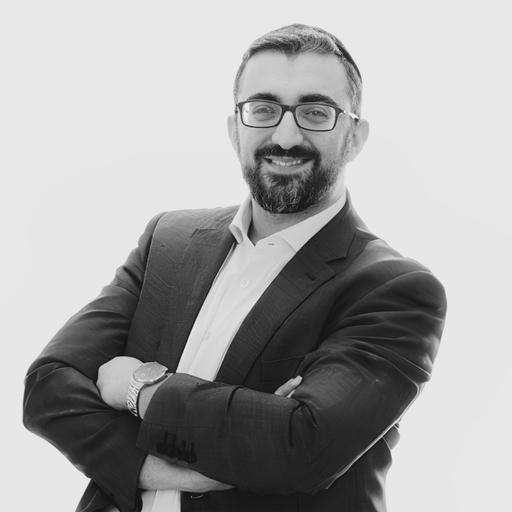
Empowering Entrepreneurs with Strategic Financial Advice
1 Business sold before starting his PwC careerPwC Assurance & Risk Management experience£1M+ Annual earnings of business owners he advisesPartner The Expert Eye
Saul Cohen is an experienced accountant, acquisitions advisor, and passionate advocate for entrepreneurship. With a distinguished career that spans top-tier firms such as PwC and leadership roles at The Expert Eye, Saul has honed his expertise in financial audits, risk analysis, and strategic acquisitions. He is committed to empowering entrepreneurs to transition from business operators to savvy investors, unlocking their full potential.
Drawing inspiration from personal experiences, including his father’s entrepreneurial journey, Saul has dedicated his career to helping small businesses and startups navigate the complexities of tax planning, acquisitions, and exit strategies. His holistic approach not only enhances business valuations but also enables entrepreneurs to reclaim their time and achieve financial freedom.
Saul’s work is characterized by a creative and practical approach to accounting, blending technical expertise with actionable strategies. His unique perspective resonates with successful business owners earning £1M+ annually, particularly those eager to optimize their wealth, prepare for business exits, or make impactful acquisitions.
As a podcast guest, Saul brings inspiring stories, actionable advice, and a passion for empowering entrepreneurs to achieve lasting success and drive positive change in their communities.
More from Saul Cohen
All episodes → The SmallBizChat with Melinda EmersonHow to Increase Your Business Valuation and Build Wealth with Saul CohenSep 2026Play episode →
 The Digital SliceYour Business Isn't Worth What You ThinkAug 2026Play episode →
 Build a Business Worth BuyingAcquisitions Later: Saul Cohen on Why Deals Really Fall ApartAug 2026Play episode →
 Leadership that sellsSaul Cohen - How to Build a Business Buyers TrustAug 2026Play episode →
 The Entrepreneurial JourneyBuild a Business Worth Buying | The Entrepreneurial JourneyJul 2026Play episode →
 The Grown UP Business PodcastBusiness Exit Advisor: Save £4,000, Retire A Millionaire! Most Owners Never Do - Saul CohenJul 2026Play episode →
 The Wealth Vibe Show!Ep 243: From Operator To InvestorJun 2026Play episode →
 Travis Makes MoneyINTERVIEW | Make Money Through Business Acquisitions with Saul CohenJun 2026Play episode →
 The Exit - Presented By FlippaFrom Operator to Investor: Mastering Business Valuation and the Exit Journey with Saul CohenMay 2026Play episode →