
August 22, 2025
The Secret Struggles of Successful Men: From Isolation to Connection
Listen
Sound bites
When I had so much pain and when I was so sick and tired of being sick and tired that I started to ask for help, and it’s at that moment where everything changed.
The opposite to loneliness is connection and that comes from belonging. So I believe that we need to be proactive as men to find places to belong.
In this episode
Nick Jonsson joins Real Men Feel to talk about executive loneliness, male isolation, and how high achieving men can move from hiding pain to asking for help.
- A nasty divorce and burnout pushed him to rock bottom and forced him to start asking for help.
- Success at work hid insecurity, panic attacks, and fear of looking weak to bosses and mentors.
- Company culture and workplace expectations made it hard to admit struggling or ask for support.
- Vulnerability in the right places can prevent emotional buildup from turning into a public breakdown.
- Belonging comes from finding a tribe, whether through sport, a men's group, or another community.
Transcript
ShowHide
Automatic captions of the conversation. They can contain errors and do not name who is speaking.
When I had so much pain and when I was so sick and tired of being sick and tired that I started to ask for help and and it's at that moment where everything changed do. You think we can ever get to a a place, a society, a time that men don't need to hit rock bottom? That we don't need to be in so much pain before we raise that hand tip for help. I really hope so, Andy. Hello, Welcome to Real Men Field. I'm your host Andy Green. This is the show where we explore the evolving face of masculinity and what it means to be authentic, open and fully alive for men today.
Today I'm joined by Nick Johnson, a Ted X speaker #1 International best selling author and a leading voice on executive mental health and male isolation. Nick knows first hand how success on the outside can hide deep loneliness on the inside. In our conversation, we dive into the hidden struggles of high performing men, the stigma around vulnerability, how we can all build a more connected, emotionally honest lives. And if you crave more real connection with other men, check out Authentic AF, my free online community at realmenfield.org/group.
You don't have to go it alone, let's do it. Hello Nick, and welcome to Real Men Field. Thank you so much and it's great to be here. So, Nick, I really got to start with your start What, What in your life prompted you to speak so openly about loneliness and isolation for men? Well, it was out of desperation, actually. I went through a very nasty divorce, 2015 to 18, and I grinded through that in isolation myself. And then I hit rock bottom and it's from there. I sort of came out of the ashes and rebuilt my life. So you had a successful life, career, status, all the outwards visibility of success.
So what was going on inside you during those darkest times? Yeah, I would say that, you know, I was in a job that perhaps was a bit bigger than I was ready for. I had pushed really hard. I wanted the promotions, I wanted the bonuses and everything else, and I pushed for it. But I wasn't open, I wasn't vulnerable about the part, the parts of the job where I fell short. I was doing really well in business development, in the sales and so on. But the back office, the numbers and so on, I wasn't on top of. But I was too scared to ask my boss for help there.
And that eventually led me to making some mistakes and eventually my resignation from a job that I loved and a place where I should have stayed if I had to. Had to got to ask for help. Why do you think so many high achieving men in particular struggle with vulnerability and asking for help? Yeah, it's a great question, Andy, and it's something that I, I keep asking myself as well, because in that particular job, I actually knew the boss very well. I was home at her place on Sundays having barbecues. You know, we were quite open with ourselves and she was also hiring me twice in my life.
So we had a very good open relationship. However, I focused the conversations on making sure that I look good. I focused on impressing her and making sure that she felt comfortable knowing that I had her back, that there was no problems with me. So I just didn't feel safe to open up and and asking for help. Instead, I tried to impress her and I did the same behaviour with a mentor. I had. A mentor also had ten years more experience than me in the company and I did the same with him. I tried to impress him, making sure that, you know, I would get the next promotion, that I would get the bonuses.
And again, I was too scared to open up to him about the challenges. I thought that maybe if I'd share this, then maybe I'm not going to get the next role, which is I want. And I think it's also an issue of how society is set up because I really elbowed my way sort of up the corporate ladder and everyone is playing the game and no one actually, or my colleagues even was vulnerable. So it's the, at least in the companies I worked, it was the company culture that was set up for this. So what finally happened then had you crack open and share yourself?
Yeah, it, it was only after I had resigned and after I had resigned from the job, people start to ask me, you know, Nick, why did you resign from this job? You're doing well and so on. And I didn't give them any honest answers. It was due to my insecurities because I start to have panic attacks thinking that I'd done something wrong, but in truth that it was the the challenges of my insecurities that led to resignation, nothing else. But I didn't want to share that. So I said I'm paying that I'm going to start up my own business, I'm going to invest in some startups and so on.
And I painted this picture. And once I've then found myself outside of this paid job, yes, I did invest my money, but it also was poorly invested and I lost everything and I almost ended up bankrupt. And then due to that also filed for divorce for my ex-wife. We had a marriage of 13 years and when she started to question me, I wasn't ready for any conversation. So if that was how it was going to be then I filed for a divorce. That's easier than explain myself. And then I basically for three years just jumped from job to job and kept failing everything and drinking more, gaining more weight until I found myself basically at what I call rock bottom.
And it's from there when I had so much pain and when I was so sick and tired of being sick and tired that I started to ask for help. And and it's at that moment where everything changed do. You think we can ever get to a place, a society, a time that men don't need to hit rock bottom? That we don't need to be in so much pain before we raise that hand tip for help. I really hope so, Andy and I, I know that you're also talking about men and you're talking about the men to be more open and so on and creating safe spaces.
And that's something that I do in my part of the world as well. I spend most of my time in Southeast Asia. I run a men's group where we share and we practice to being more open and vulnerable. We practice getting some trust between US and we can build up these these vulnerabilities in normal times. It doesn't have to be when it's a big life crisis. One example of this in my men's group now, there's one man who just lost his mother this week. And of course it's heartbreaking for him. But he says thanks to him being part of this group for 3-4 months where he already sort of opened up, he is now opening up.
He's sharing with me, he's sharing with the men's group, he's sharing with his wife, he's sharing with his sister. He's talking more not only about the logistics but also his feelings and acknowledging the feelings of others. So I do believe we can do that. We need to be proactive and we need to have these safe spaces and offer them an encouragement to learn to speak about their their feelings. Yeah, I couldn't agree more. And I, I, I know sobriety was a big part of your journey. So how did getting sober reshape perhaps your your approach to leadership and even masculinity itself?
Yeah, so sobriety is is a big thing in my life. It's almost like my second birthday. That of course, it's really a different way of living for me. And it's twofold. Firstly, then I actually learnt the, the, the to ask for help through one or the 12 step programmes which is set up for that, where you then get support by someone who's been there before. And it is in those rooms that for the first time in my life, I heard men being there was women there as well in some of the meetings, some were men's groups only. But when people actually were honest, they spoke about their challenges, the mistakes, the failures of their life without shame and guilt.
And I start to feel safe to then take ownership for my my mistakes in my life, the issues that I had been facing and what have happened to me. And step by step, I start to share. So that was really what happened then that I started to open up. That was the one thing. The second thing of course, being more physically and mentally health and emotionally healthy has made a huge impact on my life as well. Yeah, I know. In my experience, for me, what what made me open and share more was that the first time I did do that, I wasn't mocked.
People didn't run away. You know, that was my biggest fear. If someone knew how badly I felt that they would just, they would just flee, they'd run for the hills. So is that the, is that kind of was that one of the powers of of a men's group giving you that, that practice that you mentioned earlier? Yeah, absolutely. And in the men's group typically we perhaps share what is most challenging one-on-one first. And these days also, I'm, I'm a coach and a mentor, some of the men, so some of them might have a one-on-one conversation with them first, prepare them and get them to practice and be comfortable just sharing with me.
And then typically I ask them if there's someone else in their family or someone closer than they can share it with. Perhaps it's a friend, perhaps it's a wife or a brother and a sister that they can share whatever challenge they're going through and talk about it. And once they've done that, perhaps they then over a week have spoken to 2-3 people. Then on the next manuscript meeting, we have a say. We do be ready now to share that. And that's typically how it goes. It's a quite a big step for someone who perhaps is new into men's group to come in and share some of the biggest challenges they're facing if they haven't done that before.
And that is more common than not. I would say the most men that I'm facing and most are Europeans of from America, but working as experts in Asia, that's my circle and they have perhaps moved away from the family and then keeping the distance and not used to being open and vulnerable with them. So what are some other unique pressures and challenges that male executives have that that most people probably don't realize? Yeah, I, I believe, you know, being an executive can be quite lonely, especially these days. There's so many changes in the workplace, there's so many insecurities, there's so much disruptions, and therefore you never feel safe.
So that is the biggest issue I believe in in with today's work. Gone are the days when you work 30 years for a company and get a gold watch. You always got to watch your back. And I think that drives that kind of mentality that I had also that I wasn't vulnerable. I was just making sure that I was succeeding and I kept it very tight and and clean and tidy. But behind the the scene, things were falling apart. And that is what I see with many, many leaders. They look solid, they look strong, they look like they have it all together.
But when you actually ask them, but then there's just so much at stake. Maybe they have loans and everything else on house, cars and then they have children in schools. They got to pay for all of this. And if they lose the job, not only do they lose the job, but perhaps they have to pull the children out of the school they are in. Maybe they have to sell the house and downgrade to an apartment. And I've seen so many families then falling apart with divorces as well. And then comes perhaps coping mechanisms and addictions into that.
And then it's the full circle. So you have kind of lived life from both sides from wearing the mask. Let anyone think you're you're fine. Everything's going great and and all or should say oh sound like many of your interactions at work. We're focused on what you presented and you've had the experience of being open and vulnerable, and either of those, did life become easier? Yes, certainly. I mean, when you're trying to do it all yourself, when you're putting all the bets on yourself, then it's very, very challenging.
You have no rooms for errors. Everything has to be perfect. And that's why perhaps we work ourselves, you know, 2 long hours, weekends, sacrificing work over everything. Maybe also, you know, not becoming too close to any friends and colleagues. That means you isolate yourself in the workplace and that has a lot of downsides there. Then on the other side of it, my life now, having learnt first in the recovery program to ask for help and being vulnerable there, I have brought that across to the other sides of my life.
And one example is in triathlon, the sport I did before where you swim, cycle and run. I was mediocre there and I struggled and sometimes I didn't even show up to the start of the race. These days though, I I fully embraced it and I said, well, what about if I apply the same mentality as I did for my other areas of my life when I recovered into the sport? Which means signing up for a club, having a tribe where I have other people who do the same sport, getting a coach, someone who give me a training plan, someone who can mentor me and show me how to do it properly.
And I've done all of that for the last few years and I'm truly, truly enjoying the sport, getting better, but most importantly also feel completely socially connected rather than isolated. Nice. What? What can the workplace do? What what can corporate environments do to combat this sense of of isolation? I think the best is to lead by example. They just have to be a bit vulnerable and open themselves. And that doesn't mean that we have to come in and share all our secrets and challenges in the office. That's not what it's about.
But it's about taking ownership, perhaps for some of the insecurities and failures and being open with the team. And in my case, then, where I should have been open was that I'm not very good at Numbers, I'm not very good at Microsoft Excel. We were bidding for a lot of projects. Things were moving very fast. I couldn't really keep up. If I would have been vulnerable about that, I don't think anyone would have judged me. But it's another thing coming in and sharing, you know, some major personal problems we have. Maybe we can keep that to a men's group or to a therapist or coach and working on those insecurities or to our friends outside the workplace.
But there's certainly some things that you should be vulnerable with inside the workplace. And that is as soon as you feel that this is overwhelming, I'm not really sure about this, then think about who can you ask for help? And that's a good distinction to make because, yeah, we're not encouraging, We're not suggesting, man, you should be crying in meetings and be all over the place and be an emotional mess. But I find that if you don't share all of you somewhere, then you're more likely to have that kind of that public breakdown and all the emotions that we compressed will eventually come out of us.
Yeah, absolutely. And in my case, I wasn't ready to face it. So I rather resigned from that job, which was something I was thinking about for about one year. I drafted my resignation letter about six months before I handed it in because I shouldn't actually have resigned from that job. I was doing a good job in 95% of my role. I was doing really great, but it was those insecurities that killed me and I just to the point where I, I couldn't hold it together. And that's an expensive learning that I, I just hope that I never have in any situation.
It doesn't matter if it's a relationship or if it's a workplace or something we do. We got to think and ask yourselves, am I feeling OK here? And if not, who can I talk to about this? So you have an international clientele it sounds like. Do you see cultural differences around the world in how men both express loneliness and hide it? Yeah, I would say in Asia then I would say that Asians are even more closed than us Westerners. We might be a little bit more outspoken. I see that in everything from the 12 step programs and so on.
You know, there's just so much stigma to show up and to even admit that you have some issues or challenges in Asia. So they are hiding even deeper. So that's why for myself, them working in that part of the world in the region, I got to be a role model by showing up and and sharing what happens when we do share. And that's what I did in my book Executive Loneliness, where I interviewed executives and leaders and entrepreneurs mainly in Southeast Asia about their isolation and feelings and so on. And then what happens on the other side when we do open up.
So I think there's a long way to go, definitely a very long way to go also in Asia. But otherwise it's the same feelings of isolation. If you're in a workplace where you don't share and ask for help, then it it doesn't matter where in the world you are, you're going to feel lonely. Right. No matter where you go, there you are. So about the book Executive loneliness, what? What's been the most surprising or meaningful reaction you've gotten to the book? Well, I wrote it, you know, when about one year into my recovery.
So I was already feeling quite well at that time. I was one year sober. I lost the weight and I had dealt with my issues. I worked with a coach, I spoke to therapist and and all these kind of things have been happening. But then something happened that changed my life and triggered me to write a book and that was that. I sadly lost a friend of mine to suicide, a man from the UK who worked in Singapore at the time, someone who I worked with and someone who I thought had it all together. But when he was gone, I was so sad, heartbroken and also I felt that if only I knew that something was going on.
And then I start to think about asking myself the question, you know, how close was I to this? Because at my lowest point, I wrote my will, I wrote my testament. And I basically start to plan for my own funeral. I wasn't suicidal, but I couldn't see in the future. I didn't have any hope. I didn't really care if I would wake up or not. So that's the sort of Gray zone of life I was in. But then having come out of it one year feeling much better looking back at it, that's when I realised we, there's a lot of work to be done here.
And that's when I opened up fully. I made a LinkedIn post at the time that went viral where I signed up for suicide prevention agency as a founder and volunteer to reduce the stigma of them asking for help and, and suicide prevention. And at that stage, then a lot of media exposure happened. I was on live TV, radio, there was newspaper articles from all around the world coming in. And with that, then everyone said the same thing, Nick, you got to write a book about this. So that's what I did. And the biggest surprise was, I think how well it's received and how good it's selling still today, four years after its release.
You mentioned that line that I, I say in here often of I thought I had it all together and and I find that that's that's the biggest mask that men wear. I'll get it all figured out. Everything's fine. Don't ask me anything. And it just keeps that, it keeps that false distance between US and everybody that that could make our life but even better. How do you think we might help more men drop that mask? I think what you're doing today here, Andy with me that to be having this open conversation, the fact that we talked about it, where we've been and others been and how it can go.
Because ultimately, if we don't have this conversation, then we might end up like Simon, my friend who died of suicide. And sadly, it's all too common. We all have lost friends when it comes to this. So that is what lies at the end of it. If we don't talk about it then but keep speaking about it, keep showing up like you and I do today having these conversations. And for anyone who's listening, you know, think about if you, who can you talk to? Is that someone in your life who you can be honest and vulnerable with about your challenges?
And if not, think about who can you talk to? Because then there are coaches, there are therapists, there are also all these help lines and hotlines. And what I found was that alcohol was my challenge. And it was a wonderful world of recovery all around the world around that. But what I know now know is that it's equal as good if someone is struggling with gambling. Or drugs, or if there's any social media addictions, food addictions, sugar addiction, all of these issues, Someone else has been there before and have these issues.
And I even found out now that they even have these 12 step programs for people who are facing bankruptcy or someone who might be having a company that is going bankrupt. Because then the stigma of discussing for that and sharing that is something that's difficult. You even have these programs and they don't charge. These are volunteer programs, help where people are giving back and helping, so there's some support for everyone there to speak up. Yeah, and you know, long time listeners, people who know me know this, but I'm a survivor of multiple suicide attempts in in my teens and 20s.
And you know, it's a lesson I needed. But that's why, that's why I, I came out of the emotional closet then and trying to combat the stigma on this, because men shouldn't have to face the end of their life to decide that, OK, I'm supposed to be here, right? I find that, you know, our life is meant to be joyous. It's meant to be exciting. It's meant to be seen in his adventure. So now when I, when I think that guy's get it all together, I remind myself, Oh, a lot of people say that about me. So anytime I think that I'm like, it's probably not true somewhere in his life.
And that's OK. In fact, that's a good thing. We all have areas that we can grow. And if, if, if we didn't, I don't think we'd still be here. Yeah, absolutely. And I, I, I, I so resonate with what you're saying because many of the coaching clients I have now or I would say the majority of them are very well off. Perhaps they are CE OS of big companies. So they've done really well financially for themselves. On the outside, everything looks absolutely perfect. But as soon as you start speaking, you know, as soon as you build up a little bit of trust and understand what's going on behind the scene, it's it's really, really, really the opposite.
So it's almost like the better it looks on the outside, the the the more dirty there it is on the inside. Yeah, yeah, that that's a great look at there. There's AI think it's a quote from Theodore Roosevelt. Comparison is the thief of joy. So when you find yourself comparison when you know, because I that was the issue. I had anyone that I learned from any mentor coach I had put them on a pedestal, couldn't imagine anything them doing anything ever wrong. And so I had plenty of people that I followed fall off that pedestal.
But if I, if I realized they probably don't belong in a pedestal to begin with, that would have probably helped both sides of that relationship a lot. Yeah. If there's a man listening now who feels isolated but is still in that place of of fearful of reaching out, fearful of saying anything, what would you suggest as as the as the best, easiest possible first step? Yeah, I would say the first think about if there's anyone at all, if is there a friend who you can start to be a little bit vulnerable with and perhaps you don't have to go to full length and sharing all your secrets right away.
The best would be to start and I talk about the vulnerability muscles, start practising it. So from your conversations moving forward, just start opening up step by step. When I went through my difficult times, my my divorce and the resignation of the work and when I fell down, I had fantastic friends around me, but I was not open and vulnerable with them. I played golf with them, I went to the bar with them, drank beer with them, watched sport at the pub with them and I saw it as a place to, you know, relax and have a good time.
But I didn't speak about any of the challenges. These days though, my conversations with my male friends is different. They are all so deep, vulnerable. Yes, we still have a good time. I had a went to a cinema with one of my good friends last night. But after that, actually we walked outside and we sat for a while and we had a big deep honest conversation about life and asking him how is he doing, any challenges in his life now, what about his family and so on. And we just ask a couple of questions. Then we're strengthening the relationship.
So I would say that's one advice. If there's no emergency, if there's a real emergency and we have to speak about something, then I I recommend what I said before then professional services, helpline, hotlines where there's volunteers or therapists or coaches. And most of these, including how I work these days as a coach is online. So a lot of work can be anonymous. It can be during a lunch break or during the weekend. So no one has to be seen to seeking these kind of services these days. Yeah, and I'll, I'll share like I have called suicide hotlines and gotten a benefit from it.
I have had to put myself into an ER to make sure I'd stay alive, and that's OK too. You know, the the biggest mistake I find is somehow believing you don't belong here. So, Nick, I wonder what's one thing that you wish more men knew? And I would like to tie that back to what you said, because it's about belonging. And I mean the opposite to loneliness is connection and that comes from belonging. So I believe that we need to be proactive as men to find places to belong. We need to belong in in places where we feel that this is a space for me, like in my case, it's triathlon, the swim, biking and cycling.
So I'm, I'm doubling down on this sport of triathlon because that's my tribe. I show up to swim academies, I run with them, I cycle with them, I do trips with them and so on. But for someone else, it might be that they love fishing, then double down on that. Perhaps there was someone who's listening who enjoyed fishing when they were younger than the last 1020 years. They stopped it. And I would then encourage everyone to bring out those hobbies again. Sign up for a community or a club or an association who The Who provides, you know, perhaps trips some some gatherings together where you can then be with like minded do what you love.
So you should have that place to belong. So you have that tribe. And I think that is something that we need really to be taking responsibility for ourselves because no one else will do that to you. When we were children, our parents drove us around typically to test different kind of sports and activities and so on. But then we become very busy with our adult life and work and then we stop those services. But my call to action is to everyone to look out for those places where they belong. And it can be sport, but it can also be a men's group.
Indeed, if someone is listening and don't belong to a men's group, perhaps look for one in your area. Yeah, I I agree with everything you've said for this entire interview, Nick. So I feel like a good soul. So. So Nick, what's the best way for people to connect with you and learn more? Well, I'm quite active on LinkedIn. They can look me up there and it's Nick Johnson. NICK. And Johnson is spelled Jonsson. Otherwise, my book Executive Loneliness is on Amazon. It's also on Audible as an audio book. Well, thanks so much for being here today, Nick.
Thanks for thanks for your journey. Thanks for still being here and thanks for all the work you're doing to help more men stay here, be themselves and and enjoy be themselves. Thank you so much for having me on the show, Andy, and thanks for the great work you do and thanks to all the listeners. Thanks for listening to Real Men Feel and this powerful talk with Nick Johnson. If his story resonated with you, know that you are not alone and you don't need to suffer in science. Take a moment today to reach out, check in, open up to a friend, and if you're looking for a safe, supportive space to do that with other men, join Authentic AF, our free community at realmenfeel.org/group.
Stay real, stay connected, and until next time, be good to yourself.
About Nick Jonsson
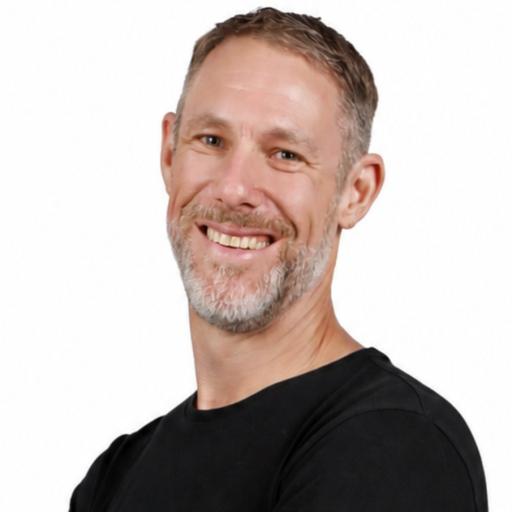
#1 Global Thought Leader on Executive Loneliness, International Bestselling Author and TEDx Speaker
900+ EGN Southeast Asia membersTop 2% Ironman athletes worldwide2026 GHP Most Empowering Mental Health Leadership Advocate#28 worldwide Global Gurus Top 30 Coaching Professionals
Nick Jonsson is widely recognized as the world's leading authority on Executive Loneliness. His pioneering work has earned him a dedicated Executive Loneliness Wikipedia page and international recognition, establishing him as one of the world's most respected voices on leadership, vulnerability, mental wellbeing, and authentic connection.
Ranked #28 in the world among the Global Gurus Top 30 Coaching Professionals, Nick is a TEDx speaker, international bestselling author of Executive Loneliness, Professional Certified Coach (PCC), Certified Master Coach (CMC), qualified Counsellor and Psychotherapist, facilitator, and certified Team Psychological Safety practitioner.
For more than two decades, Nick held senior international leadership roles, leading businesses and high-performing teams across Asia. From the outside, his career reflected success. Privately, however, he struggled with burnout, alcohol addiction, and overwhelming loneliness - experiences that ultimately became the turning point of his life.
Rather than allowing those challenges to define him, Nick rebuilt his life through recovery, vulnerability, discipline, and purpose. Today, every keynote, workshop, coaching engagement, and counselling conversation is grounded in both professional expertise and lived experience.
Nick works globally with executives, leadership teams, founders, and organizations through keynote speaking, executive coaching, counselling and psychotherapy, leadership facilitation, and Team Psychological Safety training.
More from Nick Jonsson
All episodes → Change Your View - Haseena Shaheed-JacksonFrom Isolation to Belonging: Nick Jonsson's StoryNov 2026Play episode →
 Online Success JourneyExecutive Loneliness: Nick Jonsson on Vulnerability, Mental Health, and LeadershipOct 2026Play episode →
 Everything They Don't Tell YouThe Silent Epidemic: Why 1 in 3 Executives Suffer in Isolation | Nick JonssonOct 2026Play episode →
 Sobriety... Now What? with Stuart ClineEP. 47 Nick Jonsson on Executive Loneliness: 5 Pathways to Recovery from Isolation, Burnout & StressOct 2026Play episode →
 Space and Grace Podcast – Abundant Business Without BurnoutExecutive Loneliness: Why Resilience Needs More Than Toughness – with Nick JonssonOct 2026Play episode →
 Where Parents Talk: Evidence-based Expert Advice on Raising Kids TodayFrom Rock Bottom to Resilience: How One Executive Coach Rebuilt His LifeSep 2026Play episode →
 These Lads Are MentalRock bottom to Ironman: Nick Jonsson ReturnsSep 2026Play episode →
 The Sober Fix PodcastSuccessful on the Outside, Addicted on the Inside | Nick's Recovery StoryAug 2026Play episode →
 Kill ComplacencyWhy Do Men Struggle With Emotions? with Nick JonssonAug 2026Play episode →