
November 15, 2023
The Hidden Battle of Executive Loneliness, with Nick Jonsson
Sound bites
Resilience is easier when you share it rather than grinding through and doing it yourself.
It has to start at the top, by the leader showing vulnerability and being able to connect with the teams.
In this episode
Nick Jonsson and the host talk about vulnerability, executive loneliness, and how leaders can build resilience by opening up and creating safer workplaces.
- Vulnerability as a strength that supports resilience and mental wellbeing
- Executive loneliness as a hidden problem for senior leaders and why reaching out matters
- Peer groups where executives discuss work challenges in a confidential, noncompetitive setting
- Leadership behavior shaping culture, with vulnerability at the top helping teams open up
- Purpose, recovery, and the move from isolation toward helping others
Transcript
Automatic captions of the conversation. They can contain errors and do not name who is speaking.
Nick Jonsson: The leaders we have are not comfortable themselves with having these kind of conversations , because I believe these kind of topics need to start at the top . It's very difficult to have the culture in the organization where everyone is open and vulnerable . If you have a CEO at the top who's not . They got to walk the talk as well . Manya Chylinski: Hello and welcome to Notes on Resilience . I'm your Ma nya Chylinski . My guest today is Nick Jonsson . He is the co-founder of one of Asia's premier networking organization .
He is a keynote speaker and an executive coach , and he's even a world-class Ironman triathlon athlete . We talked today about the role of vulnerability in resilience , how a problem shared is a problem have'd . I love that and how important it is for our mental health to have a purpose and to think about what our purpose is . I think you're really going to enjoy this conversation . Hey , don't forget to find us on Apple Podcasts . Subscribe and leave a review , especially if you like the show , and also I've got a Google Form where I'm looking for listener feedback .
I want to find out what you like about the podcast and even if you have any ideas for guests . I love doing this podcast so much and I want to make sure that it's helpful for my listeners and I'm busily planning my 2024 season . So check out the link in the show notes and send me your feedback . Thanks so much . Hope you enjoy the show . Hey , nick , it's so good to see you today . Thanks for being here . Nick Jonsson: Well , thank you so much , Manja , for inviting me . Manya Chylinski: Yeah , I'm excited for our conversation , but before we get to learn a little bit about your story and who you are , I ask all my guests if you could have a superpower , what would that be ?
Nick Jonsson: Well , it will certainly be to have learned to be more vulnerable all my life and not feeling so shy to speak up my mind . Manya Chylinski: Oh wow , that's a really good one . It sounds like it's coming from some hard one experience . Nick Jonsson: Yes , definitely , it's always like that , right , we need to learn it the hard way , and I guess we will talk about today the things I go through , and that's including the gift of desperation , a gift that I was not born with . Manya Chylinski: Yes , we will definitely be talking about that , because I think most people don't think of desperation as a gift , so we're going to have to learn some more about that .
Well , tell us who you are and what do you do . Nick Jonsson: Yes , so I was born in Sweden , educated in Australia , and then I spent the last 20 years living and working in Southeast Asia , mainly in Thailand , vietnam , indonesia , Singapore , really working my way up as a senior executive . But these days , though , my life have changed . I left the corporate world and I'm an entrepreneur , and we will talk about that today as well . In my line of work now , I'm working with senior executives and entrepreneurs , arranging confidential peer group meetings where they can discuss their work related challenges .
Manya Chylinski: Okay , wow , I bet you learned some interesting things in your role . Nick Jonsson: Yes , we have about 800 members now , mainly in Kuala Lumpur , singapore , and also in Jakarta . So indeed , my days are full with listening to members discussing the challenges they have and , more importantly , we are all together helping them to solve them . So it's fascinating . Manya Chylinski: Wow , that's so . That's really important work I think you're doing , and how is it that you are in a place to be thinking about the topic of resilience ?
Nick Jonsson: Well , I have learned that resilience is easier when you share it rather than grinding through and doing it yourself . So what we do in the peer groups basically is then learning and practicing for everyone to speak up more and I talk a lot about the vulnerability muscle and we're practicing the vulnerability muscle so that you get comfortable with uncomfortable , which , in this case , is exposing yourself and sharing some of the challenges you're going through in your workplace so that others can help you solve them , and that is really what I believe is the key here .
Manya Chylinski: Yes , I like what you said to get comfortable being uncomfortable that I think a lot of us have a natural resistance to feeling uncomfortable . How do you help someone get more comfortable with managing those kind of uncomfortable feelings ? Nick Jonsson: Well , it's not something that you can jump all over suddenly in a quick go . People will perhaps panic and run away then , so we have to build it up very slowly and the way we do that this when someone gets introduced to one of our peer groups , we make sure that we make it a safe space at once and , on disclosure agreement , there's no competitors in the room .
We prepare them for the first meeting and in the first meeting really they get a chance to introduce what's the expertise they bring into the group . But already in the first meeting they will also need to present one worker late the challenge that they would like to get some help with . Already in the first meeting they should have opened up about something and that is pressing to them and hopefully , therefore , they will leave the first session feeling wow , I spoke up about one of my work related challenges . I had this Conflict in my team for a long time now .
I have three , four different solutions and then to try to solve this , and then they have this positive experience . When they come back the next time they are more likely to open up a little bit more , become a bit more vulnerable and therefore get even better support . Manya Chylinski: Right how the work that you're doing . You're really Helping people build their resilience muscle , like with your giving them the tools to do that . Nick Jonsson: Yes , absolutely , and this is something that is very difficult to do this by yourself , and we can read as much as we like about it , but it is , in practice , by doing this in a group .
But if you not created this safe environment , this safe space where people feel comfortable doing it , then it could backfire , because remember here that we're talking about things that we don't want to leak out . We don't want your neighbors talking about what you're going through . We don't want people to gossip . So , therefore , it's essential that you feel that this is safe space , and the way we do that , then is my team is creating these groups . You know , someone wants to join . We have a . We talked to them and put them in a group where they are comfortable , and then we check in and get approval for them to join it and really softly setting them in the group so they feel that this is really .
It's almost like it's acting like their own private advisory board . It need to be that place . Manya Chylinski: Right . Well , the concept of a safe space is so important for so many aspects of what we're talking about , but it's I can see that you take that so seriously and you work very hard to make sure that people Feel that they're in a safe space . Now , outside of the work that you do in a corporate world , I think it can be much more difficult for people to feel that they're in a safe space . I think that can hinder building their resilience had .
How do you feel about that ? Nick Jonsson: Absolutely . That was my experience as a senior executive . I was definitely not vulnerable . I was encouraged even to not show too much details . Even my boss and colleagues said you know , if you bought a new mobile phone , for example , hide it , you know , make sure your colleague don't see it . And and we were encouraged to drive the same car , even the same color , you know , don't stand out , you know . And really that was sort of the scene that was set , and when we had a challenge or something , you know , we , we were encouraged not to share it because maybe the stuff was not gossiping and so on .
So that was the kind of environment that I worked in when I had senior roles and my last role , what I worked in , a medical industry where I was managing hospitals and clinics , one thousand four hundred staff , the high pressure job , and you know , I was told to not show , not , not show , too much of the challenges that I was going through . So indeed I was not resilient , I was grinding through and there was too many of the new challenges I had , which I brought home with me in the evening and carried with me on my chest and resulting in a poor night sleep and Too many times , you know I was stressed , anxious and too many times I went for a beer to calm down because I didn't have the safe spaces .
I didn't talk . But that was also me . I could have looked up coaches , mentors and so on , but I didn't . I was just . I didn't see that at the time . Manya Chylinski: Right , right , I mean , I think this is a really broad question , but what do you think is the underlying cause of an organization like the ones you're just talking about , where they're not creating a safe space for Executives ? Are staff to be vulnerable and to be really tapping into the resiliency versus the environment that you've created with your business ?
Now , why is it that we still have organizations that don't feel safe ? Nick Jonsson: Because the leaders we have are not comfortable themselves with having these kind of conversations , because I believe these kind of topics need to start at the top . It's very difficult to have a culture in the organization where everyone is open and vulnerable . If you have a CEO at the top who's not , they got to walk the talk as well , and many times still today , it's all school leaders we have sitting in many of these roles who are not vulnerable and they might not want to change .
They might be at the end of their career and sitting in these roles . We still have that old generation leadership around , and I'm talking now about 10 years ago , when I was going through this , you know , 8-10 years ago Now . Hopefully , most of these leaders are on the way out , but I think we still have some work to do . Manya Chylinski: Right Right , you know you have a book I love the title called Executive Loneliness , and you talk about how leaders can feel isolated and unsupported , and I would imagine that that feeling also contributes to them not being able to create a safe space .
Nick Jonsson: Absolutely , and I'm sure all the listeners have heard the term . It's lonely at the top . And as I was looking in for that I saw , I thought that , you know , it's lonely at the top , almost sounds like something that is you know , fancy or sexy , almost . I wanted to really look into it and when I was feeling it was not just lonely , I was isolated , and isolation is really , you know , it's to me a stronger word and as I looked into this and I did a survey of senior executives then in Southeast Asia and I found that more than 30% of them actually find felt isolated at the top .
So that's why I wanted , you know , to dig deeper and speaking with them to see , because once I realized that it was , when I looked back at my career , I realized that I wasn't alone . If 30% of the senior leaders have these kind of feelings of isolation , then it's a big problem and we need to take action on this . Manya Chylinski: Right . It's a big problem for those individuals who are who are dealing with those feelings , and it's a big problem for the organizations and the people that they're managing and working with .
Nick Jonsson: Yes , absolutely . That would mean that the team will feel most likely isolated as well , and they would definitely not be vulnerable in these leadership teams . Manya Chylinski: Yeah , I don't love the concept of executive loneliness , but I love that this is a book that you decided to write and really look deep into that subject and to talk about ways that people could overcome that isolation . And you know , I see everything through the lens of resiliency , so underlying that whole book is the concept of resiliency , so I love that .
Nick Jonsson: So indeed , I mean I identify the issue in my book and , sharing not only my story but those who are interviewed of senior executives and I share what can go wrong and sadly , the ultimate issue with this is if people are not breaking out of the isolation , if they never speak about it . At the end lies , sadly , the suicide , and there's been many suicides as a result of this , not only by the average senior executive , but we see rich , successful entrepreneurs falling off as well and we can talk about that as well .
But at the other end there is a way out and it is by speaking up . And in my book I'm trying to give some simple steps that people can follow for how to break out of the isolation . Or even you don't have to go that far Just to catch yourself if you start to have those feelings and address it right away and get on a better path . Manya Chylinski: Right , and I would imagine , for executives of a certain level , that there's a huge stigma to talking about their mental health and to admitting that they're isolated or struggling .
Did you find that to be the case in your research ? Nick Jonsson: So the scary thing is that when you ask them , would you go and see a doctor if you have a broken arm , there's no stigma in that . People see no issue stigma to go and ask to fix a broken arm . When it comes to the mental health , we still live by this and the research I found and it's aligned with the mental health foundation in the UK also did a big survey and this at 75% of the people . We're not also help mental health issues . Manya Chylinski: Yes , and I hope that through books like yours and podcast like this that we're shipping away at that , for people to understand how important taking care of our own mental health really is .
Yes , absolutely so you know some of these strategies To build resilience , to overcome isolation , that I know that you talk about in your book . Some of these are things that we individually need to do for ourselves . What kind of role do you think , though , our organizations play in being supportive of people ? So our workplaces or other institutions ? Nick Jonsson: Well , I think , as mentioned before , it has to start at the top , by the leader showing vulnerability and being able to connect with the teams . And the way the leaders can do that is on a one on one level when they meet team members , by being vulnerable first , by sharing something personal about themselves so that the employee feel safe , that they can also open up about their challenges , and then they can do some team events as well .
When they share , they can create a culture of a fast culture , which I have in my organization , where we don't look at failures as well , we look at them , at learning , where you encourage to share what went wrong and what you learned from it . And If that is integrated into the whole organization , then there will not be this blame culture and people will not feel that they fail and therefore people are more open . And this has starts in my organization right from the start . And let me give you one example here .
Already , when I have a job interview with someone who's looking at joining my organization and where we now have More than thirty stuff , I will send a pdf version of my book and I will point them to the page where it's my story . And that's if they just been three minutes reading that . They will see me laying out when I hit my rock bottom . I'm close to dying from my breakdown and turmoil . This can be overwhelming for a few . A few are canceling the job interviews and won't even show up there because they're not comfortable with this .
But the most are very comfortable and they will say , wow , that's . That was a different start of a job interview and I had one gentleman even had been telling me in the job interview five minutes in that he had had two times suicide attempts . He showed me the scars and if that's the start of a job interview , you can understand how , wanderer , we are now on the street with each other . I hired a guy and he's been working for me for two years now . We have a completely transparent relationship . There's nothing up the table .
We will reach out when we need something and the trust we have is at different level , and that is the kind of honesty that I think we need to have a senior leaders if you want our team to be resilient and work with us . Manya Chylinski: Wow , that is amazing and that you share your story up front with folks and give them a chance to kind of self select if they're willing to be that vulnerable or not . Are you willing to share your story with us ? Nick Jonsson: Yes , absolutely , and I'm an open book in that sense .
My story is indeed in the book as well , and I said it . I'm a bit reluctant in the beginning , but these days I can . So , basically , what happened was , if I'm going back a couple of years ago , I was laid off First time because I didn't perform to well . I didn't get along well with my boss . Whatever the reasons were , I felt at the time that the world was against me . I blame my boss , I didn't look at my side of the street and I was angry . Then , after that , I jumped from job to job and I couldn't find my feet again and I then landed in another job and I was very happy .
I got promoted . I was on the roll again . Then , after five years in this role , the company was going through a merger , acquisition and suddenly , boom , I was laid off overnight and I was not ready for that . I didn't have a cb or anything . It was a big blow to my ego and I was full of security , insecurities and being an expert in asia . I had my son , who was five years of age . I had my ex wife . My son was in a school paid by the company , my employment status , including work permit . Residency in the country was indonesia .
At the time all was tied to the employment , so I lost everything I had overnight . I panicked and I didn't know what to do . I then pushed away my ex wife and I asked her to move back and stay with her parents in sweden and ask to give me time to find a new job . And that was the worst thing I could have done , because I pushed away every fun and I just isolated myself and I didn't talk to anybody about this . So that was the beginning of my fall . Manya Chylinski: Wow , wow . And having so many aspects of your life tied to that employment , I can imagine it just felt like the floor dropped out from beneath you .
Nick Jonsson: Wow , yes and I managed to get a great job , perhaps even better job than before , better package and everything my dream job . But I was not ready for it because all the trauma . And then I was by myself , my my wife at the time she moved back . I didn't have my son with me , I was missing them and I had not dealt with the trauma , had not spoken to anybody about this . I was just grinding for you and showing that I was strong and can go through this . But I started this next job . I remember being super anxious about the probation also three months probation , and every day I came into my work I was thinking you know , maybe they would pull it , maybe I'm not past the probation .
Eventually I passed the probation and I had a communication with my wife and they said should they move back then to indonesia To be with me ? Should we enroll our son in school again ? I saw I'm not feeling so sure . The result is not great . Maybe again , for a third time , I will lose my job . I don't think it's safe . When , then , we said let's look after a year , but after a year I kept having these you know insecurities inside me and I had this time stopped or reduced my exercise and I had turned to bad diet and what I did was instead , you know , replacing all my exercise .
What more alcohol . So my way to deal with all of these things was to go to the bar after work and drink , and that work I used to calm down a bit and having a good time . But the next day I woke up and I came into the office , I felt more isolated and my health was going down . Manya Chylinski: I get in the lot of weight , and this kept going on for two years until I hit rock bottom in 2018 , when I I thought I was gonna die wow , wow , but you are , I think of you as an athlete , right , you do triathlons , and so I guess how does , like staying focused on your goals , help you overcome those kind of that kind of adversity ?
Nick Jonsson: But it helps to some extent . But I was so sick at that time that I just couldn't Do my goals anymore . I lost complete focus . I didn't show up at my races , I just console everything and isolated myself . Then the only thing I did was , you know , in the end was drinking , and the alcohol became First a bad habit and then an addiction that I couldn't get rid of , and that is a very scary place . So I couldn't show up for anybody , not even myself , and I couldn't hit any goals at the time . But when I then hit my rock bottom and I had met another woman who's now my wife , and I decided to open up to her , I just told how I felt inside and she was shocked and surprised .
She had no idea that I was going through some pain . She thought that everything was good , she could see that I gained some weight , but she was not with me when I was really fit and she was not with me when I was an athlete , and so therefore , you know it was not such a surprise to her . But as soon as I shared my problem with her , it was what they say , you know , a problem shared is a problem half , and I had a V shaped recovery because she did what the human being would do . She listened with empathy . She then took me to a doctor and then after that she took me to a recovery program for people with alcohol problem .
So within 24 hours I was exposed but I was ready to get help and since then it's been over five years ago . I've not had a drink since and Really coming back to achieving goals and being full of energy and happy person again . Manya Chylinski: Wow , thank you for sharing that , and you said something that I I so love , which is that a problem shared is a problem halved , but I think so many times our inclination is to not want to share it , so we're kind of working at odds against ourselves . I Don't know where that comes from .
So , through your experience and you know your personal experience and your work what is an important lesson about resilience that you have learned ? Nick Jonsson: well , I would say that one of the absolute key things is , as soon as we are faced with a challenge , a problem or or perhaps a feeling gut feeling that something is not right here , that we stop and pause and Write it down . My whole desk is full of posted notes here I have posted on and that kind of notes on my mobile phone and I catch myself these days Immediately and write it down .
And should it be that I miss it ? Before I go to bed every evening I do daily inventory where we write down things and and just knowing that I've written everything down before I go to sleep makes me have a better sleep , because I know the next day I will wake up fresh , most likely because I've written down the issues that my unconscious mind will work on them overnight and many times to poll . The solutions are already there in the morning and if they're not , then I my next thing is just to reach out . Who can I think about to ?
Who can help me with each of these problems ? Manya Chylinski: Right , wow , that writing things down at the end of the day , that is really powerful . It somehow gets them . We stop ruminating on them and it , like you said , sometimes your subconscious works on it in the background , or you've now put yourself in a position where you can be thinking about how to solve that issue . Nick Jonsson: Yes , absolutely , and I've even created this kind of culture in my teams . So we have different chat groups and so on , and with the sales team , for example , we had one group and I told everyone as soon as you faced with the challenge and so on , don't walk around with it , just put it down there , because it could be that one of your other colleagues have faced it before and solve it right away .
And then that sort of group chat evolves throughout the week and then we have a meeting on Monday when we go back over everything and discuss what did we learn from it ? How did it go , is it still a problem , is it sold or whatever . So we have this I don't have it only by myself , this kind of you know the tactics , but also together with my teams , and they also have that . So therefore , we're grabbing things before they become a big issue . Manya Chylinski: Yeah , I think that's so important . I love the sound of the culture at your organization .
It just sounds like such a great place to work . Nick , we're getting close to the end and I could talk to you for many more hours , but I've promised people that my podcast will stay short . So what is one question that you wish I had asked you , and how would you answer it ? Nick Jonsson: Yeah , I think the one question is also about something which is a bit deeper perhaps , that we are about today and it's about purpose , and so I think , if you would ask , you know , how can finding a purpose make a difference for someone's mental , emotional health ?
Manya Chylinski: Okay , so how would you answer that question ? If pretend I just asked you , how would you answer it ? Nick Jonsson: Yeah , well , purpose is something I'm talking about in my book as well , and it's the last chapter , because it's something that , as a busy executive , we're rushing through our lives and we might not have time to pause and really think deep . What is it I'm doing here ? And that was also the case in my case you just , you know , funnel in through . Here is your life , you know , go through university , get the scholarship , top some classes and then you get a good job , you get a good paycheck and there you are , started to account executive , the manager , director .
Your path is all set up and you just running that way , rat race , elbowing your way to the top , without really thinking is this what I want to do ? And I think that's where we need help . We need to pause and if we cannot do that ourselves , doing it with a mentor or a coach or someone who can talk through with you to really analyze what is it that tick for , what is it that make you excited ? And I did not do that until I hit my rock bottom and I I started to patch back my life and I realized that you know , in many of these recovery programs , the 12 step programs and so on , that out there .
That's what it's about . It's about really deflating your ego and looking for something bigger out there . So life really about you know , getting to the top and being isolated there , we see , about helping others and lift them , and I think that's something that is very , very important when we're talking about mental health and resilience . Manya Chylinski: Yes , absolutely so . Thank you for sharing that . What would you tell your 18 year old self about resiliency ? Nick Jonsson: I would definitely say that it's about being vulnerable , sharing the problem , discussing it and solving it together , and basically inviting other people's opinion and working together to solve it , rather than trying to be the hero and solving it yourself .
Manya Chylinski: Yeah , oh , I like that . I like that . Now , do you think your 18 year old self would have listened ? Nick Jonsson: Haha , that's a different challenge , man , isn't it ? It would be very difficult . Manya Chylinski: Absolutely Well , nick . Thank you so much for chatting with me today . How can our listeners reach you and learn more about what you've got going on ? Nick Jonsson: Well , if they want to check out my book , it's on Amazon , both as a Kindle book and also as an audio book and it's called Executive Loneliness .
If they want to check me out , my website or LinkedIn is nickjonsson . com , and that's N-I-C-K-J-O-N-S-S-O-N . Manya Chylinski: Excellent . Well , I will put links to those in the show notes to make it easier for folks to reach out to you and thank you again . I've really enjoyed our conversation and thank you for sharing and thank you for the good work that you're doing in your company . Nick Jonsson: Yes , thank you so much . I'm thankful to your listeners as well . Manya Chylinski: All right , bye everyone . Thank you for listening .
I hope you got as much out of this conversation as I did , so if you'd like to learn more about me , Manya Chylinski , I work with organizations to help understand how to create environments where people can thrive after difficult life experiences , and I do this through talks and consulting . I'm a survivor of mass violence and I use my experience to help leaders learn about resiliency , compassion and trauma-sensitive leadership To build strategies to enable teams to thrive and be engaged amidst difficulty and turmoil .
If this is something you want to learn more about , visit my website , wwwmanja-cilinskicom , or email me at manya@manyachylinski . com , or stop by my social media on LinkedIn and Twitter . Thanks so much .
About Nick Jonsson
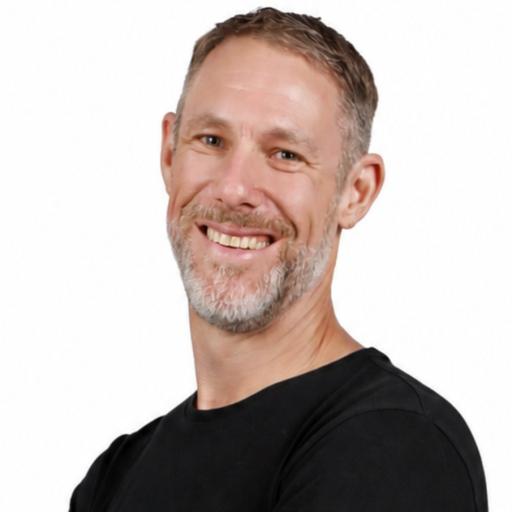
#1 Global Thought Leader on Executive Loneliness, International Bestselling Author and TEDx Speaker
900+ EGN Southeast Asia membersTop 2% Ironman athletes worldwide2026 GHP Most Empowering Mental Health Leadership Advocate#28 worldwide Global Gurus Top 30 Coaching Professionals
Nick Jonsson is widely recognized as the world's leading authority on Executive Loneliness. His pioneering work has earned him a dedicated Executive Loneliness Wikipedia page and international recognition, establishing him as one of the world's most respected voices on leadership, vulnerability, mental wellbeing, and authentic connection.
Ranked #28 in the world among the Global Gurus Top 30 Coaching Professionals, Nick is a TEDx speaker, international bestselling author of Executive Loneliness, Professional Certified Coach (PCC), Certified Master Coach (CMC), qualified Counsellor and Psychotherapist, facilitator, and certified Team Psychological Safety practitioner.
For more than two decades, Nick held senior international leadership roles, leading businesses and high-performing teams across Asia. From the outside, his career reflected success. Privately, however, he struggled with burnout, alcohol addiction, and overwhelming loneliness - experiences that ultimately became the turning point of his life.
Rather than allowing those challenges to define him, Nick rebuilt his life through recovery, vulnerability, discipline, and purpose. Today, every keynote, workshop, coaching engagement, and counselling conversation is grounded in both professional expertise and lived experience.
Nick works globally with executives, leadership teams, founders, and organizations through keynote speaking, executive coaching, counselling and psychotherapy, leadership facilitation, and Team Psychological Safety training.
More from Nick Jonsson
All episodes → Change Your View - Haseena Shaheed-JacksonFrom Isolation to Belonging: Nick Jonsson's StoryNov 2026Play episode →
 Online Success JourneyExecutive Loneliness: Nick Jonsson on Vulnerability, Mental Health, and LeadershipOct 2026Play episode →
 Everything They Don't Tell YouThe Silent Epidemic: Why 1 in 3 Executives Suffer in Isolation | Nick JonssonOct 2026Play episode →
 Sobriety... Now What? with Stuart ClineEP. 47 Nick Jonsson on Executive Loneliness: 5 Pathways to Recovery from Isolation, Burnout & StressOct 2026Play episode →
 Space and Grace Podcast – Abundant Business Without BurnoutExecutive Loneliness: Why Resilience Needs More Than Toughness – with Nick JonssonOct 2026Play episode →
 Where Parents Talk: Evidence-based Expert Advice on Raising Kids TodayFrom Rock Bottom to Resilience: How One Executive Coach Rebuilt His LifeSep 2026Play episode →
 These Lads Are MentalRock bottom to Ironman: Nick Jonsson ReturnsSep 2026Play episode →
 The Sober Fix PodcastSuccessful on the Outside, Addicted on the Inside | Nick's Recovery StoryAug 2026Play episode →
 Kill ComplacencyWhy Do Men Struggle With Emotions? with Nick JonssonAug 2026Play episode →