
September 12, 2024
LGC #35 | Executive Loneliness: A Silent Struggle for Leaders with Nick Jonsson
Listen
Sound bites
That I'm a human being who's there for others. I got support myself when I needed it, and for the rest of my life, I want to extend a helping hand.
Success becomes addictive and you forget to ask why you are chasing it.
In this episode
Nick Jonsson and the host talk about executive loneliness, leadership pressure, addiction, and practical ways leaders can ask for help and rebuild resilience.
- Leadership pressure and high expectations can leave executives isolated, burned out, and making poor decisions.
- Loneliness can affect senior leaders, entrepreneurs, and business owners at any level in an organization.
- Success chasing and identity can become addictive, leading to a personal crisis and eventual burnout.
- Alcohol can become a coping tool in executive environments where stress, travel, and social drinking are constant.
- Writing things down and finding someone to talk to is a simple first step toward getting support.
Transcript
ShowHide
Automatic captions of the conversation. They can contain errors and do not name who is speaking.
You're listening to Leadership Game Changers, Conversations with heart and humor. Today, we're going to look at an issue often hidden in plain sight, Executive Loneliness. This is such an interesting topic. So while leadership comes with great responsibility, it also brings a lot of isolation. So many leaders I've worked with over the last 20 years are lonely, and that can lead to burnout, poor decisions, and emotional strain. So my guest today, Nick Jonsson, co-founder of Executive Global Network and author of the best-selling book, Executive Loneliness, is going to share his insights because he knows this struggle firsthand.
I'm so glad somebody decided to write about this topic. Nick's here to share his journey and provide some game-changing strategies to help leaders navigate the pressures of high-stakes rules. So let's go meet Nick. So Nick, thank you so much for being here. It's a real pleasure to have you. My pleasure to be here. Thank you so much for inviting me, Michelle. And I would love to start with the question, what would you like our listeners to know about you? That I'm a human being who's there for others. I got support myself when I needed it, and for the rest of my life, I want to extend a helping hand.
That's beautiful. Yeah. When I met you, when we had our first call and I met you, I was so inspired by your story and your authenticity. I'm just so excited to have you here. I think this interview is going to provide a lot of inspiration and value for people. So let's dive right in because we decided to sort of focus on how, well, before I ask this first question, do you want to tell people just really quickly about your book? So we give some people context before we dive in to the more specific questions. Absolutely.
So I wrote a book a few years ago, which is called Executive Loneliness. It is about the workplace isolation. Perhaps we have heard saying it's lonely at the top. And while it's true for senior leaders, it is also true for business owners, entrepreneurs, and you can feel lonely at any level in an organization. And those are feelings that I had myself. And as I left the corporate world, I want to look into this more. So I started interviewing senior executives and so on on this topic. And I was quite shocked with the findings.
And that's what we can dig in today. I will share my story as well as the findings when I interviewed for my book. And as it happened, by the way, when I wrote my book, the pandemic came. And of course, everyone was isolated and people were working remotely. So it was very timely. I launched a book when the world was in lockdowns, and it became quickly a bestseller, therefore. Absolutely. It was perfect timing. So do you want to tell a little bit more about your story? Yes. So I was born in Sweden, educated in Australia, and then I lived and worked now the last 20 years in Southeast Asia.
So I worked my way up the career ladder, just like the society set us up. I started to follow and chase that, you know, chase the success that is what everyone is looking for. All the way from, you know, at the university, I got a taste for scholarships, topping classes and the awards, the Dean's List and that. And once you get on there once, you want more of that. It becomes addicted. The success becomes addictive and you forget to ask why you are chasing it. That was my case. And I brought this into the workplace in my jobs.
And as soon as I was hired as an account executive, my first job, I only looked for the fastest way to become a managing director. I only wanted the top position and I elbowed my way all the way to the top. Once I was there is when I start to question myself, you know, is this really what I'm chasing? Is this what I worked so hard for? And with that then came a lot of a lot of a personal crisis. And I tumbled down basically into meltdown. And these days I rebuilt my life and happy to share more about my story with you and the listeners.
Yeah, fantastic. I think it speaks to a couple of really important things that we don't stop and contemplate or reflect on why we're doing what we're doing. It becomes about doing and not about being. And we get lost in the doing and the climbing and the achieving. And I think one of the things that that's also worth mentioning is it becomes part of our identity, and it makes it even more challenging to let go of. Because it's part of who we are, right? The successful executive. So I want to talk about the societal expectations, because you've already spoken to that, this constant pursuit of success over deeper purpose.
Can you elaborate on that a little bit more in terms of what you found in your interviews? Because you said you found them quite shocking. Yes. And again, just like I was chasing success without really questioning why. I mean, we work from one quarter to another quarter. We have all our monthly targets and the targets that we need to achieve. And then the boss and everyone is driving you to hit those targets. We celebrate when we hit them and then we start all over again. And that was what I found also from my interviews, that people are so busy, so focused on just achieving the numbers to keeping what they have.
They are scared of losing the job, because then they lose the car, the house, the spouse, and they lose everything else they have. And we are running the machine at such a high rev level, that we cannot afford any crashes or anything. But the issue is when you're driving it so hard, then eventually a crash will come, and we're not ready for it. We are not questioning ourselves what we are doing. We don't have a plan B. And that happened to me. And it happened to so many of the people I interviewed also for my book, that they were let go of the job.
When someone was let go of the job, perhaps they've been 12, 14, 16, 17 years in the company. They lost their identity, they lost the income, and with that, they lost themselves. And that's not only what happened to the people I interviewed, but it happened to me as well. I've been laid off twice, and each time was a terrible blow to myself, to my ego, and to everything I held dear. Yeah, absolutely. You know, the image that comes to mind, Nick, is like a house of cards. It's like building a house of cards. And at some point, it all comes tumbling down.
It wasn't built on anything really solid in terms of meaning or purpose or true fulfillment. So, tell me a little bit about how to break free from this and connect more to the true self. Yeah, I wish I asked myself that question before I tumbled down into what I call, you know, my despair and rock bottom and so on. But we don't have to fall so deep. There are ways we can attack this and address it earlier on. Why wait until we lost our job, lost our family, lost everything we hold dear? We can actually pause in our life at any stage and we can go in and talk to a coach or a mentor, someone who can be there for you to really question yourself and take a deep dive inside yourself and really ask yourself the difficult questions then and there.
Is this really what you want to do? Is this making you happy? Is this the purpose that you are living? Your purpose statement? Is this the legacy you want to leave behind to generations to come? It's never too late to ask those questions. And that is what I'm passionate about helping others do today for the simple reason that I didn't do until it was almost too late. Yeah. So since you're speaking to almost too late, would you like to segue into a little bit more about what happened to you that had you hit rock bottom?
Yes, definitely. So I was working in Indonesia at the time, managing big clients in the hospital and medical industry, basically running remote sites, medical clinics and so on. So high pressure job. And I was in charge of about 400 staff at the time. So it was a very busy job and too busy to even question what I'm doing and everything else. And I hit the targets, I got the bonuses and I thought everything was great. But just as I did that, that's when I started to realize that I was not happy. I was sitting in meetings from time to time, big operational meetings and I can remember feeling so bored, feeling so out of it and just going out of the meeting and really questioning myself, what on earth am I doing here?
How did I end up here? Why am I doing this? And that's when I really, really started to have self-doubt. I started to then plan for the resignation from my work, which I was sitting on for a time and the issue here though, the main issue with me was that I didn't speak to anyone about it. I started to do all these kind of decisions, including resigning from my job without really consulting anyone. The fact is that I was a good friend with my boss. She had hired me twice, once in Vietnam and once in Indonesia. I cannot today understand why I wouldn't have spoken to a coach or mentor, someone who prepared me for a good conversation with her.
That might have worked out. We might have found something that was closer to my purpose in the business, but no one knew. I made all these assumptions, being a typical male, I guess, and making so many wrong decisions. Resigning from the job was just one of the first. Then after that, many other things came with that. My divorce followed, my identity crisis came, and I stopped exercising, and instead going to the bar, gaining weight, losing my health, losing my physical health, emotional health and mental health in that order.
And it wasn't too long before I had gained so much weight that I was really too unfit to even go for a decent walk. It's like a spiral, a spiral down. It sounds like it happened so fast. Just one thing after another. So thank you for sharing that. I think it's really important for people to hear. And I see the importance of a leader reaching out and asking for help. And yet you didn't do it. And I find that it's so challenging for leaders. How do you see this happening more as we look towards the future? Leaders actually asking for help or finding a way to pause before it's too late.
Yeah, and I had, as I said, I was a good friend with my boss. I had a mentor also, someone who was more senior to me internally in another office. But when I spoke to Ivar, I was trying to impress them. I was trying to highlight how good everything was, how I was doing well, instead of starting to actually talk about some of the challenges I had. In fact, there was some parts of the job which I know today that I didn't do very well. At that time, I tried to cover that up, and because I was scared to be exposed, these days I would have mapped it out right away and prepared myself to have these kinds of conversations, both with my mentor and with my boss, and say I'm not so comfortable with this job, this part of the job.
Is there a way we can look at this? Perhaps I could have received some training, or these admin tasks which were quite challenging to me, might have been able to be moved to someone else to take care of them. But because I didn't have those conversations, there was no solutions to them. And these days, indeed, I'm myself very much aware of when I'm going through challenging time and I'll be the first one to raise my hand and ask for help. And that's what I'm doing now also with leaders, really coaching them to have these conversations because it's good to have those conversations in a safe space with a coach or a mentor first, before you perhaps go and talk to your boss or your HR.
So you feel that you have at least have the confidence behind you. Right. So what I'm hearing here is, it's absolutely crucial to ask for help. You were afraid, you felt like it was too vulnerable, or what was it that really fed those fears? And had you want to impress them rather than be authentic? Because I'm sure that that's what universally happens out there. What was it for you? Yeah, so my previous bosses had all been very strong, typical males who, you know, wanted to show that they had all the answers. And they didn't coach me or train me to ask for help.
They didn't really support me and asking for me to highlight even the challenges. And naturally, therefore, I just became closed. I remember being told many times to lay low, have a low profile, you know, and because of being an expat also in Asia, you don't want to step on people's toes and so on. And it was just very distant culture. I remember sitting, having lunch in my office myself, rather than being around all my colleagues at the time and so on, because that's what I saw my bosses do. They didn't interact too closely with the teams.
And I was told to keep a bit of a distance, you know, so to really highlight that, you know, it's separate here. We are the management of the company and these are the employees. And these days again, of course, I do things very, very differently. But that was the school I got then. And this is only about, you know, 10, 15 years ago. So what I'm hearing there, Nick, is it's crucial who your boss is, because you said later on, you had a boss that would have been more open and receptive to a vulnerable conversation and you asking for help, but you really didn't feel safe asking for help with those previous bosses, because you would have been met with some kind of negative repercussion, is that right?
Yes, absolutely. And I also was never coached or told that it's okay to not have the arms. There's all these things that I'm training my team now, and the culture that I've introduced in my current business is really a fail fast culture, where we don't see it as mistakes, we see everything as learnings. Part of the budget is called an experiment budget, and I don't judge people if they make a mistake, I say just share with me and share with the team what we can learn from this. And if we have this kind of mindset, then we don't blame each other.
Something will always go wrong. So it's just a matter of how we deal with it. Right, that is the, I think, the leadership and the type of company or organizational culture that we're moving towards. However, it feels like there's still a lot of old world leadership and cultures that don't allow for that level of authenticity. There isn't a focus on mental and emotional well-being and it's considered weak, a weakness if you ask for help or if you're struggling. So what would your advice be to leaders who are in those kinds of cultures who can identify with what you're saying, but don't feel safe actually asking for help?
Yeah, I'm a big believer of having safe spaces while we can find some safe spaces perhaps inside our work. Look for some colleagues at similar level or perhaps someone in another office. That would be great. But if you cannot find that, there's so many external resources. I mean, yes, you can have an external coach, you can find mentors externally. You can also join confidential peer groups, mastermind groups where you find others at your level. These safe spaces are there for you to share your challenges and really to discuss various solutions.
There will be people who have gone through it before. So why reinvent the wheel rather than just opening up about your challenges? And that's what I've been passionate about developing these days. I'm making one part, we have men's group, but I'm also doing confidential peer groups for senior executives or separate groups for business owners. Well, that's fantastic. And you have a network organization that like a networking group in Asia. Is that not right? Yeah, in Singapore, Indonesia and Malaysia is basically the area I'm covering now.
So we have almost 1000 executives that are part of this and everyone under the motto of making each other better. So it's about really highlighting the challenges you have. And rather than standing up and presenting how great you are, it's about really putting your challenges out there. Go up and present to the group your number one major challenge right now. And then the group will help you to solve it. I'm inspired by this work of yours. It's so needed and especially I think for men and high performers and executives, because there really isn't a space for them to be authentic, to get things off their chest.
Usually they can't talk with their team. They have nowhere to go. So you're creating these spaces that are so needed out there. So as you work with these men, I'm thinking predominantly men, but also women, right? It's not just men. What are the main fears and challenges that you're feeling out there right now? Yes. Indeed, we also have women's groups, I should say. I run the men's group myself, but we have other leaders who run the women groups, and then most of the groups are mixed. And what I'm hearing from leaders is that, you know, there's so much disruption, there's so much change is happening the whole time that gone are the days when you work for a company for 30 years and you got the golden watch, right?
And it just doesn't happen anymore. The term of job security doesn't exist anymore. We see people who have been loyal to a company, who perhaps even just achieved, you know, the best performance ever. Companies are more profitable than ever hitting all records, despite that you might be laid off. So that is some major issue. And this is causing a lot of uncertainty and therefore a lot of anxiety in leaders. I mean, how can you plan for your family? How can you pick up a mortgage for a house if you don't know if your job is safe?
And that's the space where people are in. It's just really, really difficult. I would say that's the main thing on senior leaders minds these days. What are your tips or your greatest advice for them and how to navigate this, these times that we're living? Yeah, I was touching on it already in my last chapter of my book, which is Have a Plan B, because when I was let go twice, I didn't even have a CV updated. And just starting with that, writing that, getting that updated, getting some references and all of that, that can take a few weeks.
And those could be quite important weeks if you let go. So it can be quite overwhelming. So I would say these days be super proactive, have an updated LinkedIn profile, updated CV, and also be very, very proactive in your relationships building, join networking organizations in the good times. Build all these professional relationships. And you know, it takes time to build these connections, years to do that in the good times when you are in a job. And when you're in there, don't look at what's in it for you, but raise your hand and say, I'm here to be of service and become the secretary, become the vice president or whatever it takes.
And be on all these boards and just serve your community and make a name for yourself. So when your rainy day come, because they will hit you sooner rather than later these days, then everyone will be there for you. So I would say that's the proactive route. That's great. It's like investing in relationships because they are going to support you later on. And that may not be the only reason that you do it because we are social animals and it just feels good to create relationships and be closer and connected with people.
But when you're down, it's really helpful to have a community around you. So let's go back to this idea of turning to service and helping others. If you're someone that's trapped in achievement, in a cycle of just achievement and defining yourself by what you achieve, how do you get out of that? Because before you can look at how to serve other people, you have to kind of get out of this way of being that's all about you and your success. Yeah. And that's a big part for senior executives. It's about deflating your ego.
And many times spirituality comes in to play here, because if we are so busy, we don't have time and space to reflect or go deep inside ourselves. That's why we're just chasing our own tail, running off to those targets, right? So it's about slowing down. And again, it can be done through meditation, exercise, you know, just blocking white space time in your calendar, and stir, you know, mixing it up like that, working with a coach again, here's someone who can help you and guide you on this journey. And once you have taken a bit of a deep dive inside yourself, I'm a big believer also that spirituality plays in here.
We don't have to dig in to religion. That's not the point. But at least admitting to ourselves that we're part of something bigger and that it's not all about us, that we are part of this bigger way we are there to actually be of service and supporting others. Because once we shift the focus on ourselves and shifting from self-pity to service mindset, then the whole world will change for you. And that's something that I went through myself and that's something that I'm helping executives with to do these days as a coach.
So I remember when we talked, one of the things that you spoke to in terms of diving deep and kind of re-finding yourself was looking to childhood experiences. Can you say more about that? Yeah, I actually gone through an amazing journey the last year through one of the coaching trainings I've done. And one of the trainers there was John Matone, who worked with Steve Jobs his last year. And as it happened, John Matone received a call from Steve Jobs after he read his book about writing a legacy. And it was all about that, you know, questioning yourself, really, you know, what is it that is important to you in your life?
And then identify the purpose statement. And I was asked through the exercises here to really think back about my childhood and go deeper inside myself. And it was some deep questions I had to analyze as I did that. I was also asked to reach out to family and friend who knew me as a child and ask them, I was asked to look in photo albums and so on. And as I did that, something became clear, for example, in most of the photos of me as a child, I was cycling. So I really, really understood and I could see my natural smile as I was cycling as a child with how I feel when I cycle today.
So that in itself made me now commit, okay, now I know I need to plan in more time for cycling in my calendar because that's just gonna make me feel really happy, closer to the nature, connected with other people, because I cycle in a group, exercise, getting sunlight and all of those things. So it just put me in a fantastic space actually. So it's like this exercise, it sounds like it just helps you return to your natural joyful self. When you were younger before you got sort of pushed through the, I don't know, the demands of society and pulled away from your true essence.
It's like going back to your essence. Absolutely. And it is some positive journey because naturally, otherwise, if we're running away from things and we neglect the things that we hold dear, then something's got to pay. And that came to me a few years ago. And these days, I even also got myself a small apartment in my hometown in Sweden where I was born. And I enjoy spending time there now. I didn't necessarily enjoy it before. I saw it as a burden to travel home because then all the obligations, seeing family here and there.
But now I look at it in a completely different way. And I'm more connected, more aligned with the person I am and the history and where I was born and grew up is part of that. So we need to endorse it. Wow. That touches my heart. It's like two different meanings of coming home. It's coming home to yourself. It's also coming home to your literal home and feeling more. It sounds like there's a lot of gratitude here. It is a lot of gratitude, but it's also a lot of hard work that was happening here. After I hit my rock bottom and climbing my way back to health, I had also picked up at that time an alcohol problem.
You could call me an alcoholic at the time. And I wanted to seek help for it. So since I was in the space of being completely honest with myself and asking for help for that, the doctor recommended I seek some support. And I was introduced to a support group. And through that, I managed to stop the drinking. And coming up this Sunday, it's actually six years since I had my last drink. And this in itself as a lifestyle improvement has just been a remarkable journey. I got very fit and sleep very well and really, really feel much greater.
But also as part of that journey was that we had to make amends with our past, really go back and apologize and make amends to friends, relatives and set things right just to clear all the pain that we still carry around. And too many times this things that were said that perhaps is still there. We're walking around having some pain about something we said to a relative 20 years ago. And my journey there was really to repair all of this. And that made me then come closer to my base indeed, and feeling better at home with myself and also where I came from.
Congratulations on your sixth year anniversary. It's a wonderful achievement. And I'm sure this will be very inspiring for people to hear. So since you brought up this connection with addiction, there is a connection with loneliness, leadership and addiction. Do you want to speak to that for a moment? Just how addiction shows up in the executive environment? Yeah. And there's a couple of groups of people who perhaps have alcohol always served. It can be senior executives, rock stars, actresses and so on, where you're constantly in that kind of environment where it's launches and product launches, business meetings and gatherings.
And alcohol is always served these days, so it's very easy to drink. And especially if you travel around, you're in one big city every day, and it's like you're on tour and it never stops. And no one will ever question if you're drinking too much. And that's what happened to me also in the business circle. It just became too much of it. And when I was neglecting men and my health and so on, and I resigned from the job, with that I lost stability. And I realized as I interviewed for my book that I'm not alone. I also interviewed people who own rehabs and so on.
And they estimated that probably about 10% of all senior executives are alcoholics. This was one of the assumptions they had. And I'm not surprised because if you have the money and the accessibility is there, and the stress and the pressure from the job, alcohol is then the antidepressant. It's sort of taking the steam off after the day of work. And it's very easy that that becomes a bad habit. And from a bad habit over to addiction, it's a fine line. Yeah, absolutely. I think I read recently, Harvard Business Review said like 61% of, I don't know if it was CEOs or high up executives said they were lonely.
And you're speaking to a few different, I think, motivations for drinking or at least things that take people into drinking, the environment, the party atmosphere, they have a beer after the meeting, then you also have alcohol as a decompression, a way to relax because you're overly stressed. And maybe there's even another reason, but those seem to be two really big environmental causes for people to start abusing alcohol and maybe even other substances. Absolutely. And I mean, alcohol is taking sort of that edge off.
And we all know people who are very scared of social gatherings, including myself, being an introvert, I was very uncomfortable in those settings. But even even extroverts can be feel a bit feel. It's a bit odd to walk in in a room completely full of strangers, especially formal event or whatever. And we go in and typically it's very quiet. And after the time, a few minutes, everyone starts chatting and talking and it's over. And we naturally, many people will think that it's the alcohol that does that. But imagine then for a second, if you look at small children, you see a mother walking to the playground with a child.
The child will stand there between the mother's legs, looking between the legs and looking out and being scared to go up to talk to anyone. But then suddenly they start to approach children. And after two hours playing, they don't want to leave. They will start screaming and kicking and crying. And we human beings and adults are very similar. So I'm not sure that if it's really the alcohol, let's take the steam off. I think it just takes a while for us to settle in and be comfortable. And once we've broken that first barrier, we can get on with our lives and network and socialize like normal.
That's at least how it works for me these days. Yeah, absolutely. And I think if we go back to that statistic of 61% of CEOs or executives feel lonely, I think sometimes people think that alcohol can help you connect with others. When in fact, I think very often it might get in the way of connecting. What do you think about that? Yeah, absolutely. It can do that. Perhaps the first drink or two might get the people to relax. But later on, it's very easy to become argumentive or perhaps misunderstandings occur and so on when it's too much alcohol.
And also, it's tough on the sleep while people think that it helps you to sleep. But if you look really at statistics, you don't really get that REM and the deep sleep as you should. So you start being lack of sleep and then it just accumulates. So having indeed stopped alcohol for me was a big thing. But if these days, if I feel completely overwhelmed, completely stressed sometime, my drug of choice these days is sugar, then it's very easy that I go and grab some candy or something. Not that I keep it at home, but that's my go-to these days and many other.
I know similar is hard sometimes if you feel too much pressure, we're looking for something and these days it's not alcohol for me. Sugar might be the next one. Yeah, I think it's very human. I think it's in moderation. Anything is okay. I think it's when it becomes a need or when you can't stop, right? So let's talk for a moment about taking the mask off and being vulnerable, because I know that that's a big theme in the work that you do. And it's not easy. You want to talk a little bit about that? Yeah. So I mean, being open and vulnerable was certainly not me before, and I had to learn how to become vulnerable.
I had to really be trained and know how to speak. So I have a son who's 15 years of age now. So when I went through this, you know, he was sort of six, seven years old, and I didn't really know how to talk to him and how to be vulnerable with him. And I even went to see a child psychologist to learn how to communicate better with my son. That's because that's how open I became. I wanted really to learn about everything. And she said, there's never been anyone to book me for these sessions, but she was grateful. I spent three sessions with her and she gave me a lot of ideas, a lot of good questions.
So when I had my next call with my son, who lives in Sweden with my ex-wife, I could ask him the right questions, including what's the name of your friends? What activities did you do in school? And I asked my ex-wife also to share the schedule of his school so I could look and see the classes to have easier conversations with him. And those were all the tricks I learned then. And then I just done that in every part of my life. And I really learned to be better. And now I'm having business coaches, mentors in all kinds of walks of life, including a triathlon coach who helped me.
And I'm just absorbing and learning from everyone. And perhaps I'm the most open person in these safe spaces. I just keep asking questions and learn more. And it's not only you ask questions, you're incredibly open with your story. And I think you lead by example. You know, you impressed me the first time I met you. You sort of put it all out there. And I thought, wow, he's fearless. He tells his story. And I know that there's a lot of power in being able to look back and tell it from where you are now. And I think it's it's key in getting other people to take off their masks, hearing your story.
Yeah, thank you for sharing that, Michelle. And thanks for covering this, indeed. Yeah, when I wrote my book, then I went to the publisher in Australia. And, you know, it was the book was not about me. It was all about the interviews of the executives. It was about executive loneliness. And they looked at me and said, Nick, we need your story in the book. I said, no, no, no, I don't want to be the hero of the book. You know, it's not about me. And they looked at me and said, yes, it is about you. No one will read this unless your story is not in there.
And that was when I realized, oh dear, I have to share my story. Yeah, and they said, be as the most vulnerable you can. And I remember writing this as I then was just getting remarried. So I had a lovely lady by my side and I remember her reading the first chapter over and over again, making sure that it was the full truth there, drilling me down. No, you need to be more open, more open, more open. And now it's there. When I released the book, I realized that, you know, there's no where to hide ever again. Because in there is the moment when I hit my rock bottom.
It's the full truth and the full honesty, the ugly, dirty truth is in there. And but that's once you've been to that place and that's out there, then things can only get better and at least you have nothing to hide. Yeah. And that's an act of tremendous generosity. Because so many people will be able to relate and find their way because they read your story. So I'm so glad you were brave and put it all in there. You know, warts and all, because that is, I think, the most powerful way to reach people telling the truth and all the truth.
So you told me about something, there was significance behind the image of your own gravestone with your name on it. Can you tell me something more about that? Yeah. So in 2018, then when I hit my rock bottom, you know, I thought life was over. And I thought that this is the end, you know, because my health was deteriorating. My left foot was suddenly so swollen, I couldn't put on a shoe. I didn't know what it was. I went to see doctors who did tests. They couldn't find anything. And it was only later a psychologist diagnosed as a psychosomatic illness.
So basically I had so much stress and anxiety inside my body that is starting to show up on the outside of my body. And that's when, you know, I thought this is really it. You know, I didn't know how I can get out of that. And I was in a deep depression. And for anyone who hasn't been depressed or even have been, the depression is the body's natural state to make sure that as an animal, you don't go out and fight. You don't go out and chase food because you're going to get killed. So naturally you just want to carve up in bed and stay there.
And that was the state I was in at this moment. And when you're in that state, you sort of cannot think yourself through that you're going to get over it. And what I did though at that stage, I managed to sign up for life insurance, medical insurance, write my will, my testament. And then I sent all these documentation to my closest family. And of course, that's when people start to ask what's really going on here, what's happening. And with that, I was exposed. And my new wife, I was just married then three weeks.
She had no idea. She thought everything was great. These are things that I just kept inside me. She could see that I gained weight, and she understood there was something wrong with my foot. But she had no idea I was in a deep depression, because the thing is, once we are in that stage, we do everything we can to cover it up. We don't want to be exposed. So perhaps the people who are the most depressed, many times are the one who smile the most, who are looking like they have the most great time, because then no one is going to question you.
So that was me at the time. And but once I was exposed and I shared what was happening, the swollen foot, the swelling on the foot, disappeared right away. And I was on my way to a fast, I called it like a V-shaped recovery. It's fantastic. And I think it must be giving a lot of people hope because it you really went through a lot. And you're here, you know, on your 120th podcast, it's serving the greater good with a triathlon coach and a, you know, a great partner at your side. And, you know, it's really it's like there's such a happy ending to this, this story.
And I think it must be giving a lot of people hope to hear about how you navigated this. So let's go to the power of becoming comfortable speaking about the uncomfortable because you've become really good at that. Can you say a little bit more about that and give some tips to people who are incredibly uncomfortable talking about things that make them feel vulnerable? Yeah, so, I mean, getting my book out there was something that I was uncomfortable with in first place with my story. And then as soon as this was out there, you know, the radio call, newspaper called and the TV, I went on TV, you know, being interviewed.
So from having written the story, suddenly I had to keep sharing it on live radio and so on. And that was shocking, you know, and the questions that were asked were very direct. And I had to get nowhere to hide because it was in the book. And that practice is something that I just wanted to keep going. So, you know, I've given my keynotes about it and all these interviews and yeah, over 120 podcasts now. And somehow for every time I share my story and I'm talking about this, it's like something is lifted again. I'm getting that sort of step a little bit more recovery in myself.
And also, and very importantly, after every single episode, there will be people connecting on LinkedIn or somehow reaching out to grabbing a copy of the book. And that is giving them perhaps some hope. Maybe they are going through a challenging time right now, or this loved one, perhaps, which they know is going through a difficult time, but they're not able to get through to that person. So that's perhaps the message of hope that I really hope that I'm sharing with the listeners today, is that if anyone is going through a difficult time, know that there's people who've been there and there is a way out of anything that we're struggling with, it may be a depression, anxiety, or burnout or wherever the challenge state we are in.
So going back to this vulnerability and sharing, is there a risk of oversharing? How do you find the balance between vulnerability and not crossing the line to oversharing? Yeah, we need to be very careful there because we also don't want to come across as playing the victim card. And if we continue to always say how bad things are and so on, people are not going to be around you or listen to you. And if we dramatize things and so on. So we need to be very careful. And I mean, for me these days, yes, I share my challenges and what I went through, but I also share how I went out of it.
And my focus is also on the life I'm living today and by helping others then to go through these steps. And it's about having a positive outlook on life and so on. So I think that is the key. And again, the safe spaces play a key role. Don't open up to anyone. Don't shout your message to the whole world right away if that's not what you're ready for. For me, for example, I doubt that any big MNC would hire me with my profile and that book out there. When I basically published that book, I had to understand I would most likely be self-employed for the rest of my life.
And that was something I had to think through. So we don't want to rush out and start sharing our stores left and right without really having a plan for it. Yeah. Well, I'm so glad you did. I'm so glad you made that choice to potentially be self-employed the rest of your life. And I think actually nowadays people see quite a lot of power in vulnerability. And this is the new leadership. So I think there's a lot more emphasis put on this kind of communication and openness and boldness and leadership than 10, 15 years ago.
Because I think that mental and emotional well-being has become or have become a priority in organizations. And we need leaders who are able to talk about it openly and have conversations with others about it. So what advice would you offer to people struggling with loneliness? And especially, you talked about your book coming out during COVID, people who are working now remotely, who used to be coming into the office, who are now working at home alone. What tips or advice do you have for those people who are no longer coming in to be with people?
I think it's very important to be very proactive, because also as a society, the clubs and associations, the local sports clubs and so on, it's not the same. We used also to have, you know, culture that belonged to a local church and so on. And we did things as human beings socializing. We need to be very proactive in these days. And for myself, you know, I'm part of a triathlon group, running groups, swim academy, cycling groups. And I fill my calendar with these on recurrence for the rest of my life. You know, I have my white space times, but that's not only for myself.
It's also to socialize. And I'm very, very proactive about reaching out. If I'm going to travel to a city, I reach out to people before. Are they available for a morning run or a coffee and so on and socialize? Plus, we live in this virtual world now. And one of the items that I'm running is a weekly men's group where we can connect for one hour on Zoom. And this brings I bring this with me. It doesn't matter if I'm in Maldives running workshops, like I will be in three weeks from now while I'm there right in paradise.
And it's going to be sunset. And they will invite me to come out for the sunset cruise. And I will politely say, no, I can't. I need to be in my men's group. And I need some privacy for that one as well. So it's not negotiable for me, these things. And it's not something that I stop. It's something that I do for life. And perhaps there's some tips there that we need to be disciplined and really prioritize our professional networks and our personal networks as well. So we have these safe spaces and this is not something we can just jump into when we are lonely and depressed and at rock bottom.
We need to do this and serve these networks and build the bonds in the good times. So as you look back on the last four years, this journey you've been on since the book or even before the book, what has surprised you the most? I think the biggest surprise has been the overwhelmingly positive response. When I started, I think some people said that people might not show up for a keynote on Executive Loneliness and people might not be ready for this. It's a bit too much. And it's true that if you sent out 1000 invites, you will have 200 people showing up to a keynote.
But we will receive one or two emails of people who say this might not be appropriate. So someone might even be offended saying, why are you inviting for me? I'm not lonely. And most likely those people are perhaps in a bad space. If you can't even take a breath and just ignore an email, but you have to respond something like that, then I would question the state you're in. And so that's probably the people that actually needed to be there. But I have to say it hasn't... Since the pandemic, these messages were coming just around the pandemic.
But after that, I think the world have changed. We are more there now looking out for one another, despite this busy world underneath it. I think we have a more closer understanding that we need to look out for our family, our friends, our colleagues, because people are going through difficult times. And we haven't even touched on the most severe cases here, which is at the extreme end of suicide. And I'm sure most of the listeners will know someone who we have lost, and I lost a colleague and a friend of mine. And indeed, I wrote my book in his memory for that reason, to basically break the stigma of discussing this.
Because if we cannot discuss the most difficult matters, then what are we going to do? Hide when someone is thinking of ending their own life? Or should we listen to them and try to help them? So let's talk just for a moment about your training methods. Because you're doing programs out there. Can you tell people about what you're doing and how they might be able to get a hold of you? Yes, certainly. So I mean, I have the peer groups in Singapore, Indonesia and Malaysia. But the men's group is online. So that's open for everyone who can dial in to Singapore or Asia, sort of evening time zone.
It's a weekly group so they can connect with me there and the men who want to join. Otherwise, also, I'm a very deeply passionate coach who's helping senior leaders, especially senior leaders basically to go deep inside themselves, find a purpose, find a legacy and to craft the journey, which is full of meaningful relationships and also health. Of course, with my triathlon work and so on, I'm happy to help also leaders to balance the life between the professional life and also to have a healthy life, which is so important if we want to deliver at our best at work, we all need to look after ourselves first.
Absolutely. So are you ready for some fun rapid fire questions? Yeah, let's have a go. Let's have a go. Okay. So these are just going to go really fast and you just say the first thing that comes to you. Okay. All right. If you could have a billboard with anything on it, what would it be and why? I would have my motto of my company, making each other better. Making each other better. Okay. Last series, last series you binged and loved. Vikings on Netflix. How appropriate. If you could turn back time and talk to your younger self, what would you tell him?
Don't start smoking. If your life were a book, what's the title of the current chapter you're living? Wow. This is so timely. I'm writing my second book now, and it's basically a book about living your life beyond your wildest dreams. Oh, I love that title. What is your best tip for making the world a better place? Well, I think it's about really having that service mindset, and stop look often just yourself. Think about servicing others. Best live concert? Iron Maiden. What is the best compliment you've ever received?
That I'm saving lives. Oh, best meal? Organic healthy breakfast. And what does that include? Give us a couple of things that are in your organic healthy breakfast. Yes, I try to have quite a lot of fresh vegetables, avocados and so on, and seeds, nuts, and I'm intolerant to dairy. So these days, it's typically some almond milk or coconut yogurt or something like that. Yummy, now you're me hungry. Okay, favorite movie? Wow, an old classic one. I remember when I saw it the first time, it blew my mind. Titanic. Titanic.
If you could have dinner with anyone, dead or alive, who would it be and why? Rich Roll, who has a wonderful podcast in the US. Okay. What's your favorite childhood memory? Traveling to New York with my parents. I was age 12, 13. What's on your nightstand? Kindle reader. Anything else? Some nutrition vitamins I take before bed, like magnesium and so on. Okay. If you could be remembered for one thing, what would it be? Authentic community and connection. What are you most grateful for in your life? That I run three different daily gratitude lists, which reminds me every morning to write and share my gratitude list.
So I start every day being grateful. What's an insult that you've received that you're actually proud of? Oh, wow. That's a tough one. Yeah. So that sometimes it's been that I'm too hardworking, but it's sort of also I'm quite proud of that. Okay. Biggest pet peeve? Superficial networking, like the Chamber of Commerce event, people running around trying to sell products and services to each other. What do you think the world will look like in 50 years? Much more connected and healthier. Oh, I love that vision. Snapshot of an ordinary moment that brings you joy.
That would be this morning, swimming with my group and then going for a healthy breakfast together. Something people underestimate about you. My need to socialize. I think many people think that I'm an introvert, which I am, but I believe that as introverts need to really therefore just push ourselves and discipline ourselves to socialize. Okay. Your morning routine. What is something you have to do every single day? Exercise. Okay. And this is the last one. What occupation, other than the one you have right now, would you love to try someday?
A monk in a temple. Last pieces of advice or words of wisdom for listeners as we close, Nick. Yeah. If anyone has any issues or challenges on their mind, just take a pen and paper and write it down and then think, who can I have a conversation with about this? So basically ask for help if you need it. Any books or resources besides your book, of course, and we'll share that in the, in the copy when we post this. What books, resources could you recommend to listeners? Yeah, there's a marvelous book by Mark Wallin called, It Didn't Start With You.
It basically talks about family trauma and so on, and what we inherit from our parents and relatives and so on. Just really, really good eye opener for anyone to read. And it also helps you and give you tools how to overcome it, and come to terms and accept your past and make it your strength. Fantastic. Any questions I haven't asked you that are important before we close? I think you covered so much, Michelle. I think it's been marvellous. But I can add also if anyone wants to find my book, Executive Loneliness, it's available on Amazon, and it's also on Kindle as an audio book.
And if anyone want to connect with me, they find me on LinkedIn and it's Nick Jonsson. J-O-N-S-S-O-N is the spelling of Jonsson. Wonderful. Thank you so much for being with me, for sharing your wisdom. I'm incredibly inspired by what you're doing in the world, and I'm really glad that people are going to be able to listen to this, reach out to you, or at least be informed and inspired by your story. Thank you so much for covering this important story and indeed the angle of this, and hopefully someone who listen gets some takeaways that will help them and the family.
Thank you so much. There's no doubt in my mind. Thank you. I hope you enjoyed that insightful conversation with Nick Jonsson. I know I found him so inspiring, so vulnerable. I love that he's willing to expose his story for the benefit of the greater good. His wisdom and his personal experience shine through, and I recommend everybody buy his book, even if it's not for you to give to someone else you know needs it. It offers a lot of practical steps for leaders to overcome isolation and build resilience. So thank you so much, Nick, for joining us on Leadership Game Changers.
Remember, leadership doesn't have to be lonely. You can embrace support. You have people around you who care, prioritize well-being, and keep the heart and humanity in your leadership journey. Thank you to all of our listeners out there, and we'll see you next time.
About Nick Jonsson
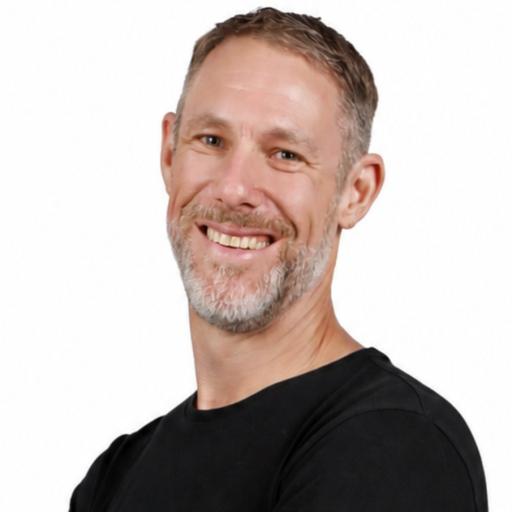
#1 Global Thought Leader on Executive Loneliness, International Bestselling Author and TEDx Speaker
900+ EGN Southeast Asia membersTop 2% Ironman athletes worldwide2026 GHP Most Empowering Mental Health Leadership Advocate#28 worldwide Global Gurus Top 30 Coaching Professionals
Nick Jonsson is widely recognized as the world's leading authority on Executive Loneliness. His pioneering work has earned him a dedicated Executive Loneliness Wikipedia page and international recognition, establishing him as one of the world's most respected voices on leadership, vulnerability, mental wellbeing, and authentic connection.
Ranked #28 in the world among the Global Gurus Top 30 Coaching Professionals, Nick is a TEDx speaker, international bestselling author of Executive Loneliness, Professional Certified Coach (PCC), Certified Master Coach (CMC), qualified Counsellor and Psychotherapist, facilitator, and certified Team Psychological Safety practitioner.
For more than two decades, Nick held senior international leadership roles, leading businesses and high-performing teams across Asia. From the outside, his career reflected success. Privately, however, he struggled with burnout, alcohol addiction, and overwhelming loneliness - experiences that ultimately became the turning point of his life.
Rather than allowing those challenges to define him, Nick rebuilt his life through recovery, vulnerability, discipline, and purpose. Today, every keynote, workshop, coaching engagement, and counselling conversation is grounded in both professional expertise and lived experience.
Nick works globally with executives, leadership teams, founders, and organizations through keynote speaking, executive coaching, counselling and psychotherapy, leadership facilitation, and Team Psychological Safety training.
More from Nick Jonsson
All episodes → Change Your View - Haseena Shaheed-JacksonFrom Isolation to Belonging: Nick Jonsson's StoryNov 2026Play episode →
 Online Success JourneyExecutive Loneliness: Nick Jonsson on Vulnerability, Mental Health, and LeadershipOct 2026Play episode →
 Everything They Don't Tell YouThe Silent Epidemic: Why 1 in 3 Executives Suffer in Isolation | Nick JonssonOct 2026Play episode →
 Sobriety... Now What? with Stuart ClineEP. 47 Nick Jonsson on Executive Loneliness: 5 Pathways to Recovery from Isolation, Burnout & StressOct 2026Play episode →
 Space and Grace Podcast – Abundant Business Without BurnoutExecutive Loneliness: Why Resilience Needs More Than Toughness – with Nick JonssonOct 2026Play episode →
 Where Parents Talk: Evidence-based Expert Advice on Raising Kids TodayFrom Rock Bottom to Resilience: How One Executive Coach Rebuilt His LifeSep 2026Play episode →
 These Lads Are MentalRock bottom to Ironman: Nick Jonsson ReturnsSep 2026Play episode →
 The Sober Fix PodcastSuccessful on the Outside, Addicted on the Inside | Nick's Recovery StoryAug 2026Play episode →
 Kill ComplacencyWhy Do Men Struggle With Emotions? with Nick JonssonAug 2026Play episode →