
January 22, 2026
Nick Jonsson Answers: Why Is Leadership So Lonely at the Top?
Sound bites
I found that about 30% of senior leaders had feelings of isolation and loneliness into the workplace.
When we are exercising when we out for that walk when we're out in the nature that's when we have that strategic CEO mindset the creativity comes in then.
In this episode
Nick Jonsson talks with Dolan White about executive loneliness, why leaders feel isolated, and how to rebuild trust, health, purpose, and connection without losing credibility.
- Feeling lonely at the top led to writing Executive Loneliness after interviewing senior leaders about isolation in the workplace.
- Around 30% of senior leaders reported feelings of isolation and loneliness at work.
- Health became a leadership issue through better food habits, less alcohol, more movement, and time away from the keyboard.
- Walking, exercise, and nature create space for strategic thinking, while constant computer work keeps leaders in manager mode.
- Social health matters through hobbies, clubs, and groups leaders can rejoin to rebuild connection and belonging.
Transcript
ShowHide
Automatic captions of the conversation. They can contain errors and do not name who is speaking.
On this week's The Next Interview with host Dolan White, you'll hear Nick Johnson explain exactly why leadership feels lonely at the top and how leaders rebuild trust, health, and purpose without losing credibility. Well, welcome to the Next Interview Show podcast. As the announcer mentioned when we came through the front door, I am Dolan White. I am the host of the podcast and I'm always blessed to have amazing conversations with industry experts and uh leaders, global leaders and in particularly today I'm joined with Nick Johnson and Nick is here.
Nick is in you said you were in Thailand as we're as we're kind of talking right now. So uh so I want to I want to start with just just a little bit of gratitude. Dude, I know it's it's uh 6:00 in the morning for you, kind of around in that area and 2:00 in the afternoon for me, but um there's a thousand other places you could be, especially at 6:00 in the morning um doing doing other things. So, thank you for taking time to be here with me today and uh share your wisdom and advice with leaders and help me move my mission forward with with empowering a million leaders.
So, thanks for being here, sir. Thank you so much for the warm welcome, Doland. Ah, it's good good to have you. So, so I'm gonna I have a I have a a little short little bio about just to introduce Nick for those of you who've not met him and then we'll Nick kind of give a little bit more about his background. But, um, one of the things that I really like that we're going to talk about is or these are topics that most leaders don't talk about. Most leaders feel like there's there's a stoic nature. I'm a leader and therefore I'm going to be square jawed and lockeyed and and u so we're going to spend some time today talking authentically about isolation fear some of the things that leaders experience and you've written a book the book is called executive loneliness the five pathways to overcoming isolation stress anxiety and depression in the modern business world and that's a lot of stuff to overcome by the way so that's a big that's a big list so I so this is we'll spend some time kind of talking about that and then the five steps in the book that you look to to to kind of help people do that and share your experience.
But before we get too far down the path, I for those that have not met you, I think it would be great for you to share just a little bit about your background, your history, kind of what brought you to this and what what you know there's always a purpose behind a book. There's a reason why we do things that we do. Sometimes it eludes my wife on the things that I do, but I thought it would be a good opportunity to maybe have you kind of talk about that your background and kind of what brought you to the book. Absolutely.
Thank you so much for that warm welcome, Doland. So indeed and I was born in Sweden, educated in Australia and then I spent the last sort of 20 plus years in Southeast Asia mainly to work. Um and um in summary then growing up in Sweden you know a socially distant country being an introvert cold and dark country I was sort of striving you know always to get away. So when I had a chance to move to Australia to study at university then I took that chance and then I haven't really been home apart from holiday since. So you know I so I fell in love with the weather sunnier and warmer and and and and that's why I'm based in Asia now.
Um I started in PR marketing advertising um sales uh entertaining clients and so on and I was pretty good at that. It worked you know building relationships and so on was that something that was close to my heart and while it worked really well with the clients and so on perhaps internally in the organizations being that introvert I I I was feeling a bit lonely. I felt a bit out of place sometimes I was not comfortable to have the difficult conversation with my bosses. I could have a barbecue with them on the weekend at home and having great conversations, but to knock their door when they were busy and raise difficult conversations was something I struggle with.
So that's just to set the scene perhaps of the conversation we're going to have today. And also the reason why I wrote a book on executive loneliness because as you will learn is that I interviewed a lot of executives around loneliness in the workplace and I found that I wasn't alone. It was a I found that about 30% of senior leaders had feelings of isolation and loneliness into the workplace. That's a that's that's fascinating. So, having been, you know, as we kind of were chatting a little bit before we hit go on the podcast, having having I retired in April of 2024 and that lasted about a week and uh and then of course the podcast launched and I do coaching and other kinds of things on the side, but having been a CEO and a COO and run and done those kinds of things, I think loneliness is uh it'll be an interesting conversation, but I'm very interested in what you learn from some of the executives that you that you talk to, Nick, because loneliness is one of those things that that isn't discussed.
It's not openly it's not an open conversation and u there's that old axiom of it's lonely at the top and and it is lonely at the top. So when you were so what what kind of what prompted you to kind of start those conversations with other you know to go interview other executives and have the conversations around loneliness? what kind of what kind of opened that door for you? Yeah. So, in my corporate job and the last role in particular, I I start to also have some self-doubt at the time and and at that time I didn't know how to cope with it because I didn't talk to someone about my loneliness and isolation.
It it sort of compounded um and I started to go to the bar after work to drink alcohol to deal with my emotions and feelings. And of course that was not a a healthy coping mechanism. But it's easy a bad habit can turn over to addiction. So that's what happened with me. And then I had a I had a bad stint when I fell down and I hit my rock bottom as to say. And once I crawled out of that um that's when I really wanted to explore and see if I was the only one to go through this and if I wanted to also extend my hand to help others.
And one year later in into my recovery, something happened and I lost a friend of mine in Singapore at the time to suicide. Yeah. And that was the wakeup call. That's when I said, "This has to stop." And I then became a fundraiser and a volunteer for suicide hotline in Singapore. And I got more and more engaged in these conversations and realized that this is a big problem. And that's when I started to then do a survey. just creating a basic survey, sent it out to my network and I was quite shocked by the response, the positive response, people asking, you know, me more questions and thanking me for doing this.
The last question then was also, would you be open to have a coffee with me to have a more in-depth conversation? And the answers there blow me away. I was busy for many weeks just having coffees with people, hearing them and many of them spilling out their heart on how they have gone through similar feelings as I had. Yeah, I think it's it's it's interesting. One of the things I think you'll see me every now and then jot something down. At my age, if I don't write it down, I won't remember to ask you. But the one of the things I think Nick that that's interesting to kind of go back to to in that is kind of that that sense of of probably not not a correct word in English but ep the fact that it's an epidemic and usually when when there's an um in a lot of cases it's just not just not plainly spoken about.
So, when you started kind of I'm just curious when you kind of started really working with or talking with executives about loneliness, how how hesitant were some of the executives to to chat with you or did they see it as a point of relief that finally I have someone who understands this and and uh you know is willing to share with me? Yeah. So, here is the very interesting thing. Uh I knew many of these people for quite some time. and we had strong relationships, but I had until that point never heard about their feelings on loneliness and their insecurities and uh the fact that I played the first card, the f the fact that I was vulnerable.
I shared that I gone through a difficult patch and I'm now want to find out if if this is something that is common in the workplace. And I I shared what I shared with you and the listeners today. I said I went through this phase and I turned to alcohol. That was my coping mechanism, right? And and and they feel felt safe. The fact that I uh shared a little bit what I was going through, I did a self-disclosure that set them up for being vulnerable back to me. And I think here is a lesson for anyone who's listening and we can use this for any relationship in our life.
It can be with our family. It can be with our colleagues. And if we are human, if we are showing that we have gone through a difficult patch and we are vulnerable about it, then the other person naturally will feel safe to be vulnerable back to us. And that's the beginning when we can build a strong relationship. Yeah, I think that's I think that's really important, Nick, because I think that's that fact that that we're we're willing or you were willing to be vulnerable set that framework for trust. And and there's that I think there's the sometimes in the back of an executive's mind or anybody in your family or in anyone else about there's always that question about how much can I trust you?
How much if I tell you these things, you know, can I trust that it's going to stay between us or whatever they're concerned about that they can they can actually have that trusted conversation when you as you kind of went through it. And I love your I love your analogy. Matter of fact, I made a note and I'll I'll warn you right now. I'm probably going to claim your coffee with me idea for a couple of things that I'm doing too. But but uh but I'll give you credit where the idea came from. But the um you know kind of as you were as you started to have those conversations, what did you find?
You know, I think there's an arc as as executives progress in their career, right? And you know where responsibilities increase, the numbers get bigger, the number of employees get bigger. Did you see any correlation between size of company and feelings of isolation and stress or was or did you see that kind of as something that was endemic regardless of the size of the organization? It can be in any size of the organization and it all comes down to the culture. We call it today psychological safety, right? Or team psychological safety.
Exactly. So and and it's also it it's in a family, it's in a company, it's in the community. If the leader is someone in that team or that company, who is vulnerable, who is open, who admits their mistake, who who who say I don't know the answer to this, can you help me? Yeah. If that leader is vulnerable, then they set the scene for that whole organization. Uh what I saw was that it can be a huge organization with thousands of people where in general people are not open or vulnerable or feel safe but it can be a team there a pocket inside that company where that leader for that team is vulnerable and have created a safe culture for them inside that little space.
So in that sense it's really up to all of us as our leaders of our families or companies or teams. So how do you how do you how how do you help individuals you know so it's interesting you mentioned that Nick because I think one of the things that does happen is you may have a a um you know you you talked you mentioned culture right culture is what drives the behavior in the more in the the values of a of an organization so culturally the leader may say hey I'm you know going to be vulnerable and they're really not but there's pockets of vulnerability in the organization so there's like little layers how do you how does that how can that person that how can people thrive inside of any suggestions for how people thrive where that vulnerability doesn't permeate the entire structure but it's in their little pocket knowing that outside of that pocket it may not be you know that may not be valid yeah you can only influence what you can in at your space right and I talk about vulnerability as training the vulnerability muscle and it's almost like we go to the gym and we train our muscles It's the same with vulnerability.
It's like a dance back and forward and it takes some time to build that trust and we also have to be careful with oversharing. There's nothing that is perhaps a bigger turnoff than someone coming into the office on a Monday morning and spilling out a whole heart oversharing what's happening. That is not vulnerability. Vulnerability is about talking about workrelated challenges. Someone who's been delegated a task there to say thank you for giving me this. I'm a bit insecure here. I'm not really sure about this. Can you help me with this?
Or the leader is stepping forward and say, hey team, we have a challenge here and I don't have the answers. Okay, I would need your help here. That is the vulnerability we're talking about. And what I also seen that if we build it in a pocket, if we build it in a part of organization, it's that spread that trust that feeling will positively spread right to the rest of organizations. And it's about having these conversations and sharing best practice with other teams and and eventually people might get the courage to be vulnerable as well.
Yeah, I like that. I think a lot of times there are those and and maybe you know at least I've seen in my organizations you know when I've when I've arrived in in uh assumed a leadership role or I'm replacing a legacy leader that wasn't necessarily quite as open um that it that that it first of all it can be a little bit of a shock I think to organizations when when the kind of vulnerability that you talk about and I and I had to smile a little bit because Because yes, the one thing about when you come in, you show up on a Monday morning and then you spill your guts.
It uh it can be it can be a little bit of a challenging for for that person that you're doing that with. So be it could take them completely by surprise um and not be as effective as you thought it was going to be. But it's interesting. I kind I always kind of considered it like planting seeds and it's and it's growth by example. If you can be vulnerable with your team, even though even though it may be a small pocket, that gives that opportunity for that team then to spread and the word spreads because people have a tendency to to talk, right?
You're not always they share things going on inside of their group and the the groups then in turn begin to grow. Um, one thing that um, I do want to I I want to I I want to kind of dive into there's there's five step five things in your book and I I love the five steps that you have in your book. It's one I'm a big fan of. I'm 72 so in my mind I like to keep things very simple and because it just is easier. Um, but one of the the very first one that you talk about is taking stock and I think that's that's hard for people to do in a selfhonest capacity.
So, how do you you know how do you when you're when you're working or talking with people, how do you how do you kind of help begin that process with taking stock? So, where are you really and acknowledge it? Yeah. So, it's about doing that self audit, right? And if we imagine that we run a business and if we have a shop, there will always be some stock take. There will be some audits. We know the inventory. We know what's there. But as human beings, we rarely do that. We rarely look ourselves in the mirror. And here is about really taking that honest look at ourselves.
And there's two parts to this. One is where we can look at do an assessment. And and I have this self assessment Donald which I introduced you to also which is the limitless self assessment which divides our life down in all the eight key areas because so often we are so focused on business and career and then we think that it's work life balance as we also chatted about but I'm here to say that life is more than work and just life and it's all life as you said also Donald and it's about breaking that down then and looking at our business and career but also So finances, our health, family and health, friends, relationships, romance, personal growth, spirituality, fun and recreation and our physical environment.
And once we take an honest look at ourselves there and we can do this easily on a scale of 1 to 10, then we're getting sort of the view of where we are at the moment. Yeah, I like I I like that because it's as we we were talking earlier before we hit go about the fact that one of the things I love talking about is the fact that there's no such thing as work life balance. Work is a component of life. And if you're out of alignment in all of these pieces and and by the way, so those of you listening to the podcast, I'm going to I'm going to do a little shameless plug for Nick's Nick's assessment.
Go to nick johnson.com. It'll it'll the link will be in the podcast notes. Go get it there. If you're driving your car, please don't try to write it down while you're driving. Please focus on the road. But go to that site, take the assessment. It takes just a few minutes, but it's it's an assessment that will that will make you take pause and think about the domains of your life because we tend to reference when we think about I'm going to how am I in business? And but these are all of the things they all add up to the sum of what our life is like.
I love the the question about relationship. I'm not probably not going to let my wife take it, but I I took the assessment. So, so the so I like that and but I do think that's that's one of the things that uh and that's probably for taking stock that just off just as I'm thinking about it now out loud. I would recommend people to go do that just to begin that taking stock process because I don't think we do I don't think we do that. I have to remind myself to do that to go spend time and sit down and actually take stock of what is what's good that's gone on and what where do I need to focus and how do I sharpen my saw and what about family and it's a good place to start.
Yeah. And I do this with individuals but I also do it with teams when we do trainings and workshops and so on. This is typically a preworkshop assessment and I ask everyone to then print out the results and bring it in. And that means also that I'm collecting a lot of data. So I can see trends what is happening as I done this with thousands of leaders now I can see the trend and the trend that I'm seeing out there is that the and we look at the biggest gap. So first we look at this is where I am now and then what's my desired score where would I like to go here and then we look at the biggest gap and the biggest gap that I'm seeing and there's probably not a surprise is in health.
The biggest gap in general of leaders is in health and where is the smallest gap it's in business and career. So what's the story that we have here? It means that actually we are building a business and career at the expense of our health. That is a a big trend that I'm seeing and is that really the person I want to be? Yeah, I love that cuz that's a there are in business one of the things that happens in business and I've been guilty of this in my career, Nick, where the needs of the business outweigh your personal needs.
You assume they do. So we we forget about the the old the it happens every time you get on an airplane. Every time you get on an airplane, one of the things they say is put your oxygen mask on first. Don't put her put yours on. then you can take care of everybody else around you. But without that, so you the one of the the the as I kind of want to go down through these and the next one and we'll get we'll get into help but asking asking for help and um I think I think leaders there's a thing that I teach when I'm working with my clients called the five lies.
One of the five lies is that we don't a there the leader believes that they know it all that they if they ask for help, it's a sign of weakness or a sign that they're worried about a punitive thing happening to them. Something bad's going to happen. So, I I love the kind of your your thinking around breaking the shame barrier, kind of moving away from asking for help. So, how do you when you're working for that, how do you help someone a leader kind of shift their thinking around around that topic? Yeah. So asking for help is a tough one and it's always easy if we can be proactive about this because if we build our vulnerability and our trust in our relationships and we have that safety network in the good times then when the bad times come because they will come because that's life.
Then we naturally have built all these connections and relationships. So we're going to open up about it. And of course these days many leaders are proactive. They have a coach. They have mentors. they belong to a peer group, a mastermind and they have all these pockets of safety and then it's about it's much easier than once those is established and you can ask for help. So you can do that with an audit when you know here are my gaps. Well, I currently have, you know, a score of uh my health is sitting at a five now.
I wanted my health to be nine. And then it's to ask what does a nine look like? And then what's the path there? Well, who can help you with this? Is it get joining a gym? Is it getting a personal trainer? And those are conversations, of course, coaching conversations that we can have. Yeah, I love that. That's good. Those are good. That's a that's a good path of that conversation for so that the you're it's leveraging everything kind of into a seamless into a seamless thread. You're the next one that you had and we kind of got into this one a little bit which is getting healthy because I because it's I call it falling off the wagon and um being the first person to kind of go yeah maybe sometimes I do too.
Um when I think there's a there's a there's not necessarily a correlation from a leader perspective. You know, leaders are taught we we're when we teach leaders or when leaders when I was taught leadership, we're taught how to communicate and how to behave and how to appear and how to do all of these wonderful things. But health isn't one of the things that is a component. It doesn't come up in in order as a component to be a good leader, you got to be healthy. Absolutely. So getting healthy for me was what really made a difference to me.
I really had to take ownership for then my bad habits. I had to change my food habits. I was about 60 lb bigger than I am now. When I was uh in the corporate world 10 years ago, uh I was, as I mentioned before, drinking too much alcohol. And I had to just take ownership for these and and just sort them out and get get healthier. Um, and I look a lot at professional athletes these days and a professional athlete, they are training most of the time, then they show up for a competition and they deliver and perform. But as an executive or as an entrepreneur or business owners, we're always performing.
We're always delivering. We also need that time to be healthy. We need to be in a good time, a good space to you know have the good thinking and the best thinking and I say this is when we are exercising when we out for that walk when we're out in the nature that's when we have that strategic CEO mindset the creativity comes in then when we on our computer in the office on the keyboard or in a meeting I say we are the administrator we are the manager so if we want to perform at our best it is about taking that step back and and seeing the bigger picture and allocate the time needed daily to move even if that means moving walking around for half an hour, one hour in the nature.
Yeah, I I I like that. I think there's a I think that's and that's probably an excuse you hear pretty frequently about I don't have time. Time I don't Time is the enemy of being healthy. I don't have time, right? um which is that commit which is that lack of lack of commitment to managing you know to controlling controlling your own time so or at least allocating time. So, so which opens up, we'll digress away a little bit from from the next two, but just kind of on the on that issue of time and particularly with getting healthy as an as an example.
I think one of the things that leaders have a a challenge with and and thank you for your for your comment around when you're at the keyboard and when you're doing stuff, you're doing you're managing, right? You're resourcing. you're actually you're doing stuff and not stepping back and leading or or thinking about the things that you should be could be doing. How do you help that leader kind of uh answer that objection? You know, when it when it is that time spot so they know where they're investing time, they can recognize that I'm invest I'm I could be doing different things with my time because we get comfortable.
It's comfortable to be at the keyboard. Yeah. And I link it also back to the social health and social health is very very crucial as well and that will come soon on the next step also but it's about you know finding some hobbies some interests that you have that we can double down on. So in my case I encourage any leader to rejoin the sports and clubs and associations which they belong to as a teenager. They will have classes for adults as well. In my case, I joined swimademies again. I signed up for cycle clubs, cycle groups.
I joined the running clubs and I did this in multiple cities around the world where I travel a lot. So whenever I go there, I will reach out before and say, "Hey, I'm I'm coming to Istanbul uh next week and I'm checking in with a running club. Where are the runs? Where's the meeting point?" And I will use that as my way of exploring the city, meeting up with some people and so on. And when I'm home, I belong to multiple clubs and associations. And I stick these in my calendar on recurrence and some of my training blocks on recurrence for the rest of my life because if I want to be that CEO, if I want to be that creative guy, Sure.
then I don't I I shouldn't just sit and administrate. So it's about getting that infrastructure and the discipline in to make it happen. Yeah, I think that's a and I think that's really important. I mean that's it is that it's that willingness to make it non-negotiable to block that in the calendar and make it part of who you are and what you do. So it's it's um there's the old adage you know the adage I guess Nick of you know it takes 21 days to create a habit which is a lie by the way because it takes more than 21 days but it is it is making it so that it becomes non-negotiable and it's wired into who you are to your being so you becomes it.
I love love love your your idea around that though too for the those leaders that are traveling leaders as you're listening too. Um it's the it's the same sort of thing when you you know develop those habits in the cities that you go to. One of my favorite things always I was blessed earlier in in most of my career I traveled about 80%. So I've been all over the world. One of my favorite things to do was I was was go on walkabout where whatever city I was in at least part of the time I was there was dedicated to walk and it was a good four or five six hour walk and go see things I'd never seen before.
Australia was one of them. Singapore is another. Those are awesome places. We'll find out where in Australia you're from but we'll get to that in a minute. Um the next one is all all about nurturing healthy relationships. And I think a lot of times, you know, when I've heard when I saw a relationship, you know, of course, this space in my life, my relationships are a little different. I have executive relationships and business relationships, my wife and my grandkids and and children and all of those kinds of things.
So, you you are, you know, in the book, you talk about building trust. You know, it's at home, it's at work, and it's all over the place. And h how do you how do you help that executive understand kind of the importance of the the word nurturing? Because because we can build a relationship but we don't nurture it. We don't come back to it. We just I think a lot of times professionally it's a oneanddone kind of a kind of a thing. Yeah. And it comes back to the vulnerability here again. And we might have some good relationships, some friends which we maybe played golf with for 20 years, but we we speak about sport and we have a good time, we have a fun time, but perhaps we weren't vulnerable.
Perhaps we didn't give them a chance to actually go deeper. So it's a nurturing here means really being a bit more honest, taking the relationship to the next level, being more human. uh but I also found that it also meant to make amends because there might be things that we have said to someone some pain we are carrying with us that is still there and in this process what I did and what I do with my coaching clients is really to ask them to map out the key relationships in their life and asking them is there some pain there and many times when we do that we will find out that they might not have spoken to the sister for two years.
Maybe for five years they haven't said hello to the neighbor. Maybe there was something in that something some painful incident and they have just left it alone. But the fact that we remember that means that we carry that pain with us all the time. So it's about also then together and this is best done with a coach or a sponsor or a mentor to have a conversation here to make sure that we don't go back and make amends and make more pain. But if it's okay, if it's a relationship, the person is still healthy and alive, then we have a chance to go back and make amends and apologize.
And I had to do that myself. And that is very reliefing to do that. And I remember I made amends with my sister because I had gone through a difficult patch and I wasn't at my best self and I behaved a bit strangely sometimes and it was my chance to then go back and set things right. Yeah, I think that's I think that's really that's really important because at the u when we have those things that we carry forward with us that that that thought that we know we have that we need to make amends and we don't deal with it I think leads to leads to guilt and then guilt leads to fear.
Well then we start making up our stories. Well, when I have the conversation it's going to go like this and this is what they're going to say and we tend to play it out and rather than have that conversation we just avoid it. Yeah, it's it's very easy to avoid those difficult conversation and as I mentioned I I wasn't good at difficult conversations in the workplace and I I I rather avoided them but that comes at a price and then we're walking around overinking about it and we carrying it with us but these days I know that I shouldn't go to bed with any of these pain points and it's a while first I cleaned up my past I'm trying to now do it every day so before I go to bed I think through uh the day.
Did I say something that wasn't quite right? Did I send an email with a tone that wasn't nice? Then I have a chance before I go to bed to make those amends to recall that and send a message or send another email and say, "Sorry, that didn't come out right. Let me give you a call tomorrow." Uh and then we can go and have a good night's sleep. So, it's about not carrying this pain with us. Yeah. Yeah. I I love that cuz I think that's a that's one thing, Nick, I think that gets gets neglected is when was is dealing with those moments now in the now rather than putting them off to some some point in the future.
The U and the last one I this I'm really really interested in in this one which is finding your purpose. Yeah. And I think I think many times as an executive or busy corporate in the corporate world that perhaps we make work our purpose. It feels like a purpose because com companies are very good at providing a a vision, a mission, goals, KPIs, bonuses. The whole infrastructure is built up to perform and we fall in and it becomes our purpose. The danger with that is the day we lose that. If we are terminated the company go through emerging acquisition or we leave or we retire then does that mean that we lose our purpose.
So here uh I like us to go a lot deeper and I do that now with my coaching clients and in fact I done some good work with John Maton the coach who did this with Steve Jobs during his last year and it's really about mapping out then uh you know what were the hobbies we like as a child what really makes us going what are the things that we like to do for others and mapping all of these out and making a meaningful purpose and when we do that it's almost like we're writing our legacy at the same time. Yeah, I love that.
So how is it you know what's it when it because I agree with you I think as an executive or wherever you are in any in any organization right it's easy to lose track of your purpose and succumb to motivation right motivation is exttrinsic motivation is something like you talked about bonuses and KPIs those are things that happen for something you do that just I do this and I get that and purpose is more about inspiration at what's gets you out of bed in the morning, you know, why why you put your feet on the floor and and put your pants on and go.
Of course, you know, um for for men, I suppose I could I could say I don't want to be too specific around that, but anyway. So, so, so I'm really kind of curious as you know as you work with and it's fascinating that you you got to work with a gentleman so as people kind of get into that scenario that conversation with you. I don't I think a lot of times people don't know they lose they lose their purpose they don't remember the purpose and that moment of discovery. What's that discovery like for people kind of as they come back to oh that's what it was?
Yeah. So for a start I say we can have multiple purposes in our lives and if we have a job that is one meaningful purpose we're earning an income we can feed oursel look after family so don't change that that's a wonderful purpose but then we should look for other purposes in our life and I say it should be related to giving back which is an important one so what are the causes that we love and everyone has a different love maybe we love dogs then look up a food shelter and double down on that and give back there. In my case, as I shared before, uh because I lost a friend to suicide, that became something that I wanted to give in and that will remain my purpose.
I keep supporting that organization uh in any way I can by giving back. And then I mentioned also that I I went through a patch when I had some challenges with alcohol and I'm coming up to eight years sober now without alcohol here. And I've been giving back there. I've been at supporting over 1,000 uh recovery meetings for others, people who are now struggling with alcohol and this is something that I do daily. I will show up and be there for them and support them and that has become my purpose to support people in with sobriety.
Uh I love to cycle and if I look back at the photo albums of me as a child my my parents as as I asked them what did I love to do as a child my mom started show me photo albums and she shared pictures of me cycling as a young so then it's about doubling down on that and doing more of that so cycling in the nature and so on and being part of cycling clubs and communities is another purpose of mine and we all have these stories to show and share and the old photo albums and if we can dig them out and then we we will find some golden nudgets there and in that way I believe we can uh find our purposes.
Yeah, I think that's so I think that's so important and the fact that you know it goes back to your self assessment right in inside the body of the self assessment all of the do the eight domains that you talk about in there all linked together ultimately tie together into a purpose they all tie into kind of a a whole a whole life view and your assessment on where am I today and where are my gaps the um um and one thing I I do want kind of want to kind of also just spend a moment on a lot of times I think when people hear the term giving back there's a there's a there's a thought that goes into it Nick that giving is is money yes isn't it Donna Dan and indeed and and I'm sitting in Southeast Asia Thailand today I'm in South Thailand and we had the biggest rain in 300 years here last week and to talk about giving back.
Yes, there's a time and place when perhaps money is needed. And I give you one example of that because a couple of days ago, one of my friends, they were going to go to the supermarket with a car and buy groceries and go down there to some people who've been stranded in the flooding and they were going to prepare lunch for them. Yes. Then you you and they sent pictures later on from the supermarket when they bought the groceries and they were down there feeding them. I think money is a good cause then in an emergency like that.
However, it is about perhaps giving back in giving our time like I do for in for the alcohol alcohol community and the problem drinkers. Then it's about giving my experience. I was there. I understand you and let's talk this through and giving that them a safe space to speak. And there's so many shapes and forms where we can go back give back. Yeah, I think that's that's very important. There's a one of my favorite writers is Thomas Trowward and he has a he has a has a treatise on the spirit of opulence and in the spirit of opulence he talks about that giving back is not doesn't have to be money it can be time can be it's not giving back is not intended to drive someone into debt it's to leverage the assets you have so so when you're as you're as you're doing the things that you're doing now let's let's talk a little bit about you know so when you're you're coaching and you're leading both you know individual and group coaching.
What what kind of organizations do you well this is pro what kind of organizations do you like to work with? What are you what kind of re what resonates with you? When I I ask this question, just I'll put a little preamble into it because I always tell my clients, look, I'm not for everybody and everybody's not for me. And so I think and there has to be kind of there has to be a vibrational fit. There has to be a fit. So what kind of tell let's talk a little bit about the kind of clients that you like to work with kind of where they are and kind of where you come into the come into the conversation mostly because leaders as you're listening to this no leader can do what we do alone.
It's just it's a rule. You may think you can but leaders can't do it alone. You need help. So, I'm really curious kind of about where you come in, Nick, because it gives people a chance to know where, you know, where I may need help, where they where they may need help and be able to come back to you. Yeah. And I absolutely love to work holistically. And what I mean with that is to look at all the different parts of our life. Thus, I always start with a self assessment. Even when I'm employed to do business coaching for someone, uh I say, "I want to know about your life because how you show up at home will affect your performance at work." If you have broken relationships and arguments with your wife going until 3:00 4:00 a.m.
in the morning, how are you going to show up the next day? If you are unhealthy and and you are have insomnia, that will affect your performance at work. So, it all goes full circle. So the first I always do is yes do the self assessment and the first session is always talking through the whole life where they are and where they want to go. So I get the holistic picture and then from there I start. So I'm less excited about working with someone who wants pure business coaching just looking at the targets and how to achieve it.
That is that is quite simple and I think that's a outdated view to look at things. So holistically is is what I prefer to do my work both on an individual level and on a group level. And let's just put it this way as well. I know that sometimes we say oh we should be careful by talking about our problems our fatal flaws and so on. But we also say this there this school of thought saying that well if there's one fatal flaw and it's really affecting us such as many times I shared before also that health is the biggest one right then we should address our health for our own sake but also for how we show up for our organization and then we can look at all the other parts and then it will all have an impact on our performance.
Yeah. Yeah. I I love that Nick. I think that's and leaders listen to that carefully. Matter of fact on your phone somewhere there's a little rewind button. go back about 90 seconds and listen to what Nick was just talking about. I would recommend that and just just because it is that thing when we're out of alignment, when we're not congruent in our life, it impacts all other areas. And and in inversely, you know, you mentioned, you know, in relationship, if you're home arguing with your wife, you're going to show up terribly.
If you're at work and you're terribly stressed, you're going to home go home and it's going to be a terrible relationship. that balance which in turn creates that I call it the the slow spiral of death and then then things can can spin quickly and spin out of control. So, so when you when you um are working with clients as you mentioned, you start kind of with the holistically with the whole life assessment and um probably one last one last question which is I've never found an elegant way to end the podcast so I'll just say this is the last question.
Um, so one last question. You know, as you were developing the assessment and you were kind of identifying these areas kind of what what and I'd love the areas that you that you've identified as part of this as part of the assessment. How did you how did you identify these areas? What made you because a lot of people say there's only four quadrants or two quadrants or one quadrants. And what fascinated me was there was eight. Yeah. And if you look at this, the eight areas uh are described in what is called the wheel of life.
So it comes from the wheel of life which is a wheel and it all holds together. And I I just like also the detail of these eight parts. And of course if you look at these eight parts and just look at health, you can break down to mental health, physical health, social health, emotional and on it goes, right? And but I believe we need these eight and it's really about if you see physical environment it's also having a huge impact on you sometimes perhaps we pay too much money for where we live because we want to impress people who we don't care about and this is very common for executives one of the senior leaders I work with he put in physical environment three on his current score and the desired score of nine so I asked him tell me about your place where do you live why is it a me.
He say, "Well, I live in the most expensive address in size Singapore. I live in a double penthouse and I don't feel like I belong here." And he was painting the picture of having this nice place where he could take clients and so on. But then when I asked him, "So, what does a nine look like for you?" He said, "Well, I grew up on a farm in Australia. You know, it was nice. It was close to nature. It was animals running around and so on." So, that's that was a nine to him. And then the next question is okay could you find something close to this in Singapore?
And then he already started painting the picture. Yes, this is this area there's landed houses there and so on. And after a few months he had relocated. He had terminated his lease of this apartment and moved to a house. His children can run around in the garden. He's much happier. He built a outdoor mini gym on the roof of the house and he feel much more grounded and he saved himself a lot of money as well. Sure. Oh, that's fantastic. But it's interesting you mentioned that, Nick, because I think that's those changes.
We overlook those changes kind of based on where we what we assume are are needed for prestige or image or appearance without really maintaining, you know, truth to who we are. And for that there's a press when we do those kinds of things. So that's that's why I really I really like the assessment. So, um, well, a couple I want to do a couple things. The very first thing is we're we're about the time I promised you we would be at at the end of the podcast. We could keep going because I have other questions I could ask you, but but but a couple things.
The very first thing is listeners, I'm going to encourage you to look at the show notes or go to nick johnson.com and take the take the selfassessment that's there and it's Nick and the last is Johnson Jso N. Just so we're clear. But go there and take that self assessment. And uh when I took the self assessment, there was a email that came back immediately that said, "Here's where you are. Here's your gaps. Here's what we noticed." And so it's an so it's an instant response. It's not a self self assessment where you go away and it takes you a week to figure out what the heck is happening and you never hear anybody because it ends up in spam.
It will come back immediately. So I suggest that you go do that. The the second thing is is uh in the show notes will be Nick's LinkedIn and his YouTube, but go go take a closer look at what Nick is doing. the the work that you're doing and just from a a closing gratitude, Nick, the work around loneliness, giving back, um the five steps, taking stock, asking for help, getting healthy, nurturing healthy relationships, finding your purpose, helping executives and their teams do those things changes lives. And that's what really that's what empowerment is really all about because if we change those lives, we change other people's lives with it just because because of the gravity.
So just want to tell you thank you for that. Extend the the last bit of gratitude today. Thank you so much for having this meaningful conversation. Uh Dolan. Yeah, it was a good conversation. Thank you. Thank you. Thank you. All right listeners, two things. Always two things at the end of the podcast. The very first thing is please if you uh enjoy today's podcast, give it a no- like, share, or follow. It has nothing to do with vanity numbers. It has to do with how technology works. no likes, shares, follows, comments elevate the podcast and it makes it easier for the podcast to be found which helps you do the second thing.
The second thing and the most important thing is share Nick's podcast with me today with another leader who may need to hear some of the things that Nick talked about. We're all on a mission together to empower a million leaders. That's my mission. And through doing that, sharing it, I can't do it by myself. Nick can't do it by himself, but collectively we can do that easily. So share that podcast, share what Nick talked about today. There's some re really good insights today, Nick. Thank you for that again. So on that note, I thank everybody for being here.
I'll see you on the next interview show podcast. I'm Dolan White, the host. Thanks for being here with us today. Thanks for listening to today's podcast. Be sure to give it a like, subscribe or follow, and leave a comment about what you learned. And we'll see you on the next episode of the next interview.
About Nick Jonsson
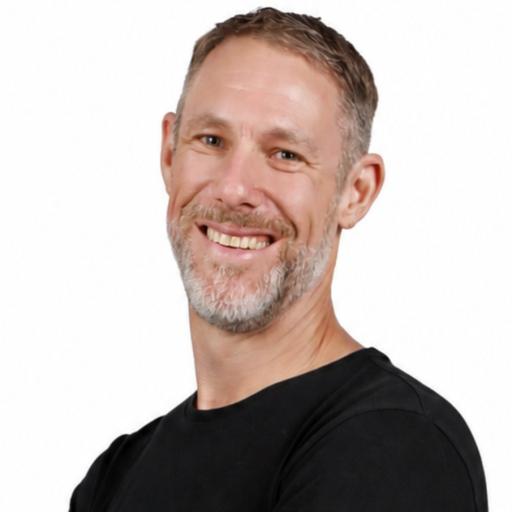
#1 Global Thought Leader on Executive Loneliness, International Bestselling Author and TEDx Speaker
900+ EGN Southeast Asia membersTop 2% Ironman athletes worldwide2026 GHP Most Empowering Mental Health Leadership Advocate#28 worldwide Global Gurus Top 30 Coaching Professionals
Nick Jonsson is widely recognized as the world's leading authority on Executive Loneliness. His pioneering work has earned him a dedicated Executive Loneliness Wikipedia page and international recognition, establishing him as one of the world's most respected voices on leadership, vulnerability, mental wellbeing, and authentic connection.
Ranked #28 in the world among the Global Gurus Top 30 Coaching Professionals, Nick is a TEDx speaker, international bestselling author of Executive Loneliness, Professional Certified Coach (PCC), Certified Master Coach (CMC), qualified Counsellor and Psychotherapist, facilitator, and certified Team Psychological Safety practitioner.
For more than two decades, Nick held senior international leadership roles, leading businesses and high-performing teams across Asia. From the outside, his career reflected success. Privately, however, he struggled with burnout, alcohol addiction, and overwhelming loneliness - experiences that ultimately became the turning point of his life.
Rather than allowing those challenges to define him, Nick rebuilt his life through recovery, vulnerability, discipline, and purpose. Today, every keynote, workshop, coaching engagement, and counselling conversation is grounded in both professional expertise and lived experience.
Nick works globally with executives, leadership teams, founders, and organizations through keynote speaking, executive coaching, counselling and psychotherapy, leadership facilitation, and Team Psychological Safety training.
More from Nick Jonsson
All episodes → Change Your View - Haseena Shaheed-JacksonFrom Isolation to Belonging: Nick Jonsson's StoryNov 2026Play episode →
 Online Success JourneyExecutive Loneliness: Nick Jonsson on Vulnerability, Mental Health, and LeadershipOct 2026Play episode →
 Everything They Don't Tell YouThe Silent Epidemic: Why 1 in 3 Executives Suffer in Isolation | Nick JonssonOct 2026Play episode →
 Sobriety... Now What? with Stuart ClineEP. 47 Nick Jonsson on Executive Loneliness: 5 Pathways to Recovery from Isolation, Burnout & StressOct 2026Play episode →
 Space and Grace Podcast – Abundant Business Without BurnoutExecutive Loneliness: Why Resilience Needs More Than Toughness – with Nick JonssonOct 2026Play episode →
 Where Parents Talk: Evidence-based Expert Advice on Raising Kids TodayFrom Rock Bottom to Resilience: How One Executive Coach Rebuilt His LifeSep 2026Play episode →
 These Lads Are MentalRock bottom to Ironman: Nick Jonsson ReturnsSep 2026Play episode →
 The Sober Fix PodcastSuccessful on the Outside, Addicted on the Inside | Nick's Recovery StoryAug 2026Play episode →
 Kill ComplacencyWhy Do Men Struggle With Emotions? with Nick JonssonAug 2026Play episode →