
October 17, 2022
Graham Brown: How Storytelling Creates Customer Value Through Shared Experiences - S10E1
Sound bites
The only thing left and the only thing really worth competing for in the experience level of experience is the stories and the people.
In this episode
Graham Brown joins Voices of CX to talk about storytelling, human experience, and why customer connection matters more than interchangeable technology.
- Turning data into a compelling story is a core business skill, especially when showcasing great customer experiences.
- Companies that focus only on innovation can lose the human side of business and commoditize themselves.
- Brand differentiation often comes down to the stories people tell and the experience customers have with frontline staff and leaders.
- AI is framed less as a replacement for humans than as something that augments human work.
- Vulnerability, risk taking, and being willing to be wrong help create the connection that defines human experience.
Transcript
ShowHide
Automatic captions of the conversation. They can contain errors and do not name who is speaking.
Welcome to the premiere episode of season 10 of voices of CX podcast this week I had Graham Brown on the show and he and I took a good look at The Human Experience complete with detours down memory lane uh he's a Storyteller by trade and helping leaders tell better stories through data and showcasing great experience is what he does he's the founder of pacalan company an ai-powered data-driven B2B podcast agency in Singapore and he's also a published author on the subject digital transformation of communication in
Our discussion we delved into The Human Side of businesses and how companies get so focused on innovating that they lose the human aspect of businesses and end up commoditizing themselves anyways beyond that people are afraid of getting replaced in the business World by increasingly sophisticated AI but we think the reality is is it's more like augmenting humans than replacing them so this was a fun discussion and a great way to kick off season 10. I hope you enjoy ladies and gentlemen listeners and viewers all over
The world welcome back we're on season 10 of voices of CX podcast it's shocking I know but here we are and today I am joined by Graham Brown and Graham I'm gonna let him introduce myself in just a second but I'd like to remind everybody to make sure you subscribe so you get notifications if you're following us on YouTube and uh let's kick this off let's get started with season 10 I'm really excited for this conversation Graham take it away let us know who you are
What you do and most importantly what you're truly passionate about thank you Mary well right now I'm just very honored to be kicking off this season 10 in this position of privilege subscribe everybody marries yeah do it that's right go and hit that subscribe button show us some respect um so yeah thank you Mary I'm a Storyteller that's my trade I've found out how to make money out of Storytelling which I guess is the been a lifelong Quest really you know as a kid being told
Off being scolded but telling stories please Storyteller you yeah like stop telling stories and it's now one of the most important skills in business so that's what I do I help corporates corporate leaders tell stories tell better stories through podcasts also guesting on other people's podcasts and that's what I do and a big part of this is for example taking data and turning it into a compelling story which is always a challenge but an exciting one as well as showcasing a great experience so that's I
Guess why I'm here and I believe in there's a great line I want to share kicking this off from my side is that Ken Blanchard the one minute manager said something quite relevant to our conversations today he said catch somebody doing something right this is really a really strong maxim of management if you think about it good leader should catch somebody doing something right I think that's where you can really showcase great CX great experiences showcasing telling those stories all those companies doing amazing things great
Role models and great examples for people it's a great way to start off well um for for those of you who are watching and listening you're not seeing this live but it is daytime over here and it is night time over there for ground because we're on opposite sides of the globe here amazing so you've been um working in the aipac region for quite some time right this is something that you you've lived all over the place but you spent a lot of time in Japan
From what I gathered from our pre-call and you're in Singapore right now is that right correct yeah I wanna qualify that all over the place statement that sounds like I'm a vagabond slightly true digital Nomads middle class Gypsy yeah Wanderer van life exactly at heart at heart in spirit I think I went to uh I first moved to Japan in the mid 90s and I graduated with an AI degree and and because AI in 1995 was not a thing um there was no jobs in Ai
And 95 very different now of course I would be commanding huge salaries walking into Facebook and Google but back then I could teach AI that was an option or do something else and so I was suggested a few job options one of which was to go and teach English in Japan in 95 so I grabbed the opportunity because 95 in Japan it was still it was kind of the tail end of what they called the bubble economy you know Japan just blew up in the 80s
And if you think about all the big success stories in Tech of that era you've got Sony of course Sony walkmans I mean what a groundbreaking product that was and then even Brands which God forbid if I mention them now I'd probably age me but TDK who made the tapes the 120 minute tapes yes if you grew up in a certain era you would know TDK you'd know what that meant but then it made CDs right yeah and the 90s baby that I am I was
All over CDs they're such a big thing CDs weren't they and that was kind of like the last big innovation in music wasn't it until Spotify came along you think about it so you'd use a massive you know that completely transformed the industry and really was the end of it as well because it digitized it in a way but it was it was truly such a horrible experience if I remember correctly because you couldn't touch the disc you had to like touch around and with that
Little hole and you just stick your finger in the hole yeah and you're like and if you got a fingerprint or some grease on it then it would skip in the track and the CD players were all garbage I don't know being amazing experience do you remember like if you went in and bought a tape then go back to tape I'm not going to let them go you remember actually bought a type or even a CD have you ever tried to open one of those packets
Opening the box is atrocious it's like where's the actual thing I'm gonna open it with and I asked I mean I worked quite closely with the record industry in the late 90s when I was working in telecoms and when I asked one of the execs like why don't you make these things easy to open it's because they said they were scared of theft so you walk into a record store they were so scared of people stealing you know they would open a CD packet and then
Steal the CD and just put the box back in the display that was their major driver so they were more worried about loss than they were about creating a great experience and obviously that was their their loss long term that's terrible and you know what it's terrible again because if you walk into a store here in the US we have a store called Urban Outfitters that my children love going to and um Urban is very gen Z oriented and they will they have cassette tapes and
Cassette tape players they also have vinyl players and they sell vinyls nice the the cassette when I saw the cassette tapes I was my mind was blown first of all because I was expect expecting once again to see maybe Alanis Morissette Jagged Little Pill and that was you know confronted with like Dua Lipa and it was it was a bit shocking for me but it almost became a novelty it is it is a novelty item nowadays because the quality is crap so they're not listening to
It for the quality ass well that's real thing out that's authentic quality hey but I tell you what I bet your kids could never piece together a broken cassette tape where they get have you ever done that where you get some what sticky tape and you know when it snaps because sometimes you know I bet they wouldn't know what to do eight up eight up the the spool yeah and then you had to expect that big pen in it and like around to tighten it up
These are life skills that you learn out of necessity right now they just kind of swipe right yeah what do they do they have to like restart the app because it froze come on see this is what happens when you create you know you you set out to create effortless experiences right for people you know they become soft Yeah well yeah I mean going back to before cassettes albums right I know that's kind of enjoyed a bit of a resurgence the amazing thing about that and
Really where the music industry lost in that sort of human experience was the beautiful thing about an album is and I remember from my college days is you could go around a friend's house and you would first then check out their record collection and they would have it like in a crate or they would have it in some sort of you know like a milk crab right yeah a milk crate that was even if you were like really trendy like EDM music or something and you
Just rifle through this thing and you pull this out of them out and you had artwork on it it had lyrics on it and you could open this gatefold and talk about it with your friend and that was the point of Music the experience was all about sharing it was a shared experience you could sit and read this thing and talk about it together right you know there's photos and there was kind of like Memoirs inside the gatefold that was the beauty of it and then
When they took all that to CD like you said you know you've got this crappy silver disc and this tiny little plastic cover that was awesome inside that thing and then if it was too thick because it was a booklet then you couldn't get it out it would get all scruffy on the sides because it wouldn't come out oh dear that's why pirating started you know pirating of music because it was all about sharing they lost the ability to share that was the you know the
Shared experience was more important than the product itself and that's what created the value of the product and so when they made it less shareable young people sought out ways to share it again and the way they sort that out was through literally file sharing yeah peer pure file sharing through Napster and then LimeWire and then eventually we got to iTunes but we couldn't share it with anybody so now people share their Netflix passwords and now that's the last thing that they're cracking down on do
You think that technology is creating a world where there's less sharing and it's so focused on individual experiences that we're lacking that very human element sharing well technology companies will always find ways to build walls because as you grow as you become successful you want to defend your market share right you can't become the Challenger brand forever when you're a large giant like Facebook or even a Spotify right so you're going to have to protect your market so you'll build walls around your product the technology
Now the thing is about young people more than old people is they're very good at circumnavigating walls so what happens is they dig under you know chip their way through or climb over a wall literally and we see this in history if you build a wall around people it's like building a wall around the ocean it will find a way through eventually and they'll they'll find ways of connecting with each other and the reason why people knock down walls is because they want to connect with
Each other they want to have that shared experience and that's very very powerful you look for example you go back to the early mobile industry you know there was plenty of walls built there to stop people calling each other such as the cost it was like a dollar a minute in the 90s right and you actually paid to receive calls you remember that yeah yeah those days right and you know the interesting thing so text messaging was originally included in the GSM uh mobile phone protocol
Which was like you know one of the first Global protocols the whole sort of network was built on gsm and the reason why they introduced text messaging and the reason why it was only 160 characters it was used as testing for engineers so in the 90s if you had a GSM phone occasionally you'd get this text and it would say test ignore you think what was that and people didn't send texts back then it was just like this weird thing that came through and okay fine
And young people found that actually oh I can use this I can send you this message and you know what the mobile operators forgot to charge for text because it was only used by Engineers so they'd built this wall but young people found a way around and they found a free way of messaging each other 160 characters no problem I'll invent a language to circumnavigate that restriction and that's the ironies that the telecoms industry didn't have you know okay well how are we going to make
A trillion dollars out of this thing well young people showed them the way they showed the mobile data they showed them texting before that you know adults weren't doing this at all so to your point the tech industry is always close in and try and monetize it but young people then find a way around it and then that becomes like with mobiles and like with Spotify it becomes the growth story for the Next Generation and what is it about us old people are we just tired
Have we just jaded we talk too much about tapes that's the problem we reminisce yeah or the 80s 80s were better I wonder I I would say as you get older obviously you're less open to Innovation and change but as you're younger you have less resources you don't have so much money so you're more likely your your sort of risk profile for trying new things is going to be different and also the upside the value in finding tools social tools to connect with people and have
That shared experience it's going to be higher that's why it's always young people that create especially interestingly you look where I lived in Japan in the 90s it was young high school girls who really drove that so if you look at how mobile phones were marketed in the 90s to Old Men right and it was the actual before the mobile phones the pager and they had these what they called the pocket Bell which was just like this clip on page and you had to be like
A doctor or a gas plumber or you know a field guy to have one of these things but they started giving them to you know like Executives like sales people but they didn't want to use them because why am I using this thing I'm sort of old school you know face-to-face sales but what happened was is their daughters found these things and they realized actually you could send messages and all it could it was just numeric it was zero to nine that's all they could send
Because initially it was like okay you would send a phone number I was like phone the office so you'd send the office phone number to somebody but these young girls found actually in Japanese in phonetic you can actually you know the word for could mean like she or eight is Boo and you could actually type out like Shibuya which is like a big sort of meeting place in Tokyo you could actually send a friend this message which is said Shibuya 9 30. right so they actually
Found a way of experimenting with the format because the old people us those Road Warriors those execs looked at it and thought I don't want to try that I don't want to do it but young people looked at it and thought well there's an opportunity there that's interesting just something to throw a pile boredom is the best feel for creativity the best and I experiment this with my children which they hate which is whenever they tell me I'm bored and I'm like good Lord be bored
Have absolutely nothing to do because that's when you will create something to do so perhaps us old folk we're constantly so busy we never have the time to be bored so we don't create anything new because we're always so hyper stimulated with everything around us that we never have time to let our creative Juices Flow and come up with something entirely new yeah youth so creative they're so creative because they've got all this time on their hands yeah a lot of time and not enough money
Yeah that's the other way around for us you're absolutely right I mean to be bored when you're on the wrong age wrong side of 40 is like a luxury yeah I'd like to be bored right now but I don't have time to be bored but I'd just like to sit and read a book you know just people just stare at the wall for an hour that would be a luxury I know it's it's when we consider it a luxury it's what we do in our time
Off right and that's I mean it it seems to our listeners and viewers it seems like we're just talking about nonsense here but in truth this all kind of makes sense because Graham and I have spoken a lot about Human Experience and about and what it means to to extend that kind of value it's not only for customers it's not only for employees it's it's not only for you know quote-unquote stakeholders it's everyone everyone is a customer everyone is a person right so what do people
Consider to be value and if something is valuable then we'll we'll spend our time our effort our resources and attaining something that is value and most companies out there what they're looking for is to create value for customers if they create something that the market perceives as valuable it then becomes worth it to exchange it for money it then becomes worth it to go from one cell phone plan to the next from one mobile carrier to the next from one technology to the next nowadays from
One streaming platform to the next if you're able to create more value than someone else that's how you gain more market share that's how you conquer new customers right and all of this stuff is yes very much led by Innovation nowadays and how The Innovation that companies are presenting is keeping up with the ever-changing expectations that the market has and so much of that truly is fueled by our youth you know and it's it changes so quickly it's up to the market to find out what
We want next sometimes before we even know it you know and how is it that in your time as a storyteller you have used stories to get that value across because so much of that is done through storytelling it's not through showing a piece of tech it's about telling people what the value is in that and this has been going for Millennia perhaps where the value of something to be exchanged is is truly brought across through a story so let's get into that a little bit
Yeah it's a really good point when you talk about value Mary that without story there is no value we don't understand it we don't understand the information you're trying to give us it's just data and what a story does is just package value or data and help us understand where it fits in our world in the same way you could put a lot of dots on a piece of paper and it makes no sense but if I told you it was a map and you are
Here then you would see the world through it and that's how a story Works in many different ways and in if we look at the world of tech for example that increasingly the differences between technology a and Technology B are minimal there used to be a time when one company had CDs and the other was in the cloud that was a big sales point but now they're all Cloud those differences are gone and even the people who are writing the code for these companies are the
Same they're outsourced they went to the same schools same schools and probably an Indian developing development or a Vietnamese development team you know maybe they got project or a product manager in the US but increasingly if you look under the hood of these companies they're all the same a great example of this is you look at food delivery which is very much what people say is delivered or on the back of maybe machine learning algorithms you know I can get this you know Fried Chicken to
This house through this driver in the optimum time it's just sort of like Uber or any kind of ride sharing platform the interesting thing if you look here in Asia is there anywhere in the world you can go to a food court or wherever they pick up the food from and you'll see a delivery bike there and this guy will have on the right hand side of his bike a green box for Uber food and the other side will have a pink box for a food
Panda right it's the same delivery driver picking up the same food from the same Food suppliers delivering to the same customers and the only difference is the color of the and the brand right and that's all it is and it's kind of like in the old days one of a journalist asked Freddie Mercury from Queen before he was kind of altered for his outrageous lifestyle they said uh Freddy are the rumors true and he turned to the journalist and said darling I'm doing everything with everybody
And we're in that world we have this Freddie Mercury syndrome scenario where everybody's doing everything with everybody and there's nothing differentiating technology a from technology B the only thing left and the only thing really worth competing for in the experience level of experience is the stories and the people that's all that differentiates A and B is the experience you have of the people of that company the stories that they tell you know in public their leaders their you know public spokespeople their Partners the Frontline staff
The stories that they tell and stories doesn't necessarily mean you know writing a book it could just mean the words that they use to talk about what they do that's the only differentiating point so it's at that level of Human Experience that's the only differentiator left because everything else underneath is easy to swap out and replace hmm that's really interesting for a couple of reasons one this is for me this goes to what I refer to as brand identification right so it's it's how that customer
In identifies with this specific message from that brand too that's very intangible and it's difficult for companies to measure it's especially difficult because the only way to understand things like brand identification is by talking to customers and asking them and in a world where there's so much data and so much of it is quantitative um it becomes about numbers and less about humans and and I understand from a corporate standpoint that something scalable um would would definitely be the go-to but so many times we forget
To talk to customers and we Overlook that human aspect of customers we forget the nuances and from what you're saying this is the most important part and in so many cases it seems to be sidelined because it's difficult to measure because it's it's it's it's it doesn't package up in a pretty um bow to to present to shareholders and quarterly meetings um what do you think about that yeah it always has been that's the that's the reality that there always was an easier way of avoiding
Contact with customers you know I didn't do an MBA to speak to customers that's been around that attitude for a long time it's easier for example if you're a brand simply to Outsource your brand which is what they did you know if you were a soda brand in the 80s you wrote a check to an ad agency and they told you what your brand was and they effectively created that brand for you they even thought of themselves as the custodians of the brand interestingly and the
Brand was simply writing checks and if you got them a TVC of 30 seconds on mainstream media you weren't going to get fired for doing that because nobody got fired for booking an ad campaign on TV that was the reality so that's always been around that attitude and it took Brands to do it differently that had empathy and that cared about that Human Experience going way back you know we're not just talking in the world of data but before that to really build and say we're
Going to do this differently a great example of that is Red Bull for example who could have easily gone down the route of competing in the soda business as another soda with Coke or Pepsi but it knew who its customer was and who they won importantly and Red Bull decided we're not going to compete as another soda we're going to create our own category and we're going to own it we're going to be even if we're the only ones in this category we're going to lead
It and that's the power of what marketers call the Strategic narrative the category narrative is that effectively you're choosing your own map for the world and you're owning it you're saying this is how I see the world but that requires that ability to go to the front line to exist in the field to talk to customers to walk in their shoes empathize feel lean into their pain and whether it's the world of data or pre-data you know it requires people who are willing to be vulnerable
Who seek Out The Human Experience enjoy that kind of connection and that really creates a powerful brand because experience is the brand for so many customers today yeah I'm a strong believer in that in fact but going dipping our toes ever so slightly into technology if you would and and you know you studied AI right so what does technology what is the place of technology in everything that you're saying how does it fit into storytelling how does it fit into the picture um very much the
Two bedfellows I believe Ai and storytelling data and The Human Experience if you like that it's to put it into to tell it through a story it's like a balloon you know like a hot air balloon it flies naturally it lifts naturally gracefully it doesn't require you like pulling on the burner really hard to make this thing go up it just will rise but that's the problem a lot of people go at customer experience or Human Experience and they're pulling on the burner like God I've
Got to get this better I've got to do this harder right but that's not the way to do it the way to do it is to throw out the sandbags that's what keeps the balloon from rising is the sandbags that you've got on board and those sandbags is work it's the work that gets in the way of flow it's the walls that get in the way of The Human Experience that people go outside and they look for customers but what they should be doing is Breaking
Down the Walls that prevent customers connecting with them and that's where data and AI can really help because they can automate a lot of that they can automate take away the heavy lifting and what the problem is right now Mary is that a lot of companies are just doing the automation they're just doing the heavy lifting but not thinking what are we doing with this where are we going with this thing we're just putting in algorithms but you know we're putting in a chatbot or an
Algorithm to connect the driver and the the food stand but where is it going and it's like the old apocryphal Tale Winston Churchill who was asked during the war you know to cut funding in the Arts because they didn't have enough money to fight they want to cut arts and education and he turns around and he says then what are we fighting for and it's the same that we should ask about Ai and data and automation that what are we automating for we can't just do
This with no understanding of how that's going to free up time or create this very Human Experience that happens naturally once you take away the work once you take away the walls and allow people to connect at the very human level that's what we've got to strive for that's happening there's some great examples of companies who do that in the service industry who are using data and AI to really give people superpowers or be more human effectively can you give us some examples of that yeah
I mean it's not the obvious ones we were chatting about this before it's like there's two examples in the service industry which I think really highlight how to do it well and how to do it badly the bad example is henna hotel in Japan now henna actually means weird in Japanese It's the weird Hotel bit of a novelty Hotel you go into the hotel and you're met by robots you know one of those cute sort of robots with a big head and it looks pretty useless
But it will guide you to your room and people thought it was really fun they blogged about it it's all over you know Instagram and Tick Tock and that now after some time being led to the room you know you feel a little bit cold the experience is pretty negative of Henry's Hotel so once all the sort of first wave of customers have come in and experienced the novelty Factor the other customers get quite bored with it and interestingly on henna Hotel the way they they
They set AI into motion as they they use robots in the front and human beings in the laundry rooms at the back which is kind of interesting that sort of visual of what's really going on that's what people are quite scared about I think about when they talk about very Skynet it is it's like wait a minute where are we going with this I'm in the back in with the dryers that's not what it's meant to be by contrast Heidi Lao Hot Pot which is owned
By the richest restaurant owner in the world all over Asia Hot Pot restaurant you know it's like a shared you know there's your shared sort of experience where you sit around a table that the chef comes out and does all the kind of entertainment stuff like that what they did is they flipped the kitchen model on its head so the kitchen traditionally is the seat of power in food and beverage industry that the kitchen the Big Chef they automated that so they automate the kitchens made
Them smaller and then shifted all the power to the front line to the waiters so the waiters became these this ambassador of Human Experience so they went out if you went to heidler Hot Pot the waiters would know for example what combination of source that you prefer because it's all stored in data that you've used before there's something 180 000 combinations they knew it was your birthday um they knew what you like to drink and then you know they would do because they freed up time
It enabled them to do more human experiences effectively they would do one of the examples like there's like a noodle dance or something like that but the sort of entertainment people liked it and it was fun it was great for birthdays and so on but it's interesting the model is very different they're both using data both using AI but they're using in a very different way like can the hotel use data and AI to replace humans and replace them with proxies for humans they're robots and
Put humans in the back whereas highly loud did it the other way around he said right this is where we connect you and me at the front line let's double down on that because that's what it's all about everything else can be copied and replicated let's use data to empower that to augment that such that that way there's only focused on connecting with you and creating an amazing experience and that really has a completely different outcome it's the same technology but employed with a different mindset
One is replacing humans one is augmenting humans and I think that kind of is a good little vignette of Hell in any industry you can use data to make the experience better yeah absolutely is that you're freeing up humans so that they can be more human hmm you're taking out that idea that we have kind of painted in our minds of some old footage of the beginning of the industrial era with just hundreds of people and like black and white footage slaving away in a factory
Uh on a manufacturing line you taking that away and you're allowing people to go back to to feeling to experiencing to living to interacting right and this this is a future that's less scary I think when we think about it if we're automating the part of work that consumes our soul and it allows us to step back out and experience life you know there's so much to be said right now at this moment you know we're recording this conversation in September 2022 when one of the
Main conversations is the up and coming Generations looking to have more work-life balance and step away from that whole idea of living to work and going back to working to live and it has a lot to do with that you know we were so conditioned in so many ways to step into our offices sometimes when it's still dark before the sun even comes up and by the time we step outside the sun is already gone and the whole entire day has passed us and we haven't
Lived you know I'm a huge proponent of promoting the work experience of Being Human at work of encouraging others as well as ourselves to show up as people and not as machines and it all kind of goes along with that same idea if we're using technology properly if we're using data properly then we get to be so much more human and we get to be vulnerable and we get to be emotional and we get to cultivate to these elements that are so very human and sometimes
We set aside because of the necessity that we have to produce right hmm yeah we should I mean sort of looking forward Mary we should I mean for the listeners as well we should always be mindful of this transfer of value this shift that's happened over time and like you mentioned is going back to that the original industrial revolutions you talk about those those images of what appears to be sort of slave work yeah the reality is that and really that's kind of evolved and there
Is a lot of that still around but they're not maybe doing it in factories but they may be doing it with spreadsheets somewhere in an office right that's reality and I think you know let's not forget for example the word computer that used to be a human being a computer used to be a job that somebody could be a computer you know and that's obviously changed over time and what was once a very respectable Civil Service type job has now become something which is just commonplace
And you know done for less than a cent if you think about the computational power that we have now so that that's the change that's the transfer of value in the same way for example if you go back to the American Civil War you know if you look at the mid-19th century for example the value of a horse back then is pretty much the same Valley as a horse now you can buy it for the same price with you know inflation it's the same right but
What's changed is that if you had a horse in that era you wouldn't have used it for what you use it for now back then horses were you know they were tools they were working on farms or transport mostly for people or you know before people had mass transport they used horses use it to drag Timber around right that's that's the reality today people don't really use it for that but they use a horse for leisure but the price is still the same so the point
Is is that things retain value but they shift from one to the other and it's the same with technology and it's the same with skills as well which is the real problem because people have a bunch of skills like oh I was a computer once that can now get replaced and the interesting thing here is that you talk about people showing up for work you know showing up and leaning in what does that mean now if you're an accountant or a lawyer that's had many years
Of expensive training what does it mean to show up and lean in and create a human experience because these are the guys that are going to get replaced first it's not going to be that guy that works at 7-Eleven The Immigrant because if he loses his job to a machine I tell you what Monday morning he's found another one you can't say the same of a lawyer or somebody who has many years of experience a doctor for example you know who's going to get replaced by
Extremely expensive right yeah they're the ones that are going to go when you you look at I mean what does a doctor do they spend most of the time looking at scans and diagnosing scans computer can do it faster and cheaper I'm afraid that's the reality that's where we're heading with this it's going to be that top level of elite workers who are going to get replaced in this shift right and that's those are the people that have to understand I need to upskill you know
I'm a doctor I'm a lawyer I'm an accountant I'm the elite of society it's me not the low skilled manual workers it's me that needs to learn Human Experience because I tell you what a machine can do everything a doctor can do and better and cheaper and it doesn't rest you know it's there just going through thousands millions of scans and much more accurately but what a machine can't do is it can't sit by your bedside and hold your hand and say are you okay that's
Impossible for a machine because it doesn't do it from a position of empathy it's never been through that it's never experienced loss it's never experienced vulnerability or weakness like us humans That's The Human Experience that's what we have to double down on and those are the skills that we need to train leaders in to really create that Human Experience not just for their companies and their organizations but for them and their work that's the most important thing if they want to retain their value and be
Relevant and be useful to society beyond the era of the machine they're going to have to learn those skills but I don't think everybody's ready for it and we've seen in history as well the interesting I'll just leave you with the thought when you're talking about that Industrial Revolution it was the you know if you think about the original Industrial Revolution that the first people to be sucked into the machine if you like and dehumanized we're not the low skilled people the probably one of the
The highest paid jobs you could have had as a non-landed Gentry in that era was an artisan a weaver the Weavers you know you could work three or four days a week you take the rest off you had your own land you know for somebody who wasn't born into royalty it was a very very good profession you've got it handed down father to son you could look after all your Generations that that sounds like a doctor to me that sounds like a lawyer to me that
Sounds like an accountant today to me to be a weaver back then in the 18th century but as soon as they brought out the mechanical Loom the you know the thing that created all these patents and created textiles it was the Weavers that got decimated but they never saw it coming and it was the Weavers that when I smashed up the machines so I see we have this in the next 20 years almost like this flipping of the value pyramid it's going to be those people
That can hold the hands and say are you okay and empathize with people would be the most valuable in society and those who effectively are just looking at patterns all day you know looking at spreadsheets looking at scans looking at case law you know you you've got it coming you're the next generation of Weavers yeah that's a a pretty uh harsh Awakening call for all the fin Bros out there we just spend the day looking at diggers your days are numbered anyway but if we were
To take that and and apply it to companies and customers and what's value to customers it's the same thing right what customers perceive value in what companies are going to be able to sell the automation the automated the commoditized yeah I mean you'll have it'll be one in a million and experience this is truly human an experience that connects that will be more valuable we see it now don't we with some I mean really that Human Experience is being led by the leaders right so those
Are the ones that are building their personal brands that are out there being vulnerable and leading leaning into the problem right of the customers those are the ones that lead and I think they are great examples you know we all heard about I mean Starbucks I think is a great example in that um Howard Schultz is one of the first really to kind of I know Starbucks is it's an easy target but as far as fast food brands go it's done pretty well you know considering
That it doesn't really have a lot of difference from McDonald's in terms of the product let's face it it's not that healthy for you compared to you know let's say Whole Food Markets or something like that but McDonald's Starbucks Starbucks has a great brand by contrast and a lot of it's to do with the leadership and the experience they create and a part of that is the leaders like how it shoots stepping up and being vulnerable and he's done it pretty well I'm not always but
I remember some years ago I know this must have been before black life black lives matters he stood up and said let's talk about race and he just got pilloried he got killed in public as a result of it but that's the right thing to do you need people who stand up and take a risk to create that Human Experience right you can't just say oh we're going to do what the next guy's doing right but cheaper or faster you need people like that who willing
To be vulnerable and take risk that's where it starts that's what crazy experience willing to be human right willing to be wrong yeah that's a big part of it right yeah that's actually beautiful well um I mean I think that this ties back to your storytelling and you have a podcast that talks about exactly this right yeah I mean podcast is a great way to tell stories showcase stories my podcasts be more humans really a journey into understanding what it is to be human especially in
The area of the machine you know what do we as a species what do we as Brands what do we as company leaders really have to think about because we can't take it forgiven it's not going to be given that we are going to have jobs like this in 20 30 years time yeah you know what do we need to do and that being wrong being vulnerable is really what it's about it's the thing that art you know creating that connection that really defines us as
Human beings and you know we have to think of it from the heart we have to you know not necessarily try and build the walls or make things stronger but do the opposite break things down it's counter-intuitive especially if you're from the corporate world but there's some great examples out there and do my bit to Showcase them yeah that's awesome so I invite all of you to listen to Graham's podcast be more human thank you so much for coming on this was a pretty deep conversation
About yeah humankind let's say it's a great way to start off season 10. and um how can people find you and contact you and reach you if they want to discuss this topic more if they want to just connect and stay on top of what you're doing yeah go to my my website is a starting point so Graham D brown.com is always a good start you've got to put the D in there because without the D it's a wallpaper website so you might go anything wait
A minute I don't see any podcast here it's like an interior design website the Graham D Brown yeah so go and check out that it's got my podcast work as well as my podcast on it that's a good starting point that's wonderful and subscribe by the way subscribe to not only my podcast but this one come on you humans out there Mary's podcast yeah so I'm not going to remind you you've got to subscribe because it's good thank you so much Graham for being with us
Today and thank you to all of our listeners enjoy and and and viewers for sticking with us for 10 seasons and we're still here and we're still putting out more and we'll see you all next week thank you so much it was a pleasure having you on today thank you thanks for listening to the voices of CX podcast this podcast is sponsored by worthix discover your worth with the customer value alignment platform we're helping the world's biggest brands align with their true customer value learn more
At worthix.com episodes are produced and edited by myself Steve Berry and Ashley olufahai see you on the next episode
About Graham Brown
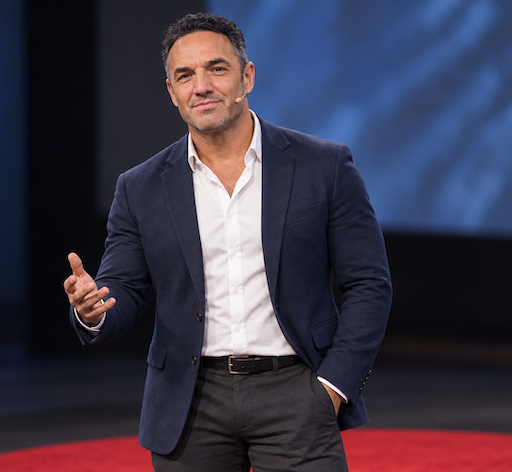
Author and Podcast Guesting Specialist for Corporate Leaders
2001 Founded mobileYouth16 books Published author250+ clients Served across 60 countriesUniversity of Sussex AI & Cognitive Psychology graduate
Graham Brown is an author and founder of Podcast Guesting Pro who helps corporate leaders, founders, and storytellers get booked on aligned podcasts and build thought leadership.
He began his career studying youth mobile behaviour and founded mobileYouth in 2001 to understand youth marketing and mobile culture; that early work serving clients such as Nokia, Vodafone, MTV, and Disney shaped his focus on audience insight.
Over time he moved from youth research into audio after seeing business leaders struggle to communicate authentically at scale, which led him to found a full-service corporate podcast agency and develop programs to train hosts and producers.
His route into podcasting combines formal study in Artificial Intelligence and Cognitive Psychology at the University of Sussex and Entrepreneurship training at Harvard Business School Online with decades of client-facing agency work.
He helps corporate leaders, startup founders, and storytellers find their voice. He leads Pikkal & Co, an award-winning corporate podcast agency, and runs Podcast Guesting Pro.
He previously hosted Asia Tech Podcast and previously grew mobileYouth to over 250 clients in 60 countries; his agencies operate from Singapore with partner studios across Australia, Austria, Canada, Croatia, Ireland, Sweden, the UAE, the UK, and the USA.
More from Graham Brown
All episodes → Office Hours with David MeltzerJosh Chodniewicz, Gary Coxe, Graham Brown | Office Hours #621Jun 2024Play episode →
 The High-Performance CEO ShowEpisode #76: The Future of Leadership: AI Innovation, Storytelling Mastery, and Human Connection with Graham BrownMar 2024Play episode →
 The Leadership Communication Show with Michael PipernoInterview with Graham BrownJun 2023Play episode →The Leadership Communication Show with Michael PipernoThought Leadership with Graham BrownJun 2023Play episode →
 Rise | Evolve Leadershipevolve | eps 50 | Graham Brown, CEO | Pikkal & Co.Feb 2023Play episode →
 Limit Break StoriesGraham Brown | The Power of Storytelling for Building a Strong BrandJan 2023Play episode →
 Coffee With CoachesGraham Brown - How the Science of Stand-up Helps Jumpstart Your Story | Conversations with Coaches | Boxer MediaJan 2023Play episode →
 Speak With PowerTransform into a Magnetic Storyteller with Graham BrownDec 2022Play episode →
 Coaching CallGraham Brown - The Digital Transformation of Communication & building your brandDec 2022Play episode →