
October 3, 2022
Nick Jonsson | Finding Hope In Addiction Recovery, Isolation, Stress, Anxiety, and Depression
Sound bites
The issue with me was that I just didn't do that. I kept everything to myself.
If there's something on your mind, something that keeps popping up to your mind, think about who can you talk to this about.
In this episode
Nick Jonsson talks about executive loneliness, addiction recovery, and the practical steps he uses to manage isolation, stress, anxiety, and depression.
- Senior executives often hide struggle behind a polished public image and end up living a double life.
- Alcohol became a way to relieve stress after work, while work itself kept moving forward.
- Recovery shifted the focus toward purpose, giving back, and helping others in meetings and early sobriety.
- Swimming, biking, running, prayer, meditation, and walking to meetings help create space and stay present.
- Speaking to someone about a problem, or finding anonymous support, can ease the burden instead of carrying it alone.
Transcript
ShowHide
Automatic captions of the conversation. They can contain errors and do not name who is speaking.
Women when I speak to them they have a few friends who they can confine in if they're feeling awful it's a bigger chance that they would pick up the phone and and Shout to someone for a while and sharing that and and then perhaps half of the problem is solved by just speaking up and the issue with me was that I just didn't do that I kept everything to myself welcoming the knocking doors down the author of executive loneliness the five pathways to overcoming isolation isolation
Stress anxiety and depression in the modern business World boy we're all going through that Nick Johnson how are you good sir I'm very good Jason thank you so much for the invitation absolutely it's always great to talk to people over the pond of course Nick in in Sweden and uh boy let's jump right into I got an advanced copy of your book so I started plowing through stuff uh bits and pieces and and definitely I'm gonna finish reading it chronologically but for me what really stood
Out and what I liked about your book was simply laying it out you lay out the Lo laid out these five steps that really you employed yourself so it's it's effective you're like hey this is what worked for me was that a conscious effort when you first went in did you have kind of a blueprint or as you were deciding to write a book it just came together well uh Jason you know there's all these beautiful Anonymous programs out there and and I had never had
Any experience to them before I had my own crisis and it is by attending these uh anonymous groups where I picked up and and learned some things didn't open up a whole new world for me and what I wanted to do Jason was to just share these my key insights and how they helped me to some people perhaps out there who never had any chance to have the same opportunity yeah well and it's interesting that the title that you talk about the modern business world and
You know you're a very successful businessman um and normally I think you know I have a theory on on why you would get to the level you did of turning to alcohol but why do you think so many as Executives reach that level of stress anxiety depression isolation well I I actually call it a smiling depression in my book and what I mean with that is that there's so many people especially senior Executives and business owners who need to keep that facade they need to look
So great LinkedIn profile has to be looking fantastic they join all the speaking panels they have to join all the awards they have to look so good and that's basically the expectations of them they cannot show the dark side they have to hide it and then by hiding this they they suffer in a loneliness which is pretty brutal and they can never ever share it with anyone especially you know inside the company they cannot share with a HR perhaps they cannot share with the boss the
Colleagues so they just have to keep this facade and then it's almost like the or the character of their own life you know and they're living a double life is that what you were feeling because when you really started drinking heavily you had a a big opportunity to to move to Singapore if I'm correct and you know I mean gosh how many of us you know moved to a different country primary language totally different language like what were you really feeling about yourself at that time
Well it had compounded over many years and I didn't share you know my challenges inside the workplace with anyone I was living this double life and yes I was successful I was getting promotions I was getting the pay Rises and I probably wasn't the career puff of my dreams I was what I set up for I mean the society is set up in this way that you know we are shared on to reach the promotion and reach the positions and that's what I ever was wanted
I thought I wanted but once I was there it was very lonely Affair so that's why you know I found myself having this double life and and my my friends slowly became alcohol and alcohol basically before I knew it took over my life it was what I needed after my work uh to to relieve the stress and yes I said it was social I said it was for networking but it was all lies I mean networking I could have done networking in a different way I
Could have joined a running club in the morning or and some other activities but I found excuses to go to the a bar and increasingly in in the end it became after every every day after work I needed it to release my stress and perhaps be a little bit who I was I could relax I could be around other people who was drinking and and before I knew it I just couldn't stop this negative trend did it ever really affect the workplace did it get to
A point where you weren't showing up weren't on the ball with your job missing days any of that stuff it didn't go to that level and I think this is quite common as well then you spoke to speak to most people who found himself in this space just suffer through it we grind it out and we go there and it's not pleasant but we're trying to again show no one that this has any effect on your life until it collapses on you so in my case
It went as far as I resigned from my job I divorced my wife who actually asked her to move out and she moved back with my son to Sweden and I also basically didn't really know where I wanted to live and I drove my finances in the ground everything came crashing around me at this time and I mean looking back at it I didn't realize at the time but it was due to alcohol running my life and I couldn't see clearly what was going on yeah
Cause we entered I'm glad you point that out because I don't know how many times um you know I personally went through a divorce but the the marriage wasn't gonna work regardless of the alcohol but that it sure didn't help the potential to maybe make it work but uh um I definitely remember those points of of forget it you know I'm just gonna quit my job and everybody's hounded on me without really being able to take that look in the mirror and go I have a
Problem um well there was no one really on the way who told me that I had a problem again I was hiding it so well and I was balancing it well I was already an athlete I was running marathons I were doing extreme Triathlon so even Ironman events during this time but what I would do I would White Knuckle uh the dial call you know controlling it three weeks leading up to a race and then I was at the Finish Line you know having the photo
With a medal and that was the photo which I would share on social media is what I would send to my family and friends the fact that after the Finish Line I would go on at 72 hours bender and drink myself almost to to you know Oblivion that was not what I shared with anyone and that side no one saw uh then I took a few days after that then I came back into the workplace and everyone was sharing congratulating me for the race and yes
I looked a bit rough that was not from the race that was from the alcohol you know that was harder than the race in itself but you know during these Cycles they catch up you would you yeah yeah well and it's interesting the way that you you definitely present it and who you are as as a man because yeah you're an overachiever so you know the the people always perceive the alcoholic at least here in America I don't know there is the guy that's out on
The street or under the bridge or or can barely keep a job or barely makes any sort of income whatsoever you know 27 divorces you know all these these stigmas and beliefs about it and it's so not the case because I was like you I wasn't a guy I didn't wake up to need to drink uh but it sure as heck wound down the end of my day and I Justified it that oh I earned it I deserved it I worked hard today uh you know
It's just so interesting and from the outside I I probably wouldn't even notice as an alcoholic because here you are running these marathons like oh Nick's got his stuff together you know exactly and I mean I also use the term in the book called anxious over Russia her because I think that summarized you know as many senior Executives and that's what's fueling us perhaps to work so hard at things and working harder than everyone else because if you're anxious you constantly need to prove to yourself
And others how good you are then you're working harder than everyone else so the others who actually have lives and do other things in their life you achieve more than them and over perform them because of the amount of hours and dedication you put in but not only that I mean the amount of external help though to deliver at a high level that we would invest in everything from perhaps you know premium LinkedIn profiles photographers and paying perhaps even for your own personal branding to get
You know things done and that's perhaps something which divers don't but you just constantly have this that I need to prove to others that that I'm good and especially prove to yourself yeah did these examining back life did any of this start really with childhood like thinking about Little Nick in in home life I mean was was alcoholism addiction present or was there a very big Drive within the family for for success it's a it's a timely question Jason because I just came back to Singapore
After having spent the this European summer in Sweden and and I was working a lot on myself over there questioning myself I I cycled to areas and I went to walks around where I went to high school but also even as a child and I went there to to just really think and reflect on my life and I would say there's nothing my parents did wrong it's not nothing the way I grew up perhaps it was quite a lot of bullying going on but it's nothing
Unique with that um but so there was nothing standing out my parents were not having any alcohol problem um even though they had a like for it and I think in Swedish culture it's quite common also that you drink on the weekend so alcohol would be present at family dentists and parties but not to the extent that anyone had issues that I had um so no it's it's not coming from that I would say yeah it's interesting because we you know we the more I dive
In and kind of you know more meetings I hit and people are sharing their stories we just see such a variety of it for me it I I can really pinpoint family lineage of addiction and you know my own trauma and generational trauma so uh it I I found it really interesting as a highly motivated guy um I know my friends that maybe fell were were Achievers but fell into some substance abuse issues at times that it was like a family thing you know you must
Succeed you've got to be this everything's an A or it's a failure hmm in my instance it was an escape it started as an escape but I didn't and you heard this in the this in the rooms I'm sure as well that many people don't feel like they belong and I also didn't feel like I belonged I felt quite out of place and alcohol put me in the center of it it gave me that confidence boost and I I love that feeling and I wanted more
Of it and then in the 90s uh I start to have resentments against my daddy he was not happy with the girlfriends I had so I moved out at a very young age I moved to my own apartment and they were still interfering in my life and I thought you know leave me alone so I moved to Australia as far away as you basically can from Sweden and uh I didn't have a drinking problem then but it certainly increased when I didn't have some family or
Around me to to you know remind me that I cannot drink at this time of the day or whatever then it became more uh I wasn't a daily morning Drinker at this time but I certainly wouldn't mind to bring a few cold beers in the golf bag when I was playing golf and I was probably the first one to crack it so there were some early signs there yeah that sounds familiar well my golf game's terrible Nick so as always the guy 's a guy drink
Beer and drove the cart pretty well yeah now I just drive the cart pretty well and I'm still terrible at golf so I don't know it didn't it's so bright he didn't improve my golf game but uh at least I get to get out with good friends when I do Play oh man so what do you think the the biggest challenge for you like of accepting that help and I I hear this more really more with men than women um but I'm guessing as a higher
Achiever you know that you're blazing your way up the corporate ladder through whatever your industry is and it's hard to acknowledge you know I need some help in any sort of way yeah you're absolutely right and this was the issue when I had my career I should have of course stopped and and you know asking for some help even if it was a coach a mentor or perhaps some confidential peer group a mastermind group where you're just sharing honestly and you're right it's quite typical high
Achievers and especially men while I had good friends who were male we were playing golf and yes we would go to the bar and watching sports having good laughters together I didn't share honestly and deeply with them how I felt inside me and it just seems that the women when I speak to them they have a few friends who they can confine in if they're feeling awful it's a bigger chance that they would pick up the phone and and Shout to someone for a while and
Sharing that and and then perhaps half of the problem is solved by just speaking up and the issue with me was that I just didn't do that I kept everything to myself yeah well sounds sounds very familiar I I tell me if you felt this I just felt like no one would genuinely care yes I felt like that also and and the surprising thing is Jason and I'm happy to share with you when I did start speak up and and how how this changed everything uh
And I was very surprised that people did care and people did listen people loved me and wanted to help me and that was the first time in Iraq in my life I felt like that yeah yeah same same I always I've said it many times I felt very much like a be seen not heard kind of person or when I was hurt you know entertain me go ahead you're the funny guy or whatever it is you know that I always had to be playing a role
For someone else yeah exactly like that yeah yeah it's tough well what are some of the points that you went through that that you want to speak out I know you you um you talk about losing a friend to to Suicide um and it's so important that we discuss our mental health especially for men God I hope we're breaking that stigma where men film more comfortable talking but what were some of those Monumental things for you where where you just knew you had to get your
Story out there more beyond the rooms of AAA yeah so a few years ago I had my own crash then I hit rock bottom in April 2018 basically um and that's when I started to speak up and I remarried at this stage and I told my new wife the full story the truth and I then also came into some of the anonymous groups and I was sharing my story in there and that's for the first time I felt safe sharing the dark secrets and I realized
That I wasn't alone in this I realized that my stories were not uh unique there was many people who've gone through the same and I saw people also on the other side of it that gave me the confidence to start speaking up but very much in a close circle of these anonymous group and with my uh close family I didn't yet share anything openly with my friends I didn't share anything online about it but what triggered me to then go public in 2019 is in indeed
When I lost a friend to suicide and he had not spoken up and that's when I actually made a video clip about it and posted on LinkedIn I started to raise money for executive loneliness as I said to raise awareness and funds for it and it went viral so before I knew it within 24 hours I was contacted from people all over the world sharing on this and I was in the radio station the next day talking on it and so before I was ready to
Share it with the world I was sharing my story as I had shared it in the anonymous environment live on radio and then after that there's been no turning back the floodgates are open then huh yeah and and that's the best thing that ever happened to me Jason yeah that's that's great that you point that out and I really hope everyone listening takes something from that right there is that when we share our story not only do does the weight lift for us but it's kind
Of like when we share it the the burden that we're carrying it's like all those other hands from those that we share with help lift it too and these things just become lighter don't you think yes absolutely and and just before I went to the radio station I I brought to my friend's brother and I said I'm going live on radio now and I started this fund here and it's all in the memory of your brother is it okay if I mention what happened to him
And he said Shout It Out Loud those were uh that that's what he would have liked to do so that's what I did and that's why after this radio interview I realized oh my God I'm onto something here that no one wants to talk about uh and that's when I already then decided to to write a book on the topic how do you think not not just for everyday people um men especially but with those higher achieving Executives and stuff that we really encourage them to
Shed the walls because it you know I've seen it in people that I've worked with I've I've been that person in the position that that I've been in in different Industries uh primarily radio broadcasting but just not really not knowing when and when is and isn't the right time to be vulnerable yeah I think uh I wasn't vulnerable at all before now I'm uh maybe too vulnerable sometimes but I'm not in the corporate world anymore I'm a small business owner myself uh you know so I
Can be that and if people don't like that then they can choose uh you know some other uh platform or some other people to be with but it has actually been a life transformational and there's people coming up to me every day from the corporate world talking to me about recovery and issues and addiction simply for the reason that they feel safe to talk to me about it is that what you're doing with with egn is working primarily with with corporate people and helping them so
In egn it's a professional networking group we do confidential peer groups so the executives basically are are in smaller peer groups almost like Mastermind groups and we facilitate them so they are discussing the work related challenges they have and many times it can be cultural issues it can be conflict with the boss or the teams and so it's not about recovery Addiction in itself but the fact that they are inside these groups they sign an NDA they are confidential discussions and me as then the leader
Of this need to walk the talk I need to encourage everyone to be honest to be brutally honest here because the more vulnerable you are and sharing about your challenge is the better it goes and the uh therefore I set the scene and the culture of egn now in Singapore where we have almost 800 Executives is very much so that people are speaking up but outside the room during the coffee break or on a bike ride read the members that's when they they start to mention
By the way I just took three weeks of alcohol I read your book I think I have an issue what should I do so they are at least feeling comfortable to open the topic with me and and and you know there's Jason to to carry the message here and to open those doors is so important oh it's a must I mean it's uh it's one of the imperative parts of our 12 steps right when we become a service and and service so per important because it
Becomes a part of our purpose and I don't know about you regardless of whatever the outside people were telling me I I never felt a sense of purpose or Joy sure pleasure because I got it with the booze and the women and whatever else but most certainly not purpose and joy yeah absolutely exactly the same and I think that's the same when you talk to people yeah it's it's about chasing uh chasing something every day and never stopping never enjoying the moment never sitting down thinking
Uh what is my purpose here and and also as we say you know the gift we get in recovery in order to keep it we have to give it back and that is something that I'm trying to do every day uh yesterday I went to a meeting in the morning a breakfast meeting we had a a an evening event last night a cigar club and this morning I'm heading to another meeting and glad to hand over a three-month ship to someone who has three months inside
Recovery and just to see how his life is transforming and really enjoying this this is my purpose now this is how I want to live I love it you brought up a great word and something that I struggle with not just a word but a a necessity of life um being in the moment what do you what what helps you I I still struggle with this I still have some anxiety and and depression and it's getting better but what helps with you remaining in the moment
Well sport really helps me I I do a lot of sports still swimming biking and running and because that's my own me time and the first sports swimming I find boring and I think it's important to do boring things in life because once you do some things that are boring and going for 45 minutes swim then you completely empty you're just looking down in the swimming pool and you're doing the exercise and I get in some kind of meditation mode you know well but you're right
I think that isn't but we have this brain especially now with so much different technology stimulates me stimulate me I mean I can see when I can upset my kids this is if I go hey you got chores to do get off your computer or your video game device you want to see them get upset real quick that's an easy way to do it okay we need that space in the brain you know and I see even now you can even buy the swim goggles now
Which are digital screens and all the updates come on man I'm going in there to relax and get some free time you know and and then after swim perhaps another time you go out on a bike ride you connect a bit with the nature the smells the sounds and and just get out there and that that to me is the foundation for this and of course it comes also with with prayers and meditation and all these other things uh and and then you get that space
That that works for me and when it comes to the meetings I go to I try to go for a walk as much as I can walking to the meetings uh so I get some space Also in myself first put away the phone and just to get some quiet time so I'm ready for it so I can be there in the moment yeah well and I mean Nick you you nail it you know that physical activity it just in special in nature just gets us back
In tune with with ourselves you know there's nothing nothing stimulate I don't know about you I've never done an Iron Man I'm not that hardcore was a pretty decent basketball player at one time but when we get in the rhythm of something we're really paying attention to our to our breathing and everything else and and and when we get that working we kind of go into a subconscious state that's pretty cool like like it just like things just feel unfocused don't they yeah absolutely right and
Uh I mean I I listen to Rich Roll yeah he has a podcast also right when he's talking about Sport and and alcohol and nutrition and I'm on the journey and I also try to get better with the nutrition so that the body actually gets what it deserves and it's just amazing when you do when you remove poisons from your life and you're eating healthy the way the body reacts is is a completely different state so yeah that has also helped me a lot with my
Depressions and anxiety fading away step by step things are getting brighter yeah well you lay it out really well is your your book I I mean you stuck to it you pulled out five great steps taking stock uh was step one two asking for help three getting healthy four and this is interesting because you put getting healthy and nurturing healthy relationships separate and that I I really liked that you did that because the way you focus those they have different components um and I want to
Talk more on step four and of course step five finding purpose but step four uh how was it for you when you decided uh you know I'm not gonna drink anymore those people that you used to go out and drink and those relationships and maybe realizing there is an exchange of toxic traits and setting boundaries that you know gentlemen X you got to go away well a few of them went away by themselves they didn't want to hang with you anymore and and as you probably
Know a few of them would fall off and and sadly die as well uh going down that path uh so yes it takes perhaps a few months to break that and then you find your new friends uh perhaps in the support groups or in your new activities you are picking up and and that makes a huge difference I mean I remember when I I moved to another city uh one time I joined uh the local sports club I joined like a running club a Triathlon Club
And all my friends in this city became friends around these clubs and my life was great then another time when I moved to another city uh my first place of going into was a bar next to the hotel where to stay temporarily those became my friends I joined adult Club there before I I know it I think it was in the pool the team there and therefore every day I would come to this bar and do these women friends these were my activities and you can
Imagine the kind of different experience I had so I said we we need to be very mindful of what kind of clubs and associations we are joining and signing up and the kind of friends we are surrounding ourselves with because nothing will have a bigger impact to your life yeah what advice can I pull from you in um and from what I've gathered as I've gone through your book as I have is it again laying them out in five steps you do it in a really
Good way that hey you just because you've done step one doesn't mean you aren't going to go back to Step One at some point so how do you maybe go back to taking stock again um at certain points in life to really give you relevance and and take an examination of what decision you want to make I mean the first time taking stock was obviously clear all the backlogging clearing the baggage that that was there and now it's uh as we as we learned in the
Program is that the do a daily inventory uh it can be before you go to bed think back on the day did I did I say something did I send a message or an email that wasn't quite right can I repair it before I go to bed uh if you sent an email that perhaps we're not tonight just uh recall it and say sorry that didn't come out right let me give you a call tomorrow and let's chat about this I'm sorry if you just do
That then you can go to bed feeling a bit better and hopefully have a better sleep yeah how do you practice with yourself rigorous honesty well it's a big part of the program isn't it honesty and and being honest with ourselves before we can be honest with others and and I think it it helps by going to these kind of support meetings where you're sharing uh you you practice getting honest and the honesty just keeps growing yeah I find that that in some meetings too when
I I don't know about you I don't really plan when I share like what I'm going to talk about because some some meetings I go to it might be the daily reading from the big book or um somebody might just have a topic so I never pre-plan and and I find myself saying things about myself taking responsibility for myself that I didn't even realize that I thought at times have you ever ran into that yeah absolutely you you don't really know what the meeting gonna be
Like yeah so indeed and that's the beauty with this that it's spontaneous it's straight from the heart and and because so many times in life we're preparing for a presentation and then we become this actor right then it becomes a show and these meetings is not a show you're not an actor it's supposed to be your authentic yourself yeah let's watch at times can be tough to do uh but hey there's a book for it and it's your book oh goodness gracious uh what are some
Of the cool feedback that that you've gotten from from people that have that have read the book well it's been a bit of a door opener because let's face it some other uh the recovery programs maybe the material will again due to the stigma turn people away maybe they wouldn't pick it up or buy it because they scared someone will see it but when it comes to this book I people are quite interested they they don't mind picking up a book called executive loneliness and then
And I I pitched it as if it's not for yourself maybe you have some colleagues friends or family around you who could suffer from anxiety or depression so have a look at a book so if you're a PO approach it like that that you know if you care about your family you should read it and it it and so you know what to look out for in them and then perhaps some as you know something will talk to them inside the book and that's been and
I an eye-opener for quite a lot of people and then they come to me and have a conversation or hopefully someone else yeah yeah no that's I'm glad you say that it's really interesting because I never I never expected in doing something that there would you know millions of views on YouTube and and hundreds of thousands of closing I think closing 300 or three quarters of a million listens or anything like that in just over two years I was like yeah I didn't see that coming
But uh but when you get that one thing where uh somebody sends you a message and says you know hey thanks you're like wow this program that I resisted at first was right you know yes no no absolutely and I have a lot of that as well and especially then after I went on radio and uh what happened after that Jason it was a four page spread in the local business newspaper and I as far as I know it's the biggest mental health related media exposure
In Singapore's history and that came out of that uh that episode back in 2019 when this went viral and it was a wonderful place to be because I got so much uh you know gratitude from people thanking me saying we need more of this and when I shared it on LinkedIn and Facebook and all the other social media channels you know everyone said we never read of this on these channels it's always just about how good everyone is now you're sharing a story in the dark
Side that gives me hope and there were so many who said well I'm so blessed Nick that you took this out because you know my daughter is going through a very difficult time now or my wife has just gone through a depression or my my son has just come out of rehab and this gives me some hope and you know so just by sharing that and people to see that there's other people not only my family is going through a difficult time just that sympathy there
Goes a long way yeah it really does and and it helps at least me in a lot of ways to realize that even going through difficult times because we're going to that's that's part of life but that that there's something on the other side of it you know uh there's there's a lesson to be learned and take forward um through all of this I I just yeah and maybe that's part of the faith component I don't know yeah absolutely and you know I did some research
Around the book and I started to write it then in 2019 before the pandemic and when I surveyed Executives um about loneliness 30 of them said that they are suffering from loneliness and then I redid this service in 2020 during the pandemic and the numbers had doubled almost a 59 so people were working from home you know feeling further away from the colleagues and so on so loneliness had double that makes sense the issue then is that when you then asking the next question you know
Are you talking to your colleagues and your HR your boss about it and then 84 said no yeah that means you know they are actually the loneliness have doubled but they're not talking about it yeah well and the ones that maybe too I I'm sure you've seen it with people that you've known that are struggling with something is that that willingness to even admit that they're lonely so you know it might be near 60 percent but it could be higher because that's 60 percent that are
Willing to admit it you know absolutely this was Anonymous survey but still yeah I think you're right it's it it could be higher and then uh one more statistics which I looked at was uh by the mental health foundation in the UK and they did a survey and that showed that 75 percent of Executives do not seek help if they have a mental health issue so again that means you know we're they're keeping it secret they're not asking for help so a vast majority just go
And and White Knuckle it these challenges well and I'm glad that you bring that up I'm so Nick I'm a huge formula one fan huge which ironically my team is Mercedes AMG Petronas or Patronus depending on where you're from and um I love Toto wolf who's the the the head of that race team and he spoke out about that recently of getting getting help for his mental health struggles and I was like wow this is so awesome that this guy that again someone like me like
You know he looks like he's a that overachiever you know a lot of gumption and grit and here he is opening up and I was like just in awe of where there's more people Lewis Hamilton opened up about it how the season ended last year and for me that was like a really touching thing to see when these these men that are admired by millions um are just honest and vulnerable about it yeah and I'm glad to see that it's starting there and I think it
Has been happening quite some time now I think rock stars have been there quite vulnerable and open and honest about when maybe because they have to delay the tour there's no options when they're ending up in rehab right but what about business people how we really really don't hear that it's some it's always some other story and it doesn't come to the light as much and and I just wonder when will it be perfectly okay to say that you have hit the wall that you need
Some time away and and that's perfectly okay and welcome by the society we are not there yet but the fact that yeah even Formula One drivers and and and other athletes are speaking out is certainly helping this yeah well and I'm glad you're bringing it up because you know the this side here knocking doors down comes from a book that was written by Carlos Viera that you know uh put me into starting this podcast and he talked about his struggle with his cocaine addiction and the
Mental health toll and everything else and even his clothing brand 5150 here in the States you know that's a you're a harm to yourself or someone else and how he turned it around so it it it's important you know and he's a leader in industry and that we get these things out there that it isn't just the the young teenager that's going through the hormonal changes or whatever it could be very people from outwardly viewed as successful that are hurting and and it's okay to say
Hey I'm hurting I'm lost I'm confused I need help yeah absolutely and and uh I see I've seen it also I went over to Las Vegas in 2013 and I joined the delivering happiness boot camp with Tony Chi uh the founder of Zappos so I spent some days there with him uh he invited Anthony Robbins over for a Friday's All Hands meeting was all this energy all this inspiring the happiness workplace and then we all know what happened to Tony right two years ago during the
Pandemic he went in a very lonely dark place and before we knew it he he was also gone from this Earth yeah yeah it's uh it's really unfortunate for sure and it's sad where that dark place can take us yeah exactly and then and and it's I and I hear in the rooms many times people are speaking especially men uh successful men who say that you know if if I would travel away for three four days there's no one in this world who would know they
Live these lives where you know they have no one who they are accountable to uh perhaps away from the family perhaps they are divorced or single and here in Singapore 30 of expatriates are single so you know if they go away for a few days no one will know yeah well and that's sad and and it makes sense though because they're they're a top of the uh the latter so to speak and and who's anyone else to question them right to keep them accountable yeah so
They got a volunteer hey keep me accountable that's why they reach out to you yes and that's why you know once you're inside recovery we look out for each other right we're there we're helping each other and if someone doesn't show up a day or two for a meeting people will be knocking the doors absolutely uh Nick before we get to some fun random questions and I leave you with the final thoughts uh if people want to find out about more about egn your book executive
Loneliness how can they do so well I'm quite active on LinkedIn so they can look me up there there's a Nick Johnson there n-i-c-k-j-o-n-s-s-o-n so that's you got it right Yoon sun is the Swedish pronunciation of my last name or if they go to Amazon they can look up my book executive loneliness it's also now on an audible as an audio book um yeah and then they can follow me there as well excellent I'm glad it's on Audible did you read it yourself I didn't read
It myself um but it's on there by request many Executives prefer to listen to perhaps when they're going for a jog or so so that therefore it made sense to take it to audible yeah well and I'm a guy that drives a lot so I love audible because you know I just don't get the time to read books like I wish I did but uh uh Nick all right this is where we just have some fun are you ready yeah sure all right if they were
To turn your book into a a movie and at least pull out the autobiographical stuff who would you want to play you what actor oh wow I think I think it'd be too scary to play myself uh they were in the dark days so I probably need to hire some good actor for that but I I like to do the part the last one defining your purpose because that's where I'm living now and I think that's where I can be a good actor yeah I think
So but what actor maybe the dark times who would we hire who would be a good actor for the dark times well I think you had some good ones on your show in the past perhaps Charlie Sheen would do a good job with that hey he he would stanislowski kind of know that that thing like oh this is familiar uh um if you could have one superpower what would it be one superpower uh oh dear uh well I think healing others would be fantastic you know
You were the first person to say that other than myself that is what I always say for my superpower yeah yeah just that you know not necessarily take away the lesson from whatever that pain is but you know just that healing thing so that's cool um all right you are uh stranded on an island you have one movie and one music album with you what are they oh wow one movie you know in the dark days I was leaving Las Vegas these days what do I
What do I love to watch uh you know uh perhaps uh something like the the Titanic I I always I love the music and I love everything around how that movie is done yeah all right uh what about music is there one artist or one album absolutely and and I saw them live in Sweden just a few weeks ago with my 13 year old son uh Iron Maiden oh nice that is and that is what I got I have a tool shirt on I almost threw
On the Iron Maiden today so you were asking my language right on any particular album that was like a favorite Iron Maiden album I I think that I mean they've done so many so many good ones but uh oh yeah I'm not sure actually that's all right I'm kind of for me it's either uh probably somewhere in time I still think that's my favorite one but anyways this isn't about uh Iron Maiden um if you could have dinner with any one person living or not who
Would it be and why oh I didn't read one person I think ritual yeah a big fan of him right on any particular things you would want to ask him I think uh he's he's honesty stands out he's honestly stands out um and I think I have a lot to learn from him still and it would be more about the diet really really how to you know make it happen I'm still struggling uh while alcohol these days is not something I have an issue with on
A day-to-day basis I can exclude it but food is so difficult there's so much you know junk food sugar and unhealthy things on offer the whole time the whole society is full of it that I'm I'm struggling there so I would love to get some Hands-On tips how to really get the the food working for you yeah well if you ever talk to him let me know because then I'm going to ask you what you asked him because that is my biggest struggle still it's probably
Uh just just give me a bag of chips it's fine there you go chips and ice cream seem to be my my Achilles heel um Nick this has been a real pleasure and and thank you for for those that haven't picked it up our time difference uh you know we started about what 5 00 a.m your time something like that so I appreciate it very much um if uh you could leave the listener with um any words of encouragement through through all your experience and writing
The book and everything you've been through what might that be well I would say if there's something on your mind something that keeps popping up to your mind think about who can you talk to this about and if there's no one in your friends or family you can talk about think about them can you call an Anonymous hotline or is there some support otherwise get a coach get a life coach or whatever it takes just get that out of your mind and talk to someone about
It foreign this podcast contains the views and opinions of the knocking doors down hosts and their guests to the show the content here should not be taken as medical advice the content here is for informational purposes only and because each person is sharing their unique perspective please consult your health care professional for any medical questions views and opinions expressed in the podcast and website are our own and do not represent that of our places of work while we make every effort to ensure that the information
We are sharing is accurate we welcome any comments suggestions or correction of errors privacy is of the utmost importance to us for those wishing anonymity people places and scenarios mentioned in the podcast have been changed to protect confidentiality at the request of certain guests this website or podcast should not be used in any legal capacity whatsoever including but not limited to establishing standard of care in a legal sense or as a basis for expert witness testimony no guarantee is given regarding the accuracy of any statements
Or opinions made on the podcast or website in no way does listening reading emailing or interacting on social media with their content establish a doctor-patient relationship if you find any errors in any of the content of this podcast or blogs please send a message through the contact page this podcast is owned by kdd Media Company
About Nick Jonsson
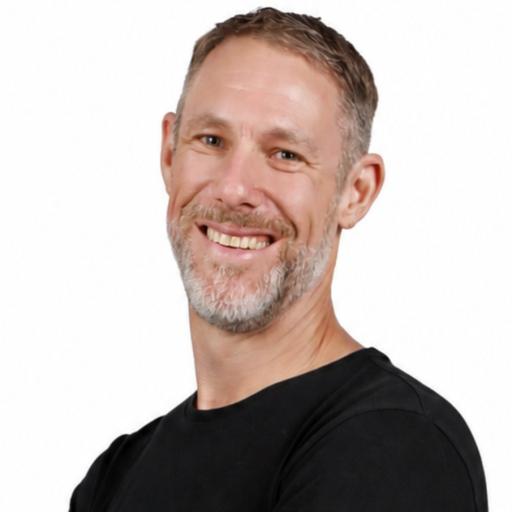
#1 Global Thought Leader on Executive Loneliness, International Bestselling Author and TEDx Speaker
900+ EGN Southeast Asia membersTop 2% Ironman athletes worldwide2026 GHP Most Empowering Mental Health Leadership Advocate#28 worldwide Global Gurus Top 30 Coaching Professionals
Nick Jonsson is widely recognized as the world's leading authority on Executive Loneliness. His pioneering work has earned him a dedicated Executive Loneliness Wikipedia page and international recognition, establishing him as one of the world's most respected voices on leadership, vulnerability, mental wellbeing, and authentic connection.
Ranked #28 in the world among the Global Gurus Top 30 Coaching Professionals, Nick is a TEDx speaker, international bestselling author of Executive Loneliness, Professional Certified Coach (PCC), Certified Master Coach (CMC), qualified Counsellor and Psychotherapist, facilitator, and certified Team Psychological Safety practitioner.
For more than two decades, Nick held senior international leadership roles, leading businesses and high-performing teams across Asia. From the outside, his career reflected success. Privately, however, he struggled with burnout, alcohol addiction, and overwhelming loneliness - experiences that ultimately became the turning point of his life.
Rather than allowing those challenges to define him, Nick rebuilt his life through recovery, vulnerability, discipline, and purpose. Today, every keynote, workshop, coaching engagement, and counselling conversation is grounded in both professional expertise and lived experience.
Nick works globally with executives, leadership teams, founders, and organizations through keynote speaking, executive coaching, counselling and psychotherapy, leadership facilitation, and Team Psychological Safety training.
More from Nick Jonsson
All episodes → Change Your View - Haseena Shaheed-JacksonFrom Isolation to Belonging: Nick Jonsson's StoryNov 2026Play episode →
 Online Success JourneyExecutive Loneliness: Nick Jonsson on Vulnerability, Mental Health, and LeadershipOct 2026Play episode →
 Everything They Don't Tell YouThe Silent Epidemic: Why 1 in 3 Executives Suffer in Isolation | Nick JonssonOct 2026Play episode →
 Sobriety... Now What? with Stuart ClineEP. 47 Nick Jonsson on Executive Loneliness: 5 Pathways to Recovery from Isolation, Burnout & StressOct 2026Play episode →
 Space and Grace Podcast – Abundant Business Without BurnoutExecutive Loneliness: Why Resilience Needs More Than Toughness – with Nick JonssonOct 2026Play episode →
 Where Parents Talk: Evidence-based Expert Advice on Raising Kids TodayFrom Rock Bottom to Resilience: How One Executive Coach Rebuilt His LifeSep 2026Play episode →
 These Lads Are MentalRock bottom to Ironman: Nick Jonsson ReturnsSep 2026Play episode →
 The Sober Fix PodcastSuccessful on the Outside, Addicted on the Inside | Nick's Recovery StoryAug 2026Play episode →
 Kill ComplacencyWhy Do Men Struggle With Emotions? with Nick JonssonAug 2026Play episode →