
May 6, 2022
Are You Telling Your Own Story Or That Which Others Place Upon You? | EP33 Graham Brown
Sound bites
People die with those regrets, which is a real shame. You know, I never took that singing lesson or I never went and saw the Himalayas or whatever it was.
Freedom is when a man wakes up in the morning and goes to bed at night, and in between he does what he likes.
In this episode
Graham Brown talks about storytelling, living on your own terms, and how nomadic life can shape identity, freedom, and regret.
- Storytelling can shape the life you tell yourself, not just the way you market a business.
- Curiosity led to travel in Japan and Southeast Asia long before digital nomadism was common.
- Constant movement can keep people in survival mode, while a base can create routine, local connection, and language learning.
- Living on your terms matters more than following inherited expectations about success or stability.
- Regret over things left undone can become a strong reason to take risks and try new paths.
Transcript
ShowHide
Automatic captions of the conversation. They can contain errors and do not name who is speaking.
People die with those regrets which is a real shame you know i never took that singing lesson or i never went and saw the himalayas or whatever it was right or i never said to that girl that i loved her right you know and that died with you and i that will be a regret for everybody and i will regret things that i didn't say i'm sure you know like my parents are passed away now and there's things that i wanted to have said to them
Hi guys welcome back to another episode of chat with nomads today we have with us graham brown entrepreneurial author storyteller and the founder of pickles and co hi graham welcome to the show hey rex good to be here in the same island as well in this big world we're in the same island how about that that is pretty rare i have to say and we definitely i definitely want to talk to you about why you chose singapore as one of your base but let's start with
An introduction of yourself okay well i think you did a good job i'm a storyteller that is my job i get paid to help people tell stories which is my podcast business but i would also i think like to talk a little bit today about storytelling for ourselves individually and how important it is to tell your story on your terms defining your life and your terms defining success on your own terms as well and i'm you know listening to some of your previous guests as well
How important it is to tell your story whether that means going and living somewhere and living an adventure or you know starting a business on your terms this is an important part of life isn't it being able to write your own story not necessarily the stories that we inherit from other people from aunties and uncles and goodwill from you know co-workers and so on so i think that's a big part of it is you know what i do is i help people tell stories but i've
Also done that through living my own story and experimenting with my own truths as well yeah i think i think your story is very interesting to look into which is why i'm very excited to talk to you about it um as well as i definitely want to touch on the storytelling part as well because well i kind of think like the whole especially for digital nomads whereby you know the internet is a space which is like kind of a big part of our life that matters
A lot and so far that has given a new avenue a channel for storytelling as well and i think that that portrays some unique perspective as well as some incorrect perspective that doesn't show the whole picture you know what i mean so those will be very interesting to touch on so let's get started first with your story right um you you started this nomadic lifestyle for six years or over six years ago right 10 years ago yeah over 10 years ago wow yeah time flies rex
So what what got you into because 10 years ago like digital nomadism wasn't like as big as it is today not that he's super big now but 10 years ago it was even less right especially back then technology wasn't as advanced so remote work wasn't as easy as well right so what were you doing beforehand and how do you what got you triggered into trying to go into such a lifestyle curiosity i think is the answer that you've got to be curious i mean straight out
Of the gate of university i went and taught english in japan in 95 which was last century give you an idea of how old i am and you know like life was a little bit different back then obviously japan was a big thing you know sony was the apple of today and japan was the sort of cutting edge of adventure or sort of still at that point where it's still a big thing so to go to japan was a passport to experience new cultures i was
Very curious about asia i wanted to go and see the world there is a saying in japanese which translates directly as the frog that lives in the world the well doesn't know the ocean right right right and so i kind of felt that i was a frog living in a well and there was a big ocean out there and i was very curious about to go and see it and rex i'm sure you feel it and i'm sure your audience feels it is that once it
Calls you you cannot refuse you have that curiosity in you which is a fire i mean it's very much a positive force and it can be sort of a restlessness as well so i've always been like that i've always been very curious so you know traveling around southeast asia in the 90s before social media you know just backpacking meeting just strange individuals and actually rex i tell you one thing that really inspired me in 1995 in indonesia and for those of your listeners that know a
Bit of history in 1995 suharto was still in power in indonesia a very different world to now and it was still very exotic um traveled right out to the eastern islands and i bumped into an australian couple and they were in their late 60s so firstly that was strange i was in my 20s and here was this couple who were in their 60s and i thought why are you traveling why are you backpacking i thought this is what we did as kids you know students right
And i remember sitting and having dinner with them because that's what you do when you travel and backpack you just have dinner with everybody you know everybody has dinner with everybody and it's very fluid and it's such a wonderful open way of meeting people and experiencing different cultures and i remember they said to me we retired three or four years ago in australia we had some time and you know we'd done all the grandkids things so that's fine and we decided we're going to take up
A new hobby we bought some bodyboards you know there's like short surfboards that's sort of you know they're about a meter long we bought one of these each you know this this man and this woman in their late 60s and we're going to spend a year bodyboarding around southeast asia and i was like 24 25 20 24 23 24 at the time my mind was just blown i thought i've never ever had this conversation with a person like this before somebody who i thought was at
The end of their life you know running it down it was just going out there and living you know a truly amazing lifestyle and i think since that day i've been inspired to kind of live life to the fullest and i thank that couple as well for that because it really did plant a seed in my head yeah i think i think like you say when you are when you're from a different culture and back then especially when social media wasn't as prominent i can imagine
Coming from coming from europe and into asian culture that looks really exhausting you know i mean like you come here and you're like things look so different it's not what i'm used to and you don't see as much of this on media as people do see today right and then the other portion that we have always talked about especially a lot of my other guests is the punch of people then you start meeting people and then your mind just gets blown because it's like the belief
And the culture is just so different that that i would say even sometimes your values and your own beliefs get broken because of them you'll be like maybe what i've thought about this thing is not actually correct you know and so then that that drives the curse to kind of discover more because now there is no end to this right i always say that the the world of geographical will have a fixed limit right but the perspective of humans doesn't have limits and then what's interesting
Because then you're forever discovering there's no end to this thing there's no like finishing all 195 countries or something like that right it's just the more people you talk to it gets more and more interesting you're totally right it's about broadening your mind isn't it you know look at where we are today rex is we've come out of two years of one of the harshest lockdowns you know modern humans have experienced and by the way it's not that hard i mean here in singapore it's been
Pretty light compared to some places in the world and yet you know a lot of people have really struggled because of this change and yet you know when you travel one thing it does and i think this is the key point about nomad lifestyle is it's not really a state it's not really something you achieve it's a mindset and i would say that the key to this is agility being agile in mind is really important with change now because if you for example are dependent on
Working in an office or a fixed location that's really disrupted your business the last two years but if you have built a business you know you could be a nomad in nottingham or new york right and you don't have to be living on a beach in chiang mai but if you had that agile mindset of like building a business building it remote first not making it location dependent and having all those kind of mindsets that go with it and that comes from being exposed to those
People there's not one way of doing things then that really sets you up it makes you more robust for change for stress and just a better way of enjoying the journey because so much of it really you can't control you know i think that's one thing you learn as you get older is that a lot of these events that are thrust upon us we can't control you know and it can be very stressful for the entrepreneur right so being agile exposing yourself to these different ways
Of doing things and different lifestyles is so important i think for longer term mental well-being yeah i think there's this balance between or the similarity between both travel and let's say entrepreneurship this idea of uncertainty right the the i think that's kind of a beat of what attracts me to the whole thing because there is just this unknown feature there that that just drives you to check it out and to figure more more and more of it out but the the other thing that i've always
Looked at this and and i've always seen the flip side of the coin is that so i'm not a person that is that holds a lot of very strong values right so so there are things that follow but in a very open sense i'm very open to different perspective and i always believe that you know the word is open to this perspective the problem though is that that i gradually start to realize is that sometimes you start to lose a bit of yourself because you have
No idea whether there is a right value you know because there's so many perspectives and values coming in and there's so many justifications for this thing and there are things that really there's no real real clear right and wrong even in a societal or a majority basis right and so you start as you start to open yourself up there is also the risk of starting to lose yourself because now you are taking in a thousand and one things and that starts to mix up like your
Inner chemistry do you feel something like that especially when you start looking into different cultures and things like that yeah that is what i would call the re evolution of yourself that i think that for me has been personally part of the growth of being a digital nomad that losing yourself is probably the hardest but the most valuable thing to do because you grow up in a a hometown and you absorb the identities of those people and the values and you get a lot of good
Things from that but at the same time the comfort zone which you inherit the way of doing things the way of thinking also makes it difficult for you not necessarily it doesn't restrict you in the sense that you know it doesn't give you the toolkit to go out and be successful but you then are not exposed to those ideas of how people could be doing things or how success could be because you absorb you know that's that idea of the self comes with it a a
Codified definition of success you know that your definition of success is is basically a magpie it's a in you know a collection of stories told around you so if the definition for success where you grew up was to you know have a good car have a good job you know be a doctor lawyer accountant work for a good company etc you know mba law school whatever it is then it's very difficult for you to do something else if you're not exposed to other ideas and to
Be exposed to other other ideas you have to lose yourself you know um there's a saying you know to meet a stranger you have to leave your own house right you have to sort of go halfway you have to let go of these identities and i think importantly stories and for me it was you know in i had grown a successful telecons business so it was just over 12 years old and i had done very much what the typical success trajectory was for an entrepreneur which
Was you know give up everything sacrifice everything hustle hustle hustle grow a business you know expand the business and then 10 to 12 years on wonder like actually is this really what i want to do and basically i had absorbed the stories of success from people around me and i wanted to be this really ambitious successful ceo you know when i went back to my school reunion which never happened it was always the fantasy school reunion in your head isn't it like when i go back
This is what i'm good this is the car i'm going to be driving it never happened it was just these fantasies that you live out in your head every day you know the expectations of other people i believe that that was how i would be accepted and loved by other people by being this story of myself which i thought they would see me as successful with but ultimately what happened was is that i realized actually these weren't my stories these were other people's stories and so
Letting go of that and losing myself enabled me and then you know literally to declutter and a big part of that was in 2012 we sold everything you know i sold the business to my partner we sold our house we sold the car we sold all our possessions and we got everything into three suitcases so so this is interesting right because i do think that this mental barrier that you're talking about applies to a lot of people like like i think if you ask the majority
Of the population do you want to travel around and say yeah yeah i want to travel right then the thing is to make it happen you obviously have to give up some stuff so it's like how much are you willing to go in order to fulfill this particular priority in life right and and i think this sort of definition of success is a lot of subconscious level of blockage that might not be very obvious to the conscious mind right that could be something that's stopping you
From say quitting a job especially in a society like singapore where you know it's moving so fast-paced so competitive and success is obviously determined a lot by meritocracy in a very society-based societal basis right so how what led you what was the incident that triggered you to realize what you just talked about that hey my my definition of success was not based on my story but on other people's story and how can someone who might be stuck in this particular hole actually discover that that is
A hole that they are in there isn't one epiphany moment that you might get in the movie you know where the hero wakes up and the voice is calling him it wasn't like that was it was many small things and you know i think if you have an open mind and you're curious you'll be exposed to these things and you'll see these signs a great example is and i'll share this with your audience is cars so cars are very interesting especially here in singapore because they're
Three times more expensive than anywhere else in the world but cars are expensive anywhere right and what's interesting is cars for many generations been a definition of success you know we can judge you by the car you drive and at one point i had a nice car and i thought that was how people would view me and what's interesting about car is that the average person spends 60 of their after tax income on their car you know i'm not talking about just buying it i'm talking
About fueling it insuring it taxing it maintaining it and 95 of the time it doesn't move you know it's in a parking lot and not doing anything depreciating you know it's not even an asset it's a liability and so if you think about that when you ask people now this is where it gets interesting why do you have a car they'll say i need it to drive to work and then you say well why do you need to work well i need to earn money to
Buy a car and when you start to see the reality of that circle where people are working to buy cars to drive to work to earn money to buy a car it's so obvious and yet we don't challenge it because of the storytelling because of the way you say the subconscious level it's so indoctrinated in society that people are scared to not have a car i mean i don't have a car now i haven't had a car for five years and i deliberately choose not to
Own one for these reasons at one point in my life i had three cars and i can tell you it was just trouble you know you have a car it takes over your life it's like uh in the movie fight club or the book fight club by chuck palahniuk he says that the things you own end up owning you and you have a nice car it takes over your life you know i had a nice car i couldn't park it anywhere because if i parked it
Somewhere i was scared somebody was gonna ding it i was scared somebody was gonna scratch it i was scared of everything so it takes over your life and that to answer your question is where i realized actually this is in no way bringing happiness this is a trap and when you start to ask these questions rex what if what if i didn't own a car or what if i didn't have to commute to the office well what if i didn't have an office everything falls apart
Beautifully and it's unraveling and then you really get down to what it is that you really want and what makes you happy but you've got to be brave you've got to live beyond the expectations of other people and the the subtle nudges by aunts and uncles and co-workers and once you can live beyond that like you said a lot of people want to go traveling but i read for example there was a daily mail a newspaper in uk um did a survey 81 of people said
If they won the lottery you know they won the the pools or whatever it is the you know the jackpot they would go travel the world but you don't need to win the lottery to travel the world that's the point you don't need millions of dollars you just need to be brave so so you reckon like that it's almost like a a subconscious excuse that they are telling themselves hey if i have money i'm going to do this but even if they have it they might
Not actually do it yeah it's just like oh well actually no there's another reason i can't go travel the world now it's because you know they'll come up with something else yeah you can travel i can travel you don't need a lot of money there's that movie uh wall street charlie sheen when he says um you know he's doing the boiler room type you know these phone calls selling stuff pitching on the phone and he says i hope i'll make a bunch of cash and then
I can buy a motorbike and ride across china but you know to buy a motor pike and ride across china you need like a thousand bucks that's all you need so we've got this you know we're kind of beholding our future happiness to we're holding a hostage to these events that may never happen and as you get older you realize the time's running out oh so now was it so when you decided to sell off everything what was the most difficult thing to do like well
When you decided on it and you obviously there's a whole lot of practical process that you have to go through selling off all your belongings and then you need to start planning like and you have kids as well right back then yeah so then you have to decide oh where am i going to bring my kids and stuff like that yeah what was the toughest like logistical issue or mental issue that you guys had to deal with when you decided to uproot your whole life when
You start the process it's quite hard but as you get into it you really get into it because you don't get to a stage where like selling cars and stuff like that is no problem at all selling you know like household stuff nothing it's easy and then you get to a stage where you get to the stuff you can't sell like kids toys and actually it's pretty cool giving kids toys to your neighbors it's really nice like because you know you're not going to get any
Money out of them but there's a really nice feeling that you're giving something to somebody and this stuff is just going to get thrown out so that was pretty cool but the hardest thing i think is like when you're when you actually start traveling is you know the highs are highs and the lows are low you don't have that support network you don't have that comfort that you would normally have um you know just kind of living a normal life and so logistically even getting right
Down to the mechanics of finding a place to sleep and finding food is hard you know you're on the road if you're traveling like we traveled around the world we went new zealand fiji did the us did the mediterranean right out to the canary islands then to okinawa we just kept traveling round and round when we're actually moving around it's hard you know you're some of the times you're like hungry you know you're hungry and i'm tired and there's like a family there's like three of
Us and you know you're kind of oh what do you want to eat that's the stuff that gets hard logistically but giving away stuff man that's the best thing i've ever done that's beautiful you just feel like this lifted weight off your shoulders but do you think it was hard mainly because you were traveling with a family or do you think it's just generally hard because i i would reckon that if you were like a solo backpacker it wouldn't matter as much per se yeah i
Mean if you're traveling with a family it's a little bit harder i don't say it's hard because you you sort of you know you're dragging two people with you like if everybody's hungry it gets a little bit you know afraid like you're trying to find someone to eat you know all those kind of things but otherwise it's good i mean when you're traveling with a family you have the benefit of not necessarily being lonely you're traveling as a nomad can be lonely from time to time
Right so you've always got that family around you you know it's a different experience but it's not harder and it's not better i just say it's different and did you do you guys start like because i know nowadays you guys do more like having a base and then you travel for a bit and coming back to a base and when you first started was it the same tempo or do you guys do more of like a lot more traveling because you know the the hype is
There when you just start right you really want to see more stuff was it like a quicker tempo and then you guys slowed down or has it always been yeah yeah we started out just with no real agenda we bought a one-way ticket to new zealand and which is the other side of the world from london and then we just took it from there and we didn't really have a plan which was quite cool and then so we really just kind of experienced everything and i
Ended up in fiji you know on the islands and stuff like that just exploring kind of gets a bit boring living out of a suitcase all the time so you want to put down some roots and obviously i wanted to get my son in school so we landed at one point on these the canary islands which are geographically off the west coast of africa but part of spain so these beautiful little islands in subtropical islands where life is really slow where locals drink coffee and just
Chill and it's a great place if you love cycling and running and swimming it's all there we just landed there and we found this tiny little village school in the mountain for my son where he didn't speak any spanish they didn't speak any english but as soon as he turned up we you know my wife went there and knocked on literally knocked on the door of the school and said you know with my son holding his hand he was six years old at the time just
This little boy and he said uh we want to join the school and you can imagine the process it's all like forms and stuff like that and so the director of the school could speak a little bit of english and he said okay how about was like you monday it was thursday so you can start on monday and that was it you know we didn't speak hardly any spanish but you went to school it's very familial you know like all the kids were like welcoming and
They just played football and sung every day and so there was a real beauty in slowing things down and getting to know the local people the local cultures you know you can rush around and do your 52 countries 52 weeks thing but there's a real beauty in really connecting and slowing things down and so i think you could you need to kind of switch gears a little bit when you're traveling and have a hub and spoke type model but if you can kind of hit what's
Your i'm just wondering and i think we're starting to move towards the singapore point then like what's your consideration when you decide on like a place to stay because obviously not being a solo traveler with a whole family there are more things to consider why you decide to to stay there like right like for example why would you choose to school your children in fiji for example because that's obviously not a very obvious choice right so what are some of these point factors that you consider
When you decide on things like that yeah like i would say obviously you know for me like getting my son into school was number one priority to find a base and having uh you know that sort of stability at the same time is really important so you've got to have a place which you know you can have a family and and live reasonably comfortably in um and still being an adventure so there's many many places out there you can do that which is great i think
At the internet it's so important to do it on your terms like you know maybe the canary islands aren't a great choice for most nomads um but you know it maybe it's not chiang mai which is like you know a great place for nomads to hang out but you can have that kind of lifestyle in the canary islands it's fantastic so i think you just kind of get the feeling like the thing is you never know until you go as you know yourself like you can
Read all the online reviews you can join your nomad forums and stuff like that but until you go you'll never know what it's really like what it can really feel like it's so different you know like you can look at all the data online about comparing the city with that city but you've just got to go and feel it that's so important like there's always this question that people especially like new nomads they in the facebook groups they always ask like okay so i'm starting out
Where should i go and then you'll see like there's a whole ton of answers and all the answers are kind of different obviously the the typical ones do pop up more regularly but you realize that for example for places like berlin some people love it some people hate it like the artistic people love it because there's this arts and culture scene there that's very hype you know but on the other hand it's not exactly like super budget for those who are looking at more budget travel
And there's a for me i feel like there's a lack of like culture culture scene because berlin is so international so then that might not be the scene for me and then you start to realize that everyone just have a very different opinion of a certain place there's some thing that i say it's almost like a vibe to a certain place like i've been to quito uh the capital of ecuador and i was with a friend and she asked me what do you feel about the
City and all i i could tell her was that i don't know i just don't feel the right there's just no like connection to the city for me that makes me want to stay whereas there are places you go and then you're just like for some reason it just rhymes with you and you just want to keep staying and sometimes it's also because of external factors like you find a community there that that really blends in right so now there are like factors that both internal
Inexplicable and other external factors that all contribute to like your overall experience yeah the community part's really important don't underestimate it that traveling can be a lonely business especially if you're on the road for a long term you know more than weeks you start to get into months you'll start to miss communities so places where there are communities worth considering you know it's fun going to new places but if you don't have places to plug into you'll soon miss it so there's always a factor so
I would say the two main factors obviously is one is uh community the second one is financial as well it's no fun being broken paradise so you know having access to internet is so important like the longer you stay somewhere the more important normality will be and that could be like internet things working you know like infrastructure you know getting access to the right foods and stuff like that whatever suit your lifestyle these become important but if you're staying in place for a week it doesn't
Matter you can deal with all the kind of inconsistencies yeah but the key is just go and experience it like you say you don't feel the vibe maybe i do but it's just like choices in food music it's a very personal thing but all like globally communities everybody will need that mm-hmm so so what's the vibe in singapore that got you to decide that's a good question i wouldn't consider a nomad hub because obviously yeah i mean obviously the financial part is important but then there
Are no i know people living here who are quite well-off who are living a nomadic lifestyle so you know it's just a different different type of nomadism they're not backpacking chiang mai but they're you know living part in sentosa part in dubai et cetera it's a different type of nomadism more luxury no madison but they're still nomadic you know they're still the mindset is the same for me we moved from in 2018 we moved from tokyo to singapore to set up a podcast studio i was
Living in tokyo and i love tokyo i love japan but as a place for entrepreneurs it's kind of a little bit slow i mean it's not a great place to start a business it's a great place to live but starting a business singapore had more to offer and also i could get my son into school here so he's in school locally not local school but an international school here we suited him because it was english-speaking so that will kind of check the boxes you know came
Here to set up i think here's the thing rex is that when we go to a place when we move somewhere whether it was living in the canary islands or living in okinawa or living in japan or living in new zealand or here there's always a goal you know i don't think this is necessary for everybody but it certainly helped us you know we would say we've come to singapore for six years for seven years and the goal is to get my son into school and
To get him graduated or we would move to japan for four years and the goal would be to you know get my son into a japanese school learn japanese et cetera or whatever it was or we moved to canary islands uh for two years the goal was to do the iron man triathlon for example so there was always a goal and i think that's really important you've got to have something why are we here because you can easily get lost right why am i here so
I'm curious right when did you start so so this is this is what i observed from individual nomads trajectory right when we first start we don't have a goal or a destination or we're just going somewhere for like a temporary event or something or we just want to see a place and we are just traveling in some sense right and sometime down the road maybe say three four years you'll start to see a lot of nomads having this idea of building ten bases right and so
When you travel you start to subconsciously look into how well a place is suitable for base for yourself you'll start looking like oh housing you start looking at like maybe a bit of the politics whereas at the start you wouldn't bother or you're just moving right and then you'll see your mindset transition from like just traveling to like maybe this is a good place to settle down for some reason so for you guys because obviously if you have kids i believe you do need to think
About that earlier right when was it through your journey that you guys started to fight when do you start to find yourself having this mentality of like maybe this is a good base or maybe that's a good base and maybe the next destination should be a place that we think is a good base yeah after about six months i feel like oh that's pretty funny yeah yeah like well yeah obviously the need to get my son into school accelerated that but i don't feel like having
A base is in some way a lesser option yeah yeah i think almost pursuing this you know like constant nomadic lifestyle i think is probably the lesser option because you you know we are creatures of habit you know even if like you know you're like keeping fit or eating certain foods you've got to have a routine you know when you move to a new place it takes three or four weeks to get into the local area and then you know you can get back into your
Exercise routines and you work out what foods you can buy because you're not going to get the same types of food so having that is really important because that takes a lot of the wasted energy out of living in a place you know it's a lot of energy spent on just finding your next meal right and you know what can i eat around here and this sounds crazy but you know you are in survival mode in when you're traveling around very you know when you're moving
From place to place so once you take that away then you can really start enjoying life and so having a base i think you can really enjoy life you can connect with local people you can learn the language you know it's important i feel to get beyond the kind of nomadic bubble yes and just you know make nomadic uh you know of course no mad friends but also local people as well that's a different experience so i think this is kind of lost if you're just
Constantly moving around but you should always have that ability to move when you want that's really what it's about not constantly moving for the sake of it yep yep yeah in the last i think it was the last podcast the last two podcasts uh one of my guests was saying that digital nomadism is not just about the freedom to move but it's also about the freedom to stay where you want to stay you know so you you don't have to be forced to move because like
You run out of money or something you know so being able to achieve that geographical freedom means as much as being able to stay at the place that you want then also to move right and what's interesting in the last i'll say two years because of the pandemic is that i've always said that nomadism has moved from a concept of homelessness to a concept of having multiple homes all over the world and as much as we are starting to see remote work bringing more digital nomads
Let's just call it that way that people are just coming into a lifestyle that two-year period i think also caused a lot of initial digital moments to start thinking about setting up bases in different places because a lot of my guests i think if there wasn't a pandemic would have continued traveling but because of the pandemic they they would they have to stay at a certain place right and now they got into it they suddenly realized that hey there's this advantage and this comfort actually makes
Sense and then now maybe the way to do this is to actually set up multiple bases in different countries so that i can move maybe based off season or maybe based off certain events that i want to go to in certain parts of the year the calendar you know so i think that is a very new trend that we are looking at why not that's the important factor isn't it like live life on your terms you know if it makes you happy to do six months
Here and six months there why not what's wrong with that if you can logistically figure it out and you can make work work then that's a wonderful solution and i think now it's a lot more probable and a lot more feasible for people to do that you know you're seeing obviously a lot of nomad visas opening up like thailand and dubai barbados even so you know it's happening and what was considered you know even this idea of extreme lifestyles digital nomading like the idea of remote
Work is now becoming normal so you know i don't feel you're what's kind of happening that that lifestyle there is a an overlap of lifestyles between the mainstream and digital nomadism which is interesting is that they're both affecting each other in you know if you went back 30 40 years vegetarianism and veganism were pretty extreme lifestyles you know but now the mainstream and in the same way i feel we've seen a similar kind of extreme lifestyle with digital nomads now filter back into the mainstream like
With remote work everybody's now struggling with this idea of how do you manage a remote team yeah these are mainstream issues now and so we've now got these lifestyles out there and i think digital nomads will show people the way you know if you go all the way back to like the beginnings like the early 2000s and people like tim ferriss ralph potts were the first people really to write about these lifestyles very extreme and people were experimenting pushing the boundaries on this but now it's
Like mainstream you know you could have developers working for large it companies living six months in bali six months in san francisco that's normal you know so i feel you're going to see a lot more of it not just from digital nomads but from quote unquote normal people which is great you know i think everybody benefits yeah i think the world is changing quite a bit with this new lifestyle in terms of both from the business perspective as well as you know the the live perspective
And so do is your team like remote or is it like local well we've got some here in singapore but we have team in india we've got team in the philippines um we've got editors in east europe yeah it's remote first i think is the important thing even though we have a team here in singapore i don't meet these people these guys the theory in the kind of home kind of concept right yeah this this is the key racks i think you know it's like building
Your business remote first even if you're in you know even if my co-worker was right that i could see him over there in the house opposite me it doesn't matter because if you become location independent by default as your dna then really that gives you a lot of options and a lot of flexibility in how you want to grow the business if you go in with that as remote first even if your team's in the same city you know that then gives you a much more
Clearer pathway on the business model you don't need an office you don't need to just have local singaporean clients it gives you a lot of avenues for growth and i would encourage everybody to start from that basic dna remote first you know we were doing this in 2008 in our business in london we closed our london office and you know when in those days you had to have an office but then we built that business remote first and that taught me a lot of lessons because
If you start doing that you know the the problem is is that most people build businesses and they build it around this physical location of the business i know you need to have it for like a restaurant or something like that but most of the people on your podcast and those in the audience don't they don't need to be location dependent but yet they still behave location dependent in a lot of the way they build the business right but if you go in with that option
Straight off the bat then you know i think in terms of stress it's a lot less stressful pathway for building business as well and what do you think as a business owner who runs a remote team right and now that uh people or employees are starting to look towards like remote work as a huge criteria for for their future career path right do you see opportunities in like gathering more talents or like how would you approach the grand scale of thing for the current scenario yeah
I mean if you go in remote first it changes a lot of things so um for example if you don't have an office then you don't expect your people to be in the office right so that expectation may scare away some talent because they want an office they want to commute they want to live that lifestyle they want to hang out with their co-workers but for those that don't want that it's better for them so they can work from home and there are people who want
To work remotely and there are ones who want to work in an office so you're getting this sample bias in the kind of talent that you can access and the second part of that rack is the kind of clients so if you are location dependent your clients will be location dependent as well so you will attract clients you know the client will say well as a part of this deal whatever it is i would want you to come into the office or i want you to
Send your guy down to my office to do this thing in person so you then get trapped because if you're location dependent you have to go to the office and if you have to go to the office of the client you can't then go to chiang mai or changu in bali right and do it from there so you're trapped so the tail wags the dog right you build a business around this location dependence and the people you attract into that business will want that model as
Well so you have to kind of start out early and you know if you start if you attract the right people who want to be location independent and not build around that structure which you know it's the old industrial model like you know every nine o'clock in the morning we have a team meeting and you know you have to clock off at six o'clock if you keep that out of the the dna of the business then you'll attract the right people who who can who are
Mature enough to run the business you know without sort of traditional lines of control so i think it's sort of you know you you end up becoming the kind of business that you want to be so if you start off early like embedding that in the dna you can create that kind of freedom in your business right yeah i definitely agree with that because there is i think there's a trap that a lot of new business owners might fall into is that well because you are
New you're looking at gaining revenue and stuff right so every client you just try and take in the problem though is that if you're not careful with you and you just keep taking in that sort of client with that kind of dna where like they want to do like lots of calls with you or they want a physical meeting and suddenly you just realize that your foundation becomes that and it gets really difficult to switch off later and also because the cost is now high because
Now you're having to drop multiple clients in order to you know rebuild the base and you're going to ship should i do that because now that it becomes a way more risky move that in a nutshell is the challenge of growing a business and also living life on your terms it's going back to the agile point really which you know i feel that the key to you know living uh an inspired or you know or a different lifestyle is to be agile and it's the same
With business as well because if you think about it that you know you attract clients who want to do business a certain way they may be a lot more costly and therefore you know you don't they can't make profit you can't grow so you need more of that type of client you can kind of get stuck in this this trap and people work harder and harder and they can't get out of it especially if they're a small business what i found in growing businesses is that
It's kind of like flying a balloon right you know there's hot air balloons where you fly in a basket right and what we do as entrepreneurs being sort of you know type one personalities is that we we're on the burnout like pulling harder and harder like fly fly fly fly trying to blast our way up into the atmosphere right the burning bone and bone all that gas because that's our mindset and yet what i found is that really the answer lies in just throwing off the
Sandbags you know there's sandbags that the ballast that works yeah yeah like actually if you throw those things off and those things could be offices people clients the things that weigh you down you know resisting the urge to hire it's such a an easy thing to do is to hire somebody but in so many cases it's the wrong thing to do to hire because you know rather than hiring somebody you could figure out what the process is and once you figure it out you can automate
It and outsource it right but if you can't figure out the process that you're trying to get somebody you're hiring for maybe there isn't a process there and maybe hiring somebody is not going to be the answer but when you hire somebody you take on cost you take on overhead of time commitment and that's a sandbag in the balloon right now you've got to like pull harder on this like you're a yank harder to fly but the braver entrepreneur lets go of things and that is
So you know even letting go of clients and i'm sure for your audience the hardest thing in the world is is firing a client but i would say the only way you can grow and live if you want to live as a digital nomad as well but grow your business is to say no the more you start saying no the more you'll grow and it's an irony in a world which encourages us to say yes and take every opportunity but being very clear about who you
Serve and who you don't serve is probably the most important strategy for growth and yet we all fall into the trap of doing it the other way around and that's really part of the learning curve that we have to go through as an entrepreneur yeah and like you say i think it stacks up as well because the more you take in and you have to handle it the more you're stuck in this daily grind grinding view of doing the immediate tasks right and this is almost
Like very similar to scaling a business in that ultimately if you want to multiply time you need processors so actually a lot of people are always their day-to-day efforts are focused on what you need to do immediately right but the way to scale is actually to think about what can you do today to gain more time back tomorrow but that usually entails putting in more time today for this particular thing that doesn't give an immediate outcome right and so if you keep taking in this sort
Of stuff and it starts weighing you down and you keep having to feed it because you have to keep it going and the fear of dropping it off or losing it just eats into you the lesser is uh of the chance of you achieving like that flexibility and freedom in the future yeah that the sort of a natural accumulation of garbage isn't in the business model which we sort of happened just like accumulating stuff isn't it in our lives storing things i had i mean in
My previous business i can remember just being in a situation where we were doing i mean our overhead in the business as well at that point was more than a hundred thousand sing dollars a month a lot more a month just in you know like salaries and offices and so on and at some point almost double that and i remember looking at that and thinking oh my god that's like every month i have to make a hundred thousand dollars just to break even in sales and
That was so demotivating and then i sat with my business partner at the time over a beer on a friday night when all the you know the employees had gone home and we just sat there and said hey i think it would be a lot more profitable if there's just two of us and i'll tell you that was a very dangerous thought that got planted as a seed in my mind and but it was absolutely true that we kind of almost had gone through this full
Circle and to come back to realize actually would be more profitable and then we spent about two or three years just kind of decluttering the business and fixing it you know it was amazing you know stress levels went down profitability went up but that is kind of what happens it's almost like gravity isn't it you've got to keep flapping your wings to fly otherwise gravity's relentless it will just keep pulling you down and down and down and that's the stuff that we accumulate in business and
Being a good entrepreneur is not necessarily constantly fighting gravity but constantly being aware of it that the ego wants you to build up this stuff yep to to sort of create this image of success i i want to talk i want to go back to the overall concept of storytelling right because it's very interesting throughout the everything that we have talked about until now right there is the part of like storytelling the sense of what's your story to the world right then that's the part of
How does other story impact you and your definition and there's your own story telling to yourself which is mental which is what you just described right so with your experience throughout the whole thing and and you obviously uh just speaking to you i can see that you're someone that catches your own thoughts you know what you're thinking and you're like okay i'm thinking this way why am i thinking this way right let's tell you what's your current story to yourself right now because you started uh
With the with the idea that your definition of success was based off the stories that other people tell you right so how has it changed over the years what's your current story to your own success that's a really good question rex you kind of stumped me a little bit yeah what is my story well you're right i started out like many people absorbing stories from other people that's what if i wanted to be successful if i wanted to be accepted i had to be and behave
Like this and so you absorb a title or a role whether that's ceo entrepreneur professional co-worker whatever it is you absorb all these titles and that brings you with the expectations and at some point i realized they weren't working for me i wanted to explore my own and then you know i think that the whole process of decluttering got me to a point well actually all that really mattered was to be happy and i know it sounds overplayed but really i mean aristotle talks about happiness
As the goal of goals you know why do we start businesses as entrepreneurs why do we go and travel well to seek out experiences meet people be happy you know we hope that in some way that will fulfill something missing in our lives that we will achieve things become better people will be challenged and this is an important part of the journey that is life you know it's going on that journey going taking the rocky road you know leaving the comfort zone crossing the river and
Going on the rocky road and meeting all those guides that you meet on the road along the way some of them will trick you some of them will be benevolent guides but they'll all make you a better person and therefore i think you know i've discovered two things firstly this is really what my story is i guess the first one is is that um the goal of the game of entrepreneurship or digital nomadism isn't to achieve a goal it's to keep playing the game and realizing
That i think made a big mindset shift in me is that you know i'm not doing this because i'm going to do 200 countries and then cha-ching like i'm you know the confetti would fall and you know somebody's going to present me with some plaque or certifica it was not that or to you know build a business even that would you know change the world it was just to keep doing it because actually that's what i really enjoyed doing i really you know i was living
On at one point on tropical island and i was bored because i wasn't made happy by internet sort of instagram sunsets and hashtag living the dream it didn't make me happy what made me happy was other people talking like this like chatting with you rex this is like what for me it's about it's like you get to experience people find out their stories like connect with people that made me really happy and i learned that from not having it i learned it from lying on a
Tropical peach you know looking at the sunset thinking actually this ain't what i'm about what i'm about is like podcasting challenge the resistance you know going up the hill is what really made me happy so that was my story it's like my story is to keep telling that story you know if i can keep telling that story i'm happy i'm winning like the day i stop telling the story is when i'm in the box six feet under right that's so as long as i can keep
Doing that i'm really like living the life that i should be living you know it doesn't matter if i'm making a million dollars or ten dollars doesn't matter what matters is i'm telling that story and i'm playing the game that i wake up every day and i think yes i get to do this even if i'm like feeling tired and not motivated right and then the second part of that i think is really important is that the happiness part is that you know like many people
I thought i would become happy by making a lot of money getting nice cars having a big company and you know becoming famous all those kind of things and none of that really made me happy it was just kind of you know it was just a i got sold the dream of it making me happy and i'm happy to kind of you know sell myself and the idea that this is what was going to happen but it didn't work but what was really interesting is i
Found kind of found out what made me happy was happiness wasn't a state i wasn't going to make money or like you know sell a business and then oh that's it guys i'm done yeah like roll the credits because that's it we're done here i've achieved that wasn't going to make me happy well i found out that happiness was a verb which was you know if you if riding a bike for example like for me i love riding a bike you know i love cycling um
It's one of the things i love more than anything and you know i love cycling up hills it for me is like one of the best things in the world like you know a hill in spain which is like really you know you're going up a 10 20 hill it's a real struggle it's you know you're suffering you're sweating your heart's going to explode i love all that you know you're surrounded by good people you're stopping off and having a coffee amazing views enjoying life that
For me is living and if that is what makes you happy the goal has to be design a life where you can do more of that and that is what i discovered it's very very simple you know your happiness racks maybe you know doing podcasts or travel or whatever it may be you know we've all got kind of different things that tanner's on right and just ask yourself how can i do more of this how can i have a lifestyle i just keep doing this keep
Playing that game because that is success surely a life where you can get up like i do living here in singapore i love singapore 10 o'clock in the morning once i've done my sort of morning call i can get on my bike cycle down the green corridor for an hour and come back and i think i love doing that and for me that is success you know if i can keep doing that and i can build a business where that'll you know i'm allowed to do
That i can have clients that aren't constantly pinging me whilst i'm on the bike or you know i don't have a team of 20 people who are constantly asking me for what do i do next then that is success so it's a very long answer to your question about telling the story but i think that is realizing you know what is it that pushes your buttons what is it that makes you happy and once you've found that then just build design a life around it because
That is a that is surely a journey worth taking yeah and i can i really appreciate the long answer because i i don't think it is a simple answer in the first place right like when someone really digs deep to discover that it's a mix of very different things and i i i see as a mess of thoughts myself internally when i look at the macro happiness of life and maybe the micro happiness of business pursuits right like i i know that there is the general
Happiness doesn't fully just relate to the career or the business i'm doing and you can achieve general happiness even if you're not even your business is not like doing super well to be honest but then there is always this desire or practical desire to pursue business goals myself because i see that as something that gets me going like it still creates like this engine within me that makes me want to do something so that's there's always a bit of like vague line between like what i
Would consider the way i break it down is always between financial freedom and emotional freedom but that's not actually the best way to break it down you know and it's always like a chain of thoughts that you know just moves around and evolves across time as well because as you grow your definition of happiness might change right you might not want to do this anymore and you might want to for example i don't want to travel anymore i want to settle down and that becomes a
Priority in life you know so it's a ever evolving kind of network of thoughts right so so that's what i think it's not exactly a very simple and straightforward answer but but so so i want to conclude with this question right that i normally don't do but i think it works here it's going to work pretty well here especially and i i copied this question from one of the podcasts i listened but i really do think that for this podcast it makes a lot of sense
So uh you know that you're going to die one day right and if when you die all your stories gets wiped out right and no one will know any of your stories and you get to leave three truths in the world for other people to learn from your story what would be your three truths well three truths yep essentially you'll probably have to summarize everything yeah i have to summarize yes my epitaph in three words that's a great question you really got me thinking you know
As a philosopher i can't do it in three words i'm thinking through it i'll get to the answer yeah by the way i'm not detracting from the question but it's such a wonderful question there's a great book called um the regrets of the dying by bonnie ware who was a palliative nurse in australia really interesting i think my answer's gonna be what she said she um basically so palliative nurses palliative care is like when somebody's dying like the last years of their life you know they're
Terminally ill they look after them and just make sure their life's comfortable and in the this sort of like moment of clarity a lot of these people um start asking these big questions obviously because they're on the edge they could die any minute and then she documented all those conversations with them and some of it you know the book's okay and but some of the conversations are quite moving because you're right it's going to happen to us all and what was really interesting she's asked like
It was globally this you know they had all the data globally they asked people what are your biggest regrets you know of your life and you can imagine i mean if you ask you or me this question now it's probably not going to be as clear as like when you've got six months to live because when you've got six months to live it's like right there's no bs now yeah like you don't like don't you window dress there just tell it as it is and um
It was really fascinating almost everybody um said that the number one regret was um spending too much time at work and not spending enough time with loved ones and i sort of regret i mean so i reflect on that as you talk about truths i think that has to be number one that you know the time really is running out and spending time with the people that you love is the most important thing ever and you're not going to get any of that back and that
That's quite a scary thought but it's also empowering isn't it because it means that i need to make it more of an effort you know i need to like just connect with that person that i haven't spoken to for a while or whatever it may be you know like you know or your immediate family or these kind of things because you will regret it we will i will regret it for sure and every listener will regret it 100 because everybody does when it comes down to
It nobody ever says oh i'm really glad i spent all that time in the office i wish i'd worked more hours i regret not working harder nobody says that right so that was the number one regret which i think is when i read that it's just a reminder it's almost like okay so let's say i'm going to die in 25 years statistically whatever it's almost like that voice is 25 years on telling me graeme this is what you want to think then so start working on
It now right and everybody else here i know it's a long way away maybe for a lot of your audience but it will happen and therefore that's the number one truth is that you will regret not spending enough time with the people you love and so go and make a story together go and write your story together go and do that travel don't wait for this stuff so that's number one number two is i think the second regret was that um people didn't say what they
Wanted to say for whatever reason they they kind of suppressed their voice that may be what saying like about people or what they wanted to do with themselves they didn't find their voice that was kind of like the music that died in them if you like number two regret was you know it may have been for example they didn't really take that career option or start that business or you know maybe they moderated themselves to keep people happy too they got influenced by other stories yeah
Exactly and and subtle nudges right that was and people die with those regrets which is a real shame you know i never took that singing lesson or i never went and saw the himalayas or whatever it was right or i never said to that girl that i loved her right you know and that died with you and i that will be a regret for everybody and i will regret things that i didn't say i'm sure you know like my parents are passed away now and there's
Things that i wanted to have said to them which i didn't right because i was there was always tomorrow you know there was always a moment when ah it's fine i'll just talk about it tomorrow and then there wasn't a tomorrow so that that's a regret that i harbor right and i don't know what the third one is that's plenty but yeah i would say i think the third one is not traveling i'm maybe making that one up but something like that not fulfilling their dreams
I think people regret that big time and it's interesting isn't i'm talking about regrets and truths but i think we have to view it in that perspective because we only know how valuable something is is when we lose it and it's the same people i definitely do do agree on the perspective that regret is probably the thing that i feel most especially on my deathbed that is just what kind of drives a lot of decisions these days as well like just thinking like when you are
Uncertain about a certain thing or it might not really even seem to be the very best idea but you just want to know the answer right so just do that thing just for the mistake that you're doing what's your regret number one regret at the moment what do you think at the moment rex i definitely think it's health like i i'd everything i could have taken way better care of my own health when i'm younger compared to now like now i'm having like because you're a
Young lad how old are you i know i'm 33 34. i'm still got plenty of time yeah but and and i do think my lifestyle is healthy in the sense that i work out and stuff but it's just that i i see it so often and especially during the pandemic because i couldn't go out so you were i was on the desk i was on my laptop all day every day and that's how you can see that i'm doing the podcast now i'm standing so yeah
Nowadays i stand a lot just to work and i definitely see the effect of like you know it's better to prevent than to kill because like if i had just not like have had a better posture invest in like better equipment of like a workstation that would be like a lot better yeah and now like having like oh just a bit of pixel and i'm sitting down so now so that is definitely a big thing for me in terms of like regret and it's just hard
To change right i mean health you just keep nursing me back um family is big but that's what i'm very focused on right now right that's one of the reason why i'm staying here like a bit longer because i know like that it's important to spend time with my parents particularly because you know that is the so-called time-sensitive ones yeah so those are probably the two these are good motivators though right it's kind of like you know when you in the old days when you were
Going on vacation and you had to go on vacation and you were going like next week and you left everything to like two days before when you just finish everything up remarkably your work rate at the office doubled productivity went up you got everything done you know you bought those things you finished off those jobs and then boom you went on vacation it's kind of like that isn't you've got to have these hard stops in life and one of those heart stops is death right yeah
But actually you know we don't have long you know i'm 50 now almost almost 50 this year and you're 33 and it's like you know i'm the s the irony is in my head on the same guide was when i'm 17 in my head i haven't changed at all i'm still a 17 year old kid in my head but at some point i'm in a 50 year old body so it's gonna like i'm gonna imagine a point where you know i'm like 75. and think that
Whoa that went really fast you know i can remember it just everything goes so fast and it's just a blink of an eye and then it's it's gone and so you know to all your listeners like the gray is so powerful and it's such a great motivator is that you know if you're thinking about going and doing things just do it you're not going to die you know if you buy a backpack and go to chiang mai or quito or wherever you're not going to die
Doing it and you leave for a year and you leave a job and you come back you find another job right it's not going to change anything that's definitely true and and i think that is especially true for people who are born in singapore coming from singapore because i do think one of the main thing was that we have the privilege of having a low unemployment rate and that is something that me and my brother have always talked about when it comes to starting own business
And entrepreneurship like you were never stuffed to death here like words come to us we will be able to find a job like even though it might not be the best job on the well-paid job but we'll be able to find a job that freaking feed ourselves at least right so go and try these things that you want to do take a risk and do it you know so if you you happen to come from like especially a more privileged position of being able to do
These things there is really no big reason that this should stop you from you know going out to finding your own voice and you know resolving that regret that might happen when you die go and do it like think of the stories that you could create the memories you're gonna create you know that's worth it even if you like come back and you struggle you have to go into a low paid job whatever you'll find your way out eventually you'll get back but the memories you
Create are that's what it's about because that's all you have at the end of the day when you look back on things yep yep okay and to conclude the last question for you graham yes what's your definition of freedom freedom um i'll use a bob dylan quote freedom is when a man wakes up in the morning and goes to bed at night and in between he does what he likes awesome sounds sounds really practical and straightforward i do think that that's actually a very good definition
Okay and if any of the listeners want to connect with you how do they find you yeah go to my website where i've got details about podcast guesting and also podcast agency so go to grahamdbrown.com it's with a d has to have a d for david in the middle because graham brown is a wallpaper company yeah says graham d brown awesome i will drop your links anyway the show notes so if anyone can't find it by typing always check the show notes all right thank you
Graham for coming on today great conversation i think we actually do have a lot to talk about but we managed to cover i think the important points that i wanted to talk about thank you rex being such a good host
About Graham Brown
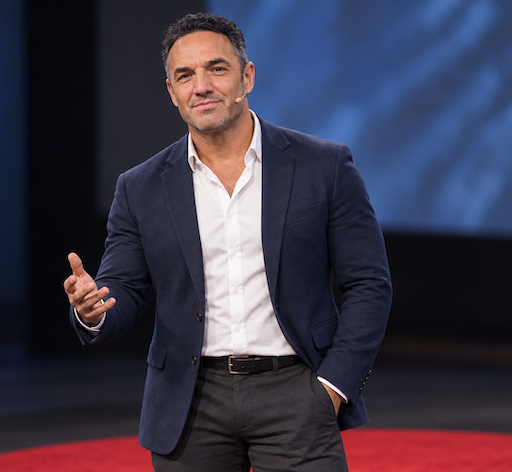
Author and Podcast Guesting Specialist for Corporate Leaders
2001 Founded mobileYouth16 books Published author250+ clients Served across 60 countriesUniversity of Sussex AI & Cognitive Psychology graduate
Graham Brown is an author and founder of Podcast Guesting Pro who helps corporate leaders, founders, and storytellers get booked on aligned podcasts and build thought leadership.
He began his career studying youth mobile behaviour and founded mobileYouth in 2001 to understand youth marketing and mobile culture; that early work serving clients such as Nokia, Vodafone, MTV, and Disney shaped his focus on audience insight.
Over time he moved from youth research into audio after seeing business leaders struggle to communicate authentically at scale, which led him to found a full-service corporate podcast agency and develop programs to train hosts and producers.
His route into podcasting combines formal study in Artificial Intelligence and Cognitive Psychology at the University of Sussex and Entrepreneurship training at Harvard Business School Online with decades of client-facing agency work.
He helps corporate leaders, startup founders, and storytellers find their voice. He leads Pikkal & Co, an award-winning corporate podcast agency, and runs Podcast Guesting Pro.
He previously hosted Asia Tech Podcast and previously grew mobileYouth to over 250 clients in 60 countries; his agencies operate from Singapore with partner studios across Australia, Austria, Canada, Croatia, Ireland, Sweden, the UAE, the UK, and the USA.
More from Graham Brown
All episodes → Office Hours with David MeltzerJosh Chodniewicz, Gary Coxe, Graham Brown | Office Hours #621Jun 2024Play episode →
 The High-Performance CEO ShowEpisode #76: The Future of Leadership: AI Innovation, Storytelling Mastery, and Human Connection with Graham BrownMar 2024Play episode →
 The Leadership Communication Show with Michael PipernoInterview with Graham BrownJun 2023Play episode →The Leadership Communication Show with Michael PipernoThought Leadership with Graham BrownJun 2023Play episode →
 Rise | Evolve Leadershipevolve | eps 50 | Graham Brown, CEO | Pikkal & Co.Feb 2023Play episode →
 Limit Break StoriesGraham Brown | The Power of Storytelling for Building a Strong BrandJan 2023Play episode →
 Coffee With CoachesGraham Brown - How the Science of Stand-up Helps Jumpstart Your Story | Conversations with Coaches | Boxer MediaJan 2023Play episode →
 Speak With PowerTransform into a Magnetic Storyteller with Graham BrownDec 2022Play episode →
 Coaching CallGraham Brown - The Digital Transformation of Communication & building your brandDec 2022Play episode →