
October 21, 2022
Executive Loneliness - Nick Jonsson
Sound bites
The point here is that the members come in and share their work related challenges, the issues that they're facing on a day to day basis, and that they can get support from others.
In this episode
Nick Jonsson talks about executive loneliness, his crash after moving to Singapore, and how recovery, exercise, and peer support helped him rebuild.
- Moving to Singapore brought isolation, new cultural pressures, and uncertainty in a high responsibility job.
- Work stress and keeping problems private led to a dark period and heavy drinking.
- Alcoholics Anonymous became a major source of support and helped him stay sober.
- Exercise, triathlons, and recovery groups gave structure, balance, and social connection.
- Peer groups for senior executives aim to build vulnerability and address problems before they become loneliness.
Transcript
ShowHide
Automatic captions of the conversation. They can contain errors and do not name who is speaking.
Foreign podcast is brought to you by Kitty Mystic and DM Needham author of my days with the dark Muse as well as love is worth waiting for hi gang Donna here thanks for tuning in to the better two podcast today's guest is Johnson Nick has a quite a story for us he actually is the author of executive loneliness and you might be wondering what that is well we do talk about that in the steps to help Executives get out of that but it's not just about
Executives because he has lived in seven on seven continents so he has had a very Journey he also well while he when he moved to Singapore he had some struggles that we discuss and he ended up going into a very dark place and found comfort in alcohol so we talk in depth about his crash and his comeback so enjoy hi Nick how are you doing today I'm doing great thank you so much that's good where are you located currently I'm in Singapore It's a beautiful morning
Here ah I thought you might be still in Singapore but I wasn't positive because you have quite the little trajectory of the places you've lived yes I lived in seven different countries I was born in Sweden then I went to Australia to learn English and then since then I mainly lived in Vietnam Indonesia Thailand and then in Singapore quite the journey and you know as as your story goes you were actually when you first moved to Singapore you really didn't know anybody so you were there
By yourself you had this awesome job and suddenly and I know I was in middle management and I understand the stress level about middle management it's not the same as being an executive but there is still a stress level so you are in this position and it has to be kind of lonely if you don't know anybody I mean I've moved across country and that's not the same as moving across you know the world so there had to be a lot of stress for you just
Being in this position before we even get to the point of you're you losing your job right yes it can be quite lonely indeed when you move to New City as you say another country comes with more complexity it's a different language it's a different culture different legal system and when you come to new country you you normally need to get your work permit and all the kind of documentation around that and it's different in every country so it can be a very stressful journey and
It can be very lonely and and that's at least what I found myself in and then you know you're thrown into a job you have new colleagues new teammates and they're talking in a different language around you and you're not sure if they're talking about you or or actually you can make up your own mind right right I used to have a friend uh her her mother was Italian and she her daughter spoke both languages and you know here we are I'm visiting and all of
A sudden mom breaks into it it'll you know Italian and it's like okay so are they talking about me or what you don't know and it makes you feel a little uncomfortable but you have to pull it off that it doesn't matter I got this but in the back of your head there has to be that little nugget of going what do they say you know exactly well it was a little bit easy when I moved to Singapore though because at least even though the Chinese
Is the main language here the business language is English so it is a little bit easier here but that said at that stage I was quite sick when I moved to Singapore so how were you sick well in 2015 I went down a hill basically you can say I felt isolated in my workplace I didn't talk to anyone about it I I started to try to basically do more support yeah that's okay sorry Cami sorry anyway one of my neighbors dogs is barking so now she's
Gotta answer the call back I will edit all this out Cami come here come here babe sorry you can go on so okay so basically in 2015 I I started to isolate myself in the workplace I had some challenges and I don't didn't realize at the time that I should really have needed to talk to someone about these issues uh so I kept it basically for myself trying to deal with it which I think is quite common for senior Executives that you know when we have
Issues well even even when you're I mean for me in middle management you you have to keep things to yourself because management doesn't want to know that you're having problems and it's just a certain level of stress that you're put under to perform and nobody really recognizes that because they don't I don't want to say they don't care but you are being paid to not be emotional you are paid to do your job if we don't care how you get it done just get it done
Absolutely and and I I was in a quite big role at them that time and we were managing 72 Hospitals and Clinics in Indonesia and I was the deputy GM so I was basically hired to go out and get the job done while I had a very experienced senior uh GM behind sitting looking at the administration the documentation and so on and staying in the office she had done her hard job being on the field and I was paid I said to go out and do
This it was just very very challenging and I wish I had opened up to someone before it was too late I wish I had a proper meant or perhaps a proper coach someone by my side who I can talk to about it because as you said also you cannot go and tell your boss all the time that you how you're feeling then then they're gonna perhaps find you in another role yeah or you you'll be let go so so I just kept that secret silent and
My way of dealing with it was through sport uh trying to do a lot of exercise after work or going to the bar and that became sadly at the norm I I rushed to the pub after work had some drinks just to be able to breathe out of the stressful days at work but in the end after about the year having this pattern I I was so sick that I had to resign from the job and I didn't know at that time what I should do
With this resignation also came other things I divorced and I wanted to move out of the country because I didn't feel at home as Indonesia and suddenly I was quite lost well and the the thing about you know when you're losing your job and nobody looks at this especially if it's something that you've done for maybe a few years the job and those people have become dare I say part of your family they are attached to that it's part of your identity and you have to
Then ReDiscover Who You Are because I identified so hard with my job in management that I was just like when I quit I was like okay so who am I now and I I don't think that we really look at that anymore I mean it used to be at least here in this country that you would work until you retired and then you would have to figure out who you were but now we don't do that now we we move around and you put on different
Hats but there's still that that loss we don't we're losing you know sometimes when you go to a new job it's awesome but if you're leaving a toxic work environment the next steps you have to go well I don't want to be in this position again I don't want to be you know I don't want to be a low man on a totem pole and I don't want to be taken advantage of so how do I make myself feel better when I'm when I left my
Uh management job I was I was pretty much worn down and I didn't do alcohol um and the I ended up having some ice cream and playing a video game when I got home that was my advice and the thing about that is nobody tells you about one key factor about stress you were talking in your thing you talk about health issues the fact is that if you stress yourself out so much you start with adrenal fatigue you start with thyroid issues and those things will
Ultimately keep going because they don't test for enough of that they just say oh you're okay just just relax but it does morph into something else yes absolutely I agree with you and again these are topics that are so full of stigma that you know I didn't dare to talk to anyone and here I am as the deputy and managing Hospitals and Clinics I was surrounded by doctors day in day out we were providing health care services and on the outside I look perfectly fine I
Was fit I'm doing exercise if anything perhaps they were a bit concerned that I was too healthy happy you know they said relax relax and that's why when I did go to the bar for a few drinks it's all good on unique you need to relax a little bit more don't take life too serious you know but that was all that people saw and of course you live a selective life and I say that it's almost like a smiling depression you know as an executive or
As in management that you're putting on the smile this facade everything looks good and on your social media you can select which pictures to to share and no one really shares about the dark sides and that's though what I realized when I'm looking back that I should have spoken up I should have dared to be more vulnerable but we are in a society when this is not the norm no and and the fact is you know you going to the bar and drinking that is I
Mean especially here it's like that is the past time it's like oh we're gonna go get drunk on Friday night oh we're gonna go get okay but guess what you wake up the next day so if something is really eating at you it's still going to be there the next day and we are very good at avoiding and creating like you said the facade it's much easier to create a facade and show everybody this is who I am this is how happy I am when when
My spouse passed away I was I started doing the podcast around the year mark of it and uh of his passing and I remember doing a podcast on the anniversary date and I was all smiles and everything else and then I got off camera and I cried and it was like this is this is how we're taught though as children were taught you we don't want to hear your problems we want you to just keep going and so then it passes from school to work and
You just keep going and you're never vulnerable and open about who you are and what you're going through absolutely and that that's what I had also with me going and in school you know there's a lot of bullying fighting going on and yeah you have to be quite strong and you need to get back otherwise that you people will eat you alive you know you grow up in this tough environment at least I did and yeah you bring this into the workplace and there it means
That you need to Elbow your way to the top because if you don't do that someone else will push you down and I mean that's at least what I've seen in the countries I worked in and I again also with the cultural differences you come in as an expat because perhaps you have a different dedication you have some International experience that they again they pay you to do that job and you're supposed to have that expertise so the pressure is even more on you you're expected
To do more and this also means that the perhaps the locals then are looking at you and knowing already that this guy has you know higher salary than me and of course they will be the jealousy will come into play and that just makes the expat life even more challenging and that's why I think you know from my case it's highlighted it's Amplified and that's why the crash that came also perhaps was uh very very hard and and I'm glad that I'm sitting here today I'm
Glad I survived this journey because I went quite deep my I hit rock bottom in 2018 well and before we go into 2018 something you talked about how people look at you well you being a foreigner they're going to look at you and partially being you're being put on a pedestal because you came in and you you know and in this and I'm speaking from the American culture people look at people from overseas and go well you took my job you know you and it's like
I was qualified there was no reason for me I I had the same qualifications as you but maybe I had a little bit more education people don't look past that facade that book cover they look at what they feel their jealousy is and the thing about that is they will sit there and tell you hi you're great I'm so glad you're here and then as we were discussing most likely bad bothering you behind your back and you have no clue so as we're progressing here so
In 2018 you hit rock bottom and I mean Rock Bottom is a very dark place depending on who you are so how bad was it well so from 2015 2016-17 I was a bit lost I didn't really know what was home and I I jumped from job to job and again alcohol became a bigger part of my life at that time I stopped exercising I gained a lot of weight I I didn't care about nutrition anymore and you know it goes so slowly you're putting on
Half a kilo you don't really notice it and before I know it it was I gained 30 kilos and with that then I I was not feeling well at all my blood pressure and all the values uh the blood tests were very bad um and then yeah in 2018 uh it went so bad that I was addicted to alcohol at this stage I needed alcohol to calm my nerves and it was very difficult for me in the end to even operate and I had to even
Have the you know that awful drink in the morning to stabilize my nerves just to be able to get on with my day and that is it was my rock bottom and that's when I realized you know if I don't something now I'm gonna die very very soon so that was the Turning moment the turning point when you decided that I got it I gotta change my life and when you decided you went to AAA and what was it like the first time you decided to
Pursue this I mean did you just go in and just go gung-ho or was it one of those things where you stepped into this meeting and you're like you listen to other people then you're like maybe I'm not ready for this or were you just I'm gonna do this well uh the the turning point then in 2018 was that I had met a lady that I married and I decided to tell her how I felt and she was quite shocked and surprised she saw me as
This Jolly person who's having a lot of fun and doing well in his job you know so she was quite shocked and surprised but she immediately decided to be there for me she listened with empathy and I started to feel better then and she said well we got to sort this out and if you have a drinking problem yes I know you're drinking a bit too much but it's not that bad is it well then I told her that yeah I'm drinking when you don't see
It also I've been hiding it and so on and she said well we gotta sort this out and then we realized that we had a common friend indeed who had had some alcohol issues earlier and she had got support so we walked over to her and listened to her and she was the one to take me to this beautiful Fellowship of uh of the anonymous alcoholics yes so that's where how I came there she introduced me and in there there was report and I felt the
Sympathy from people who've had these issues before and that's that's an amazing thing you know there's so many people that they they don't have that support I mean that's the biggest problem with our society is some places you can find support in other places you can't because somebody is going to ostracize and people I don't know how much you know about Tick Tock but I mean I don't go on Tick Tock very often but I watch people sit there and pour their heart out and somebody
Blast them and it's like they're going through something and you don't realize it and I mean how many times have you heard a story where somebody's like they bullied somebody into committing suicide and it's like what did you gain from this what why is it why is it rewarded to be bad and push somebody to this I mean supporting each other whether it be at AAA or through another organization it's a gift it is a gift to be able to to give somebody support I went
Through my husband's death during 2020. therefore there was no real support there was no funeral there was nothing there was nothing that you so I had to find my way through that by myself so it was a much different experience dealing with grief that way than what you would normally expect and I'm sure a lot of people went online for their meetings and whatnot during covid yeah first I'm still sorry for your loss and during that challenging times indeed um I would say that there's so
Many of these Anonymous organizations now there's there's co-dependence Anonymous there's a for eating this for drugs that's all kind of anonymous organization and the most of them you will find if you go on Google they are everywhere and indeed as we say with kobit a lot went online and most of them I would say 99 of these meetings uh people are really respecting each other they're respecting the anonymity and it's a wonderful experience to come into these meetings and sharing your issues or challenges whatever it
Is of course and now we as we're coming out of the pandemic the best is if you can find something in your hometown especially in the U.S there's so many of these groups and meetings everywhere at least people will you know immediately take you and hold their arm around you and and take you through it and it doesn't cost anything it's voluntary early if you want to give a small donation of a dollar or two so the money shouldn't be an issue and everyone is there
With the intention of helping others and that's how I live my life now even though I'm on my fifth year in recovery most days I'm back there as a volunteer supporting the network and helping newcomers who are coming in did you did you actually see it besides the AAA did you actually go to a therapist or anything else did you seek out other help or did you just go to AAA I I started also at that time to see uh doctors um I did blood tests
And so on and I wanted to get well I also saw therapists and uh especially later on as I decided to really help others um I I shared in a radio interview what I did the steps I took and and that was part of it also talking to a therapist indeed yeah well I think that I think that's the thing especially here I don't know about over there but here a lot of people instead of just like alcohol and I'm not saying anything's wrong with Pharmaceuticals
But they go to the doctor to take they ask for a prescription because they have anxiety or they have depression and while that may be needed and I'm not I'm not saying it's not are you really digging at the root of the problem or are you just going to just keep glossing over it I mean it takes a lot to be able to face what's going on so I applaud you for actually being willing to take the challenge and to dig deep because it it's hard
It's hard I mean that was the one Saving Grace besides my friends when my husband passed was that I had a therapist and you're able to talk to somebody without judgment and that's the same thing with those meetings you're able to speak your truth without being judged and that makes a world of difference for a lot of people absolutely and it's a you said it that it's important to speak to someone who don't judge you and if you're looking into our friendships you know and if
I'm thinking back I had some wonderful friendships in my life but we perhaps watched sport together perhaps we played a game of golf together you know that typical man isn't it we meet up and we have a great time we went to the bar and we were sharing but we didn't talk about what was reeling on uh really on our mind the deep deep challenges the dark side we didn't share and perhaps women have a few close friends who they will open up with but do
We dare to so that's the whole point here going to these Anonymous organizations seeing a terapath or a coach or someone who is promising and who is confidential and Anonymous that's where you can feel safe and open up and I would say half of the problem is solved by just sharing it just speaking up because the solutions will come to you when you when you just start speaking well and that goes back to the difference between I want to women a little bit is you know
They say toxic masculinity well we're not even going to label it that it's just the fact that men aren't they have the pressure of you're not supposed to share you're not supposed to open up you're not supposed to be vulnerable we want a big old strong man well the thing is if something is eating at you guys and you are not talking about it it's going to affect you I mean I look at my dad my dad he doesn't drink anymore he never went to AAA
But my dad's garage he was a retired fireman so he saw a lot of death instruction as a fireman but his garage because he would work 24 on and then 48 hours off that's how the firemen would do it and so his garage eventually after he retired from the fire department became Don's Garage and Social Club and he's in New Orleans so Social Club meant the customers would pick up their cars and then bring him booze besides pay for the thing so he was always you
Know I like to nickname him good time Donnie because that's what his cycle was and he told me not too long ago he's like well I wouldn't change anything about my life and I'm just like okay and I'm thinking to myself you were a functioning alcoholic at one point but you know and then my my stepmom's like well he wasn't an alcoholic because he could stop if he still had to do the same cycle all the time at a certain point you're still an alcoholic if
You is a crutch for you even though it may not be as bad as it was for you he still relied on it heavily I mean the man was always drinking after work yeah and and and that's the dangers if you if you are at that stage and then perhaps some life events happen or maybe you get a Chronicle illness or something goes against you then it's a fine line where how this can tip over and then before you know it you you are in this
Place uh the dark place that I was when you can no longer live with alcohol and you cannot live without it and that's where you know that's really when yeah I found rock bottom let me ask you this when you were in that Rock Bottom place did you have any thoughts of ending at all I didn't but I thought I was gonna die I was pretty sure I was going to die because I was so sick I broke my will I wrote my Testament and I
Remember sending all this documentation uh to my ex-wife and I sent it to my parents and I also signed up for life insurance because I was sure it was going to end I just didn't have any way out of it and you could almost say that it is a form of suicide when you have the insanity when you just keep drinking when you know that it's killing you so depending how you see it I I totally agree because at a certain point my dad had gone
Sober and then when my mom died they were divorced a long time um he started drinking again and I'm like okay so do you have a death wish is that what I mean I couldn't ask him that because he's my dad but in my 30s I'm sitting there thinking well do you have a Death Wish because the way you drink and after my stepmom died my stepmom died in his arms he was drinking a case of beer a day and it's like how do you say
You're not you know you don't have a problem when you're doing this so for him he ultimately the reason why he quit drinking was he he got up one morning went down a block to the coffee shop and had a massive heart attack and a stroke and his life was forever changed after that now was it because of drinking I don't know but his life was ever he he recovered from the stroke he can't hear now and his heart's fine but it was a life-altering event
And that's the thing you was that his Rock Bottom because he kept pushing and the thing is people don't realize they just keep going because they're like I can do this uh you know and and you have to you have to come to that wake up moment and I know that you had a friend and suicide I can talk about because my mother my mother actually committed suicide you had a friend that there was no signs and and the thing is with my mom I knew
That she was suicidal my stepfather knew my grandmother knew and she there's a whole I did a whole podcast on it so I'm not gonna go too far in but her close friends did not know her close friends had no clue and we tried to get her help and suicide is a very tricky thing to talk about because there's a lot of guilt at first for me there's a lot of guilt when she died even though I tried everything I could to stop it or stop
Her from doing it but it became very clear before she did it I was in a group back to groups um for the loss of a loved one and it was to try to navigate my step kids from losing their mom and there was a couple in there that lost their teenage daughter and they kept saying over and over again that she kept trying to do it she kept trying to kill herself and so how they said it she didn't she didn't commit suicide she completed
Suicide because she had been on a mission and when she when they said that it would eventually that would really resonate with me because of my mom because she had tried it so many times but only certain people know the truth about it that's the interesting thing because you said you didn't you didn't see any signs and and that's it goes back to that mass that facade that people put on that oh everything's fine I'm 100 okay and it's just like nobody really sits there when
Somebody says I'm fine they don't usually go are you sure they just take the I'm fine and then go on yes and I'm very sorry to hear about your mom as well uh and indeed in the case of my friend then who died of suicide in 2019 uh I didn't know and his family his brother didn't know his friends didn't know we didn't expect it and yeah indeed he had to paint his facade he he worked in the HR space as a consultant and he had
Clients and he needed to look good otherwise would someone trust them with a business no so he had to he had to look good he had to look strong and this particular year in 2019 from the outside it looked like he was living the the dream life you know he had been to the Mount Everest Base Camp to fulfill his dream of walking up there he trained for a year for it it was in the best shape of his life he had a girlfriend he loved
For and he made a post on Facebook just before it happened saying that he never been happier so on the outside you know we we just thought that everything was wonderful um but when he he passed away so sadly so quickly I was in recovery I was about one year into my own recovery and I was feeling great I was really coming through well I was one year without alcohol I had lost in the about 20 of the 30 kilos I had gained and everything was
Going well for me again and my new marriage was wonderful we were supporting each other and and that's when I realized oh my God with my recovery I've been so lucky here I'm so blessed to have found this and I didn't tell anyone yet it was secret basically it was between my wife myself my parents knew and a few close friends knew that something had happened to me because they could see I lost weight I could see I was happier but I didn't share anything I
Kept it all secret to the anonymous groups and that's when I decided to share it with the world and I went live on radio on an interview and I spoke about this and since that my life has changed forever I'm sorry about your friend I am and it's not an easy thing and the fact that you did this I don't want to say in secret but in secret sometimes we we only tell the people that we really care about what's going on because you don't know
Who to trust sometimes it goes back to that issue and you don't want somebody that's going to undermine your recovery just because well let's see if we can make him slip you know I mean and I know people are going to be like well nobody would do that uh they're people that would play games like that unfortunately I'm not one of them but I have been aware and made aware of people that don't always have your best interest at heart so now that you're in you're
You're five years out you've been a sponsor I take it too for other people that are in recovery so and you've written a book called executive loneliness so besides public speaking and your books are you still functioning in the day-to-day rat race or are you just now doing what you do to help other people well a big part of me is helping other people in the anonymous group and support groups and so on and through the book I wrote uh also I I'm passionate about supporting
And guiding people uh who are lost and helped them find a way but for uh for work I I left the rat race you can say I now work for a company that do confidential peer groups for senior Executives so it's not only about it's not about addiction it's not about that stage but it's about sort of coaching mentoring each other so in Singapore for example we have 750 members and they are then in smaller groups and we provide facilitators so the point here is that
The members come in and share their work related challenges the issues that they're facing on a day-to-day basis and that they can get support from others so it's about practicing this of becoming vulnerable and sharing your challenges so hopefully we can tackle it before it becomes loneliness and that that's a it's a big I don't want to say it's a crisis but there's a lot of people that whether it's you know Executives or middle management you are not given those skills you're promoted usually from below
And you move up and you're not taught all of a sudden the people that you may have had a relationship with such as friends well now you're their Superior so you have to put that wall up and change the dynamic and nobody tells you how how lonely that's going to become you can't suddenly go to lunch with these people because well your management now so you you start putting walls up and you have to learn how to cope with those things so beside your book and
We're going to talk about your book you also you actually went back to exercising and you are a triathlon person correct yes I I love that you know I love to exercise and I love to do it now and I'm not drinking because before it used to be okay I'm gonna do all this exercise and then I will compete in a race then I didn't drink for let's say two three weeks leading up to the race but then after of course I would drink excessively at
Least for a week excessively and and I'm so happy that I don't have this controlling and on and off with the drinking and it it's not on my mind anymore to drink so I can relax I can exercise and the reason I do try as long is because it's just running is too hard on the body but when you do Triathlon it's a bit of swimming it's cycling and it's running and I do about half of this in in different groups so I joined like a
Swim Academy I have a Cycling group a running group and I try to do it even with people in recovery we have Cycling group for some people in recovery we have some running groups and by doing that it's it's a bit of social Gatherings together and then also I do some of it by myself and that's my own time my meat time so I find it a good compliment to my recovery and my work nice now I want to jump back for a second because this
Came to me when you were growing up did you see your parents or peer figures or mentors drinking was alcohol a big prevalent part of your life as a kid so my parents are normal social Drinkers and everyone else in my family a normal social drinkers but growing up in Sweden that means quite a lot of drinking I mean drinking around Christmas Easter and all the holidays and so on it will be normal that there will be alcohols at the dinner table and you know you
Didn't really reflect on it it was as normal as someone has the Mago coffee well that's New Orleans I I grew up in New Orleans and New Orleans is Party City so you know alcohol is always around you know whatever time whatever space it's there and it's known as a par I mean I remember when I moved up to Shreveport people were like oh you're from New Orleans you must know how to party and I'm like because see for me I watched my grandfather drink my
Dad's my mom's dad and then watch my dad drink and for me seeing them act out of control that kind of I don't know it was like when I they they gave me a drink I guess when I was like 12 or 13 and I didn't like the taste and I didn't like and I remember the smell from them getting drunk and stuff and I think those things it's not that I've never had a drink and I if I have a drink once a year then
That's a big deal but I think because I was predisposed to watching that and smelling it and immediately my mind's like you don't like this so unless it's really mess with fruit or whatever I don't like it and so therefore for me I pushed away now my half sister when she was two they gave her beer which isn't really good um but she at 15 16 years old she wanted wine cooler she wanted to drink she wanted to party even though her mother was a hardcore
Alcoholic so the fact is that you can when you see that in your life that's why I asked when you see that in your life you're either going to go one way or you're going to go the other but for you it was just it wasn't enough of it wasn't enough to make you pull back or dive headlong in there I wouldn't say that that wasn't attributing factor to you diving in it was more the Escape factor that you needed yeah it's it looks very normal
To me it looks like the adult thing to be and I was looking forward to when I also was at that age so I also could drink and indeed growing up it was about partying and it was normal on Friday Saturday but it wasn't the question that's what you did and that's what people did and therefore yeah if something is so normal then you don't question it then you do it as well because you want to fit in exactly and I think that's a a huge
Problem for most of us growing up it's like this is the norm you're supposed to fit in here's the cookie cutter now fit right on in and if you don't well we're gonna ostracize you so yeah I mean I remember those things it's like okay so senior party okay I'll get drunk like everybody else did because that's what everybody else is doing so I better do it too and I mean it's not that I always gave in but there were times when you gave into peer
Pressure because well it's the thing to do so let's let's talk about your book you have five key principles in your book to help executives yes if you want we can talk through the five of them because I have the list right here so sure let's go all right so the first one is taking stock so and that's what I realized you know when I look back at my recovery the first was almost like if you think of a shop you would perhaps do a stock
Take once a quarter once a year you look at your inventory and so on what you need to do that as Humans Beings as well you can do it on a paper or a spreadsheet where you know you you're writing down the things that are perhaps not right in my case I had gained 30 kilos I was drinking too much I stopped exercising I needed a morning drink I had uh thoughts of you know resigning from work I wanted to and I just uh the divorce
For my wife all these things and the people that I had resentments about and so on I had to make a list of that that was my inventory when I started this journey okay so you take your stack and then you're gonna ask for help and that had to be asking for help is something that pulls a lot of us out of our comfort zone because I'm sure we've had you've had I know I've had parents or a statement from my mom or my dad that
Well you didn't do it right I'm gonna do it myself so you kind of learn not to ask for help because you're not gonna get it or you're going to be chastised so how hard was it for you to ask for help then well it was taking that list you know and and and and thinking of every line who can ask for help here many times it can be friends it can be anonymous organization Charities or doctors so in the case of of my health it
Was a doctor in the case of the alcohol it was uh the anonymous uh alcoholics here and then for other things there was other people so just looking at least and getting started on it and Ticking it off once you have a list in front of you with 20 30 things it's easier to get going and and Ticking those boxes do One A Day or whatever it takes um so the hardest was to get started that's why I was unwell that's why I hit rock bottom
And it took me three years going down there but coming back was very quickly once I started taking those boxes off the list things came back so cool so fast and it gave me so much positive energy well that's the thing we don't when you're in that moment of Rock Bottom there's two options you can continue down that spiral or you can say okay you know what I'm going to change my life you have to do it and it wasn't so much less but I I
Was heavier than I am now when I was married and when my husband died it's like okay you can do this you can do this two ways you can decide to eat your grief because since I didn't drink this would be my my go-to I can decide to eat my grief or I can decide to get healthy and I opted to get healthy because it wasn't gonna do me any good to sit there and indulge my grief it wasn't going to make me feel better and
If it did make me feel better it was only temporary so I think getting healthy is always a good a good step after you asked for help you start getting healthy and that's gonna that's gonna make you stronger and happier that's what's my focus and I also saw a fitness coach then he set up some easy goals for me I I said I don't like to be in a gym I don't fancy that but there's so many apps now which you can do exercise goals you
Set up easy goals first it was just three kilometer walk a day then increased to five after a month it was a short joke and you know once you have someone accountable and in a nap then you know and you just complete it and then you get you know it's a music played and you get this trophy or you achieve your goal you have you have a good feeling about yourself and then I scale myself I could start seeing the pattern of dropping the weight and
All these things accumulating you stop getting some confidence in yourself so yeah getting healthy both physically and mentally then and within three months I was really in a good place there now here comes the real trick nurturing healthy relationships because how do you look at your relationships and decide well you know what this relationship even though I've known them forever is toxic how do you how do you navigate that well it's about cleaning your side of the street here and making again on that list you
Know the people you put down where you had damaging relationships and it's about going back to them and making amends because probably if you have uh if you feel isolated or even in my case you know being unwell you probably treated some people not in the right place because you have not been able to be a nice person and I can just give you one example of one person I had on the list and that was my sister and we had faded away from each other
With the relationship had almost died out and it was one particular incident a few years earlier when we had a dinner with a family and she gave a Coca-Cola to my son who was about three years of age at that time and he had never had a soda in his life and I was trying to avoid giving him sugar and especially the soda and a coke and he'd rank it before I realized it and I didn't want to make a big scene about at the table
But I wasn't also able because I was sick at the time to talk about it so the only way I could do was pull him off the table put my ex-wife of the table and storm off and then I didn't answer calls or messages for a year or two years and that was my way of dealing with this and when I later on so this was about five years after the incident came back to her to make amends uh she didn't even understand and realize what
Was the reason for me having having stormed off and she couldn't even remember this particular incident in itself she was just wondering whatever happened to me and why I was not you know in touch and so for her this was not the big thing and but it just me shows that you know the relationship was repaired instantly and just because I I was able to yeah talk to her as a human being again well and I think that's a lot of the times that as humans
We don't always know how to interact and sometimes somebody will say something and we will take it the wrong way or we think they took it the wrong way and then there's this parting of the ways of the friendship and it's like nothing is ever discussed we're just we're done I'm out of here and you know that's that's fine if you've had problems with this person several times over but when you do it so rash like you were describing there's a lot of unanswered questions on
Both sides because it's like I'm sure you sat there once you got healthy and said okay why did I really do this I know why I did it but why did I why why didn't I just openly have this dialogue with her instead of acting so rash you know exactly I mean that why couldn't I just say yeah sorry but he shouldn't really have a Coca-Cola please next time just give him a water you know that would be the normal thing I mean the damage was
Already done he's drank it is what it is right but I was that's not how I functioned at the time uh and I try to function as much as I can now like that but of course sometimes we also feel overwhelmed when we lose it and we don't have that space in our brain to slow down and think about the situation well and you know whether it's recovery from alcoholism or recovery from anything that we've gone through trauma any kind of trauma we can be doing
Fine but there will be something that can trigger us to revisit that trauma and we will be put right back into that mindset I remember I was talking to my dad I was 40. and I was talking to my dad my my husband was there with us and my husband was amazed because we started talking about my mom and my dad just went he just started getting all puffed up and everything else and my husband said I watched you go from 40 to being a nine-year-old
He's like your whole demeanor your body language everything changed as he morphed into that and that's the thing I don't think we realize when when somebody even if they're not that person they can trip that trigger and you're like and you have to have the headspace to be able to unpack that and if you're in a a turmoil cycle you can't necessarily unpack that at that moment and that's why hence you would grab the kid and let's go we're out of here yeah absolutely and I
Think again you know we we're not trained as kids so in school how to deal with these situations it's only now in recovery I learned to meditate and I learned you know gratitude list and to find this space and walking in nature or whatever works for you and be getting better at it but do we have to become you know alcoholics and hit rock bottom to learn these basic things no and that's the thing I think you know I I education is very important I think
Education is a wonderful thing and yes we need to learn class the classics and we need to know how to read in math and all the all the stuff however would it be nice if we actually taught kids gratitude and we taught them how to meditate and we taught them how to get along I had a discussion with my uncle he was not very pleased with me because I said they should teach gardening in school because gardening not only is it teaching you how to grow
Food it can be very zen-like at times so and he's like no that's the parent's job and I'm thinking but parents don't really have that time anymore to do that so would it be better besides showing us all the things we need to do to get a job wouldn't it be nice to show us what we need to live I.E and also taking care of the financial end of it showing us how to be responsible with money showing us these things that are going to make
Us dare I say a well-rounded human you know yeah absolutely there's a big part of life I mean there's a life is not only work we train as you say rightly so in school is is it 95 or 99 about how to be good at work but what about the other part of life and that's definitely my parents didn't didn't have the time to train me I learned it the hard way and it's been painful well and when you think when you think about the fact
That there's so many teenagers I had a guest on the podcast he was from Australia who had I think he was 12 he wanted the perfect Facebook picture by 14 after he got the picture and it wasn't the outside validation he needed he took a flying leap off the building and now he's paralyzed from the waist down he's trying he's he's actually getting some movement back but the whole point is had he had better coping skills and learned those coping skills through school or we wouldn't
Be having the suicide attempts and the suicides at school but we put the kids under so much pressure now to not only perform but to look good look a certain way and I mean we have all these facades that are put in place and if nobody's navigating this with a kid how are they going to know which way to go you know if they're not adequate enough oh wait the Kardashians look I should get my I should look like that they're they don't even look like
That in reality um or excuse me they didn't look like that in reality um but you know they they had enhancement and I'm not saying that enhancement's wrong if that's your thing that's fine but we are sold and this goes back to even me being a teenager we're sold in magazines you need to look like this and if you don't Nobody's Gonna Want You yeah absolutely and that's the with social media that it's a downward spiral of people being addicted to social media and how do
We break that then well it's perhaps linked to the the fifth and the next step in my book and that is finding your purpose yes indeed and and that's something also which perhaps school was trying to show me the way perhaps my parents they took me to church as a child and so on a few times but it was nothing really that clicked with me and I didn't think much about that and growing then up in growing up my career it was all about me me
Getting a job I had to fight for myself and so on I was very little room to think about was it something perhaps bigger in the universe than myself and it came also through my recovery and through the anonymous support meetings then that we should look outside ourselves we should stop being of service to other people and we should realize that we're not the center of the universe and accepting perhaps that there's something bigger out there and that was a big part of my recovery journey
And that's where I find myself now well and you touch on something very very very important because and it goes back to social media I was I was I upload a daily video for tick tock because I do tarot readings I'm not on camera it's just my hands and I have to sit there unfortunately while it's loading and Tick Tock is there and I look at this and I'm like everybody is trying to be somebody you know it's the Indy Warhol 15 minute thing but it's
Like at what point everybody's screaming oh well that person's a narcissist so that person's a nurse and I'm thinking to myself as I'm looking through Tick Tock I'm like but we're creating a whole bunch of narcissists because isn't social media basically look at me hi I mean and I know I can get yelled at because of that but isn't that the case though isn't social media just making everybody go look at me and sometimes you have good information but most of the time it's just look
At my look at my makeup look at this look at so at what point are you really are you finding your purpose by being on here are you just wanting people to give you likes and and this is the whole head trip with you're competing with a computer algorithm that can quash your video so one minute you may have a million hits not me and I don't want them but one minute you'll have a million hits and the next minute you have 200 and I've I
Have a friend whose daughter or daughter's friend who was all excited because she had like 200 000 hits one day because of outfit she wore and then the next day she had 30. and she was depressed but it goes back to If you're looking look at me I'm the universe and I'm not getting my needs but because nobody's paying attention to me then you're not you're not doing your purpose and you're not you're looking for that outside gratitude yeah you're looking for that short false gratification
Rather than the sustainable long-term one and that only comes from being of service and helping other people and not looking at ourselves it's indeed social media is doing the opposite for finding ourselves our purpose and making real happiness for ourselves um I have one social media post which done wonderful for me and that was indeed the day after my friend's suicide I decided to make a LinkedIn post and Linkedin of course is for the business Community but I made a video of myself and I set
Up a charity fund to raise money and awareness of Suicide Prevention then and that post went viral and that's why I I was on radio the next day that's why I had so much media explosion that started the whole journey of writing the book so I'm grateful for that post but that's the only post I can remember where it was not about me at all it was about to share it was about awareness for a good course and I'm glad that that one went viral rather
Than something else well and see that that right there that shows you're doing your purpose you're trying to help others you're trying to resonate with other people that may have either thought about it or their family member went through it or something else that is a per a post with a purpose but I'm gonna go back years because it's the only thing that came to mind like the woman putting on a Chewbacca mask that she got at the store going viral while it's funny and she
Got all this notoriety what do you do after you have this notoriety and then all of a sudden you don't and you're you're not you don't have a cause because you have a cause but you have no cause so what Head trip because you had you got invited on talk shows and everything else what Head trip do you have now that you went back to normal life you know and nobody looks at that you know the I want something viral do you really because I had
A friend who's an artist who George decay gave her a shout out and her business blew up and ultimately what happened what happened was she had to shut her business down for a while and recover because she was so worn out and nobody thinks about those spikes nobody and that and if you're not in a good mental place it's either going to wipe you out or it could lead to drinking or something else so are we creating another are we creating another Beast with social media
Yes I think we are and a big part of recovery and we will talk about in in the rooms uh is indeed that not have any spikes in your life you need to not get the overly excited about things and also not too depressed about things it's about trying to find a normal life and live being there in the middle because that's where perhaps something that is sustainable and it's the same if someone win a million dollars on the lottery uh how many times does that
End up well it's mainly sad stories you hear about it how hard is it now I mean you're five years in how hard is it now to be around alcohol or people that drink I don't have a problem being around people with alcohol I I don't necessarily look for nightclubs and parties now I've changed my social scene and I rather go out for a walk in the morning and so on uh rather than being out at night probably comes by age as well so it makes
It a bit easier so it's not that hard and what I do find hard is still being around the food and sugar I'm struggling with that I'm working hard on it and if I have candy in the house it will be eaten so I find that that is where I'm now trying to choose healthier food and and working on the diet as well I mean that's that's some that's an injection that nobody talks about is the the sugar addiction because there's sugar in everything and we
Don't talk about it and now they've changed it from sugar to well they've relabeled it but high fructose corn syrup but we've labeled it now to something else I don't remember what but it's still the same thing but now that we've relabeled it it's healthier no it's not but you know we're just gonna keep playing the game yeah we need to talk about that that should be up next I mean we got rid of a smoking used to be popular and the hip in the 80s
Now people are looking at smoking oh why did we do that that's not really healthy is it and I I expect and I hope and I will uh we will support the movement there we need to get rid of corn syrup or sugar or whatever it is and try to be a little bit healthier and and it starts with advertising marketing and again the the social norms need to change around it oh yeah and then speaking of smoking I worked in an office in the 80s
And uh you would get off on the sixth floor elevator as soon as the doors open now every office was closed up and the hallway was just smoke I mean it was literally smoke it was like so I was in mail file at the time and there was a woman that I worked with who had been in the hospital okay she had been in the hospital weekend before she has now got a nebulizer machine at her desk she takes for nebulizer treatment puts it down and
Then lights up a cigarette am I why were you in the hospital oh because my asthma was acting up oh okay but but at the same this is the mindset because we also had a girl that was pregnant and she's like they're like well you really should stop smoking she goes oh wow the baby's gonna get used to it's gonna have to get used to it I'm like oh dear yeah but and I remember the HR people because I was having bad problems because of the
Smoke and they're like well we're not going to make it a smoke-free environment so you're just going to have to deal and I'm thinking to myself now it's like hmm I wonder what that man said when the Mandate came out and no more so yeah things have changed a lot yes let's hope that we can change the diets and nutrition around to make it easier to choose healthy alternatives and by the way since I'm from Sweden I realized that in Norway the neighboring country they have
A shook attack similar like all alcohol tax to the a drink or the more alcohol inside a percentage the higher the cost and the same is for sugar and or we should have that for sugar and corn syrup I think that may make an impact they tried doing that in a couple of states in the United States and it didn't pass people balked because they don't want to pay the extra money they don't want to pay the extra tax for it because well I want my
Soda I want my I want my cheap fix Ed so so um all your information including your book and everything will be in the show notes is there anything you want to add before I wrap this up no I just want to thank you very much for covering this topic which is indeed full of stigma I mean talking about the alcohol addiction rock bottom and so on it is not common for people to talk about to the fact that we covered this here today I hope
That if there's some listeners who have something under the mind that they do reach out there's so many Anonymous organizations there and if they want to read my book it's the executive loneliness and they can find it on Amazon okay and thank you I mean thank you for being vulnerable and opening up because as we discussed most men are not allowed to to be vulnerable and I applaud you that you were willing to be vulnerable here on the show and actually to be honest with yourself
And to to recreate a life that had meaning so I appreciate that thanks though thank you so it's a pretty amazing story and a journey that as he said you know once we know our purpose we can learn to help others and it's part of the reason for the podcast is I'm hoping that some of these stories actually inspire somebody else and they can relate to it and it opens up a door for them that maybe they get help or maybe they can find a way
To help somebody else I think when we look at our jobs we don't we CA we have to put up a facade we have to be that person that our boss thinks we are or our employees think we are we can't be who we truly are we can't let those things happen and mess with our head we have to show our strength and our own our vulnerability cannot be seen and that's kind of where things get toxic in the world because we can't be honest that
Maybe you know maybe this workload is not conducive for myself or my employees and if you stand up for that you may get backlashed or maybe this isn't the right fit for me and and to openly admit that maybe this job isn't for me is a tough thing because especially for like for me I mean I Rose from the ranks and I worked my tail off to get to where I was But ultimately you know my husband would sit there and tell me because I was
A a super uh not a superb I was a claimed supervisor but I wasn't the office supervisor and the fact is my husband's like oh well you could have your boss's job and I would look at it and say I don't want my boss's job and that was the truth I didn't because I was struggling to deal with the stresses of this job so there was no way I wanted another one I didn't want anything higher but I couldn't tell my boss that I couldn't tell
My boss the anxiety I was under because I had to do what I had to do they were depending on me and because of that I allowed my health to take the hit because I actually went back to work with pneumonia once because of the fact that they needed me there and what happened was it ended up putting me out longer because it came back so as one person told me and this goes back to alcoholism and anything else you're going through while you're at work
No job is worth your health yes you need the money to pay your bills I understand that but when it starts taking a personal hit on you it affects your health no job is worth it nobody you know you can always find something else to do so if you find yourself at a job that is soul sucking and you feel like you are losing it and that you're over medicating whether it be the Pharmaceuticals or through illegal Pharmaceuticals or alcohol or even food however you're trying
To mask that or you know mask or create an escape for you as he said stop and take stock what really matters in your life what is important in your life and what is going wrong and how do I fix this because once you do that then you can ask for help and that's very important because once you see that something is toxic you can finally walk away from it but you have to be willing to face it no matter if it's a great job or
Not no matter how much you love the place you work or the people you're around when you realize it's a toxic situation you have to take care of you so on that note now that I'm off the soapbox folks I hope you enjoy the show and if you want to be a guest on the show please reach out to Donna d-a-u-n-a at better2podcast.com that's Donna at better2podcast.com as I said all the links for his for Nick's information and his book it's on Amazon are in the
Show notes as well and our sound is done by Rich Psy of third year audio and I also apologize about Cami barking and Cami you know the neighbor dog is barking and you know she just has to respond that's just you know it's having a pet so I apologize but anyway I hope you guys have a wonderful evening Day weekend whenever you're listening and um I'll catch you next time guys bye the better two podcast is mixed edited and produced by Rich zye of third ear
Audio Productions foreign
About Nick Jonsson
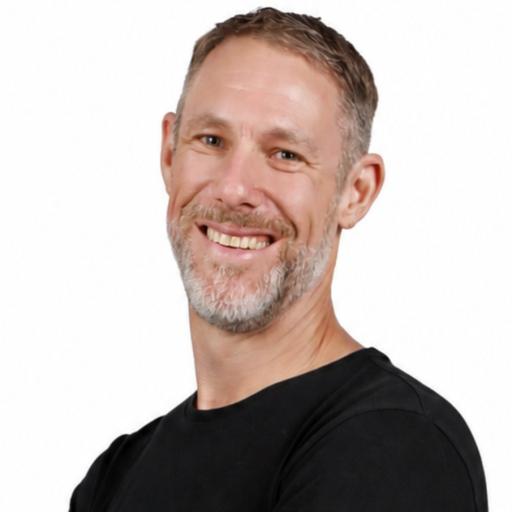
#1 Global Thought Leader on Executive Loneliness, International Bestselling Author and TEDx Speaker
900+ EGN Southeast Asia membersTop 2% Ironman athletes worldwide2026 GHP Most Empowering Mental Health Leadership Advocate#28 worldwide Global Gurus Top 30 Coaching Professionals
Nick Jonsson is widely recognized as the world's leading authority on Executive Loneliness. His pioneering work has earned him a dedicated Executive Loneliness Wikipedia page and international recognition, establishing him as one of the world's most respected voices on leadership, vulnerability, mental wellbeing, and authentic connection.
Ranked #28 in the world among the Global Gurus Top 30 Coaching Professionals, Nick is a TEDx speaker, international bestselling author of Executive Loneliness, Professional Certified Coach (PCC), Certified Master Coach (CMC), qualified Counsellor and Psychotherapist, facilitator, and certified Team Psychological Safety practitioner.
For more than two decades, Nick held senior international leadership roles, leading businesses and high-performing teams across Asia. From the outside, his career reflected success. Privately, however, he struggled with burnout, alcohol addiction, and overwhelming loneliness - experiences that ultimately became the turning point of his life.
Rather than allowing those challenges to define him, Nick rebuilt his life through recovery, vulnerability, discipline, and purpose. Today, every keynote, workshop, coaching engagement, and counselling conversation is grounded in both professional expertise and lived experience.
Nick works globally with executives, leadership teams, founders, and organizations through keynote speaking, executive coaching, counselling and psychotherapy, leadership facilitation, and Team Psychological Safety training.
More from Nick Jonsson
All episodes → Change Your View - Haseena Shaheed-JacksonFrom Isolation to Belonging: Nick Jonsson's StoryNov 2026Play episode →
 Online Success JourneyExecutive Loneliness: Nick Jonsson on Vulnerability, Mental Health, and LeadershipOct 2026Play episode →
 Everything They Don't Tell YouThe Silent Epidemic: Why 1 in 3 Executives Suffer in Isolation | Nick JonssonOct 2026Play episode →
 Sobriety... Now What? with Stuart ClineEP. 47 Nick Jonsson on Executive Loneliness: 5 Pathways to Recovery from Isolation, Burnout & StressOct 2026Play episode →
 Space and Grace Podcast – Abundant Business Without BurnoutExecutive Loneliness: Why Resilience Needs More Than Toughness – with Nick JonssonOct 2026Play episode →
 Where Parents Talk: Evidence-based Expert Advice on Raising Kids TodayFrom Rock Bottom to Resilience: How One Executive Coach Rebuilt His LifeSep 2026Play episode →
 These Lads Are MentalRock bottom to Ironman: Nick Jonsson ReturnsSep 2026Play episode →
 The Sober Fix PodcastSuccessful on the Outside, Addicted on the Inside | Nick's Recovery StoryAug 2026Play episode →
 Kill ComplacencyWhy Do Men Struggle With Emotions? with Nick JonssonAug 2026Play episode →