
February 18, 2024
Executive's Journey from Addiction to Advocacy with Nick Jonsson
Listen
Sound bites
I started to become addicted to alcohol and to the point where I couldn't let go.
We have to be vulnerable first if we should expect someone to be open with us.
In this episode
Nick Jonsson talks with James Lumumba about loneliness, addiction, recovery, and how vulnerability and self-discipline can support better mental wellbeing.
- Isolation after a divorce and job resignation led to loneliness, poor routines, and eventually alcohol addiction.
- Executive Loneliness and the stigma around senior leaders speaking openly about personal struggles.
- Sharing his own story first helped others open up about anxiety, stress, isolation, and recovery.
- A fundraiser for suicide prevention in Singapore grew into a book and wider awareness work.
- Being of service, especially through helping someone in a 12 step program, is now a source of happiness.
Transcript
ShowHide
Automatic captions of the conversation. They can contain errors and do not name who is speaking.
Basically, in 2015, I went through perhaps what as many men do, a 40 years crisis, we call it, and maybe it's an identity crisis or whatever. There's something happening. And I was not grateful at that stage for what I had. I filed for a divorce, I resigned from a well-paid job, and suddenly I found myself isolated, lonely. I didn't know what was home, I didn't know what I should do. It basically replaced my workout, it replaced my gym, and my healthy diet was replaced with fast food. And then it's a slippery slope.
And three years on that diet, I started to become addicted to alcohol and to the point where I couldn't let go. Thank Good morning, good afternoon, good evening, everyone. You are listening to Don't be afraid to Talk Podcast with James. If you are listening for the first time, you are welcome. Talking and listening is key for growth, and I hope our stories will bring us together and we can draw inspiration from each other. Conversation will include topics such as mental and physical health, trauma and its effect, suicidal thoughts, recovery and well-being.
We will continue to raise awareness and offer a different perspective a mindset or an idea that could inspire you to take charge of your well-being and to grow as a human being. Thank you for joining us today. Today, I'm joined by Nick Jonsson. Nick is a speaker and an author of a book called Executive Loneliness, which is a book that we're gonna be discussing today. And Nick is also gonna be sharing his own personal experience. Nick is also a podcaster himself, has some lovely content on his podcast. And Nick is based in Sweden.
If you're listening today, have an open mind because we're gonna be talking about isolation and loneliness and the link between the two. So we hope you can learn something from today's episode. Nick, how are you? I'm great, James. Thank you so much for inviting me to be with you on your show. I had to also look around and watch the topics you discussed before and you're uncovering some very, very important stuff, perhaps the stuff that others don't dare to talk about. No, that's what makes them interesting. Yeah, it's what we need to talk about, not what we need to keep avoiding.
Yeah. Absolutely. Can you just tell us a little bit about yourself, please? Yes, I was born in Sweden, educated in Australia. Then I lived and worked the most of my adult life in Southeast Asia, mainly in Vietnam, Indonesia, Singapore, Thailand. And these days I divide my time between Europe where I'm mainly in Sweden, where I'm today, and otherwise I'm in Singapore or Indonesia, Malaysia, or Thailand, where my business is run. But the beautiful part of today is that we can run it pretty much remotely, from time to time, just like how we are here today.
I didn't have to travel over to see you in the States, right James? So that's the beauty of the world. And I can just add also, and I had a roller coaster journey, like many people, perhaps I had some too high highs and too low lows. And therefore, a lot of things that was unsaid, when I was going through difficult times in my life, I kept it secret, silent, grinding it through, like many people do, until I crashed. And that's what I'm here to talk to you about today, my crash, but more importantly, what did I do to come back and the work I'm doing today to help the business owners, senior executives, and also employees, really with mental wellbeing, emotional wellbeing, and physical health as well.
It's always beneficial if the CEO advocates for these kinds of things. So you know that workplace, that's going to be in front of many things. Yeah, absolutely. We have the saying, right, it's lonely at the top. So we have to make sure that our CEOs or bosses or reporting lines are looking after themselves so they can look after us as well. So would you do a lot of traveling then? I'm trying to work remotely, James, so that it's not too much traveling also because that's stressful and also cost money and not so good on the environment.
So if I can work remotely, meeting with my teams when I'm there, but otherwise also it works quite well now with all digital tools we have. Great, great. Before we get going, we're going to play a quick game called One for One. I will give you a word and you say the first word that comes to your mind. Excellent. You ready? Okay, the first one is lamp. Light. A frame. Picture. Becoming. Excellent. Relationship. Give and take. And the last one is speaker. Professional. Brilliant. That's all. I'd just like to start with that.
Good warm up. Thank you. I think it helps me get comfortable. Well, it comes down to stress anyway, so. That's okay. I just want to start. I saw a headline from your website that says from depression to iron man. So I'm just going to go back a bit to discuss your iron man. How did you get into that? So it's what you and I talked a little bit, James, before we started here today about, you know, perhaps discipline or parenting ourselves. When we grow up as children, we have parents who tell us what we should do and should not do.
Then we have teachers at school, and suddenly we're adults and there's no one, unless we have a wife or a husband who tell us what not to do. But we are really in charge of our own life, and that is a big step there. There's a big gap, and perhaps, you know, discipline comes into the picture. We need to look after ourselves. And when in my life, you know, growing up, there was sometimes when I failed to do this, when I failed to look after myself, I was more caring about the outside, what I look like on the outside, what I portrayed on social media and so on, the motorbike I rode or the car I had, and all those things mattered, rather than how I was feeling internally and how I was looking after my relationships.
And that was really the big gap, James, that I've identified in my life. And then I saw that that's existing in many other people as well. So with the wellness for yourself, was that just something you enjoyed doing? Or was that just a hobby that you really... So I started by running some runs, 10 mile runs and so on. And then eventually I ran a marathon. And then I was asking myself, so what to do now? Because I needed these kind of workouts to be able to focus, have some goals, some healthy living. Because when I was training, then I had a focus, I had a plan, I was eating well, I was avoiding junk food and I didn't consume too much alcohol and so on.
So that kept me sort of in check. It was becoming my parents or my schoolteacher sort of looking after me. Okay, I sign up for this marathon, then I'm gonna be okay. And then it became triathlons and longer and longer until I did Ironman event. And that's where I am. I love it. It keeps me focused and it keeps me really looking after my diet and so on as well. Now, prior to going down this road, you had some issues with alcohol. Yes, I have. And if I go a little bit deeper in that, basically in 2015, I went through perhaps what as many men do, a 40 years crisis, we call it, and maybe it's an identity crisis or whatever.
There's something happening. And I was not grateful at that stage for what I had. I filed for a divorce. I resigned from a well-paid job. And suddenly I found myself isolated, lonely. I didn't know what was home. I didn't know what I should do. And in that space, I found alcohol. It became basically, basically it replaced my workouts. It replaced my gym. And my healthy diet was replaced with fast food. And then it's a slippery slope. And three years on that diet, I started to become addicted to alcohol and to the point where I couldn't let go.
And in relation to your job, you mentioned that there were some jobs where you actually left because you wanted to kind of beat the fear of, am I let go from this job? So I just leave. And so you kind of moved from one place to the other. Yes, I was actually, I was let go of two jobs and they really put some scars in me. Being let go was a big blow to my ego. It filled me of insecurities. I was not ready for it. I didn't know what to do. And it came with, you know, not only financial insecurities, but also an identity crisis because myself and many others identify themselves in the job they do.
And suddenly I realized I didn't have this anymore after the layoff. So yeah, indeed, the job that I resigned from was because I was full of fear that I was not doing well. I thought I was not doing well. However, it was all in my head and in my mind. So when I resigned, they were quite surprised and some were even shocked. Why are you resigning? You're doing well. But that was just a way of you kind of building the fear. Yeah. Trying to get ahead of yourself before anticipating something that would maybe never have come.
Yeah, exactly. So, but at that stage, you know, I had made that had planned, played in my head for a year's time. And I had already decided what I was going to do the next step. And it was nothing they could do at that stage to change my mind. I mean, looking back, of course, what I should have done is speaking to a mentor, a coach or someone about this at the early stage or having an open conversation even with my boss and telling her, you know, what I was thinking and what I was going through. Because I didn't do that, there was no one who's had any say basically in what was going to happen.
And when in relation to your unhealthful lifestyle that you started getting involved with that went on for three years, looking back now, do you think that was just an escape for yourself or was it you're just trying to feel something? I think it was a combination of many things. I think, you know, I had played a game for so long where I was trying to make everything look so good on the outside that it took so much effort for me to cover this up, that something just had to go. I just couldn't hold it all together. To run a senior job, I was working in medical industry, running hospitals and clinics as a basically general manager for medical services, holding that together, training, exercising well and looking after everything, making sure that the family was holding together when it was actually not doing really well behind the scene.
And nothing was addressed. I didn't address anything. I didn't talk to anyone about it. So it's like something that is just building bigger and bigger until it just explodes. So that is what happened. The steam had to get out somehow. And do you think not being able to speak to people back then was it just out of fear? Because you had a perception of this is who I am. So obviously you didn't want to appear as being, we say weak, but that was probably in your mind. Well, I was terrified to talk to people about anything that was not positive or that could reflect on me in a negative way.
I had fantastic friends, for example, good friends. We were going to play golf, have a great time together. We would go to the bar afterwards, watching sport. And some people who I still today call friends, but we didn't talk about the issues. I left office feeling stressed and rushed and feeling some isolation. So I was happy to leave, going to the bar, drinking beer with them, having a good time. What I should have done is of course asking, can we meet one hour earlier? I have something I want to talk about and just sharing it, because what I learned later on in my life after this painful incident is that a problem shared is a problem halved.
So if only I would have started talking to people, they would probably have given me the right advice or suggestions and supported me, and I might never have gone as deep and hit a rock bottom, which I did in 2018. And I think the environment you're in, like a circle of friends, that kind of plays a part as well in the feeling of, can I bring this forward? Like, what would my friends think? Yeah, exactly. It's that once you're insecure about yourself, your self-confidence is low. You're worried also that they're going to judge you, and you don't dare to stand up and say what is happening.
So you just keep playing that game and that show. And what kind of events that led you to to the point where you're like, okay, something is not right here. Well, in 2018, then I really started to gain a lot of weight because I was so unhealthy. I would start struggling to even go for a basic walk. Going in stairs was difficult. I couldn't even walk around nine holes of a golf course. I remember I was too unfit for that. And then on top of that, I was consuming too much alcohol. Now I realized this is really becoming an issue for me.
At that stage, my left foot swallowed up. It started to look like basically the size of an elephant foot. And I could hardly get on a sock. A shoe was impossible. That's when I started to go to the doctor. I didn't tell them that I had alcohol problems, whatever. So of course they did x-rays and all these kind of things. They couldn't find anything broken, nothing wrong with it. But it was only later on when I saw a psychologist who diagnosed it as a psychosomatic illness, which basically means that it's something that is on your mind.
All the anxiety, all the fear that I had inside me was starting to show up even on the outside. So that absolutely terrified me. I was so scared at that stage to be caught out and still no one knew about this. I started actually to write my will, my testament. And when I had done that, of course, I had to give it to someone, and that meant I had to give it to my ex-wife, my parents. And at that stage, I met the new woman who's now my wife, and I decided to tell her about this as well. And that was really my turning point.
And when you're diagnosed with this condition on your foot, you obviously just started, you're just going in for a typical, say, a regular checkup on your foot, and then to be told that it's linked to your mental state. Did you have some denial around that? Oh, completely, completely denial. And I did not want to admit it. Basically, I put that under the pillow. And I think for me to speak to you about this today, more than five years later, is a relief. But that took me one or two years before I started to admit that even to myself.
And the process of joining the 12-step program, was that like your own personal decision you made, or did someone, like how did you come across that? So after I had told my wife, my new wife, what I was feeling internally and explaining a bit to her. And she didn't know, by the way, she had been by my side through this. So she thought that I was having a good time, that everything was good. She could see that I gained weight. And I had to, obviously she saw what happened to my foot. So that's when I had to tell her, obviously, what was going on.
And it was a relief. And she then took me to a doctor. And she then also said she knew someone who had some issues before with alcohol. And she asked, would I be willing to go and see her? And we did that. We went for a walk together. We went to chat with her. And she gave me then the contact details of a 12 step program. And I decided to go for it. And that was the game changer. Because suddenly I realized that there was other people who have gone through challenges before in their life. I'm not unique. Other people also have problems.
And there's been people who have had all kinds of issues, gambling problems, drug issues or alcohol problems. So I could feel that I'm not alone. And that was again part of the game changer for me. And when all this was happening in your life, I'm guessing at the time your job, everything was still going steady on that side. Yes, this time I'm still in the same company today. And I have open discussions with my colleagues who I worked with at the time, and they didn't really know. I kept putting it all together there.
Everything, the support by doctors and even the 12-step program was secretly ticking along nicely in the background. And it was after about a year's time. And I'm happy to share with you and the listeners what was that turning point, why I suddenly decided to go public with my story. But it took me one year. Was that because it was like I'm after finding this new lease of life, and I want to share it with everyone? Well, what happened was James, I lost a good friend of mine actually to suicide in Singapore at the time where I lived.
And he had just been actually to Mount Everest to climb Mount Everest to base camp. He was really, really fit. He had a girlfriend he loved. He had just posted on social media that he was living the best time of his life. Suddenly he was gone and we were all puzzled. I just couldn't understand it. So at that stage, I realized that I could have gone down this path if I didn't speak up, if I didn't get help, if I didn't turn it around before, because it really was going down. I was really, really falling apart. And I realized at that stage, looking back at it, how close I must have been to those terrible feelings and thoughts start coming into play as well.
And that's when I decided then to go public with my story and really start to speak up about this, to break the silence, break the stigma, and do everything I can these days to encourage people what you're doing also, James, to don't be afraid to talk. Definitely. And was that your friend Simon? You called Simon in the book. Yes. And that's his real name. I asked for the permission of his family to use his name. He said Simon would be proud. And he also was suffering from time to time, and he was open about that, but he was going through a really good time when it happened.
So it also just shows life can go quickly up and down, and it's really hard to tell. And I think after you lost Simon, I think you wanted to kind of do something to get involved in sharing about mental health, and you seek permission from his family as well. Was it like to kind of use his story as well, to kind of show like this is what can happen? Yes, absolutely. And that was then the beginning of writing my book because of what I realized after I went public then in 2019 with his story and my story, that so many journalists was calling.
I was on live radio within 24 hours. I was on TV being interviewed about this. And they said basically that everyone want to talk about successes. And of course people talk about bad news, but no one stand up and discuss their own challenges. Everyone is just blaming each other. So this was making the news. The fact that someone want to tell the truth about something that they've gone through is challenging. Yeah, it's real. So that's where it started. I then started a fundraiser to raise money for suicide prevention fund in Singapore and also then to raise awareness for this cause.
And then the book came rolling. A publisher contacted me from Australia. I wanted to know more about it. And it's been a wonderful journey these four years with the book and so on to share this and really trying to do everything I can to spread a message that we shouldn't be scared to speak up when we have something on our mind. And how did you, when you had the drive to do this, how did you, do you have any fear around your circle of friends, the executive and the CEO? Do you kind of think like, do I want to do this?
Like, how would they perceive this now? Or was it just a case of, I don't really care, I'm doing this? Well, that was obviously a risk, and it was something that at that stage, because I realized this can be life and death, I'm going to do it anyway. There was a few people that took stand, a few that didn't feel comfortable with having these conversations. There could be personal reasons, and I don't know, but the vast majority has been fully supportive of it. And I think, again, it's quite uncommon among senior executives and business executives that they speak up about their personal challenges.
We've seen it for quite some time in celebrities. We've seen it in rock stars. We've seen it among athletes, that they are not too scared or shy. They raise their hand and they check into a rehab to get well. But if you think of senior executives, I don't think there's many of the listeners who will say, my boss went on a rehab when he was a little bit off and came back three weeks later and was back again. I haven't heard many of those, at least. And another thing you mentioned in the book was you're having an event.
And I think some of the senior members were kind of like, I would like to come, but I just can't be associated with event because of the title that you had on it. Absolutely. We had some of those who didn't want to show up and they faded away and they didn't want to come back. So those were a few of the minorities. But more importantly, I would say that the positive messages was really what helped me to drive forward. People were writing from literally every corner of the world. I even had journalists from as far as New Zealand and Australia interviewing me.
And I've been on, I think, about 50, 60 podcasts in the US so far. And I asked, why do you contact me? What's your interest? They said, well, I'm looking for people who have written books on anxiety, stress, isolation, and there's not enough out there, at least not when it comes to sharing stories and real case studies, like in my book where I interviewed real people and they're sharing what they've gone through. And how was that experience? Did you, when you started to approach people, did you get some kind of pushback or was everyone kind of like, let's talk about it?
Well, you know, I say that we have to be vulnerable first if we should expect someone to be open with us, right? So I had at that stage already shared my story. I had shared it on radio. It was also in the newspaper. So I shared my clipping with them before the interview. So they knew what I had gone through, because otherwise there's no way they would have felt comfortable to share what they had gone through. When I met them, some would take a time to warm up. I can remember especially one woman, a lady who was a managing director in a big international bank, so a woman in a man's world, so to say, at the time when we met.
And the first time when I interviewed her, it was not much. I realized, well, it would be a good profile to have in the book, but her story just wouldn't make it. She didn't reveal much. But a few days later, I received an SMS from her, and she asked, can we meet again? I have something more to share. And we met again over coffee. And immediately when I sat down, she started to cry. And when she managed to collect herself, she said, Nick, I rehearsed my own suicide twice. And then she cried for five, ten minutes before she could start to share with me what she had gone through.
But she shared a story that basically she had had an accident which made her having a surgery on her face. And she lost a lot of her confidence, both among her colleagues but also with her husband at home because of the surgery. So she isolated in the office, didn't go out with her colleagues for lunch and just kept losing her self-confidence. At home, she pushed her husband away during this period and dared him to leave her and so on. So suddenly she was completely empty, she felt isolated and that brought her to those kind of feelings.
And she just couldn't believe also how quickly this had happened after that incident. And she shared that with me then when I interviewed her. And of course, I was ready for that. Then I was equipped with that. I was already then a volunteer for a suicide prevention agency. So I knew basically what to do. I knew to give her time and show care. And I asked if she would consider speaking with a professional who could help. She did that. And the professional psychologist then called also on the husband. The three of them met.
And today I can say that she's actually on a sabbatical leave and figuring out what should be her next step for her career. And she's truly grateful that this was an opportunity for her to speak up and hopefully potentially even have saved her life. We carry so much around. Yeah, we carry so much around. Another thing I heard you talk about is embracing vulnerability for men. And this is something that a lot of us men struggle with. Vulnerability and men, the two words just don't really... And how did you find that?
Is that something, was that easy for yourself to do? Or did you find it challenging at all? Yeah, so I agree with you. And I was definitely not vulnerable leading up to my issues. That's something that I have learned. And I talk about the vulnerability muscle in the same sense as a muscle. If we want to train or get bigger muscles, we have to work it. And that's the same thing with vulnerability. We have to keep practicing, rehearsing. And the best way is to do it in a safe format first. Do it with a coach, a mentor, a sponsor, or in a confidential peer group, a mastermind group, or do it in a support group.
In my case, I did it in a 12-step program, where for the first few months, I was mainly just sitting, listening to others, hearing them sharing. And I was quite shocked and surprised how honest they were. And then I start to speak. And it really took me a year or two years to become quite vulnerable. Now, five years into my recovery, I'm trying to lead by example. So I'm one of the old timers in the 12-step program. And I have to warm up and perhaps share my story first, because if you have newcomers in there who are not used to it, they are unlikely to share something unless they heard someone else share it first, right?
If you walk into something like that, first of all, it comes with a lot of shame. So your instincts, you just kind of like see that and just see what's going on. And when you see someone sharing openly, slowly, it makes it real. Because like that, you get stuck in your head to think like, this is only happening to me. Yeah, absolutely. Yeah. And do you find senior level members in the office, in workplace, do you find that a lot of them struggle with the concept of loneliness? I would say yes, they do. Yeah, I think there's a lot of fear because of the position they hold.
There's a lot of fear of appearing. Many will act as if they have the answers. Many will believe that they are supposed to have the answers. And in fact, I even spoke with one senior executive today, who's been more than 10 years in the same company, but he's just been promoted into another role, another department, and he feels completely overwhelmed. And I asked him, do you know if there's anyone else in the world who potentially could have the same kind of role, similar kind of job description as you have today in another company?
And he was thinking, and he said, yes. Okay, so then you shouldn't have to feel alone. You shouldn't have to feel that you can, because he said, I cannot go to my boss and talk about it and so on. I said, well, then you need to find those people who are in similar roles, find that little group, set up a mastermind group or whatever it may be, reach out, have a conversation with someone who's there or been there before. So then you break that isolation feeling, that huge pressure to go to bed with at night, that you don't have the answers and you're too scared to admit to your colleagues and perhaps to yourself that you don't have the answers.
And that's the problem right there. And that kind of mindset kind of goes down in the workplace, like with staff, like if you say your boss is not talking about certain things, like I'm not going to bring it up. Absolutely. We have masters at covering everything up. Which is, yeah, just the way things are set up in society. And in relation to, in your book, you talk about the five step of to be executive loneliness. Yes, the five steps. Can you, yeah, can I just go through the five steps? Sure, happy to do that, James.
And why five steps then? Well, what happened was when I was making all the radio interviews and newspaper interviews and so on, I also did a lot of talks to the business community. And I said, well, it's thanks to the 12 step program that really helped me to give me the structure to go through this. And then everyone said, well, what if I don't have an addiction? What if I don't have a drug addiction? I don't have an alcohol addiction. What should I do then? There's nothing for us people who are just going through a challenging time being isolated at work.
So that's why I decided then to make it in the format. And because perhaps there's not an addiction issue, we don't need the 12 steps. I made it five steps. And the first step then is taking stock. And it's really like making an audit of yourself. An honest inventory check. Where are you? And you can do this on a dependent paper or a spreadsheet, where you really write down everything. And in my case, I was overweight. I had an alcohol addiction. I had many of my relationships broken. And you have to then write down the relationships.
If it was in my case, it was my sister, my father, some of the ex-colleagues I had left, job places where it was not nice. Everything of this had to go down in this inventory check and really making this as a detail list. And that took some time. And that was something that I had never done before in my life. Just on that one, taking stock. So what you're saying is don't just ask yourself the question. Ask the question and write it down. And in my case, then, in the 12-star program, I have a sponsor was given to me and helped me do it.
And today I'm a sponsor myself. I'm helping people with this. And if you're not coming into a 12-star program, then this is something that the coaches, mentors, or even a friend or so, you can ask them to do this with you, if you like, or do it with two of your friends, can help each other to do this together. Okay. Journey of self-discovery. Absolutely. Yeah. And I wrote also in my book, by the way, you know, you're only as sick as your secrets. So about getting, you know, the secrets out, getting them pen and paper and starting to be then address them.
Yeah, there's no point writing things that you know are not right. Who are you lying to? Yes. Yeah. And then the second one. Yes. Step two then is once you have that list, it's about looking at every line and seeing who can you ask for help there. So in my case, yes, I was overweight. I needed some nutritional advice. I needed a doctor. I needed a 12-step program for my alcohol addiction. And then the relationships, I will say later. But basically, it was really looking line by line. Who can I ask for help? Sometimes it could be a friend.
Sometimes it could be a volunteer hotline. Sometimes it could be a doctor. But then address everything on that list. Is that how you got into reading books that can inspire you and give you some tips? Is it true that process? Yeah, it's also there. There's so much you can do. And it's a bit linked even to the third step, which is really getting healthy. So in step two, I asked for help. I got a fitness coach, for example. He then told me to buy the wearable device, so you can track your performance. He asked me even to log in an app, what I was eating and monitoring everything.
And that then led me to getting healthy. We need someone to hold, again, back to discipline as well. We need someone to hold us accountable. It helps with that. In this case, I had the luxury of being able to afford a coach who could help me through these challenging times. So that's step three. And step four is? Step four is nurturing healthy relationships. So now you basically have done your inventory. You have asked for help. You have started to become healthy again. And then it's about fixing the relationships.
We will all have, most people at least, will have relationships. It can be a neighbor who said something to two years ago, and we don't talk to them anymore. Maybe we resigned from a job or we got fired from a job. And it was just something that was left many times, something small, but we were something said, and then we don't talk to them anymore. And we need to repair all of that. We cannot walk forward feeling good about ourselves, having broken relationships. So it's about cleaning your side of the street, making amends, going back and apologize to the people that we have harmed, as long as we don't cause them any harm doing that.
So again, I had to go back and look at the list here. And I did this with my sponsor going back all the way for me as a young child, writing down if I had, you know, bullied someone in school, if I had done something there, it would maybe be there somewhere causing me some harm when I'm thinking about that. And that was then step four, really, to go back and fix all those relationships. Again, what you're saying is you're fixing it for yourself, just to kind of clear out all the Yes. energy that you're carrying around.
Yeah, and it's also going back and sorting out a link to finances. If you had some unpaid bills, if there was something there. And even if there was perhaps, let's just say that in your school years, you might have done a small crime. Maybe you stole $50 from school or from your sports team when you did a lottery or something like that. And surely many people will be walking around on that. Then you shouldn't go perhaps to hand in yourself to the police and say, 30 years ago, I stole $50 from this charity. But what you can do, you can go into an anonymous bank account, send them $50 or even $100 now, and then you can pray on that.
And ask, you know, power greater than yourself or forgiveness. Then you have done the right thing today. And you can move forward instead of having that on your conscious. So it's about getting healthy relationships with people around you, but also institutions and so on. And just to clean up your act. And that was a painful step for me. I had some credit card debts that I needed to clear because I was not well. I had not looked after anything around me. Yeah, that sounds like the biggest part. The very challenging part.
You do one thing, you're like, I have to do this one as well. Absolutely. But you'd be surprised how satisfied people are when you're coming back to them. And as long as you're honest, I mean, I went back to one of my credit card companies then and I said, I cannot afford to pay all this. But can you help me? And they set up an instalment plan for me that I could keep up. And it was a great feeling once it was completed. And you receive that letter saying, you know, it's done, you know. Definitely. Yeah. And what is step five?
Finding your purpose. So we're coming a little bit deeper here. So now you cleaned up your act, basically. Then you're probably going to ask what's happening now. And for me here, it's really as we're talking with a focus on senior executives in my book, it's about deflating the ego. Too many people are at those positions because of an inflated ego. And that's again what I've done. I was chasing the promotions, the salaries and everything else. And that is, you know, putting on a show which is not real. And it's about getting a bit more real, slowing down, going inside yourself and really questioning, you know, are you running the show?
Is it something bigger out there? And it's about having this kind of service mindset and being there for others as opposed to being there for yourself. Yes, yes, that sounds very deep. Now for an executive especially, to get them to that stage because a lot of, I don't know what it's like, but a lot of it is ego driven. Yes, and the new way of leading needs to be, again, what we spoke about before, being more vulnerable, being more authentic, connecting at that level, especially with this hybrid world where more of the younger generation prefer to work remotely.
We need to trust ourselves before we can trust others. And if we're trying to control everyone and micromanage people when they're not sitting in your office, on your desk next to you, we have to let that go. And that's all about the ego. And I know this is a challenging one, especially for senior executives. And would you say that's probably one of the biggest things to struggle with, letting go? Because to be vulnerable, you have to learn to let go and maybe give trust someone to do the right thing. Absolutely. It's very difficult.
And for anyone who's working on this, working with a coach or someone to support you and helping you to reflect is advisable. So I went through myself in 2020, a coaching certificate, where while you become a coach yourself, you also learn to ask yourself questions, you learn to stop, pause, going a bit slower and looking for answers. And by asking more deeper questions. Just so we get the answers. And just a couple of more questions for you. What has helped you the most throughout it? Like from when you found out that you needed help to the stage where you are now, like what's kind of been the biggest help for you?
Well, the biggest help has really been the 12 step program for me. It really created that structure, that easy formula to follow for me. And through that, I got a lot of support. And again, if someone doesn't have an addiction problem, so you don't want to go to a 12 step program, then there are coaches, there are mentors there. There's so much help for anyone to call. There are hotlines, volunteers in every space, that there is really help all around us, as long as we open our eyes and we're not scared to ask for help.
That, I would say, would be the key. Yeah, asking for help. Yeah, it's a very big one, especially for exec. It's like, I can't let my staff see me asking for help. And I saw a blog on your website that said, why should leaders care? The importance of compassion. Do you remember writing that one? Yes, indeed. Being a compassionate leader, that is the ultimate goal, isn't it? Being authentic, being vulnerable, being yourself, and showing that you care, and really, really be there for your team when they need you, and showing that you trust them, that you believe that they are responsible human beings.
They need to feel this. It doesn't matter what you say. And I know it's a big ask, being a compassionate leader. Yeah, don't rely on words, because people go by behavior. There's no point telling me you care when you don't show that you care. Absolutely. You know, I have a 14 year old son, and if I tell him to eat a healthy diet, and then I go and have a fast food around his back, then it's no good, is it? No. No, definitely. Especially with children. If you're telling them one thing and you're doing the opposite, it's like, what's the message here?
And two more questions for you. What makes you happy now? Oh, it's being of service forever. Nothing makes me happier than helping someone else. I'm helping, for example, a newcomer now for one month who just came into a 12-step program where I'm now a volunteer. And to see how him transforming from the pain that he was in a month ago, when he hardly could stop crying, to now finding himself already on the way for sort of a V-shaped recovery, which is what I saw. Nothing can give me greater pleasure. Yeah, definitely.
Transformation. And what's one thing you're proud of? Yeah, I'm proud to be with you and your listeners today, James, to be able to be myself and to talk. You know, I don't have to rehearse or think about anything, because what I shared today is what have happened to me. And it is so easy to live when you are yourself, rather than having to think about what should you say? What did I say last time? And just to be able to be truthful to yourself and truthful for other people. And for that, I'm very grateful to you today, James, for having me.
Yes, I think we saw in general humans, we like the stories that we tell ourselves. And most of it is not true. And we hold on to it. To be on the other side where you just like open and vulnerable, that's where the good things happen. But you have to let go. You have to let go of the story. And it's a painful process. Yeah, we have to rewrite our story. And that's really what we're talking about, right? It's about for every time you speak, maybe the story sounds a little bit different, but that's okay. It's because you're changing yourself and the way you view the world, and you're becoming a different person.
So your story will change over time. Definitely. Nick, thank you for your time. Thank you. Thank you, James. And thanks to all the listeners for being with us today. If you have enjoyed this episode, I would really appreciate it. If you could leave a quick review on my Facebook page, Don't be afraid to talk or DM me on Instagram. The show notes will include all the relevant links from today's episode. If you haven't already, please download, liberating, and share with your friends. You might just reach the person who needs to hear this message.
Please be sure to subscribe so you don't miss any episode.
About Nick Jonsson
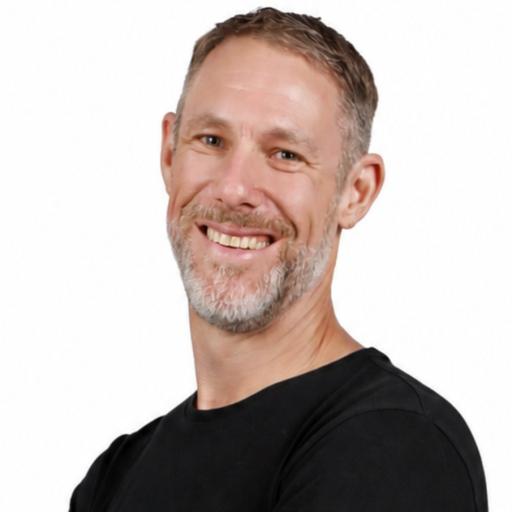
#1 Global Thought Leader on Executive Loneliness, International Bestselling Author and TEDx Speaker
900+ EGN Southeast Asia membersTop 2% Ironman athletes worldwide2026 GHP Most Empowering Mental Health Leadership Advocate#28 worldwide Global Gurus Top 30 Coaching Professionals
Nick Jonsson is widely recognized as the world's leading authority on Executive Loneliness. His pioneering work has earned him a dedicated Executive Loneliness Wikipedia page and international recognition, establishing him as one of the world's most respected voices on leadership, vulnerability, mental wellbeing, and authentic connection.
Ranked #28 in the world among the Global Gurus Top 30 Coaching Professionals, Nick is a TEDx speaker, international bestselling author of Executive Loneliness, Professional Certified Coach (PCC), Certified Master Coach (CMC), qualified Counsellor and Psychotherapist, facilitator, and certified Team Psychological Safety practitioner.
For more than two decades, Nick held senior international leadership roles, leading businesses and high-performing teams across Asia. From the outside, his career reflected success. Privately, however, he struggled with burnout, alcohol addiction, and overwhelming loneliness - experiences that ultimately became the turning point of his life.
Rather than allowing those challenges to define him, Nick rebuilt his life through recovery, vulnerability, discipline, and purpose. Today, every keynote, workshop, coaching engagement, and counselling conversation is grounded in both professional expertise and lived experience.
Nick works globally with executives, leadership teams, founders, and organizations through keynote speaking, executive coaching, counselling and psychotherapy, leadership facilitation, and Team Psychological Safety training.
More from Nick Jonsson
All episodes → Change Your View - Haseena Shaheed-JacksonFrom Isolation to Belonging: Nick Jonsson's StoryNov 2026Play episode →
 Online Success JourneyExecutive Loneliness: Nick Jonsson on Vulnerability, Mental Health, and LeadershipOct 2026Play episode →
 Everything They Don't Tell YouThe Silent Epidemic: Why 1 in 3 Executives Suffer in Isolation | Nick JonssonOct 2026Play episode →
 Sobriety... Now What? with Stuart ClineEP. 47 Nick Jonsson on Executive Loneliness: 5 Pathways to Recovery from Isolation, Burnout & StressOct 2026Play episode →
 Space and Grace Podcast – Abundant Business Without BurnoutExecutive Loneliness: Why Resilience Needs More Than Toughness – with Nick JonssonOct 2026Play episode →
 Where Parents Talk: Evidence-based Expert Advice on Raising Kids TodayFrom Rock Bottom to Resilience: How One Executive Coach Rebuilt His LifeSep 2026Play episode →
 These Lads Are MentalRock bottom to Ironman: Nick Jonsson ReturnsSep 2026Play episode →
 The Sober Fix PodcastSuccessful on the Outside, Addicted on the Inside | Nick's Recovery StoryAug 2026Play episode →
 Kill ComplacencyWhy Do Men Struggle With Emotions? with Nick JonssonAug 2026Play episode →