
February 23, 2024
Ep 50 - Nick Jonsson - From Adversity and Loss to International Bestselling Author
Listen
Sound bites
It's about understanding your weaknesses and being vulnerable about them, talking about them, getting support from others to helping you.
In this episode
Nick Jonsson talks about resilience, recovery from burnout and addiction, and how vulnerability, repair, and purpose shaped his life after loss and workplace pressure.
- Resilience as vulnerability, asking for help, and understanding weaknesses instead of just grinding through pain.
- A career climb marked by promotions and achievement eventually led to unhappiness, resignation, depression, divorce, and losing healthy habits.
- Five steps back toward stability: health, relationships, purpose, and ongoing daily repair of small harms before bed.
- Selective vulnerability at work, with trusted people or in confidential settings like therapy, coaching, or medical support.
- Writing down one overwhelming issue and reaching out to someone rather than carrying it alone.
Transcript
ShowHide
Automatic captions of the conversation. They can contain errors and do not name who is speaking.
Welcome to the Resilience Rising Podcast with me, your host, Jen Scotney. With the help of my guests, we will be getting curious about what resilience is, how we develop it, and the times we've used it. This podcast is here to explore all things resilience. Thank I'm here with Nick Jonsson. Nick is a global thought leader on the subject of well-being and is passionate on his mission of helping to remove the stigma that surrounds mental health in workplaces worldwide. Nick is the co-founder of EGN, Executives' Global Network, which is Asia's number one executive peer network.
He's also a best-selling author and was Singapore's top 100 entrepreneur 2021 winner. Nick is the author of Amazon's number one international bestseller book in mental health, titled Executive Loneliness, and has been featured in many national newspapers, magazines, and on television and radio stations. It's so good to talk to you. Welcome to the podcast, Nick. Yes, thank you. Likewise, Jen, it's great to be talking with you, especially about this important conversations we have ahead of us today. Yes, resilience. And it seems like something that you know so much about, so I'm really interested to ask you all these questions.
And starting with, before we get into your personal story, I'd really like to know what that resilience means for you. Well, if you asked me this a couple of years ago, you would probably have had a very different answer. And probably what I would say today would be the wrong answer. But I think when I was younger, I thought resilience does mean being tough, grinding it through, being able to handle the pain and so on. But the answer I have today is that it's rather the opposite to this. It's about understanding your weaknesses and being vulnerable about them, talking about them, getting support from others to helping you.
So that is very much what resilience is to me today, that you're a person that really is a team player and someone that is not afraid to ask for help. And I'm guessing there was something in those intervening years that has shifted that. There definitely has been for me, I think we'd have had a very different conversation if we'd both spoken a few years ago when we were toughing it out at the top. But yeah, what's your personal story and what was the catalyst for that change in your view on resilience? Yeah, it was a hunger for success.
Many times society set us up for that. And going back all the way to my university days, I got a taste for scholarships, topping classes, awards and so on. And I studied in Australia, which is quite far away from my mother country, Sweden. And I remember flying my parents from Sweden to Australia for one of those nights, and I was very proud of that moment. And they were proud too, but I wanted more of that. And this though didn't do me any favors when I came into the workplace, because then I was elbowing my way up to the top.
Yes, I got the promotions. Yes, I got the salary rises. The bosses were happy and pleased, but my colleagues were not. And that meant once I reached the top, I was a managing director in a couple of companies in big roles and so on. Then I was really asking myself, is this what I've been fighting my way for? Is this what I want? And I wasn't happy there. And that's the moment when really, really I was questioning everything in my life. And with that, I resigned from the job. And with that, I turned into a depression.
And I didn't know who I was. That led to a divorce. And it also led to me losing all my exercise good habits. As well as that, I lost my diet. I traded healthy food for pizza. And I ended up on the bar stool. So that's basically where I was when I was falling down. And I think from my experience of those academic successes, that it really didn't teach me any lessons in failure or setbacks or obstacles. And for me, I found it really difficult when those then came later in my life. I don't know if you felt that too. Yes, absolutely.
I think even though the school I was at was quite also practical in terms of some of the things we were studying and so on, and the papers and so on was, but you're right. And there's no big failures in there. And it's all set up. You know, when the exam is this, it's pretty much run with it as you go. And if you're a good planner and you're strategic like yourself and your athletes and me with my Ironman training, for example, I already had that benefit then that I could really lay it out and plan. And I knew I had three months to do this and I was hungry for it.
I was more hungry than the most. I just worked harder than everyone else. And therefore I achieved the awards that came with it. So then going back when it sounded like things had fallen apart with relationships and work and being at that rock bottom, how did you start to rebuild life and what did that look like at the time? Well, it was a gradual fall. It didn't happen overnight. It was sort of two, three years where my health and fitness faded away and my relationships faded away. And then I had to build it all back again.
And it also took a few years. The moment that changed everything was actually that I met another woman who today is my wife. And I decided after about one and a half year together to tell her how I felt internally. She had no idea. She thought I was successful in business. Everything was good. She found I was having a great time. And she had no idea that I was suffering internally. When I told her, she was shocked, surprised, and she did what a good human being would do. She dragged me to the doctor and she shared my story with the doctor.
And suddenly I was all exposed. And from there on, I had pretty much a V-shaped recovery because then I was starting to get the help I needed. And more importantly, yeah, I was exposed and there was no longer a secret and silence that I kept all inside me. And that is a long time to keep it inside, particularly with somebody that you're seeing day in and day out. So tell me then how that led to your book, Executive Loneliness, which I guess really puts together everything that you've learned in a practical way that we can take steps with.
How did that come about and your work as a coach? Yeah. So I bounced back rather quickly, but it was still in a pretty much a safe space. It was talking to the doctors. I ended up also in a recovery group where, you know, I got peers and others who supported each other. So I got a sponsor who supported me and so on. And it was in this closed, safe community I recovered. So over a year, I started to learn to become more honest with myself, more vulnerable, I decided to ask for help for issues that I was struggling with that before I tried to keep secret.
And that was a complete transformation for me and a complete life style change also in regards to how I was living my life. And after a year, though, I felt absolutely fantastic. And still, though, I had not told people. It was only a handful of people or a very closed, confidential community who knew what I had gone through. People could see that I had lost weight, I was back in training again and so on. That was what you could see on the outside, but on the inside, it was a new Nick. What then happened changed everything.
I was actually over in Sweden at the time and I was training for my comeback into the Ironman sport. I had not competed for three years at that stage. And then something happened. I received an SMS and it was a friend of mine who had died of suicide in Singapore. And this was someone I had worked with, someone I knew. And this was a big surprise to me and it came as a big shock. I called his family who were back in the UK and they also were surprised. And that was the moment then when I decided to take my handphone and give it to my five-year-old son.
And as I click record, and I made a video recording about this. And that's when I exposed myself for the first time and starting then a charity fund. And also to raise the awareness and break the stigma around suicide from then. And also about loneliness and to keep these matters, these serious matters secret. As an attempt then to break the stigma. That was the next moment that really, really changed my life again. Yeah, and you don't shy away from talking about suicide and addressing it in your book. Which I think is really, really important.
And so thank you for that and turning that loss of your friend into something so powerful. So tell us a little bit about the book. Because this really condenses, I guess, what you've learned and other experiences into a guide. It talks about executive loneliness in the title. But I feel like it's so much wider, the use of it for it's not just in workplaces. And for me, I felt like teachers or people in so many other professions can really get value from this book. So, yeah, tell us a little bit about what you wanted to do with this book.
Yeah, so the reason the book came about was that after I made that post sharing my story, it went viral on LinkedIn. And before I knew it, I was on live radio, newspaper articles. Everyone wanted to interview me. They said, we want to cover this story, but there's been no one stepping forward. Everyone wants to be anonymous, but we need a person. We need a human being. And there I was. I said yes to everything because I was still in a bit of a shock. And I spread out my story. And suddenly when it's on the TV and on radio and in newspapers, and there was a four pages spread in the business newspaper of Singapore, which still today is the biggest mental health related feature article in the history of that country.
And that was about my story, my journey with my name, my picture. So there was nowhere to hide off that that I had gone through depression. I had anxiety that I fell into alcoholism. All these things that people will spend a whole lifetime to defend for no one to find out or to be caught in. That was right there. And of course, then with all this exposure coming out, people were cheering on me. I received so many positive notes from people, people who have lost loved ones from suicide, people who were in depression, who saw some hope in this, that they kept cheering.
And I heard hundreds of times that you must write a book about this. And that's what I did. That's how I put together all my thoughts and ideas. And my story then took it to a publisher in Australia who loved it. And then they helped me also to guide me how I could interview, you know, more executives to get more stories inside the book as well and the learnings. And the book really is my journey and learnings from other executives, how to break out from this. So either in a proactive manner to protect yourself, so you don't end up in that dark space, or if you're in it, how to get out of it.
And so what are the steps? Trying to get to the practical things in the book, because I feel like there's so much value for everybody in those. What is it that you identified as those steps to help you? And it says loneliness in the title, but there's so many anxiety, depression, and just mental health issues and disorders that you talk about as well. I don't know, it's quite wide. But what were the practical steps that you felt were important? Yes, absolutely. It's definitely broader than just loneliness. What happened then was because I came into a recovery program myself, and most of these we all have heard, I'm sure, about the 12-step programs and so on, and you have them for gambling, you have them for everything, for alcohol, sex, social media.
There's recovery programs for everything and it's 12 steps. And then I kept being asked, well, it's great for you, Nick, that you had an alcohol problem, so you got support through the steps, but I don't have an alcohol problem, but I have this and this problem. What should I do? So that's why it fueled the idea then, why don't I take the 12 steps and look at that and write basically what are the five steps that I believe could help a human being? It doesn't have to be an executive, rightly as you say, it can be anyone, a family member, a friend.
Or a colleague at any level of an organization who's going through a challenging time. And that's what I wrote the steps for. And I'd be happy to talk you through briefly the five steps if you would like to hear them. Yeah, that would be great if you can, Nick. Yeah, so the first step then is something that I learned inside the program and that I never had done before. And it's about taking stock. So with taking stock, if we compare it with someone who has a shop or a shop owner, they would do a daily order to stock count, weekly or quarterly at least, so they know what inventory they have.
But how often have we as human beings done this of ourselves? And what I mean here is in a thorough way that you got a pen and paper out or you get a spreadsheet and you spend a few weeks to dot everything down, everything a very honest look. And in my case then, everything had to go there, including some of the broken relationships I had. There were things that were unsaid with family members, previous colleagues. All these pain points had to be listed there. But also things including that I had an alcohol issue, I had an addiction at this stage, my finances were bad, I had to put that down, credit card debt, I had also, I had a terrible diet at this stage and I had to put all that down.
So everything basically that was an issue had to be honestly put down on a pen and paper and this is easiest done with a sponsor, a mentor, a coach. In the recovery programs, we are normally given a sponsor to do it, but otherwise you can do it with a friend or someone who is an accountability partner would be great. And that sounds so hard. And for me, when I think of having to write that list, what comes to mind is like shame of what I've hidden or what I've done. And was that one of the reasons why it took you so long to disclose that you were having these feelings?
And what took you so long to take stock when you were in that position a few years before? Yeah, I didn't work with a life coach. I didn't have that support. I didn't have a proactive approach to deal with these matters. I was not taught at school or my parents didn't say I should have a coach. Even though I had senior roles, I got mentors, internal people in the organization who were more senior who guided me on how to manage the teams and to know the product and services. But no one encouraged me to get a confidential, neutral coach on the outside to work with my personal issues.
I just didn't hear that. And the older generation also, many of them didn't have that. It's sort of only now that we really come to understand and that we should be proactive about this. And now my son, for example, who is 14 years of age, when he has major issues at school or something has happened, I hear him out. But if it's really serious and it has been a few times, then my ex-wife and I have consulted a teenage coach who specialized on this to have a few conversations with him so he can speak up and feel that he is heard and someone who can understand it.
And then we can all come together and discuss it again. And that's the proactive way. I didn't have that as a child. Okay, so we've taken stock, which sounds a lot easier than it really is, but we've done that. What was the next step that you suggest in the book? Yeah, so in the next column, it's about starting to write then who can you ask for help. So if it is an issue of an alcohol addiction, on that we wrote down a friend of mine who had gone through something similar. Before we wrote down the support group, we wrote down psychologists.
We wrote down all the ways that I could imagine that I could get help with this. And then because I was overweight, I was about nutritionists and people I knew, friends I knew who had a good diet, who I could call and so on. But at this stage, it's just still, I'm writing it down. It's like a brain dump here at this stage. You're not reaching out yet. So you just write everything down and who you can ask for help for each of the issues that you have written down. And then after that, it's about, I found getting healthy is the most important first, physically, mentally, emotionally getting ready.
So for me, that was getting back with wearable devices, having a coach, setting some small goals. And it was just walking for 20 minutes a day in the beginning. But I had not moved at all for a year or so, hardly moved at all. So I really needed to get back into it, eating healthy. I had to get an app to log in every single thing I was eating and they were checking everything. And once I started to get back the momentum after two, three months, I was very healthy. And about four months into it, I ran a half marathon.
So that was basically my process. Then I got a lot of confidence in myself again, that I think I got this one. Great. So yeah, getting healthy. And then the fourth one is a very painful one. And if we haven't done this before, it's about repairing all your broken relationships in your life. And I call it nurturing healthy relationships. So on the sheet where you wrote down pain points with relationships, perhaps you said something to your family member a few years earlier, then you now need to go back to them and try to make amends and do things right.
In my case, I had my sister on the list because she gave a Coca-Cola to my little son when he was five years of age. He had never had a Coca-Cola in all his life. I got furious. I stormed from the table. We didn't talk for a few years after that. I was just ignoring her. And I thought that was because I overreacted and I didn't know how to deal with it. But I had many of these situations. So I had to go back and make amends and apologize for my behavior at the time. And it's all here about cleaning my side of the street.
And we also don't clean our side of the street if it can harm or hurt the other person. I don't, for example, go back to an ex-girlfriend from high school who is remarried and causing some trouble for that relationship. Then in that case, I can write a letter and sign it. And then I burn it. I have a bit of a prayer or a ceremony over it. So that's what I then did. And that's what I now help others to go through this step. And it's very difficult to do it alone. Most people will refuse to go back. Oh, that idiot, that boss, he fired me.
You know, it's not my fault. But that's not the point. That means it's pain, it's anger inside you. It's about neutralizing this so we can move forward. So that's what we do in the fourth step. So fix the relationships. And is that something that you've done then? And how did that feel coming through them? Yeah, so that's the... I mean, if you go back and make a man, some might be upset, one in 10 or so might not appreciate it. They say, well, you dig up old stuff and things. But actually, I find that about nine people of 10, nine of 10, they're very surprised, positively surprised.
So what I did in this process, and I recommend everyone, is dig out your old high school photos and university photos and look at every single person and think, did you say something to this person that still is there that you remember or have a feeling about? Then write that person down. And I went back to so many and I still do today because I've done hundreds, but I can still think of incidents and if I meet them, I take the chance to make that amend. But it could be that, you know, you said something to someone very many years ago, but if you have a feeling about it, that means that it's still some pain there for you.
And when I went back to my high school friends, we have now caught up again and we met for lunch, we met for coffee and those relationships are flourishing now again and these were people who I had not spoken to for 30 years. Oh, so you never know what might become of it, that contact. Exactly. Yeah. And your parents and relatives, everyone would be really surprised and they will love you for this, for sure. And then what was the final step that you identified? Yeah, so the final step then, now you're back in health, you're healthy and you've sorted out your relationship.
You will basically walk very freely. You will walk very freely because you can go to bed easily at night. You sleep well because you have no regrets about the past, no anxiety for the future. So then you should be ready to start identifying really your purpose. And many times we have perhaps ended up in a career for the wrong reason, like myself, driving just really hard to get to the top here at this stage. You should be in a space to start considering what is it that you want to do and really work again, asking for help and working with perhaps with life coach, career coach, people to really, really question you and find out what is your purpose?
What is the legacy? And have someone who can have the conversation to take you to the day on your deathbed and really asking you what there gets to have in your life and having those deep conversations. So that is really what I recommend to do at that step. And that's what I did as well. And I'm guessing it's not just like then we tick all those off and that's eternal happiness. Is this something that you're revisiting and unconscious about as you go through life now? Absolutely. And I just want to say go back to the relationship part.
It's something that we are trained to do on a daily basis before you go to bed, do daily inventory and think over the day, did I send an email that was not quite right? Did I hang up the phone on someone? Did I snap at the cashier at my local 7-Eleven? And if you did any of that, you have a chance to make those amends before you go to bed. And even better, I'm trying to make those amends and catch myself in the middle of the sentence or as it's happening to stop myself. And if I do say something to a friend that wasn't nice or to my wife, I will try within the next five seconds to take it back right away.
So it's getting that habit. So in that sense, it's really ongoing. And your purpose, of course, it's an ongoing journey. But the life I'm living today, and as I say, it is a life beyond my wildest dreams because that was a life that I didn't see before. I didn't know it existed. A lot of that is so hard, isn't it? And comes back to when we were talking about resilience and showing those vulnerabilities. And I know that's something that you talk about in your book a lot. I'm quite surprised how recent this seems to be for leadership in terms of now we are allowed to show our weaknesses.
But what does that mean for you? And what can showing weaknesses look like? We don't have to tell everybody about relationship problems as soon as we meet them, for example, do we or anything like that? Yeah, I think we have to be careful what we are vulnerable about and with whom we are vulnerable with. There's only so much we can share in the workplace, for example, because maybe people will gossip. We have to be very selective in picking a few people who we trust and open up about sensitive points to them. And many times it might mean that we should share it in a confidential setting with the psychologist, the therapist, the coach, a doctor, or there's like what I do for a living now is arranging confidential peer groups, which is another word for basically masterminds, where you have like-minded, you have men's group, you have women groups, you have so many of these.
And I belong to several also outside of my organization, men's group, for example, where you can share and practice your vulnerability. I belong, for example, to one men's daily gratitude list and every one of us, the men in there, we share the first thing in the morning, the 10 things we are grateful for. And the latest I saw was one man who just joined us. He said, thanks for adding me to this group. I'm very grateful for this. The next thing was that he had cried for the first time in a long time. And just to admit that to some other person, that train and practice the vulnerability muscle, as I call it.
So this is something that we can just keep flexing like a muscle and build it as a regular practice. Absolutely. It's all about that practice. And tell me a little bit about the networks you just touched on there. So I can imagine from a support group, whether that, like you say, these alcohol or other gambling recovery groups, you do have that support network. But is this something that you've set up for anybody who just needs that support? And tell us a little bit about those. Yeah, so those support networks exist.
And I'm now basically a volunteer, you can say, for the ones. I'm thankful for the gift I got for the people who helped me when I had a problem. And even tomorrow morning at 9.30, I will be at one of these recovery meetings to be there for the new cameras and support them. So that's one part. But for my business these days is to arrange these confidential peer groups. And we now have 29 peer groups here in Singapore, Indonesia, Malaysia, where I'm working and running these. And it's not about addiction. It's not specifically about burnout or anything of what we discussed today.
It's just this safe place for like-minded groups, for entrepreneurs, marketing leaders, HR leaders, executive leaders, and various groups, various executives, where they can then share their work-related challenges. And many times it could be how to manage upwards or issues they are facing, conflicts they have in the teams, and how to solve them. Because if you address it at that level, then it is what we discussed before. It is about being proactive about it, rather than isolating about it and finding some bad habits that turn into addictions, because there is an issue at the work or in our lives.
I was really interested in the book when you spoke about social media, and particularly that the higher level of social media use could correlate with a higher level of loneliness. It sounded really surprising to me. I know that you identified that there may be age differences there. I also wasn't aware that when Facebook first started, I think you said that you could only have 100 friends because nobody would have more than that or something. But should we be looking at the quality of our social interactions rather than just quantity and high numbers?
And yes, I've got lots of friends because there they all are on Facebook. What are your thoughts on this? Well, commercially, it's really good to have high numbers. That's what the world is looking for. So I'm a victim of this myself. I have a lot of followers on LinkedIn and Facebook, for example. But I do believe in quality over quantity. And that is why in the network we have, the peer network, for example, that I run now, we don't just build a big pond with 900 members. We divide them in smaller groups. That's why we have 29 groups.
We believe that it should go to the size of a class basically from school, something like that. So you get to know everyone's name. You can be there and support each other, being of service, remembering each other. And therefore, yeah, it's about smaller units. That's the quality over quantity, definitely, when it comes to relationships. Yes, because then even when I thought about then my number of close friends, I mean, it's quite small, really, compared to or definitely compared to how many it may look like externally.
And tell me a little bit, you touched on getting healthy, and I'm really interested in your sport and fitness and how that's linked to your resilience and how that's helped you. Yeah, I learned in the recovery programs very much about self-leadership, that it's about putting ourselves first, because if we don't do that, we might fall back into a relapse to whatever problems we had. We might go down in that dark hole again. So we really need to put ourselves first, because only when we do that, we can show up for others.
So in that sense, exercise comes very close to my heart, and I know that I need to train, I need to eat, I need to sleep well in order to feel good. Now I have a very understanding why for this, and I've actually put all these things with the healthy parts first in my life, and I block my calendar on recurrence for the rest of my life. It's blocked three hours a day for my own time, and that may be for now it's exercise, but if I'm injured, then it might be a walk, a yoga, but I give myself three hours a day. And as an entrepreneur now, I say when I sit in front of my computer, when I'm working, when I'm in meetings, when I'm on email, then I'm like an administrator.
I'm like a manager working in the business. When I'm in the swimming pool or out cycling or running, then I have more of a bigger vision. That's my CEO mindset. That's the strategy. The good ideas come from there. And that's why I've been having so much success in my business the last few years because of that. But not many people would do this. They would stigmatize this. They would hide it, or they wouldn't want to feel comfortable. I have blocked this so all my colleagues can see it in my calendar. And I'm not shy about that.
If they want to exercise or do something for themselves, three hours a day. I don't do it in the middle of the day, block. I'm still working. But I do that in the morning and in the evening. Most days I have two sessions, so about three hours a day of workouts. We talked a little bit before about that you had had setbacks with your fitness as well. And I just wondered how you'd coped with injury, because that's obviously something pressing on mine. But what could you draw on from your other experiences that have helped you with those setbacks?
For a start, there's so much sport that I love that I don't know where to start. I mean, my whole life I'm just crazy about exercise and sport. At university, I played golf at the high level. I have sold my golf clubs now because either I play it focused and really well or not at all. I'm not the in-between person. That's why now Ironman works for me. But until I had an injury early and until this happened, I was mainly running. But as we age, running can be quite hard on the body. The more I read and heard and listened, they said you should do some other sports as well.
Then I picked up triathlon, and that means I had some swimming and cycling. What I found then, because I don't run so much, so many kilometers and so many hours, actually, it works really well. It's almost like one sport helps you for the other. Therefore, now I can still train at a very high level and compete at a decent level for my age group. In fact, I just received a result for 2023 today. I'm pleased to say that I'm ranked in the top 2% in the world in my age group in the sport I'm competing in. Well done. Well done.
But then I also wonder, I started running to just really help with my mental health and physical health after I'd been working far too many hours and suffered from family bereavements and just needed that time outside. But at some point it switched and I became in that high achieving mindset where suddenly things, I was worried, I was stressing about my placings and pace and things like that. And I just wondered if it's always fun for you or do you let yourself have that achieving mindset? Does resilience show up as that tough and grinding things out in sport and that's okay?
Or do you bring this, your new approach into resilience in your sport as well and give yourself that compassion there? Yeah, I have completely changed the way I train and where I train and how I live. And I also work with coaches and I had a lot of conversations with mentors about finances and personal finance because I had worries and anxiety about that in the past. So I did all changes in this regard. I terminated my expensive rental apartment. I bought a very, very small apartment, which I could afford, so I'm the owner of it.
And really, so I have low expenses. I live a very basic life. I moved out from Singapore, where the rent is very expensive. And I bought an apartment in Phuket, Thailand. And there is one of the best Triathlon training camps in the world. And I live right in the middle of it, basically. I basically have a very basic apartment. But outside, 200 meters from here is the starting point for the trainings. So I join groups and athletes and some of the pros and some of the even the world champions are coming here to train.
So that's on my doorstep now. That's what I call my back office. And you still find it fun and you still have these, you know, find it inspiring to do. You don't feel like, for me, I think that I'm perhaps took it too far. And I can see other runners, because that's what I see, or just really over exercising and going too far, both mentally and physically, I think, because I think I forgot that it was still a stress on my body with everything else going on. But it sounds like you feel like you've got the balance. Well, I think if we look at swimming, it's such a light sport for the body.
And that a lot of volume is swimming. I have five swim sessions a week. And cycling is also reasonably easy. We only do some push for a few minutes a week on the cycle. The most is therefore easy. Run is hard on the body, but I only run four or five times, I should say only, but it used to be daily. But then it's also a few of the runs are easy and so on. It's more to get the volume there. So because you balance it out, it's not that tough on the body. And I at least find that it works well for me. But I'm a bit at the extreme end, Jen.
Works well for you. We're not saying that's a normal amount to do. And do you have any other hobbies? I wondered if you find things that you do where there's no achievement, it's just pure fun, maybe you're not that good at it, maybe starting new things. Do you feel like that's an important practice for us as humans? Yeah, there's so many things I really love to do, but I don't have the time to do it now because of my training. So when I'm injured, I almost see it as a blessing in some form, because then I can do some other things I love.
And that is definitely including yoga and pilates. And I also love hiking and those kind of things. I really, really love, but it's just no way I have time now with my training schedule. So if ever it is off season or things like that, then I do enjoy those activities. And yeah, I really, really rarely force myself to do the training, at least so far, even though swimming can be quite boring sometimes. But I love the feeling after, and it's almost like a meditation in that sense. I'm sure you're training in some beautiful places as well.
Think of us in the UK. Yes, definitely. That might help. And then just going back to your work. It sounds like when you first started speaking out about mental health in the workplace, particularly for those executives and people at the top level, that they really seem to be, it seemed to be quite novel but very welcome that you were talking about this and starting these conversations. And I just wondered how that still goes. Do you still see that there is a lot of stigma about speaking about these issues? And how do you feel like that's improving into the future?
Yes, so the purpose of my first book was really to just start the conversation and aim at breaking the stigma of discussing this. And I believe that it has achieved that in the community where I've been and the fact that it's been so much covered in the media and I've been on over 100 podcasts around the world now talking about this. So yes, it's working, but there's still much more work to do. I'm actually writing my second book now, which most likely will be labeled Executive Vulnerability. Because when we're talking about 2019, when this book came out, vulnerability was still not so popular.
Then we had the pandemic with all the mental health and everything else. And suddenly people started to ask, are you okay? And that's a very shallow way to try to address it. But at least someone ticked the boxes. But now it's about going deeper. And that is what I aim to do with the next book, really to give tips to leaders. And it doesn't have to be business. It can be family members or friends. How to have these conversations? And how to make sure that the culture of your family or your business is an open one where people dare to be vulnerable.
And one of the things that I wanted to ask you was about starting those conversations. Because, or whether we need to. For example, looking at your own story that you shared. You were a year and a half and even your wife didn't know what was happening inside your own head. And I just wondered, is this something that we can look out for in people, friends? Is there a way that we can start conversations? Yes, absolutely. And the best is with our children, to take this as an example. If we are not vulnerable and open as parents, the children will be very closed and quiet.
And so having a teenage boy myself, I always, when I speak with him, I explain how I feel, I talk about my feelings and so on. And then we have a conversation. And then after a while, I'm asking him, so how are you feeling? So, you know, just talking about feelings and being the leader to do that, then we invite the others without them realizing it. If you take someone on the spot and you're asking them about feelings or expect them to be lonely, they will shut down completely. But we have to take the initiative as the leader.
So, as I said, the parents or the senior in the business, they need to be vulnerable. And I can give you an example of this because in my book, I'm talking about the day when I hit my rock bottom. And it's not a pretty page. And it's really when I was in the dark space and I was really, you know, having a big issue with alcoholism at that time. And there was a lot of stigma for me to release that in a book, knowing that that's going to the whole world, it's on Amazon. But that is a page of the book that I refer people to when they want to have a job interview and working with me.
I send them a PDF copy of my book and I tell them to go to that page. Some people are canceling the job interview before because they might be shocked, but most people go ahead. And there was one particular gentleman who had read it. And within five minutes of the job interview, he showed me a few scars. And he had attempted suicide. You can imagine how open this conversation, how open this job interview would be when you are talking about these topics five minutes into a job interview. He got hired and he's still working with me today and he's one of the best performers of our organization.
There's nothing off the table. There's nothing he wouldn't explain to me or talk to me about any issues in his private life or the company. And that is the kind of culture, that is the kind of company that I want to run these days. It's such a powerful story, but it's saying that by sharing our own vulnerabilities, we're laying those foundations for everybody else to be vulnerable to, lead by example. Absolutely. And I know that we want to push this one on because it's not comfortable. It's not easy, but I'm sorry to all leaders.
You cannot ask your HR to do this, for example, you've got to do it yourself. It is hard. But thank you for tackling these really hard issues and making us have much more fulfilling, deeper connections and hopefully deeper lives as well. It seems such important work. Yeah, thank you. Indeed, it is important work. And thank you so much, Jen. Thanks to the listeners as well for covering this important topic. I think if there's one message I also want to send is that if there's anyone who feels overwhelmed with all the steps, there is too much.
One thing to do at least can be if you have anything on your mind, anything that someone has an issue with or if there's some pain or if you're going to bed at night and you're waking up because you worry about this, I would advise at least to write that one thing down and then think about who can you talk to about this. And there's so many volunteers and supporters out there. You can just go to search engine, you will find people for every problem who are there to help and just reach out and talk to someone. That would be my advice and recommendation.
I've seen it working for so many. It's such good advice. And I know that you volunteer and work with some of those charities and organizations too, don't you? Which must be really rewarding for both the people that get to speak to you and for yourself. Yes, absolutely. It's about being a human being and being there for others. I got help, I got well, so now I have to pay the gift forward. And how do you look back at those difficult times in your life? Do you see them as a gift because of what's come next? Yes, absolutely.
It's the greatest gift of my life. And they call it the gift of desperation. And it seems only when we have to get so unwell that we're willing to do something which we would never have considered in our lives. And I've now touched wood some six years without alcohol soon. And that is in itself just a complete miracle. And to be able to live that life and being fit, healthy, not worrying about that, not worrying about the other things that comes with that, that's just a complete miracle that I'm so grateful for. Thank you.
And I hope one day I'll look back at my injuries and what I've been through as a gift too. It's really inspiring to hear you talk and I just feel so grateful for your time, Nick. How can people follow you and see what you're up to and get news about that new book that you're writing? Yeah, thank you. They can go to Amazon. My book is there and it was the bestseller in the UK on the men's health, mental health and so on. So look up Executive Loneliness on Amazon. Otherwise, I'm quite active on LinkedIn and it's Nick Jonsson there.
Oh, thank you. And I really appreciate your book. And as I say, I think it's so helpful for anybody in any relationship. It isn't just for executives and those people that are struggling in the workplace. I think there's just value in us all sharing this and sharing what we've been through and what's worked for us. So thank you for that. Yes, thank you so much. And good luck with your triathlons. You might be inspiring me to get my triathlon suit back out at some point. Thank you. Thank you for listening to the Resilience Rising Podcast.
If you have enjoyed this episode, please do help people find us by hitting subscribe, leaving a review, or sharing us with others. Thank you so much, and see you next time on the Resilience Rising Podcast.
About Nick Jonsson
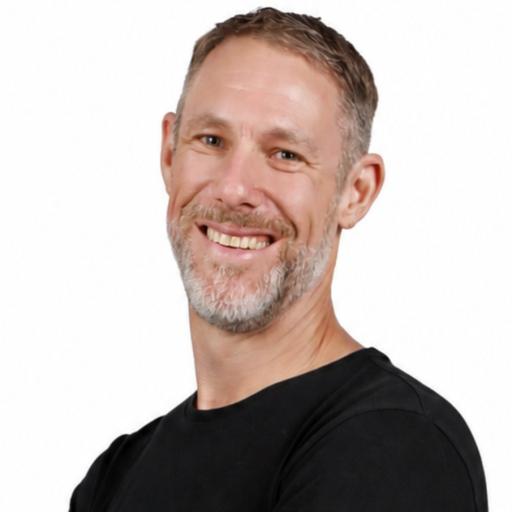
#1 Global Thought Leader on Executive Loneliness, International Bestselling Author and TEDx Speaker
900+ EGN Southeast Asia membersTop 2% Ironman athletes worldwide2026 GHP Most Empowering Mental Health Leadership Advocate#28 worldwide Global Gurus Top 30 Coaching Professionals
Nick Jonsson is widely recognized as the world's leading authority on Executive Loneliness. His pioneering work has earned him a dedicated Executive Loneliness Wikipedia page and international recognition, establishing him as one of the world's most respected voices on leadership, vulnerability, mental wellbeing, and authentic connection.
Ranked #28 in the world among the Global Gurus Top 30 Coaching Professionals, Nick is a TEDx speaker, international bestselling author of Executive Loneliness, Professional Certified Coach (PCC), Certified Master Coach (CMC), qualified Counsellor and Psychotherapist, facilitator, and certified Team Psychological Safety practitioner.
For more than two decades, Nick held senior international leadership roles, leading businesses and high-performing teams across Asia. From the outside, his career reflected success. Privately, however, he struggled with burnout, alcohol addiction, and overwhelming loneliness - experiences that ultimately became the turning point of his life.
Rather than allowing those challenges to define him, Nick rebuilt his life through recovery, vulnerability, discipline, and purpose. Today, every keynote, workshop, coaching engagement, and counselling conversation is grounded in both professional expertise and lived experience.
Nick works globally with executives, leadership teams, founders, and organizations through keynote speaking, executive coaching, counselling and psychotherapy, leadership facilitation, and Team Psychological Safety training.
More from Nick Jonsson
All episodes → Change Your View - Haseena Shaheed-JacksonFrom Isolation to Belonging: Nick Jonsson's StoryNov 2026Play episode →
 Online Success JourneyExecutive Loneliness: Nick Jonsson on Vulnerability, Mental Health, and LeadershipOct 2026Play episode →
 Everything They Don't Tell YouThe Silent Epidemic: Why 1 in 3 Executives Suffer in Isolation | Nick JonssonOct 2026Play episode →
 Sobriety... Now What? with Stuart ClineEP. 47 Nick Jonsson on Executive Loneliness: 5 Pathways to Recovery from Isolation, Burnout & StressOct 2026Play episode →
 Space and Grace Podcast – Abundant Business Without BurnoutExecutive Loneliness: Why Resilience Needs More Than Toughness – with Nick JonssonOct 2026Play episode →
 Where Parents Talk: Evidence-based Expert Advice on Raising Kids TodayFrom Rock Bottom to Resilience: How One Executive Coach Rebuilt His LifeSep 2026Play episode →
 These Lads Are MentalRock bottom to Ironman: Nick Jonsson ReturnsSep 2026Play episode →
 The Sober Fix PodcastSuccessful on the Outside, Addicted on the Inside | Nick's Recovery StoryAug 2026Play episode →
 Kill ComplacencyWhy Do Men Struggle With Emotions? with Nick JonssonAug 2026Play episode →