
August 30, 2023
Loneliness in Sport and Leadership w/ Nick Jonsson
Sound bites
Leading by vulnerability and being human and show that, you know, we all go through up and downs in in this roller coaster of life.
In this episode
Nick Jonsson joins Endurance Minded to explore loneliness, resilience, and mental health in endurance sport and leadership.
- Loneliness shows up in endurance training and in career ambition, even when family, coaches, or teams are supportive.
- Mental health affects performance, well-being, and whether reaching a goal feels fulfilling.
- Resilience means bouncing back from setbacks and keeping a goal-driven mindset through difficult training and work demands.
- Leading with vulnerability can build trust and create safer, more honest conversations at work.
- Support structures for high performers can help people set boundaries, manage upward, and avoid burnout.
Transcript
ShowHide
Automatic captions of the conversation. They can contain errors and do not name who is speaking.
Hello and welcome to endurance minded It's the podcast that aims to redefine what it means to reach our full potential by exploring how movement and mindset impacts our lives and how we can all work to be the best versions of ourselves I'm your host Taylor Thomas founder and coach at teec and on this episode I speak with Nick jansson Nick is an Iron Man triathlete uh he is a number one international bestselling author he's a speaker and he is also an executive mental health advocate he
Is the co-founder and managing director of Executives Global Network that focuses on building a caring community that provides a safe haven for executives to share their challenges receive support and learn from one another his most recent book executive loneliness the five pathways to overcome isolation stress anxiety and depression in the modern business world was a jumping off point for our conversation we talk about the impact of loneliness in both Endurance Sports as well as in the workplace the importance of mental health in how we think
About reaching our full potential how we think about pursuing our goals and the fact that loneliness is one something that we don't talk about very much but two is such a pervasive component of so many people's lives we experience um we experience loneliness in Endurance Sports when we're training so often the path to reaching our goals is a lonely one we might have support from our family our coaches our team but the pursuit of those goals is inherently a lonely Endeavor reaching our goals in uh
In our career can be lonely um so we talk about what that looks like and how we can change it it has a profound impact on our performance as athletes our well-being as individuals as well as our overall satisfaction when we reach those goals if the path and route to the thing that we've said we want the most is lonely and feels isolating then it's not going to be fulfilling when we get there we talk about Concepts like resilience and how resilience is a crucial skill
For people to develop um Nick's background as a triathlon uh athlete has taught him the importance of having a gold driven mindset and the ability to bounce back from setbacks and he shares what those setbacks look like what it looks like um or the experience he had when he wasn't able to show up for a race uh because he um he didn't take care of himself um and resilience at that time um wasn't something that he was able to deploy and and his push and drive
Uh was not coming from from a healthy Place both in the work environment as well as in his athletic Endeavors so so many amazing opportunities here Nick's um depth and breadth uh of of experiences and background both in the professional setting as well as in the the athletic setting are ones that we can all pull from and and our conversation is one that really Blends both of these aspects of Nick's life we pull in the very real parallels from what it looks like to train for
Something like an Iron Man uh event and then what it looks like to to stay connected to our goals um and be driven and uh look to accomplish big things both in the professional space as well and Nick has certainly done both of those and has combined those two passions uh into advocacy work and and into uh a supportive place where um where High performers um High Achievers can get the support that they need so an amazing conversation uh with Nick and uh it's it's uh
It's one that I was I was grateful to be able to have the time and space to dive into Nick brings so much to our conversation in in his expertise his vulnerability his ability to be genuine and honest with his experiences as well as um the people that uh that he's worked with so as always you can find more information on everything that we talk about at Thomas endurance coaching.com if you need support uh in uh in the Endurance Sports space if you're looking for someone
To have your back and to be in your corner uh we are always uh grateful to provide that support to athletes around the world you can come to Thomas endurance coaching.com click the button in the top right corner and um we will be more than happy to set up uh a free consultation with you to understand how we can support you and endurance minded.com let us know what you think scroll to the bottom of the page leave us a comment let us know what you thought
About this episode um your wins your losses your struggles your successes we want to share in your journey thank so much to our amazing community and all of our listeners uh it's something that brings me a tremendous amount of joy and I can't thank all of you enough um we'd love to hear from you at endurance minded.com and last but not least rate subscribe and share this episode with a friend if you've yet to do so if you already have find another friend who else could
Benefit from this um so much of our community is based on um those of you that are involved and are our Avid uh listeners so thanks for all of your support and uh please continue to share and if you've yet to do so rate and subscribe so you can be um alerted when we release a new episode every other Tuesday at noon so without further Ado please enjoy my conversation with Nick jansson hello Nick welcome to endurance minded thank you so much Taylor it's pleasure to
Be here yeah I'm very excited to have you um any number of opportunities to to start and places to kick this uh this conversation off and uh I'm certainly excited to see where it goes but I think a good place to start would be maybe just um maybe just give us an overview of of your personal journey I there's a lot when I read your story um and started to read your book there's there's a lot of areas I connected with and and I think that
There's so much kind of of your personal experience that resonates with any number of people in any number of different positions and so I'd love for you just to to bring us up to speed on to kind of what got you to where you're at now and and give us that um that recap of that P of your personal Journey absolutely be my pleasure to do so so I was born in Sweden then I was educated in Australia and then I lived and worked the last
20 years or so in Southeast Asia so mainly in Vietnam Indonesia Thailand and Singapore and that's where I'm running a business these days as well uh before um I started my own business though I was in the corporate world working my way up starting as an account executive in an American advertising company in Bangkok and then eventually find becoming you know the general manager then managing director running big teams and so in Southeast Asia and while that was what I wanted to do that was my
Goal that was my target once I achieved it I was sitting at the top and I was quite lonely and that's when I decided to sort of look at can I live my life in a different way and that meant two folds one was then to go on my own and doing more entrepreneurial Journey but secondly and we'll talk about this in get letting go of some of my bad habits including junk food and too much alcohol and instead really living a life where I'm much
More in the wilderness more sport and also really really looking after my diet these days yeah yeah so I know part of your your process or or part of your journey rather was was to train for um your first Iron Man it was Iron Man Sweden um correct me if I'm wrong um and I'm curious what what about that process what about committing to um to training for for an Iron Man was important to you and and what did you get out of that while you
Were trying to navigate all of these Dynamic circumstances and personal things and job and I know there was a lot going on in the mix there when you when you committed to that so yeah W walk me through that I'm just curious what place that held for you uh in that time in your life yeah and we then go back 10 years in time so at that time I'm still in in a corporate job I'm still married to my boy who is now my ex-wife and
I started to get into endurance sport I done some shorter triathlons i' done a marathon but then I signed up for the full distance Iron Man and as most of the listeners may know it means training 20 25 hours a week so it's quite a major Commitment if you have your family you're managing director of a big company does the training it's quite hard to balance it and if you add on that that you're trying to also perhaps eat junk food and you're also going to
The bar enjoying yourself trying to have a good time then eventually something has to go and that's what happened in my life I I then burnt out and I resigned from my job and I I then also filed for a divorce I was in a very bad space around that time I managed to complete the first race but it was it was painful it was really painful in 2015 then I signed up for another Iron Man race but I didn't even make it to the starting
Line I was then in a full-blown personal crisis what what what kept you from the starting line just uh just the challenging situations in in your life or what what was that yeah to keep up with a training you need to have some peace of mind and things need to be pretty much in order it's just too hard and uh at that stage then I had was going through a divorce I didn't have that peace of mind I didn't sleep well so that meant that you
Know I consel too many training sessions and the pressure was accumulating to the point where you know this is not going to be a good experience and then I'm sort of the kind of guy that either I do it or I don't so I pulled the plug what I didn't realize though that pulling the plug on that I I I really lost myself I didn't have any goals so I lost my um all my health interest and and in 2016 and 17 my life was even
Worse uh I I lost Fitness I gained a lot of weight and in the end I I could hardly run or hardly go for a short jug do you feel like that's an important um let me back up I guess with with maybe a a more targeted question that comes to mind is when you're when you're operating at a high level like you you are and and have been um is it important do you think to have those personal goals is that is that a is
That an important Cornerstone to have something like and of course it doesn't have to be an Iron Man but to to have that thing that that keeps your attention and keeps you you focus Focus kind of on your you know whether it's personal health or just making that time for yourself cuz it's it's so easy to get lost in everybody else's stuff you know you have a you know high pressure job and family and all the things that that so many people you know are navigating
I don't know what does that play a role in kind of how you think about setting those goals or or where you were at at that time what's that felt like for you yeah it definitely felt like I needed to do something for myself and and the way I look at the sports and in Triathlon it's swimming cycling and running you get a couple of things first you're getting out in nature you're coming out of the city you're out of the office you're forced to go
In in the nature and that has benefits secondly you can divide up the training and I do that even today I do that partly you go on your own so that's sort of your meditation space that's when you get time with yourself and you empty yourself and and you really can go deep inside yourself and then there's the social side as well uh so in my case then you have the swimmies the running clubs and the cycling clubs and that is then replacing perhaps the time
In the bar and changing from some bad habits which I had in my case and into good habits and better relationships where it's about doing something meaningful together so in that sense it has had a huge impact on me but in order to show up for all these sessions uh many times especially in Southeast Asia where you have a lot of traffic and so on it's getting up there in the middle of of the night at 4:00 a.m. even before the fishermen come out you know
You're out there and get out and do your training before the traffic hits the road and it is tough and if you don't have a goal uh like a marathon or cycle race or something to look forward to or some camad with camaraderie with some of your friends and clubs and commitments then it's pretty easy to say that's too hard work I'm not going to do that and that's what the majority do they they love to do this but not many are able to pull it
Off yeah you bring up a good point the the camaraderie piece I mean that's such a you know it's so easy to be um to do all these things solo you know forget about that that the the value and power of of connection connecting through these different Endeavors I know that's something you've you've talked a lot about and wrote about is the you know loneliness and Sport and Leadership um yeah what what's I mean what what uh um what role does loneliness play or or what's
What's the value for you of that connection piece to try to move us away from that that you know inherent loneliness you know component of of you know Iron Man or or leadership yeah so I think um isolation was something that I didn't realize I was suffering from I just thought that the feelings I had around work and the pressures I had I thought they came with a job so when I left the office I could feel a lot of pressure many times and and either
I went to the bar and have some drinks with my friend and let the pressure go and had some good time or I went for a workout and forgot about it but the issue was that when I came back to the office the issues were still there I didn't really know how to speak I didn't yet know how to be vulnerable and with whom I didn't for example have proper setup with Mentor sponsor or coaches who I was open and honest and vulnerable with uh that
Was the issue and and therefore you know when I came into the bar scene for example have a good time with my friends we were laughing looking at some sport having a great time uh but I didn't share what was was on my mind I didn't share what was really going through uh my mind and the challenges I was facing so I I wasn't ready to be honest I was not vulnerable and that was the issues and that is why I was going through some really
Really difficult times than during a few years because I kept trying to find the solutions myself rather than utilizing the amazing Network I had and the comrad was right there I was part of the running clubs and so on but I didn't share anything about what was going on in my life I didn't ask my network for for help it's so easy to be lonely when we're surrounded by people you know I know maybe even more so or or more so in in in a leadership
Position is that we have all these people around us right you have a team and you have you know and then we come home and often times there's family there and seemingly there's there's infinite numbers of opportunities or places where we could be supported but we still feel lonely is that it and you just touched on it but maybe we could just expand on that because I'm I'm interested in your experience there is it just a is it is it fear is it is it a
Lack of knowing how to be vulnerable I me what what keeps us lonely when we're literally surrounded by people all the time um what's been your experience there and then maybe even you know what you've seen with other folks you know in similar situations yeah I think it all starts also within if we are not well physically and mentally and emotionally by ourselves then we are very scared to be one able around other people and if we have lost a connection in ourselves then we lose
Naturally the connection to other people and I could be in a room full of family or colleagues or friends at that time and I it didn't feel right I I had some to go to the point where you know if I medicated myself with some alcohol for example then I that that pressure went and I was more at ease getting along with people and of course that then leads to that you drink more because you're letting the steam go and the pressure leaves you and therefore
In my case this bad habit turn to an addiction during this stage and and that is the issue and it might not only be alcohol we have so many things around us today it can be be drugs gambling can be social media sex and all kind of form of addictions that Creeps in then if we don't find that kind of connection and that is the real issue U and so indeed it's it's a tough space to be being in a room full of people where you're
Supposed to uh feel warmly connected but you don't and I imagine too there's a piece of that specifically from the you know executive and Leadership space where it's it's set up to be you know top down right where you're supposed to have or the the the expectation often is that you have all the answers and you are the most put together person in the room and you have all the you know all the tools you need to to process and so no one no one ever
Asks you what you're how you're doing or how you're because they just assume you have it you know you have it all together has that been your experience that you know there's just this construct too that we don't often give those people in leadership roles the space to be vulnerable because we've just imagined that to get there they had to have all of the you know their life together I'll use quotes um is that is that accurate what's been your experience there yeah absolutely not only
My experience but also as I was interviewing Executives for my book and surveys and so on and indeed the founding uh findings were that 33% of the executives I serveed for the book had feelings of you know loneliness and isolation in their roles and that is the issue right there and you know then the fact is that not not only do they feel isolated but they also do not talk about it they don't do anything for it for the reason that you just mentioned uh people
Would assume that they have it all together when they clearly don't and many of these senior executives are also High Achievers and anxious overachievers perhaps is a term that also I'm using a lot that people might be driving themselves to work so hard to get higher and get more to prove to themselves that they can do the job and what happens then is they end up in positions perhaps that they not capable of handling and that certainly was how I felt at that time I I
Felt I couldn't deliver on what I should fear fear of failure seems to be something that one holds a lot of people back but two I know you talk about this in your book there's also a stigma around failure that you know that it is actually failure and not just part of the process that that and and truthfully I mean that's we don't learn anything from our successes right we should really celebrate those failures but um that's not the case right it's not the case in
In um in athletics right we we tend to get very bogged down in our failures whether it's just a training session doesn't go well a race doesn't go well um and maybe you can speak to that like if that played a role when you when you didn't make it to the start line for your Iron Man but yeah maybe just curious kind of that role of failure for you and and then even how we how do we leverage it or what what's the opportunity there to
Change the narrative to make that actually something that doesn't bog us down and get us into those lonely places yeah the fear of failure is huge and I think indeed we live in a society that still you know looks at the winners and you can only look at sport if there's Olympics or a football game or no matter what it is it's only the winner that really gets the glory and the trophy and perhaps number two is the first loser and it's the same in workplace
It's one person they get a promotion and many times one person that is is glorified I know that we are trying to change this but I'm St typically this is still the way it looks like and people are scared of being number two and do anything to reach that position to be there that was certainly my case all the way from University once I got a taste for you know getting some certificate or award for topping the class or getting a scholarship uh I wanted more
Of that it became addicted to me as well and I was chasing ing it and so on and there's many of those types in these in these senior roles out there and therefore it becomes almost like a blood buff with everyone trying you know to to get higher and get more and more and when you have that mindset you're stepping perhaps on other people's uh toes you know and you have to Elbow your way up rather than building a supportive uh working culture so I I
Completely agree Taylor that we have this issue is there is there an opportunity to reframe that failure component so it actually opens up a chance to be vulnerable you know I mean is there I I just I go back to and even in my own Journey you know just as a as someone who admittedly is would identify you know as a high achiever and someone who has often times Maybe goals that are too lofty um you know yeah you just can't stand the thought of failing
And and then and then you look around you and you really can't stand the idea of telling the people around you that you failed or having them recognize that and then that that that pulls you more inward right then you start to just grapple with your own stuff you're like well I'll handle it I need to figure it out on my own because I can't surely tell these people around me whether it's family or co-workers or their team or whatever um I mean what's what's the
What's the what's the shift there to make failure less problematic what's that what's that look like for you or maybe even just your what you see as as the opportunity there as we shift that narrative well I think we can look at it in two sides here one perhaps the corporate side and one for the athlet so if we look at a corporate side first and now when I'm running sort of more of an entrepreneurial business I have been able to create a culture for myself
And I didn't want to have the kind of corporate culture I was in before I wanted to have a more open and warmer culture and I have created that with the company we have a fail fast policy where people are not scared of failing instead they even have parts of the budgets which we call experimental or experiment budgets like 20% of the budgets you know this is for testing and trying and you can whatever happens with that it should be a learning and you should share
Instead with the team what did we learn from this so if we use for example in marketing if we test the supplier for a month or two months then it's an experiment and there's no expectations that this has to go right there we have to get everything right most important is what can we learn from this this is something that if we don't continue with this supplier what did we learn from this what can we Implement and do ourselves in in the company so if we
Have this mindset of you know learning from everything instead of of calling it a failure then things are working better and I also created a culture where everyone is welcome to book meetings with me oneon-one and the good thing is now with of course it's easy to do this online easy to have one-on-one conversations and I'm trying to be there for the team and and and not judge them not blame them instead try to try to see what we learn from it and how we can
Do it differently so that's the corporate world when it comes to the Sports World um these are also conversations that I have with the athletes and I spent most of my time these days in Thailand puket in an Iron Man training camp should I say um it's the camp of Jurgen sack he was eight times in the top 10 world champion in Kuna he's my Coach and he's also running this Academy so there's a lot of world champions around there there's pro athletes and so on
And yet it's very competitive but even there in the camp we have this open culture of trying to talk to each other and see what we can learn from it and really instead of blaming it is sharing what we can learn from it and even even in the training sessions there's constantly some elements of surprise involved because that's when you're competing anything can happen on the day so you got to be ready to tackle any challenge if you're like me you know how important it is
To fuel your activities and ensure you're recovering properly in between workouts that's where the amino company comes in with their product heal and perform I'm able to access sustained energy and increase power output during my workouts as well as recover faster and more efficiently I use heel for Recovery it's a 100% science-backed formula that was originally developed for astronauts to maintain muscle mass and space taking heel after my training has allowed me to increase my recovery and decrease soreness making my body feel stronger and healthier
Overall this patented science-backed amino acid blend is designed to replenish your sore muscles after tough workouts heals great for post-workout nutrition and is scientifically more than three times more efficient at triggering muscle growth and repair than any other protein Source perform is my go-to for before and during training sessions perform has been scientifically proven to improve muscle performance reduce fatigue and Recovery times and increase the benefits from your workout perform is formulated to minimize muscle breakdown during exercise and maximize muscle growth after exercise since taking
Perform I've seen increases in my maximal strength in the gym as well as feel the benefits during endurance training it provides sustained and Lasting energy throughout my day without any crash or harmful side effects I've been using perform and heal from the amino Company daily and I've seen huge improvements in both my performance and Recovery as a business owner and athlete I'm beyond excited to have found something that helps me get the most out of my training and recovery so that I can maximize my precious
Training time so right now when you visit Amino co.com em30 and use the discount code em30 at checkout you get 30% off so if you're looking to take your recovery to the next level and try science back products designed to boost your performance by up to three times then visit amino.com sl30 and use the discount code em30 that's em30 at checkout to get 30% off plus a free gift with purchase that's ao.com em30 use offer code em30 get checkout what one of the uh the things
That comes to mind we're talking about training camps and and um you know creating workplace culture and and and all these these opportunities for growth and um resiliency is is something I know that you've you've talked about um and maybe I just see an opportunity to to speak to that you know that's kind of one of the first things that comes to mind and thinking about doing all these things that are really challenging right creating workplace culture where people feel safe to fail is not easy
You know that is not something that that comes naturally even even when we say like it's okay to fail people don't like to fail right so then we have to then create a space where where there is this you know resiliency component or or they know that they can come back and of course in in sport we have to keep coming back right every day is not is is our best day and it's the cumulative effort of what we put in over a long periods of
Time so yeah what what role does resiliency play for you and um yeah like what is it and how how do we develop it CU it gets tossed around a lot um but I feel like you have a you've put a very fine point on it so what's that what is it and how do we how do we get to it well I I think it comes back to First with vulnerability and creating that trust there and I say it has to start with the leader
It has to start with the top and from the top and let me give you an example here um in my book I'm I'm quite vulnerable I'm sharing the moment when I hit my rock button uh when I was at the lowest point of my life in 2018 and I wrote my will and my Testament and I couldn't see my way out of this um this is inside my book and when I have a job interview for someone who want to join my company I send
Them a copy of the ebook and if they don't have time to read all of it I don't expect that at least pinpoint them to this page where they can read about that so when they're coming into a job interview they've already seen the darkest moment of my life there so they should feel pretty safe to be a bit more honest and vulnerable with me in the interview and be themselves rather than putting on a show uh I had a job interview a few years ago
With one candidate who shared that he had a two suicide attempts behind him and he shared a scar on his body from this and that was one of the first things he said in this job interview I hired him he's still working with me today uh so you can imagine what kind of open relationship we have uh moving forward from that experience and how do I link this back to resilience well if you set the scene by having this trust built there we will go through
Anything together when we work together we will look at things you know if we start by that then nothing will be a challenging as the first conversation we had and and that's what I mean with leading by vulnerability and being human and show that you know we all go through up and downs in in this roller coaster of life but this has to come from the leader because then also I'm demonstrating time and time again when I'm going through difficult training sessions and I've been training
Here in Sweden recently and it's been really cold I've been cycling in some heavy storms in almost freezing degrees you know and I I take these videos and I share with people and I don't change my training sched the last three months I I if it's locked in I go as long as I can see the road and if the lightning of Thunder is not so bad that they blow me off the road then I will be out there tackling every condition because you learned something
From that experience as well that's a that's a lesson in resiliency for sure right it's uh it's it's we we've it's so easy now to to uh to cancel the session or to move it indoors or to go to uh you know a you know indoor training environment or something so good U good on you that's uh that's that's impressive um what I mean I guess to that end you know there there's there's there's a real need I I would say I'd be interested to get
Your take on this but you know when you when you when you push through through those challenging times or or let's even back up you're you're kind of staring down what you know is going to really push you right this could be in sport in life building a business and and so there's you know there's a resiliency component there but there also has to be some deeper undercurrent right it's this kind of your why or or finding your purpose um what what's the role of that
Been for you maybe in you know in in either one or both of those genres in terms of sport and and business and what what keeps you coming back because it's even when we have these vulnerability you know these some of these amazing tools still hard you know it still is uncomfortable it's still all of these things um so yeah what's what's that what's finding your purpose or we call it your why um what's what's that what's that for you yeah if we first look back
On on Sports then so as I mentioned I've been in Sweden the last couple of months to training I have a full distance Iron Man event uh race next week actually and uh I don't have an indoor trainer here with me I and I have my coaches given me the training plan and I'm also working uh full-time so I have that schedule for training and there's no alternative because it's enough hours in the training plan I just cannot push it to the next day so training
Has to be done no matter what and uh I have the obligation to my coach uh to complete it and I also set the goal on the time I want to achieve so it just doesn't cross my mind that I can constantly it's not an it's not an option so I think that's linked back to the resilient piece and and just pushing on and and having to show up being your best and I I know also that youve been talking about that you know and and
You being a coach yourself and that's why as an athlete it's very very hard to not have someone who you're accountable to yes there's apps there you can sign up with but that's not the same as having someone even if they just make you schedule once a week and send you and someone who you at least can consult with who St on the sideline holding you accountable that's how I came back when I was at my lowest point I I got a life coach not an
Iron Man coach per se but someone who could just get me back some small targets some goals getting back wearable devices and we set a small Fitness Target and I also then scaled myself every day looking at the calories and just to get back and so it works at any level it doesn't have to be at the top endurance level it can be just getting off the sofa and trying to get back on track again yeah that's great your your race what what race is next
Weekend is it Sweden yeah yeah it's the full distance Iron Man Sweden next week yeah what's your what's your goal time you might Shar oh you'll be the first one I share with I'm I'm targeting sub 10 hours which would be fantastic for me I'm I'm soon 50 years of age big gr that's incredible oh good for you I love that that's great well sounds like you're doing all the all the work so I'm uh and you put up with all the conditions so you won't
Be surprised if anything you know cold cold uh cold conditions rainy cold water whatever that is um that's great all right we're going to we'll check back in with an update to see if you check everybody can follow your your journey um so let's let's go um I mean so we got you know 2018 was your your rock bottom like you shared and then um you started to what I guess I'm curious there you know there was obviously just a a massive transition there where you
Know you identified this this loneliness and this ultimately LED you to to where you're at today in large part and um but I mean what was that identification process like because I I talk to a lot of people that it's you know you can't see the forest for the trees right like we can see it right like as a coach and as someone who's maybe in a mentorship position or whatever you can see that this person needs support but they can't see it and they're you
Know they they have to be the one to initiate so maybe just I'm curious what that next from from you know here I am at Rock Bottom to let me change my life and identify what I need what what were some of those steps and and what did that part of the journey look like to actually get you to the other side of you know what you saw as your full potential and and you know possibility yeah absolutely happy to talk you through that and that's
Really the summary of my book where I lay out the five steps there we can perhaps just talk briefly through those five steps and we will come to the fifth step which is going to answer your question before about the purpose as well so the first step here uh when I was on at my rock botton I luckily I I shared uh with my new wife was getting remarried here I shared with her how I felt and as they say a problem shared is a problem
Half she immediately dragged me to the doctor and she told the doctor my story as well so suddenly you know immediately there was two people knowing and I I was basically exposed and from there on I I there was no way back and the next day we spoke with someone else who had gone through similar challenges before and she then linked me to a Recovery Group and I was sitting in the 12-step recovery program and listening and suddenly I was sitting in that Circle listening to
Other people who've gone through similar challenges before other business people who said yeah I had this going through five years ago 10 years ago and then all the stigma was lifted from me I felt oh I'm not alone in this it's been other people who gone through similar challenges and that gave me a lot of Hope and and that was then the first step and and I was asked then U to take a stock basically either by pen and paper or a spreadsheet where I wrote
Down all the issues I had and the pains that was inside me and on that list had to be that I was overweight and my diet too much alcohol I had some broken relationships damaged relationship I had to really write this inventory list and and and and just like you would do if you're a store owner a shopkeeper you would do an audit but how often do we as human beings as Sports people or business people taking this proper look at ourselves and as you said
You can't see the forest for the trees and that's what we're talking about here that was what I had to do and that is the step one uh that I have included in my book so taking stock beautiful what um I mean I'm curious would you would you mind sharing some of those like those next steps and obviously we'll direct folks to the to the book but I I feel like there's an opportunity here to just um yeah I mean just to kind of further highlight
Your your journey what what does what does two through five look like and you know even if you don't want to share them specifically maybe just at a at a macro level what it looks like to bring bring you kind of out of that that place into a much more positive place where you can have that Clarity and and not be so lonely yeah absolutely happy to talk through them so the Second Step then was asking for help so once you made that list with all
Those issues it was looking at every line and I did this with my sponsor you can do it with a coach or a mentor where you look line by line okay I have this issue who can you take this to who can you ask for help and there will be coaches mentors there will also be charity organization and so on who can help you there might be a book you can pick up and audio book to sort these issues out and so that was the Second
Step really looking at every line and again as you said people might not see it themselves so they need some guidance or help here and together then with your coach you can sit down down and and look at them just creating this list here of of who you can ask for help and that's what I did and that is when things started to really take off for me wow yeah I mean that that feels often like the hardest part right the asking for help I mean
That feels like where most people get get hung up even if you've identified that you you're you know feeling lonely you're you're not you know you maybe you're spir all these things are happening um that's where people stop right um in my from what I can you know see out in the world um what what's what's your advice or or guidance and and how to get people one to a place where they feel like they can ask for help but then maybe it's even identifying who
Who that person is May I don't know if that is is an issue or or a stump block for people but you know we look out in the world like well who who do who do I ask where is that person at are they someone I already know do I need to find someone else I don't know what what's that how do we get them to that next to that very important number two step yeah and that actually links nicely into this third step then because
Then it was about getting healthy so I was looking at that list of all the things I need to help with the things you tackle first is everything related to physical IC mental and emotional health really to get yourself in shape again so that's uh you know looking after your diet and your sleep and tracking getting some daily exercise going because it's very hard to do anything else before you get some self-confidence in yourself and this is what's going to happen here you're getting off that
Sofa you start eating healthier you sleep better you have some small wins and there's nothing better than losing some weight or or so on then you're getting that confidence to be ready for what then the fourth step is nurturing healthy relationships where the people that you have harmed or the people that you have issues with and most people have some relationship issues with a ex-wife or colleagues or a neighbor there's been things that's been said that wasn't perhaps nice so in the fourth step then is
Working with a coach or sponsor here to really go back and make amends and apologize and set things right so that you can move forward without any pain the self-confidence piece is uh is an interesting point I it's something that I've talked a lot about and I I believe strongly in is that from a from a health and wellness perspective you know just from I think that there's so much power in in that commitment to ourselves before we commit to something else you know and and
That you you you have have to you know like you said I mean you you have to feel good in your own body or certainly it's going to make things much more fruitful if if you feel healthy and strong and happy and confident before you then go try to do something else that is challenging um so what's you know and even in in the work that you're doing currently with leaders uh and Executives what's what's your just kind of I guess take or opinion on on
That commitment to ourselves so that we can do other challenging things yeah it's all about self leadership right we have to lead ourselves before we can lead others and that's why it starts within and feeling good and so on before we can tackle that and um I I was just speaking with one speaker who who is talking on the topic of self- leadership and he reflected on some of the photos of him at the last conference when he was speaking and he didn't like the photos
Because his belly was a bit big he said who am I to stand there and talk on this topic when you know I'm not fit myself there people will judge me and and that's exactly what it is you have to be have your own house in order before you can sort ask someone else to do it and we I mean we we we know this with children it doesn't matter what you tell the child they copy you anyway so this is what it's about here yeah
So so sort yourself out and and then everything else will be much easier yeah I'm curious to get your maybe just your take on um kind of a sentiment that that I've talked about a lot and it's it's in the same vein which is it's not uh it's not selfish to be selfish meaning that you know we have to prioritize that's if we back up one step what often um gets in people's way is that they say they don't have time right specifically and this ties
Into people in executive you know leadership roles is very busy schedules right we have lots of other people and other things that we're responsible for and so what that often manifests itself as is well then I have to do all these things and at the end of the day I don't there's no time left for me and I have I have I make the argument daily that it actually should be in Reverse right you you build in your time first and that that might be challenging
There's you know there's li like you were saying with your Iron Man training like there's limited time in the day but it is a Cornerstone of your day so that you can go and do these other things that you're responsible for um so yeah I'm just curious you know on your kind of experience with that and as someone who is a high achiever and has a lot on their plate and is running lots of different organizations and doing lots of different things how how what what
Does that need to look like for you and you know what's your what's your opinion I guess on or your position on on putting yourself first so that you can show up for other people yeah absolutely that's what I do as well and uh after my race in Sweden I will go to pet and I will stay with in the training camp to train and I work from there remotely as well and I have already put in my training schedule because I know the schedule of
The the sessions they have from until the end of this year U and uh that means they go way in before my business meeting so it's there before it's protected and everything else will fall in after that so it's exactly as you say and then also another thing and the the the fifth step then on my book which ties in nicely here was about finding your purpose and my purpose then as I come out of my crash myself is really to do what I do today
And thank you Taylor for having me on the show sharing this is to help others to grow through this because I know that probably listeners today who would resonate and feeling a bit lonely and feeling isolated and everyone needs some guidance some tip how to break through that so it doesn't go uh uh sou or go as bad as me you shouldn't have to hit rock botton and lose everything in your life and rebuild it there should be an easier way and that's my purpose these
Days now to be of service to others and I should say after I have put in my training schedule and my time for myself I I also put in time for giving back I get put in time for helping out at rehabs Charities and doing these kind of things to spread a message and only after that thirdly come the time for my business and so on yeah that's great what do you think keeps people from doing that because I I agree and that's my Approach I
You know I have to take care of myself first and then what is it what is it that stops people from from taking you know tactically the approach that you just outlined the issue of the corporate world where many people especially senior Executives and so on perhaps working across different time zones and the pressures and so on that they just don't have the luxury of doing that if we are entrepreneurs and building our own business and our culture we can do that I have a 40
Employees in my company now we haven't had an office uh for8 years people are working remotely they are responsible and have you know daily targets weekly targets monthly targets and we have a reporting system and people don't have to tell me if they need two three hours off to do something we look at a big picture and and and I encourage people to to live their life first and and as long as the go job gets done after there's something wrong with the big corpor corporations
Who haven't been able to transform in this way yet but hopefully they can learn from you and me Taylor yeah hopefully what um I mean I'm going to stay on this topic because it's something that I'm I'm I'm very passionate about and and honestly just massively interested in in in giving people tactical solutions to how to create that space and time I mean I I don't know about for you but I spend a tremendous amount of time talking to people about where where is the time
And and you you make a great point and it's and it's very real is that I I understand that I have the love luxury of creating that space because I'm in complete control and I have complete autonomy of how I move through my day now the day might be very busy but ultimately it is my decision with how to fill it and where I put my time because because I run my own businesses um I understand that there are people that don't have that luxury and
That there are real demands and and time periods that they have to be available um and like you said that that gets stretched into the very early morning into the late hours work with a lot of people actually in in Singapore and in Asia and that is the case you know there's the the window for sleep is small because of the expectation to be on a call at you know 1 in the morning for another time zone and this that and the other so given given
All that those very real constructs you know when you're working and and you know talking to these people how do they create that time I mean how do we how do we get into a situation or a scen scenario where they do have some level of autonomy over their ability to to get their own house in order first so that they don't feel all of these thing you know the stress and the anxiousness and and all these things anymore or or at least less less of
That well I think it comes down to planning and and discipline and for example I don't have a TV I I there's just no way that I would have time to have watch TV if I want to see something I I go to the cinema if few times a year and I make a point of making that with my wife and my son or with a family member or a friend and then we have a good time around that and it's a special location um so
We we and I I I don't subscribe to any of the social media news updates I don't read the news I don't follow the media I just don't have the time for those things so if you prioritize your life to remove all those things and instead you you you schedule specifically the things and I also like to commit to other people as I'm I belong to the Swim Academy running clubs I have my Triathlon group when I'm there wherever I go in the world I plan
In advance and I look up the clubs I join I I write to them as soon as I will book a flight ticket somewhere I look up and I will put ask for the training schedule I will stick it in my calendar before the things are there then I just stick to it I done that for years and years and it would be very very rare if something is moved um um if something happens that I'm sick then maybe I go for walk those two hours
If I cannot do the cycle ride or something like that but those are the slots and I I respect them and I honor them and I think that's what we need to do we need to plan for it we need to be discipline and we need to be committed I think no matter how much you work that you still have one or two hours a day for exercise especially now when you can have a headset and you can listen to an audio book or you you
Can download something and listen to something related to that topic and also we'll be more effective we need some space and I touched on this before I see my running cycling and swimming also as my meditation it's when I'm saying when I go out for long bike ride that's when I'm working that's where I'm most creative that's when I work the most and I will think of things and not it's not uncommon that I stop my bike ride two three times and I take some notes
Uh in my phone notes and that's where the biggest idea is the breakthroughs are coming because I get that space uh in my brain so I believe I'm most productive then so I have no no bad feelings about going out for a bike ride because that's when the creativity kicks in yeah the space piece I think is is something that resonates with me I I I've I see it as you know you actually get time back right when when you when you make that time for
Yourself it actually scales your time in other areas of your life because there's Clarity and you rested and you feel connected and you feel your body you know there's so much that goes into that and it's actually while it might take you you know if it's an hour or two hours or three or whatever I think you're going to get that back tenfold in in your your ability to you know whether it's just from a creativity perspective or just that you don't feel so tired and
You're not drained and you know you're actually bringing an energetic um you know uh version of yourself to whatever you're doing whether it's family or co-workers or whatever it uh it makes me think about um something else that I that I really like to to talk about which is that there's this kind of that we want to wait the the time for ourselves equally with the time on the rest of our schedules right and and so what I mean by that is I'm a big proponent
Like you it's scheduled in you block that time out and when that calendar alarm goes off of my computer I treat that like a meeting with anyone else right it's a meeting with myself and I wouldn't miss a meeting with you and I wouldn't miss a meeting with myself right so the weight is equal there but that's not often the case right even with people that that have it booked in they they're like well you know I'll just keep working a little bit longer I'll take
This other meeting and it gets pushed further down the the list um what does that resonate with you that just kind of equal weight I know we're talking about it but again just from like a tactical perspective I'm curious what your experience has been whether you know yourself or with Executives to just get that mindset of of this is this is as important as anything else in my life how do how do how do we how do people get to that place because that's a big
Bridge to build often is to see that weight equally well again it comes into discipline here to schedule it and stick to it but it also comes into uh trusting your colle and your peers and we're talking about either business owners entrepreneurs or senior Executives and it's about trusting that the team can do it and uh empowering them and delegate the tasks to them so that you can take that s that space and it's about working on your business instead of working inside your business so
By sticking to your plans also you're actually helping yourself to grow your business and moving forward if you're not able to do that then you certainly need to get coach to help you to do that yeah yeah I agree I think there's we uh yeah maybe we take too much ownership almost over that space when we need that support group you know we need that external support so that we feel like we can delegate and and create that space and time that's a that's a that's
A good way to think about it um so shifting gears a little bit I want to move up to um I could talk about creating space space for exercise all day long because it's something that I I believe deeply in but um let's let's move up to or fast forward to your current I want to talk a little bit about the group that you are um that you're managing director for um in Singapore the executive um support group um just I think that that's just a
It's one it's a massively impactful space and I think that's such an amazing um organization but yeah just just tell us about that and what led you to to to to be you know involved in that because I think it it's it's going to bring it you know brings it full circle in LGE in a large way yeah sure so it's a confidential pay Network and some call it masterminds there's many of these groups out there also in the US you have the ypos and the
Vistage and the conference board and so on and you have different kind of networks if it's for executives or business owners and so on and um our Network egm then Executives Global networks is uh specifically for senior Executives so VP CEOs managing directors of larger companies where they could feel you know the Lonely at the Top as they say so what we do then is that we match them with peers at their seniority level s similar responsibilities that are not competitors everyone then sign a non-disclosure
Agreement so they should feel that this is their trusted space uh they then meet six times a year for 4 hours and this is scheduled a year in advance so it's almost like having your own management team like an external management team or your private Advisory Board where you can check in with them and be vulnerable and be honest and open with your challenges if you have for example an upcoming presentation to your board or your boss have given you some huge challenges and you're not
Sure whom to talk to yeah you can certainly go to your coach and talk about it but your coach will be able to ask you some powerful questions but in this group then you have like-minded with similar responsibilities who might have done there before so hopefully they can help you so don't do the same mistakes as they've done and it's but when we do this when we're helping each other in this safe format we call it a safe space then you're also building incredibly deep connections
Real relationships where you practice practice to be vulnerable you practice to be open because you realize the more honest and open I am with my challenges the better support I get and vice versa so so that's what we do and that's why I'm very very passionate about this business and it links very nicely and also to the way I want to live my life what's been the I'm sure that there are there are many but what's been the I guess kind of Main uh outcome that
You've seen as a as a result of providing this type of space for for executives for people at the at the top what what's what's been that you know maybe even it's the thing that you're most proud of or or um you know the biggest outcome well it's it ties him very nicely to our conversation as well because let me mention what is the number one most discussed Topic in these meetings and I've been joining hundreds of these meetings and I know what they talking the
Most difficult part for anyone is managing the boss managing the board managing the owner managing upwards and exactly what you discussed also and your your favorite topic here coming in almost how do you put parameters around yourself to protect yourself your schedule so that you're not burning out H this is the number one challenge that they have and the breakthroughs therefore are when we are able to help each other there to put these Frameworks around yourself so you can live a better life and and that
Is something that is difficult but when you're in a group with like-minded who have similar responsibilities you can learn how can you have these conversations with your boss uh you know without them thinking that you don't want to do your job but it's about having again just being honest and open and having these conversations with the people around you people might not understand that when they send an invite for a meeting that it's 2: a.m. your local time it's about then taking a note of that
And calling a meeting and just educate the people around you and what I see in also best practice here is that some companies will say Okay Monday or Friday we don't have any meetings across time zones we the Monday and Friday is your focus time Tuesday Wednesday Thursday and then you say these are and you color code perhaps in the calendars the times when you can actually invite people in different time zones so there's ways to manage this but if you if if you are a
Senior executive in in one office for example how do you have these conversations with your boss or your HR and that's that's where we come in and we can help everyone to have these conversations yeah that's such a valuable like we talked about earlier you know who who do you who do you go to for support I think that's so often the the the first you know potential stumbling block is you just don't know where to go so I mean having an organization um like this
And a place where that safety is is Created from the start and you know when you go into it that that's the the role is is going to be to create that space and to have those conversations that you otherwise wouldn't be able to have that's that's incredible um well Nick this is this has uh really been a pleasure I I'm um I could go on and on there's there's so uh there's so much uh uh overlap here in in in your experience and my passion
But I um yeah I genuinely appreciate it this is this has been real um real enjoyable for me and I appreciate your your time and your vulnerability yeah thank you so much Taylor it's been great having this conversation with you as well
About Nick Jonsson
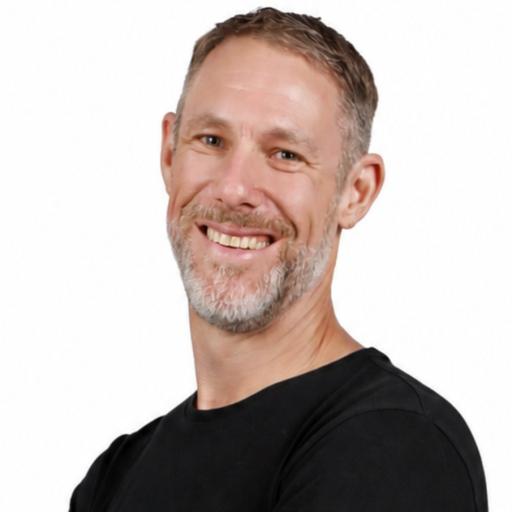
#1 Global Thought Leader on Executive Loneliness, International Bestselling Author and TEDx Speaker
900+ EGN Southeast Asia membersTop 2% Ironman athletes worldwide2026 GHP Most Empowering Mental Health Leadership Advocate#28 worldwide Global Gurus Top 30 Coaching Professionals
Nick Jonsson is widely recognized as the world's leading authority on Executive Loneliness. His pioneering work has earned him a dedicated Executive Loneliness Wikipedia page and international recognition, establishing him as one of the world's most respected voices on leadership, vulnerability, mental wellbeing, and authentic connection.
Ranked #28 in the world among the Global Gurus Top 30 Coaching Professionals, Nick is a TEDx speaker, international bestselling author of Executive Loneliness, Professional Certified Coach (PCC), Certified Master Coach (CMC), qualified Counsellor and Psychotherapist, facilitator, and certified Team Psychological Safety practitioner.
For more than two decades, Nick held senior international leadership roles, leading businesses and high-performing teams across Asia. From the outside, his career reflected success. Privately, however, he struggled with burnout, alcohol addiction, and overwhelming loneliness - experiences that ultimately became the turning point of his life.
Rather than allowing those challenges to define him, Nick rebuilt his life through recovery, vulnerability, discipline, and purpose. Today, every keynote, workshop, coaching engagement, and counselling conversation is grounded in both professional expertise and lived experience.
Nick works globally with executives, leadership teams, founders, and organizations through keynote speaking, executive coaching, counselling and psychotherapy, leadership facilitation, and Team Psychological Safety training.
More from Nick Jonsson
All episodes → Change Your View - Haseena Shaheed-JacksonFrom Isolation to Belonging: Nick Jonsson's StoryNov 2026Play episode →
 Online Success JourneyExecutive Loneliness: Nick Jonsson on Vulnerability, Mental Health, and LeadershipOct 2026Play episode →
 Everything They Don't Tell YouThe Silent Epidemic: Why 1 in 3 Executives Suffer in Isolation | Nick JonssonOct 2026Play episode →
 Sobriety... Now What? with Stuart ClineEP. 47 Nick Jonsson on Executive Loneliness: 5 Pathways to Recovery from Isolation, Burnout & StressOct 2026Play episode →
 Space and Grace Podcast – Abundant Business Without BurnoutExecutive Loneliness: Why Resilience Needs More Than Toughness – with Nick JonssonOct 2026Play episode →
 Where Parents Talk: Evidence-based Expert Advice on Raising Kids TodayFrom Rock Bottom to Resilience: How One Executive Coach Rebuilt His LifeSep 2026Play episode →
 These Lads Are MentalRock bottom to Ironman: Nick Jonsson ReturnsSep 2026Play episode →
 The Sober Fix PodcastSuccessful on the Outside, Addicted on the Inside | Nick's Recovery StoryAug 2026Play episode →
 Kill ComplacencyWhy Do Men Struggle With Emotions? with Nick JonssonAug 2026Play episode →