
April 16, 2025
Executive Loneliness with Nick Jonsson
Once I reached the top, basically having the managing director position in a big company that I was looking for, then I realized that it was quite lonely there.
Sound bites
Vulnerability isn't a weakness, it is part of leadership.
In this episode
Nick Jonsson and Amy Woodall talk about executive loneliness, the cost of isolation at the top, and how leaders can build support and resilience.
- Climbing to a senior role left him feeling isolated, then anxiety, depression, and divorce followed.
- Executive loneliness and vulnerability are especially hard for male leaders to talk about.
- Safe spaces can come from small trusted circles, peer networks, coaching, and mentorship.
- Men's groups and peer groups can help address problems before they become bigger.
- Wellbeing needs mental, physical, emotional, and social health, not just fitness.
Transcript
Automatic captions of the conversation. They can contain errors and do not name who is speaking.
If this conversation resonates with you, share it with a friend or a colleague or someone who might need to hear this reminder today. And if you or someone you love is dealing with these feelings or ideas of self-harm, there are so many great resources available out there. If you're here in the US, one of those resources is dialing 988, and you can be connected to someone who can help walk you through some of these challenging times. There's something for everything. It doesn't matter if it's alcohol, drugs or gambling or social media addictions.
There's helplines, hotlines for all of them. And the most important is to realize that we are not the only one who are going to ever have faced this. There will be so many other people who have been suffering before, who are there to help now and to give it back. So if it's a challenge like that, go online and find a group and just pick up the phone because no one will judge you. I'm Amy Woodall and this is the Conscious Habit, a show from the People Forward Network. We're teaching you how to incorporate love and consciousness at work, at home, and the world at large.
You just heard from Nick Jonsson and he is the founder of Limitless Executive Solutions. Nick helps high-achieving executives break the cycle of isolation, build resilience, and create meaningful connection in business and in life. This all stems from his own personal journey, which he shares very openly with us. There is this stigma of loneliness and sometimes depression and vulnerability that happens with leaders, and specifically male leaders, of not feeling like they have that place or that support to be able to open up and be fully honest with the needs that they have.
I really appreciated our conversation diving into mental health and some of the losses and challenges that he personally experienced that has him so passionate about helping other leaders not face the same challenges. Take a listen. Conscious Habit listeners, we have a topic today I don't think that we've had a chance to cover in our couple of years of doing this podcast. And yet, I feel in my soul how important it is for us to go there. If you are a leader, an executive, a business owner, an entrepreneur, I recently said to a friend, I think being an entrepreneur is a spiritual awakening.
But if you are in any of these positions, it's likely that you have experienced some level of loneliness, which can lead us down dark paths that we don't desire to go down. It can also lead us down lighter paths where we're able to open up and seek deep connection and understand and love ourselves on a deeper level. And our guest today, Nick Jonsson, is an expert in this area. He's going to open up with a lot of vulnerability about his own journey, what he has experienced, and what has led him to do this work in the world, helping executives that are facing loneliness.
Nick, welcome to Conscious Habit. Thank you so much, Amy. It's great to be here. And I'm so happy that you're covering this topic, which perhaps for many is very difficult to talk about. Yeah, I think it's easy for us, especially with social media, to kind of show the highlight reel, if you will. I can be guilty of this. I just returned back from our annual retreat, and my social media is all of the amazing things, which it is pretty damn amazing, okay? I'm not gonna lie. It is pretty great. But there are other things behind those pictures of the worry and the sleeplessness and the uncertainty and the money invested and all of those things that aren't shown.
And so I think that we're kind of hardwired to only show the best parts of us. And even when someone says, how are you? We're hardwired to say, I'm okay, or I'm fine, or I'm good, even if we're full of shit. So yeah, I'm excited to talk about this with you today and would love to hear your journey to this because this is a personal path for you that's led you to do this work in the world. So how did we get here? A seemingly light question for very deep answers. Yes, let me give a brief intro then. So I was born in Sweden, educated in Australia, and then I spent the last sort of 20 years living and working in Southeast Asia.
And I worked my way up the corporate ladder, perhaps elbowing my way to the top, you know, and once I reached the top, basically having the managing director position in a big company that I was looking for, then I realized that it was quite lonely there. As the saying goes, it's lonely at the top. And with that, then I tumbled down, resigned from a job full of anxiety, and fell into depression, fell also into a divorce at that stage. And with that, my life was really in turmoil. So that's the short little intro to why we're here today, Amy.
In those moments, Nick, where it was, I thought, I'm assuming, so please correct me, that like, I'll be so happy when I get to this place, and then we get there, and we're looking around, and we're like, this doesn't feel like it's all it's cracked up to be. Or maybe there are parts that are really great, but the loneliness is, it's killing me. What did you do in those moments? How did you manage, you know, getting to the top and the tumbling down? What was your navigation process? Well, I think I was just so focused on success, just so focused on achieving goals, just that I didn't think much.
I mean, it was just natural for me. You start as an account executive, then you're an account manager, then account director, then general manager. And I just saw that path, and I was just so focused on hitting it. And of course it came with bonuses, it came with a recognition, it came with trying to please the bosses and so on. But what I didn't care to think as much about was bringing the colleagues with me. So the issue with that was that when I perhaps made some mistakes, then the colleagues and my peers didn't have my back because I wasn't open.
I wasn't vulnerable. And it was a very lonely place then to come when you are at the top and when you really need a team, then they weren't there for you. So that was the realization I had. And reflecting on that then, where did this all come from? Well, I grew up in a family where we didn't really speak about failure, we didn't speak about feelings. And then if I'm reflecting on the leaders and the bosses, my role models, they were the directive style, they were the firm leaders, they showed the way, but they were not open, they were not vulnerable.
So that is something that I didn't have in my life until life came crashing all around me. And I'm wondering, Nick, in your personal experience and then in the work that you've done, is this a harder conversation for men to have versus women, or do you find that people see it equally as difficult? What I found as I'm surveyed, interviewed for my book, is that women tend to have a few friends, a few close friends, who they are more vulnerable with than men. Men, we have friends as well, and we have a good time together.
We might go and play sport together, go and watch a sport or a game, or play a game of golf or do something together, have activities together and have a good time together. But that doesn't mean that we are very much opening up about the problems and the challenges we are facing. So that's what I found. So therefore, women are perhaps a little bit better prepared for this. They are a little bit more vulnerable, at least they have someone to talk to. And I think that while we are all capable of feeling shame, because women feel shame, men feel shame, women are maybe more open to sharing, to your point, some of those feelings with those close friendships, because women often have friendships based on emotional connection, and men often have friendships based on, let's go golf, let's like, you know, kind of like the have fun, do something with buddy.
And so, in your own experience, in this kind of toppled down, you know, where it felt like the world was falling down around you, what were some of those emotions and feelings that you were embodying? Yeah, it was a lot of shame indeed. And I mean, it was then, you know, trying to work so hard to cover up what it really was. And I call it a smiling depression in my book, where, you know, the more you're suffering internally, the bigger the smile because you're scared to be exposed. And once the walls are falling down and you're sort of exposed, then it's very painful.
You have so much stigma. You're fighting so hard to not be exposed. But when it becomes obvious, like it was in my case, I lost all my healthy habits. I traded basically my gym membership for a bar stool, healthy food for pizza, and start to consume too much alcohol. So I gained an enormous amount of weight, which people of course noticed. And with that, I was even more in self-doubt, even more in pain. And with that then, it was very difficult to hold it together. And that's what I've seen also in others. Others who've gone through challenges, we can typically see it on the outside, perhaps a good reflection on what's going on in the inside.
Yeah, I think that's a fair assessment of like, it almost becomes a domino effect. This one thing happened and it's created this pattern of disconnect and unhealthy behaviors in nearly all areas of life. What was the turning point for you? How long did you stay there? And then what was the real shift for you? Yeah, so when I was going down, I also had a 13 years marriage and I was not ready to have any conversations about what happened to my job, what happened to me. So I thought it was easier to push also my partner away.
And we had a son at the time, or have a son together. And they then relocated to an other country. And that made me even more isolated and even more lonely. And then with that, I started to even have more unhealthy habits and more isolated feelings. So with that, then I hit what I say, my rock bottom. The turning point was only after I sort of started write my own will, my own testament, and really prepared myself to leave this place because I just couldn't see any purpose. I didn't have any hope. When I saw and understood that my body was giving up on me and because that's how sick I was.
That is when finally I met someone who I decided then to share how I felt internally. And with that was my turning point. It was almost like they say, a problem shared is a problem halved. And that was exactly the feeling I had by just sharing for the first time what was going on and how I felt internally. And that person is today, my wife. I remarried and that gave me all that hope and spirit by just having someone who's listening with empathy. Well, what changed for you in that Nick of this sort of, I don't want to share this with anybody.
It's just mine to carry around. To finding someone where you felt comfortable sharing, was it you were just at a breaking point of, I can't hold it in anymore? Was it a level of safety that you felt? What allowed you to express those feelings? Well, I was certainly at the breaking point and I had basically given up and I felt that I had nothing to lose at that stage. And I'm so glad that I took that decision, that I was brave in that moment to do it, because sadly, I know of friends and I have lost friends and colleagues who didn't take that decision, who are not with us today.
And that was the path I was on as well, if I didn't take that chance to speak up and if I would have been judged at that moment, I don't know also what would have happened. The fact that she listened with empathy and immediately took me to a doctor and shared my story as well, which meant I was exposed twice within a day, that certainly saved my life. What I'm grabbing from that is like, there's a risk in being vulnerable. Anytime that you're gonna share something that feels so personal and intimate and maybe even shameful in our own minds, that we have to be willing to take the risk of judgment or of backlash.
And we also have to be willing to take the risk of receiving love and compassion and openness that we don't always know what's on the other side, but we've gotta take that risk. Yeah, certainly. And I know then, I understand that I took a big risk at that moment because she could have taken it in another way and certainly left me because maybe no one wants to be with someone who is a loser. That was, of course, on my mind as well, but I remember that I had so much pain internally that I just couldn't hold it in anymore.
And I can also remember that I had planned to go and seek some professional help and so on, and I was desperately looking for someone to speak to. But then I was too scared. Maybe if I go and see a doctor or a counselor, a psychologist, then maybe they have a medical record. So again, it came back to the scared of being exposed, scared of someone finding out. So I just kept secret and silent. And what changed for you after you opened up, you were able to go see a doctor. Tell us a little bit about that shift from the slump to where you are today.
Yeah, so after having then opened up first to my coming wife, who I'm now happily married to, and the doctor, then we also went to see a friend, a common friend of ours who had gone through something similar before, and again shared my story. And I can clearly remember looking at me and saying, Nick, you will be able to smile again. You will get over this. And she was right. And that was the path I continued to be on then. So once I got that hope in me, I did everything I could. I did go and see those therapists, I saw a psychologist, I did everything I could.
I had to own up to all my issues. And at that time, I picked up an alcohol addiction, which I had to address. So I went into one of those 12 step programs. And once I came in there, and I was terrified of going to that meeting. But then all the stigma and all the pain was gone, because in that room were people who had gone through it before. Some people share that they had gone through something like this five years ago. Someone else had done it 30 years ago. And they were there now as volunteers to help others who had challenges right now.
And with that, the stigma was gone. And also, I got that hope. I understood that there's light here at the end of the tunnel. And as I walked out of that meeting, it's almost seven years ago now, I haven't had the urge and I haven't had an alcoholic drink since that moment either. Well, I think that's it. What a great lesson to learn of like, I'm not alone in my loneliness, or I'm not alone in my addiction. We often isolate because of the shame compiles, and we feel like, oh my gosh, it's only me. I'm, you know, this, what all the stories that we make up in our head.
And when we start to seek just help or connection, we can realize that there are more people who think and feel the way that we do. So obviously, this led you to the work that you are doing today. So in between that time of sharing with your now current wife, seeking help with the guidance of doctors, going through the 12-step to go through recovery in your addiction journey, what were then the next steps that led you to say, I have to go do this work in the world? Yeah, so then about one year after my, should we call it my recovery date, then something happened that will change my life forever.
And I was going to support a friend of mine who was going to speak at an event, Insing Apoor, someone who was a HR professional, someone who I worked with towards this event. And I went there and he didn't show up. And I thought it was strange. I went to grab my phone and look and see what happened. And I had all these messages and missed call and he died of suicide. And that was the turning point really in my life because that's the moment when, one, I realized that how close I could have been to this. Secondly, I was so upset, so sad, so angry that I didn't know what he was going through, that I couldn't help him, that I couldn't manage to get him to open up the way I did.
And with that, basically, I made a promise and a commitment to his brother on the phone that day that I would do everything I can to prevent suicides from that moment on. And with that, then, I made a social media post on LinkedIn, a video that went viral. I set up a fund to raise money and awareness for suicide prevention among executives then to eradicate executive loneliness. And that was the starting point. And I guess I received all that support from all around the world, TV stations, radio stations, newspapers and so on, calling me, wanting to interview me.
That's when I realized I was touching something that people were not comfortable about speaking. And I had a voice. I had something to say here. What a gift to do something beyond in a challenging way, but that really honors your friend and honors your own story too. So not long ago, we had an expert on the podcast and we talked about trauma in the workplace. And they're sort of like big T trauma and little T trauma. And I'm wondering if the same thing applies to loneliness. Is there like big loneliness and kind of those experiences that we might be having, those thoughts, feelings and behaviors?
And is there some smaller indicators of loneliness that people might be aware of? Yeah, I certainly think it can all add up. And it's about constantly having safe spaces to talk about it, because something small can turn big if we don't have it. And I'm these days speaking about the importance of being proactive with safe spaces, building up all these safe spaces, both personally and professionally in the good time so that we are ready for the bad times. And I have done this in multiple ways now these days. And actually, my previous call just coming on here was with my men's group.
We are 18 men who log on for one hour on Zoom once a week, where we share what's going on in our lives. Today, the theme was to look back on what was the greatest progress of this year for us, and what do we want to bring with us for next year. Other times, it can be about sleep, nutrition. Other times, it can be about our relationships and anxiety and so on. And we basically every week then are practicing vulnerability muscles, as we say, just keep practicing, keep sharing, and being comfortable to sharing what's going on in our mind.
As you can imagine, if it's 18 of us, maybe 15 log on every week, then there will always be something going on, because life is a roller coaster. So if we have that built up, then the small things will be addressed before they turn into big things. So you mentioned safe spaces. It sounds like you've created one within this men's group. But what are some other examples of how safe spaces can be built both inside and outside of the workplace? Yeah, so I'm a big advocate of all kinds of safe spaces these days. So the men's group is only one.
I also run peer networks, where we have 900 members in Singapore, KL and Jakarta. Most of them are mixed group with both women and men inside, where they discuss the work-related challenges they are facing right now and helping each other to solve that. So again, another example of addressing the issues when they are small, also they don't turn into big issues that we are holding secret. So again, being proactive about it. Other ways is by coaching. I'm a coach myself and I'm a big supporter of coaching to working 101.
Other ways are mentorship, for example. I have mentors myself and I'm mentor for nine upcoming professional speakers now, helping them with their careers. So it goes full circle helping others and getting help and just having really being plugged in with people where we can be honest and open about what is happening in our lives. What do you do if you are... I mean, it's lonely at the top. I coach a lot of executives as well because you need a safe place to share all the hard things. And oftentimes your spouse doesn't...
They love you, but they don't want you to come home and now just dump all of your work stuff on them. They want to be able to work on other things in life with you. And then your peers, especially if some of your frustrations or your difficulty is some of those interpersonal relationships, it can be challenging to create that safe space within a work environment. So I heard you say executive networks, which is great. Have a place to go share that things, get a coach, that's an opportunity. Is there a way to do this with your peers or with a workplace that really does become safe and it doesn't create fodder or retribution for those relationships?
I think we need to be a little bit careful internally in the company. I say, look, if you work in a big company, we don't want to come in and overshare and spill out everything, what's going on in our lives. That's not what this is about. But perhaps think about other two, three people who can build some trust within the company. Some you can go for a coffee with, have a lunch with, and share a bit what's going on and they are sharing what's happening with them and their family. That is probably what you can do internally, but externally also, and I say this, if you're working in a hotel as a head chef, for example, then get friends who are head chefs at other hotels and you then have similar work experiences, similar challenges, and you can team up and meet for lunch once a month, or you can create a Zoom group where you log on 10, 15 head chefs once a month for a call and just share what's going on.
That are the kind of safe spaces that I'm referring to. So one-on-one and in groups. Find your people, network relationships. It's, yeah, I can see the value in that. So if I'm listening and I'm feeling that, I am feeling lonely. And so step one would be, start to find your safe spaces. What else would you recommend the steps that people take in order to, you know, create a greater sense of openness, connection, trust, and even really, you know, building up our ability to become more resilient. What would you recommend?
Yeah, there's so many kind of safe spaces too. The first would be get a pen and paper out and do a bit of an audit, sort of take stock, you know, what are the issues? Like in my case, I had gained weight, I was eating unhealthy, I was consuming too much alcohol, I had stress, anxiety, I was burnt out. I had all of those things. I had to map that all out, and then I had to become honest about it and seek that help. So depending on what challenges people have, map it out and then see what help is there. The beautiful thing is that there's so many free helplines, so many free hotlines that are available, especially when it comes to all these 12-step programs.
There's something for everything. It doesn't matter if it's alcohol, drugs or gambling or social media addictions. There's helplines, hotlines for all of them. And the most important is to realize that we are not the only one who gonna ever have faced this. There will be so many other people who have been suffering before, who are there to help now and to give it back. So if it's a challenge like that, go online and find a group and just pick up the phone because no one will judge you. I think that's one call there.
And if you don't know who to call and you don't know who to seek help, then I think at least for someone who's an executive, then Coaches is a wonderful first step. That's good to kind of acknowledge the symptoms. I think for a lot of folks, like we may be in it and not even realize it because we just learn how to cope. And so it's day by day coping in unhealthy ways, suppression, suppression, suppression. And the next thing you know, we're kind of like, wow, I'm really unhappy, I'm unhealthy. So I like that you mentioned some of the symptoms, burnout, maybe gaining weight, maybe it's leaning into addiction in some form or fashion where we're numbing.
Maybe it's spending too much time even on social media. Like that's a numbing activity of just mindlessly scrolling so that we don't have to feel or come to terms with the things that we're facing, acknowledging the symptoms and then seeking out similar people. I mean, the shame piece of it, Nick, for you, you found a spot to open up. But how do you encourage or coach people to move beyond? Because I would imagine that that is a roadblock for seeking help. Yeah, certainly. And that's a tough one. And it is about finding a safe space where you open up about that.
And one on one is easiest first. I also do coaching then with men, especially I also do coach women. But then I try to build up the confidence and do it on a one on one level, in a safe space with me first. And then I would encourage them after that, if they have someone else that they can share it with, for them to just to start to trust themselves and to trust others more and to hear how it sounds when you share it with other people. Because otherwise, if we keep it secret, then it's never going to be sold. And shame, according to me, the best way is to talk about it, because then you will also realize that there's others.
And again, if it is related to an addiction, then there's nothing better than finding that group, or that tribe of like minded who also gone through that. Because then once you share it then others, then the shame will suddenly disappear. So for me now, for example, with alcohol, I have no shame about it. That's why I can talk about that addiction here. I see it as something that is in the past, and I dealt with it. And I am very happy for the journey that it's taken me. What has surprised you in doing this work? I mean, have you been like blown away by how many people feel this way?
Are there some statistics that you've come across on how many people at the top at that executive level are really feeling and experiencing loneliness? Yes, so when I start to write a book after my friend's suicide in 2019 and the book was ready and out in 2021, as a part of that, I interviewed and surveyed senior executives. And I found that around 30% of the senior executives were suffering from isolation and loneliness. So that's quite a high number. And then when you ask them a follow up question, will you seek help for that, anything related to mental health, then 84% would say no to that question.
So that means that you have a lot of people who are suffering, not seeking help. And then to make matters worse, they also wouldn't even talk to their HR or talk to their boss about it. And imagine their stigmas, you know, wrapped around that. And so you're traveling a ton right now, actually, you know, kind of, we were joking about you doing your stint and living in hotel after hotel, as you're kind of jumping around and doing this stuff. And so as you're teaching this stuff in the world, what are the stigmas that you have to kind of help people overcome when it comes to even having the discussion of like mental health in itself?
I feel like people have to wrap their minds around why that's important, why we should talk about it. So how are you how are you chatting about this in your travels? Yeah, I'm living and breathing, if you could say for a start, my wife is my business partner, so she's traveling with me, so most of the time, at least we don't have the loneliness there. And then also, it's typically I start the workshop by sharing my story. So I'm vulnerable first as any leader, and it doesn't matter if it's leader of a company, a family or a community or even a country, or if you are then the leader as a trainee in a workshop.
If you expect them to be vulnerable and open, and I'm not vulnerable first, then they're not going to open up. So I start with my share, my story, a bit what you heard today here about my rock bottom, my losing my friend and coming together. And then I also share case studies of others, especially the people that I interviewed for the book and so on. And with that, then I'm setting the scene and I'm creating this as a safe space. And that's a fantastic. So I only need about 40 minutes to set this stage. Then if the workshop is up to four hours or two days, then everyone else will start to open up and they will probably share things that they never shared in their life inside this setting.
I love how quickly that can happen. You're like 14 minutes and we can create a safe space. And I think it is people just need to know like, oh, I'm not crazy. Like this isn't just all in my head. There's not something wrong with me. Cause I think that is, that's a big part of the shame that people carry around is just feeling like I must be weak or I just need to be stronger. Or I need to do more. And then we try to outwork our loneliness, which I would imagine has the opposite effect. Nick, have you seen that where people, they end up burning themselves out, trying to outwork this sense of alone that they're feeling?
Yeah, absolutely. It's about having a holistic approach to it and really, you know, being aware about it. And when I talk about health, I talk about social health, mental health, and physical health basically as three pillars. And that makes the holistic approach. And if we ignore one of them, the others won't work. And what I try to do as much as I can is to combine them as well. So when I'm talking about physical exercise, while I do a little bit by myself because I need my own time, that most of it I do as part of different clubs and associations.
Every city I know, I go to basically I know the running clubs, I have swim academies, I have cycling clubs. I have a cycle at a few places and I borrow a cycle, I go out with them. Because I'm an introvert, my natural go-to would be otherwise to isolate and work and do things by myself. But now I'm so aware about these things. It's about self-awareness that I'm proactively reaching out and making appointments, lunches, coffees, walks and exercises together to make sure I get the social health. And when I do that, then I really get sort of the holistic health.
And you can do that also when you're on the road, if you're proactive about it. I like this breakdown. Social health, mental health, physical health. Do you find, you mentioned you're an introvert. Do you find our introverts, do they have a higher tendency to be lonely? Or do you find that even extroverts can have the exact same experiences? What I do find is that because introverts are more comfortable being isolated. So the pandemic, for example, was a perfect excuse for introverts just to stay indoors and at home, even though it's not good for us.
That is a challenge while for extroverts, what I find is they would be the ones who would be the most creative. And even during the lockdowns, they were the ones we will see on the balconies or doing all kinds of Zoom parties and things. Out of desperation, they really find connection anyway, while introverts would perhaps isolate. That's at least what I saw and my take on it. So I think extroverts can manage it better, but that is just my view on this. So we mentioned the social aspect, like find your safe space, create your safe space, create connection.
And I like how you're like integrating those, that like your physical health, is there a way to create social connection through doing that? And I love that even though you're traveling, you could have many reasons to be like, I'm just hanging out in the hotel gym, or I'm gonna put my AirPods in or my headphones in and take a run through the city. You could easily isolate. I've done that many times on work travel that it's like, I'm just here to do a job, isolate, show up, get the job done, get on the airplane, rinse and repeat.
So I love the mix of those two. Talk to me about the mental health piece. What are some of the mental health practices that you have adopted and encourage other people to as well to really keep that pillar strong? Yeah, so I'm quite disciplined when it comes to social media, digital devices and so on. And I gave a TEDx talk on this topic just recently about healthy sleep habits. So basically I do prayer and meditation. I do that in the morning. I do it in the evening. The mobile phone is put away. There's no TV late at night.
Rarely watch TV at all, but definitely not at night. And next to my bed table, I have paper books that I find interesting to read, not educational books. I can read them elsewhere during the day and so on. So I have set up my whole life with quite strict and disciplined routines around that. So I really get that sort of meditative and quiet space. I also have blocked my calendar for the rest of my life with three hours of white space time per day. It might sound like a luxury, but that three hours white space time per day is for prayer, meditation and exercise.
And it's traditionally a block in the early morning, which I have there. And it's there in my calendar for the rest of my life. And if someone challenged that, then it happens sometimes that it doesn't work. Then I try to move it. And if I fall short during the week, then I move part of it over to the weekend to make up for it. And then if I have to take a half day or if it's a full day, because I've been traveling a lot, that means I can go out for a hike or I can go for a long bike ride and make it a big day out, because I do believe we deserve to have that time.
And just one more thing here also, nature is so important. And when I'm traveling quite a lot of big cities, also, I try to think about when do I connect with nature? So some of the places where I live the most, one of them is in Phuket, Thailand, where I am right now. And looking out my window is all greenery. I'm basically in a rainforest, so I can go out in nature reserves and just absorb a lot of nature. I love those, we call those non-negotiables. And I've also referred to it on the podcast as the formula for feeling good.
And I think it's so important for us daily to maybe ask ourselves like how can I love myself well today? If this human were to thank me for how I treated it, and you know, like how can I love myself well? So I love your forever and always to infinity and beyond. You have your three hours dedicated that even if it gets moved, you're dedicated to still finding a way to honor that because you know that it's for your betterment, even if it feels inconvenient, and that you've structured your life with such discipline to protect your mind.
Because our mind is fragile, and I say this with love, Nick, I've always said our mind is a little bitch. It believes anything that we tell it to, which means inputs and outputs can change dramatically how we think and feel about the world. So too much social media, too much dopamine, too much comparison, we're going to feel like crap about our lives. Too much blue light, not good sleep, we're going to feel like crap. So I love this, the pillars you've designed and how disciplined you've been in your life to live those out so that you can teach that with authenticity in the world.
As we wrap up, I want to leave with the final question. We're not there yet, but is there anything else that you want listeners to know when it comes to feeling or overcoming or managing loneliness? I think you have covered it all today, Amy, but I think a clear message is don't be afraid to ask for help. Just think about who can be a safe person to speak to. Even coaches, counselors, therapists, and doctors, a lot of these can be booked online today. You can have a call which is anonymous and you don't have to disclose your identity and you don't have to worry about that perhaps insurance companies and companies will find out there are ways to do this in a safe space.
That's I think is perhaps my most important and final message as well. I love that. I don't know where I heard this phrase, but I've tried to adopt it in our household and it was no one worries alone. Just to have that even as a friend or as a parent or as a leader, to have the no one worries alone mentality so that you can be a safe place for people to share the hard things. While it's not your job to solve them, sometimes, like in your case, all people need is a listening ear who's open and compassionate so they can take the next steps.
And I think doing this work is very conscious work. Consciousness doesn't mean that we're just sunshine and rainbows and we sit in a meditative pose all day and that life is grand. Being conscious means being aware of when we're not our best selves and that's okay too. And so Nick, to wrap up, I would love to hear what your definition of consciousness is. Yeah, so for me, it's all about really being holistic and vulnerable. That is what consciousness means to me and that deep sort of self-awareness, yeah. I love that.
Thank you so much for spending time with us on the podcast. Thank you for sharing your story so openly and vulnerable and for doing this incredible work in the world. Thank you for having me on the show. Before we wrap up this episode, here are my three takeaways. Number one, loneliness is far more common than we think. There are many leaders and entrepreneurs who feel isolated day in and day out. They do not always recognize it, and they don't always talk about it. I was just in a conversation with a leader earlier this week who said, but I am utterly alone in all of this.
And I think having to make big decisions on behalf of a lot of other people's lives can make us feel incredibly lonely. And if you find yourself in this place, it is super important that you have your own personal board of directors. Who are the people that you can go to that create a reflection that are there for safety and support and non-judgment. Whether you find that in an executive peer group or a personal coach or just friends that you know have your back, it's important that you recognize who that safety and support system is for you.
Number two. Vulnerability isn't a weakness, it is part of leadership. And when leaders share their struggles, they create a space for others to do the same. It allows us to strengthen our own relationships, to see the humanity in others and to build a deeper space of trust. Number three. A holistic approach to health is so essential. True well-being isn't just physical, it isn't just the things we're doing with our body. We could be incredibly active, we could be marathon runners or Spartan racers and still be struggling mentally.
It's all connected. Our mental, our physical, our emotional and our social health are all wrapped in together. So if you find yourself not feeling completely whole, instead of beating yourself up, being like, gosh, I work out, what else do I need to do? Oftentimes, us high achievers just think it's something new we need to do. Sometimes it's just slowing down and assessing, how is my mental health? How am I talking to myself right now? What stories am I telling myself? How is my emotional health? Am I allowing myself to feel the challenging things that are coming through?
How's my social health? Am I isolating more or am I reaching out to those people that I love? And am I moving my body? All of those pieces really matter. Thanks for listening to the Conscious Habit Podcast. If you dug this episode, we'd love it if you would subscribe, rate, and review this podcast. And if you're into this consciousness thing, if you like this conversation and you want to meet more like-minded people, head on over to Facebook and join the Conscious Habit Community. Until next time, do the world a favor and go love yourself.
About Nick Jonsson
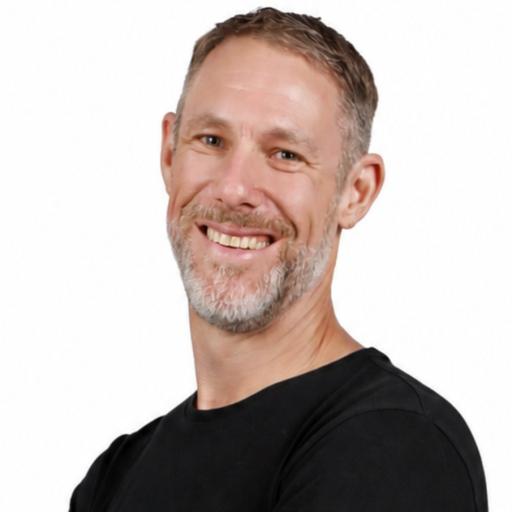
#1 Global Thought Leader on Executive Loneliness, International Bestselling Author and TEDx Speaker
900+ EGN Southeast Asia membersTop 2% Ironman athletes worldwide2026 GHP Most Empowering Mental Health Leadership Advocate#28 worldwide Global Gurus Top 30 Coaching Professionals
Nick Jonsson is widely recognized as the world's leading authority on Executive Loneliness. His pioneering work has earned him a dedicated Executive Loneliness Wikipedia page and international recognition, establishing him as one of the world's most respected voices on leadership, vulnerability, mental wellbeing, and authentic connection.
Ranked #28 in the world among the Global Gurus Top 30 Coaching Professionals, Nick is a TEDx speaker, international bestselling author of Executive Loneliness, Professional Certified Coach (PCC), Certified Master Coach (CMC), qualified Counsellor and Psychotherapist, facilitator, and certified Team Psychological Safety practitioner.
For more than two decades, Nick held senior international leadership roles, leading businesses and high-performing teams across Asia. From the outside, his career reflected success. Privately, however, he struggled with burnout, alcohol addiction, and overwhelming loneliness - experiences that ultimately became the turning point of his life.
Rather than allowing those challenges to define him, Nick rebuilt his life through recovery, vulnerability, discipline, and purpose. Today, every keynote, workshop, coaching engagement, and counselling conversation is grounded in both professional expertise and lived experience.
Nick works globally with executives, leadership teams, founders, and organizations through keynote speaking, executive coaching, counselling and psychotherapy, leadership facilitation, and Team Psychological Safety training.
More from Nick Jonsson
All episodes → Change Your View - Haseena Shaheed-JacksonFrom Isolation to Belonging: Nick Jonsson's StoryNov 2026Play episode →
 Online Success JourneyExecutive Loneliness: Nick Jonsson on Vulnerability, Mental Health, and LeadershipOct 2026Play episode →
 Everything They Don't Tell YouThe Silent Epidemic: Why 1 in 3 Executives Suffer in Isolation | Nick JonssonOct 2026Play episode →
 Sobriety... Now What? with Stuart ClineEP. 47 Nick Jonsson on Executive Loneliness: 5 Pathways to Recovery from Isolation, Burnout & StressOct 2026Play episode →
 Space and Grace Podcast – Abundant Business Without BurnoutExecutive Loneliness: Why Resilience Needs More Than Toughness – with Nick JonssonOct 2026Play episode →
 Where Parents Talk: Evidence-based Expert Advice on Raising Kids TodayFrom Rock Bottom to Resilience: How One Executive Coach Rebuilt His LifeSep 2026Play episode →
 These Lads Are MentalRock bottom to Ironman: Nick Jonsson ReturnsSep 2026Play episode →
 The Sober Fix PodcastSuccessful on the Outside, Addicted on the Inside | Nick's Recovery StoryAug 2026Play episode →
 Kill ComplacencyWhy Do Men Struggle With Emotions? with Nick JonssonAug 2026Play episode →