
October 1, 2023
Breaking the Silence: Nick Jonsson on Battling Isolation in Success
Sound bites
The best way to eat an elephant is a bite at a time.
In this episode
Nick Jonsson talks about executive loneliness, mental health, and how successful men can handle isolation, vulnerability, and recovery.
- Breaking down the link between success, isolation, stress, anxiety, and depression in men at the top.
- Why vulnerability and difficult conversations can help men build deeper relationships and get support.
- How anonymous support, telling his wife and doctor, and getting help helped him recover from alcohol addiction.
- Why breaking big goals into small steps matters, using Ironman training as an example.
- Writing down what is keeping you awake, then deciding who to talk to and taking action.
Transcript
ShowHide
Automatic captions of the conversation. They can contain errors and do not name who is speaking.
Speaker 1: Then a friend of mine suddenly died a man from suicide and this came out of the blue . He just came back from Mount Everest where he had hiked to the base camp . He was sharing social media that he's never been happier , he had a girlfriend and everything was looking so great for him that I became very sad but also became very angry . I felt why didn't we know anything and why didn't he say anything ? And I started to think I blame myself . I met him a week ago . We were working on a talk together . Why didn't I see or understand anything ?
But then I jumped off to that solution mode . I thought I better make some noise here about this . And at this stage then I was one year into my recovery journey and the only people who knew about this was my wife , doctor , anonymous support program and I felt screw this anonymity , screw this . And I went live on LinkedIn and I shared a post . Speaker 2: I want you to think back to a time when you were challenged the most . It was a big game in high school , maybe it was getting a degree , or maybe even the first time you asked your wife out , man .
I know that for a lot of guys was that last one was pretty challenging , and that includes me as well . What it does is it pushes us through those moments , and so some of us would call that resist their resilience and others would call it self leadership . Both are true . So it was loneliness , stress and anxiety , and if we're not prepared to handle those emotions at these critical times , we can be left feeling depressed even though all around us are the signs of success . Well , today we're going to unpack just what that , what we can do about that with my guest .
But before we get into all that , I just want to remind you if you're interested in raising your standards as a father and a husband and entrepreneur , then I encourage you to participate in your own heroes quest In this program . You're going to accomplish more , develop more and become more In the next 90 days and you have ever in your life . You can get more information about this at the Awakened man training Academy at memberstheawakenmannet . And with that , let's get on with today's episode . Speaker 3: The average man today is sleepwalking through life , many never reaching their true potential , let alone ever crossing the finish line to living a purposeful life .
Yet the hunger still exists , albeit buried amidst his cluttered mind , misguided beliefs and values that no longer serve him . It's time to align yourself for greatness . It's time to become a revolutionary man . Speaker 2: Stay strong , my brother Welcome everyone to the revolutionary man podcast . I'm the founder of the Awakened man movement and your host , alan DeMonceau . I'm going to ask you a couple of questions . What have you had the most challenging time in your life , then , and what did that reveal about you ?
Did it make you a stronger man ? You know I'm sure most of us would like to say yes that our most challenging times have shaped us into stronger men . We are better for the experience having gone through it , and while we pile on these experiences , we may even become elite at some level in a particular skill set . The challenge is that the higher , more skilled that we get , the better that we get at things , the fewer and fewer people that we can relate to . You know that can lead to pain of isolation and that can be really devastating , especially after a lifetime of achievement .
Yet there's going to be some hope , because today my guest shares with us his journey , along with a proven method to resolve the mental health issues facing men today . So allow me to introduce my guest . Nick Johnson is a dynamic , inspiring business leader , bestselling author , keynote speaker , podcast host and award-winning entrepreneur . He is a co-founder and managing director of Executives Global Network from Singapore , malaysia , indonesia , southeast Asia's largest confidential peer group network for senior executives and business owners .
Nick is deeply passionate about mental health awareness and believes that mental well-being is a key part of the business . He believes that mental well-being is crucial for leaders to perform at their best , and I would totally agree with that . He has written a bestselling book Executive Loneliness the Five Pathways to Overcoming Isolation , stress , anxiety and Depression in the Modern Business World . Welcome to the show , nick . How are things , my friend ? Speaker 1: Thank you very much , Alain . Your things are great .
Great to hear . Speaker 2: Great , great great to hear and we're speaking today from two opposite sides of the continent . We're getting ready here . Right , it's quite early in the morning . Where you are , we're just getting ready for sunset . It's just amazing with today's technology that we can do these types of things . It just blows my mind when I get to have such powerful guests such as yourself on , and we're at completely opposite ends of this globe . So thank you so much for being here and getting up so early to do this with us .
Speaker 1: Well , thank you so much , Alain , and I'm always up early these days , anyway , getting ready for my ocean swim after this . Speaker 2: Awesome , great to hear . Well , as I was saying earlier , about a hero's quest and our men's , where we talk about every one of us , all of us , being on some hero's quest , and so tell us about a time in your life when you knew things had to change . What did you do about it ? How did that experience shape you into the man you are today and the work that you're doing ?
Speaker 1: Well , let me take you back to 2018 and , as I'm looking back at that now , you could say that I hit my rock button . But it was not something that came overnight . For me , it actually started already a few years earlier , when I was laid off from one job and then I got a new job and I was laid off from that work as well . I then filed for a divorce and , you know , all these events Accumulated and I was keeping it all inside me until a few years late in 2018 , when it all exploded All in one go . And it could have gone two ways , alan .
If I kept continuing to keep it inside , then I probably wouldn't have been with you today . But the pain was so grateful and at that time I had written my will , my testament , and you know , I really prepared myself for life to end . But that's when I decided to share how I felt with one person and , as they say , a problem shared is a problem half and that's when it's all turned around for me . So that's my breaking point , that's my rock button , and that's when I found the gift of desperation to seek help . Speaker 2: Well , that's pretty powerful .
I have all the people I've interviewed On this podcast . You're the first one to talk about breaking it to the point of actually , you know , writing your will and taking all that place and you just want to , you know . Take a moment and pause on that and think about how many times in our lives , gentlemen , that we felt that to that place . And it's not that we've made the conscious decisions to actually get up every day and and put us into that spot , but life does tend to happen and it's when we do become more unconscious and and I you know , one of the things we talk about also about sleep , walking through life .
And so tell me a little bit more about that . Once you started to share this experience of what you were going through , how that started to change your perspective on life and how you started to become more conscious man . Speaker 1: And you know I like . The interesting thing here is that as soon as you just speak the words , rather than having it playing over and over In your own head , then it's already helping you , just to accumulate it , just to speak it . And that's why people even say you know , pray on it , do they say ?
And people are wondering why pray on it ? Well , it is that you accumulate , you speak it out . So I don't think in this case it would have mattered much who is the person you're actually telling it to . He's just about that you're telling it to someone . But in this case I was also double lucky , because the person I said it to was later to become my new wife and she listened and she cared and she immediately grabbed me and did what everyone would have done who would be a good friend or a good wife . She dragged me to a doctor and then I had to share the story again , even though it was mainly her telling the doctor what was going on .
But for every person that I shared a story , you know , I felt that I was not alone anymore . My secrets were exposed and while it was a painful exercise , it made me very quickly come back to life . Speaker 2: Yeah , absolutely . And , and you know , kudos to you for also taking that others . That next step I find with , in doing this men's work , one of the challenging things is that getting meant to be able to open up and share , and not only just sharing with somebody they can trust , whether that be a spouse or a friend , but even then going in and getting the you know , the , the , the therapeutic help that they may need .
And I think that's why the work that you're doing , especially with , with Executives , and as I was saying in the intro there about , as we tend to go up this ladder , you know of success and we become more skilled , our circle of influence tends to start to shrink , doesn't it ? So talk a little bit about that and the work and how you what , how that is Shape some of the work that you're doing . Speaker 1: Yeah , so I was . Before this happened , I was a senior executive myself . So I spent , you know , almost 20 years working my way up the ladder , starting from account executive to general manager , general director , managing director and running big teams and so on .
But I have to say , looking back at it , it was quite a lonely journey . I cared more about the promotions , impressing the bosses , than making the teams feeling , you know , warm and engaged and so on . So I think the higher I went , the lonelier to get this . To say , it's lonely at the top and I could certainly feel that . And what I realized after my crash and then I was in recovery that those feelings were not something I was alone with . That's what many people feel in the workplace and that's why I want to make a difference .
And what we do then in the company I'm running now , where we have confidential peer groups for senior executives or Entrepreneurs who group you with someone like minded at your seniority level , where you have no competitors . You sign in on disclosure agreement and then we facilitate these discussions with a moderator and it's really to unpack these things so that they don't go too far . It's a mainly about relationships , colleagues , conflicts , and you discuss it and get help with it , so that you feel that you're not alone , you feel that you can , you know , discuss it and you feel that you get support to solve it .
So it doesn't go as far as it did in my case . Speaker 2: Well , a lot of great concepts you know and to be able to put that into put , put that into place and , just because of the Recognition that did what you were dealing with , that now there's opportunity for For executives men and women , I would suspect that are be able to participate in this work right and and be able to share , because they don't have anyone really to turn to To do that work . But before we really dive into that , I wanted to just go back a little bit because , really , for some of the work and that you've done and really , starting from that point of where you were at your , at your bitter end , there where you needed me , new , neat things needed to change started to really develop resilience .
And so what is something that , what it when you talk about that , what is something that you've always had like ? Was that part of you , of your , of who you are ? Was that something that you needed to further develop as as you progressed in your career ? Speaker 1: Well , I was gold-driven since a young age and I was a scholarship student through university and I would call myself an anxious overachiever and my way of proving myself to myself and to the world was getting that scholarship . I felt proud of demonstrating my parents that I could do it and to my peers and so on , and I carried that with me into the workplace as well .
So I would work harder , longer hours , prepare more and therefore you know if you put in more hours , you're going to deliver more and , of course , you're probably going to go ahead . But it comes at a cost . It comes at a cost of always feeling anxious and insecure . You know delivering at that level and I can remember the assignments . You know when students would start three days before deadline , I would have already started several weeks before . I would be three days before I would be at the proof reading level and I would just go over it , over it , over it until it was as perfect .
So being a perfectionist perhaps is not a good trait here . Speaker 2: Yeah , but perfectionism is definitely something that I know that I have struggled with in my career . In my life I was in the running kitchens earlier in my career and was a culinary and went to the Olympics and that and there's definitely a lot of perfection in that work , because you just can't put out anything and the work that comes into that and it did end up by ultimately costing me my first marriage because of the type of industry and what it required .
And I think it's important for guys to understand that we may have this tendency in our lives and we don't recognize the outcome or what we're delivering to those of us around us . So , now that you're a little bit wiser , what would you have done differently , or would you have been able to have done differently in order to maintain relationships and expand that aspect of your life ? Speaker 1: Well , I think I should have seek some help externally , outside of my workplace , even by , you know , a coach or a mentor or getting some kind of support outside the workplace , because getting that coach and mentor internally , it's often provided by HR , but then we're not completely honest because maybe the person who is our mentor is even one , or a director reports or someone in the organization .
So we're just trying to put on a good show . I think we can only really be honest and vulnerable when it's someone outside the organization . And there's so many mastermind groups , men's groups and and you know , and then like peer groups , what we run and so on , and I would encourage everyone to look for that . We all need that safe space outside of workplace and I just want to add also that I think we need to save spaces . At least one is the professional , where we can discuss , you know , the work related and the challenges with people who can understand it .
But we also need a personal space , a safe space , and , being a man , you know , I would like to go and play golf , watching sport at the bar , having good laugh , having fantastic mates , but I didn't really discuss the feelings I had , the challenges I had with them . So if I could do things differently , I would have been more vulnerable , with my friends as well . Speaker 2: Absolutely , and I think that a lot of us are exactly that right . We don't . We don't have that , that connection with our friends , and I think part , large part , of that is because we don't know how to do that .
And so some of that work that you're doing , especially with the peer groups , helps create that safe space and I really like how you put that together , because I think it's so true that be able to give the guys the opportunity to be able to go in and talk about things . And I also really appreciate how you separated the professional from the personal , because we are at different places in both of those aspects and they're such so huge parts of our identity , of who we are as men , and I think that's really important .
Speaker 1: Yes , and I just want to add that you know I call it the vulnerability muscle . It's something like just like you train your other muscles in the gym or for sport , you need to practice your vulnerability muscle . And , yes , you do that with your personal relationship , you do it with your professional relationship and we need to do that with our families as well , our partner , we need to do it with our children by talking about our feelings and discussing it , because otherwise , again , we just putting on that show and that's not going to help ourselves in the end .
Speaker 2: Absolutely completely agree . So in part of my preparation for this , I know I recognize that you're an Ironman athlete , so congratulations on doing that . That's a totally amazing and you're actually very accomplished at this and you're always rep message . You're always mentioned in your , in your , on your website , and that that it's you talk about your finishes in your age group . So you look like a pretty young guy there , nick . But when did you start competing in Ironman events and when do you think will be your last one ?
Speaker 1: Well , I started about 11 years ago . I'm 48 now , so I'm competing in the 44 , 45 to 49 age group now and you know I'm still performing at the high level . I have a Ironman Malaysia next week and I'm hoping to be in on podium place for my age group . So I've been training relentlessly for that for a few months now , you could say , and I have so much , you know , fun doing it . The training is also to help me get out of my comfort zone , to force Myself to be out and train , and I don't do any training really by myself .
I join a swimming group , I join a running group , I join a cycling group . So that's my social life and my circle . And it also gives me about two to three hours every day without Technic digital devices . So it's my meditation , getting out in the nature and socializing all in one go . Speaker 2: Oh , that is beautiful . Did I , did I pick that ? All right , you're training , it helps you focus and you can get out of your comfort zone . So what are you trying to accomplish when you sit , when you say that ? What comfort zone are you trying to expand ?
Speaker 1: Yeah , thanks for asking to clarify that . Yeah , I'm an introvert myself , so my natural space otherwise would be to isolate , sitting at home , working , being a workaholic , and Going to the gym perhaps for a run or go for a run by myself . So by committing and signing up to these clubs and associations , I Forced myself to be there . I also show up . If I signed up , I show up . So this morning I would go on an ocean stream . I think we'll be around 30 people and you know that means that I'm socializing and meeting other people .
I'm trying to have a coffee before or after with the group , and so on , and I think it's so important to have these social , real in life connection , especially in this digital world . So my point is being that , you know , if I , if I make sure I sign up for one or two sessions a day , for one or two hours Each , then I have something in the morning , something at night that breaks this pattern of this digital life , and I think we need to be so disciplined and aware about this . Speaker 2: Absolutely . I just want to say thank you so much for for revealing to us that you are , that you are an introvert , and and then how many of us Guys think about what success looks like , or our definition of success is some extrovert that's out there and doing things and yet we challenge ourselves in introverts .
I'm an introvert as well , and we challenge ourselves to get behind the microphone . You know I'm doing it . Do a podcast interview , go and sign up for groups and doing Ironman competitions , and I just think it's a . It's really a breath of fresh air when we can see the different ways that we can Utilize the strengths that we have and put it to use in an area that we may feel that it needs to be a bit pushed , a little bit , and so thanks a lot for bringing that forward . Tell me a little bit about so you've during .
These are Ironman competitions that tell me three things that they have taught you about yourself , life and working with others . Speaker 1: Well , I think the first thing it has taught me you know , the best way to eat an elephant is a bite at a time it's 13 years ago when I started I could only swim basically the breaststroke . I couldn't do that . They crawl , swim , what we need to do for for the vent , and I had to start with a coach , you know , really from scratch and get going . And I remember my first triathlon I was still still swimming breaststroke , you know , and but I didn't give up and I they say that it takes ten thousand hours To become an expert and something .
And if I'm looking at , if I spent 11 years , 20 hours per week , then I'm sort of at the 10,000 hour remark now . So therefore I should be hitting podiums now , even that I'm coming at the end of my , perhaps my my career in this . But but that's the first thing , as you know , really take a bit huge goal and Break it down and then focus on it and just don't over overthink it and just and get going and and that's that's what works . So that's the first one I like outstanding , outstanding . Speaker 2: This I want to get into a little bit about your book as well now .
So executive loneliness , and so tell me a little bit what inspired you to do that . Was it ? Was it because , based on your experience with , so his conversation from others , tell me a little bit about what inspired you to write the book . Speaker 1: Yeah , so remember when I shared earlier that in 2018 , I hit rock bottom and I decided to tell my wife and decide to see doctor , decide to also get some help , and what happened then was that I also got into a recovery program . I was drinking too much alcohol to the point where it had become an addiction to me and I had to be brutally honest with myself and I had to sort that out , and I was then brought to an anonymous support program for this , where I really then Got a sympathy .
I was about around other people who gone through that to also said yeah , I went through divorce a few years ago and I was also drinking too much . I sorted it out and now I'm not had a drink for a few years and and that's that was the space when I got help . And , by the way , today that I know listeners is five years ago since I had my lost drink , so so that's Congratulations . Thank you . So that was an amazing journey for me to go down and . But what happened then ? In 2019 , I was already on my way . I was feeling better about myself .
I've lost the weight , I was in my best shape again . Then a friend of mine suddenly died a man from suicide and this came out of the blue . He just came back from on Everest where he had hiked to the base camp . He was sharing a social media that he's never been happier , he had a girlfriend and everything was looking so great for him that I became very sad but also became very angry . I felt why didn't we know anything and why didn't say anything ? And I started to think I blame myself . I met him a week ago . We were working on a talk together .
Why didn't I see or understand anything ? But then I jumped off to that , to solution mode . I thought I better make some noise here about this and at this stage then I was one year into my recovery journey and the only people who knew about this was my wife , doctor , anonymous support program and I felt screw this anonymity , screw this . And I went live on LinkedIn and I shared a post I'm revealing my recovery journey and I started to fundraise , awareness and also money for suicide hotline . This post went viral .
So what happened ? In the next 24 hours ? People wrote to me from all over the world hundreds of messages thanking me for speaking up about this , and then , within 24 hours , I was on live radio and then I was on a newspaper . I was on TV and people asking me all kind of questions and I was in a shock state . So I kept speaking the truth . And what happened then ? Of course , after 48 hours , the whole world knew my story and that was the beginning of the book . Speaker 2: Wow , that's incredible . It's amazing how the things that we think in our lives are just important to us and then , once we reveal it , and how it touches so many lives and all of us , you know , are so connected that way and when we , when we have the courage , as you did , to be able to reveal that pain that you're feeling , that it allowed other people to be able to accept that for themselves .
I think that's that's really the work that we're , that we're doing here on both sides of this globe , my friend . So kudos to you on it . Speaker 1: Yeah , thank you . And I can say , by the way , that , despite this being painful and I might not have , you know , revealed it to the world if it wasn't for my friend suicide because To speak up , you know , if I would have paused and been thinking about this , it might never come out . But because I was in a shock , I was angry and I wanted to make a difference and take a stand .
It was that short window when I told the world and it is the best thing I've ever done , you , betcha , so let's dive a little bit more into into the book there . Speaker 2: So what ? What is your take on why executives are lonely ? I've I've posited a few ideas on it , but what's really going on for these executives ? And because I would I would have thought that they would have had a network that they would have that they would hang around with , but you've developed a program to give them that . So tell me a little bit more about about the executives and why , why we become so lonely and the work that we're doing .
Speaker 1: Yeah , well , I call it in a book , smiling depression , and I think that's a summary of basically the kind of life senior executives are living with putting on a show . We are not vulnerable and we're not sharing our challenges and weaknesses . Instead , we are Putting out , you know , if I saw that we are hiding behind , so what we see is not what we get . Everyone is desperate , trying to earn money , trying to earn a living , wanna also , you know , be on on on tv shows , be on the front page and have that kind of media exposure , but only to you know , portray An image of themselves being successful .
And that comes at a price . When you know , when you're putting up the whole time and you're not being honest , you're not being vulnerable and the pressures on yourself and the people around you is just Immense . And that is where many of many of this executive system taking back also what I said before , that many anxious over she received combining this , then you know , something in the end could easily break . Speaker 2: Yeah , absolutely , because we do have that . It's how we overcompensate right by by doing more , because I would that .
What I'm taking from that is that there's still a sense of self worth that isn't there and that how we measured ourselves in this is in this one aspect . And so once they start to recognize that they have other things , that that are important , other aspects of who they are , then they can start to what they can start to share and grow . How has that work ? As they become involved with your , with your work , how is that start to shape and change their lives ? Speaker 1: Well , I'm being completely honest and vulnerable myself and sharing what I've gone through and what I've done these five years .
And now my main purpose is to give this back and , as they told me in the recovery program , in order to keep the gift , you have to give it back . So I constantly paying it back , and I do that by being a volunteer and fundraiser , not only for suicide hotline in Singapore , but also for recovery programs . I spent my birthday the other day volunteering for rehab for addicts , and so I could , you know , help them and give them some hope , because I was there five years ago . And what they need to see when they come in there now , when they are at their rock bottom , is to see that there's a way out of this , and they don't need to hear that from a psychologist or therapist .
They need to see someone who was there . And that is what I do , and I will again . Tomorrow I will be in another meeting and event where I will share my journey with them so they can see the future . So that circle has to keep coming back . Speaker 2: Absolutely , it sure does . And there's the power behind seeing what can happen versus having it brought to us through . Intellectually , we may know and we may hear hear what the therapist is saying to us but when we see it for in in its full , in its full bloom in front of us , because somebody that's walked the path that the power between those two is just just immense .
Really , what you're talking about , nick , is really about being mentors , and so I know you also talk a lot in your work about the importance of having male role models and mentors . So let's talk a little bit about about the importance to that and how that is has also influenced your work . Speaker 1: Yeah , it's absolutely essential and if we look at it from the woman side first , they done a great job . They have so many women leaders group and they driving the diversity and inclusion conversations and they're really great and rallying up .
You know and I see it in the network we have also hear that the women are really hundred times better than us men at this . We feel shy to raise this conversations and perhaps we struggle to show up . Where it's working is we have men's group also in the recovery groups , but because we have a strong bond , it's working . But for men who are not in recovery or not addicts or something , I see that it's very weak , very weak . So , yeah , already have good mates and we go and play golf and watch sport and we think that's what it is about .
But I'm talking about the real male friendships where we talk about our feelings and I have not cracked this one yet and that's something I'm working on now . I would like to encourage a dialogue and get it to get us men better at this . Speaker 2: Yeah , absolutely . It's one of the things that we work on as well here at the wake , and man is really helping and develop that skill of being able to talk about things . And I come from I come from the belief just to think as you do as well as Is that we have to model what it looks like and it doesn't .
You know , when I talk in our men's work about relationships and having the difficult conversations are the critical conversations , it's gonna be messy at first and it comes back to that perfectionism thing . We don't want to look like we don't know , we don't have our stuff together and so as guys , we tend to I'm well , I don't want to sound stupid , well , where you're probably going to sound stupid in the first time , and that's okay . And when , when we can model that , it's all right to stumble on our words and you know .
But to get the point across and to be there , I think we give an opportunity for men to say , hey , you know that nick guy , is this an average guy ? He's , he's just like me and he's got the same same similar issues that I have , and so hopefully that gives in some encouragement For guys to speak up . I don't know if you're finding that in your groups as well . Speaker 1: Yes , absolutely . And and if you feel uncomfortable doing it in the big group setting it , think about who is the one or two good friends you have you feel you can have a conversation with .
Take them , go for a walk or bike ride or go in a car ride or whatever , and start talking a little bit about your feelings . And I say that you have to be vulnerable first , before the other person will open up and otherwise they're not gonna say anything . And I do this with my teenage son . I have a 14 year old son and the way to do it with him is almost a tricking trick him into these conversations . So whenever we have a phone call or zoom call or conversation , I'm leading by saying how I'm feeling and I will , before the call , think about an incident I can share with him .
I will tell him . Well , I had a presentation from my boss yesterday and I was feeling so anxious leading up to it . You know I was sweating and nervous and I was stumbling when I started the call and son , but then , yeah , it was good in the end . So I start talking about that and then I throw back the question to him how are you feeling ? How you feeling about school today or something , and then , naturally , because he was listening to me talking about feelings , he will naturally reply with feelings , and it's that simple .
We can do that with our male friends as well . Speaker 2: Yeah , absolutely . What a beautiful explanation there and that's so true , and that's all that it takes . It just takes courage for one of us to start to do that . You know , obviously we're also talking about the importance of relationships that we need to have in our lives , and relationships are important really in any scenario , but especially in our professions . And so what's one tip you can provide anyone that's starting a business ? Maybe they're looking to get their business to that next level .
What would you encourage them to do ? Speaker 1: Well , I think you know when we are working , and it's such a complex life these days used to be that we work offline . Now we have the online world and everyone you talk to say that they're so busy and they struggle to balance the online World with offline world , and we also need to have a space for ourselves . So you also need your own time , you need your downtime , and my sense and my recommendation would be to be disciplined about it . You need to block time for all these three world your own life , your own personal space , the online and in person and we need to have blocks on that for every day , otherwise you're gonna burn out .
If you , if you open your calendar and you just do online meetings the whole day , back to back to back , then you're not gonna get anything done . You have no time for yourself , and that is what I'm seeing with you know , the executives are in our groups now order and pronounce who , just not having the discipline to take , give themselves that On space . They are the ones who are the least productive and those are the ones are getting sick in the end there we go , there you go , and that that leads me to . Speaker 2: I was gonna ask what do you think is the greatest challenge , what face with the executives today , and is that it really for them ?
Is they're not taking that time for themselves , or are you found other things as well ? Speaker 1: I would say , and to speak very frankly , I would say too many executives are too scared to lose the job , so they are becoming a slave to the organization , not thinking enough about themselves . But the company see as a disposable and if they need to make cuts , they don't care if you've been there 15 or 20 years . If they need to get rid of you , they will call it the restructuring so they can terminate . Someone who's a high performer has been loyal to the company .
So my recommendation is look at yourself and be selfish about these things , and with that I mean take time every day , and that time should be for you to build relationships , professional relationships . So if your company pulled a plug one day on you , you have strong professional relationships . You can help you to a new job or new assignment . And my recommendation would even be be practical have a plan B , have a plan C , have other careers , have a job opportunity to undergo , because now , if you're going to lose your job , you might as well be proactive about it .
Speaker 2: Yeah , absolutely for sure . That makes so much sense . You know you've had a pretty decent career actually two different careers , right . One is a successful executive . You've also been really successful now with your new network and in the Ironman competitions . What would you say would be the best piece of advice that someone's given you in any of those realms ? Speaker 1: Well , I have to say that it has been a pain , painful journey for me , and not everyone should have to hit rock bottom to find the new career .
It should be an easier way , a softer way , and that would have been to be proactive about it . So , if you're listening today , you know , think about already now . If you're not happy where you are , if there's any pain there , seek help today and if you're sick , then get it . You know there's therapist , ecologist is anonymous support organizations there . But even if you if you're not sick but you have some pain there , look for a coach , look for a mentor or someone of your friends who are in similar jobs , perhaps more senior roles , and ask if they would be willing to have a coffee with you and share how you feel .
That would be my suggestion . Speaker 2: Jeez , I really love that and so , so great to consider that , to go to go to that next level . That's that again . It's all part of that mentoring piece , right , and getting an opportunity because they're looking for that to . They may not recognize that that executive , but it gives them an opportunity to give , find a way to give back , allows them to be , to share their experience and you know , we just forget to do that right time . I Reminds me that my father had passed , has been passed now for three years or so , and all the conversations we didn't get to have .
Right , and we work , we spend so much time in our careers we could some of us are 101520 years in our careers and do we even get an opportunity to consider having spending time and learning a little bit more about the executives and where we work and getting an opportunity to learn from them because they're going to move on as well to and why not take that opportunity ? So truly love that . You know , as you're doing this work and it can , things are going along and if you were to , you know , fast forward , 20 years from now , what do you think the legacy of your work would look like and how would it be changing lives ?
Speaker 1: Well , I would certainly hope that you know it's more about vulnerability as a strength as opposed to weakness . I'm already working on my next book and I wanted to be around vulnerability and changing the perception that we should look at that as a strength rather than as a weakness , and I know it's a lot of work to be done there . But thanks to you for opening this conversation today and thanks to all the listeners also for listening to this , because that's where I want to be in 20 years . I want us to agree that being vulnerable , being authentic and showing openly about your challenges and asking for help is a strength .
Speaker 2: Absolutely . I hope , brother , for sure , that vulnerability truly is a strength , that's a opportunity for us to grow and learn as men and and that's where it resides at Ry resides in that growing edge of where we need to be in life , and that's how we get an opportunity to do , to do even better things in life . You know of everything we had a chance to spoke about today , and maybe there wasn't something we didn't get a chance to touch on . What would be the one takeaway you'd like our audience to have ?
Speaker 1: Well , I would just like basically to recap on what we touched on already . But if there's any pain you have , if there's any feelings , if you perhaps not sleeping well at night or there's something that you know keeping you awake and you wake up in the morning and you have that Negative or bad feeling , my , my suggestion would be write it down on a piece of paper and then stop and pause and then think about who can I talk to this about ? And then write that and that piece of paper next to it and take action .
And you know , as I said , there's so many people you can ask for help . There's so many friends , there's so many . Just go through your phone . You will have a lot of phone numbers , a lot of connections or going to search and look up anyone . It can be a lot of . You know volunteers who's working for numerous organizations you can call and have that conversation . That would be my final and most important message of today . Speaker 2: Just love that . Wow , just love that . Thank , thank you so much for that , nick .
I just want to say once , one more time , that thank you so much for being on the show . You know we've we've laid the foundation for men , men especially we're men's network here mostly who our audiences ? But for any executive , any , for any individual that's striving hard and maybe maybe focusing a little bit too much On the one part of their identity and to pay attention a little bit about the other parts that make them a whole human being . So if anyone is interested to get a hold of you and participate in your programs and get into , do some work with you , what would be the best way for them to do that ?
Speaker 1: Well , they can look me up on LinkedIn and it's Nick Johnson . Or , if they interested in looking up my book executive loneliness , it's available on Amazon and it's also as an audiobooks . If someone prefer to listen when they at the gym or something , get it done . Speaker 2: Amazon Outstanding , I'll be sure to put all that information in the show notes for so far so folks can get opportunity to reach out and spend some time with you . Nick , I just want to say thank you so much for being on the show and outstanding conversation today .
Speaker 1: Thank you so much . Speaker 3: Thank you for listening to the revolutionary man podcast . Are you ready to own your destiny , to become more the man you're destined to be ? Join the brotherhood that is the Awakened of man at the Awakened of man dot net and start forging a new destiny today .
About Nick Jonsson
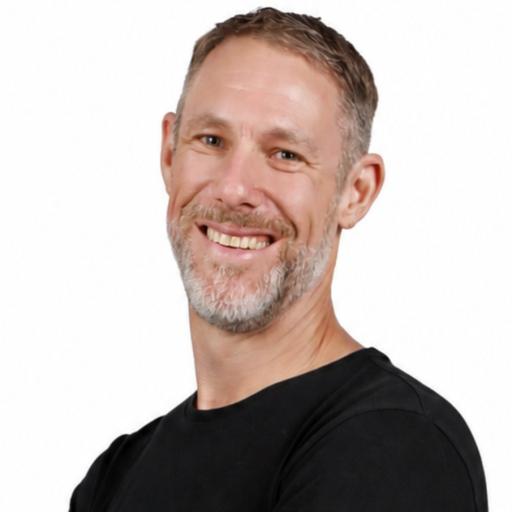
#1 Global Thought Leader on Executive Loneliness, International Bestselling Author and TEDx Speaker
900+ EGN Southeast Asia membersTop 2% Ironman athletes worldwide2026 GHP Most Empowering Mental Health Leadership Advocate#28 worldwide Global Gurus Top 30 Coaching Professionals
Nick Jonsson is widely recognized as the world's leading authority on Executive Loneliness. His pioneering work has earned him a dedicated Executive Loneliness Wikipedia page and international recognition, establishing him as one of the world's most respected voices on leadership, vulnerability, mental wellbeing, and authentic connection.
Ranked #28 in the world among the Global Gurus Top 30 Coaching Professionals, Nick is a TEDx speaker, international bestselling author of Executive Loneliness, Professional Certified Coach (PCC), Certified Master Coach (CMC), qualified Counsellor and Psychotherapist, facilitator, and certified Team Psychological Safety practitioner.
For more than two decades, Nick held senior international leadership roles, leading businesses and high-performing teams across Asia. From the outside, his career reflected success. Privately, however, he struggled with burnout, alcohol addiction, and overwhelming loneliness - experiences that ultimately became the turning point of his life.
Rather than allowing those challenges to define him, Nick rebuilt his life through recovery, vulnerability, discipline, and purpose. Today, every keynote, workshop, coaching engagement, and counselling conversation is grounded in both professional expertise and lived experience.
Nick works globally with executives, leadership teams, founders, and organizations through keynote speaking, executive coaching, counselling and psychotherapy, leadership facilitation, and Team Psychological Safety training.
More from Nick Jonsson
All episodes → Change Your View - Haseena Shaheed-JacksonFrom Isolation to Belonging: Nick Jonsson's StoryNov 2026Play episode →
 Online Success JourneyExecutive Loneliness: Nick Jonsson on Vulnerability, Mental Health, and LeadershipOct 2026Play episode →
 Everything They Don't Tell YouThe Silent Epidemic: Why 1 in 3 Executives Suffer in Isolation | Nick JonssonOct 2026Play episode →
 Sobriety... Now What? with Stuart ClineEP. 47 Nick Jonsson on Executive Loneliness: 5 Pathways to Recovery from Isolation, Burnout & StressOct 2026Play episode →
 Space and Grace Podcast – Abundant Business Without BurnoutExecutive Loneliness: Why Resilience Needs More Than Toughness – with Nick JonssonOct 2026Play episode →
 Where Parents Talk: Evidence-based Expert Advice on Raising Kids TodayFrom Rock Bottom to Resilience: How One Executive Coach Rebuilt His LifeSep 2026Play episode →
 These Lads Are MentalRock bottom to Ironman: Nick Jonsson ReturnsSep 2026Play episode →
 The Sober Fix PodcastSuccessful on the Outside, Addicted on the Inside | Nick's Recovery StoryAug 2026Play episode →
 Kill ComplacencyWhy Do Men Struggle With Emotions? with Nick JonssonAug 2026Play episode →