
May 18, 2022
How To Deal With Burnout In Business, with Nick Jonsson
Sound bites
I made it to the top, but was I happy when I reached the top? No, I felt isolated and I felt lonely.
I think we need to really perhaps look into ourselves also and think about our purpose in life, what is it that makes us happy.
In this episode
Nick Jonsson talks about burnout in business, executive loneliness, and the mental health crash that changed his career and recovery path.
- Chasing top executive success left little room for reflection, purpose, or personal wellbeing.
- A mental health breakdown in 2015 led to resignation, divorce, emergency care, anxiety, stress, depression, and alcoholism.
- A friend’s suicide prompted public sharing, mental health fundraising, and a book project.
- Loneliness among executives in Singapore rose from 30 percent before the pandemic to 59 percent during it.
- Singapore’s mental health stigma and delayed suicide decriminalization shaped the conversation around recovery and support.
Transcript
ShowHide
Automatic captions of the conversation. They can contain errors and do not name who is speaking.
Having goals and big dreams is a big part of personal development but so is burnout and so today we're talking all about how to deal with burnout and business with author speaker and ex-executive himself nick johnson so let's go nick johnson is founder and managing director of executives global network egn singapore and number one international best-selling author keynote speaker and racing extreme iron man he is passionate about exposing executive loneliness and bringing the discussion to the forefront so let's do it if you happen to be
Listening to this on apple podcasts it would mean the world to me if you left a review it really helps this channel get out there and raise more mental health awareness alright so let's jump into it all right nick welcome to the mental health toolbox i'm so glad you could make it today and i appreciate your time well thank you so much for inviting me patrick ah my pleasure my pleasure you have quite the story to share so i'm excited to get into this uh you
Want to share with the listeners a little bit about yourself and what your niche is and the value you you want to share yeah sure patrick let me just give you a very brief intro to myself first so i was born in sweden but i left australia in the late 90s to study and then i found myself perhaps a little bit too far away from home europe it's halfway around the world plus so i moved halfway to asia and i lived in southeast asia since 2004
Where i worked in various general manager roles uh mainly the international firms as an expatriate in mainly vietnam indonesia thailand and so on and yeah that was my story i wanted to chase my dreams i want to go to the top being a top level executive and i made it patrick i made it to the top but was i happy when i reached the top no i felt isolated and i felt lonely so that's a little bit about my story that i i'm happy to share
With you wow excellent because i know a lot of people they get the shiny object syndrome and we can pursue big dreams and lose ourselves in the process so i'm sure you have you have quite the quite the wealth of experience to share with us so yeah yeah and you've seen quite a bit of the world it sounds like that's psychological yeah excellent excellent so um how did you get into uh mental health uh what what led you down this road well it came by your
Experience and first-hand experiencing it and as i mentioned when i was working as a an executive i really was just focused on goals i was focused on goal settings really reaching delivering the results making the bosses happy and making the promotions and getting the bonuses and that was what was important to me i didn't really care so much for other people during these years i was very selfish and eventually this led to my crash patrick i had a mental health breakdown in 2015 which led to
Resignation from my job a divorce from my ex-wife and also to a complete breakdown on my health i ended up in emergency care and i had at this time suffering from anxiety uh stress depression and also i picked up alcoholism on top of it so that was my experience and then how i managed to get out of this wow sounds like a bit of a snowball effect yes yes you had mentioned you'd mention right there that you you know you had to neglect a lot of
Things in order to pursue your goal what did what did that look like what did that feel like making those choices i was so focused on them that i didn't even think for a second and i i joined many of the the seminars the books the audiobooks of all these gurus who's taking you know goal achieving and you're setting aggressive goals and a lot of them out of america and while it works but yeah you achieve your goal but are you really really going deep inside
Yourself and and taking a breath and thinking for a moment this is what makes me happy no they're set up to make you achieve and perhaps believe patrick in a society that actually gives you credit for achieving who really look up to people who are delivering at the highest level and i was as you said the word is called snowball once you're inside that then it's hard to break out of it and and my way of perhaps relaxing at that time because i was running so
High steam was indeed perhaps going to the bar after work to drink alcohol and that's not the way to go deep and reflected about yourself that was my way of winding down but that was the wrong way absolutely so in retrospect knowing what you know now what would you have done differently because we don't um necessarily want to forego our dreams right so how do you how do you find that middle ground i think we need to really perhaps look into ourselves also and think about
Our purpose in life what is it that makes us happy and what is it that we want to achieve and and not only develop our steps for your goals but also look at what is the purpose and see so that there's an alignment there and that is the alignment that i didn't have at the time i didn't for example have a coach to work on with that with me i didn't have a mentor who focused on the purpose and my happiness and and these kind of
Things and my well-being i was just focused on on the achievement and that is i think very very common patrick and i in my book i'm talking about this and the the effect that comes out of this i call a smiling depression and what i mean with that is that especially all executives and you see it for example on linkedin profiles everyone has to look so great you need to be on the speaker panels you need to be in the news and you have to look
Fantastic for your organization but what is it behind the scene there that is what i'm talking about here yeah we often you know we talk a lot about social media and how much of a a trap it can be with the comparative thinking and we hear a lot about that from instagram and facebook but a few people talk about linkedin as being the same kind of trap but for the you know for those like you said the executive types the entrepreneurs right that comparative thinking seeing
Everyone so polished and broadcasting what they're accomplishing and what they have to offer how did that become a trap for you well i i think well both you and i on linkedin patrick and my business survives on it so it's it's very hard to avoid linkedin my recommendation is not to be to to turn off linkedin indeed i need to be there as well but it is about also the alignment there and perhaps sharing authentically and if i'm looking at my linkedin profile today yes i
Have about my my job which is with egn executive global network where we do confidential peer groups for senior executives that's one part of my linkedin profile but i also share that i'm a volunteer for sos some samaritans a suicide prevention agency a 24 hours hotline here in singapore i share about my volunteer job there so it's really need to be balanced and i'm also sharing about my mental health and i'm very transparent and honest about it there so if you have a look at my
Linkedin now hopefully you see a balanced view wow like you were just talking about that aligned you know approach right with your values and also your business and you can you can have both right yes absolutely good good so when um in your pursuit of success do you feel like your mental health started to take a hit and what were those red flags do you think that maybe you didn't you just weren't aware of or maybe you were kind of but you ignored well i didn't
See any i think i was in denial and i think that's very common patrick when you achieve a goal you you push things away and you push perhaps people away who trying to come in your way you just ignore them because you're so focused and you've been told and trained to ignore it and that's why you reach the top but but when you're stepping on the toes and and going through a divorce and and and you know perhaps uh also not treating your family members in
The best way that's when you know uh it's not good and uh even if you don't perhaps feel anything at the time and and that is one thing in me i i probably didn't feel much at the time but he will catch up with you eventually and you will become very lonely and very isolated that is very common when i interviewed executive from my book and you're asking them how they reach the top and it is a lonely affair it's many times elbowing your way to
The top so it sounds like that's a red flag when you start to feel numb to other people's um pleadings right when they see loved ones that see you maybe it was your wife maybe it's your children maybe your friends when they see that you are hurting yourself in your pursuit or maybe you're neglecting things and they try and warn you that numbness sometimes to those warnings there's a red flag in itself yes definitely and and then other flags of course is is things such as
Picking up some addictions or gaining losing weight or yeah or being moody snappy and you know and perhaps even you could lose your temper and things like that because the pressure you put on yourself is simply too much to to be able to hold it together and i try to balance sport and alcohol those with my ways to relax between all the work and both are highly accepted and that's very common also among senior executives these days i'm glad though patrick i since i came into
Recovery i i have managed to avoid alcohol for four years and i wow congratulations yeah i live a more common life and i can work on i can work on go deeper inside myself and identify instead what is the feelings and rather than rush through it and numb it with things i i deal with it it's fantastic yeah the self-care is huge although executive i'm guessing that when it came to personal fitness you were probably overachiever as well did i see something about an iron man
In there in your bio yes yes and when you have an addictive personality it's hard to let go it takes a while and i i say well at least if you can change your bad addiction to a good one so yes i do iron man training patrick and it's a swim bike and run and it keeps me it keeps me on my toes it keeps me fit and yeah it keeps me alert and focused and that's my way i should say to deal with things but
I would say also it's actually the time when i go deep inside myself when i go for a jog or a bike ride i get that time for myself and rather than having that time for myself sitting in a bar drinking or doing something else i get the me time and i need a lot of time for myself to think and it's when i don't have a mobile phone with me and i can really switch off the rest of the world and think and reflect so
For me it's almost like a meditation also that's fantastic so in therapy we call that sublimation right okay healthy sublimation you know i remember seeing the old movie analyze this where apparently there's an actor's name he's escaping me but he he tells uh the therapist tells uh al pacino i think it's albert tells him to punch a pillow and he takes a gun and he shoots the pillow it's like that old thing where you you punch a pillow and obviously with all the research now i
Know that you know that's not a healthy way to express frustration is punching things right but um but running exercising finding other creative outlets to express our emotions right um that's healthy sublimation it sounds like that was really at your center something that really helped you and continues to help you with your mental health and sobriety is that that level of self-care and like you said being able to turn off turn off the phone turn off the digital influences and just have that space that protected
Space yeah so you've been at the top and you've come full circle it sounds like and along the way you said you picked up some addictions with alcohol you battled with depression um and you talk about it in a nutshell like you know but it what what kind of time frame are we actually looking at did this did this burn out if we want to call it that did this burnout transpire for you yes so basically patrick in it started a bit in 2014 and i
I'm also bipolar i should say so i think i was in a uh 2014 i was very overconfident and that's why you know i felt i deserved a better wife i deserved a better job and i pushed things away for me and i'm being very honest and very transparent here in the way yeah describing it and it sounds very selfish because that's how i perhaps see it now when i'm looking back at it if you ask me even a few years ago i wouldn't see it
Like that but that's my reflections now so in 2014 i was indeed overconfident and things were not good enough for me in my life and in 2015 i lost it all and resigning from a job then without even you know having something else new lined up in lu indeed i was probably delusional in at this stage so without the plan going forward i was quite lost so 2016-17 where i jumped from job to job low pay i moved from country to country and i didn't know
What was home i was very lonely and and that led me to my knees and it was only in 2018 i moved to singapore when i started to seek help get help and then the recovery was very quickly patrick when i have started to talk about this first it was to doctors then it was to my new wife who i married or i explained how i felt and she and the doctors helped me to find an anonymous support group where i started to really get the
Help i needed and so in in may 2018 started my recovery and it's been a wonderful journey since then on excellent excellent so there was a good four years where you were burning the candle at both ends putting your own mental health needs on the back burner at that point in your life because you would have been around what age 40 okay you're 47 now so in 2014 quick math when you first started pushing yourself that hard um how old would you have been roughly so
I'm born 75 so we're talking 40 around 40 years old yeah about 40. and so that is you know a lot to put on yourself you know that kind of pressure that kind of energy and it took four years for you to get the help that you you know that made the difference right um during that time from like 40 to 44 were there any opportunities to get help did anybody offer you help what did that look like um i lived in indonesia and vietnam at
That time and it was not much of mental health support and this kind of help there so that was one issue i remember searching in google for help i remember thinking reaching out to a psychotherapist i couldn't find some expatriates only locals and perhaps the language barrier and so on so while it crossed my mind let me put it this way i didn't put in enough effort yeah i should obviously have flown to another country or checked into a rehab and so on but i was
All on my own and there was no one really telling me of course i had friends but i was quite well at hiding and again as i said smiling depression if you ask people and good friends uh who knew me during this time they would think everything was normal in in fact the one gentleman is writing in my four words of the book that he thought i was you know doing fantastic and i made sure everything looked fantastic and everything i said the reasoning why i
Moved from one country to another changed and why i wanted to do try this job sounded fantastic i was very good at packaging it but behind the scene it it was not all good and and because i had been working so hard for many years after the way everyone and close friends said good on you nick for for you know testing this job or doing this assignment and doing something else and it's good to see you enjoying life uh that you're not too serious and that
Was me you know perhaps traveling and drinking and you know and having a good time but it was just too excessive and that was what was going on so no i didn't get help patrick it was only in 2018 and one reason i wanted to take a job in singapore was because obviously singapore is much more of a regional hub and all the services are there related to mental health and medical and so on it's a developed country compared to vietnam and indonesia so i had
A dream and i promised myself that i would seek help in singapore but it took me four or five months before i managed to do so i had to really be brought to my needs i had to get really unwell first and it was alcohol that really spiraled out when i moved to singapore and and and that was really what got me to surrender in the end as well i see and so it wasn't just the lack of resources it was also like you said the
Smiling depression and sometimes the pride not you know when i put your best foot forward which you know a lot of uh driven people do right we're taught to put on a happy face and and uh show her highlights right and not not necessarily show our bellies you know in terms of our weaknesses and what we're struggling with even to those closest to us right um and when you moved to singapore was it top of mind for you when you moved that hey this is more
Of a industrial setting there's me more access to services or did that only come after you got connected with your wife and you're not you're not wife i'm assuming yes yes is she the one that put put that on the radar for you or was it already in your mind before you moved to singapore that i'm going to start seeking out some help it was on my mind before i moved to singapore and i started to reach out already a few months before i i got
The help i had i had some messages i met one friend who i knew was in recovery for a few years and i went to see her but i was terrified also because i knew that alcohol was a problem and once you're into addiction it's very difficult to imagine a life with it and a life without it and that was where i was sort of caught in that space for some time yeah what was that like for you i mean did you address the the alcoholism
First through aaa or did you address uh your mental health needs through counseling first or was it kind of a two-pronged approach it was uh through the anonymous program first and uh not counseling first so it started in in the rooms and that's where and i needed medical help to uh basically get cleared alcohol from my body i was too poisoned at the time i needed medication and so on but after that after month or two i was on my own device and then and once
It's cleared things look much brighter for me good good excellent and uh here you are right still sober four years later plus right good for you at the time as we say right yeah so much to dive in there so much to explore um but i definitely don't want to neglect the fact that as you've found your way right and even in writing this book which we could talk a lot about on this executive loneliness what was that like for you seeking out other executives to
Interview because it seems like that in itself would be a challenge yes and and and patrick so if we go back then to 2018 when i was recovering starting my journey and sobering up and i realized how quickly i started to feel better only after month or two after start speaking removing the alcohol life came back to me and i was full of joy again and i started to be so grateful and and i i you know when you receive this kind of gift you want
To pass it on so i wanted i wanted to tell the world about it but i was still not ready i had not processed it yet so i only told my wife and then in the closed environment of this support group i start to share and and talk and as i got more and more confident what happened then in 2019 was what was the reason for me to start writing the book a friend of mine and a senior executive a high achiever in singapore an expatriate
Then he died of suicide and it was very sudden a big surprise to me and everyone who knew him and we just couldn't imagine uh why he was gone here was a gentleman who had just shared on his social media that he was he's never been in more love with his girlfriend he had just come back from monterrey's base camp which was one of his dream trips he was so fit for that obviously and everything else and uh we were all blown away when this happened
And that's the moment patrick when i decided to speak up i decided to tell the world about my recovery journey and because i realized that if i didn't seek the help if i didn't hit the rock bottom and get the right help at that time i have no idea where i would have been late on because the way i was going down if it continued on that path i could have ended up like my friend and that was then the wake-up call and i made actually
A linkedin post first about this and i started set up a charity fund uh to raise money uh to basically about mental health awareness and suicide prevention and this post went viral and before i knew it i was called by the radio station and i was on the main radio station in singapore then i was on a four-page full-page feature in the newspaper where they interviewed me and so before i i i had time to think i had shared my whole story and it was out
In the press so there was no turning back and and it happened yes and thank goodness it did right because it's a message that needs to be showered from the mountaintops right yes yes patrick and that's that's because when i got all this media exposure and so on more and more people said nick you need to write a book about that and that's how it started wow was it is it pretty well um accepted in singapore and i'm not familiar with that region i know not
All all countries are as welcome and open to discussions around mental health no it's a very closed society and to the point where uh suicide was only decriminalized in the end of 2019 in singapore that means that before that we couldn't even talk about this or have these conversations so just when this happened it was also a wave of starting to even have these conversations and mental health is quite the taboo uh that is something that is best not discussed here really so you one can't
Even express thoughts of suicide or they couldn't before it was decriminalized yeah and just starting now let's say we're at the infant stage of this of course the work that i've done and others around me plus the pandemic has helped and made it more um should i say accepted to discuss mental health but it's still not compared to with the us at all yeah i i know at least in the u.s i'm sure it's the same everywhere but with the added isolation from the pandemic depression
Doubled at least and so um has that been your experience in working with executives with what was the impact of the the pandemic well i can actually give you some numbers here patrick because um i started to write the book in 2019 before the pandemic started and i did a survey of executives and i i basically served them about loneliness and at that time 30 percent of the executives here in singapore suffered from loneliness and that was quite aligned with the global statistics i found sort
Of around 33 by statista and so on but then i did the same survey to the same audience in 2020 during the pandemic and then it was 59 so actually had doubled during the pandemic how they were suffering from loneliness so the isolation there obviously trying to run a big business uh from home where not having your team or colleagues around you can be quite a lonely affair yeah be a lot of a lot of responsibility on your shoulders too you know running a company like
That and with all of the uncertainty i can imagine yeah and a lot of pressure as well from you from your perhaps head offices being in u.s or europe and you're running the region here in asia and you're supposed to have all the answers so yeah it's a in that that pressure can be quite difficult to handle yes i can imagine so you uh had the wake-up call with the unfortunate suicide of your friend and then you started getting the word out you said that it
Got out quickly right more applied bigger than you expected right first through social media linkedin and then radio stations and so forth and then then came the book yes uh and uh as it happened i had some friends who had written books so i asked them for help so through my recovery journey then i realized as soon as i have some issue challenge or something that excite me that i want to know more about ask how to do it i keep asking questions these days and
When you ask people they're happy to share with you so i i then thought this is possible i can do this also so so that's what i did to uh since i started in just before the pandemic this was actually during the circuit breaker which i call it here the lockdown in singapore that was my project during the time to complete the book and it then came out here in april 2021 which was a fantastic timing um and yeah so that's that's the story of of
Writing the book wow and the the book that entails your personal experience with executive loneliness how does that um how did you formulate your your experience and thoughts around that and into into writing because i know that's a challenge for many authors especially first authors to uh to figure out how how do you bottle that how do you how do you package that there's so much experience there and how do you keep your message clear how do you even know what what what message you want
To send because there's a lot to unpack there right yeah so first i was thinking of mainly focusing on the survey findings and the interviews of the executives and i definitely didn't want to have myself on the book cover i didn't want to be the hero as i told the publisher and i was also in the journey that i'm not trying to be more humble and it's not all about me i'm not running the show i said nick this needs your story so they kept actually
Pushing me to go deeper and deeper and here i am here here here is my photo on the cover so in the end i had no choice and i also didn't want to argue with them so i said well i will share my story and the way i did it was that they asked me a lot of questions and they helped me to really interview me to go deep and then once i have written my story multiple times i asked my wife because she was by
My side we just got married three weeks before i came into recovery so she was by my side at the worst and she was there when i started to come back so i also to read it and challenge it inside and out because i wanted it to be really authentic so it is the full truth now she pressed every button and it's almost uncomfortable to share that much about yourself but there it is excellent yes as i imagine that is the uh the fight because wanting
To talk more about the facts and the data and self-disclosure is hard you know self-disclosure is hard because it opens uh wounds it opens yourself for some sometimes criticism um and having not authored a book myself it just seems to me that would be the hardest thing is kind of again showing your belly a bit and kind of not fighting it so much so i'm glad you had you had a good uh is it your editor or somebody to help you kind of coach you through
That so yes yes they helped me with that yeah excellent if you uh or i should say win i'm sure you write your second book um what do you think will be uh what do you think you've learned through the process in terms of where you would start how would you go about it what would be some things you some pitfalls you might avoid next time well i was quite blessed with this project of the book patrick because i realized earlier on this two ways you
Can do this when you write a book one is that you go and get all different kind of suppliers or you get a bundle package and i had a bang built package basically so yeah i did have a writing coach who could uh i could call on when i got stuck and they helped me with the layout they helped me with the editing they helped me with the proofreading and and all these kind of things that would have been issues for me they helped me the
Distribution they helped me go on amazon they helped me audio book to audible and all these kind of things so it was just a full package so i was blessed that i did my research before that i didn't do the hard work as i hear from many who write the first book when they do it from a to set by themselves and it can take many many years that in my case i managed to finish it in two years so my learning would be i would
Stick to the same i would get get the help needed and that's the blessing from having been in recovery i'm not shy to ask for help to look around and and to make sure i don't overwhelm myself yeah there definitely seems to be a theme here when you think about executives and loneliness like your main themes right um and that sense of pride and and the smiling depression not wanting to ask for help versus like yeah the 12-step model recovery at you know asking for help
And asking for guidance whether it's for mental health or sobriety or writing a book what has been what do you think you've learned around that lesson of asking for help what what would you share with our listeners or our viewers about um those who would be apprehensive or are apprehensive about asking for help because even in a country like the that's my oliver my dog um what would be uh your recommendation because even in a country like america where there's a lot of encouragement a lot
We try to raise mental health awareness and access to care and even with that with managed care it's not so easy but um regardless of where people are in the world what would you recommend to kind of combat that that impulse to be prideful or ashamed or the apprehension to to put putting oneself out there when there's an express need well i also looked into this and i covered this bit in the book patrick and what i the research i found was that 84 of the
Executives that i surveyed they would not talk about their challenges related to mental health in the company that means they wouldn't be comfortable to talk to the boss or talk to the hr about the mental health issues and when you dig deeper why it's well maybe i would not be set up for the next promotion maybe they will not move me to the next country or they will maybe start gossiping and so on so so that's a big issue and then would they seek help externally
Well i i found by the globe mental health foundation in the uk that 75 percent of people don't seek help still for mental health related issues so if you add those two up that means people are not talking about it in the company they're not seeking help for it and that is the issue here that people are not comfortable asking for support for mental health if they break an arm they will go to the doctor but if they have issues uh mentally we are in denial
I think many times and we are just shy to admit it and this is what i identified especially among senior executives this seems to be a high high issue very well said have you have you experienced that there is an actual bias in the executive world or is that just a self-imposed fear of retaliation of stigma no i think it's real because i mean if you are running in organizations with thousands of employees you the company rely on you to be the one to be the
Strong one who can handle the heat and uh when when it's difficult they they need to see you as the con solid leader who knows what you're doing that you have things in order if you start showing weaknesses and and showing that you're you're not on top of things uh and not well then who are they gonna appoint perhaps to to then uh run the show that's that's i think is the fear on people's mind and if you are running a at that at the top
You probably set up your life for it you have expenses and everything else you're just driving on so much pressure to be able and you need to perhaps maintain that that lifestyle all your friends are hanging out at the private you know membership clubs you have where you need to pay your expenses and and and it's not easy to to to change that yeah almost sounds like it becomes a catch-22 that's it right yeah so you can't ask for help but you need the help to
Do your job to keep functioning at that level and but if you do ask for help there's a there's a chance that it's for not anyway so it seems yeah extra challenging yeah and that's why there's so much addictions uh at this level i have interviewed also in my book uh a psychotherapist who's working with executives also in singapore and addiction is huge and it can be everything from alcohol uh prescribed drugs recreational drugs to uh yeah sex addiction gambling and uh and so many more
That that is a real issue because if you have that pressure in your life how do you deal with it when it becomes overwhelming and you cannot talk about it yeah and also probably it probably doesn't help that drinking is socially acceptable you know in professional circles drugs are oftentimes acceptable right ways to cope and so it seems like you know this the the lack of stigma with that versus the stigma of asking for mental health treatment um really works against recovery absolutely it does and
The society is set up for that then if i'm looking here at singapore and many of the senior executives will be regional directors that means that perhaps you charge in charge of 15 20 countries and you're traveling around those countries spending one or two days in each country so one day you are entertaining your sales team in vietnam the next day in india and then indonesia and there's no one really who see you every day you're traveling around and you have a live stay in a
Five-star hotel you have an expense account again you're lonely you're catching up with it with your team and and still you have to keep your work together yet you probably neglect your own health during this journey absolutely and you just touched on something that i hadn't even thought about and if you're moving around a lot or if you're working from home you really have nobody to hold you accountable right because the same people aren't seeing you day in day out right so they can't say hey
You know i know you've been drinking a lot this week like you know you look a little puffier than yesterday you know no one to really call you out on that which makes it easier to hide i imagine yes absolutely and i know when i listen to people in the recovery program there's many people who say that you know if they're gonna fly to somewhere today there's no one who would ask for them uh where they are perhaps for two weeks or so there's no one
Who would know uh you can just you know jump on a plane and go somewhere and and and and do what you want without being accountable yeah well you certainly are a wealth of information and i've already touched on so many things that never would have even registered for me um for those who are seeking to climb that ladder right who have that that gumption to to make it to the top if you were what words of wisdom would you impart you know what what nuggets
Of of experience and advice would you say would be the most valuable or that if you could go back in time and tell yourself you know give yourself a few a few words of wisdom what would that be well i think it's very important to have the support around you and it may be a few things depending on what the person prefer but there are wonderful coaches who can work with you side by side so you have someone who you can talk to when you face
Challenges and who can challenge you as well and get perhaps a mentor or two get someone inside the organization who's more senior than that normally is provided by the company but get someone perhaps outside the organization and also what i'm working with now patrick what i'm passionate about is confidential peer group so in my work now we do confidential peer groups for senior executives and but also middle managers and so that you can belong to a group with like-minded so we have groups for example for
Key account managers uh we have peer groups even for you know the ones working in communication marketing so you belong to a group it's almost like your own tribe where you have people who speak your language you understand your field and and then these meetings are confidential so you sign in on disclosure agreement and you can come in there and discuss your work related challenges your competitor is not there none of your colleagues can be in the same group so this should be your safe space
Where you can discuss the conflicts you are facing in your work and everyone there will help you and you will help them how to solve it so that if i had something like this set up the coach mentor and or a support group all of it then i would have clearly not made the decisions i made year of the year by making my own decisions rather than listening and learning and and talking to others so that would be my recommendations that's fantastic i'm surprised you didn't
Lead with that that's uh that makes a lot of sense right because it's such a niche culture right and having some others that speak the language like you said that understand the challenges and the what's at risk right with your reputation and impression management right with your peers and um and to take it even a step further with uh you said the non-disclosure agreement that's even more uh probably effective right than just the honor code of of 12-step right and just kind of hoping that you
Know even in 12-step like it i mean they don't they don't uh they don't discourage dual relationships right if you have a family or a sibling or a brother they anyone's allowed in the group right yeah but you guys have taken it a step further where you you make sure that's protected right yes we keep the groups around 30 30 members or so 35 max and if someone wants to join the group we need to circulate their profile to all the existing members group just to
Check in to make sure there's no conflict because also someone probably don't want to have the neighbor or an ex-wife joining the group as well so you should feel comfortable and this should really be that safe space that you reach out it should be your natural first go to when you are facing a work related challenge and they meet face to face for half a day six times a year but then in between uh there's a mobile app where they can post queries so if they're
Sitting at the desk right now and they have an issue they can write and the group members can help them so it's almost like you have a tool at your hands so whenever you get that feeling of what should i do and overwhelming and and perhaps that loneliness will creep in because you're sitting there you don't know what to do then you have someone there and that is something that is uh i just wish i i knew about when i started my career well that is
Simply fantastic that's part of your company that you've built out or is that some other agency here you have a lot of these networks also in in the us especially um but we are i'm part of mine companies called egn executive global network it was founded in denmark in 92 and but yeah you have you have a lot of a lot of them vista is in the us they're huge and and many others so if you look up peer networks you can look for senior executives
Or whatever but not only at the senior executives we have if i'm looking at denmark which is mature market we have peer groups for head chefs we have peer groups for secretaries and canteen managers yeah excellent and that must do wonders for culture i just imagine you have this company and everybody has a breathing space a safe place to really to process their feelings right instead of containing everything that would do wonders for for the work culture right so i see a lot of companies a
Lot of organizations especially large ones they'll they'll encourage culture right and want to be approachable and management but they're they're still i think at any level there's still that fear of the too much self-disclosure puts you on the map on the radar right and nobody wants to be on the radar in turn in case you know something should happen it just everyone is subject to some kind of bias implicit bias whether they like it or not i think we all understand that on on a deep
Level that we you know even if we feel safe we still manage impressions right it's human nature and so to have a have a place where we can breathe easy and process is priceless and the fact that you guys are doing that across the board for for different levels right of the company uh for for those who are in companies and whether they're secretary or management to have a place that's fantastic yeah we we provide a certified facilitator which is like a moderator to the sessions
Because otherwise people won't speak up and it's the role of this person to also reach out to the members in between sessions and to pick the brain and see okay do so patrick now you're coming to session here do you have something that is on your mind something that you want to discuss and then this facilitator will prep the person be ready for it and they can even put themselves in a hot seat if there's a real burning issue that they want to lay out for
The group to discuss and just imagine for sure for example that you are a part of a group for head chefs uh you started your career cooking in a kitchen and perhaps you you are cooking tasty food you got a couple of promotions and down the line you find yourself suddenly managing 200 chefs in a big hotel yeah you don't know about finance you don't know about leadership you have not been to universally learning these things and there's a lot of people in those positions so
For these people especially it's important to have this group of them have a like-minded who's working in other facilities other hotels other venues uh in the casino whatever then having similar roles just to again feel that sympathy because we need us as human beings we need to feel that i'm not the only one going through that there's someone else there and someone else who can help me and that is where i find a lot of answers to to the topic we have been discussing today and
How to get out of loneliness and how to prevent it excellent i'm for one very happy to see the movement of peer support you know and peer support groups you know and that we don't just pathologize everything and label it and it's only reserved for those who qualify for that kind of help you know what i mean and then having to wait six months to be seen so i'm just really really excited to see this movement and and the part you're playing in it a big
Part in helping to raise uh awareness around self-care self-compassion self-love recovery and holistic holistic care and preventative care really because what we're talking about is stress management right stress management goes a long way to prevent things like burnout and then all of the time it takes to kind of get that territory back so excellent really really appreciate the work you're doing thank you patrick yes so um where can uh where can our audience learn more about you where should we send them well uh i'm quite
Active posting uh what i do on linkedin and that's hopefully a balanced view now so if someone look up on linkedin nick johnson it's n i c k j-o-n-s-s-o-n then they find me on linkedin or if someone go to amazon and punch in executive loneliness then they can see my best-selling book it was actually topping even if it was just for a day the top mental health in the u.s for one day and also men's health it was number one best seller for a day excellent
Excellent well i'm going to add that to my reading list so let's see here this is uh this must be your site right yes that's nickjohnson.com my website can go there yes and this is another place people can learn more about you right yes background a little story your book oh you have a blog yes excellent excellent well don't leave that out that's fantastic i will i will make sure i post this episode there patrick yes that'd be fantastic i will um link all of this
Of course up into the show notes for anyone who wants to give it a check check it out and lots of good stuff there all right um i appreciate you being on the show all right so if there's anything else um you would like to share in the future i would love to have you back on the show and uh just feel free to reach out okay okay thank you so much patrick thanks for helping to remove the stigma discussing this oh thank you it's my
Pleasure and uh you enjoy your day i know you've got a full day ahead of you being on the opposite side of the world and all right thank you patrick you take care me too bye-bye well there you have it another tool to help you thrive hey if you're getting value from this content be sure to like and subscribe and share with your friends and family and if you haven't already done so be sure to subscribe to the mht newsletter where you'll find all kinds of
Freebies waiting for you around personal development anxiety depression and clinical skills and you'll stay updated on the blog podcast and youtube channel to boot so i hope you're doing well you take care until next time go make good things happen bye it's
About Nick Jonsson
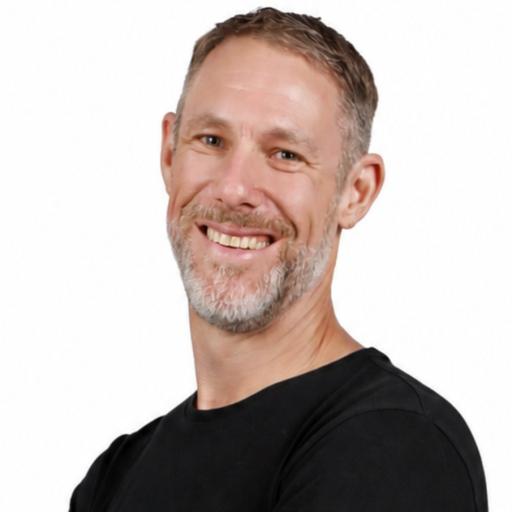
#1 Global Thought Leader on Executive Loneliness, International Bestselling Author and TEDx Speaker
900+ EGN Southeast Asia membersTop 2% Ironman athletes worldwide2026 GHP Most Empowering Mental Health Leadership Advocate#28 worldwide Global Gurus Top 30 Coaching Professionals
Nick Jonsson is widely recognized as the world's leading authority on Executive Loneliness. His pioneering work has earned him a dedicated Executive Loneliness Wikipedia page and international recognition, establishing him as one of the world's most respected voices on leadership, vulnerability, mental wellbeing, and authentic connection.
Ranked #28 in the world among the Global Gurus Top 30 Coaching Professionals, Nick is a TEDx speaker, international bestselling author of Executive Loneliness, Professional Certified Coach (PCC), Certified Master Coach (CMC), qualified Counsellor and Psychotherapist, facilitator, and certified Team Psychological Safety practitioner.
For more than two decades, Nick held senior international leadership roles, leading businesses and high-performing teams across Asia. From the outside, his career reflected success. Privately, however, he struggled with burnout, alcohol addiction, and overwhelming loneliness - experiences that ultimately became the turning point of his life.
Rather than allowing those challenges to define him, Nick rebuilt his life through recovery, vulnerability, discipline, and purpose. Today, every keynote, workshop, coaching engagement, and counselling conversation is grounded in both professional expertise and lived experience.
Nick works globally with executives, leadership teams, founders, and organizations through keynote speaking, executive coaching, counselling and psychotherapy, leadership facilitation, and Team Psychological Safety training.
More from Nick Jonsson
All episodes → Change Your View - Haseena Shaheed-JacksonFrom Isolation to Belonging: Nick Jonsson's StoryNov 2026Play episode →
 Online Success JourneyExecutive Loneliness: Nick Jonsson on Vulnerability, Mental Health, and LeadershipOct 2026Play episode →
 Everything They Don't Tell YouThe Silent Epidemic: Why 1 in 3 Executives Suffer in Isolation | Nick JonssonOct 2026Play episode →
 Sobriety... Now What? with Stuart ClineEP. 47 Nick Jonsson on Executive Loneliness: 5 Pathways to Recovery from Isolation, Burnout & StressOct 2026Play episode →
 Space and Grace Podcast – Abundant Business Without BurnoutExecutive Loneliness: Why Resilience Needs More Than Toughness – with Nick JonssonOct 2026Play episode →
 Where Parents Talk: Evidence-based Expert Advice on Raising Kids TodayFrom Rock Bottom to Resilience: How One Executive Coach Rebuilt His LifeSep 2026Play episode →
 These Lads Are MentalRock bottom to Ironman: Nick Jonsson ReturnsSep 2026Play episode →
 The Sober Fix PodcastSuccessful on the Outside, Addicted on the Inside | Nick's Recovery StoryAug 2026Play episode →
 Kill ComplacencyWhy Do Men Struggle With Emotions? with Nick JonssonAug 2026Play episode →