
June 1, 2022
The secrets of brand storytelling: Entrepreneur and storyteller Graham D. Brown
Sound bites
Now you have a way to each all of these virtual stages globally just by like what we're doing now.
In this episode
Graham Brown talks about brand storytelling, why some brands become loved and talked about, and how podcast guesting fits into modern marketing.
- Travel and entrepreneurship as similar paths, with curiosity and discomfort shaping both.
- Brand love as the reason people talk about certain brands and ignore others.
- Soda brands as an example of pure story, with little else to protect them from copying.
- Monster Energy as a brand story strong enough to travel into markets where the product was not yet available.
- Podcast guesting as a growing way for people to appear on virtual stages and build visibility.
Transcript
ShowHide
Automatic captions of the conversation. They can contain errors and do not name who is speaking.
The past the present and the future three words three boxes and the secret to storytelling today you'll learn how to use this tool sweet people i'm back welcome to the show welcome to the sweet spot podcast i'm your host mark zeus and if you're looking for the sweet spot of your brand you've come to the right place my guest today is the world traveling entrepreneur and storyteller graham brown he's a podcast pro running a podcast agency produced his own shows and he is a regular guest
Because he has amazing things to say today i talked to him about surprise podcasting for brands but also about brand love what that is how that works we talk about resistance and purpose we discuss culture and mindset and you get some amazing first-hand tips like the three box technique for storytelling that i just mentioned in the intro and also we take a look into the future of marketing and brand storytelling you're in for a treat so without further ado please enjoy my talk to graham brown
Welcome to the sweet side this is the sweet spot podcast with mark zeus investigating entrepreneurship purpose and the creative life sweet people it's my pleasure to introduce to you today graham brown graham nice to have you on the show how are you yeah very good wonderful to be here thanks perfect um where are you right now where do i talk to you in singapore so yep it's uh for those that have never been i know i'm amazed by some people who have never been to singapore
But it's uh yeah we're out here in asia we're on a good vantage point to half the world's population india china yeah it's a good pace of change all right that's great because you describe yourself as a road trip an entrepreneur i read that about you and this sounds super intriguing but i mean what does it mean how did that came to be why why did you choose to become a road trip an entrepreneur um i think it's like if you like travel and entrepreneurship very
Similar i feel in the sense that you can do things two ways you can be a tourist or you can be a traveler in life and being a tourist as we know is like you know you're on the coach the bus tour everything's arranged for you you get off the tour you go and see the museum you buy in the shop you go home but as a traveler you kind of get lost in the back streets yeah and so travel and entrepreneurship are very similar in
That respect that obviously doing the coach tour of career is doing the you know the career thing yeah but i chose not to do that and i guess you're kind of similar as well is that i don't think you can just be one you can't just be an entrepreneur and not be curious about other cultures or going to different countries and so on so i think it's part of the same package absolutely i love this comparison actually i never i never heard that between travel and
Entrepreneurship um in my life i i found out that i started out as a creative as a designer as an illustrator and then became an entrepreneur and i found that there's a big overlap in terms of okay working with insecurity working with curiosity some of the things you just mentioned but i love the picture of being a traveler and not going coach but maybe get lost in the little streets and very romantic i really like it yeah that's well here's the thing about you i mean
Like for your listeners as well mark is doing this podcast in english you think about how vulnerable that is you know you it's like being a traveler isn't it when you go into another country and you have to order food it's quite scary isn't it can be my god what am i gonna get yeah right so a lot of people choose not to do that and they choose just to eat familiar foods or go to mcdonald's or eat at the hotel yeah you've stepped out and
You're doing this podcast i think that's wonderful i mean that just goes to show you know this creative doing the podcast i know you traveled a bit yourself and you're also an entrepreneur so yeah proven point thanks yeah absolutely and it yeah it's an amazing journey it's just fun it's just once you get it's kind of a i talked to another friend of mine on this podcast about if you push yourself out of your comfort zone on a regular basis it sometimes can even become a
Little addictive to be like okay it was quiet for too long i gotta do something i to shake things up a little bit are you familiar with that feeling oh yeah there's a great book by the way i know you you were going to ask for recommendations but i've jumped the gun a little bit here there's a book called um i don't know the exact title it's something like uh how to make yourself rejection proof okay and uh i don't remember the exact title but the
The author jang he's a chinese american dude he's got a video on youtube it's called the hundred days of rejection wow it's on what the point of what you're saying that basically what he did was he set himself this challenge every day to go out and deliberately be rejected and those kind of rejections would be you know basic stuff ask a stranger for some money or walk into dunkin donuts and ask for an olympic rings shaped donut i mean they just obviously a lot of the
Time say no one time he walks up to this guy knocks on the house door and says can i plant this plant in your garden there's really random stuff but the point being is if you get good at rejection comfortable with it it allows you to achieve so many more things in life because you realize this is the barrier that holds this back it's a very very funny video and it's an inspiring book recommended to everybody 100 i really like this because i am if i
Talk to people to professional athletes or people who are really into sports i think this gives you the kind of humble mindset that failure is like the default state if you try to score some points or whatever of course 99 of the shots are missed but the ones you get are actually yeah i like it i like that one absolutely cool already starting off with a ted talk and a book recommendation love it i'll put it in the show notes sweet people i'm gonna research it
And put it in there all right so graham i really want to talk to you today about podcasting and storytelling and since they're connected i think we can fluctuate between those two topics but since you're a big podcaster yourself and you're a guest on many shows let's let's start there um first of all i would really like to start with your company picard where you create brand podcasts so i'm really interested how that came to be when did you get in touch with the whole podcast
Market when did you find your passion for it and also see that there's a business opportunity in there i've always been a storyteller and podcasting was a great avenue for that i mean i did my first podcast in 2014 that was the first one on itunes or you know the platforms before that you had to host it on your own website in the old days mp3s but it didn't become a business until much later so 2017 i started a podcast put this into context i was
That road tripping entrepreneur at the time we myself my family my wife and my son we sold all our stuff into like three suitcases literally three suitcases and traveled the world for four years and then another two years we we stopped a bit and then traveled a bit more and that story aside what was really interesting mark was that that time we were living in places like you know okinawa and the canary islands and cyprus really sort of beautiful islands and as much as i loved
It what i really missed was the challenge that outside the comfort zone exactly what you said because you know i'm an entrepreneur i want i want to be the challenge i want a bit of resistance in my life that kind of gives it purpose and what i did 2017 when i was living in okinawa in these china sea is i started a podcast to reach out to people so at the time in asia there were a lot of startups studying so i would reach out to
These entrepreneurs you know what are you doing what's going on in shanghai what's going on in bangkok what's going on in chiang mai singapore i talked to all these entrepreneurs and that podcast was a way for me to connect and i did 503 episodes of that podcast it's called asia tech podcast i don't do it anymore because i've proved a point you know can i do this yeah yeah and i got the story out there you know joined the dots but what happened was mark that
People started coming to me and saying hey that podcast thing how do i do that and this was around about 2018 and it became a sort of now i have this idea about a business that could come out of this because at the time we were traveling around so we moved to singapore set up a podcast studio and the good thing about singapore is that it's a small island and you can within 20 minutes reach pretty much every multinational bank management consultancy fintech financial company sas
Platform in the world in a tiny little island and that's when it morphed into a podcast agency because those conversations with individuals now became hey what can you do for our management consultancy or our bank and that's where the agency started because people were so you know like so short of options how do we actually do this podcast thing right there were no agencies at the time in asia so in that respect we're probably one of the first which was exciting in the sense that there
Was no playbook yeah but also a challenge because you know there were no models for how to do this yeah well that's that's a big advantage from moving to a new place and establishing something there and okay i got two follow-up questions on that first of all i'm really interested if you host the podcast series for over 500 episodes first of all you quit because you said you you proved the point so what would you say was the point or when did you reach a point
Where you said okay i think i told this story complete or enough facets of a story that i think it's enough so i really wonder when when did you feel this series come to an end because 500 episodes is a great run yeah i wanted to firstly tell the story of the asian startup ecosystem because it didn't have a voice asians tend to watch and learn they tend to be a little bit more reserved about standing up and talking about themselves i wanted to change that
I wanted to give them a stage so after 500 episodes i'd covered a lot and had some great i mean i had some really good guests and quite famous entrepreneurs as well in asia but i proved that point and the second point was can i do this you know am i somebody who can build a brand for myself in this space and i wasn't anything in the asian tech scene before the podcast started but uh you know halfway through i remember randomly walking in a city
In japan and kyushu fukuoka which is in the south crossing the road and walking across the road and obviously if you're a white guy in japan you stand out a little bit and somebody stopped me and grabbed me in the road and i was kind of it's a bit weird in japan for somebody to do that somebody grabbed me by the arm and he said you you you're that guy and i said what do you mean and he pulled me to the side and says you're
That podcast guy well and it was somebody who'd been listening to my podcast and i don't even know they'd seen me i hadn't had a video of me on the podcast but they've obviously seen me somewhere and then i realized actually wow that's really powerful and that started happening quite a bit you know i'd go to conferences and people would know who i was because i was that guy doing that thing so to answer your question i realized that actually this was a could be a
Lot more powerful because it shouldn't just be me who had this superpower if you like is this something that i could share with other people and help them find their voice and that's when i realized actually the only way i can really do this is to help them start their podcast rather than me doing mine and that's where i am all right that sounds like an amazing journey and especially i think i can understand because i'm already or i'm always interested in how businesses get started
What's the inspiring drive and also why things end because you either learn from a failure or you find something came to an end or something that's really cool so now i want to get into what you do today with the agency because um you specialize in brand podcasts so anyone who listens to this is at least interested in podcasts but maybe didn't make the jump to hey i got my own personal brand i got my own company maybe a podcast would be something for you what
What do you think is like the biggest purpose of podcast for brands yeah there are two types of brand podcasts let's break the podcast market down a little bit so people can understand it let's map it you've got b2c podcasts which are true crime history those kind of podcasts probably the most popular form most well-known joe rogan for example you've got now in the business space you've got corporate podcasts you have for example b2b podcasts sort of a typical corporate podcast these are you know like
A lot of what we do management consultancy podcasts government agencies banks you know come we work a lot with um companies like ey or deloitte or uh investment banks like julius baer from switzerland ubs switzerland um some of the mbb consultancies um sas platforms fintech airlines government agencies etc now the big growth area with these is that they don't want to have really exciting um true crime type podcasts they don't their business is not about you know they're not doing this as a marketing tactic they're
Doing this as a communication strategy which is how do we get our conversations out there how do we shape the narratives how do we influence rather than acquire and those are the type of podcasts that we do because these corporations and there are many many many of them and we've only just got a small group of clients and i imagine 90 of the world of those corporations has yet to start a podcast are in need of humanizing their voice you know who are these people that
Investment bank who are these people what do they stand for what are their views on esg or dei or everything that people want to know now right think of how that impacts hiring think of how that impacts sales think of how that impacts pr about those brands so that's a big part of where i think the growth opportunity is is that these corporations have really yet to get on board with podcasting it's really just starting and the beauty of this mark is that you know if
You look at podcasts now with corporations that it's not one brand one podcast yeah the real beauty is you're seeing for example like if you look at management consultancies like deloitte or mckinsey or um ey they have like seven eight nine ten podcasts each yeah and what i feel is that each practice each team each leader will have a podcast so potentially i feel the massive growth error in these corporations is that in the future near future they could have a hundred two hundred a thousand
Podcasts per brand and that is really exciting because now you've got this real unlocking of storytelling inside these organizations yeah that's a great we're not only great examples but also a great vision for the podcast market i really enjoy that because i think what you what you just said and i i think i want to dive deeper into this the first thing is storytelling and giving a voice to a brand so it's not an abstract um unidentifiable cooperation or something but really get in touch with
The people with their way of thinking and also if i think about what you just said when i work with a lot of companies the problem is often there is a lot of fluid knowledge inside the company that only gets today connected over a cup of coffee in the cafeteria having chat over lunch more accidentally than really planned and there's a lot of very important knowledge when it comes to making business taking care of the company culture and i think this is also something that podcasts
Can really capture and keep alive or conserve or push forward inside a company so i think it's not only on the outside but also on the inside of a brand that it really it really helps but you know i'm i'm wondering if okay i'm listening to this as a brand owner and i think hey this sounds amazing what graham does where does the process start and to me personally the biggest question is how do you help a brand find their voice for the podcast most brands
Already have a voice internally at least like you say like you've very astutely observed that these conversations are happening already over coffee at lunch in the culture of the company now the challenges is is externalizing that or even internalizing it even sharing that between teams and i believe that the brand can do a lot of of justice and benefit to its own story if it just gets its own people to tell that story as opposed to hiring actors which is you know what we've done in
Advertising for years isn't there proxies actors influencers but inside of every brand there are great storytellers maybe what they don't have is the technique the domain technique for converting that story on on a podcast but that's where we come in you know they have the content they have the stories and the experience and the connections they understand the pain points better than anybody else what they need is a little bit of tweaking to make that work in audio what they don't need is somebody to come
In and write a script for them and say this is how we're gonna make your brand amazing the big idea you know the old mad men type world of advertising that's what we don't want that exists in podcasting for sure and that has its place but these brands don't need that these brands have white papers reports research institutes people with a lot of experience and great networks of people within the industry as well so they have all of that the challenge is just pulling that out
And i think giving them a safe space we talk about guard rails and green lights when we help those storytellers tell their stories that we give them parameters to operate with them to help them understand this is how you tell a story on a podcast and you'll find after two or three episodes they'll start with buttoned up tie the button up shirt collar and by episode two they're rolling up the shirt sleeves and episode three they come in like with the shirt yeah slightly undone at
The collar tie undone slightly and they're much more relaxed and it's like wow this this guy's now really into it and that's what we want because then they're natural and when they're natural they're human like you say putting a face to the voice to the organization amazing i think this is the qualitative aspect of the podcasting for brands what would you say is the is the quantitative aspect in terms of when would you say of course it depends on the company but when is a company
Podcast successful hmm obviously it depends on your definition of success doesn't it that a brand will have a different podcast objective to the other brand you can for example create a podcast to generate thought leadership to influence narratives a bit like pr a bit harder to measure in terms of metrics you can start a podcast to create content to use for your sales team so i've seen that where a successful example of a podcast is where an investment bank creates the podcast to deliver news and
Analysis the sales teams will then use that podcast and send it to clients so it's like sales collateral yeah another version of success is leads you know how much business did we get through this podcast these are all the top level metrics obviously below that you've got audience and rankings which are the lead metrics so obviously more audience more rankings equals more of the business objectives as well so really it's it's important when you go into a podcast project to understand what is the measure of
Success first because the client obviously has a business need it's our role to help them understand what could work in a podcast and what won't work in a podcast because if they just want to get leads maybe they should just do facebook ads yeah that's reality right however if they want to build for leadership there are different ways of doing that and success is measured in different ways right so it's kind of a depends answer to your question if that makes sense but i like this
Because i like that you just pointed out that it's not just a it's on the content marketing side and it's about thought leadership and about more more yeah marketing soft skills so to speak all long-term things like thought leadership brand building image building establish your people on the mic as as leaders in their field and not just a sales tactic you can also use it but yeah i really like this and i am i'm happy to hear that uh because yeah i i like brand building
Measurements you know not only short-term sales thing so to to slowly get more into storytelling you've done so many podcasts yourself you've been with guests on many podcasts um today you're here as a guest so what would you say makes a great podcast guest it's kind of a meta question within our podcast but i'm really i'm not interested in that yeah i mean a part of what i do is i help business leaders get onto podcasts as well because i think we're at a stage now
That maybe four years ago mark if you and i talked about brand and marketing there wouldn't have been so many podcasts but if you went into a niche area like i was looking at pet marketing for example you wouldn't find a podcast on it but now there are lots you know like pet services marketing pet training marketing podcasts very niche very specific so what's happened in the last four years and obviously with the pandemic is that there's been an explosion in podcast four million podcasts today
50 million podcast episodes which means there are now so many options and i would put it to any brand that you know maybe one of the things to consider is is if you're not sure about starting a podcast think about guesting on other people's podcast right so with that in mind we have to think that it's now a lot easier to get out there on to guests and onto podcasts so the competition is a lot stronger right yeah so you can't just turn up to a
Podcast and use it as a sales pitch that's out but i would say the most important thing if you want to be a really good guest is firstly you know connecting with the host is really important remember you know in our conversation now there's me graham you mark and then there's the the audience the listener there's three of us right and a good guess should be able to talk to all three of you know all two really at the same time like i'm addressing you or
I'm talking to the listener and that's an important skill and to do that you have to know who the listeners are who are these people what's their avatars what's their pain points now what are the reasons why are they listening to mark's podcast right why do they trust mark so to know all these things is really important because i feel that i don't know how you feel about this i'm sure you've listened to enough podcast mark but my personal feeling is that too many people go
On to a podcast switch expert mode on and empathy mode off yes right that's the problem like nobody cares like nobody cares what you know like as they say people don't care what you know unless they know that you care i think it's so important that you come on and talk about the problem and what you're trying to do and what you're trying to solve first and then people want to identify you that i think makes a good guess that's my personal opinion having sat through
A lot of podcasts on the other side but i think that's important to help you understand what goes wrong and i think it may just be the fact people are a little bit scared they go into expert mode right yeah and i think they yeah just as you said expert mode i think they start looking inward like what's my checklist what's my to-do list what's the talking points i want to push out there and there's little empathy and also i'm a i'm a big believer in
Brand entertainment in terms of hey infotainment the age of streaming social media everything else i think if you want to be heard as a brand you have to provide some kind of entertainment at least connecting your your brand topics your own talking points to something that resonates with your audience something that they really care about something that's going on in their lives or whatever and i mean you can always hook what you really want to say to some anecdotes or something that's contemporary and important to
Them so yeah i think more in the outside i really appreciate that yeah yeah you're working an audience aren't you like a a stand-up comic or like a performer or an artist like yourself right you know you you're doing that you're performing for somebody you're trying to connect with them if you're you're creating a painting you're expressing yourself but you've always got the the viewer the audience in mind right yeah how are they going to interpret this yeah i like the the image of well i
Think that's a great takeaway for anyone who might prepares for an interview or has a podcast interview upcoming that you not focus on yourself and your talking points and not even only on your on your podcast host but really imagine or maybe take a little passport image of your of your audience or something with you that you really remind yourself to hey you're talking to a whole audience out there address them yeah that's a great i i tell you i'll share a quick story with you
I know i know sorry he's still alive i know a friend who worked in radio um many years in radio radios like should have died many many years ago but it's still going strong right and he i asked him why how why is radio still alive and he said radio is all about community and audience they know their audience better than anybody else right and he like your passport photo he worked under this sort of old wise radio guru yeah and this radio guru told him
Like when he started it he said this is what i do and he said this photo here is a picture of my listener and it was like some housewife jane i don't know what her name was and he stuck that photo onto the microphone he says this is what i do every time i talk i talk to her directly you know so i'm always thinking about jane i'm like what's her problem what's what's she thinking about now what's bothering her what's keeping her awake at night
Yeah and i thought it was so magical because we live in this world you know streaming where it's like hey you guys no it's not like engaging we can learn a lot from radio yeah wow that's that's something i never heard before i really appreciate this someone especially as a podcaster who praises radio or at least the life hack we can take away from radio i really appreciate it that's amazing it's a great one i'm gonna have to put a new photo up here yes there
You go sweet people did you know successful brands are storytellers they capture the attention of the audience by sharing engaging in meaningful content and i believe that every company entrepreneur or creative has an amazing story to tell so what's yours i hope you share your story with the world with a cross media content strategy editorial plans for your daily work and a long lasting brand narrative to build great audience it's time to tell your story check out sweetspot dashstudio.com and get in touch because it's time
To share your brand story with the world and now let's get back to the show well graeme we're in the middle of talking about storytelling and i want to start off going deeper into this because you wrote a book about the psychology of storytelling called brand love how to build a brand worth talking about so i think the first things first well you all sweet people find the book and all the info about it in the show notes but uh maybe we can start at the
Top i don't want to dive too deep into it because i guess you already talked about it a lot and you have great interviews just revolving around this book but for someone who's new to this what would you say brand love really is it's how to create a brand worth talking about why do we talk about some brands and not the others why do we love some brands and just like others it's curious isn't it because there doesn't seem to be a road map or a
Playbook for that and it's certainly not something you can do through social media there has to be something core to that brand and a big part of what we found and the whole the whole book was a journey of discovery like researching the brands talking to the people um i wrote the book with two partners one who was one of the marketing heads for monster energy which was uh for those that don't know it's the the green claw soda yeah that is very much like red
Ball but a bit more grungier than red ball and and last by people right i saw in the book there's a picture of someone of someone having the monster um uh canned tattooed on his or her arm yeah and intense yeah yeah he he his whole laptop was full of those images wow and you know the the really amazing thing mark was that they did that even in markets where they hadn't yet got monster like indonesia for example quite early on wow the brand became a
Symbol attached to all the values all the brand story and it transported even into market where the brand wasn't available wow well you can buy it yeah and because his job was like the international expansion getting it into new markets and so very much you know learning from that he worked at red bull previously you know red bull and monster are slightly different um they they do things differently but the genus the the origin of their stories and how they tell stories is very similar and
If you think about it like you know why would somebody love why would they get a tattoo it's it's just soda with sugar and caffeine right yeah yeah why what's how is that possible and this is the beauty of it and i think this is the power of like why we should all spend some of our time studying soda because the the beauty of soda is also its weakness is that if you take coke and pepsi they're exactly the same like one slightly sweeter but physically
And you know in terms of their capabilities as brands they're very much similar right but when you look at the soda market that you'll see that they don't have anything they don't have really a product they don't have any barriers to entry they don't have any secret technology any distribution rights that others don't have all they have is story and therefore when you look at the soda market that is pure story that is that all they're selling is story yeah yeah because everything else is copyable
And when you really get into that you really understand what makes people love brands is what those sodas had to learn the hard way because if they were all about oh well you know us tastes better and pepsi actually did this the pepsi challenge you remember that in the supermarket and then they would say hey which tastes better and actually pepsi tastes better but interestingly when they repeated those experiments i think 20 years afterwards the neuropsychologists run this experiment same thing they would give you and
Me two colas a and b and we'd taste it oh yeah that one tastes better oh that is pepsi and then they with a twist changed the experiment they now said okay here are the two colas but we're telling you which brand they are this is coke and this is pepsi and when they drank coke they said it tasted better than pepsi by a factor of four to one which is really interesting when you think about it when we didn't know which brand was which pepsi
Tasted better but when we knew the brand it was far better tasting yeah the coke and the fascinating fact of that is that actually brand has in some way shaped the experience in the brain at the brain level neurophysiological level of experience and that is the magic of storytelling and once you understand that's what it can do the question is how do i do it and how do you do it you got a little drawing a kind of a brand love model and um it's like
A heart in the center where there's brand love and then you have three parts three parts of a circle around that heart it's people culture and metrics and i mean everyone can read the book and i totally recommend it but since you already said i think the example with pepsi and coke is an amazing example because it's about the story that you attach to a brand the resonance in your life the story how it resonates with you and i think people use brands as a part
Of identification i mean i see it even here in hamburg germany which is super fled it's the north of germany it's an absolutely flat city but you see a lot of hiking outdoor street where you see a lot of four-wheel drive jeeps and all of these brands are basically probably also just love brands because i don't need them i can't even say it is it better or worse it's just a part of me a part of my identity that i construct by uh consuming these brands
Right so i'm really interested in this this one part of the circle that you draw up there circle because you said marketing is a mindset maybe we can talk about this but i'm also interested in yes the brand love and storytelling is part of the internal culture but i'm really interested in how you think brands can resonate with the with our culture like the the outside culture the social fabric so to speak the challenge it goes back a lot to what we talked about with podcasting
Mark that the challenge is is that these brands have great people and great stories inside them and what we've done for generations is we've kind of supplanted that with these proxies i mean the best example of this is ronald mcdonald it's a clown right yeah it's like fake no nobody really likes clowns they're a little bit scary for people i don't particularly like them myself i think they're odd they're strange i don't think anybody actually liked macdonald but it was used as a proxy to connect
With people and yet we're all very happy connecting with real people and one of the challenges brands have is to let go of fake and be vulnerable and almost break down the walls such that people can connect if you think about take monster as an example most people who work for monster are involved in some form in the sports that they sponsor whether it be dirt biking or you know f1 or whatever it may be all the different sports they're involved in so they already have
Those connections they already have networks and what they allow those people to do is get involved and connect and it's real a traditional way of doing that was to not allow people to get involved to cut them off to build a wall and then hire a marketing agency to create this fake campaign the big idea about what we're about so really it's that shift it's that shift from you know almost manufactured reality of a brand to the authentic brand which is allowing people in and allowing
Your own people to connect with their networks that's the vision of where we're going but i think we're seeing that now i think we're starting to see brands open up we're seeing people more public about what they talk about a lot more acceptance even in the leaders as well about them having an opinion yeah and allowing them to get out there and vocalize the story of the brand yeah so all of a sudden it becomes way more important where your brand stands what values they want
To transport in the communication if they resonate with the site guys with what i'm all about as a person right instead of okay i have to narrow it down into a 30 second advertising slot yeah yeah yeah people see through that right yeah i think so i i i just wondered as you said that if it was also connected to our media consumption and the media opportunities we had up until the 90s because it's hard to to be authentic and connect i think it takes more
Time or way more touch points to to build a brand that's culturally so diversified or get so many touch points maybe it's it was so hard to do it and if i can just book a single 20 second advertising slot on tv i'm not sure i'm thinking about it you're absolutely right yeah you're totally right go go back to you know the late 80s at the peak i remember it being much older than most people in the marketing industry now i'm afraid is that i remember
There was a time if you remember mtv there was um mtv showed one advert for madonna with pepsi and they paid seven and a half million dollars to madonna for this one advert yeah and it showed only once and it was so powerful that even before the advert they had a documentary about the advent you know it was like they're going to release the madonna commercial it was like you know it's just an ad it's a 30-second ad but they had this big hype and build
Up to it and you said you know an important point about was that enough and here's the interesting thing is that when you saw uh an advert for cocoa pepsi on tv that cost a lot of money only brands with money could advertise therefore when you saw that ad you knew that they must be selling a lot of coke and pepsi yep and the reason they're selling a lot of coke and pepsi is because people like you are buying it and you and i are buying
It right therefore it was social proof but you know fast forward 20 years like people appearing on your screen you can do it for free now exactly so the social proof element of advertising was destroyed and therefore you know we no longer believed in if you go back 20 years as seen on tv and it didn't mean anything anymore right doesn't nobody cares yeah absolutely in many ways it's it's you know there's many other better ways of creating connections so that's what's changed the social proof
Aspect of advertising which was what it was always about and always will be about i really like this idea of the social proof factor in advertising i'm really gonna sit on this after our talk and and think about it because i i can only well i caught the i caught the end of the advertising age i started working there in the early 2000s and it was just you just heard how great the ad industry has been back in the 90s back in the 80s and i
Think this is a big a big part of it because you really were in the focus of a lot of cultural attention and you were really the focal point of transporting so much attention for one brand into one spot like madonna and that's comes with a lot of responsibility a lot of attention and a lot of hype that's created around it but as you just said and as we just established as the storytelling shifts as the media landscape shifts you're not that important anymore as a
Translator as um yeah the cultural translator and narrator of that brands yeah this is a good point mark because you're bringing up what it used to be like and a lot of people may not you you're lucky to catch the end of it but most people won't even know that advertising was like the startup world obviously in the 80s in the context of the 80s and that that's changed you know that's where the creative people went because as you say you had that attention if you
Could create a good campaign you could change your brand completely yeah you know you could i think of the people who created the campaigns like the most famous ones obviously de beers diamonds forever these campaigns which are well known there's even one i don't know if it's european but meow mix who make munchies for cats you know it's so good that even cats ask for them by name all those kind of things the copywriters for these ads were superheroes in their day but it's very different
Now but they would be doing i don't know bitcoin who knows what they'll be now but that's where it was back then absolutely yeah interesting cultural shift also in the in the background within the storytellers themselves yeah um i want to ask you about if i'm listening to this with my brand if i'm about to be on a podcast we talked a lot about storytelling and in theory and in the bigger context but i know that you probably have some storytelling techniques that you can maybe
Tell the sweet people about maybe a trick they can trick a technique they can apply if they prepare for their brand or for an interview is there something you can share with us yeah this is more down to the mechanics of storytelling people often say like why is steve jobs so good storytelling well he just knew what story should look and sound like and that is a superpower in itself and if you look at great stories they all share similar plot lines and i'll share one
With you today it's like um sometimes when people ask me about my background i say you know i graduated with an ai degree in 1995 which is like last century it's all a bit sort of strange 25 years ago doing ai very different world there wasn't any opportunities in ai back then not like now it should be google facebook and so on so they gave me an opportunity to teach english in japan that was it and i remember they asked me like do you think you
Could do it i said well what what do i need as a qualification and they said you need to speak english and that was it so i was away i went to japan and the reason why i tell that story is firstly it gives a bit of background but the point is is that when people ask you to tell your story the often mistake that people make is they start at the beginning you know so you know i was like five years old and i did
This or the beginning of the company right but it's like a if you think about it all good movies all good books start with an ending and this is what i want to share with your listeners is that use what i call the three box storytelling technique which is simply put past present future if you tell your story in three boxes you'll capture a lot more of the imagination of your audience but you don't start with the past you start in the present and let's put
This in the context of a movie the movie opens there's a dead body on the floor you know a woman drops a gun and she runs away that's the opening scene of a movie i know i'll never make it in hollywood mark forgive me that's my emotional thriller that's fine that's fine it's related yeah yeah we might back this one but you get the idea that's you know it's not unusual as an opening scene and when you see that scene first of all what you've done
Is you've put the problem there this is the problem it's on the table now we have to fix it and the audience is thinking how did this happen yeah what on earth made these events come to be and the next step for the director of the movie is to say okay right i've put the problem on the table now the next step is i'm not going to give you the solution which is expert mode right the next step is how did we get here and the
Movie then winds back to college when the boy met the girl and before she shot him like when they were friends like when it was all starting out so the backstory yeah and that's a very typical world of typical way of telling a story and it gives people the backstory and the back story helps the listener understand who you are you know what are your drivers how did you get here what means what to you what's important in your life so you do three boxes box
One present box two go back to the past how did we get here what is the way of thinking or the mindset or the broken thought processes that got us to where we are today and then once you put all that there your job now as a leader storyteller is to pitch the promised land which is the transformation okay i've shown you all these problems now i'm going to take you over the threshold to the solution the third box is the future what is the shape
Of the business what is the transformation journey that we need to undertake to get there and that's a very simple way of telling a story in three boxes but as long as you get box one and two the right way around you can maintain the engagement and the attention of the audience well first of all thanks for this three box image i think we can all work with this in the future and i also loved not only the the drawback to yeah it's about business it's
About the future it's about inspiring people i also love the image that you said hey imagine a thriller or a crime show where you are this guy who's in ego mode who's in presentation and sales mode okay this happened this happened 10 movie a 10 minute movie it's over we solved the case it would be incredibly boring i really like that idea yeah imagine you're telling a thriller how do you manage your information sad for the audience involved yeah i really like it wow amazing we've
All sat in those presentations oh my god this happened this happened she's dead she's in jail thank you yeah okay thanks and let's do the next one yeah but you know i might i think there's like a really you know people often say well i don't have an interesting story but i feel like in each of all of us there's an interesting scene yes which is found in every single movie it's called the departure scene which is we've all left something in our lives and that
Something could be a comfortable job in a bank it could be a country you know you moved from hamburg to london or you maybe started a business against the advice of all the aunts and uncles around you who you know you should get a comfortable career so we've all left something in our lives everyone every one of your listeners has done this at some point to some degree and that may not be an amazing feat it may not be heroic it may not be movie quality
But i bet there's somebody who you know who is thinking about that who's thinking looking out the window thinking shall i do this who needs to hear that story and every single movie every single book every single religious text has this departure scene where the hero crosses the bridge crosses the river crosses the threshold leaves comfort and takes on the rocky road the journey you know we don't know who's on that road there may be thieves there may be you know gods disguised as monks or
Whatever it may be in the sort of tales who knows yeah exactly we just don't know but it's going to be different we only know that much and that is every single movie every single book out there and every single one has that departure scene and it's a great way to start if somebody asks you what do you do start where you left off because that defines a lot about you and we understand who you are and what you're building in this life yeah and this
Reminds me you mentioned comedy and stand-up before in our talk and i heard a great advice or a great line about storytelling when it comes to stand-up comedy and i think this applies to all stories you can tell if the more specific you make it the more general the story will be in terms of how can i attach to it if you want to tell a joke it needs to be super specific and i think the same goes for a story of course you can talk
About if you would say oh i departed from a place and i arrived in a new place no one can attach themselves or their emotions to it but as you just said i had to go from here to there and i think the more specific you make it and the more you make it about your own job life biography struggles whatever the more people can actually relate to it because then it gets emotional then it gets personal yeah it's trust that's what it is like do
I believe this person like when you meet somebody you're always reading them and when you listen to their voice does what they say and how they sound add up and it's the same with story as well that if you think about lord of the rings like pete jackson would go into detail and he hired botanists to plant the right fauna and plants the flora sorry for hobbiton you know where the hobbits lived in and they planted all these plants and they spent like 18 months to
Two years growing them before they put the set in you know they had that level of detail yeah they were going to put these plants in here because you're not going to watch the movie and think oh what those are daffodils right or that's lilacs there yeah that doesn't look like it's in place but you just absorb that and everything feels right about the message of that story and that level of detail like when you tell a story don't say you departed say exactly where you
Were going you know and then even the punch lines and all these kind of things need to be practiced yes you need that level of detail that's the bit about comedy is that it takes a lot of work a lot of hard work to appear effortless you know when you get on stage and you practice and you're telling jokes if you see people like jerry seinfeld you know these stand-up comics you know who had all the fame yeah they needed all the money but they go
Back to the comedy clubs you know to do new material because they're constantly testing testing testing yeah yeah and that is the key is that if you're a storyteller to get that level of experience to get that level of detail to be that good at it is constant practice it is a journey in itself and that will come with a lot of facing rejection yeah full circle i really like it going back to the recommendation about rejection really really cool graeme i have one one last
Topic i wanna i wanna touch on you just said that you studied ai back in the day 1995 you graduated so if i get this with the three boxes right we're now here we went back into the past what you studied and now you as my guest as a leader maybe you can give us a little outlook into the third box into the future what do you think is a.i gonna do or maybe other technologies uh to storytelling yeah i i feel this is where you
And i really have an opportunity to shape things that the more we as a society rely on ai and data and algorithms and more of that takes over interactions even at the basic level like talking to a chatbot you know it's not a great experience is it nobody really enjoys that the more that happens the more our lives are run by data think of delivery apps the more we will seek out the human touch you know we will seek out the aspects of humanity that machine
Cannot do and machine cannot tell stories the machine cannot tell a story because in the same way a machine cannot paint you okay as an artist i'm sure you'll appreciate there are many examples of monkeys parrots elephants painting on a canvas and it looks like jackson pollock right yeah yeah anything and and then there's the story about how they sold it for a hundred thousand dollars and it's like ha ha ha aren't artists and you know particularly the buyers of our stupid right that's the what
They're trying to tell us but the point is is that we do not buy art we buy the story you know you buy the artist in his story you buy the fact that it was picasso or the fact that it was a jackson pollock and not a monkey exactly and what they were trying to say and you can't have that from a machine a machine can easily copy art and maybe do it better music is the same but i guarantee that that a ai can write
A song as good as any song you've ever heard but the thing is that ai has never ever been a teenager and been rejected by a girl he's never ever faced loss never ever sung so the song doesn't come from a position of pain and i feel it's the same with art and i feel it's the same with all humanities there's this internal yearning whether it's pain or need to connect with people and that is what makes us human and it's from that position that we
Connect with other people and that's something that machine cannot do or will ever be able to do because machines cannot make mistakes or be vulnerable and so the challenge for us mark is and all your listeners is that the more vulnerable we become the more people will connect with us so if you're out there thinking oh should i do this then and you feel like a little bit nervous about pressing publish or going onto a podcast it's the right thing to do because i tell you
In 10 20 years ai will be doing your job so the part that we need to focus on get really good at is the bit that ai cannot do and that's how it's going to change the dynamic and a lot of people are going to lose out for sure as in every industrial revolution they'll be losers and winners yeah wow thank you so much i really loved hearing that because i don't know how it is how it is in singapore um but in germany up until
I think three or four years ago every literally every startup technology trade fair meeting uh investors meeting wherever i've been even with my startup back in the days it's always been the same story they always started the pitch with either two images two poems a piece of music and it always the release was always the same oh this one is done by a human and this one is done by and what you just said resonates so much with me because what i appreciate most in in
Any art form let's say music because we didn't talk about about music so much let's say you're at a live concert and i think the most amazing thing you can you can possibly see is someone let's say you got a blues guitar player because that's close to my chest um and i think the most beautiful like thing that can happen in this evening is that he's so close to failing because he's just out there in his comfort zone and he's just at the very limit of
His capabilities and he's bending the last tone and it's not perfect and the amp is a little overdrive and it's just and i think that's so much of the beauty when it comes to culture or arts that you see someone is really so close to the breaking point that something is happening there that you can resonate with and that's if you know it will never fail because it's an ai you will never have that emotional attachment to it absolutely you've nailed it that that's the edge
Yeah that's the edge which you know like somebody on stage like a raikuda for example like playing those riffs or those chords could screw up at any minute and you just hang you know and even those points you know where you've been in a concert and somebody sung and their voice gave out and oh everybody like you know gasps that makes the experience real 100 that's why we pay you know 100 times for that and that's you know music is free right but the experience is
Priceless very well said graeme um we learned so much i learned so much from you i really enjoyed the conversation i have two more very quick questions that i ask all of my guests here so the first thing is i'm really excited you recommended already some books some ted talks um i will recommend you the books you wrote or participated in but can you tell us what really drives or inspires you right now could be anything from a show to a book to a movie to
Conversation you had something you want to share with me and the sweet people i'm just really enjoying playing the game that's it and my goal is to keep playing the game i think that we as entrepreneurs tend to too much think about exits as the goal that may be a way of achieving it but i think if you're happy doing what you're doing and you feel challenged then that's as good as it is that's as good as it becomes and that is really what living's about
So as long as i can keep doing that look after myself make sure i stay relevant keep challenging myself out of the comfort zone i think i'll be happy that's what's exciting and driving me at the moment the constant challenge to do that but every day i'm kind of not getting comfortable beautiful message thanks i really appreciate it and yeah last question is what's next what can we look out for is there something coming up um new releases something we can follow you or that you
Want to share with us uh well one of the big things i've been working on the last six months is podcast guesting i'm really excited about that opening up podcasting to a bigger audience now because obviously it's not just people who own a podcast but it's all the people who could be part of a podcast i think that's really exciting that seems to be a big growth area because for every one person who owns a podcast there are maybe a hundred who want who enjoy podcasts
And i feel that that should be interesting because not a lot of people know about it yet but you know like we all know about public speaking and personal branding and the importance of that so that i feel is something an area to watch because now that we kind of question the idea of traveling to a conference or spending time out of the office now you have a way to each all of these virtual stages globally just by like what we're doing now and i think
That will appeal to a lot of people great thank you so much graham that's it for today thank you so much for being on the show i really enjoyed our cook thank you thanks and talk soon bye yes sweet people how great was that i think graeme is a big inspiration to all brand owners creators and storytellers out there i love the comparison of being a traveler and an entrepreneur in a previous episode i drew parallels between working in the creative field and being an entrepreneur
You have to cope with limited resources with newness of ideas with constant evolving loving the challenge and well wanting to leave something behind or at least put a lot of yourself in the work which makes it personal the props you get and even more so the critique so i'm sure you know what i mean if you listen to this podcast and if not i think you learned a lot about this today i appreciated that graeme shared so much of his experiences and insights on storytelling and
Brand culture with us such an important topic that yeah if we just would talk about design and marketing we would forget about but i think the culture of a brand is really an underlying factor that determines if you're successful as a brand or not i really enjoyed talking to him about this and i already knew the three boxes model but it was nice to hear it again from him and i can't wait to use it for my next story that's it for this week i'll be
Back in two weeks sweeties when i talk to rafaela resides from the hamburg creative society we'll talk about creativity innovation and the creative culture here in germany so stay tuned and have an amazing week i'll hear you on the sweet side this podcast is produced by sweet spot studio new episodes each week wherever you listen to your podcasts if you enjoyed the show leave a rating and subscribe to never miss an episode find out more at sweetspot-studio.com
About Graham Brown
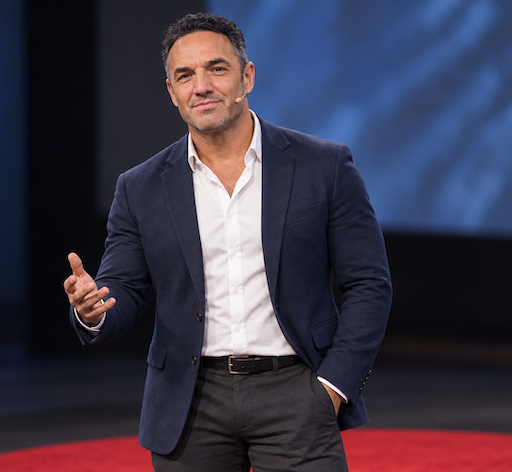
Author and Podcast Guesting Specialist for Corporate Leaders
2001 Founded mobileYouth16 books Published author250+ clients Served across 60 countriesUniversity of Sussex AI & Cognitive Psychology graduate
Graham Brown is an author and founder of Podcast Guesting Pro who helps corporate leaders, founders, and storytellers get booked on aligned podcasts and build thought leadership.
He began his career studying youth mobile behaviour and founded mobileYouth in 2001 to understand youth marketing and mobile culture; that early work serving clients such as Nokia, Vodafone, MTV, and Disney shaped his focus on audience insight.
Over time he moved from youth research into audio after seeing business leaders struggle to communicate authentically at scale, which led him to found a full-service corporate podcast agency and develop programs to train hosts and producers.
His route into podcasting combines formal study in Artificial Intelligence and Cognitive Psychology at the University of Sussex and Entrepreneurship training at Harvard Business School Online with decades of client-facing agency work.
He helps corporate leaders, startup founders, and storytellers find their voice. He leads Pikkal & Co, an award-winning corporate podcast agency, and runs Podcast Guesting Pro.
He previously hosted Asia Tech Podcast and previously grew mobileYouth to over 250 clients in 60 countries; his agencies operate from Singapore with partner studios across Australia, Austria, Canada, Croatia, Ireland, Sweden, the UAE, the UK, and the USA.
More from Graham Brown
All episodes → Office Hours with David MeltzerJosh Chodniewicz, Gary Coxe, Graham Brown | Office Hours #621Jun 2024Play episode →
 The High-Performance CEO ShowEpisode #76: The Future of Leadership: AI Innovation, Storytelling Mastery, and Human Connection with Graham BrownMar 2024Play episode →
 The Leadership Communication Show with Michael PipernoInterview with Graham BrownJun 2023Play episode →The Leadership Communication Show with Michael PipernoThought Leadership with Graham BrownJun 2023Play episode →
 Rise | Evolve Leadershipevolve | eps 50 | Graham Brown, CEO | Pikkal & Co.Feb 2023Play episode →
 Limit Break StoriesGraham Brown | The Power of Storytelling for Building a Strong BrandJan 2023Play episode →
 Coffee With CoachesGraham Brown - How the Science of Stand-up Helps Jumpstart Your Story | Conversations with Coaches | Boxer MediaJan 2023Play episode →
 Speak With PowerTransform into a Magnetic Storyteller with Graham BrownDec 2022Play episode →
 Coaching CallGraham Brown - The Digital Transformation of Communication & building your brandDec 2022Play episode →