
March 4, 2023
Executive Loneliness with Nick Jonsson
Sound bites
I think I was told a few things in early recovery. The first was the classic just keep coming back. Just listen, and that's what I did.
I came into recovery and once I started getting better, they said you have to give back the gift to keep it.
In this episode
Nick Jonsson talks with the host about executive loneliness, his recovery from alcoholism, and how exercise and community support helped him rebuild his life.
- High achievement and recognition shaped his drive in school and early corporate life.
- Alcohol helped him perform socially with clients while he worked in advertising and other industries across Asia.
- Recovery began with daily meetings, listening quietly, and replacing morning drinking with walks and exercise.
- Community became central after sobriety, replacing bars and clubs with healthier connection.
- His book Executive Loneliness and his work now focus on helping others facing mental health and addiction struggles.
Transcript
ShowHide
Automatic captions of the conversation. They can contain errors and do not name who is speaking.
Hey Jeff Johnston here with the living undeterred podcast and today from Singapore it is 4 30 in the morning and um this is normal for Nick Johnson uh he seems to to thrive getting up in the morning and getting his stuff done and uh I'm super excited for this Nick reached out to me like a lot of our guests do um kind of researched each other we had a little bit of a pre-interview hit it off great really admire his journey uh Nick welcome to the
Living under podcast I know we're gonna have a lot to talk about this morning uh and good morning to you yes thank you so much Jeff for inviting me it's great to be here yeah you have quite yeah interesting biography um from you know a top-notch executive to you know a struggle with alcoholism and loneliness which seems to be where you've kind of fallen into your Niche now talking about executive loneliness which is coincidentally the title of your book um and you're also an endurance Athlete
On top of that um do you see a lot of your passions right now coming from the fact that you were in the abyss at one point with the grips of addiction and so you feel really you know focused and polarized to be active in other areas um is that is that kind of what holds you into those areas and certainly Jeff I think it's a gift I got on here you know it's almost like a second go at life and I screwed it up the
First time and this time it all comes natural to me I'm just being myself you know rather than trying to put on what I call in my book you know that facade and you're hiding behind The Smiling depression it's just so nice to just be able to be yourself and and allowing yourself to be yourself and you know the most people accept you for that and the ones who don't well it doesn't really matter so we all have the benefit of hindsight so looking back on
Your life the ex the early high-flying High compensated executive life um what happened well I think for myself and like many others as I interviewed them for my book I realized that I'm I'm not special there's many more are all the same it seems like you know that as we're going growing up you know and it starts already in school it's very competitive we get grades and we get scholarships and you know you get Awards and recognitions from being top of the class and I was
Chasing that I didn't do that in the young years Jeff I I couldn't even finish my high school as a child I had to come back to that as 20 21 years old to come back to high school to finish my grades and but later on then once I did that and I was in university I wanted to chase the scholarships I wanted to top the classes I love the recognition and that's what I brought with me into the workplace is when I started as a
Young account executive in an American advertising company in Bangkok in 2014. there was only one thing I was looking at I wanted the top there was nothing I was going to do anything it took to reach the top I didn't reach set up in that company but I elbowed my way up through the way until I was there so have you always been a competitive person your whole life no it kicked in I I would say I wasn't as a child growing up but it was
That was almost uh you know because I didn't pass my my high school the first time once I came back and did it second time I felt I need to have a go at this and that's when I it never crossed my mind that I would go to university as a as a young person it was when I was 23 years old I was mature enough to go into University and that's when I really really really decided I gonna give this my best shot would you
Uh would you major and would you study in college I studied a bachelor in business uh marketing advertising and then I did a master of public relations and then you get into the corporate life and so how is that making a lot of money early loving life traveling living the high life and then uh then what happened well working then in Bangkok for an American advertising company on some big accounts you know uh I was the perfect account director looking after the clients they would fly
In from the U.S you know there will be new clients almost every night and while I'm an introvert once you give me some alcohol I was The Perfect Host I would take them out show them a good time dinners parties and you know and I would make good relationships I would get the amounts going up so the of course my bosses were happy right they could see I could bring in the money and the clients are happy they kept coming back giving me more business so
I thought you know I had a perfect life and I climbed up because as a result of this and that's how I was working in various Industries for many years in Asia first starting and advertising but then it was in fashion I was even at one stage the medical services general manager of a business in Indonesia running more than 70 Hospitals and Clinics and again the most other clients were actually American clients it was then the oil and gas companies it was the mining companies I
Was managing Freeport which is the biggest mine in the world hmm and your drinking was you know I I looked at myself too and I I didn't really realize I had a drinking problem until late like you know in my 50s almost I knew I was drinking too much but I was what it was called a functional alcoholic in other words never missed work it didn't always feel the best um but I could drink with the best of them and seem to be productive the next
Day um were you were you that same type of person yeah so for many years I had it didn't cross my mind you know that I had a drinking problem looking back at it and thinking about it it I had probably my first stint of uh you know really suffering from alcohol in 2005. I was hospitalized I remember it was a Monday morning I had a big weekend and I was hospitalized the doctors then did a lot of blood tests and they came back with you
Know you have high blood pressure you know and you have hypertension maybe you're not eating right and so on and I was in company denial I mean the alcohol was the most fun of my life why would that be the the ghost you know and so but I didn't realize that at the time and after that scare you know a couple of days I was back into into the same Rhythm and drinking but it was around 2010 2011. I realized that you know I had gained
Too much weight I needed to cut down on on on on the food and calories and with that I started to think maybe I need to reduce my alcohol so at least the thinking came in that I need to reduce it I need to control it and with that I signed up for some that's how my exercise Journey started signed up for some 10 kilometer runs and what I then did was that I took a few days or maybe one week of alcohol leaving up to
These races because I wanted to be in a good form for them and so on and I realized that I was feeling better and I performed better and that's how I then for the next couple of years I was mixing Sport with alcohol and I was taking time off but as I read realized then was that it was getting harder and harder to get those blocks of non-drinking I remember one time particularly leading up to Christmas when I decided to take three weeks off and I
Was suffering I did it but I was suffering hmm yeah so your body was telling you that you know you were pretty dependent on this absolutely and in 2015 uh I was already on my way down uh and I remember going to Australia for a full distance Iron Man event in Melbourne to compete and normally I would take two three weeks without alcohol leading up the race this time I only took two or Max three days and In The Swim then which is the 2.4 mile
Ocean swim I was cramping so badly in my legs my body was not ready for this kind of endurance race that I thought I was going to drown it was very very scary and I will never forget that but you know what was the first thing I did at the Finish Line it was of course you know to drink myself almost unconscious hmm and your story resonates with so many people in so many different ways you know I I went to the same corporate ladder you
Know to me it was only one way and that was the top you know and um I didn't care really how I got there I worked hard like I'm sure you did um did everything by the book I mean I didn't I didn't you know break rules and stuff like that but um you know after a hard day work I needed to unwind you know and I really wasn't into the gym I wasn't a gym guy I was past the age of being able to play
Basketball competitively um and so it was easy just to go to the bar and then as I got older and got married drinking just got to my house you know I would just come home lock up put my sweats on crack open a bottle of Cabernet put on a movie and next thing I know I'm stumbling upstairs at midnight you know and I look back and there's like two empty bottles and I'm like what the heck you know why why why am I doing this and
Then it took a really tough life moment in personal life moment for me to realize that I had to quit and so for me it was pretty easy to quit do you was it easy for you to quit or if you quit and kind of fallen off a couple times and got back on the horse and then fallen off again or for you has it been not that difficult to not drink um so I as I mentioned I started to getting some issues with it in
2015 and then I read that I resigned for my well-paid job I moved country I divorced my wife so everything my life got thrown up in the air and I thought well I deserve something better I thought I deserve a better job a better wife I thought everything you know I became basically uh you know overconfident uh perhaps delusional uh with that then I I I went out to try to find a new wife something that was good enough for me you know I looked at
Every one else as default not that myself I also thought I deserved to have more fun I'd been worked too hard for many years so two thousand 16 2017 I was just drinking having fun jumping from job job to job and I did remarry but in 2018 then I became a even a day Drinker I needed to have that drink in the morning to stabilize myself for Valium or something because I had met someone who became my new wife and we had great times in the
Evening went out partying but it was just too hard for me I couldn't do it anymore so the only way was then to have that stabilizing drink the next morning and that's when I realized that this is really become a problem I wanted to do something about it but I was too scared I was too scared to get professional help and everything I kept it secret and my new wife thought that I was having a good time everyone around me for Nick is just having a
Good time he deserved this he'd been working too hard you know and and so on so people tend to defend you especially my friends who are drinking and so so to know I I it was very much at the last stage I realized this has become a problem and and I I only addressed it after I was so sick that I actually had already written my will and my Testament and I thought I thought that I couldn't stop so for you it it was life or
Death for you right I certainly was uh Jeff I remember back in April 2018 I was lying in my bed you know and uh I remembered my heart was rushing and pumping I thought I was gonna die it was the morning after I was so shaky that I could hardly make it out of the bed to go and get a drink there was no alcohol in the house so I would have to go out to a supermarket and buy some drinks and I remembered that I
Cannot even walk there I'm too sick and that's when you know I I thought everything was over but at that moment I decided to tell my new wife we were married for three weeks how I was feeling internally and that was my Lifesaver because she immediately grabbed me we and and went to see a doctor we then after the doctor went to see a friend who had had some alcohol problems a few years earlier she linked me up with an anonymous Community where I was introduced
So very very quickly support was on the way and I was not really ready but I knew it was there I I had to go out and drink another week until I had absolute rock bottom and I was hospitalized and from there I haven't had a drink as of now and it's four and a half years ago yeah I'm coming up on uh five um next couple weeks so you and I are about the same same path brother um you know when I first met you
I asked you a pretty straight question I said is there anything off limits on our podcast recording you said no and I went back and looked at you know I started reading your book by the way um I have like four or five I'm reading simultaneously so be patient with me um but in your introduction you almost apologize apologize to your wife and your son um did you feel the need that you had to you had to do that to almost apologize to them or was
That actually an apology yeah I think you know we need to go back and clean up the mess we've done and as I said at the stage when I it's very vulnerable of You by the way very vulnerable and I I think uh I think your readers and your followers really admire the fact that you're kind of leaning into the mistakes you made in the past and you're kind of Manning up to them yeah and I think it's very important I mean as I'm sure you
Know also in recovery will be cleaning up our past and then when as we live we clean up every day by day and before we move forward to the next so we can sleep at night because I needed alcohol to sleep at night before and I don't need that anymore I mean I we can still make mistakes we're still human so we can still step on people's toes the egos can run at full speed sometimes but we catch ourselves we remind ourselves hey that I was
Not my best self there and we fix it right away how important is um peer-to-peer for you right now in recovery um being able to talk to other other I assume your groups are men and women both or is it mostly men yeah so the business I'm running now in Singapore Indonesia and Malaysia is basically confidential peer groups for even for senior Executives so they're for the executives who have votes for them or we have group for the business owners entrepreneurs and what we do there
Is really that it's the safe place for them to come in where they signed in on disclosure no competitors we have a moderator and they don't discuss necessarily the mental health issues or addiction issues right they do discuss the the work related issues they have and of course many times that's relationships it is a conflict with a boss conflict with a team an organization shot that is working in one country who's not working in another and they're getting the support that means that you know they
Have this trusted peer Network where they can discuss and solve it before it comes an issue I do didn't have that Jeff in my work it was only hitting the targets and meet my own way just forward up without thinking and owning up to any of my mistakes and sorting it up now you you're in a group I think it's the Samaritans of Singapore SOS is that um is that safe to say that's similar to Alcoholics Anonymous or is that a different type of a mindset
It's a different organization and what happened then Jeff as I started my recovery journey in 2018 and I was doing really well my first year it was amazing uh after a few months when I taped off the drugs the alcohol I was feeling great but what happened then a year later was that a friend of mine died of suicide and it was very very Simon uh very sudden my friend Simon went and everyone was puzzle surprised what happened he had just been to Mount Everest he
Went up to the base camp there he had posted images on social media that with his new girlfriend he'd never been happier and he seemed to have it all together and I was working on a project with him at that time which was very exciting and he had just started taking speaking lessons he was going to become a keynote speaker so everyone one was just looking at Simon as someone who had it together so when he went so suddenly I remember that I called up his
Brother and I asked can I talk about this can I help can I make any any effort and his brother said shout it out loud that's what Simon would have wanted you to do and when he said that you know I thought you cry and I realized that looking back at my own Journey that it could have been me unless I had gotten the support and the help and I immediately then called up the Samaritans and I said I want to set up a special fund
For you and it was a race to an end of executive loneliness so that was the whole start and the journey I made a video uh immediately as a part of this that I posted on LinkedIn and it went completely viral all around the world people wrote in support starting donations and people said Nick thank you so much for talking about this this is not something that is normally spoken about in the work world so that's how it all started yeah you know it's um in
A lot of areas of of our society it's not spoken I'd say the work world but just um let's say men men in general have a hard time talking about these things men have a very difficult time in showing their emotions and I think you know in in being vulnerable there's something in there there's something people that when you crack that door Nick and someone says what do you do for a living and you start answering that question like I do it's tempting to get really
Deep immediately for me because I'm comfortable you know I'm comfortable talking about my life very quickly with strangers and you seem to be that way too um but I think it helps it helps not only a person like us that's sharing the story but the person that is listening is now feel like you know it's okay it's okay for me to take that lead you know Jeff talked about his son now it's okay for me to talk about my issues and I think vulnerabilities are great
And that's why peer-to-peer recovery centers work well because you're with other people that are in this literally the same boat and you can really relate to what they're going through and they can relate to what you're going through that's how you help each other yeah absolutely and to answer your question is Samaritan's uh like a it's different so so Samaritans is The Suicide Prevention Hotline okay often call liver relatives or people who have questions or people who feel that perhaps they have suicide faults they can
Call it and when I teamed up with them in 2019 it was the first year of suicide attempts being decriminalized in Singapore you told me that I I just can you hi can you talk about that a few seconds I that's still hard for me to imagine yeah so until then you couldn't report the perhaps if you had a child or a a family member who'd attempted a suicide then that would be considered a crime so that's why we couldn't speak about it until 2019 so
That's when I and I only found this out because also it was quiet in the media it was only when Simon went and I wanted to make noise about this everyone said you cannot talk about that it's cannot it's it's illegal you cannot talk about this but then I I I came across Samaritans and I asked them can we talk about this they said yes this year we can and they showed me a formal you know press releases and every material about it that's what I
Decide okay but no one is talking about it so that's why I rang the bell uh by starting this campaign and within 24 hours I was on live radio talking about this uh the next week almost you know four pages a feature in the biggest business publication in Singapore which still to date is the biggest mental health related media exposure in this country's history so with that I realized I was onto something I was talking about something that no one ever had done before and I
Was completely overwhelmed with people calling me writing to me on every single Channel we keep going I'm suffering I just lost my my daughter to to this you know I wish someone had talked about it before then we could address this so I suddenly became you know in the middle of this media storm and I was in 20 newspapers magazines and all radio stations in the country uh and basically that's when I thought I need to write the book about this because I had all these
Ideas and people were screaming at me Nick please talk more about this what did the book reveal to you as you were writing it or when you finished it what what new things did you learn about this journey how common it is that I wasn't alone you know and and if we're talking about Executives here uh which the book is directed at uh and as I interviewed psychologist I spoke to rehabs and so on uh and uh about 10 percent I believe of the senior Executives
Have an addiction many of them alcoholism but they're living with it they're functioning alcoholics as you mentioned Jeff that I guess my belief is about 10 uh when we come then I have to think that's higher don't you yeah it might be even higher yeah but in in problems at least 10 percent which has problems I would say uh other research that came out of this when I wrote the book was that you know uh at least 30 percent are suffering from loneliness that was before
The pandemic during the pandemic I went back to a group and asked them and actually had doubled 60 percent are they suffering from oh wow yeah the statistics here in the states I know specifically I can't speak on behalf of the rest of the world but if you look at um almost every statistic across the board with mental health almost any generation whether it's Millennials or the Baby Boomers um there seems to be really a pattern and that pattern is not good uh despair you know
Deaths of Despair they call it in the United States nick uh when I was going around the tour this summer in our RV on our living under third U.S tour I was quoting 800 Americans a day died from suicide alcohol overdose okay I just been told by somebody that now it's 822 a day so just since this summer you know just a few months ago now the statistic is 822 a day and when my son overdosed our son overdosed in 2016 I think there was 44
000 Americans had uh died from drug overdose last year was 108 000. so you know whether you whether it's alcohol suicidal ideation anxiety depression um it just seems like we are missing something as a society like we've we've missed an opportunity somewhere along the way I'm 56 years old um I'm not sure your age but our generation is full of many individuals that are just unsatisfied with their life they look backwards they think I should have made more money I should have had a happier marriage
I should have picked a better spouse I should have been better to my kids why do you think we play this game so much with ourselves where we just seem like we're never satisfied and then we run to things like drugs and alcohol to fill those voids yeah I think it's the way the society is up and that it's too competitive and it is about winning uh number two is the first loser that's somehow the way it's built up and once you get a taste of
That then people like I did take advantage of it we find the formula we find a way and nothing can stand in your way you push everything away just to get that and once you have received something like that it becomes addicted as well and that feeling and the power that comes with it and all the perks then and and the money the expense accounts and so on once you get used to that then the ego kicks in and we defend it with our life so
That's why I think you know we we have people in society and I was there and I thought that was the way and I thought I was living the good life and I had a good time but in know you're running at full speed and with so much strikes and alcohol in your life that you never have a time to stop and reflect I I couldn't meditate I did not pray I never slowed down I didn't take a look internally uh how I was really feeling
Feeling and thinking and you know and and I think if you go in fast forward through your life like that then you don't stop and you don't reflect then it's very hard to realize what's going on until something happens and that is what tend to happen when we are 40 I'm 47 years old myself and it is many times when people are in the 40s or in the 50s the wheels are falling off yeah I was 50 too when I quit so um we talk about
Recovery for a second everyone's got a different different definition of what recovery is and it's a very unique Journey it's very personal I always tell people whatever work whatever is working for you is the right way and what do you have to tell someone right now that is in the early stages of recovery maybe just there's silver a week maybe two weeks what what things can you tell them to either expect on this journey or words of encouragement you can give them well I think I
Was told a few things in early recovery the first was was uh the the classic just keep coming back and they said basically just listen just listen and that's what I did the first three months I didn't say much but I kept coming back every day I kept coming back making it a daily uh daily thing so instead of going down to the supermarket to buy my beers at seven a.m in the morning and walking around by myself drinking them to stabilize myself I spent that
You know one or two hours in the morning going for a walk going to a meeting with others who were in recovery and just listening so I think that was in my first 90 days and many are recommended to make it the Habit the first 90 days and that is really the foundation because that 90 days new seeds started to be planted I started to listen I started to understand and those 90 days I Broke Free from the drugs the alcohol and stepping up my exercise
And I call it in my book The Natural happy pill so the recovery meetings combined with getting exercise getting back into physical and mental health again that is and I started to get such a positive vibe I start to get Taste of life and I started for the first time in my life feel that ah so this is what life is about you know you you went on the extreme end with the exercise because you pretty much turned into a world-class athlete you know a lot
Of people go to like myself I'll run on my elliptical for you know five six seven miles and that's that's world class training for Jeff Johnston I mean you take it to an extreme I mean even today I think you said you're going on like a seven mile swim after this podcast if you added up all my swimming in my lifetime it's not seven miles um what's the attraction to being an extreme athlete I mean what's is it that dopamine Rush uh just the the same
That alcohol gave us back when we were drinking now you got the same high from running or swimming or whatever you're doing biking yeah so in about six seven years before I came I crashed in into recovery I I started to do marathons and I was already on that journey and as I said before in one of the races I almost drowned so once I was into recovery I realized that Sports was much more enjoyable you never before it was perhaps to sweat out the alcohol
Or The Hangover now now you could start fresh and I really really became fascinated with it and I realized you know now I don't have to worry about the the calories and everything I became leaner I could perform better and the whole everything around sports but also the nutrition and so on and then the the community around it I would say was the number one is the community so when I'm in I'm an introvert and I need that kind of community now I didn't have the
Bar stools anymore I didn't have my adult Club I didn't have my snooker Club I didn't have all these uh clubs and societies that involved alcohol I needed to make sure that I didn't only have my recovery group but I had a life outside that with normal people and that I found in sports so and then why Triathlon well because it's swimming cycling and running so that means that I belong to a Swim Academy where I'm going after this I must be my Academy and the
Introvert I am I feel at home there I feel comfortable with around that then I have my different cycling groups I have for my work we have a the peer group we have a Cycling group every Sunday uh recycle and drink coffee Saturday I have another cycle group where I have my friends and we are speaking there but then I have a running clubs and running groups plus my wife is running so we can travel the world and sign up for some marathons and so on
So it is the sports side of it how I feel but it's also now my life it's my community it's where I feel at home and I can be of service for others because also as you will realize in many athletes who go to the extreme especially the Iron Man events I do many have drug and alcohol addictions in there and they all know that I'm in recovery so I also can help many of the athletes including pro athletes who are mentoring and coaching on about
Addiction and Recovery do you adhere to a pretty strict diet too yeah Nick I I find a nutrition fascinating I most of the things I read is about nutrition I just started this year to try uh plant-based and I did yeah fully plant-based one month before my last Iron Man event and I did a big big personal best well I see you think the plant-based has some some weight to it yeah I'm not sure if it's a fall year around I think at the as of
Now I don't have any race coming up for a few months so I I'm having sometimes meet but I I'm I don't keep meat at home anymore everything I have is that's why I call myself plant-based but if I want to have a steak once a quarter or a pizza with salami uh from time to time I still have that yeah I weighed about 190 pounds um and then when I quit I got down to about a well yesterday I was 153 which you know my
High school senior weight was 155 so I'm pretty much what I weigh when I was a senior in high school and I'm 56 years old and I tell you having that extra weight off of your body you know it's one thing psychologically when you can put on a pair of pants that you know you probably could fit in back when you were in high school and most of my friends at my age you know they can't do that and I have to say a lot of
It's just because of the well the drinking that I lost weight quickly I would advise anybody that wants to lose weight if you're drinking alcohol just quit drinking for a while you will lose weight guaranteed all the things that came with it the late night binge eating in the refrigerator you know the crappy meals in the morning you know and you know I try to do a little bit of I call vegan light where maybe three four days a week I eat fairly you know lots
Of fruits you know um some vegetables you know I do the the oatmeal unsweetened I drink the almond milk you know um maybe a salad for dinner and then I'll sprinkle in a steak like you said you know or some chicken or something I ate a lot of fish as well but you know once you get your body kind of used to that and you don't have a stake very often when you finally have one it's like your body doesn't really like it anymore yeah I
I feel like that as well and especially around exercise and so on and what I do now is that I actually I have a steak after my races if I have a marathon or an Ironman event then I'm looking forward to that then afterwards I I have that before it used to be that I would drink alcohol and party now at least I have a steak now and I feel I deserved it you're burning it off anyway and and it's a lot of protein which you
Need after the race so it might have its place for it and you're also craving something by then so it's all good and I'm just like you Jeff I'm 160 pound now which there's no way I would hit that before when you're drinking no it's just so difficult to you know again if you look at the downside of alcohol and they you know people could say well a glass of wine whatever isn't going to kill you and that may be true but the downside is so
More than whatever upside and the upside was so temporary it was so fleeting the you know the buzz you get the oh the confidence you get when you drink maybe the the lack of you know a group of a bunch of people maybe you don't get as nervous when you're drinking but those little benefits just are far outweighed by all the other stuff that comes with with drinking alcohol and so even though I don't call myself sober because that there's an implication that I'm in like
A fight with alcohol because I think I won I I just don't drink I to me I really tried to keep this simple nick uh and not overthink this I think as humans we have a tendency to really over analyze for example and I don't know if you feel this way too but if if I had a glass of wine tonight okay first of all be my first drink in almost five years I wouldn't beat myself up I wouldn't torture myself I wouldn't think I let
Myself down and let everybody I would just think today I had a drink you know and and then I would go back and hopefully not drink for a long time again but I think a lot of people that have a normal hiccup they fall off the wagon they just get so torturous to themselves I saw someone on LinkedIn that I've been following where she fell off the wagon and she's been a very proponent of sobriety and she just punished herself publicly you know just you know
Let myself down let my followers down everything I'm like no you didn't you just drank for a day I mean you know I don't know I I guess to me being a pragmatic person has been a benefit in this you know not drinking lifestyle for me um you know what are your thoughts on that if if you did happen to have a drink would you really feel like you let down the world and let yourself down or would you just say no I just made a
Poor decision I'm back I'm back not drinking you know how would you approach that I would be just like you Jeff and it's very rare indeed and because I post I don't post Rich organizations I belong to because there's Anonymous and so on but I'm very very open with that I'm in recovery I'm open with since the time I had since my last drink everyone or many in The Recovery Group say that Nick don't post that on social media imagine if you if you have a
Sleep and then people will account right but I said I will be completely human about it also I would be the first to post yeah that this happened now let's just work and I think the the danger if you are hiding it everywhere is that then you you you might not come back into recovery again because no one will know but if because I'm so open with it and if I'm saying that I sleep then the whole world would also be there to support me to
Get me back on the right path again I mean what's wrong with just being human I just don't understand the stigmas with some of these things and that's the problem when you when you perpetuate these secrets and we don't talk about these things these stigmas just continue they just continue and someone like you or me or all the other people out there that are very comfortable with you know talking about their faults I mean I was a financial advisor man and a compulsive gambler at the
Same time I mean you don't talk about that that's a that's a death nail in your advisory coffin um and you know I still am licensed I still have clients and I wrote a book two years ago talking about my compulsive gambling and you know what nothing bad happened from that nothing um and again I'm not I'm not telling people to go out and admit all your faults publicly but I felt it was important for people to see that I had one perception in the public
And then behind that you know curtain or that wall there was another reality and isn't that the way we all live yeah and I think this is something I had a problem with uh Jeff in my early recovery because one of the groups I belong to has the word anonymity or Anonymous in it and you know I thought why is it like that that's the whole problem with this can we remove this word and can we all just be proud of going here uh can we
Not just about it you know a recovery or something positive instead then we need to in order to remove the stigma we need to remove this Anonymous word uh and people didn't understand me and I decided not to talk more about it there but that is an issue as long as something we're asked to keep it secret and silent and Anonymous it will be stigma and we need to get out like you and I do Jeff but we are very aware of the people in recovery
There's very few people I think who have you on my mindset I I do uh again I'm sure as you go out and meet new people like I just met you this month um there's a subset of people that I don't think could ever have a conversation like this um for for a lot of reasons shame guilt um you know feel like they're they're letting people down and I'm all about trying to change the direction of how we look at these things and if we continue
To keep doing what we're doing and expect the results to get better isn't that the definition of insanity they say doing the same thing over and over and expecting different results so as a society if we see everything getting worse in other words people's well-being and their happiness and their health I mean America is a great example next geez we're I think 65 percent of our country is obese I mean think of the added stress that puts on everything for that person just being just being
15 pounds overweight I'm not talking about 100 pounds of word I'm talking just 15 20 30 pounds overweight can add a tremendous amount of stress and if the statistics are right like 85 of health issues late in life and I'm talking not like in your 90s but like you and me are our age is related to our diet and exercise I mean we know that but the United States is 65 over B so are overweight OB so it's like someone's got to give I mean we're
At a Tipping Point especially in our country with mental health and and wage and all these things and uh I I'm I'm worried for the younger Generations especially Generation Z coming up that's like the nine-year-olds too about 24. that's a real sensitive generation in the United States I don't know what it's like in Singapore in other countries but I know it's a big deal here yeah no I I certainly see that Jeff and I think it's sad that people have to go to lose everything around
Us like uh sadly you lost than your son and your wife to this and because you you probably felt like how I felt when I realized I almost died and I lost my friend Simon to this I have nothing to lose I can be completely open I'm naked here I have everything to win because once you lost it all you can only win and you know people will probably realize this when they're on their deathbed themselves so one time in their life when they're 70 80
Or 90 years old maybe people will not live to 90 anymore if they are that obese but uh I mean that's the point when they realize that but you and me have been given a gift here Jeff we are still alive and hopefully some years to go where we can actually educate our society around us on this and that let go of the stigma and let's not be anonymously and let's be more vulnerable more transparent and and share how we are feeling and support each other
Rather than hiding what I call in my book Behind The Smiling depression or this facade of of you know covering up for what it is but as you say if you're obese it's hard to cover up it's right there and it means that something is wrong we were not obese hundred years ago were we no and you know in our country if you start talking about this they they cancel you for fat shaming and you get criticized about you know talking down and it's like that's
Not what this is about I mean it's not I think somebody's just completely missing the topic if you go back and just look at pictures of Americans on the beaches in the 1970s and the 60s and then look at today you know I don't have to say anything it's like you just the the size of people are much larger and what that comes a lot of health issues a lot of challenges you're you're not going to be 50 pounds overweight for 30 years and and and
Increase your chances of not having problems more likely it's the other way around you increase your chances of having problems and again I'm not I you know anybody watching this I hope they don't get you know upset but then again if we're going to change stigmas maybe we need to upset some people maybe that's just um you always have a right to be to be hurt you always have a right to be defensive um or defend the position but the stats don't lie statistics don't have
Feelings you know I think someone says facts don't have feelings and it's like for me I can say right now man being 40 pounds lighter has just meant the world to me I sleep better when I do exercise I feel better um I just um I don't know I just think I think there's a lot of it's like dominoes it's like once you quit drinking boom boom boom boom all these good things start happening and Recovery I think you would agree with this Nick is a
Process it's not it's not an event absolutely I agree it's not one day I agree and I'm about 65 pounds lighter now than when I came in through the recovery you're tall and what are you how tall are you like six four or something or yeah it's almost yeah so okay yeah and I think you know it and I agree we need to talk about things it's not about you know taboo or it's not about bullying someone it is about exposing issues and we need to
Talk about them and it doesn't matter if overeating is an addiction in itself and there's many organizations for that and it's all as you say it's all linked and integrated and we we need to talk about these issues and we need to help each other to go through it because at the other end we have many companies you know doing marketing tricks on people beautiful campaigns and everything to make us fall into the Gap even for alcohol advertising which is still legal in some countries there's
Also all these ads for sugary drinks and food so I mean we are victims of this and we can only together I think once we accept that and help together to to address it and as you say it's all interlinked and we let's sort this out yeah there is a a percentage of the human population that just were born with you know the inability to to lose weight uh it's very difficult for them and maybe they don't eat that much but they still have it it's
In their kind of in their genes as they say um and by no means any comments I make are directed at anybody that you know has this genetic predisposition because it's pretty clear that that is that is a fact um I know for me one thing that helped me a lot too Nick was taking sugar uh cutting sugar out now I love donuts I like I like sugary things I like candy bars it's not that I don't like them but what I try to do when
I go to the store is limit things with sugar that I buy because if it's not my house I can't I can't have it and I think that's one of the problems is that people say well I need to cut my sugar out and you just go into their house and you look around their kitchen you're like there's everywhere you look there's sugar and it's still different than an alcoholic saying well I don't want to drink but then they have beer in their refrigerator you know
It's just that it takes one second of loss of discipline and all of a sudden boom you know you're eating that candy bar or you're having that beer and um you know again It's a combination of many many things and for example I was going to ask you earlier and I forgot um do you meditate yeah it's a big part of the recovery right me too yeah me too and I had to you know and I during the pandemic I wanted to become better at meditating
That was one thing I did because I wrote my book then I thought I needed some more breaks and poses to go deeper in myself when I did that and I signed up with a temple uh here in Singapore that had meditation classes and uh it was absolutely wonderful so it started in person but then with the lockdowns it went online so I did it and I continued and now my son will come to his 13 years of age he feel a bit stressed at school
His mom my ex-wife then told me and I plan to take him when he's here in Singapore to this Temple and and see if he likes the the meditation classes I'm sure he will find it a quite unique experience coming from the cold Sweden here to hot Tropic Singapore and going to the temple and listen to amongst her trying to tell us how to meditate see that would be so awesome that would be so awesome I I'd love to do my meditation is just like 20
Minutes on a guided meditation app um but I would love to at some point have an experience like that whether it's a retreat I am going on a retreat in February uh like a four day Retreat um I won't disclose too much of what will be going on at the retreat I'm trying to report on it later um something I've never done before and uh I'm doing it for I'm doing it for mental mental Wellness I'm doing it for exploring the conscious mind you know doing
It to kind of broaden my horizons all these things and I'm excited I'm nervous but I'm not going to say anything until after it's over and then I'm going to make a report on LinkedIn kind of my experience and kind of what happened and um because I'm very intrigued in in proving um my lived experience you know I'm I'm really curious on on my relationships getting better even you know my relationships with myself you know a deeper meaning and purpose of why I do what I
Do and not just go through the motions and then and then die you know um but really feel like I'm connected to to the universe connected to other people connected to trees and plants and the wildlife and I kind of feel that way I think I'm spiritual but I think there's another level for me to go you know I think there's another level we all can go I think you are right Jeff and in my book I actually have a chapter on meditation and I interviewed
People and that's why also I went through that experience myself and I'm sharing about that and two of the executives I interviewed had gone to the 10 days silent uh Meditation Retreat and they both share that it was a life transformational for them they both had done it when they were close to burn out in their careers they came back as different people one of them who didn't have and it's 10 years ago since one of them went on his Retreat he didn't have an alcohol
Issue as per se he never fought to himself that he would swore off alcohol but since he came back 10 years ago he never had a drink he had never raised his voice which he used to do especially to his mother his wife says that when you spoke to your mom you were always getting stressed and you're erasing your voice you never do that anymore he's come back as a complete transformed person after 10 days Retreat the other gentleman who went it was also a live
Transformational for him he changed his career afterwards he has gone back to his second time to do this 10 days to retreat so that's on my bucket list as well yeah you know it's it's interesting as you get older you keep trying to think of other things to wraps it up your life experience you know to add value and um I think the cons the misconception is that we need to add things to add value so I need to I need to go on this vacation
Somewhere or I need to go buy this car I need to get the new wardrobe or get another pet you know we just keep adding things and I think in reality especially for me I've been I've been simplifying my life so the house I live in currently is half the size of what it was back when I was chasing you know I was a capitalist and chasing money and living that life um you know I've tried to cut down a lot of things that I own
I used to have a condo in Florida sold that you know um and I'll tell you what getting a little bit simpler in my life at 56 less things I have to stress about less things I have to manage uh I think there's something about addition by subtraction you know you add more to your life by taking things away or letting things go you know uh that's helped me a lot in my mid 50s and I don't know if that's something you've considered doing anger you've
Already done but I think for anyone watching this podcast you don't have to add things to your life to have a better lived experience I completely agree with you and that's a big part of my journey as well being an expat living far away you know you definitely don't want things too many things because if you are moving place or moving country even it then costs a bomb every time so I cleaned up my life a few times and I'm doing it basically once a year
I'm going over and the Beautiful Thing with living here in Asia is you have poor countries next door you can actually you know pack your box and donate things including clothes and shoes and but also belongings and so on and I try to do that every year and yeah living a bit lighter it just makes you feel better well I know I'm the only thing between you and a seven mile swim so I'm gonna let you get I'm going to let you get going I know
You just can't wait to get to the pool um how do people reach you how do people follow you how can people get your book I am going to finish your book probably in the next 30 days it takes me quite a while to read a book with attention deficit if I can get a chapter done every other week that's great um and uh I'm really looking forward to you know thinking some comments on on LinkedIn about your book and helping you promote what you're doing
But how do people reach Nick Johnson uh thanks Jeff for reading the book and for every listener who wants to look at a book then it's on Amazon it was actually when it came out the best seller in both Men's Health mental health but also in recovery and a couple of other segments so look it up on Amazon it's called executive loneliness and also up on popular requests by many Executives said I don't have time to read uh it's on Audible as well as an audio
Book with a professional and if you want to look me up on LinkedIn and it's Nick Johnson n-i-c-k j-o-n-s-s-o-n thank you well listen I really appreciate uh the conversation today I know you and I will figure out a way to collaborate down the road um really enjoyed um so far learning about your journey and your vulnerability I know you are helping a lot of people that are going through what we went through and they can see you know here's two average dudes out here that have
Changed their life you know after being on in the abyss you know and put themselves in a good place but we still work hard at it daily that's what people have to realize it you and I you know we have to keep our eye on the ball we have to stay disciplined we have to you know have goals and objectives uh all the things that that are that defines recovery you know yeah absolutely it's a daily work and Jeff when I came into recovery and once
I started be you know getting better they said you have to give back the gift to keep it so that's what we have to do every day be their job versus well right well you impacted my life my friend so uh very much appreciate you being on the living on a tour podcast and um I'm looking forward to sharing the story with uh with people around the country thank you very much for having me thank you
About Nick Jonsson
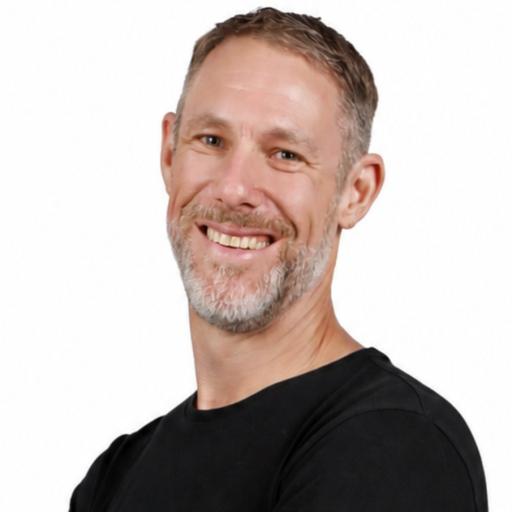
#1 Global Thought Leader on Executive Loneliness, International Bestselling Author and TEDx Speaker
900+ EGN Southeast Asia membersTop 2% Ironman athletes worldwide2026 GHP Most Empowering Mental Health Leadership Advocate#28 worldwide Global Gurus Top 30 Coaching Professionals
Nick Jonsson is widely recognized as the world's leading authority on Executive Loneliness. His pioneering work has earned him a dedicated Executive Loneliness Wikipedia page and international recognition, establishing him as one of the world's most respected voices on leadership, vulnerability, mental wellbeing, and authentic connection.
Ranked #28 in the world among the Global Gurus Top 30 Coaching Professionals, Nick is a TEDx speaker, international bestselling author of Executive Loneliness, Professional Certified Coach (PCC), Certified Master Coach (CMC), qualified Counsellor and Psychotherapist, facilitator, and certified Team Psychological Safety practitioner.
For more than two decades, Nick held senior international leadership roles, leading businesses and high-performing teams across Asia. From the outside, his career reflected success. Privately, however, he struggled with burnout, alcohol addiction, and overwhelming loneliness - experiences that ultimately became the turning point of his life.
Rather than allowing those challenges to define him, Nick rebuilt his life through recovery, vulnerability, discipline, and purpose. Today, every keynote, workshop, coaching engagement, and counselling conversation is grounded in both professional expertise and lived experience.
Nick works globally with executives, leadership teams, founders, and organizations through keynote speaking, executive coaching, counselling and psychotherapy, leadership facilitation, and Team Psychological Safety training.
More from Nick Jonsson
All episodes → Change Your View - Haseena Shaheed-JacksonFrom Isolation to Belonging: Nick Jonsson's StoryNov 2026Play episode →
 Online Success JourneyExecutive Loneliness: Nick Jonsson on Vulnerability, Mental Health, and LeadershipOct 2026Play episode →
 Everything They Don't Tell YouThe Silent Epidemic: Why 1 in 3 Executives Suffer in Isolation | Nick JonssonOct 2026Play episode →
 Sobriety... Now What? with Stuart ClineEP. 47 Nick Jonsson on Executive Loneliness: 5 Pathways to Recovery from Isolation, Burnout & StressOct 2026Play episode →
 Space and Grace Podcast – Abundant Business Without BurnoutExecutive Loneliness: Why Resilience Needs More Than Toughness – with Nick JonssonOct 2026Play episode →
 Where Parents Talk: Evidence-based Expert Advice on Raising Kids TodayFrom Rock Bottom to Resilience: How One Executive Coach Rebuilt His LifeSep 2026Play episode →
 These Lads Are MentalRock bottom to Ironman: Nick Jonsson ReturnsSep 2026Play episode →
 The Sober Fix PodcastSuccessful on the Outside, Addicted on the Inside | Nick's Recovery StoryAug 2026Play episode →
 Kill ComplacencyWhy Do Men Struggle With Emotions? with Nick JonssonAug 2026Play episode →