Podcast Strategy
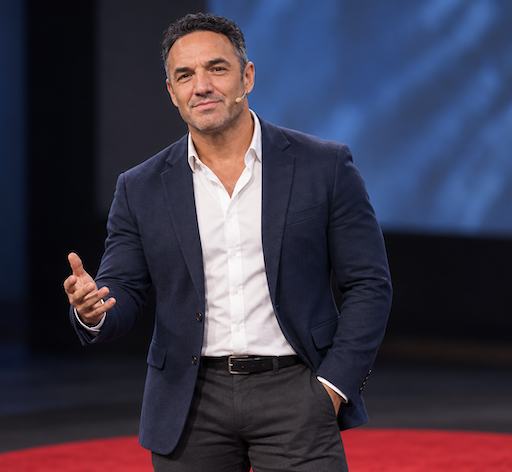
Mastering Podcast Guesting with Graham Brown
Graham Brown explains how leaders build trust quickly by guesting on podcasts and honing authentic storytelling and connection.
Mastering Podcast Guesting with Graham Brown
Video from Who Makes A Podcast.
Generated from the canonical interview transcript and validated against source data by Guests on Air.
How can leaders use podcast guesting to build trust quickly and improve leadership communication?
Leaders should treat podcast guesting as a communication, not a content, problem. Book aligned shows, define one audience avatar, prepare five concise talking points, and bring eighty percent rehearsed material with twenty percent experimentation. Use engagement data to prioritize shows and repeat appearances so trust and recall compound over months.
Graham Brown has built a career teaching leaders to trade press releases for human stories. In this interview he explains why podcast guesting matters for executives who need to be heard, remembered and trusted. He draws on years of practice as a host, a guest and a founder of an AI-driven podcast agency to show practical, repeatable steps.
Brown emphasizes that the medium is a communication problem, not merely a content one, and that authenticity wins attention. He argues executives improve by treating each guest spot like a stage to practise storytelling, take measured risks and iterate. The conversation unpacks how to select shows, craft resonant talking points, and use data to find and grow audiences.
Listeners will get tactical advice on preparing stories, testing versions and measuring engagement so appearances compound. Brown shares vivid examples from hundreds of episodes, including serendipitous meetings turned interviews and building credibility through repeated guest slots. The interview also shows why leaders who embrace vulnerability and fewer polished lines are remembered more often than those who only deliver scripted statements.
Key takeaways
- Podcast guesting helps leaders borrow trust quickly by appearing on aligned shows and telling human, memorable stories.
- Treat appearances as practice: use eighty percent familiar material and twenty percent experimentation to refine storytelling.
- Define a single audience avatar and write talking points that directly address that person’s pains and daily decisions.
- Use episode data to spot formats, themes, and niches; then replicate what engages rather than guessing what works.
1. Plan your guest story and audience
Start by naming the one person you want to reach and writing five clear talking points that map to that person’s choices. Brown recommends a compact set of bullets so hosts hear consistent narratives across appearances. Treat each point as a scene with a clear beginning, turning moment and ending. Test those scenes on short recordings, drafts or informal conversations before stepping into a live guest slot.
Apply the eighty-twenty rule Brown describes: eighty percent of material should be rehearsed and familiar while twenty percent is experimental. Use frequent guest slots to learn which phrasing resonates and which anecdotes fall flat. The goal is iterative improvement rather than perfection. Treat rejection and silence as feedback; adapt the experimental twenty percent quickly until it either becomes stable or is retired from your main narrative.
Draft each story into a short scene with one vivid moment and a concrete detail that listeners can remember. Brown argues that concrete numbers, named places and surprising admission increase memorability far more than polished corporate lines. When preparing, note which images or moments you can call back across episodes so listeners build connection, familiarity and a sense that they know the person behind the title. That practice is explored further in Leaders learn storytelling where they can fail and get feedback, which shows why low-stakes repetition builds stronger stories.
2. Use data to prioritize podcasts and formats
Don’t guess which shows will move the needle; let data guide choices. Brown advises hosts to review audience engagement metrics on platforms and identify episodes where listeners consume most of an episode. Those patterns reveal formats, guests and topics that stick. Combine engagement signals with SEO keyword trends to find shows whose listeners actively search for your subject and are likelier to follow you afterwards. Why a business podcast should start with the meeting not the audience offers a related way to choose a useful premise before chasing reach.
Check whether a niche episode has high engagement even with low audience numbers; those pockets can become a dedicated series. Brown cites examples where a language or niche version earned intense loyalty and justified a split into a separate show. Use these insights to choose whether to guest on a subseries, translate episodes, or focus appearances on shows that match your niche fans. Treat data as experiments rather than verdicts.
Make audience retention a key metric: aim for two-thirds of listeners to hear two-thirds of an episode as a rough podcast-market fit signal. Brown suggests measuring completion, drop-off and referral, then prioritizing shows that produce repeat listening. When you find a format that retains attention, replicate the structure across guest bookings and adapt your stories to the successful rhythm rather than changing everything per interview.
3. Turn appearances into a sustained audience strategy
Guesting should not be one-off exposure; plan a cadence that repeats themes and builds familiarity. Brown recommends mapping a six-month calendar of appearances that layer topics and callbacks so listeners start recognizing your narrative. Use episode descriptions and show notes to crosslink past interviews and prompt listeners to binge earlier work. The goal is turning passive first-time listeners into returning followers who consume multiple episodes.
Convert guest appearances into owned assets by capturing first-party data and repackaging content. Brown suggests collecting email signups with simple CTAs in episode notes and offering exclusive summaries or transcripts. Clip short social snippets and assemble thematic compilations to drive listeners back to your channels. These tangible actions move guesting from a visibility tactic to a predictable audience-building engine that feeds long-term trust.
Finally, treat podcast guesting as practice for leadership communication skills that survive automation. Brown warns that while AI can draft polished lines, machines cannot fake lived judgment, spontaneous doubt and honest admission. Leaders who hone those human moves on podcasts become more memorable and trusted. Plan for steady appearances, accept awkwardness as progress, and keep a public archive so your work compounds over years continuously. How brands can stop hiding behind a marketing mask applies the same lesson to corporate voice, where polish can weaken human connection.