Leadership · Decision making
How leaders can make decisions on their own terms
Graham Brown says the pressure holding people back is often not the risk itself. It is the expectation to keep living out an old story about who they should be.

Dropping Sandbags with Graham Brown | Uncommon Wealth Podcast
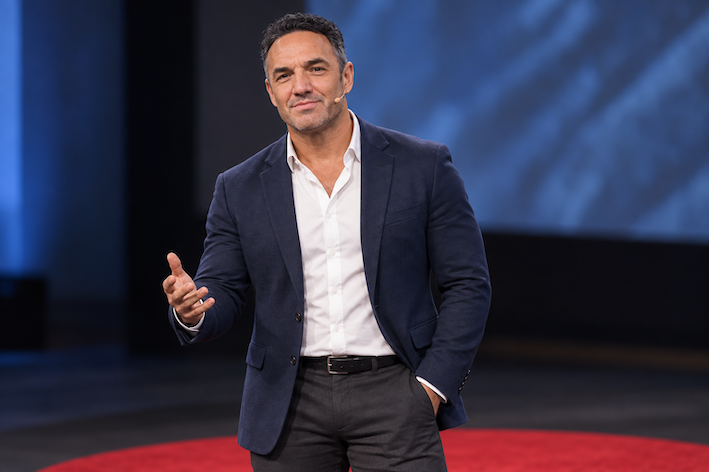
Video from Uncommon Wealth Podcast, published 19 January 2023.
Guests on Air checked quotes and timestamps against the official English auto-caption recording, then added editorial synthesis and supporting research.
How can leaders make decisions on their own terms?
Leaders make decisions on their own terms by naming the expectation, title or inherited story that is driving the choice, then testing whether it still fits. Graham Brown does not suggest impulsive escape. He recommends small, deliberate changes that give people room to see more clearly and choose a direction they can stand behind.
A difficult leadership decision often arrives wearing the clothes of a practical problem. Should I take the role? Keep the company plan? Stay in a familiar market? The spreadsheet matters, but it rarely carries the whole argument. A quieter force sits underneath. People worry about what a colleague, family member, investor or former version of themselves will say if they choose differently.
In an Uncommon Wealth Podcast conversation, Graham Brown describes that pressure through a personal story about selling a business, travelling with his family and building a new life. He does not offer travel as a template. His useful claim is narrower. The fear around a serious change may not be the event itself. It may be the social judgement attached to becoming somebody different.
That distinction matters at work. Leaders can mistake approval for conviction, or keep a project alive because ending it would make an earlier decision look foolish. Brown asks a harder question. Which story about yourself is still making decisions for you? The answer may involve a job title, a reputation, a promise, or an old picture of what success is supposed to look like.
Key takeaways
- Separate the practical risk of a decision from the fear of disappointing an audience.
- Treat a title, habit or past commitment as a choice to review, not permanent evidence of identity.
- Make a small change that gives you better information before announcing a dramatic reinvention.
- Keep support close when a decision affects people who share its consequences.
1. Find the audience inside the decision
Brown says his fear before travelling was not mainly about danger or moving. It was what other people would think. Social pressure rarely announces itself. It arrives as a raised eyebrow, a question about the children, or a changed subject after somebody describes an unfamiliar plan. Those reactions can feel small. Repeated over time, they become a private rule.
Write down the imagined audience. Who needs to approve this decision? What do you think they will conclude? Then separate fact from prediction. An investor may need a clear explanation. A partner may need to understand the financial impact. Those are real obligations. The assumption that everyone will see a changed plan as failure is different. It needs evidence, not obedience.
This is not a case for ignoring people. Brown describes his wife as part of the decision to start a business and travel. A choice that affects another person needs honest conversation. The point is to distinguish shared responsibility from borrowed judgement. One asks you to explain. The other asks you to keep a role because it makes someone else comfortable.
2. Put down the story that has become a cage
Brown uses a hot-air balloon. You do not make it rise by pushing harder while the basket stays heavy. You remove the sandbags. For a leader, those bags can be the title that once proved progress, the company myth that no longer fits the market, or the belief that changing direction cancels everything that came before.
The metaphor rejects a familiar answer to frustration. When work feels stuck, people often add effort. They take more calls, hold another meeting and demand a stronger plan. Sometimes the work needs more energy. Sometimes the system carries something it no longer needs. Brown says expectations and self-stories can imprison people. Inspect the load before demanding more force.
Brown puts the point plainly: "What is holding us back is the expectations of other people and the stories that we tell about ourselves which imprison us." The wording turns vague stuckness into something inspectable. What expectation is present? What story is doing the holding? Naming either one does not settle a decision. It gives the leader a chance to make it rather than repeat it.
3. Make a change small enough to learn from
The antidote is not a dramatic escape. Brown calls the process gradual and talks about small changes that help people see clearly. A large declaration can replace one performance with another. Quitting publicly, rebranding overnight or announcing a cultural reset may feel decisive. It can also remove the time needed to learn what should change and what should stay.
Start with an experiment that creates information. A founder trapped by a client mix can decline one poor-fit proposal. A manager whose title has become a cage can take a project outside their usual remit. A team that measures worth through constant availability can protect one meeting-free block and see which work suffers. The action should be reversible, but real enough to challenge the old story.
Gallup's figure is context, not proof. Stress alone cannot tell anybody which next choice to make.
Brown's newest canonical book, Brand Love: How to Build a Brand Worth Talking About, has a narrow connection here. Its title points to stories people choose to repeat. A leader also needs to notice which story they repeat about their role, company or future. The book is not a decision guide. It reminds us that stories shape attention and can open or close a conversation.
Good decisions involve risk, money and other people. Brown does not deny that. Before applying more force, check what you are carrying. Then make one change that lets you see the next choice without the old sandbag in the basket.